
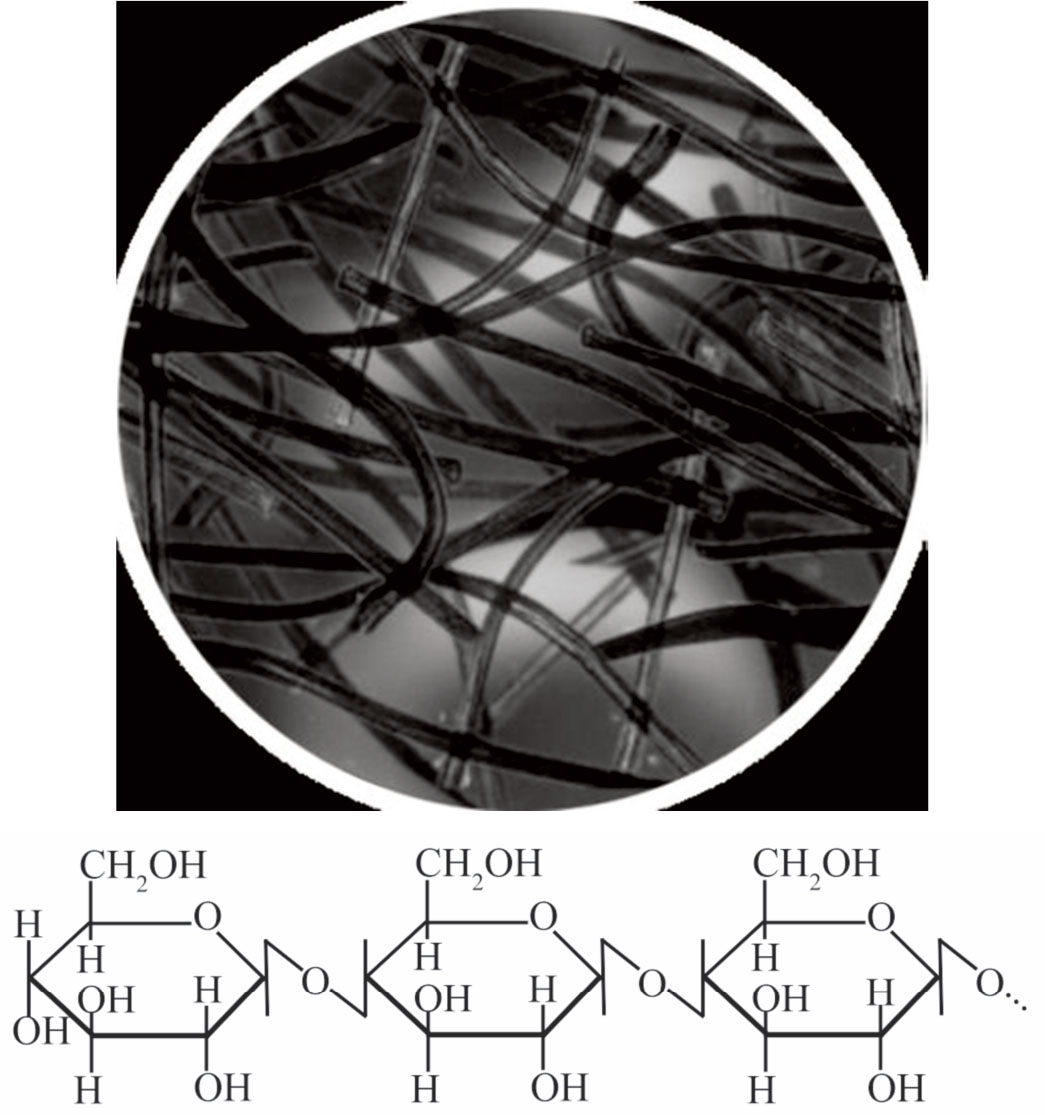
Figure 1.
Viscose fibre general appearance and chemical formula.
Table 1.
Mechanical properties of carbon fibres.
| Type of raw material | Density (g/cm3) | Young’s modulus (GPa) | Tensile strength (MPa) | Strain at breaking (%) |
|---|---|---|---|---|
| Viscose cord fibres | 1.60 | 40 | 500 | 1.25 |
| PAN fibres | 1.80 | 230 | 4,500 | 2.00 |
| Pitch fibres | 2.00 | 520 | 2,100 | 0.40 |
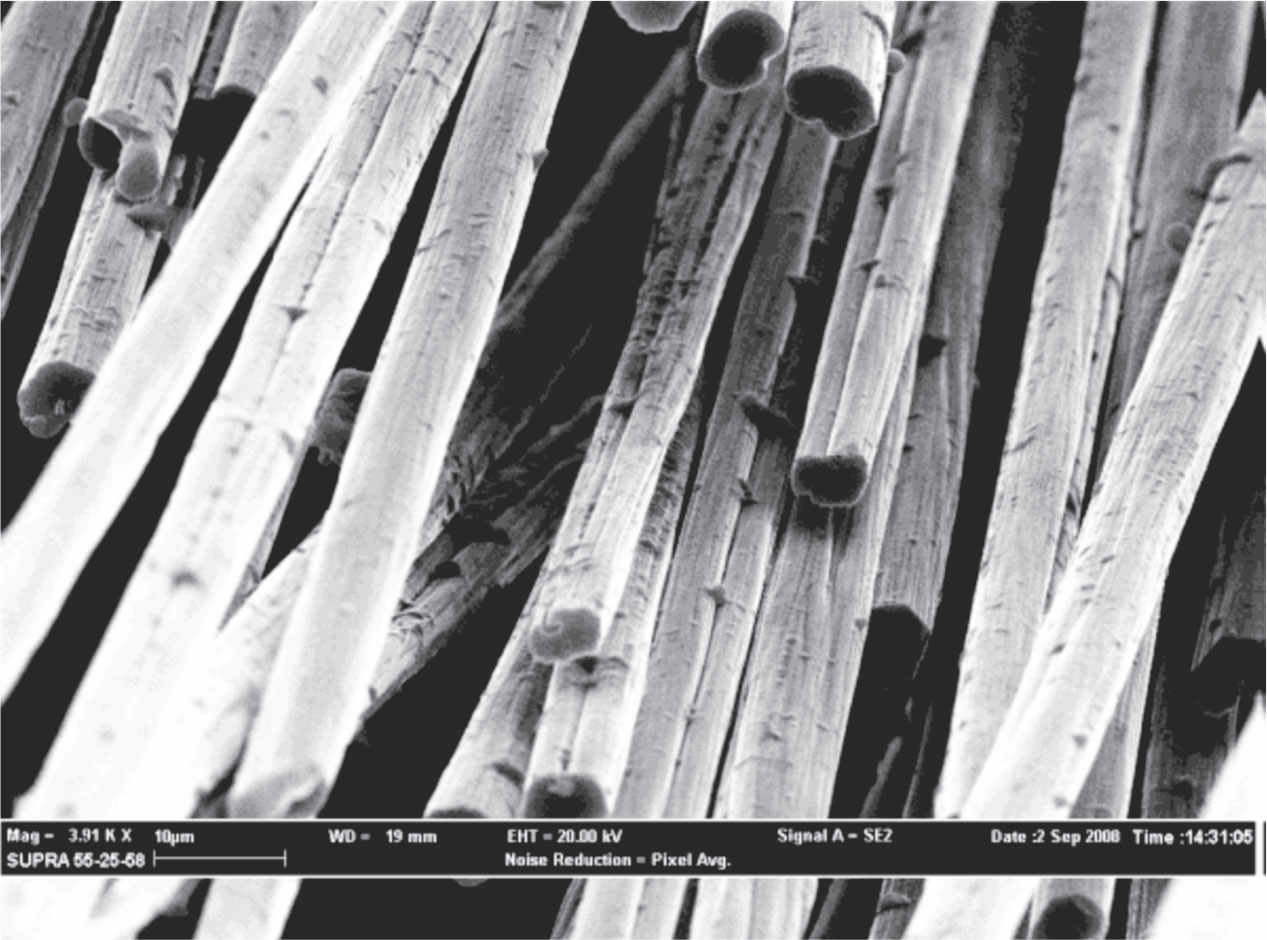
Figure 2.
CFC based on viscose. CFC, carbonised carbon fibres.
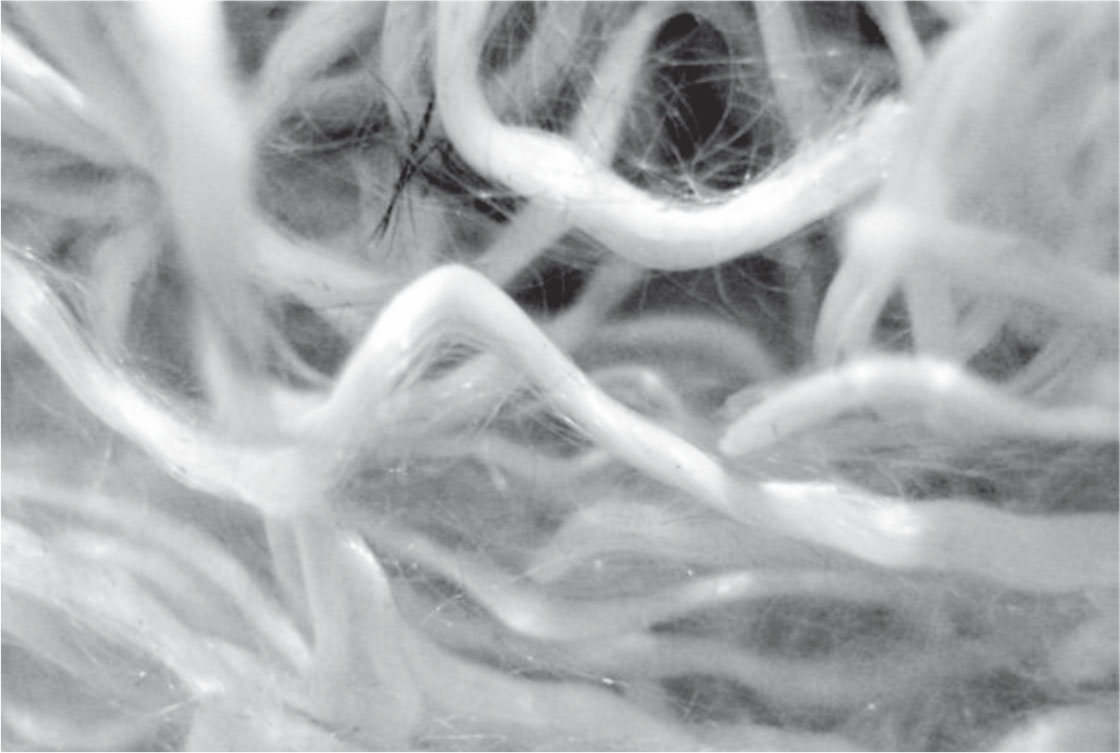
Figure 3.
Appearance of viscose fibre before crushing, ×2.
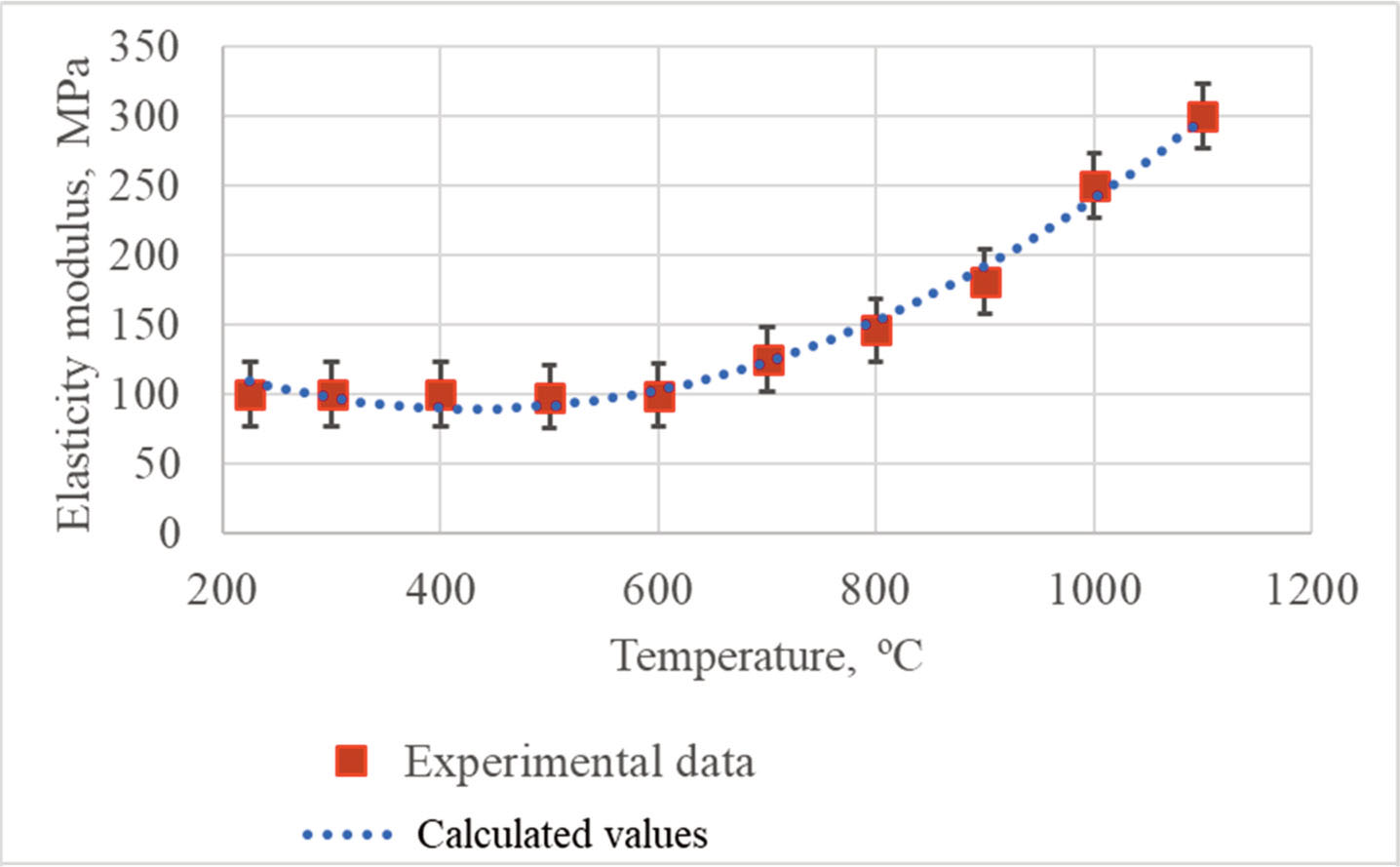
Figure 4.
The change in the modulus of elasticity of low-density CCCM depending on the carbonisation temperature. CCCM, carbon–carbon composite materials.
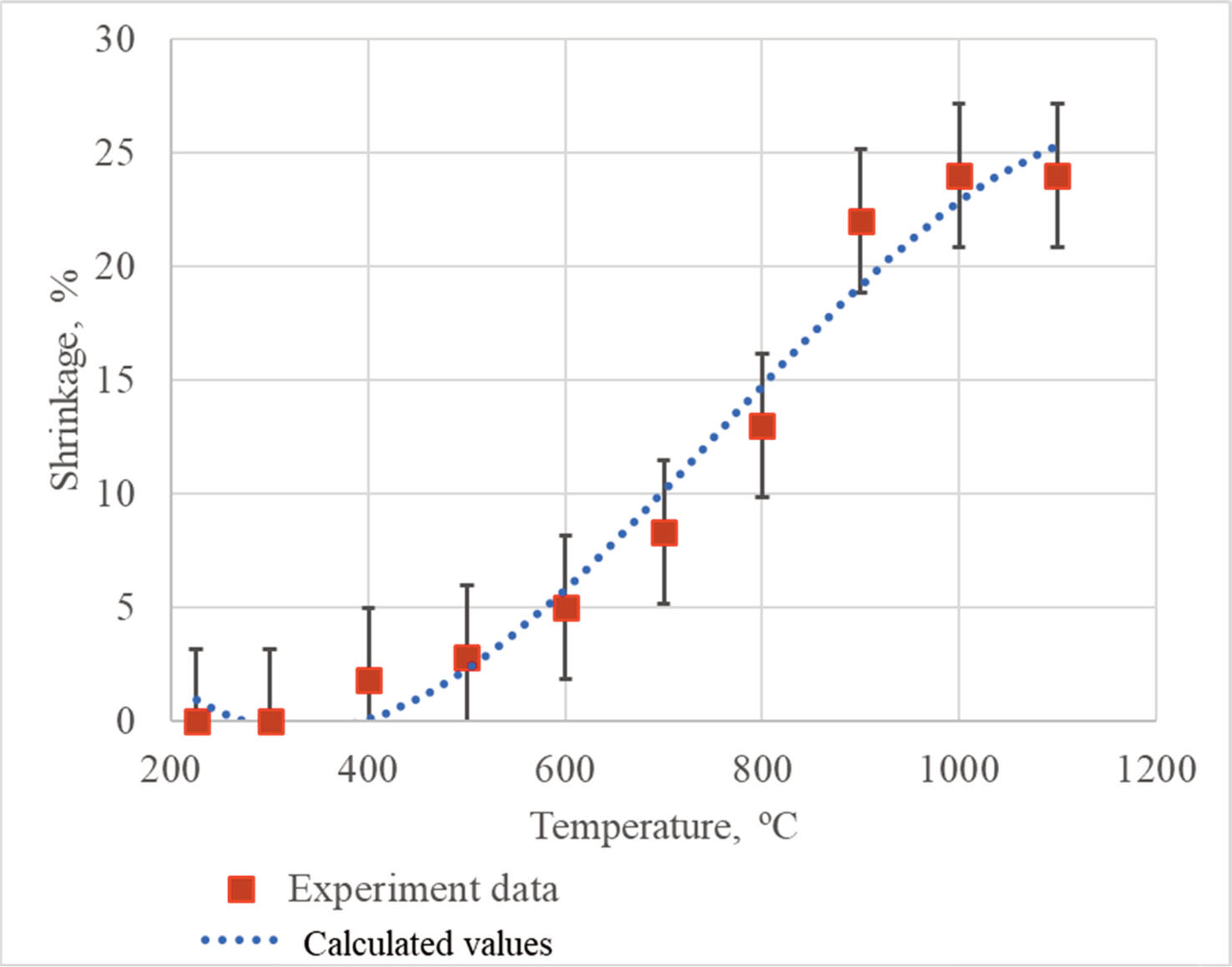
Figure 5.
Dependence of shrinkage of low-density CCCM on carbonisation temperature. CCCM, carbon–carbon composite materials.
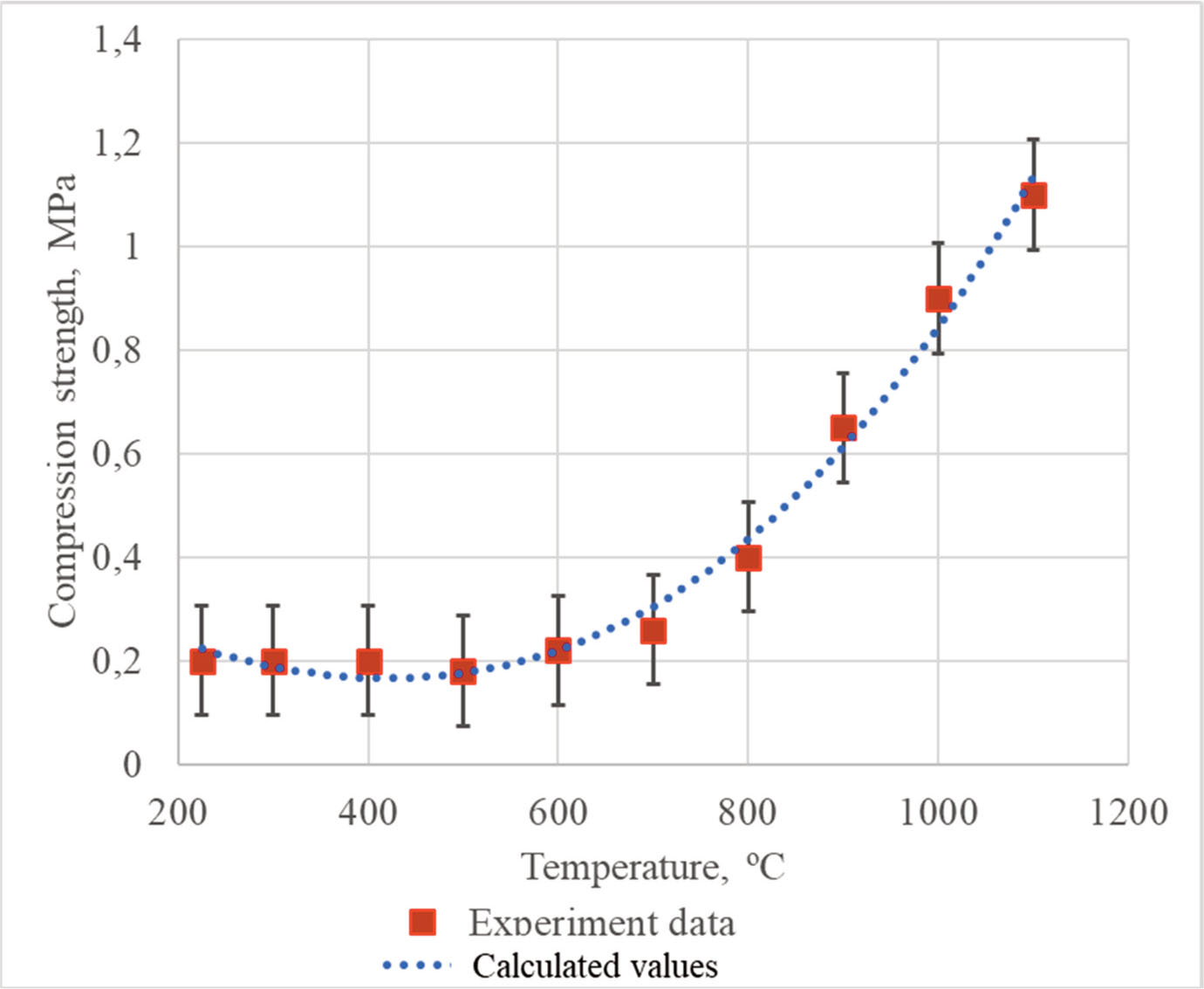
Figure 6.
Change in the compressive strength limit of low-density CCCM as a function of the carbonisation temperature. CCCM, carbon–carbon composite materials.
Table 2.
Main physical and mechanical characteristics of low-density CCCM.
| Name | Isostatic technology | Method of draining aqueous suspension |
|---|---|---|
| Material density (apparent) (g/m3) | 0.45–0.75 | 0.17–0.21 |
| Temperature factor of linear expansion (1/K) | (5.5–6.1)·10−6 | (4.3–5.3)·10−6 |
| Compression strength limit (MPa) | 0.60–0.80 | 0.70–1.10 |
| 0.85–1.05 | 0.84–1.25 | |
| Carbon content (%) | 99.6 | 99.6 |
| Thermal conductivity coefficient (W/(m·K); at 2,000 K) | 0.55–0.80 | 0.45–0.55 |