Have a personal or library account? Click to login
Understanding Geotechnical Embankment Washout Due to Overtopping: Insights From Physical Tests Cover

Understanding Geotechnical Embankment Washout Due to Overtopping: Insights From Physical Tests

Open Access
|Dec 2024

Figures & Tables

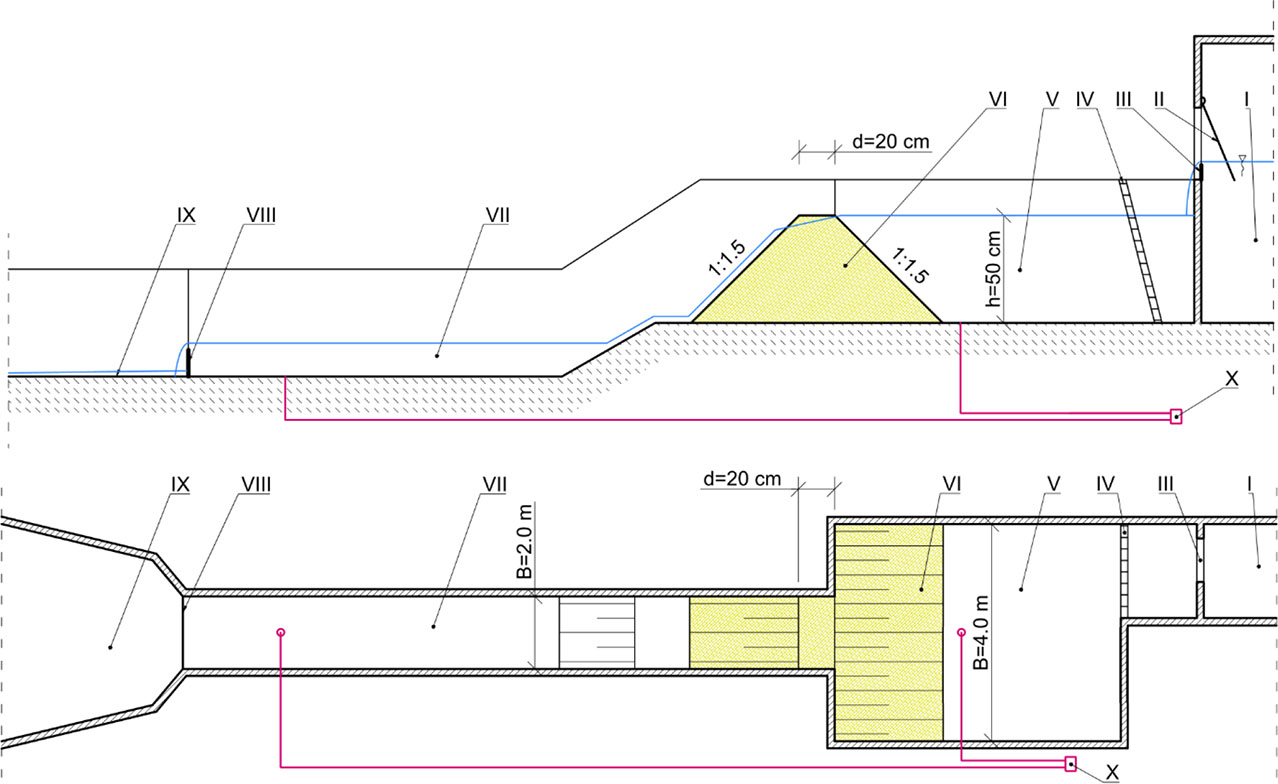
Figure 1:

Experimental setup. I – balance tank, II – check valve (close of the overflow window), III – overflow window with Thomson’s weir, IV – energy dissipation device, V – upper tank Vmax = 14.4 m3, VI – analyzed embankment, VII – downstream channel B=2.0 m, VIII – two Thomson’s weirs, IX – free discharge channel B >> 2.0 m, X – hydrostatic pressure sensors.
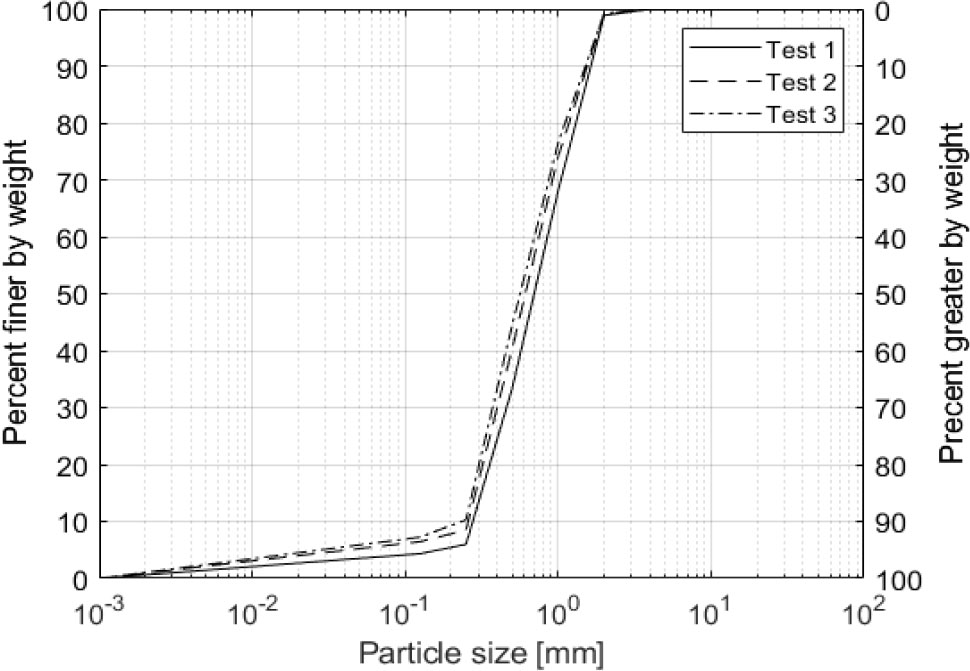

Figure 2:

Distribution of grain size of the soil used in the laboratory test.
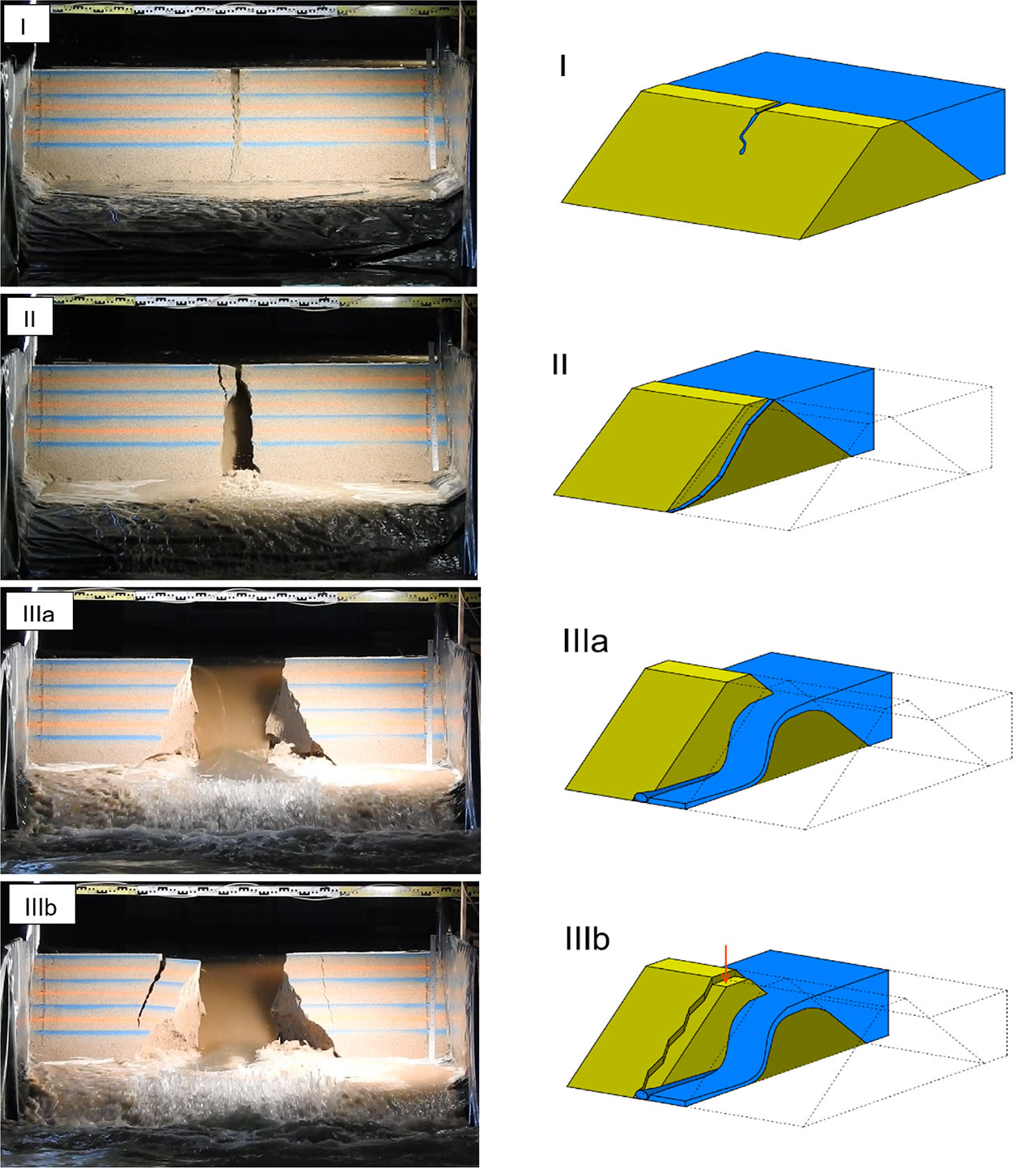

Figure 3:

Phases of failure mode of a noncohesive homogeneous dam – photos from Test 2 and isometric schemes.
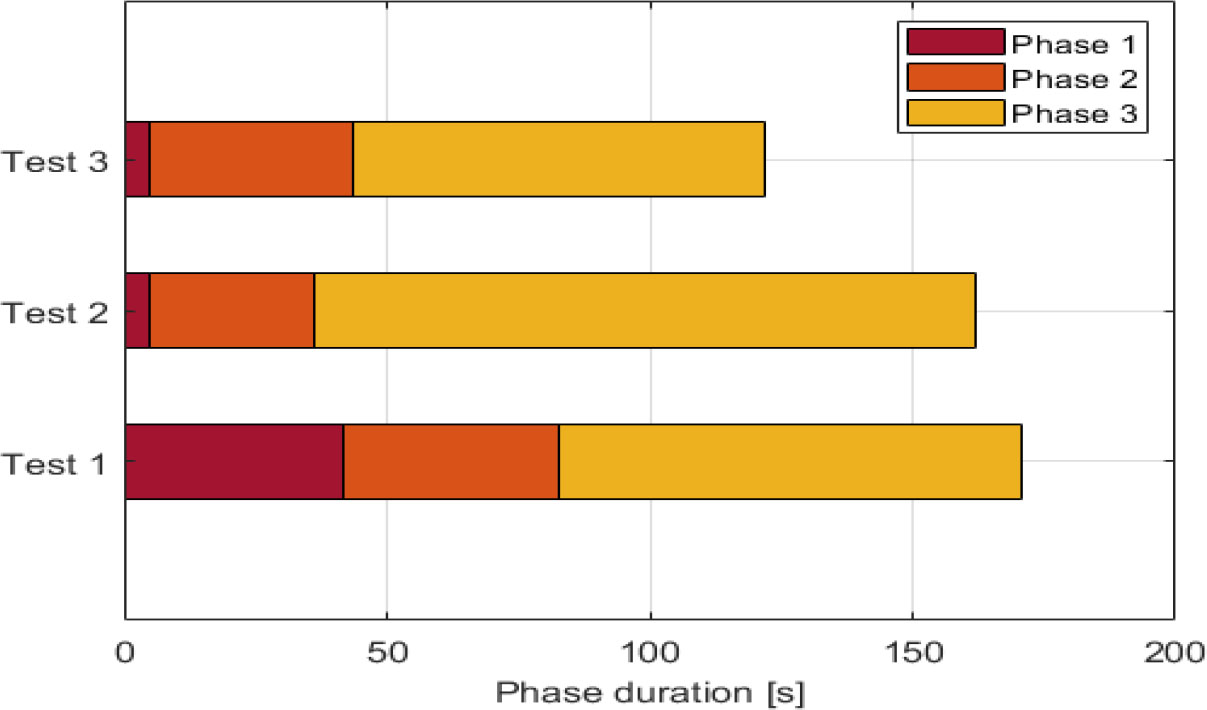

Figure 4:

Phase duration in each test
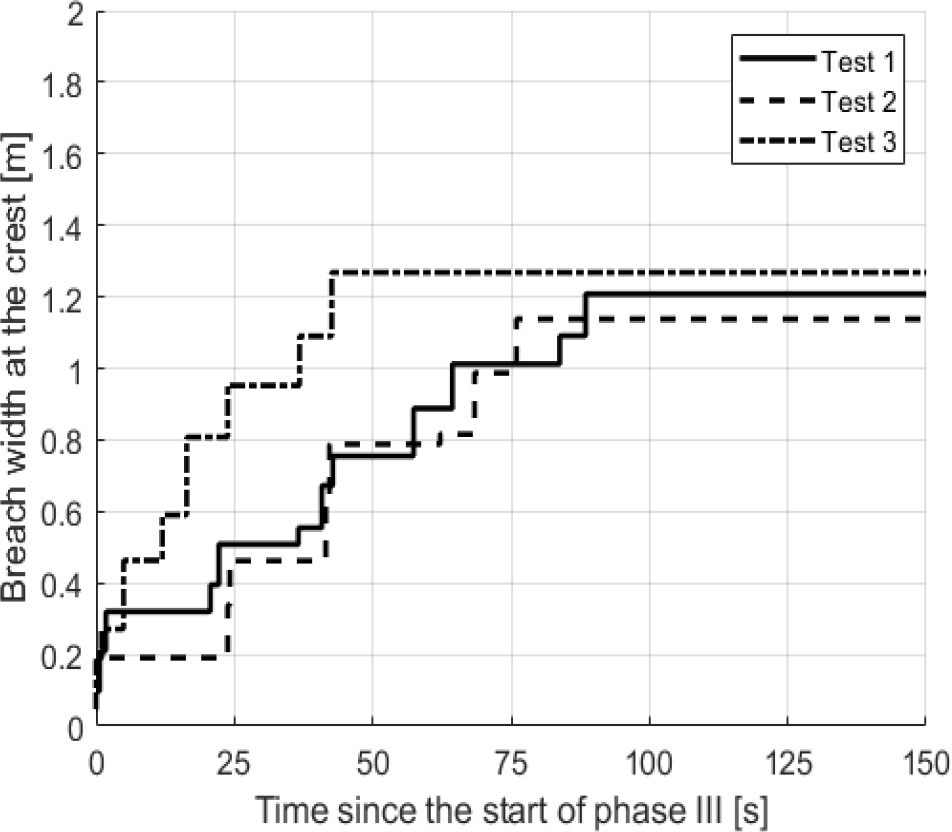

Figure 5:

Breach width at the crest since the beginning of phase III.
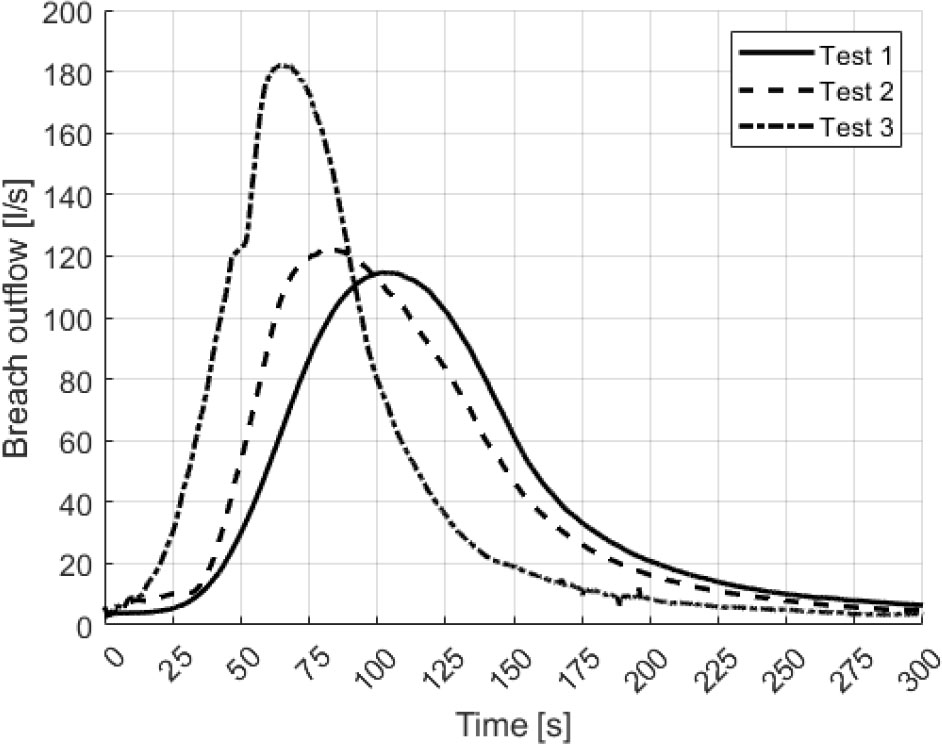

Figure 6:

Upstream discharge from tests 1, 2, and 3.
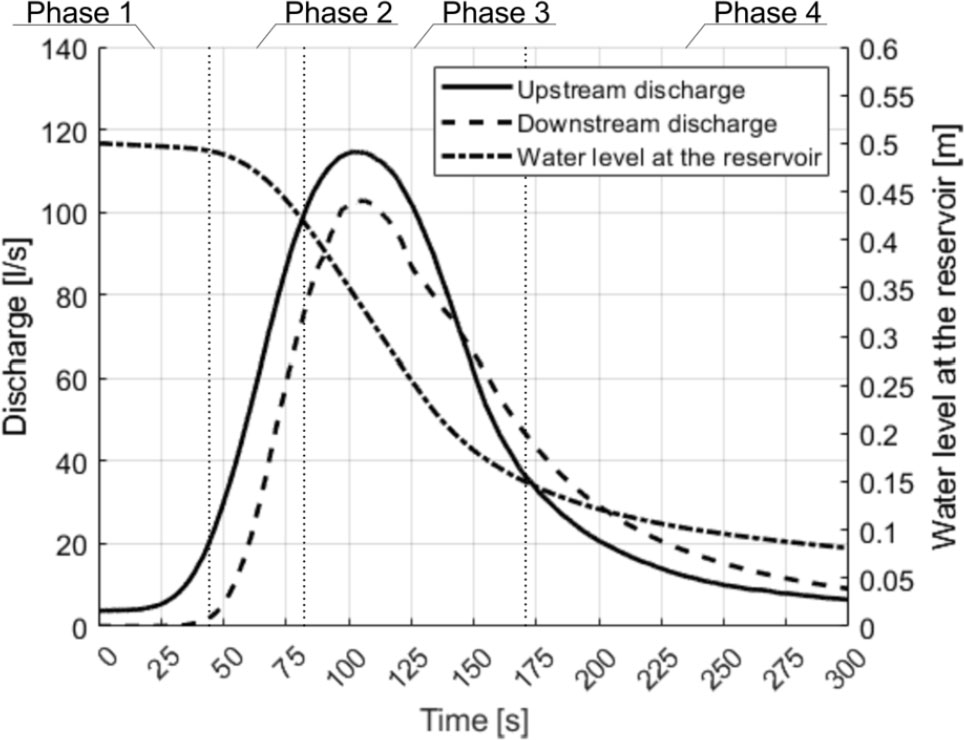

Figure 7:

Discharge and water level from Test 1.
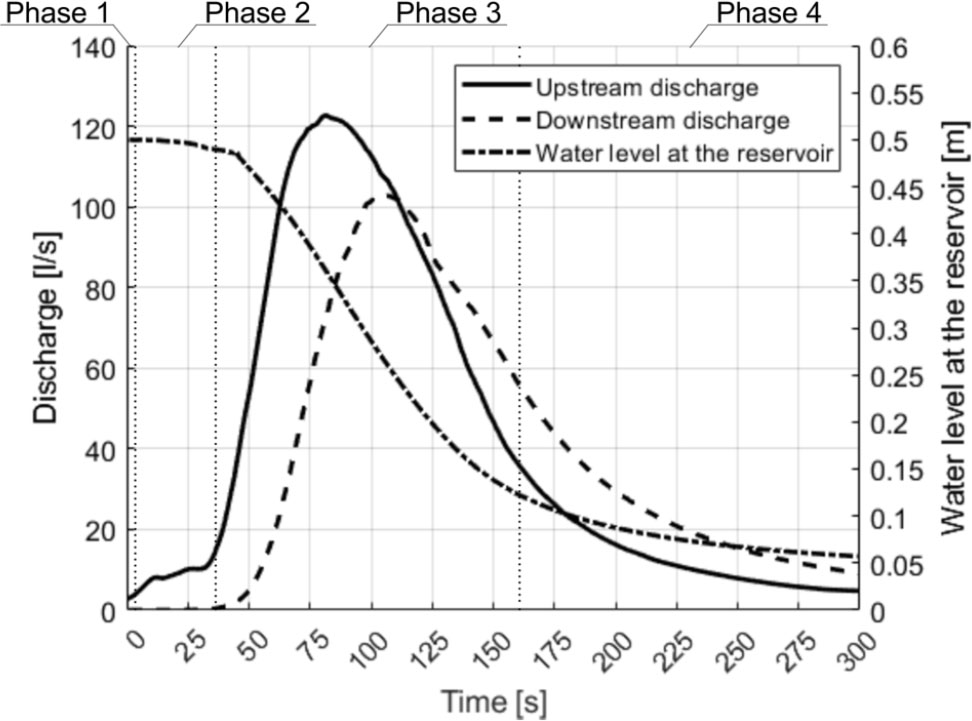

Figure 8:

Discharge and water level from Test 2.
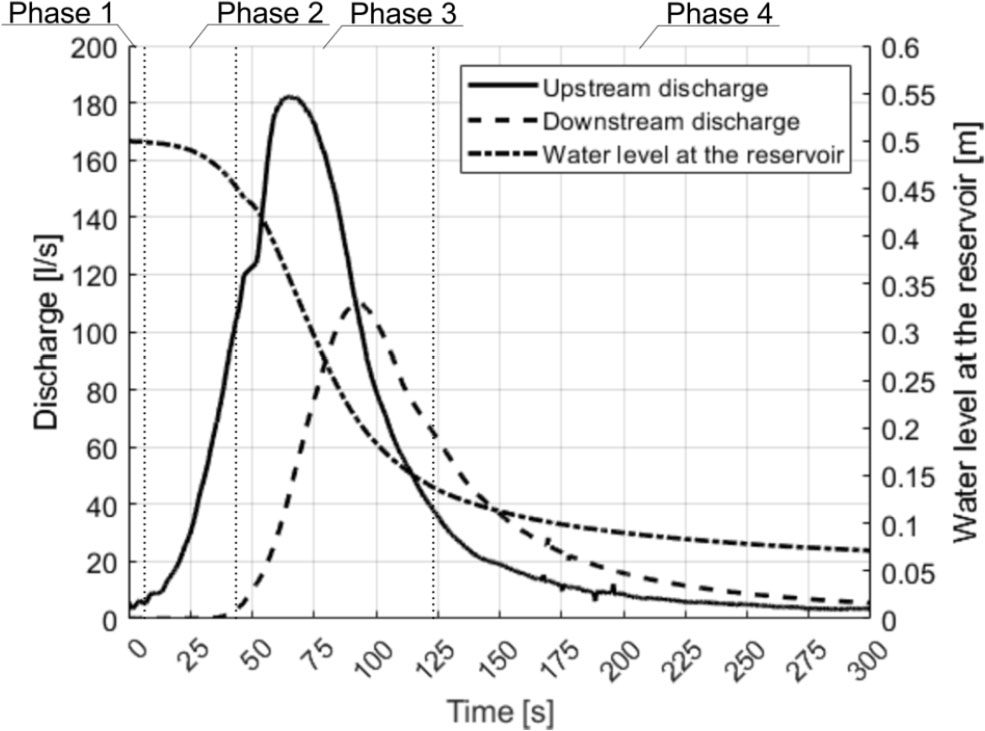

Figure 9:

Discharge and water level from Test 3.

Dam breach parameters of tests 1, 2, and 3_

TestPeak discharge (l/s)Timing of the peak discharge (s)Duration of breach (s)Duration of expansion of the breach (s)Eroded material (m3)Average erosion rate (m3/s)Final width of the top of the breach (cm)Average rate of breach expansion (cm/s)
1114.651021711290.5710.0041210.9
2122.67861621570.5200.0031140.7
3182.17641221170.5860.0051271.1

Comparison of breach parameters using empirical formulas_

Ashraf et al. (2018)Soliman (2015)Webby (1995)Chinnarasri et al. (2004)The present study
Test 1Test 2Test 3
Qp (l/s)16.51-138.9338.42/471.07*114.65122.67182.17
Bavg (m)1.302.41--1.201.101.23
Hf (m)0.390.44--0.50.50.5
Tf (s)411654-75/79*128157117
DOI: https://doi.org/10.2478/sgem-2024-0025 | Journal eISSN: 2083-831X | Journal ISSN: 0137-6365
Language: English
Page range: 328 - 336
Submitted on: May 15, 2024
Accepted on: Oct 6, 2024
Published on: Dec 4, 2024
Published by: Wroclaw University of Science and Technology
In partnership with: Paradigm Publishing Services
Publication frequency: 4 issues per year

© 2024 Mikołaj Urbaniak, Krzysztof Zamiar, Stanisław Kostecki, published by Wroclaw University of Science and Technology
This work is licensed under the Creative Commons Attribution 4.0 License.