
Figure 1
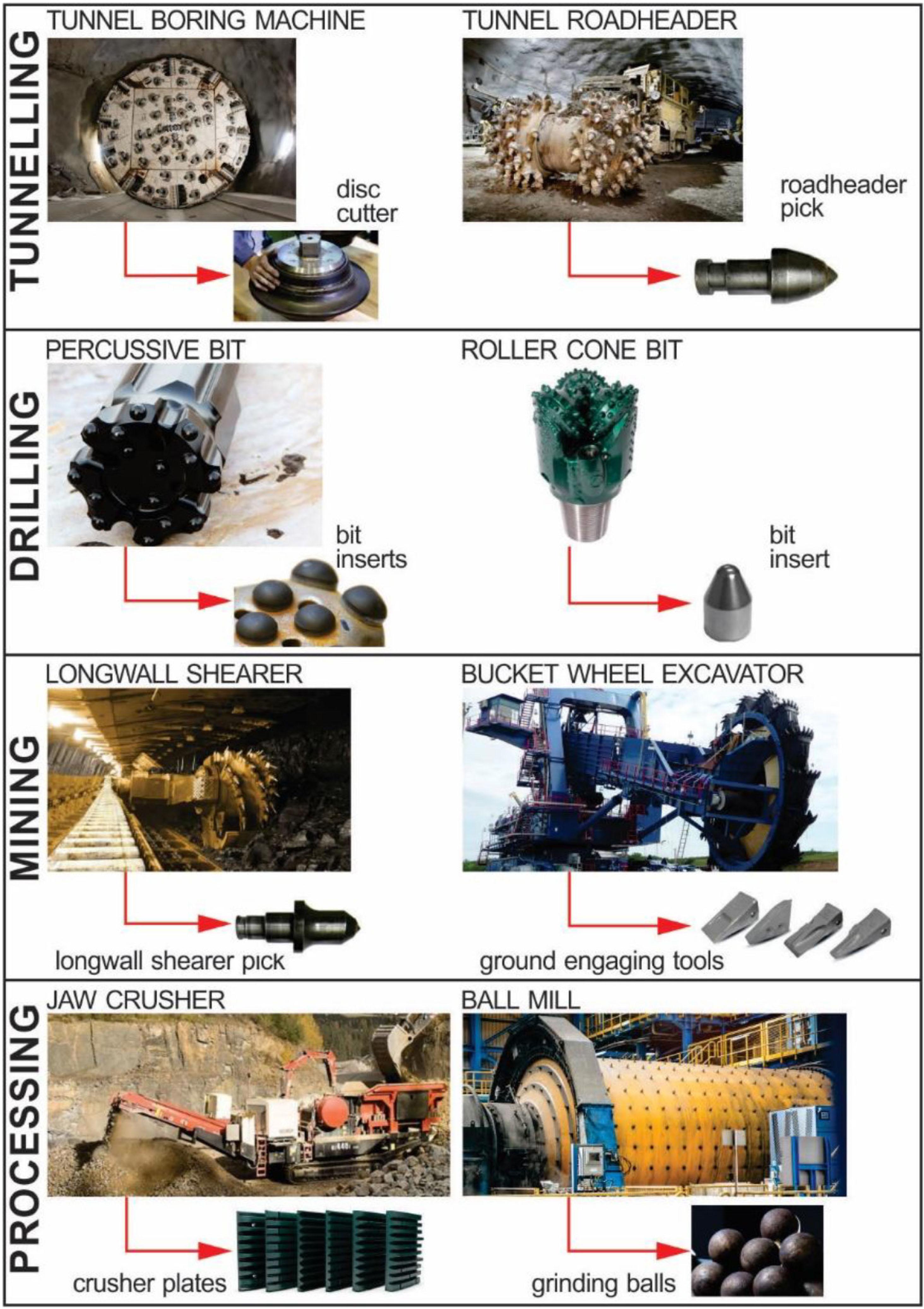
Figure 2
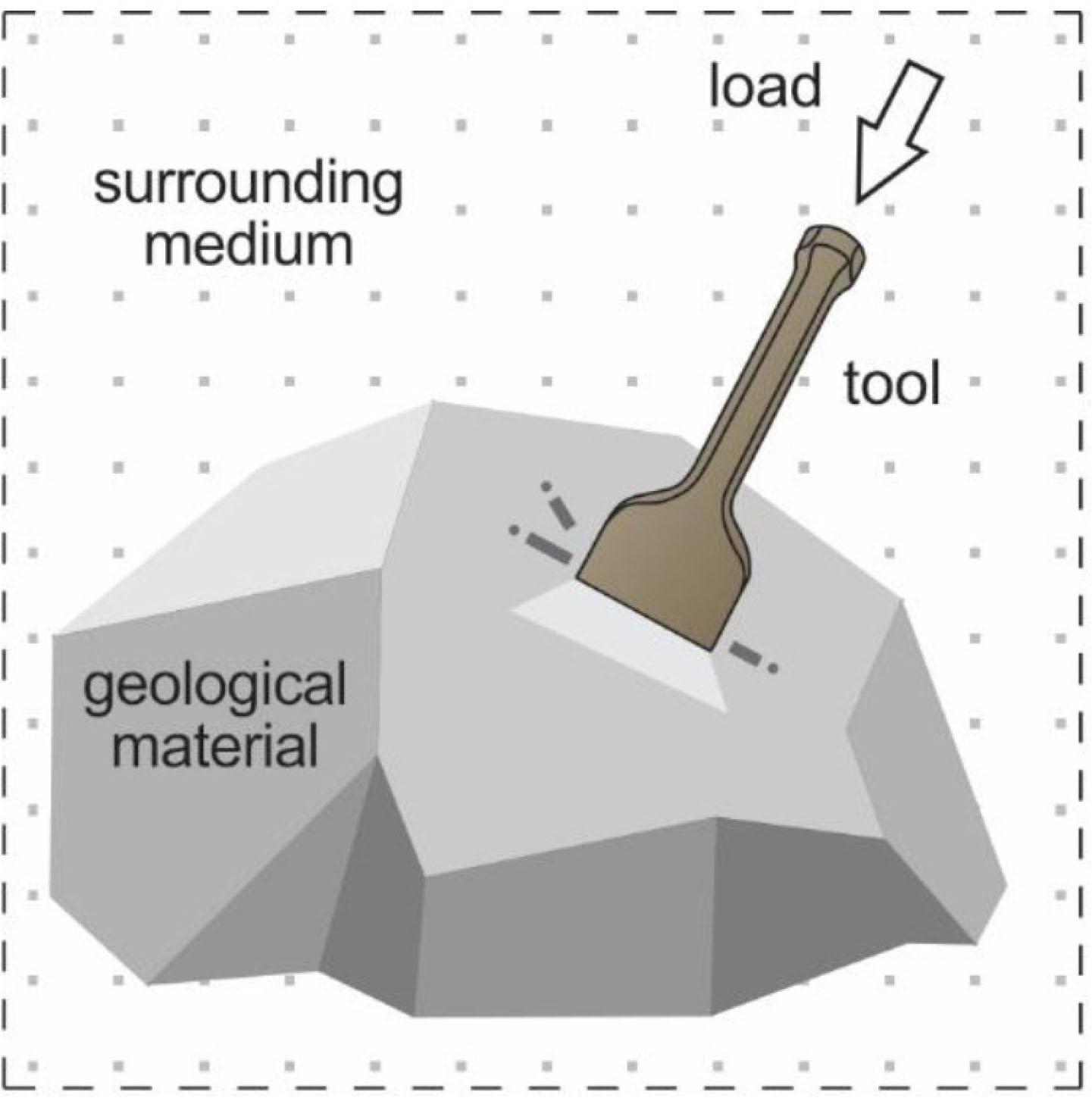
Figure 3
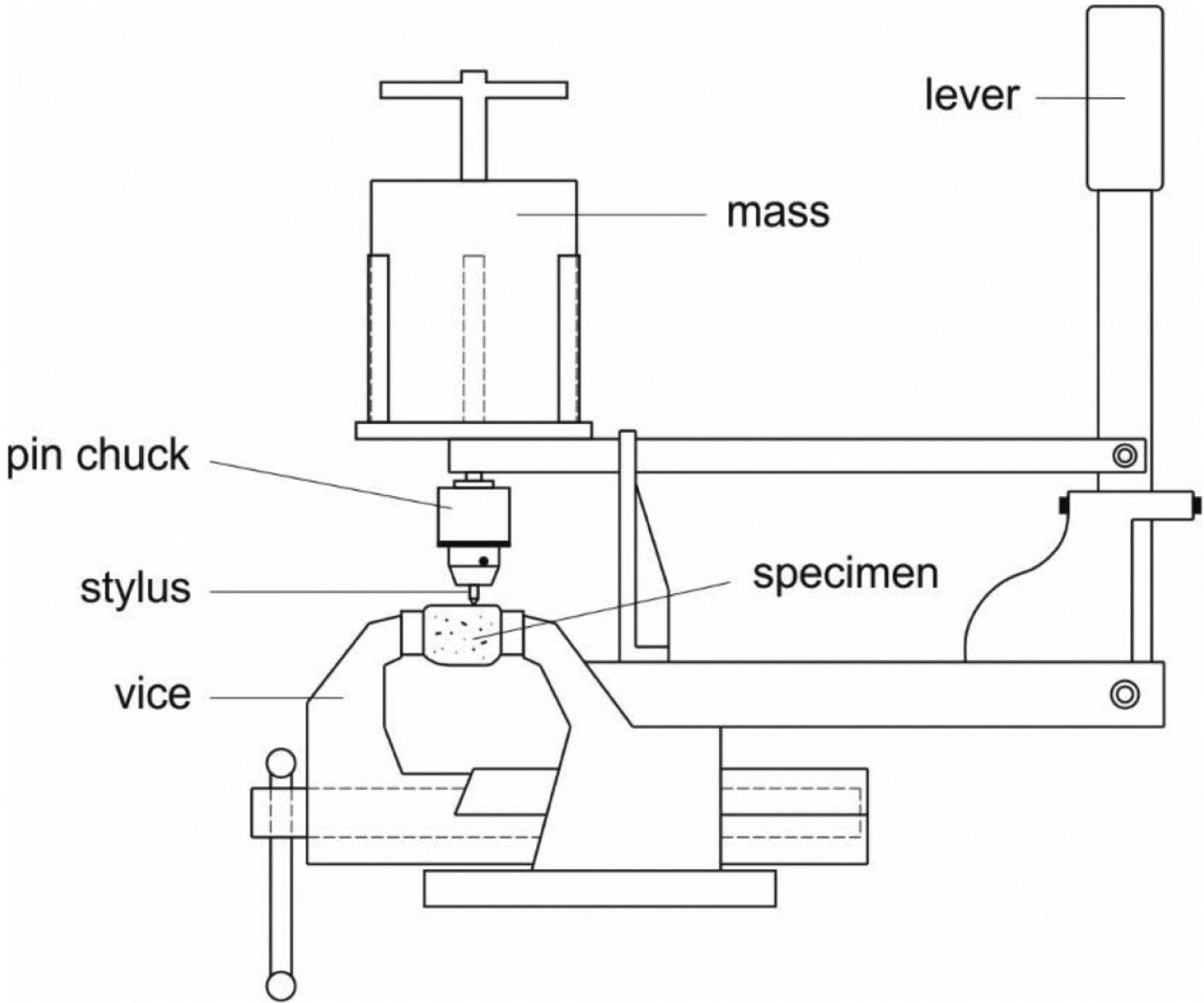
Figure 4
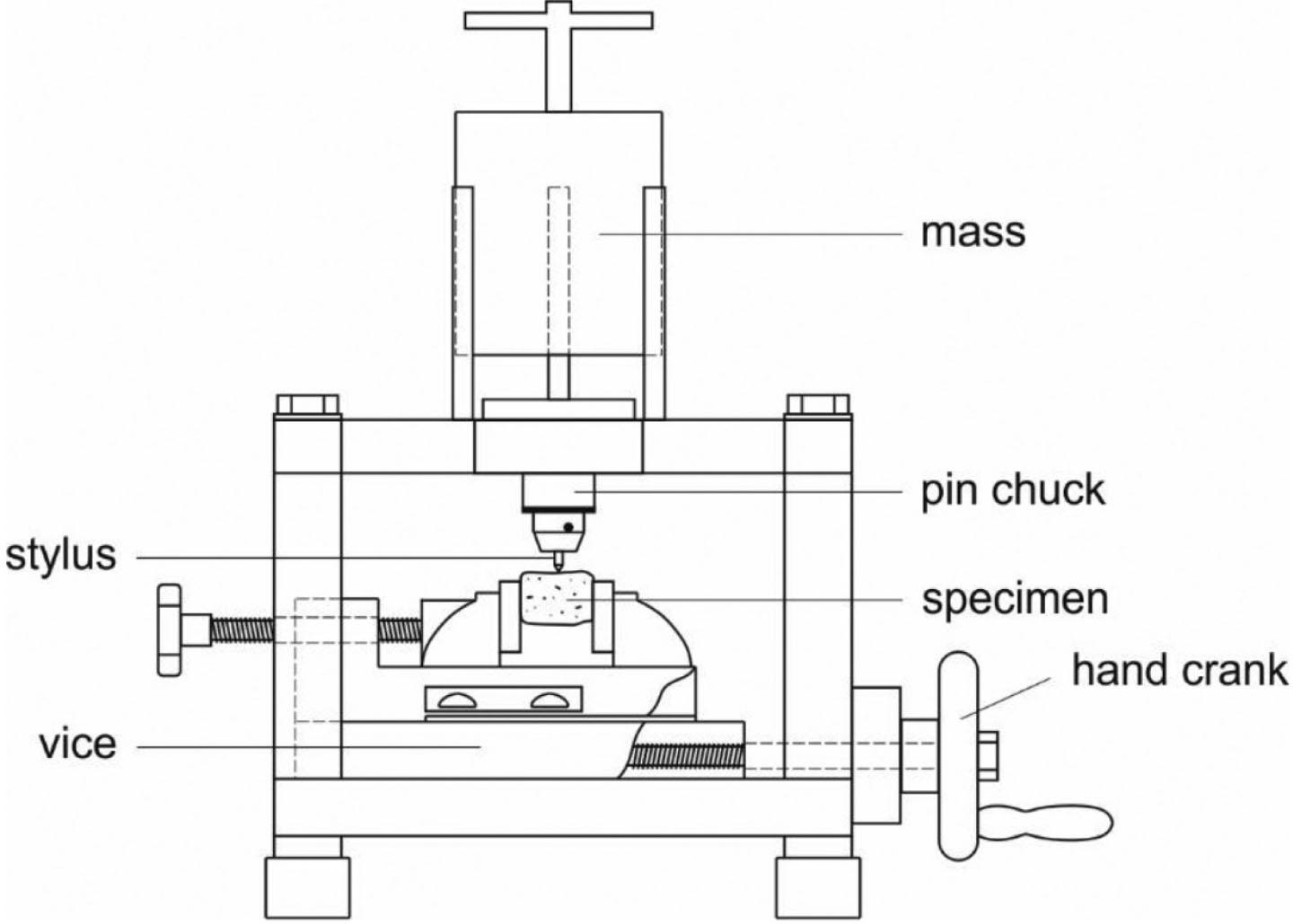
Figure 5
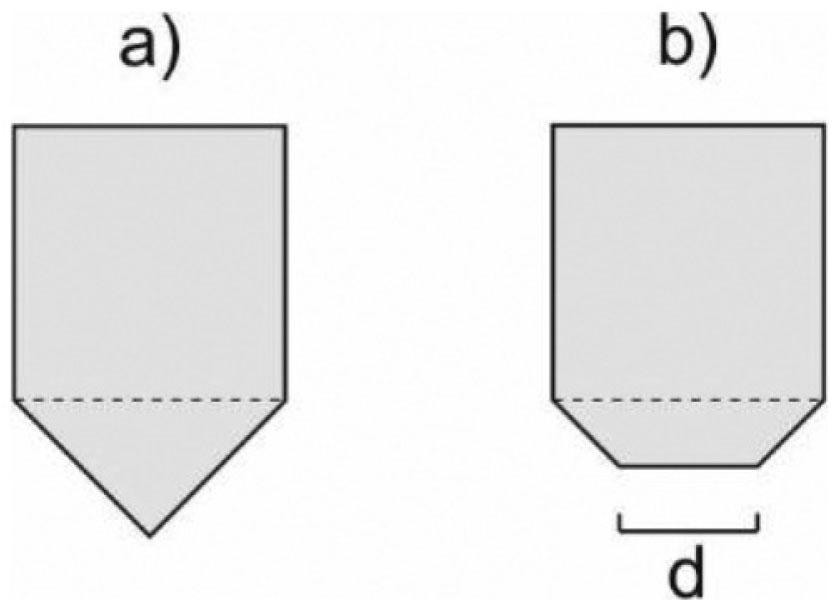
Figure 6
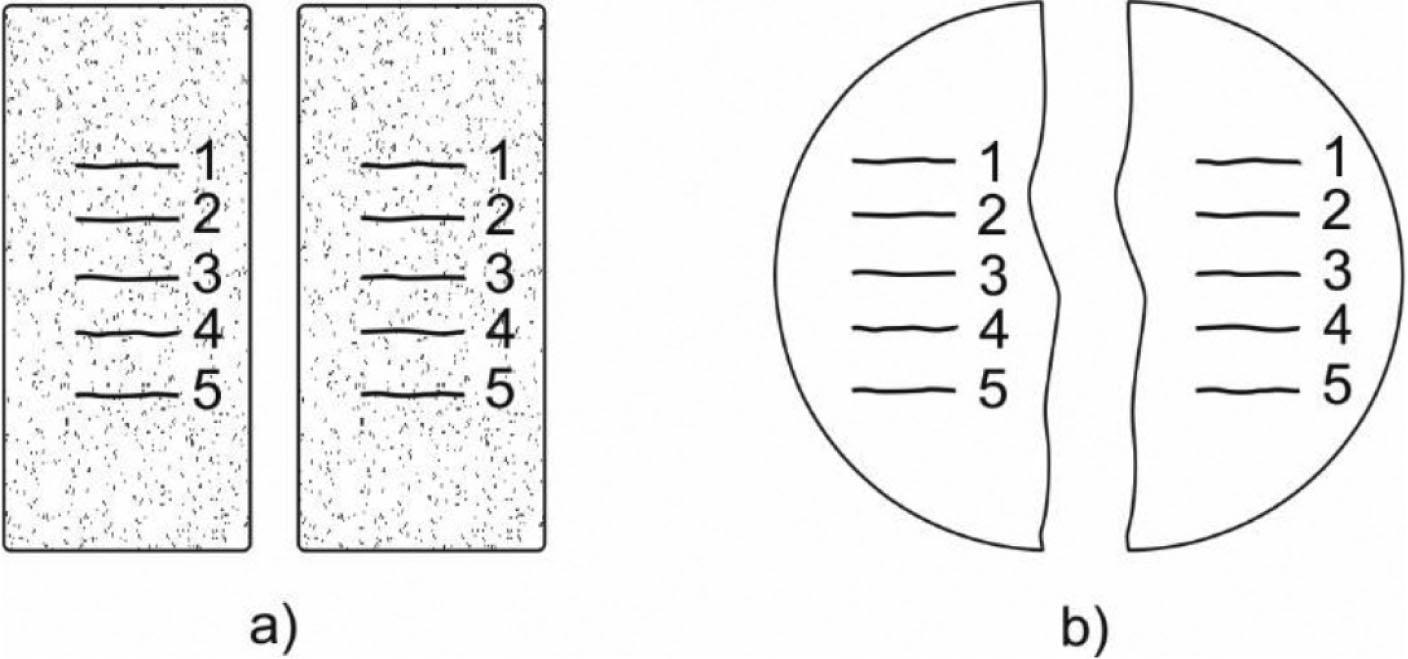
Figure 7
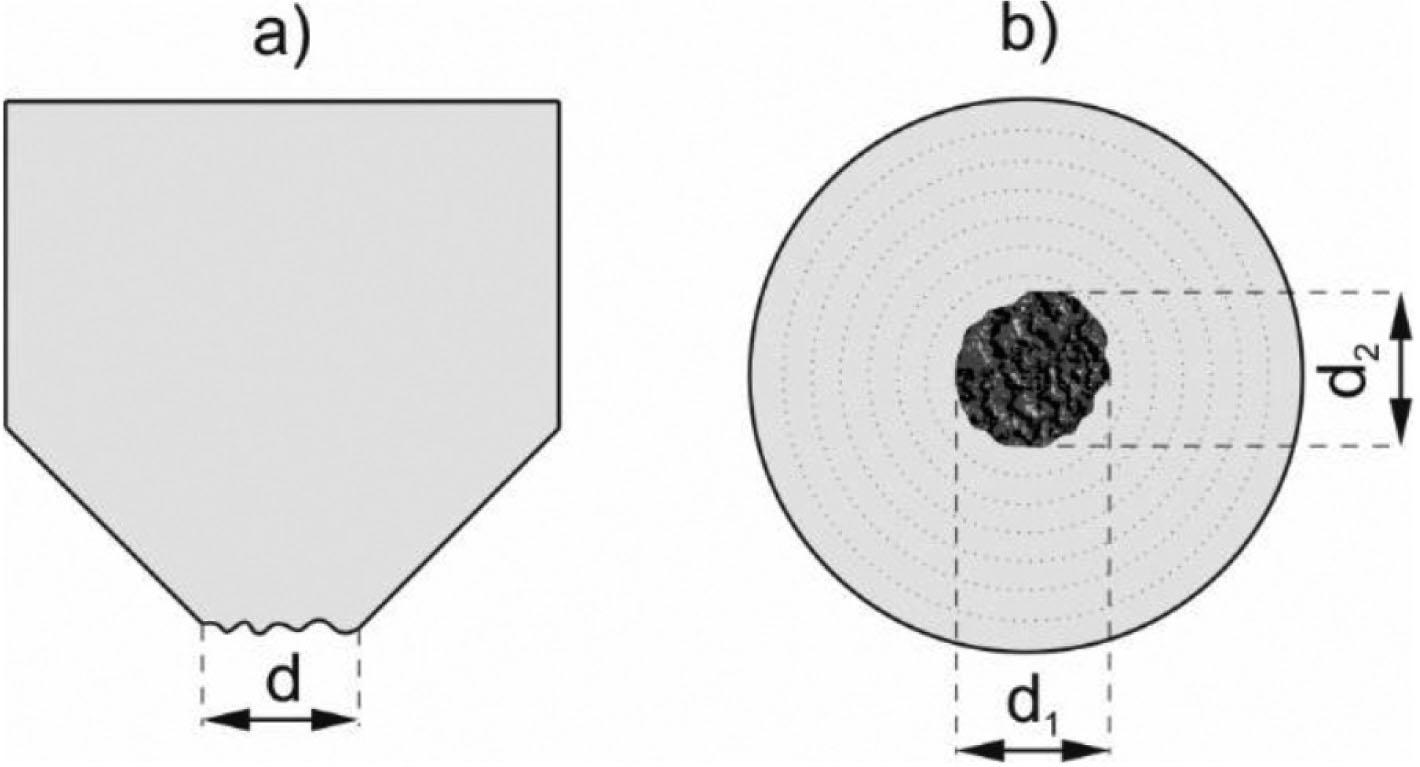
Figure 8
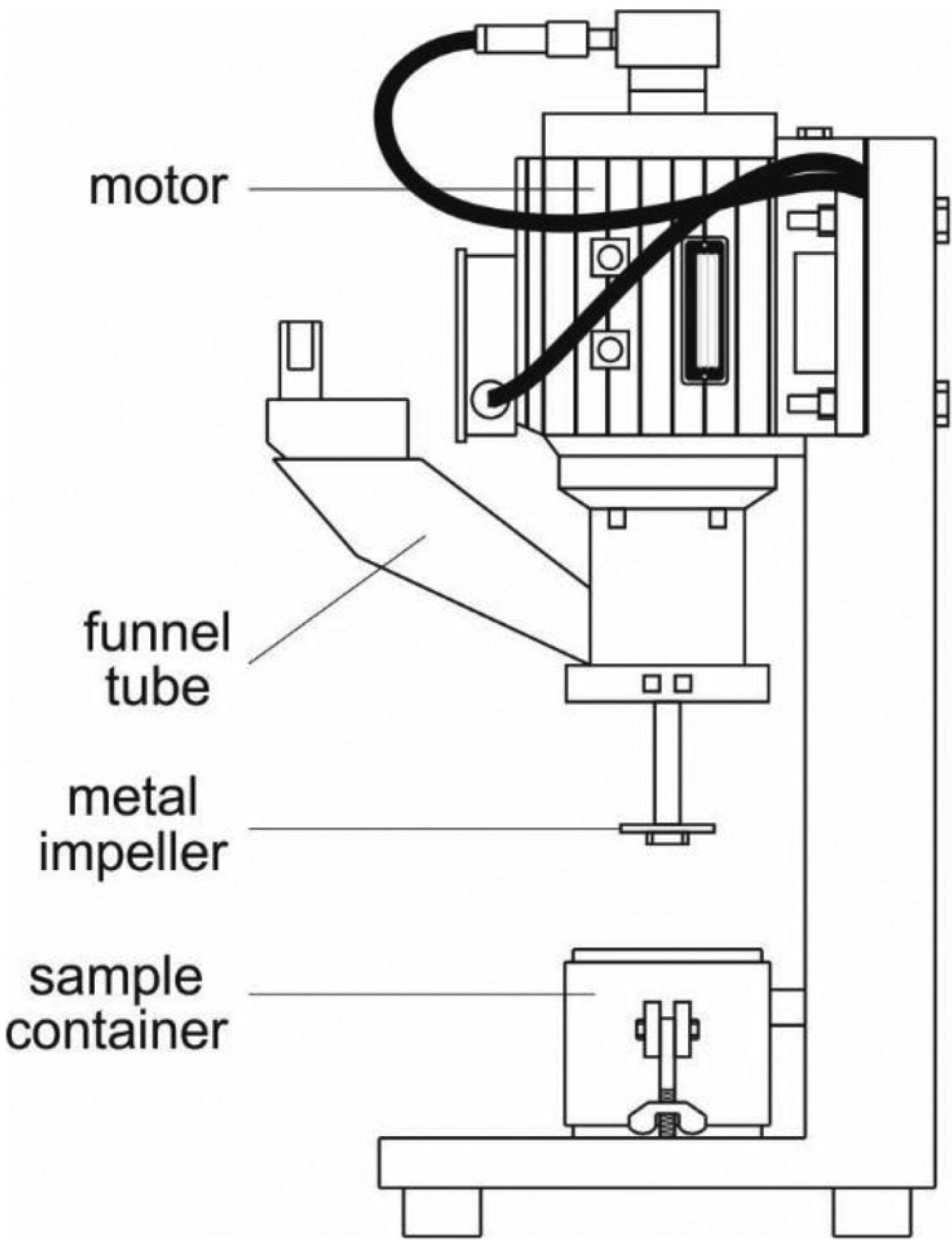
Figure 9
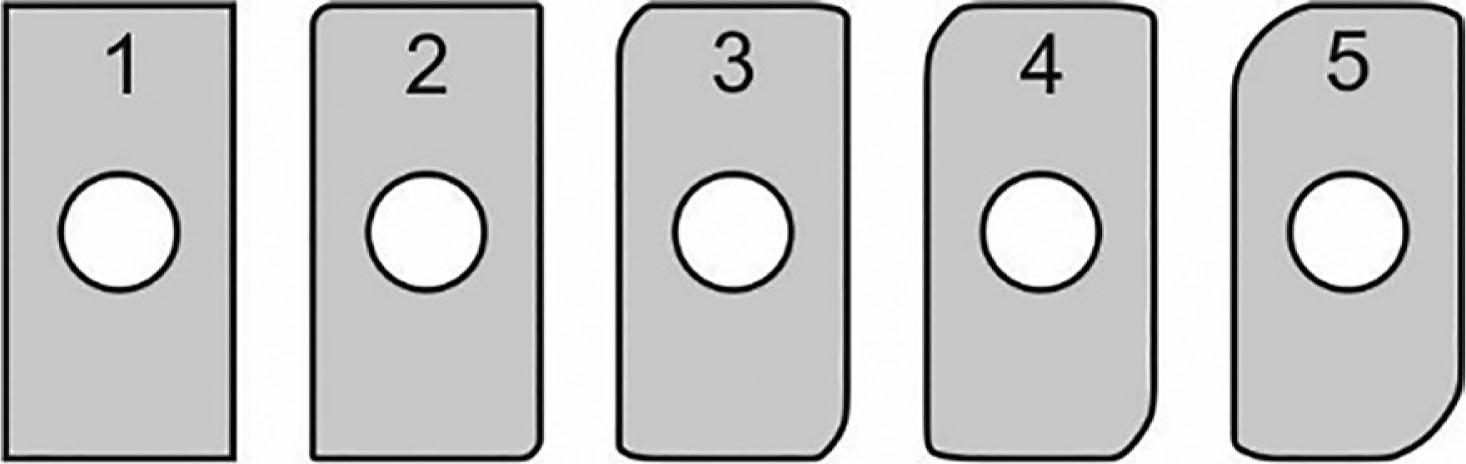
Figure 10
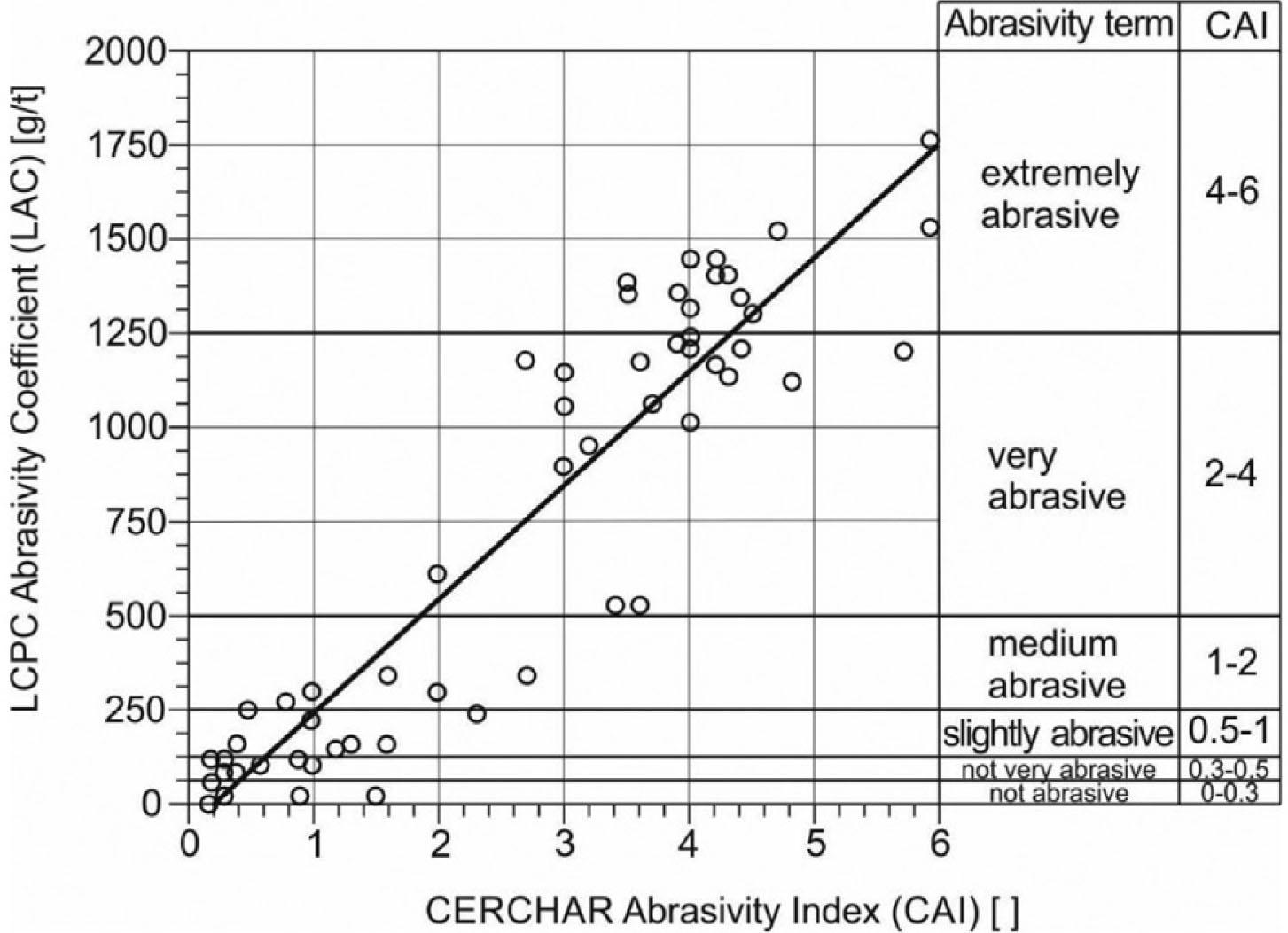
Figure 11
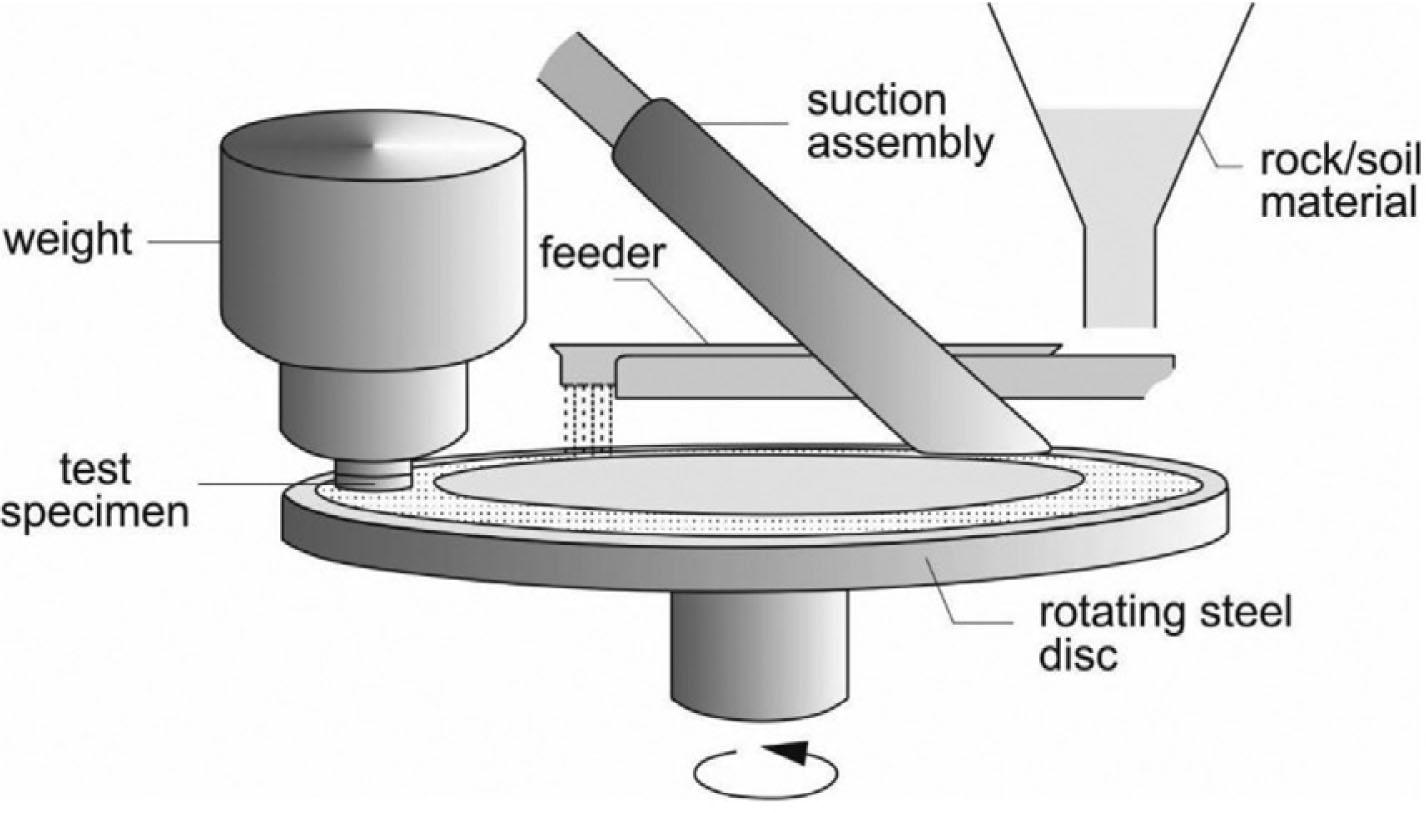
Figure 12
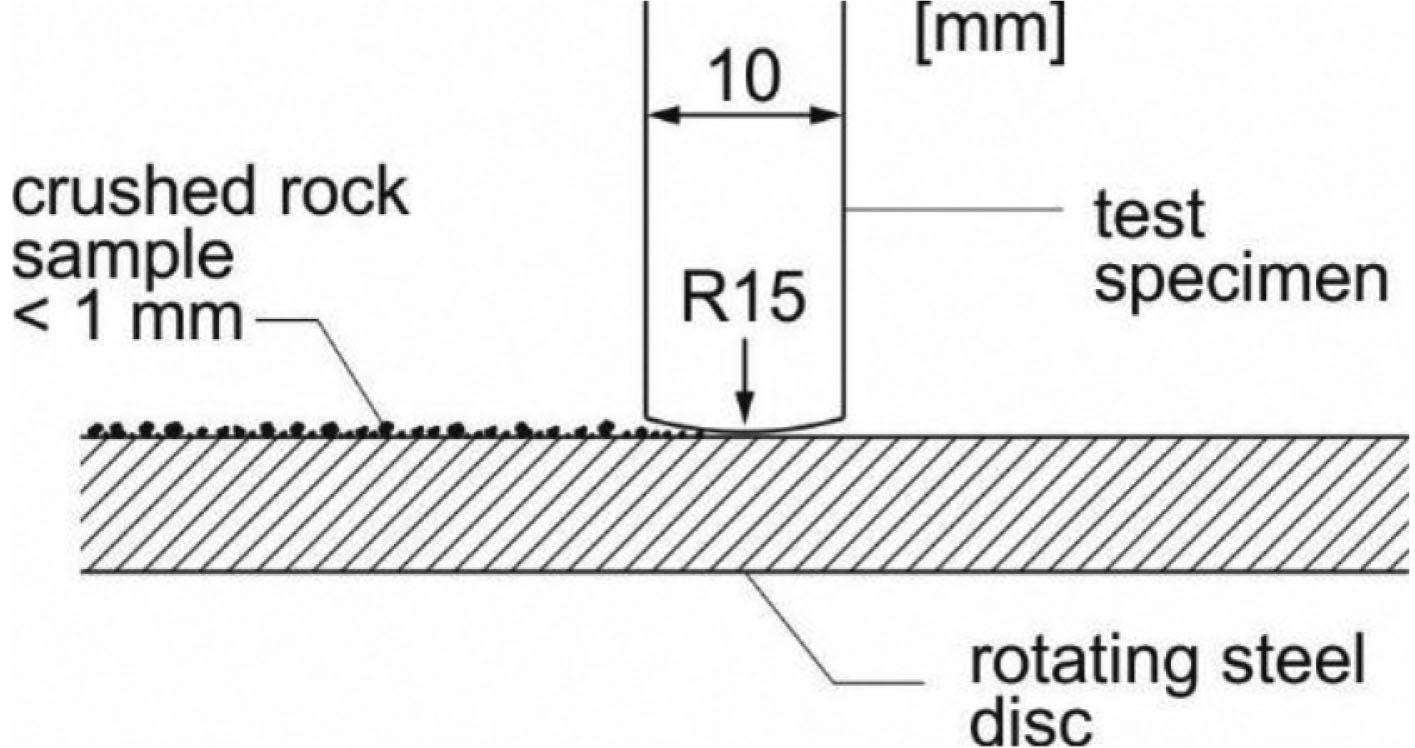
Figure 13
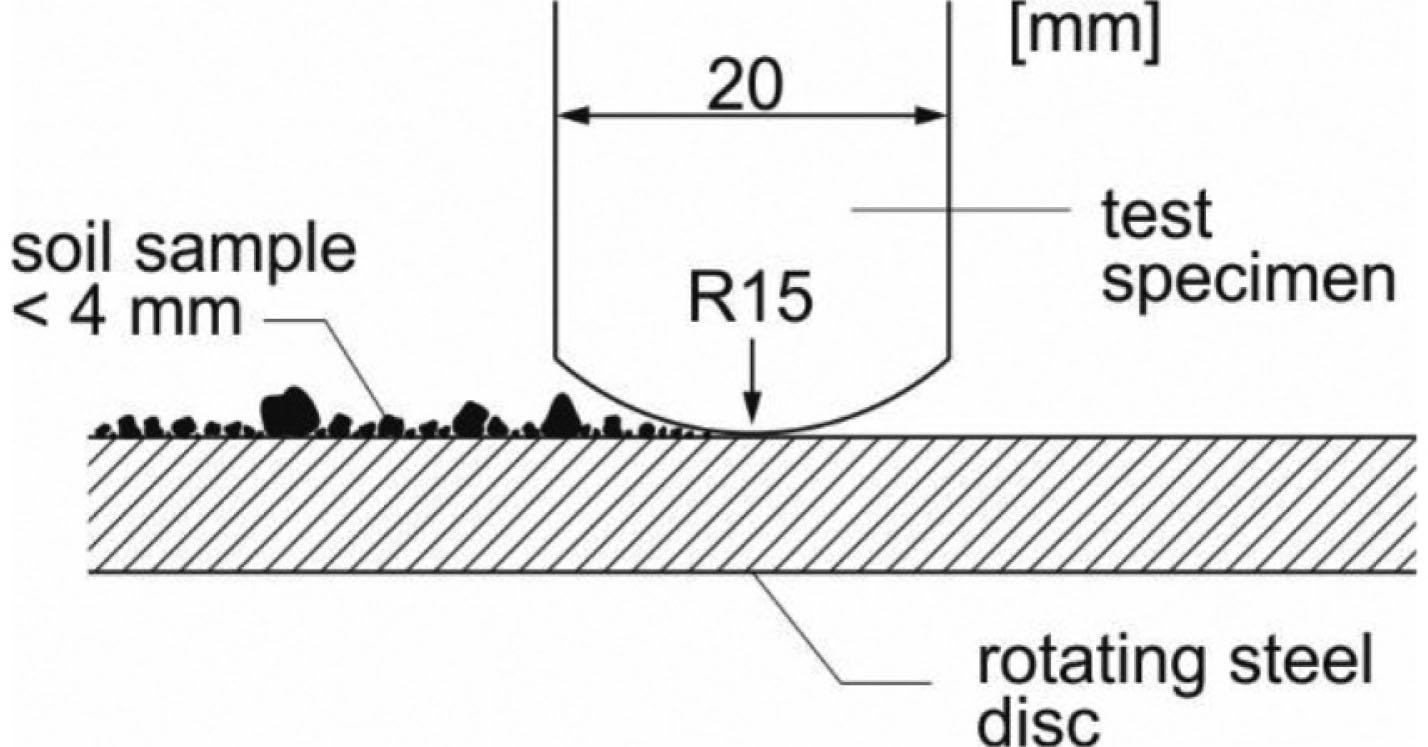
Figure 14
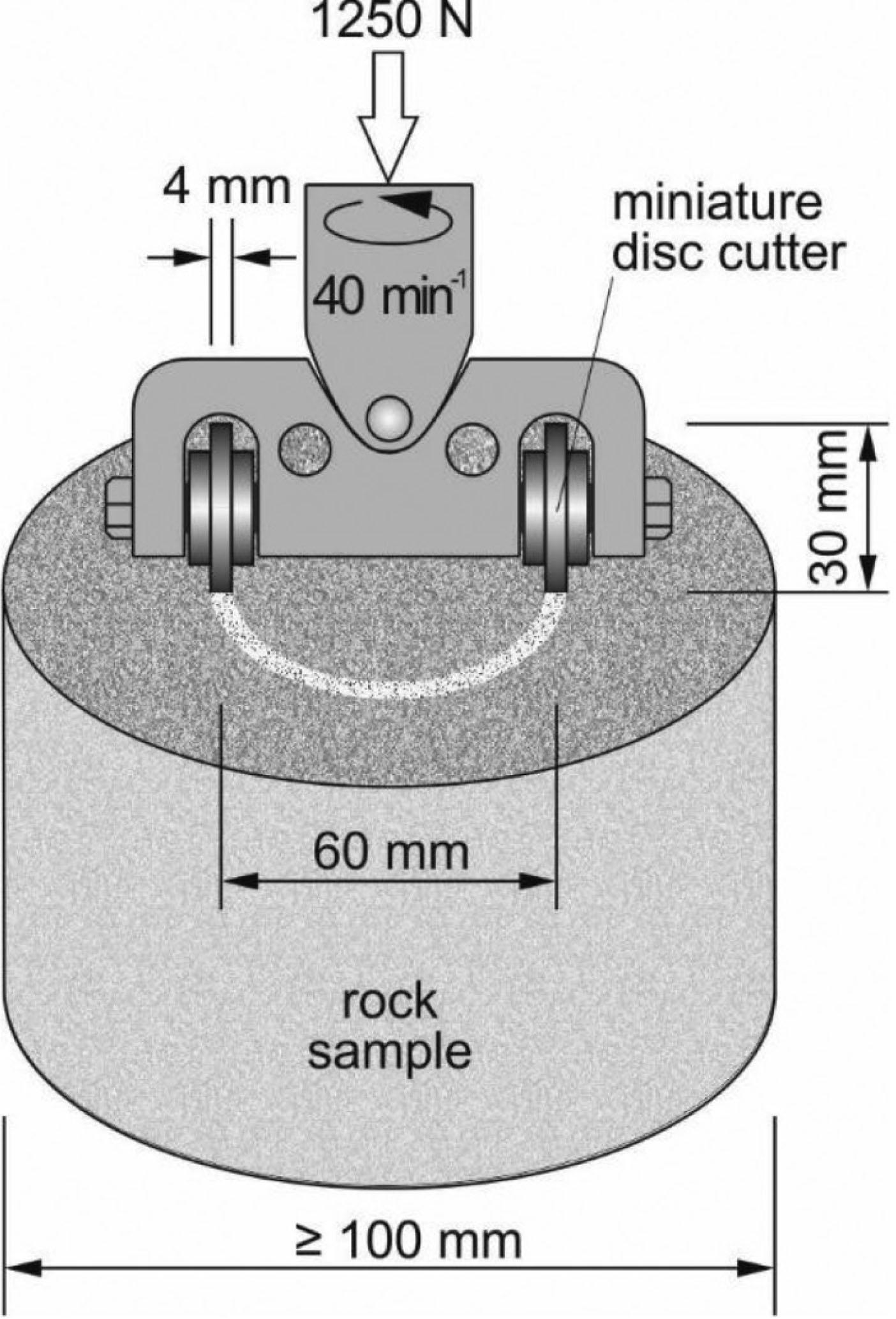
Figure 15
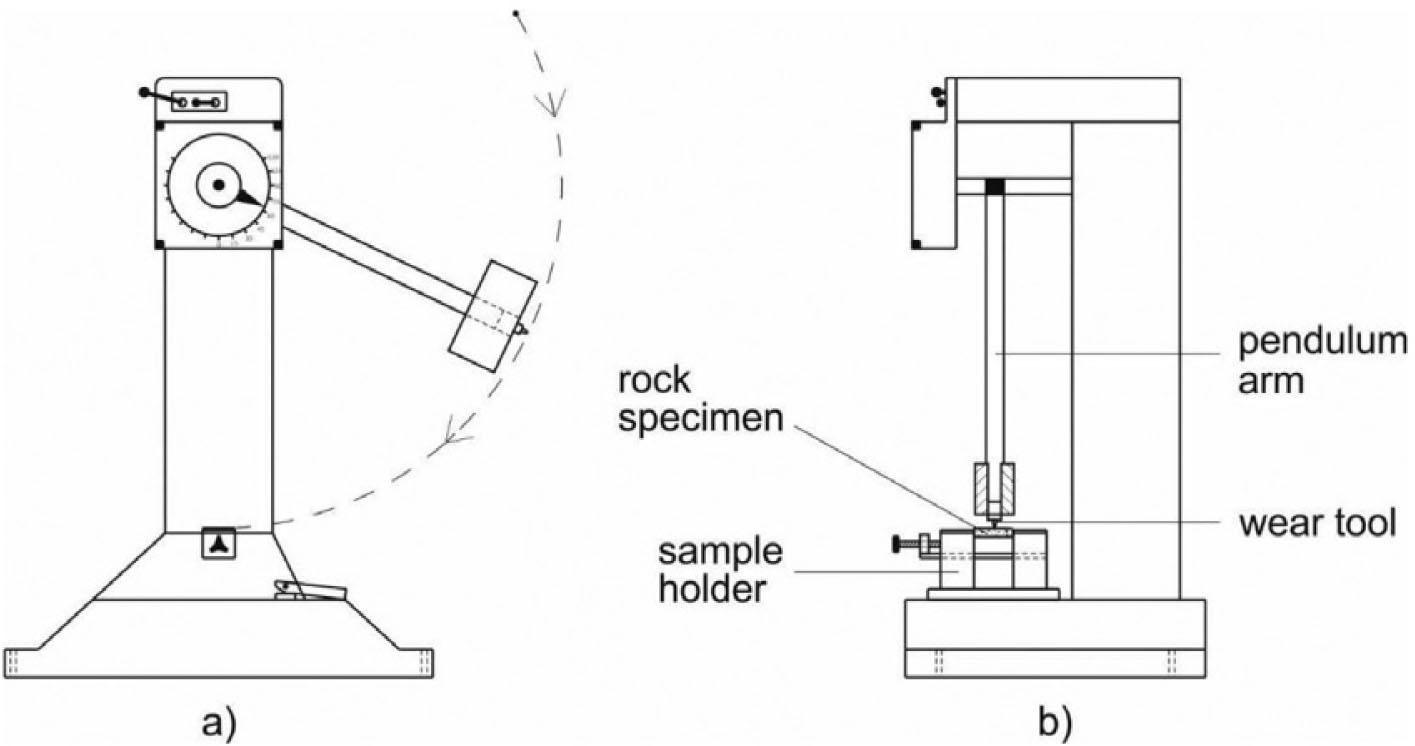
Figure 16
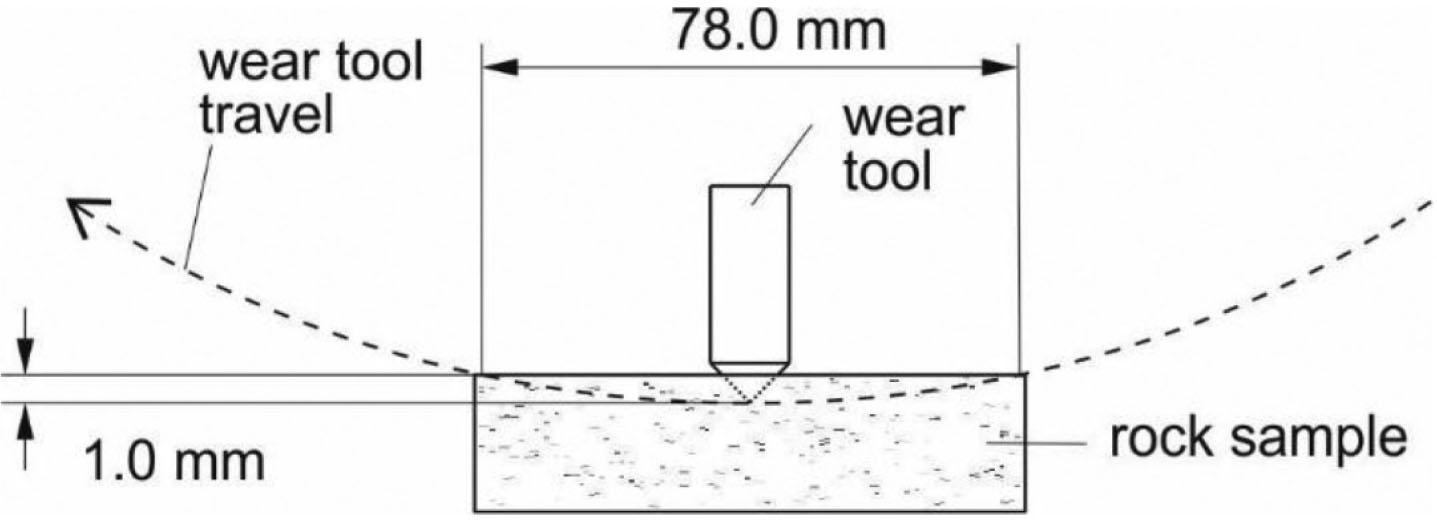
Figure 17
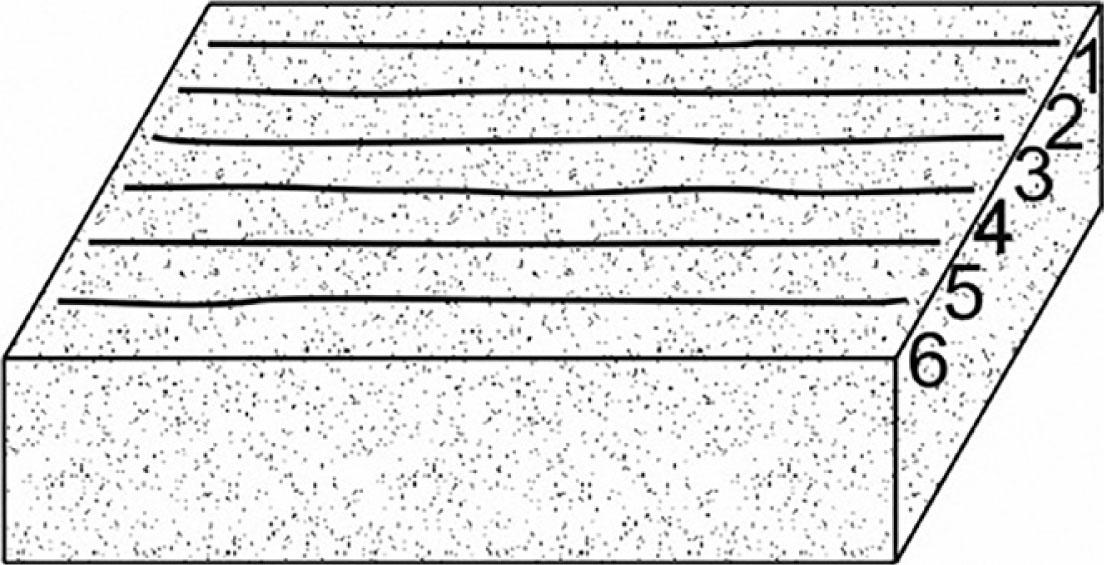
Main parameters of the CERCHAR abrasivity test_
| Parameters | Value | |
|---|---|---|
| Load (N) | 70 | |
| Stylus hardness (HRC) | 55 ± 1 | |
| Test scratch length (mm) | 10 | |
| Sample material | Rock (freshly broken surface) | |
| CERCHAR | WEST | |
| Test duration (s) | 1 | 10 |
| Test result | CERCHAR abrasivity index (CAI) | |
Main parameters of the gouging abrasion test_
| Parameters | Value |
|---|---|
| Impact energy (J) | 300 |
| Wear tool hardness (HRC) | 40–42 |
| Test scratch length (mm) | 78 |
| Sample material | Rock (smooth surface) |
| Test result | Gouging abrasion index (Gi) |
Main parameters of the LCPC abrasivity test_
| Parameters | Value |
|---|---|
| Rotational speed (min−1) | 4,500 |
| Sample material | Soil/granular material |
| Grain size of the sample (mm) | 4–6.3 |
| Sample mass (g) | 500 ± 2 |
| Test duration (min) | 5 |
| Test result | LCPC abrasivity coefficient (LAC) |
| LCPC breakability coefficient (LBC) |
Classification of LCPC abrasivity coefficient (LAC) in relation to the CERCHAR abrasivity index (CAI) [21]_
| LAC (g/t) | CAI (0.1 mm) | Abrasivity term |
|---|---|---|
| 0–50 | 0–0.3 | Not abrasive |
| 50–100 | 0.3–0.5 | Not very abrasive |
| 100–250 | 0.5–1.0 | Slightly abrasive |
| 250–500 | 1.0–2.0 | (Medium) abrasive |
| 500–1,250 | 2.0–4.0 | Very abrasive |
| 1,250–2,000 | 4.0–6.0 | Extremely abrasive |
Main parameters of the RIAT [24]_
| Parameters | Value |
|---|---|
| Thrust (N) | 1,250 |
| Rolling velocity (min−1) | 40 |
| Test duration (min) | 30 |
| Disc hardness (HRC) | 50 ± 1 |
| Sample material | Rock (smooth surface) |
| Test result | RIAT abrasivity index (RIATa) |
| RIAT indentation index (RIATi) |
Classification of the CERCHAR abrasivity index (CAI) [17]_
| Mean value of CAI | Classification/abrasivity description |
|---|---|
| 0.1–0.4 | Extremely low |
| 0.5–0.9 | Very low |
| 1.0–1.9 | Low |
| 2.0–2.9 | Medium |
| 3.0–3.9 | High |
| 4.0–4.9 | Very high |
| ≥5 | Extremely high |
Classification of rock and soil abrasion on tungsten carbide (AV) and cutter steel (AVS, SATTM) test specimen [22]_
| Abrasion | AV (mg) | AVS (mg) | SATTM (mg) |
|---|---|---|---|
| Extremely high | ≥58.0 | ≥44.0 | |
| Very high | 42.0–57.9 | 36.0–44.0 | |
| High | 28.0–41.9 | 26.0–35.9 | ≥22.0 |
| Medium | 11.0–27.9 | 13.0–25.9 | 7.0–22.0 |
| Low | 4.0–10.9 | 4.0–12.9 | ≤7.0 |
| Very low | 1.1–3.9 | 1.1–3.9 | |
| Extremely low | ≤1.0 | ≤1.0 |
Main parameters of the NTNU/SINTEF abrasivity tests_
| Parameters | Value | ||
|---|---|---|---|
| Load (N) | 100 | ||
| Rotational speed (min−1) | 20 | ||
| Material mass flow (g/min) | 80 | ||
| AV | AVS | SATTM | |
| Test duration (min) | 5 | 1 | 1 |
| Sample material | Crushed rock powder | Crushed rock powder | soil |
| Grain size of the sample (mm) | <1 | <1 | <4 |
| Test specimen material | Tungsten carbide | Cutter ring steel | Cutter ring steel |
| Test result | AV value | AVS value | SATTM value |