Have a personal or library account? Click to login
Management of neoplastic pericarditis – overview of 156 patients Cover

Management of neoplastic pericarditis – overview of 156 patients

Open Access
|Dec 2020

Figures & Tables

Figure 1

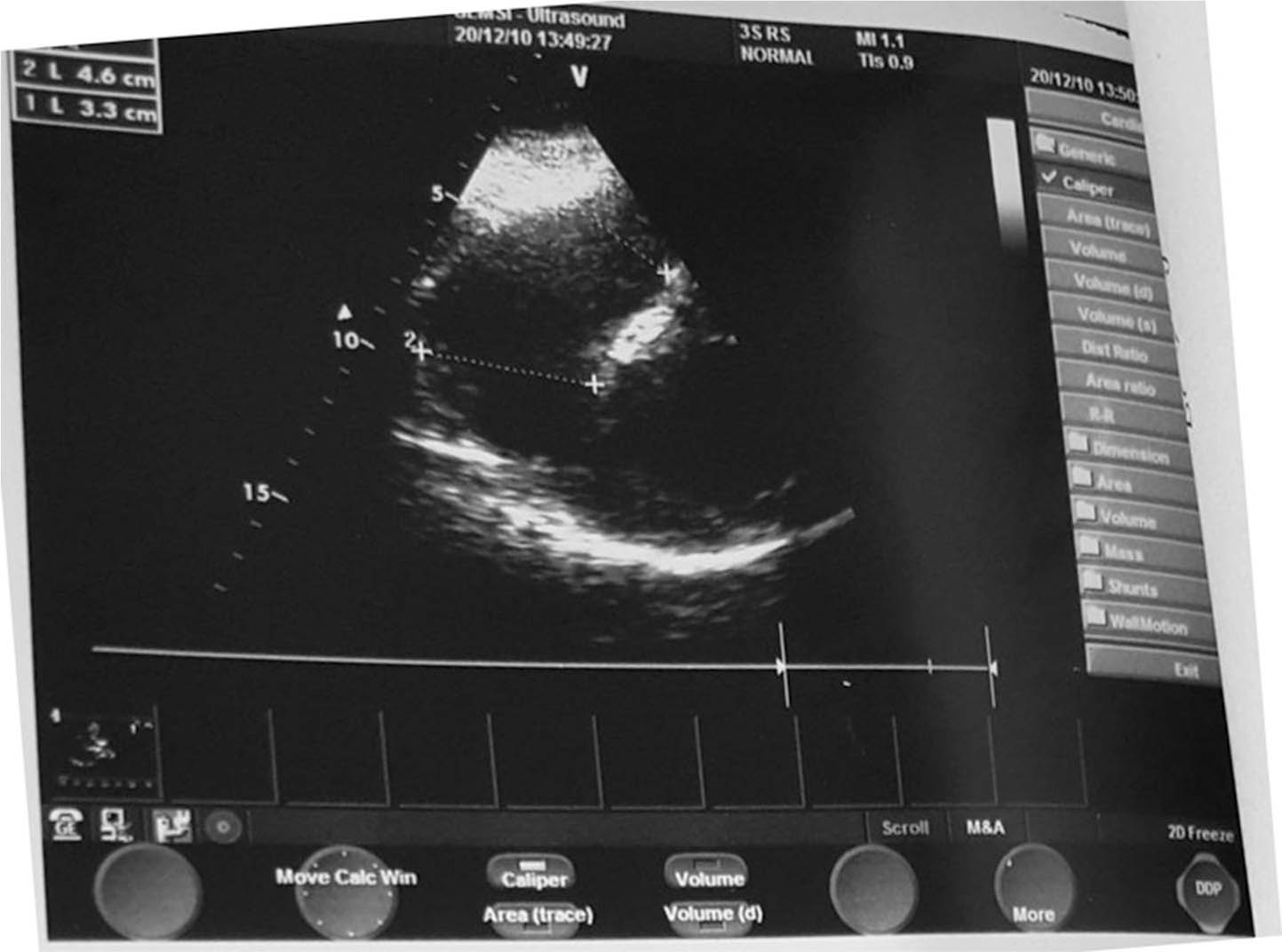
Echocardiography showing the presence of massive pericardial fluid. The thickness of pericardial fluid at the apex is 4.6 cm (upper left corner).
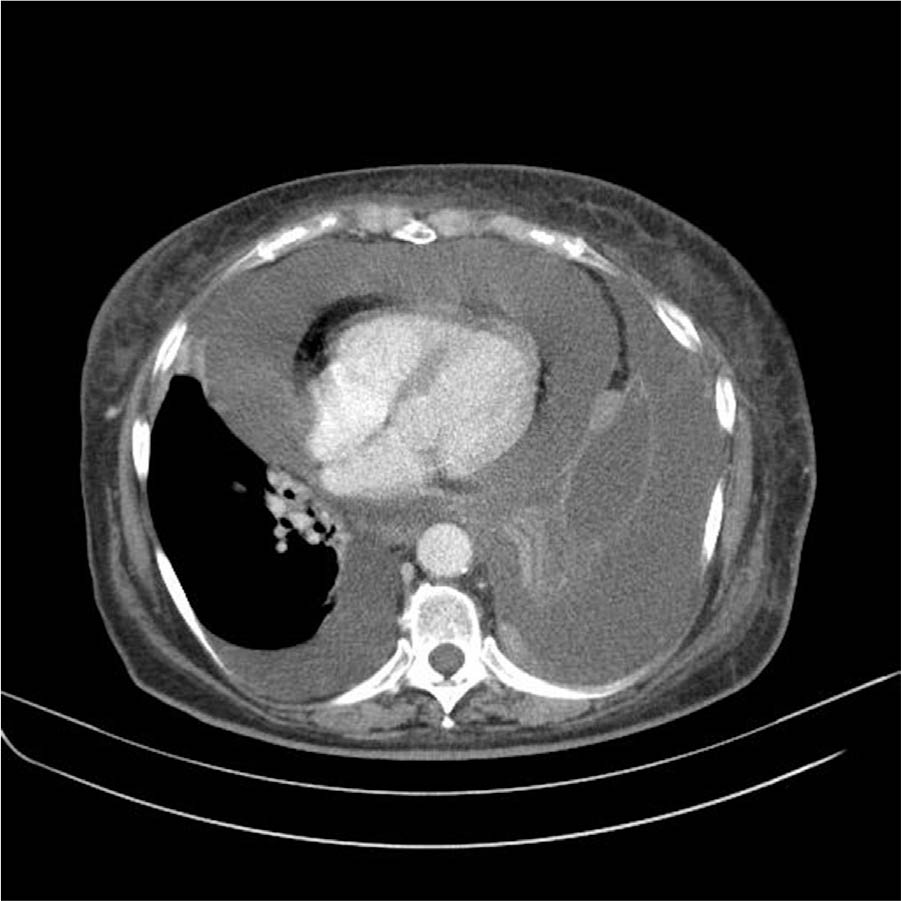

Figure 2

Computed tomography scan shows the circumferential pericardial fluid without pericardial adhesions, significant left pleurisy with lung collapse and medium right pleurisy.
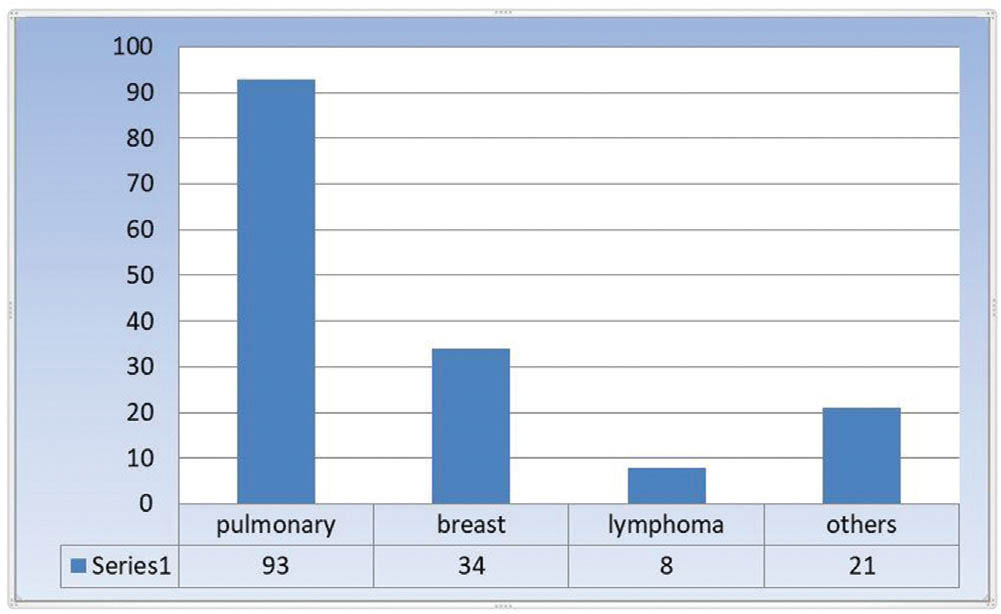

Figure 3

Distribution of the 156 patients according to the primary neoplasia.
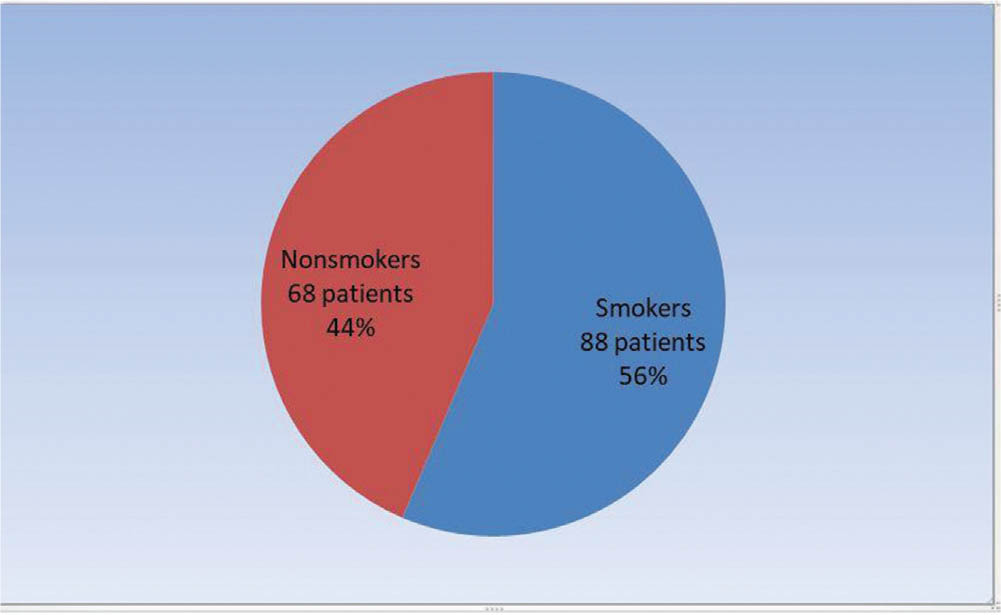

Figure 4

Distribution of patients with malignant pericardial effusion according to smoking status.
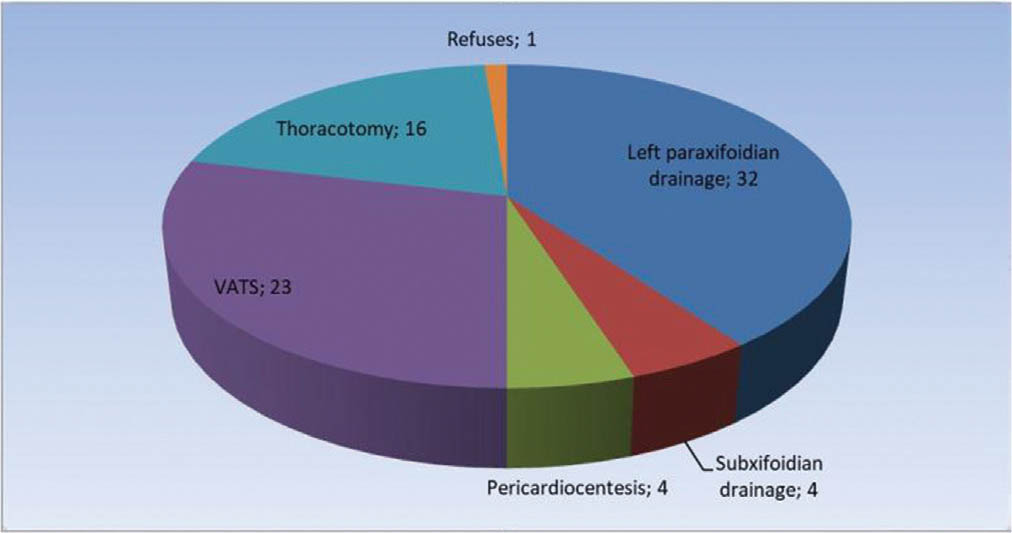

Figure 5

Types of surgical interventions performed in the 76 cases with indication for pericardial drainage. VATS = video-assisted thoracic surgery.
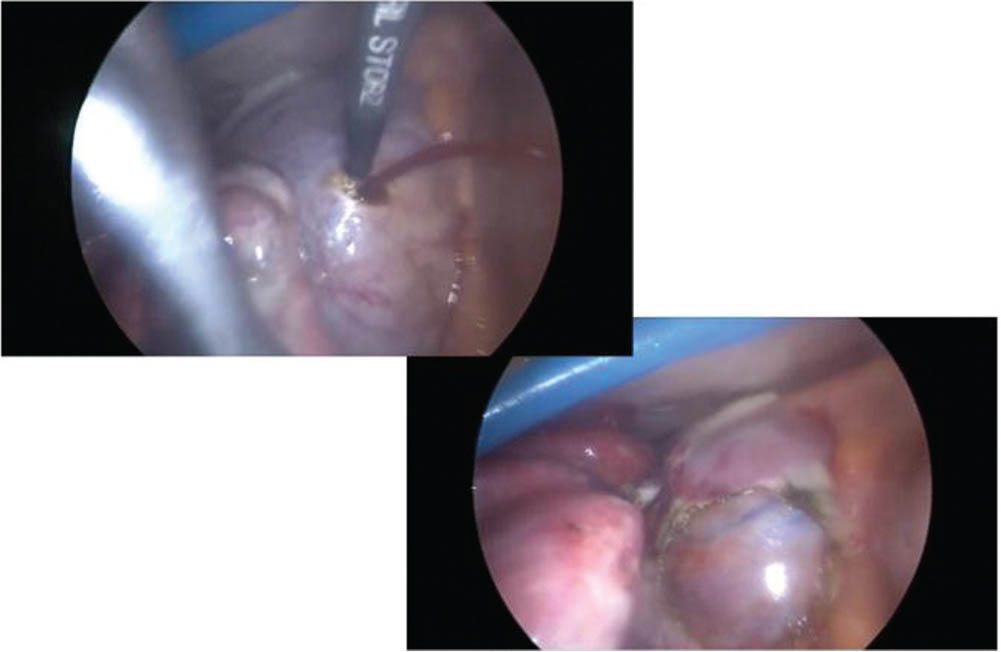

Figure 6

Pericardial fenestration by uniportal video-assisted thoracic surgery: (1) tensioned pericardium is incised with thoracoscopic cautery and haemorrhagic pericardial fluid is evacuated slowly and (2) after evacuation, the pericardium (thicker than usual) is fenestrated, the heart is directly visible and the pericardial fragment is sent to pathology.
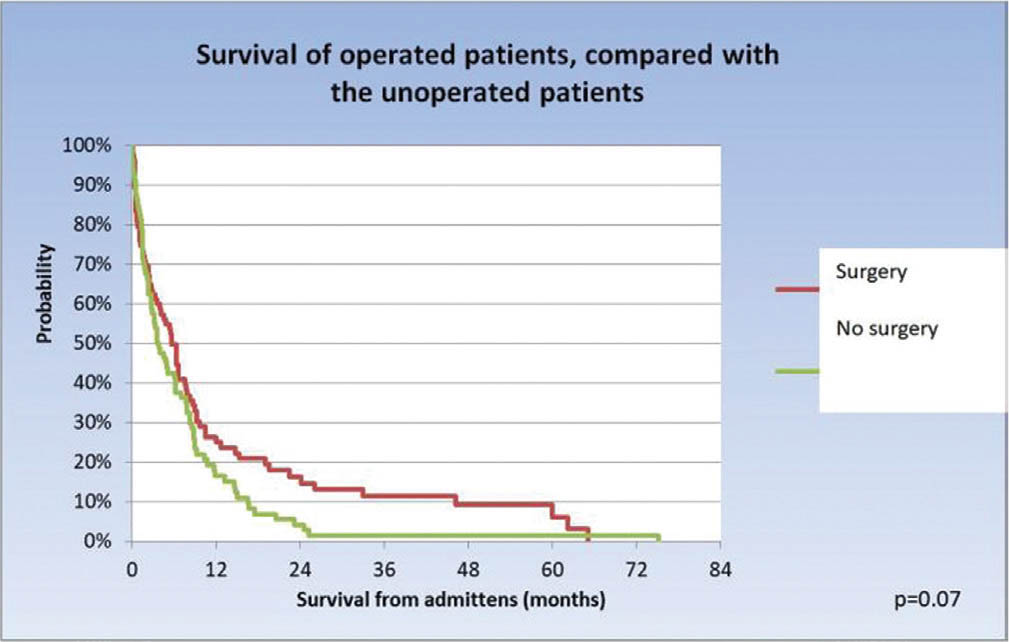

Figure 7

Kaplan–Meier survival curves for operated and conservatively treated patients. No statistically significant differences were observed between the survival rates of patients who underwent surgery and those treated conservatively (p = 0.07).
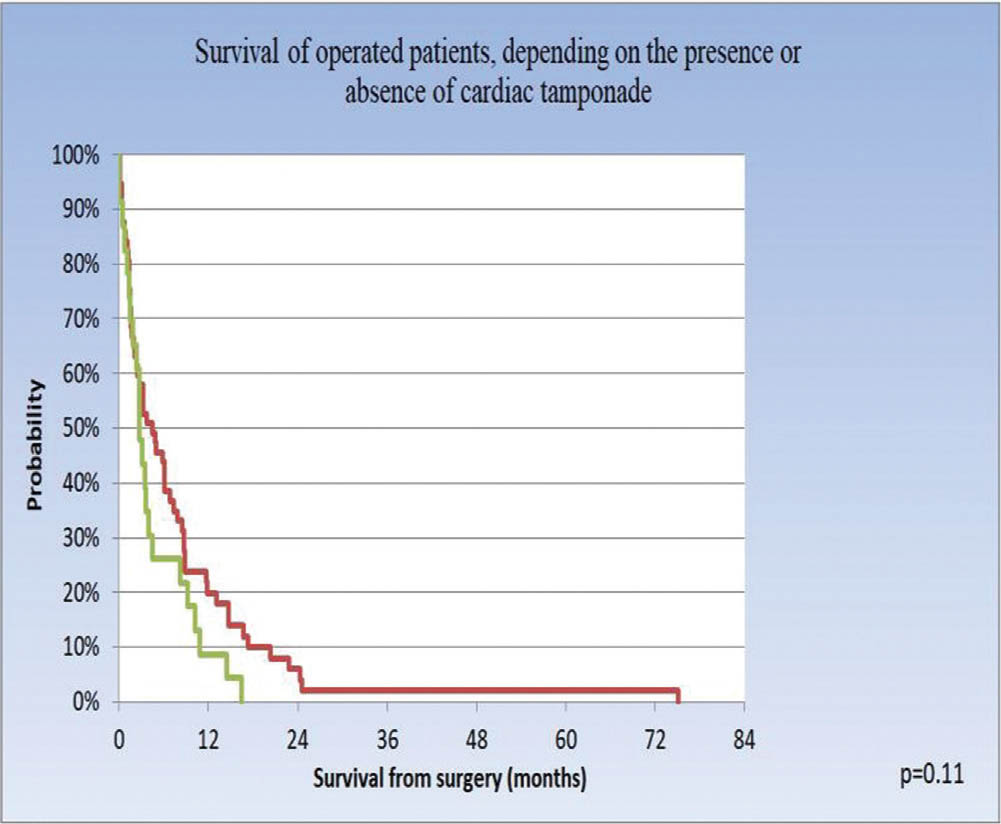

Figure 8

Kaplan–Meier survival curves for patients with and without cardiac tamponade who received pericardial drainage.
DOI: https://doi.org/10.2478/pneum-2020-0020 | Journal eISSN: 2247-059X | Journal ISSN: 2067-2993
Language: English
Page range: 97 - 102
Published on: Dec 31, 2020
In partnership with: Paradigm Publishing Services
Publication frequency: Volume open

© 2020 Elena Jianu, Natalia Motas, Mihnea Davidescu, Ovidiu Rus, Corina Bluoss, Veronica Manolache, Madalina Iliescu, Teodor Horvat, published by Romanian Society of Pneumology
This work is licensed under the Creative Commons Attribution-NonCommercial-NoDerivatives 4.0 License.