
1. INTRODUCTION
Plants form the foundation of life on Earth. They provide oxygen and food but also play a critical role in maintaining ecosystem balance, sequestering carbon, protecting soils, and regulating water cycles [FAO 2019; IPBES 2019]. Their presence sustains entire trophic networks and directly influences human well-being in both material and cultural dimensions [MEA 2005]. Modern sectors such as agriculture, forestry, pharmaceuticals, cosmetology, and various industries depend heavily on plant resources and their genetic potential [FAO 2021].
Despite the extensive legal frameworks established over recent decades, plants remain one of the most threatened components of global biodiversity. Biodiversity continues to decline due to multiple, intensifying human-driven pressures, including habitat loss, fragmentation, and degradation resulting from agriculture (e.g., monocultures, intensive agrotechnical practices, overharvesting), aquaculture, urbanization, infrastructure development, and dam construction [Ceballos et al. 2015; IPBES 2019; Lu et al. 2020; Hochkirch et al. 2023]. Additional factors include the overexploitation of biological resources, hydrological alteration, mining, the spread of invasive species, emerging pathogens and pests, soil erosion, and even nighttime light pollution [Lu et al. 2020; Singh et al. 2021]. Climate change—manifested in extreme events such as droughts, floods, and fires—together with pervasive environmental pollution and accidental disasters (Figure 1) further accelerates biodiversity loss [IPBES 2019; Lu et al. 2020; Singh et al. 2021; Hochkirch et al. 2023].
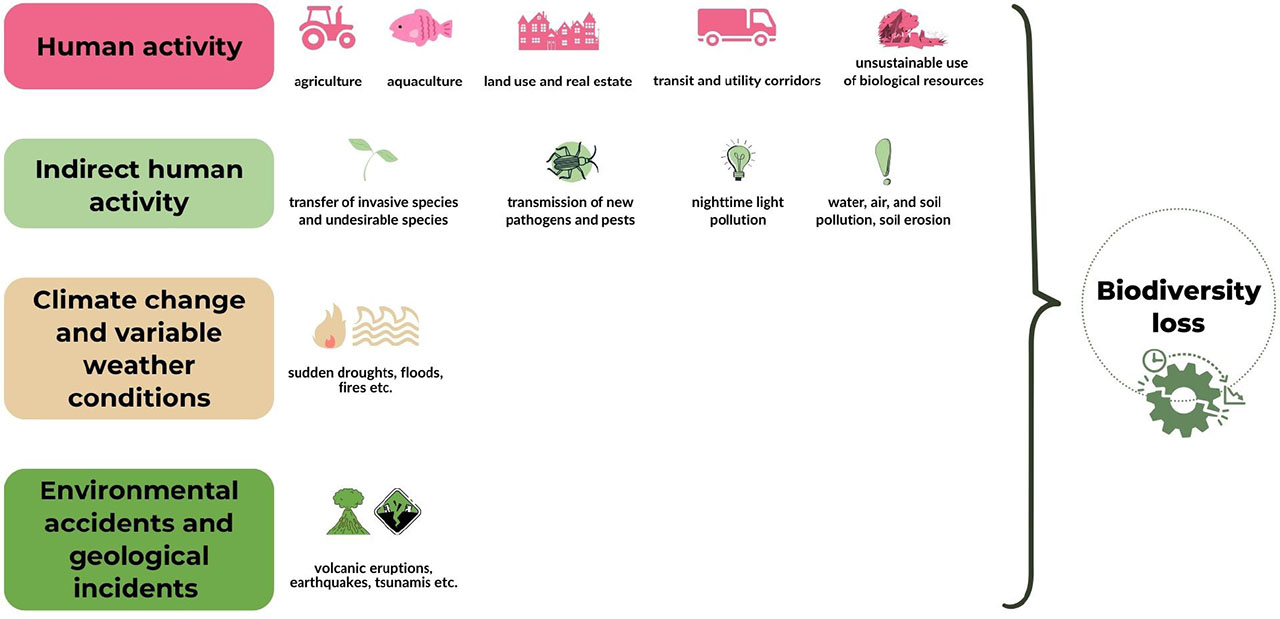
Figure 1.
Types of pressures causing biodiversity loss [prepared by the authors]
Reports from recent decades consistently highlight a dramatic decline in populations across numerous taxonomic groups. We are now witnessing a profound degradation of natural systems and a rapid acceleration in species extinction rates, a phenomenon increasingly referred to as the “Sixth Mass Extinction” [Cowie et al. 2022; Fu et al. 2022; Hochkirch et al. 2023]. The current pace of extinction is estimated to be 100 to 1,000 times higher than background rates prior to the Anthropocene [Fu et al. 2022], and projections suggest that up to one million species of animals, plants, and fungi could disappear in the coming decades [IPBES 2019]. In Europe alone, nearly one-fifth of species are considered at high risk of extinction, with vascular plants particularly affected—an increase in extinction risk of up to 27% has been reported [Hochkirch et al. 2023]. Recent assessments also estimate that approximately 45% of all flowering plant species globally may be threatened [Antonelli et al. 2023]. The IUCN Red List further highlights that over a quarter of all evaluated species have been assigned a threatened status, including 38% of tree species and 34% of conifers [IUCN 2024]. Focusing specifically on plant biodiversity, within just a few decades the proportion of plant species at risk of extinction has increased from 20% to 40% of the estimated 350,000 species that make up the global flora [Brummitt et al. 2015]. According to IUCN data [2023], more than 44% of assessed vascular plant species worldwide are now classified as threatened. Similar patterns are observed at the national level in Poland: the most recent edition of the national Red List of vascular plants [2021] identifies nearly 30% of native taxa as threatened [Zarzycki et al. 2021], while the Polish Red List of Plants [2016] lists 765 taxa—roughly 30% of the country’s entire native vascular flora [Kaźmierczakowa et al. 2016; Jackowiak 2023]. Many of these taxa have been granted legal conservation or are included in active conservation programs.
From a species and habitat conservation perspective, Poland is characterized by relatively high biotic and phytocoenotic diversity, particularly in regions with limited anthropogenic transformation. The native vascular flora comprises 2,844 species, reflecting the country’s considerable floristic richness within the Central European context [Mirek et al. 2002]. To date, 485 plant community types have been described, of which approximately 12% are widespread, whereas 22% are classified as rare and occur in a limited number of localities. Ongoing regressive trends affect 1,648 plant species, and historical analyses indicate that over the past two centuries, 124 species have become locally extinct or have disappeared from the national territory. The Polish Red Data Book of Plants currently includes 296 threatened taxa of pteridophytes and angiosperms, representing about 15% of the national flora; notably, 38 of these taxa have lost all natural populations within Poland [Kaźmierczakowa, Zarzycki 2001]. Furthermore, aggregated data from regional red lists reveal 1,686 taxa considered threatened at the local or regional scale—amounting to 72% of the native flora and highlighting the pervasive nature of floristic endangerment across biogeographical regions [Piękoś-Mirkowa 2006].
In the face of accelerating climate change, ongoing habitat fragmentation, and intensifying anthropogenic pressures, the conservation of plant diversity has become a critical priority—particularly with regard to crop wild relatives (CWRs). Despite often being morphologically inconspicuous, CWR taxa represent invaluable reservoirs of genetic diversity. They harbor alleles conferring resistance to biotic and abiotic stresses, as well as traits relevant to crop improvement, including enhanced nutritional quality, yield stability, and climate resilience [Maxted et al. 2013; Khoury et al. 2022]. Within the Polish territory, approximately 1,458 taxa—including four subspecies—have been identified as CWRs, constituting a strategically important genetic pool for national and pan-European conservation and breeding programs [Dostatny et al. 2021].
The effective conservation of plant diversity requires a comprehensive, multifaceted approach that integrates both in situ and ex situ strategies to address the complex and escalating threats faced by wild and cultivated plant taxa. Ex situ conservation represents a vital pillar of global plant conservation efforts, offering an increasingly indispensable strategy in the face of accelerating biodiversity loss, climate change, and widespread habitat degradation. Although historically regarded as a supplementary measure to in situ approaches, it is now widely recognized as an essential—and in some cases, the only viable—method for safeguarding plant species with critically reduced, fragmented, or extinct-in-the-wild populations [Schemske et al. 1994].
The definition proposed by Heywood and Iriondo [2003] underscores the central role of genetic diversity in this approach: “Ex situ conservation is the conservation of genetic diversity of a species outside its natural habitat.” Its primary objective is the long-term preservation of the genetic integrity of target taxa—particularly those of high economic, ecological, or evolutionary significance, or those associated with genetic erosion. As a risk mitigation strategy, ex situ conservation enables the collection, storage, and maintenance of reproductive material, which may later be used for population reinforcement, reintroduction, or restoration of ecological function. Forward-looking conservation scenarios, including projections to the year 2080, indicate that up to 50% of Europe’s vascular flora may face extinction risk due to ongoing environmental change [Guisan, Thuiller 2005]. In this context, ex situ strategies are no longer supplementary but fundamental to adaptive conservation planning.
To be effective, ex situ collections must accurately reflect the original genetic structure of wild populations [Booy et al. 2000]. Furthermore, management protocols should ensure that conserved material remains genetically stable and free from unintended selection or genotypic drift [Husband, Campbell 2004; Menges et al. 2004]. Achieving this requires a rigorous, research-based, and cost-effective approach involving interdisciplinary collaboration among conservation institutions. Currently, ex situ conservation is implemented by specialized institutions, including botanical gardens, arboreta, seed banks, and cryopreservation facilities [Sakai, Engelmann 2007; Wen 2009; Blackmore et al. 2011]. These institutions manage a range of genetic resources, including living collections, tissue cultures, seeds, and dormant propagules, ensuring their availability for both conservation and research purposes.
For ex situ conservation to achieve its full potential as a strategic instrument in biodiversity preservation, it must be anchored within coherent, science-based legal and policy frameworks at both national and international levels. Despite its increasing importance, no comprehensive compendium of legal principles and operational standards currently exists to guide institutions engaged in ex situ conservation. The present work seeks to address this critical gap by providing a structured analysis of legal foundations and practical guidelines necessary for the effective, coordinated implementation of ex situ conservation strategies.
The aim of this study is to provide a comprehensive review of key normative acts and existing legal frameworks that regulate plant species conservation at both the international and national level in Poland. Particular emphasis is placed on the conservation of plant genetic diversity at the species level and on its practical incorporation into ex situ conservation strategies.
2. MATERIALS AND METHODS
This study was designed as a narrative legal and policy review focusing on the international and national frameworks governing ex situ plant conservation in Poland. The analysis covered binding multilateral environmental agreements relevant to plant biodiversity and plant genetic resources (including the Convention on Biological Diversity (CBD), the Nagoya Protocol, the Convention on International Trade in Endangered Species of Wild Fauna and Flora (CITES), and the International Treaty on Plant Genetic Resources for Food and Agriculture), European Union (EU) legislation (in particular nature conservation, biodiversity and phytosanitary law) and Polish statutory and substatutory acts, as well as strategic policy documents directly or indirectly addressing ex situ conservation. Legal sources were identified through targeted searches in authoritative databases and official repositories, including EUR-Lex for EU law, the United Nations Treaty Collection and convention-specific portals for international agreements, and the websites of competent ministries and central authorities for national legislation. Legal acts were included if they were formally adopted by a competent international, EU, or national authority, directly related to the conservation or use of plant biodiversity and genetic resources (including ex situ measures), and applicable in Poland. Relevant strategies, action plans, and guidelines were also taken into account where they significantly shaped the interpretation or implementation of binding norms, while highly specialized, marginally related or obsolete regulations were generally omitted, except when needed to illustrate the historical development of the framework. All selected instruments were analysed qualitatively with regard to explicit provisions on ex situ conservation, links between in situ and ex situ measures, institutional responsibilities and practical implications for Polish collections, and then synthesised across international, EU and national levels with reference to global plant conservation targets and the broader European context.
3. RESULTS
The summary below of the analysis of legal and policy documents revealed a multilayered framework governing ex situ plant conservation in Poland, encompassing international conventions, EU legislation, and domestic law. The results of this legal review are presented as a structured synthesis of these instruments, showing how their combined provisions form the basis for the establishment and operation of seed banks, botanical gardens, arboreta, and other ex situ collections, and how they allocate responsibilities among competent institutions at different governance levels.
4. THEORETICAL BACKGROUND AND LITERATURE REVIEW
4.1. Legal framework for the conservation of plant diversity
At the outset, it is important to clarify the distinction between plant conservation and plant protection. Plant conservation refers to biodiversity-oriented actions aimed at preserving wild and cultivated plant species, their genetic resources, and associated habitats, through both in situ and ex situ – in line with the objectives of the CBD and related frameworks. In contrast, plant protection is understood primarily in a phytosanitary context [Ekardt et al. 2023]. Rooted in the International Plant Protection Convention (IPPC) and the European and Mediterranean Plant Protection Organization (EPPO) and implemented in Poland through the State Plant Health and Seed Inspection Service (Państwowa Inspekcja Ochrony Roślin i Nasiennictwa, PIORiN), it focuses on preventing and controlling pests, diseases, and invasive organisms, particularly in agriculture, trade, and plant health management. Both concepts operate within distinct legal and institutional frameworks.
The international community is forced to constantly refine and expand the scope of a number of legal documents. The multitude of these documents allows them to be segregated into specific categories within the issues of plant diversity: plant protection and conservation and genetic resources conservation (Figure 2). This system is based on a network of interrelated conventions and protocols that regulate the conservation of wild flora, crops, and the use of genetic resources in the context of agriculture, nature conservation in the broad sense, conservation biology, and biotechnology. The requirement to conduct environmental monitoring is rooted both in EU legislation and in the provisions of international conventions, including the provisions of the CBD. Although the laws vary in scope, together they form the basis for sustainable management of plant biodiversity at the global level and serve to develop legal acts within the framework of national policy. Until now, legal instruments have focused on rare and endangered taxa. However, there are calls for a revision of nature conservation priorities, namely, for greater emphasis to be placed on underappreciated common species, whose populations are also undergoing systematic declines, which may result in the integrity of ecosystem structure and dynamics being compromised [Amos 2024].
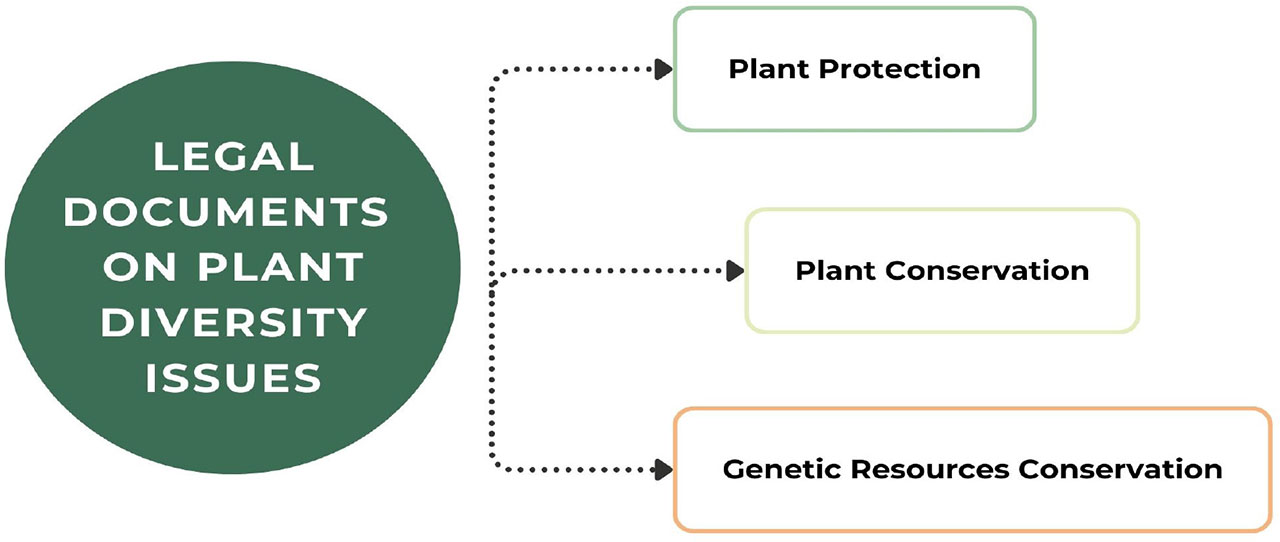
Figure 2.
Legislative approaches to plant diversity conservation
The conservation of plant diversity in Poland is primarily defined by obligations under international environmental agreements and by legal and policy commitments resulting from the membership in the EU (Table 1). Throughout the twentieth century, international biodiversity law developed a foundation for today’s conservation frameworks, supported by a series of still-relevant treaties addressing species and habitat protection. Early milestones included the Western Hemisphere Convention (1940), which promoted protected areas for flora [Amos 2024], followed by plant-focused agreements such as the EPPO Convention (1951/1955) and the IPPC (1951; revised 1997), both aimed at strengthening phytosanitary cooperation [EPPO 1955; IPPC 1997].
Table 1.
Legislative instruments on the conservation and protection of plants in Poland
| Legal category | Name of the legal act |
|---|---|
| International | 2030 Agenda for Sustainable Development [UNGA 2015] |
| Convention Concerning the Protection of the World Cultural and Natural Heritage (Paris Convention) (Konwencja w sprawie ochrony światowego dziedzictwa kulturalnego i naturalnego, Konwencja Paryska) [Dz. U. Nr 32, poz. 190] | |
| Convention on Biological Diversity (CBD) (Konwencja o różnorodności biologicznej, sporządzona w Rio de Janeiro dnia 5 czerwca 1992 r. [Dz. U. Nr 184, poz. 1532] | |
| Convention on International Trade in Endangered Species of Wild Fauna and Flora (CITES) [CITES Secretariat 2022] | |
| Convention on the Conservation of European Wildlife and Natural Habitats (Bern Convention) (Konwencja o ochronie gatunków dzikiej flory i fauny europejskiej oraz ich siedlisk, Konwencja Berneńska) [Dz. U. Nr 58, poz. 263] | |
| Convention on the Establishment of the European and Mediterranean Plant Protection Organization (EPPO) [EPPO 1955] | |
| Council Regulation (EC) No 338/97 | |
| International Plant Protection Convention (IPPC) [IPPC 1997] | |
| International Treaty on Plant Genetic Resources for Food and Agriculture [ITPGRFA 2004] | |
| Planta Europa [Planta Europa 2008] | |
| Ramsar Convention on Wetlands of International Importance especially as Waterfowl Habitat (Konwencja o obszarach wodno-błotnych mających znaczenie międzynarodowe, zwłaszcza jako środowisko życiowe ptactwa wodnego, sporządzona w Ramsarze dnia 2 lutego 1971 r.) [Dz. U. Nr 7, poz. 24] | |
| National | Act on Microorganisms and Genetically Modified Organisms’ (Ustawa z dnia 22 czerwca 2001 r. o mikroorganizmach i organizmach genetycznie zmodyfikowanych) [Dz. U. 2022, poz. 546] |
| Act on the Prevention and Remediation of Environmental Damage (Ustawa z dnia 13 kwietnia 2007 r. o zapobieganiu szkodom w środowisku i ich naprawie) [Dz. U. 2020, poz. 2187] | |
| Act on the Protection of Plants Against Harmful Organisms (Ustawa z dnia 13 lutego 2020 r. o ochronie roślin przed agrofagami) [Dz. U. 2023, poz. 301] | |
| Article 5 of the Constitution of the Republic of Poland (Konstytucja Rzeczypospolitej Polskiej, Artykuł 5)[Dz. U. Nr. 78, poz. 483] | |
| Environmental Protection Law (Ustawa z dnia 27 kwietnia 2001 r. Prawo ochrony środowiska) [Dz. U. 2025, poz. 647] | |
| Nature Conservation Act of 16 April 2004 (Ustawa o ochronie przyrody z dnia 16 kwietnia 2004 roku) [Dz. U. 2024, poz. 1478] | |
| Polish Red Data Book of Plants (Polska Czerwona Księga Roślin: Paprotniki i rośliny kwiatowe) [Kaźmierczakowa, Zarzycki 2001] | |
| Polish Red List of Plants (Polska Czerwona Lista Roślin Prawnie Chronionych i Rzadkich (edycja 2016)) [Kaźmierczakowa et al. 2016] | |
| Plant Protection Act (Ustawa z dnia 18 grudnia 2003 r. o ochronie roślin) [Dz. U. Nr 11 poz. 94 as amended] | |
| Red List of vascular plants in Poland (Czerwona lista roślin naczyniowych Polski) [Zarzycki et al. 2021] | |
| National | Regulation of 17 February 2010 on the preparation of a conservation task plan (Rozporządzenie Ministra Środowiska z dnia 17 lutego 2010 r. w sprawie sporządzania projektu planu zadań ochronnych dla obszaru natura 2000) [Dz.U. 2024, poz. 99] |
| Regulation of the Council of Ministers of 9 December 2022 (Rozporządzenie Rady Ministrów z dnia 9 grudnia 2022 r. w sprawie listy inwazyjnych gatunków obcych stwarzających zagrożenie dla Unii i listy inwazyjnych gatunków obcych stwarzających zagrożenie dla Polski, działań zaradczych oraz środków mających na celu przywrócenie naturalnego stanu ekosystemów) [Dz.U. 2022, poz. 2649] | |
| Regulation of the Minister of the Environment of 30 March 2010 on the preparation of a draft protection plan for Natura 2000 sites (Rozporządzenie Ministra Środowiska z dnia 30 marca 2010 r. w sprawie sporządzania projektu planu ochrony dla obszaru Natura 2000) [Dz.U. 2024, poz. 644] | |
| Regulation of the Minister of the Environment of 9 October 2014 on the Protection of Plant Species (Rozporządzenie Ministra Środowiska z dnia 9 października 2014 r. w sprawie ochrony gatunkowej roślin) [Dz.U. 2014, poz. 1409] | |
| Resolution No. 133 of 15 June 2022 on the adoption of the Action Plan on Priority Pathways for the Introduction of Invasive Alien Species posing a threat to the Union or to Poland (Uchwała nr 133 Rady Ministrów z dnia 15 czerwca 2022 r. w sprawie przyjęcia Planu działań dotyczącego priorytetowych dróg przenoszenia inwazyjnych gatunków obcych stwarzających zagrożenie dla Unii lub inwazyjnych gatunków obcych stwarzających zagrożenie dla Polski ‘„Ucieczka gatunków roślin ozdobnych z niekomercyjnych upraw ogrodniczych” oraz„Ucieczka gatunków zwierząt domowych, gatunków akwarystycznych i terrarystycznych”’) [M.P. 2022, poz. 706] | |
| State Environmental Policy 2030 (Polityka ekologiczna państwa 2030 – strategia rozwoju w obszarze środowiska i gospodarki wodnej (PEP2030)) [M. P. 2019, poz. 794] | |
| State Plant Health and Seed Inspection Service (Ustawa z dnia 13 lutego 2020 r. o Państwowej Inspekcji Ochrony Roślin i Nasiennictwa) [Dz.U. 2023 poz. 1992] |
Habitat-level protection advanced with the Ramsar Convention on Wetlands (1971), ratified by Poland in 1978, and the World Heritage Convention (1972), which Poland joined in 1976. The Washington Convention (CITES 1973), ratified by Poland in 1989, established controls on international trade in endangered species. A major step for European flora was the Bern Convention (1979), providing a binding framework for conserving wild plant species and their habitats; Poland ratified it in 1995. In response to the urgent need for a global, coordinated strategy, the CBD was adopted at the 1992 Rio Earth Summit, which established the first comprehensive, global framework addressing biodiversity at ecosystem, species, and genetic levels. Now ratified by 196 parties, it represents a near-universal agreement, with the United States as the most prominent non-party. As a framework convention, the CBD outlines general principles and objectives, subsequently elaborated through protocols and decisions of the Conference of the Parties, which have become the main instruments of CBD implementation and governance [Morgera, Tsioumani 2010]. Two binding protocols have been adopted under Article 28: the Cartagena Protocol on Biosafety [CBD Secretariat 2000] and the Nagoya Protocol on Access and Benefit-Sharing (ABS) [CBD Secretariat 2011].
The CBD’s three core objectives, as stated in Article 1, are:
– the conservation of biological diversity,
– the sustainable use of its components, and
– the fair and equitable sharing of benefits arising from the utilization of genetic resources.
To operationalize these goals, the CBD parties adopted the Strategic Plan for Biodiversity 2011–2020, including the 20 Aichi Biodiversity Targets. Several of these, such as Target 12 (preventing extinction of known threatened species) and Target 13 (maintaining genetic diversity of cultivated plants and their wild relatives), are directly relevant to plant species conservation [CBD Secretariat 2010a]. A key thematic initiative under the CBD is the Global Strategy for Plant Conservation (GSPC), adopted in 2002 and updated in 2010. The GSPC defines 16 measurable targets, including objectives on species assessment, habitat protection, ex situ and in situ conservation, education, and capacity building [CBD Secretariat 2010b]. Particularly important is Target 8, which calls for the ex situ conservation of at least 75% of threatened plant species, with 20% made available for recovery and restoration programs—a goal underscoring the importance of species-level interventions in both policy and practice. Despite these frameworks, global assessments such as the Plant Conservation Report 2020 and Global Biodiversity Outlook 5 revealed that progress toward the plant-related targets has been partial or insufficient, reflecting broader challenges in mainstreaming plant conservation into national strategies [CBD Secretariat 2020]. To address these shortcomings, the Kunming-Montreal Global Biodiversity Framework was adopted in 2022 as the successor to the Aichi Targets. It places stronger emphasis on implementation mechanisms, monitoring, and resource mobilization, while reaffirming the need for enhanced legal protection of threatened plant species, including CWRs [CBD Secretariat 2022].
At the global level, the 2030 Agenda for Sustainable Development, adopted by the United Nations General Assembly in 2015, outlines 17 sustainable development goals (SDGs), several of which are relevant to biodiversity conservation. Most notably, Target 2.5 of SDG 2 (Zero Hunger) explicitly emphasizes the need to safeguard the genetic diversity of cultivated plants, and their wild relatives, including through “soundly managed and diversified seed and plant banks at national, regional and international levels” [UNGA 2015].
Poland, as a UN member state, has officially endorsed the 2030 Agenda, integrating its goals into national policies and reporting mechanisms. The National Strategy for Sustainable Development and the updated Biodiversity Strategy for 2020–2030 reflect the incorporation of SDG 2.5 and other biodiversity-related targets. In this context, Poland has emphasized the conservation of plant genetic resources, including CWRs and rare taxa in national seed banks and botanical gardens [Council of Ministers 2017, 2019]. Alongside the 2030 Agenda, the Planta Europa initiative also provides an important framework for integrating ex situ conservation into biodiversity policy, offering targeted regional actions that complement global sustainability goals. While the 2030 Agenda embeds genetic resource protection within a broad global sustainability context, Planta Europa provides a plant-focused, regionally coordinated strategy aligned with the GSPC. Through the European Strategy for Plant Conservation (ESPC), it emphasizes targeted actions at species, habitat, and genetic levels, reinforcing the importance of maintaining plant diversity outside natural habitats amid increasing anthropogenic pressures.
The EU has played a pivotal role in translating CBD and GSPC targets into regional strategies. Notably, the Natura 2000 network, established under the EU Habitats Directive (92/43/EEC), is among the world’s largest coordinated conservation networks. It supports the in situ protection of numerous plant taxa, including many listed as CWR or under national red lists. The EU Biodiversity Strategy for 2030, adopted in response to underperformance on Aichi Targets, further reinforces legal obligations towards habitat and species conservation, with emphasis on restoration, monitoring, and genetic resource safeguarding [European Commission 2020].
A legally binding international instrument specifically dedicated to the conservation and sustainable use of plant genetic resources for food and agriculture (PGRFA) is the International Treaty on Plant Genetic Resources for Food and Agriculture (ITPGRFA), adopted in 2001 under the auspices of the Food and Agriculture Organization of the United Nations (FAO) and entering into force in 2004. The treaty also establishes provisions for the fair and equitable sharing of benefits arising from the utilization of these resources [FAO 2009; Halewood et al. 2013]. The treaty responds to the growing need for coordinated global action to ensure long-term food security, agricultural sustainability, and the maintenance of crop genetic diversity. A defining feature of the ITPGRFA is the establishment of the multilateral system (MLS) of ABS, which facilitates standardized access to a pool of 64 key crops and forages listed in Annex I. A further cornerstone of the treaty is its recognition and strengthening of farmers’ rights (Article 9), acknowledging the critical role of local and indigenous communities in the development and conservation of crop genetic diversity. These rights encompass the protection of traditional knowledge, the equitable participation in benefit-sharing arrangements, and the active involvement in national decision-making processes concerning plant genetic resources for food and agriculture [ITPGRFA 2009]. Poland ratified the ITPGRFA in 2004, incorporating its principles into national frameworks for the conservation and sustainable use of plant genetic resources.
CITES, adopted in 1973 and in force since 1975, is a key global agreement ensuring that international trade does not threaten wild species, including plants. With 184 parties (Poland since 1989), CITES regulates cross-border trade through a system of three appendices that categorize species according to their level of protection [CITES Secretariat 2022]. Although often associated with animals, the Convention covers more than 30,000 plant taxa, including orchids, aloes, cycads, cacti, and valuable timber species such as Dalbergia and Swietenia, many of which face pressure from habitat loss and commercial demand [Wijnstekers 2018]. Rather than banning trade outright, CITES applies strict controls based on legality, sustainability, and traceability, requiring permits and scientific assessments (non-detriment findings (NDFs)) to ensure that trade is not harmful to species and complies with national law.
Unlike the CBD or the ITPGRFA, CITES does not address biodiversity conservation in situ or the sustainable use of genetic resources per se. Its primary focus is the regulation of international commercial trade. Nonetheless, CITES is complementary to these broader frameworks by acting as a preventive tool against unsustainable or illegal exploitation of species, including those with high ecological, genetic, or socio-economic significance.
In the Polish legal system, the provisions of CITES are implemented through national and EU legislation, most notably Council Regulation (EC) No 338/97 and relevant acts on environmental protection and species conservation. A number of plant taxa native or imported into Poland are subject to CITES regulation, and oversight is carried out in cooperation among customs authorities, environmental inspection services, and botanical institutions acting as scientific bodies.
4.2. Legal framework for the protection of native flora in Poland and its implications for ex situ conservation
The legal protection of plant biodiversity in Poland is embedded within a multilayered legislative and strategic framework, with the Constitution of the Republic of Poland (1997) at its apex. Article 5 of the Constitution imposes on the state the duty to safeguard the natural environment, in accordance with the principle of sustainable development [The Constitution of the Republic of Poland 1997].
This constitutional foundation is implemented through a range of sectoral legal instruments. The principal legislative act is the Nature Conservation Act of 16 April 2004 [Ustawa o ochronie przyrody z dnia 16 kwietnia 2004 roku 2024], which comprehensively regulates the protection of species, habitats, and landscape features. It introduces the legal basis for the designation of protected areas (national parks, nature reserves, landscape parks), establishes mechanisms for species protection, and incorporates provisions relevant to ex situ conservation, including the creation and management of botanical gardens, arboreta, and gene banks.
Detailed provisions concerning the protection of individual plant species are specified in the Regulation of the Minister of the Environment of 9 October 2014 on the Protection of Plant Species [Rozporządzenie Ministra Środowiska z dnia 9 października 2014 r. w sprawie ochrony gatunkowej roślin 2014]. This regulation lists strictly protected, and partially protected plant species occurring naturally in Poland and defines prohibitions concerning their collection, destruction, trade, and disturbance. The regulation also outlines permissible exemptions and forms of active species conservation, which may include ex situ conservation actions, particularly for taxa critically endangered in their natural habitats.
Another key legislative pillar is the Environmental Protection Law [Ustawa z dnia 27 kwietnia 2001 r. Prawo ochrony środowiska 2025], which establishes environmental policy principles, including the polluter-pays principle, precautionary principle, and public access to environmental information. Although primarily focused on environmental management and pollution control, it provides a broad framework supporting biodiversity-related policies.
The legal structure for Natura 2000 areas, which are critical for the conservation of rare and threatened species and habitats under the EU Habitats Directive (92/43/EEC), is implemented through two executive acts: the Regulation of the Minister of the Environment of 30 March 2010 on the preparation of a draft protection plan for Natura 2000 sites [Rozporządzenie Ministra Środowiska z dnia 30 marca 2010 r. w sprawie sporządzania projektu planu ochrony dla obszaru Natura 2000, 2024] and the Regulation of 17 February 2010 on the preparation of a conservation task plan [Rozporządzenie Ministra Środowiska z dnia 17 lutego 2010 r. w sprawie sporządzania projektu planu zadań ochronnych dla obszaru natura 2000, 2024]. Both documents define the legal obligations to maintain or restore the favorable conservation status of species, often through integrated measures that combine in situ and ex situ strategies.
A complementary legal act is the Act on the Prevention and Remediation of Environmental Damage [Ustawa z dnia 13 kwietnia 2007 r. o zapobieganiu szkodom w środowisku i ich naprawie 2020], which transposes the EU Environmental Liability Directive (2004/35/EC). It emphasizes the “no net loss” principle and introduces legal liability for environmental harm, including damage to protected species and natural habitats.
These legislative measures are further operationalized through national strategic programs, such as the State Environmental Policy 2030 [Polityka ekologiczna państwa 2030 – strategia rozwoju w obszarze środowiska i gospodarki wodnej (PEP2030)) 2019], which identifies species conservation—including ex situ activities—as one of the priority goals. It recognizes the importance of gene banks, botanical gardens, and other institutional frameworks for the preservation of genetic resources, particularly for endangered and endemic plant species.
The legal and strategic architecture above affirms that plant species protection encompasses not only habitat conservation but also proactive ex situ approaches, including the safeguarding of genetic resources in gene banks, the cultivation of living collections, the reintroduction of rare taxa, and the promotion of long-term research and monitoring.
4.3. Complementary legal instruments relevant to ex situ conservation in Poland
Although not directly focused on the ex situ conservation of plant biodiversity, a number of legal acts in force in Poland play a pivotal supporting role in the activities of botanical gardens, particularly in relation to the cultivation, phytosanitary safety, and legal circulation of plant material. These regulations define the legal environment within which botanical institutions operate, especially when managing living plant collections, exchanging propagules, or participating in scientific research and plant trade. In this context, the Act on the Protection of Plants against Pests (2023) establishes the national framework for plant health protection, implementing the principles of the IPPC. While not directly aimed at ex situ biodiversity conservation, the act introduces binding standards for plant health monitoring, phytosanitary measures, and the movement of plant reproductive material. These provisions are of particular relevance to botanical gardens, which are required to comply with national rules on quarantine, plant passports, and phytosanitary certification when cultivating, propagating, or exchanging plant specimens.
The Act on the Protection of Plants against Pests [Ustawa o ochronie roślin przed agrofagami 2023] strengthens national phytosanitary measures by establishing procedures for detecting, preventing, and managing plant pathogens and pests in line with IPPC standards. Although not directly conservation focused, it is essential for safeguarding ex situ collections, particularly in botanical institutions holding diverse native and exotic taxa. Complementing this, the Act on the State Inspectorate for Plant Health and Seed Inspection [Ustawa o Państwowej Inspekcji Ochrony Roślin i Nasiennictwa 2023] defines the authority of PIORiN, responsible for seed quality control, phytosanitary certification, and enforcing EU rules on plant reproductive material [Ministry of Agriculture and Rural Development 2020].
Legal acts concerning invasive alien species (IASs) are also relevant for plant conservation in Poland. The Regulation of the Council of Ministers of 9 December 2022 [Rozporządzenie Rady Ministrów z dnia 9 grudnia 2022 r. w sprawie listy inwazyjnych gatunków obcych stwarzających zagrożenie dla Unii i listy inwazyjnych gatunków obcych stwarzających zagrożenie dla Polski, działań zaradczych oraz środków mających na celu przywrócenie naturalnego stanu ekosystemów 2022] establishes EU- and national-level lists of IASs and imposes strict prohibitions on their cultivation, release, and trade. Consequently, botanical institutions must ensure their collections do not include listed species unless covered by specific exemptions. Complementing these measures, Resolution No. 133 of the Council of Ministers of 15 June 2022 [Uchwała nr 133 Rady Ministrów z dnia 15 czerwca 2022 r. … 2022] adopts the Action Plan on Priority Pathways for the Introduction of Invasive Alien Species, addressing priority pathways of invasive species introduction, with particular focus on the accidental escape of ornamental plants. Botanical gardens, identified as potential sources of such escapes, are encouraged to implement containment and monitoring measures aligned with national biosecurity strategies [Uchwała nr 133 Rady Ministrów z dnia 15 czerwca 2022 r. … 2022].
In the field of biotechnology, the Act on Microorganisms and Genetically Modified Organisms’ [Ustawa o mikroorganizmach i organizmach genetycznie zmodyfikowanych 2022] consolidates GMO-related regulations. Botanical institutions working with genetically modified plants must adhere to requirements for registration, containment, and environmental risk assessment. Although GMOs are not central to ex situ conservation, this framework ensures oversight of genetically modified material that may be incorporated into scientific collections.
Although these legal instruments vary in scope, together they form an integrated system for the protection of biodiversity, covering all levels of its organization—from local to national and global—which covers both aspects of wild flora protection and the sustainable use of genetic resources in agriculture, forestry, and biotechnology, while ensuring respect for the country’s socio-economic needs.
4.4. Integration of international policy frameworks into ex situ plant conservation in Poland
Over recent decades, several global and regional policy instruments have established guiding principles, operational goals, and monitoring frameworks that have shaped national approaches to ex situ conservation. Poland, as a party to these initiatives, has incorporated their objectives into its legal and institutional systems. The most influential instruments include the CBD, GSPC, ESPC, and SDGs. The CBD, ratified by Poland in 1995 [Konwencja o różnorodności biologicznej 2002], constitutes the core international legal framework for biodiversity conservation, with Article 9 explicitly endorsing ex situ measures as a complement to in situ approaches [CBD 1992]. In Poland, the National Centre for Plant Genetic Resources (NCPGR) plays a leading role in the long-term conservation of seeds and other plant materials [FAO 2021a]. Botanical gardens and arboreta also contribute substantially, particularly with regard to endangered native flora.
The GSPC, adopted in 2002 and revised in 2010 under the auspices of the CBD, provides a dedicated framework for plant biodiversity, including 16 specific targets. Target 8 calls for ex situ conservation of at least 75% of threatened plant species and for 20% to be available for recovery efforts [CBD Secretariat 2010b]. Although not legally binding, the GSPC has guided Polish conservation practice, with botanical gardens contributing to databases such as BGCI PlantSearch and EURISCO and following international seed-banking standards [Sharrock et al. 2014]. At the regional level, the ESPC, developed through Planta Europa, adapts GSPC goals to the European context. Poland participated in shaping the 2008–2014 ESPC and supports its implementation through coordinated action by botanical gardens within The Council of Botanical Gardens and Arboreta (ROBiA) [Planta Europa 2008], which maintain ex situ collections of threatened species and support reintroduction initiatives. Global political commitment to biodiversity and food security was reaffirmed with the adoption of the 2030 Agenda for Sustainable Development in 2015. Poland, as a UN Member State, Poland supports this framework, particularly Target 2.5 of SDG 2, which calls for maintaining the genetic diversity of seeds, cultivated plants, and their wild relatives through well-managed seed and plant banks at all levels [UNGA 2015]. Poland’s engagement is reflected in ongoing investments in gene bank infrastructure and in the conservation of CWRs and traditional landraces [Dostatny et al. 2021]. The country also reports regularly to FAO’s World Information and Early Warning System (WIEWS) and contributes to the Global Information System (GLIS) under the ITPGRFA [FAO 2021b], enabling it to demonstrate and benchmark its role in global ex situ conservation.
In summary, Poland’s ex situ plant conservation strategy is strongly anchored in international commitments. Instruments such as the CBD and GSPC have provided the normative and legal foundation, while the ESPC and SDGs have translated these principles into regionally and globally coordinated conservation actions. This multilayered governance structure continues to inform national biodiversity policy, enabling Poland to align its scientific, legal, and practical efforts in safeguarding plant genetic diversity for future generations.
Although CITES was primarily established to regulate international trade, its operational framework plays an increasingly important role in supporting ex situ conservation strategies. This is particularly relevant for botanical gardens, seed banks, arboreta, and other scientific institutions that serve as repositories for threatened plant taxa, many of which are listed in the Convention’s appendices. Botanical institutions also play a crucial role in conducting NDFs and contributing to species assessments, thereby directly supporting the implementation of CITES at the national level. Furthermore, their collections serve as important sources of reference material, propagules, and expertise necessary for reintroduction, reinforcement, and ex situ backup of populations threatened by illegal trade, habitat loss, or climate change [Mounce et al. 2017]. Under Article VII of the Convention, scientific institutions may be granted special registration status, allowing them to exchange specimens for non-commercial purposes, such as research, education, and conservation, without undergoing the standard permitting procedures. This legal provision is especially valuable for botanical gardens, which often engage in collaborative international research and plant exchange programs aimed at safeguarding endangered species and maintaining genetic diversity [CITES Resolution Conf. 11.15 (Rev. CoP18) 2019].
The inclusion of thousands of orchids, cycads, succulents, medicinal plants, and hardwood species under CITES regulation has placed significant responsibility on ex situ conservation actors. In the context of Poland and other EU member states, compliance with CITES and EU wildlife trade regulations is mandatory when acquiring, transporting, or displaying listed species—even for conservation purposes. Institutions must therefore develop robust documentation systems, maintain legal provenance, and ensure proper staff training on CITES requirements [Council Regulation (EC) No 338/97].
4.5. Legal frameworks for the acquisition and distribution and exchange of plant material in the context of ex situ conservation in Poland
The distribution and exchange of plant material within ex situ conservation institutions in Poland are regulated by a complex interplay of national and international legal frameworks. While these institutions serve critical functions in biodiversity conservation, public education, and scientific research, any activities involving the transfer of seeds, live plants, or propagules must adhere to applicable legal provisions governing species protection, phytosanitary standards, ABS, and the control of IASs.
A fundamental method of acquiring plant material is field collection from natural habitats. In Poland, this activity is regulated by the Nature Conservation Act [Ustawa o ochronie przyrody z dnia 16 kwietnia 2004 roku 2024], which sets out rules for accessing wild populations, with particular restrictions applying to legally protected species and specimens occurring within Natura 2000 sites. Field collections require permits issued by appropriate environmental authorities and must be conducted in accordance with best practices for ethical and sustainable sampling. Standardized protocols such as those developed by the European Native Seed Conservation Network [ENSCONET 2009] guide collectors in minimizing population impact and ensuring genetic representativeness of samples.
Beyond field collection, a significant proportion of plant material is obtained through institutional exchange, often facilitated by participation in international frameworks such as the International Plant Exchange Network (IPEN). This mechanism enables the transfer of plant material for non-commercial conservation purposes among member institutions, while remaining compliant with the principles of the CBD and its Nagoya Protocol on Access and Benefit-Sharing [2010]. Exchanges are formalized through material transfer agreements (MTAs), which outline the terms of use, benefit-sharing obligations, and restrictions on further distribution [Kiehn et al. 2008].
Botanical institutions also expand their collections through collaboration with external partners. These include national forestry and agricultural research institutes, universities, conservation NGOs, and private stakeholders. Plant material acquired through such collaborations must be accompanied by appropriate documentation, including legal proof of origin, phytosanitary certificates where applicable, and information on ecological provenance. In line with international recommendations, accessioned material should be supported by detailed metadata, including geographic coordinates, habitat description, and collection methodology [FAO 2014; BGCI 2023].
The principles governing the sharing of plant material from ex situ conservation institutions depend primarily on the category of the taxon in question. Different rules apply to threatened or legally protected species, to taxa included in specific international agreements, such as the ITPGRFA, and to species not subject to legal restrictions. Consequently, the framework for access and exchange varies depending on whether the material originates from conservation-priority species, crop genetic resources managed under MLSs, or non-protected taxa shared for scientific and educational purposes.
Further details are set out in the Regulation of the Minister of the Environment of 9 October 2014 on the Protection of Plant Species [Rozporządzenie Ministra Środowiska | z dnia 9 października 2014 r. w sprawie ochrony gatunkowej roślin 2014]. This regulation specifies the conditions under which material from protected species may be propagated, stored, or transferred. Any transfer of such material, including between botanical institutions, must comply strictly with these provisions, especially in the case of species subject to strict or partial protection.
At the international level, plant material exchange is subject to obligations arising from the CBD [1992] and the Nagoya Protocol on Access and Benefit-Sharing [2010]. In bilateral exchanges, institutions must respect ABS principles, while in practice botanical gardens often rely on standardized MTAs in accordance with best practices such as those outlined by IPEN [Kiehn et al. 2008].
A distinct legal and institutional framework governs crop genetic resources included in the ITPGRFA MLS. Under this system, material is made available for research, breeding, and training through the Standard Material Transfer Agreement (SMTA), without the need for case-by-case negotiations. This mechanism departs from the bilateral ABS model promoted by the CBD and facilitates collaboration, reduces transaction costs, and supports global food security [Andersen 2008; FAO 2009]. Although the ITPGRFA complements both the CBD and the Nagoya Protocol, it differs in scope by focusing specifically on food and agriculture and by applying a multilateral rather than bilateral approach to ABS [Halewood et al. 2013].
Botanical gardens also play an important role in facilitating international exchange of plant material through the publication of Index Seminum, an annual or biennial catalog of seeds offered to other scientific institutions and gardens. The material listed originates both from natural habitats, collected in accordance with applicable nature conservation regulations, and from the institution’s ex situ holdings. Currently, Index Seminum is published by 33 Polish botanical gardens and arboreta [https://www.robia.pl/index.php?id=139]. For example, in 2024/2025, the PAS Botanical Garden – CBDC in Powsin listed seeds of 199 species from its collections and 11 species collected in natural habitats [https://ogrodpan.pl/nauka/index-seminum-2024-2025/].
In summary, the legal framework for sharing plant material by Polish botanical gardens and seed banks is multifaceted. It combines conservation law, phytosanitary requirements, ABS mechanisms, and international cooperation protocols. While enabling ex situ conservation and scientific exchange, this regulatory system ensures consistency with biodiversity protection mandates and Poland’s international commitments.
4.6. Ex situ plant conservation in Poland: Key institutions and their roles
Ex situ plant conservation in Poland is implemented primarily through two complementary institutional pillars: botanical gardens, which maintain living plant collections in the ground and under glass, and seed and gene banks, which store diaspores under controlled conditions to ensure their long-term viability. Together, these institutions form a functionally coordinated national system that safeguards the genetic diversity of native, cultivated, and economically important plant species outside their natural habitats and supports both conservation and sustainable use objectives.
Botanical gardens represent the oldest and most visible form of ex situ plant conservation in Poland, preserving living collections of native and alien species while simultaneously serving as centres of research, education, and biodiversity conservation [Sharrock et al. 2014; Rucińska et al. 2023]. It is estimated that roughly one-third of all known plant species worldwide and over 40% of threatened taxa are represented in botanical gardens, underlining their role as a “Noah’s Ark” for plants [Rucińska et al. 2023]. Poland currently hosts more than 40 botanical gardens and arboreta operating under diverse institutional frameworks, including universities, the Polish Academy of Sciences, local governments, and research institutes, with most affiliated with ROBiA [the list and the map of associated institutions are available at https://www.robia.pl/index.php?id=110]. Living collections maintained by these gardens play a key role in conserving threatened taxa, maintaining intraspecific genetic diversity and providing propagation material for potential reintroduction or reinforcement of wild populations, with increasing emphasis placed on Poland’s rare and endangered flora from habitats such as wetlands, xerothermic grasslands, calcareous sites, and peatlands [Rucińska et al. 2023].
A leading national institution in this field is the Botanical Garden of the Polish Academy of Sciences – Center for Biological Diversity Conservation in Powsin, which maintains extensive living collections representing diverse ecological and taxonomic groups, including many threatened species of the Polish flora (Figure 3). In its ex situ collections, approximately 30% of Poland’s native flora and 58% of species with threatened gene pools have been secured, illustrating the scale of its contribution to national plant conservation efforts [Rucińska et al. 2023]. The garden’s research and conservation activities focus on the biology, propagation, and preservation of native taxa, and it also operates the National Seed Bank for Threatened Native Plant Species, Poland’s primary facility for long-term cryogenic storage of diaspores of wild species of high conservation concern [Zimnoch-Guzowska et al. 2022; Rucińska et al. 2023]. Seeds are collected and managed in line with international seed banking standards, regenerated when necessary and made available for scientific research, restoration projects, and reintroduction programmes [Zimnoch-Guzowska et al. 2022].
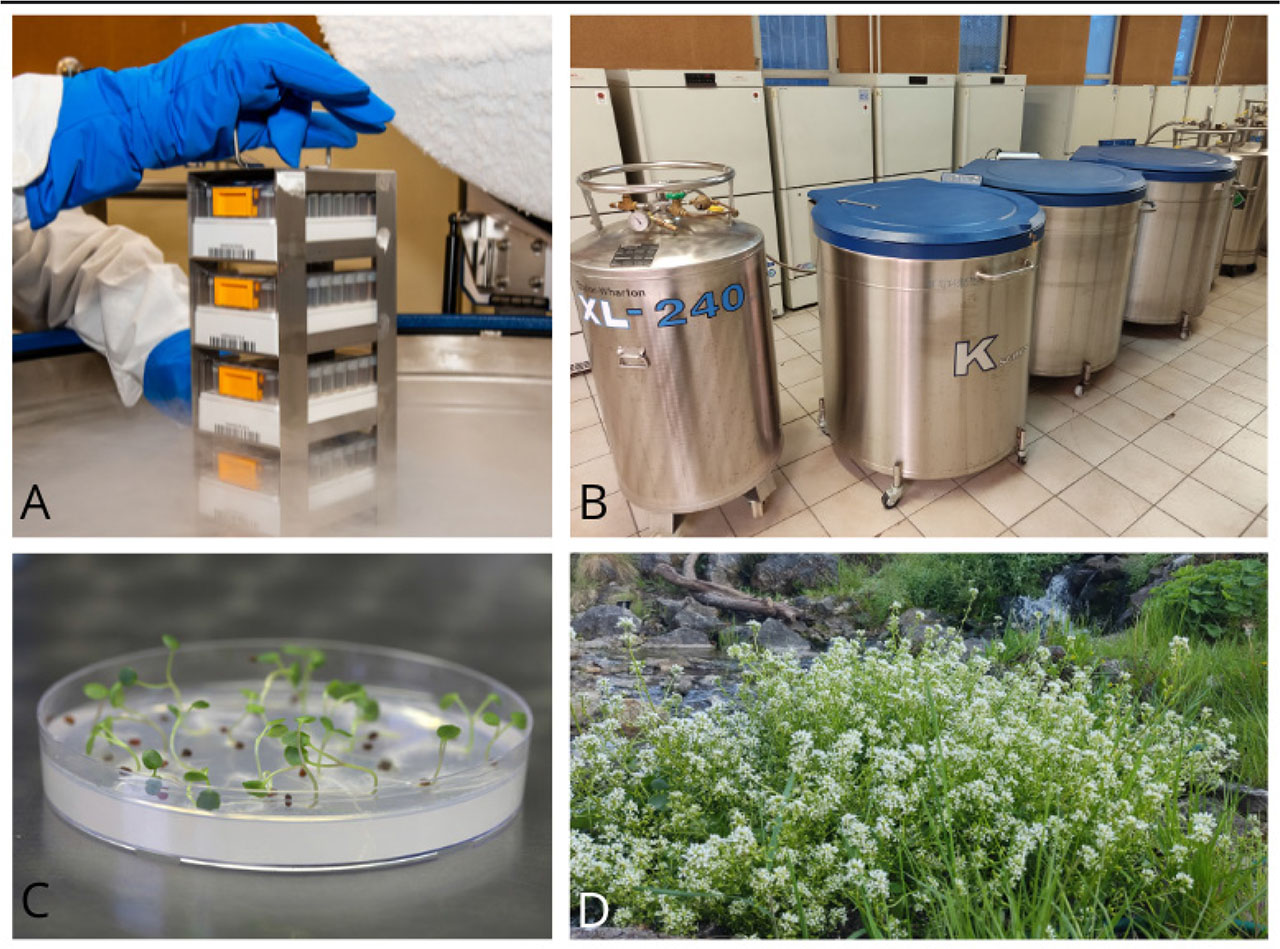
Figure 3.
Ex situ collection in PAS Botanical Garden CBDC in Powsin. A. Cryogenic storage of seed accessions in liquid nitrogen; B. cryo-tanks for long-term conservation of seeds; C. germination tests of Cochlearia polonica seeds; D. living plant ex situ population of Cochlearia tatrae.
The conservation of PGRFA in Poland is implemented within an integrated national system that includes research institutes, universities, botanical gardens, experimental stations, and plant-breeding companies. This system is based on the maintenance of ex situ collections, regeneration activities, and the characterization and documentation of plant material, and operates through institutional coordination that ensures coherence of actions, standardization of procedures, and the long-term safeguarding of genetic diversity of cultivated plants.
The NCPGR in Radzików (Figure 4) is the second-largest plant gene bank in the EU, dedicated primarily to the conservation of crops and their wild relatives [FAO 2021a; ECPGR 2023], operating within the Plant Breeding and Acclimatization Institute – National Research Institute (IHAR-PIB). As an active participant in the MLS of the ITPGRFA, the NCPGR provides standardized and transparent access to genetic resources. Prior to dissemination, all accessions are taxonomically verified against Annex I of the Treaty and screened for potential legal restrictions, including those related to national species protection and intellectual property rights. Material is distributed under the Standard Material Transfer Agreement (SMTA), which ensures compliance with international ABS obligations [FAO 2021b].
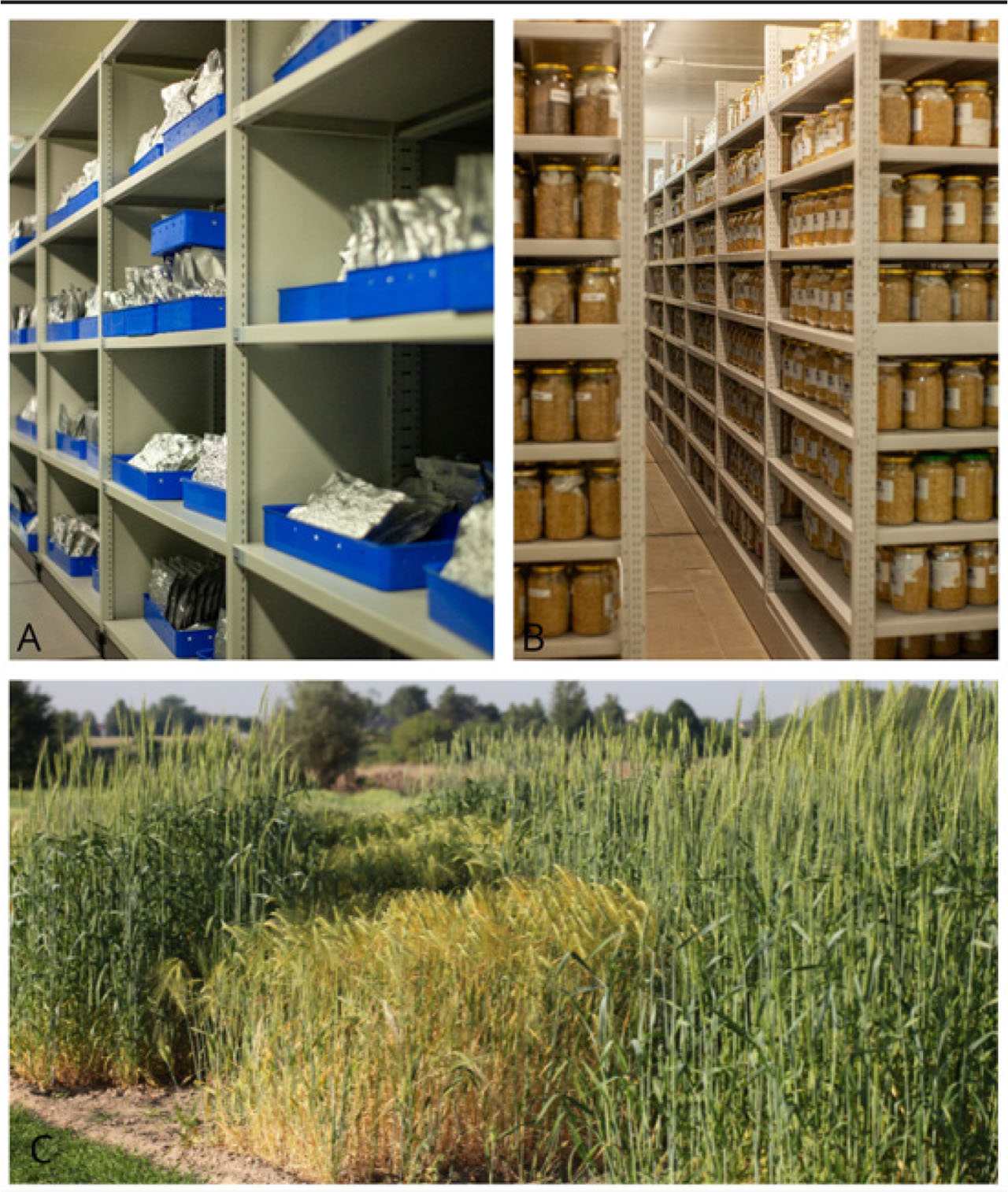
Figure 4.
Ex situ collection in NCPGR. A. and B. Cold-room storage of seed accessions maintained; C. field collections of cultivated plant species used for assessing morphological and agronomic variation.
Beyond domesticated crops, the NCPGR also preserves CWRs and traditional landraces, thereby contributing to sustainable agriculture and national food security [FAO 2021a]. Its documentation systems feed directly into global databases such as WIEWS and GLIS, ensuring integration with international monitoring architectures and reinforcing Poland’s position within global ex situ conservation networks [FAO 2021b; EURISCO 2024].The NCPGR is also a national coordinator for the conservation of agricultural plant genetic resources. In the case of horticultural crops, including vegetables, fruit crops, and selected ornamental plants, the coordinating role is fulfilled by the National Institute of Horticultural Research in Skierniewice. The institute is responsible for maintaining horticultural genetic resource collections, carrying out regeneration, characterization, and documentation activities, and supporting scientific research and breeding efforts aimed at the conservation and sustainable use of genetic diversity in this group of plants [https://www.inhort.pl/en/projekty-badawcze/projekty-finansowane-przez-mrirw/zadania-realizowane-w-ramach-dotacji-celowej-mrirw-w-roku-2025/; Chojnowski et al. 2023].
Within this coordinated system of ex situ conservation, numerous collaborating institutions operate. The Institute of Soil Science and Plant Cultivation (IUNG) maintains genetic collections of selected agricultural and specialist crops, including species of the genera Humulus and Nicotiana [https://www.iung.pl/wp-content/uploads/2021/07/Strategia_IUNGPIB_PL.pdf]. The Institute of Natural Fibres and Medicinal Plants conserves genetic resources of flax, hemp, and medicinal and aromatic plants, playing an important role in the conservation of crop species of economic and pharmaceutical importance [https://www.iwnirz.pl/o-nas].
A significant contribution to ex situ conservation is also made by universities, such as the Warsaw University of Life Sciences, which maintains collections and conducts research on cucurbit vegetables [https://ib.sggw.edu.pl/instytut-biologii/struktura/katedra-genetyki-hodowli-i-biotechnologii-roslin/kghibr-nauka/zespol-genetyki-i-hodowli-molekularnej-roslin-dyniowatych/], and the University of Life Sciences in Lublin, which conserves genetic resources of durum wheat and other crop species within research and breeding programmes [https://up.lublin.pl/agrobio/wydzial/struktura-i-pracownicy/genetyka/#badania].
The system is complemented by plant-breeding companies, including Poznań Plant Breeding Ltd. [https://phr.pl/o-nas/projekty/], Małopolska Plant Breeding Ltd. [https://www.mhr.com.pl/oferta/odmiany-wlasne], and Kutno Sugar Beet Breeding Ltd. [https://khbc.pl/pracownie/], which contribute to the conservation of genetic resources through creative and maintenance breeding of cereals and sugar beet. These activities ensure the continuity of use and conservation of valuable genotypes within agricultural practice.
An integral component of the national ex situ conservation system is formed by specialized thematic collections and local initiatives, which focus on selected groups of crop and ornamental plants, often of historical or regional importance. Notable examples include the in situ and ex situ conservation of old fruit tree cultivars along the Lower Vistula River, carried out by the Society of Friends of the Lower Vistula in Gruczno, which combines the preservation of genotypes in the cultural landscape with their safeguarding in ex situ collections [http://tpdw.pl/?realizowane-projekty,22]. A similar role is fulfilled by the collection of traditional fruit tree cultivars maintained at the Arboretum and Department of Physiography in Bolestraszyce, which serves as a long-term genetic repository of conservation, scientific, and educational value [https://bolestraszyce.com.pl/edukacja1/kolekcje; https://bolestraszyce.com.pl/indexseminum; Piórecki, Zarzycki 2010].
An important element of ex situ conservation is also provided by collections of fruit and ornamental plants maintained at the PAS Botanical Garden Centre for Biological Diversity Conservation in Powsin. These include a collection of apple trees and cryogenic storage of apple dormant buds, as well as a collection of historical rose cultivars, which function as long-term safeguards of genetic material and as a basis for research and restoration activities. Ex situ conservation further encompasses collections of vegetable and ornamental plants of practical importance maintained by universities and applied research units, including a fruit plant collection at the Agricultural and Orchard Experimental Farm Przybroda (Poznań University of Life Sciences) [https://www.przybroda.pl/], a field collection of asparagus maintained by the same university [https://ciitt.up.poznan.pl/siec-kompetencji/katedra-warzywnictwa/d/46].
5. DISCUSSION
Ex situ plant conservation in Poland develops within the same overarching international and regional frameworks as in other European countries, including the CBD, the GSPC, the ITPGRFA, CITES, and, for EU member states, the EU Biodiversity Strategy and Natura 2000 network. Differences between national systems therefore result less from divergent international commitments and more from the way individual countries integrate these obligations into domestic law, institutional arrangements, and long-term conservation programmes.
In terms of legal frameworks, Poland’s multilayered system, combining constitutional provisions, the Nature Conservation Act, sectoral environmental legislation, and strategic policy documents, is broadly comparable to the arrangements in Germany, Italy, and Spain, where biodiversity conservation is also embedded in primary environmental acts supplemented by detailed implementation regulations and national strategies.
The results highlight the fact that Poland’s network of botanical gardens and seed banks constitutes a major pillar of its ex situ conservation system. Botanical gardens collectively maintain extensive living collections representing native, threatened, and economically important taxa, contributing simultaneously to conservation, research, and public education. Their affiliation within ROBiA facilitates coordinated exchange, and common standards, including those connected to the Nagoya Protocol and IPEN. Seed banks and gene banks play a central role in ensuring the long-term ex situ conservation of plant genetic resources. The NCPGR in Radzików serves as Poland’s primary gene bank and is among the largest facility of its kind in the EU, highlighting the country’s strategic commitment to safeguarding agricultural biodiversity. Equally significant is the PAS Botanical Garden – Center for Biological Diversity Conservation in Powsin, which demonstrates the ability of Polish institutions to function as national centres of expertise. With approximately 30% of Poland’s native flora and more than half of its threatened gene pools conserved ex situ, the PAS Botanical Garden illustrates how living collections and cryogenic seed banking can operate synergistically to protect plant genetic resources.
Despite these strengths, several systemic challenges emerge. First, ex situ conservation is not yet fully integrated into national biodiversity strategies or species recovery plans, which still emphasize in situ measures even where they may be insufficient (e.g., for taxa with critically fragmented populations). Second, long-term financial and infrastructural stability remains inconsistent across institutions, particularly smaller regional seed banks and botanical gardens, limiting their ability to meet international standards for genetic representativeness, storage conditions, or documentation. Third, although legal provisions exist for plant material acquisition, circulation and exchange, their practical implementation—especially regarding protected species, IAS regulations, and phytosanitary requirements—can create administrative barriers that impede rapid conservation response.
A comparison with other European systems suggests that Poland could strengthen its approach by enhancing national coordination mechanisms, incorporating ex situ collections more explicitly into legal and policy instruments, and improving the integration of ex situ resources into decision-making processes for species protection, habitat restoration, and climate adaptation. Countries such as Germany, Spain, and the UK have increasingly embedded ex situ collections into formal species recovery strategies and restoration programmes, offering potential models for Polish policy development.
Nonetheless, Poland’s ex situ system includes notable assets: a robust legal framework, rapidly developing cryogenic infrastructure, internationally integrated gene bank operations, and botanical gardens that actively contribute to the conservation of native and endangered flora. These components position Poland as a significant participant in European and global plant conservation networks. Strengthening institutional coordination, ensuring long-term financial support, and enhancing the link between ex situ and in situ measures will be essential to fully realize the potential of this system under accelerating environmental change.
6. SUMMARY
Plants are fundamental to both ecosystem functioning and human well-being, yet they remain among the most threatened elements of global biodiversity. In Poland, where nearly one-third of native vascular plant species are considered threatened, CWRs constitute a vital reservoir of genetic diversity that underpins agricultural resilience and long-term food security. Addressing this challenge requires the balanced application of in situ and ex situ conservation approaches, with the latter assuming a particularly critical role in safeguarding species at imminent risk of extinction.
This article has shown that ex situ conservation in Poland is embedded within a complex, multilevel legal and institutional framework that integrates international commitments, European directives, and national legislation. The CBD, GSPC, Nagoya Protocol, ITPGRFA, and CITES collectively establish the global parameters for the conservation and use of plant genetic resources. At the regional level, the EU Habitats Directive and the EU Biodiversity Strategy for 2030 further strengthen obligations to preserve plant diversity, including through restoration and genetic safeguarding. Nationally, these commitments are operationalized through the Act on Nature Conservation, regulations concerning protected plant species, phytosanitary legislation, and instruments addressing IASs and genetically modified organisms, all of which delineate the conditions under which botanical institutions conduct their conservation activities.
The coherence of these overlapping frameworks is essential to ensuring that ex situ initiatives not only complement in situ conservation but also contribute to international biodiversity and food security objectives. Ultimately, the long-term preservation of plant genetic diversity in Poland depends on the effective integration of biodiversity law, phytosanitary standards, and international cooperation mechanisms such as IPEN and Index Seminum. Strengthening this governance architecture will be indispensable to securing threatened taxa for future generations and sustaining Poland’s contribution to global conservation efforts.