Have a personal or library account? Click to login
Torrefaction of Flax Shives as a Process of Preparation Waste Vegetable Biomass for Energy Purposes Cover

Torrefaction of Flax Shives as a Process of Preparation Waste Vegetable Biomass for Energy Purposes

Open Access
|Dec 2023

Figures & Tables

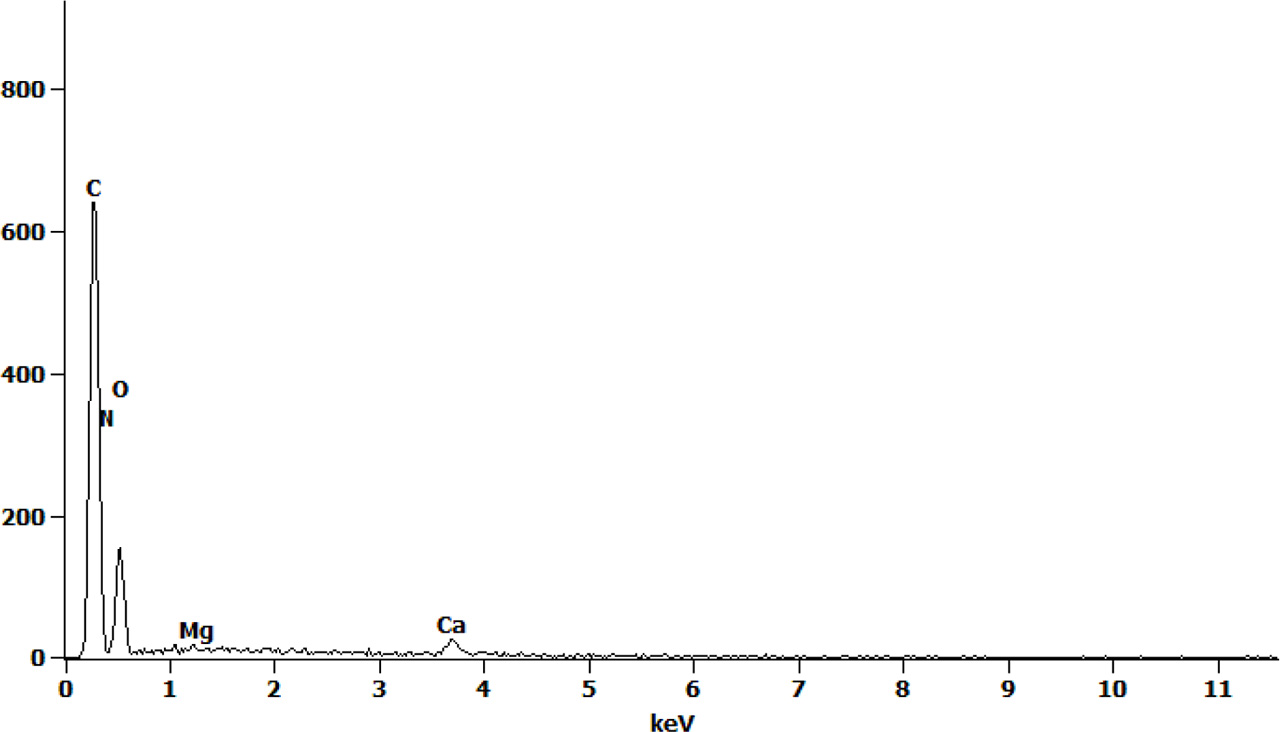
Figure 1.

EDS spectrum of flax shive waste biomass
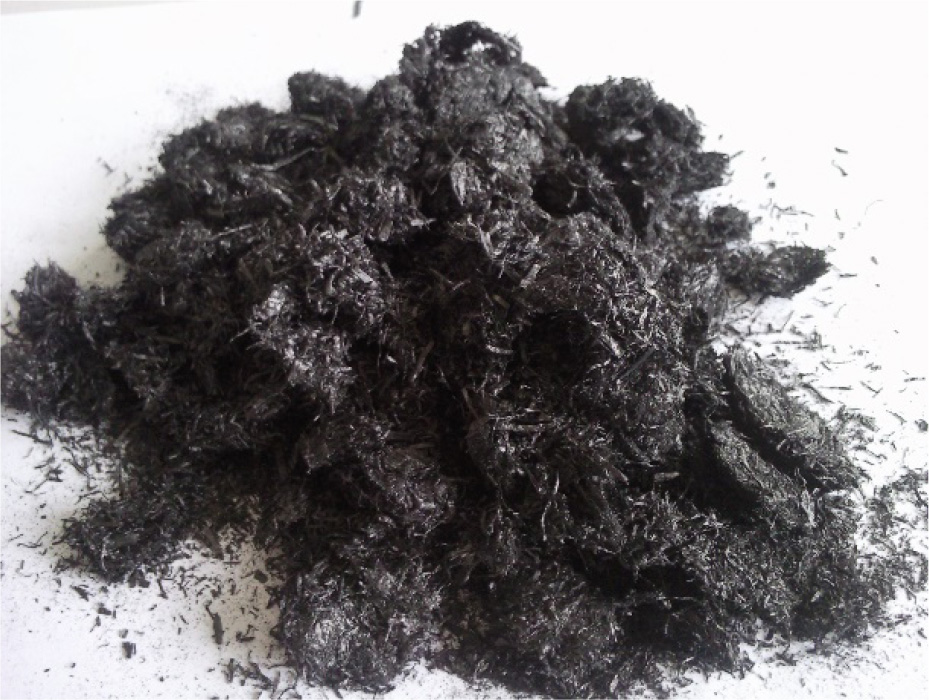

Figure 2.

Biocarbon obtained during the torrefaction of flax shive (temperature - 250°C, process time - 10 min)
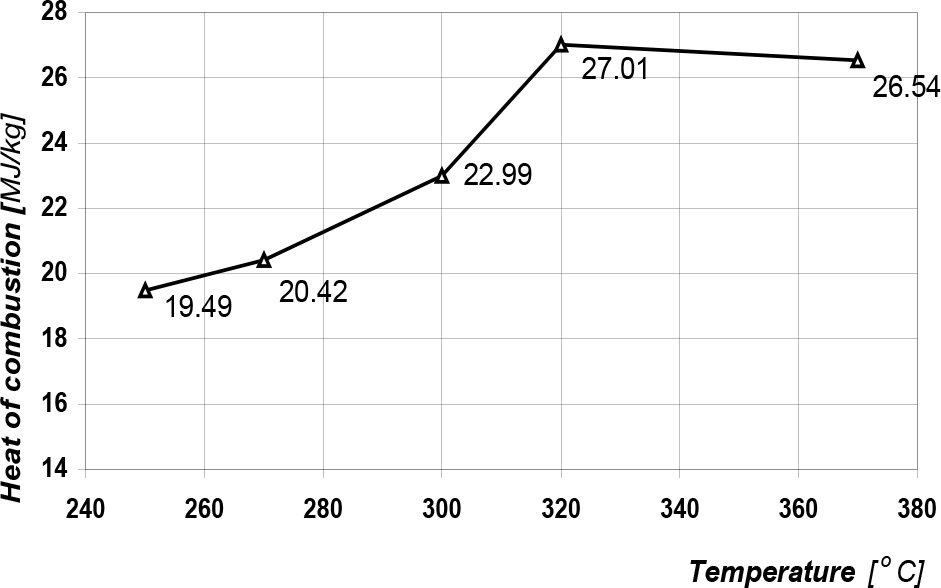

Figure 3.

Effect of torrefaction temperature on the heat of combustion of the produced biocarbon (process time - 15 min, protective atmosphere - carbon dioxide)
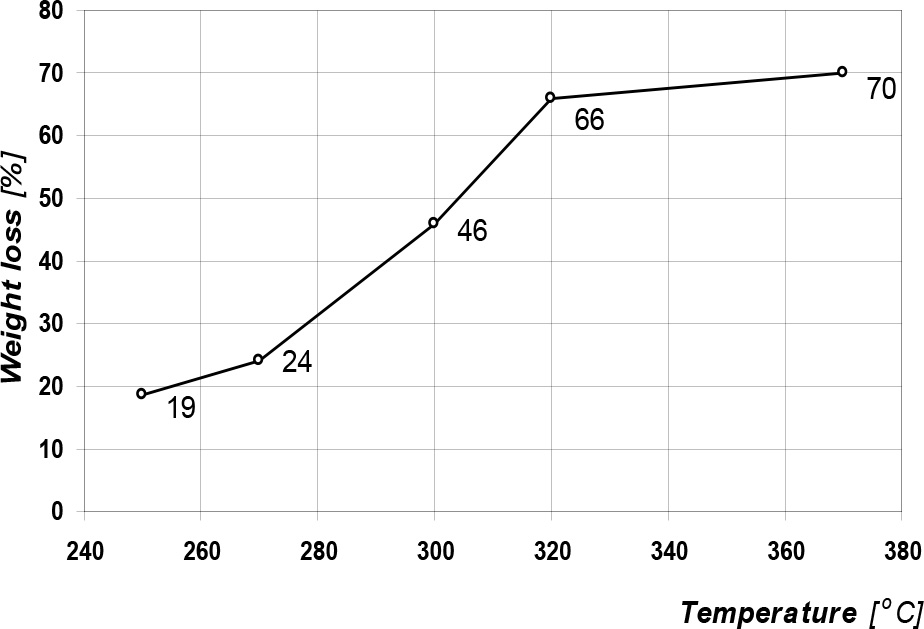

Figure 4.

Effect of torrefaction temperature on the mass loss of the initial biomass sample (process time - 15 min, protective atmosphere - carbon dioxide)
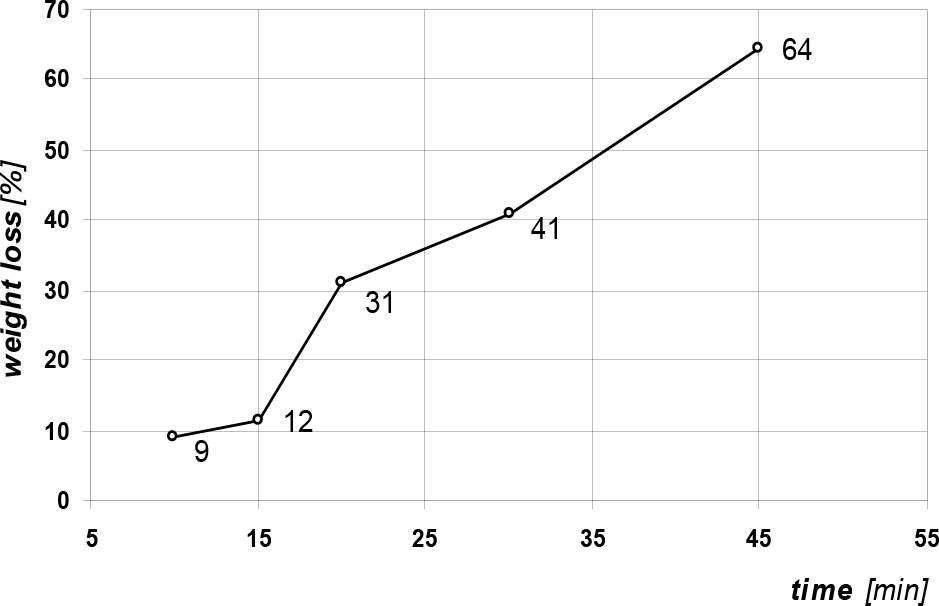

Figure 5.

Effect of torrefaction time on the mass loss of the initial biomass sample (process temperature - 320°C, protective atmosphere - carbon dioxide)
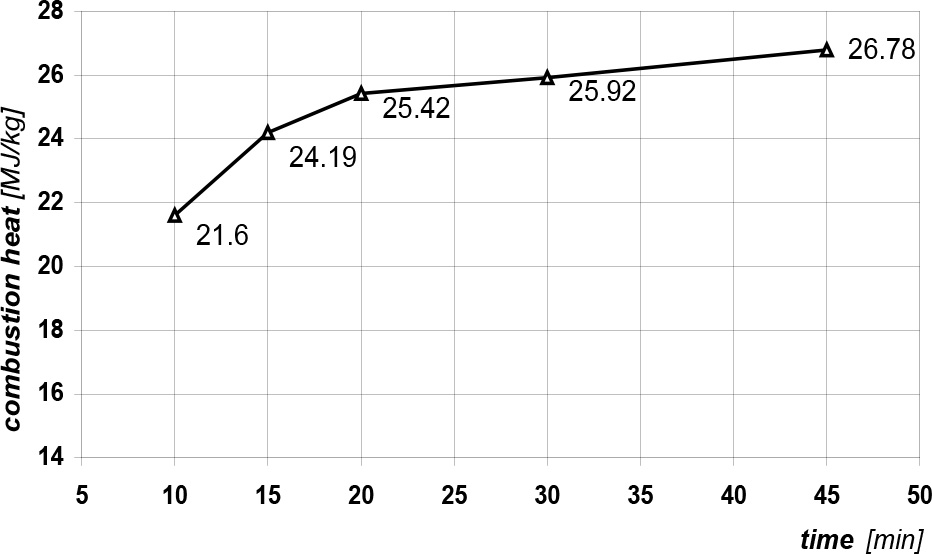

Figure 6.

Effect of torrefaction time on the heat of combustion of the produced biocarbon (process temperature - 320°C, protective atmosphere - carbon dioxide)
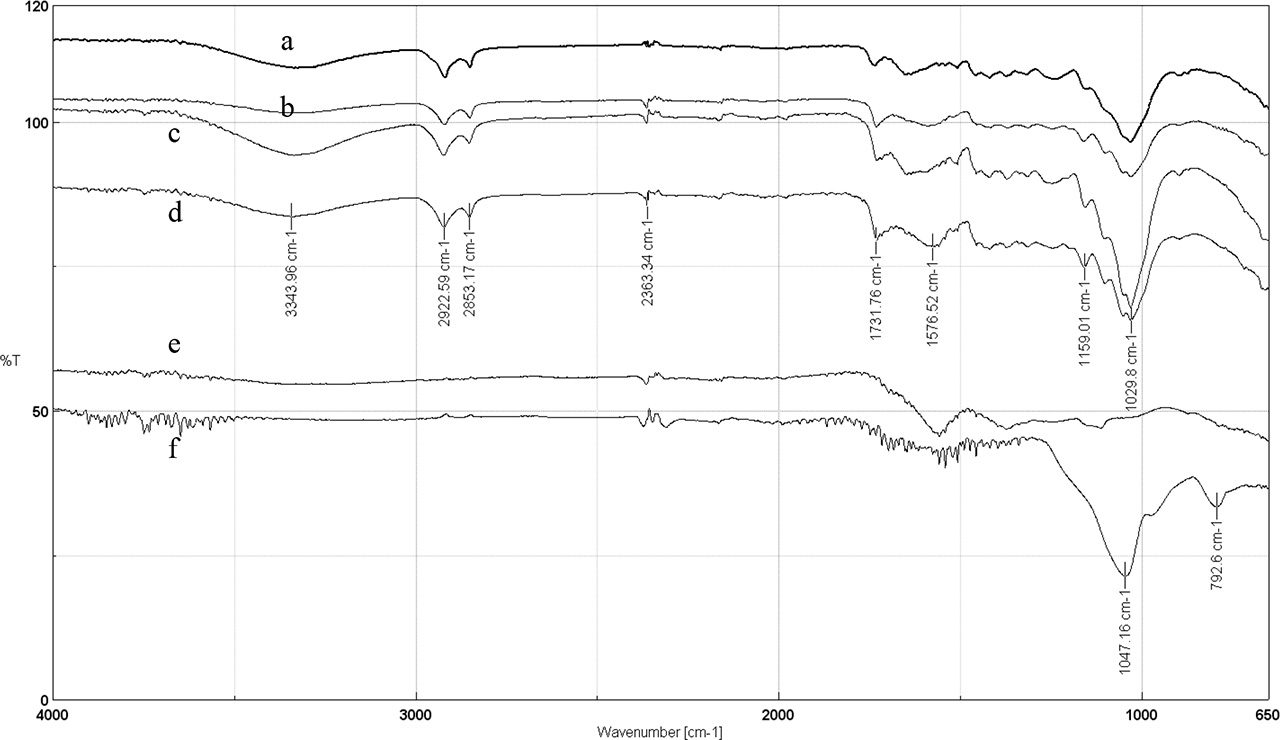

Figure 7.

Comparison of the infrared spectra of the starting raw material (a) and the biocarbon obtained at b) 250°C, c) 270°C, d) 300°C, e) 320°C, f) 370°C
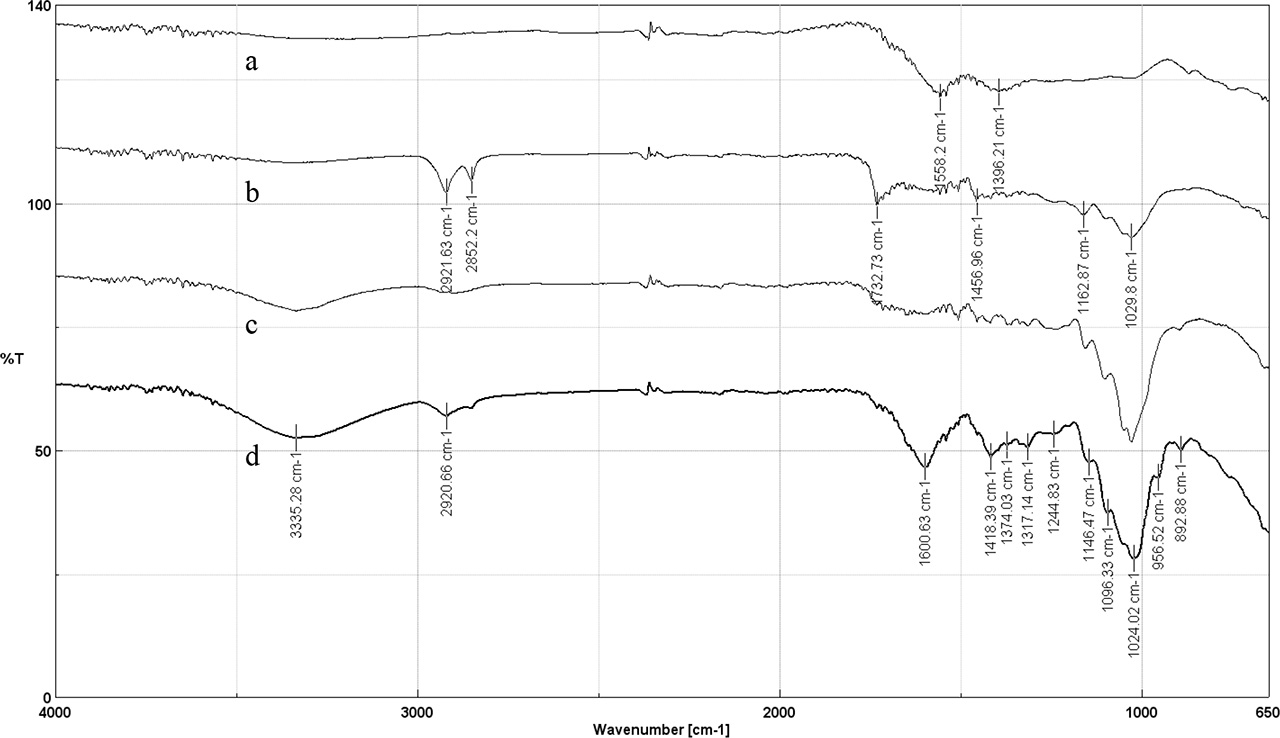

Figure 8.

Comparison of infrared spectra of biocarbon obtained at 320°C and at (a) 45 min, (b) 30 min, (c) 20 min, (d) 15 min
DOI: https://doi.org/10.2478/oszn-2023-0022 | Journal eISSN: 2353-8589 | Journal ISSN: 1230-7831
Language: English
Page range: 147 - 153
Published on: Dec 31, 2023
Published by: National Research Institute, Institute of Environmental Protection
In partnership with: Paradigm Publishing Services
Publication frequency: 4 issues per year
Related subjects:

© 2023 Jarosław Molenda, Piotr Zacharski, Marek Swat, published by National Research Institute, Institute of Environmental Protection
This work is licensed under the Creative Commons Attribution-NonCommercial-NoDerivatives 3.0 License.