
INTERVIEW WITH BRAD LISKI CEO OF TRU EARTH
Innovation often succeeds by rethinking everyday routines rather than reinventing entire industries. In this interview, Brad Liski, CEO of Tru Earth, explains how a modest side project built around laundry detergent sheets evolved into a disruptive global brand. He discusses why convenience can be as powerful as sustainability, how customer loyalty is shaped beyond the point of purchase and why humor may be more effective than guilt in driving environmental action. Looking ahead, Liski argues that the future belongs not just to sustainable businesses, but to regenerative ones that create measurable value for people, the planet and profit and give back more than they take.
Kate: Your company's best-known product is its laundry detergent sheets. How did Tru Earth come up with the idea of making laundry sheets instead of traditional powders, liquids or pods?
Brad: It actually started as a way to help a family member recover an investment. They had backed a company making laundry detergent sheets, but it wasn't succeeding. At the time, we were in media – storytelling, magazines, and subscription boxes – so we decided to build a brand around that product and see what happened. We launched a website, and that's where things began.
Kate: How did you realize that laundry sheets could be disruptive in the marketplace?
Brad: We thought this would just be a small side project – maybe make $1,000 a month to pay some bills. But within the first 30 days, it became clear that this was different. We had launched many products before, so we knew what “good” looked like – and this exceeded expectations. The real moment when we realized the product could be disruptive came when retailers started calling us. We suddenly understood that this was more than just a social media trend. Major retailers in the U.S. were reaching out to a small Canadian company – that's when we knew something bigger was happening.
About Brad Liski
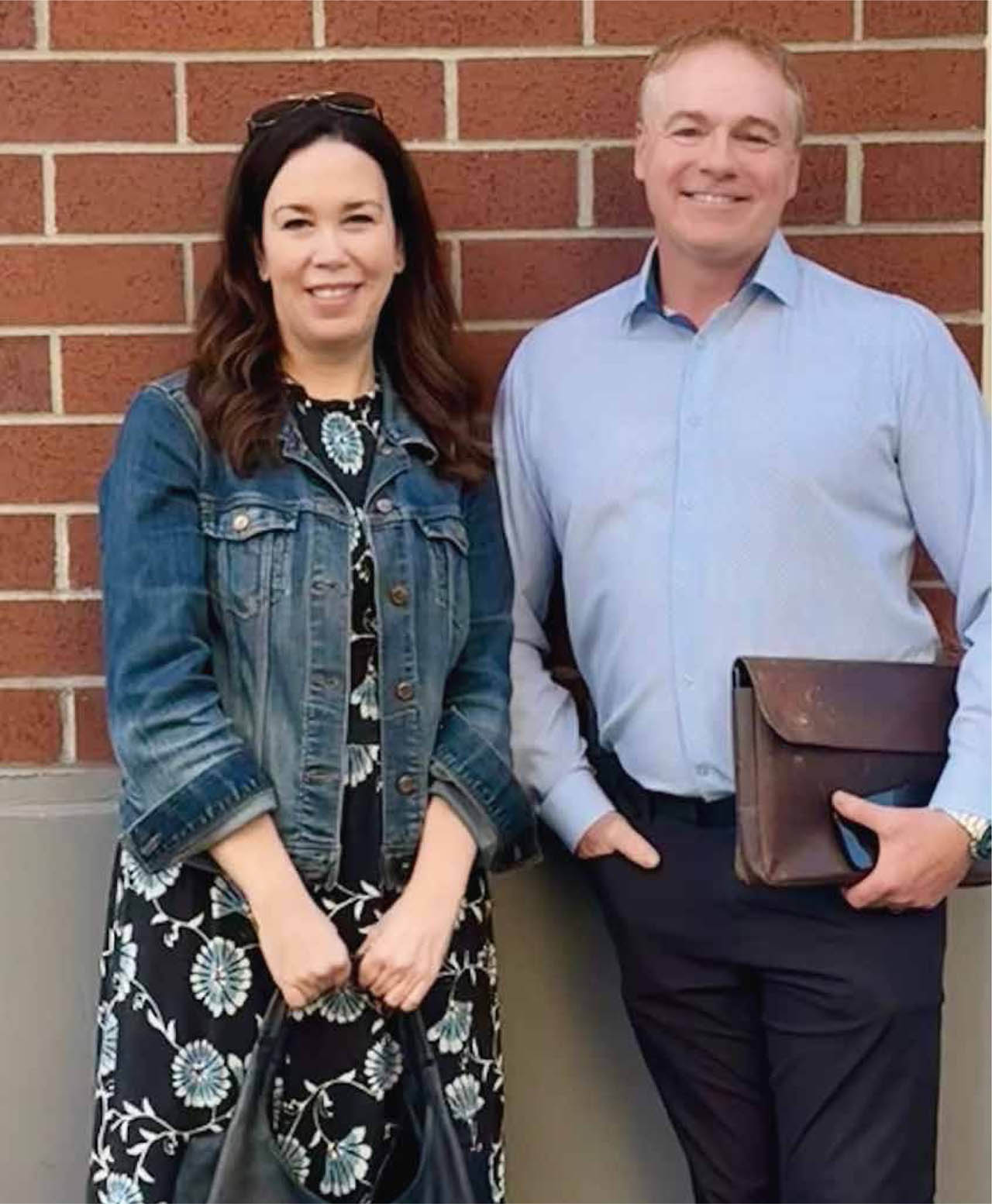
Brad Liski builds businesses that align commercial excellence with measurable environmental and social impact. As a CEO and entrepreneur, he focuses on identifying market inflection points and scaling teams, systems and products that can redefine categories. Brad is particularly driven by opportunities where innovation and shifting consumer behavior create the foundation for meaningful change. Brad's background in media, marketing and business development shaped his ability to build growth engines, write strategy and translate that into execution. Today, he remains focused on scaling purpose-driven businesses that deliver both economic performance and long-term impact.
The interview was conducted by Katherine White, Professor of Marketing and Behavioural Science, Sauder School of Business, University of British Columbia in June 2026.
Kate: Do you think the disruption came from the product's sustainability? Or from how you introduced the product? Why did it take off?
Brad: I think the sheets were simply a better way of doing something people didn't realize could be improved. There was a logical story behind it. Typically, people assume sustainable products are less effective – but this proved otherwise. It was convenient, easier to use, and just as effective. And I also think there was a group of people who genuinely believed that large corporations weren't offering truly sustainable alternatives. That combination mattered.
„Typically, people assume sustainable products are less effective – but this proved otherwise. It was convenient, easier to use and just as effective.“
Kate: This is related to my next question: What do you think is the core value proposition your customers respond to? Is it sustainability, or is it something else, like convenience or cost?
Brad: It actually varies by region and customer segment. At the beginning, people bought it because it was easier to use. The environmental benefit was secondary. As we grew, we saw more “change-maker” customers who cared deeply about sustainability. Today, it depends on the market. In Europe, environmental impact tends to lead. In the U.S., the messaging is more balanced between cost, effectiveness and sustainability. Another unexpected value proposition was space savings. People living in small apartments loved the sheets because what used to take up an entire shelf could now fit into an envelope.
Kate: There's research showing that communicating sustainability alongside other benefits, such as cost savings, can sometimes backfire. What's your experience?
Brad: Our experience is that people usually buy for one primary reason, whatever that reason may be. The secondary benefits then reinforce the consumer's decision after the purchase. That's an important part of building customer loyalty. For example, in uncertain economic times like today, we lead with cost savings. After the purchase, we communicate our sustainability efforts and social impact to strengthen loyalty and reinforce the choice people made. So, one benefit needs to lead – but the others still need to be present.
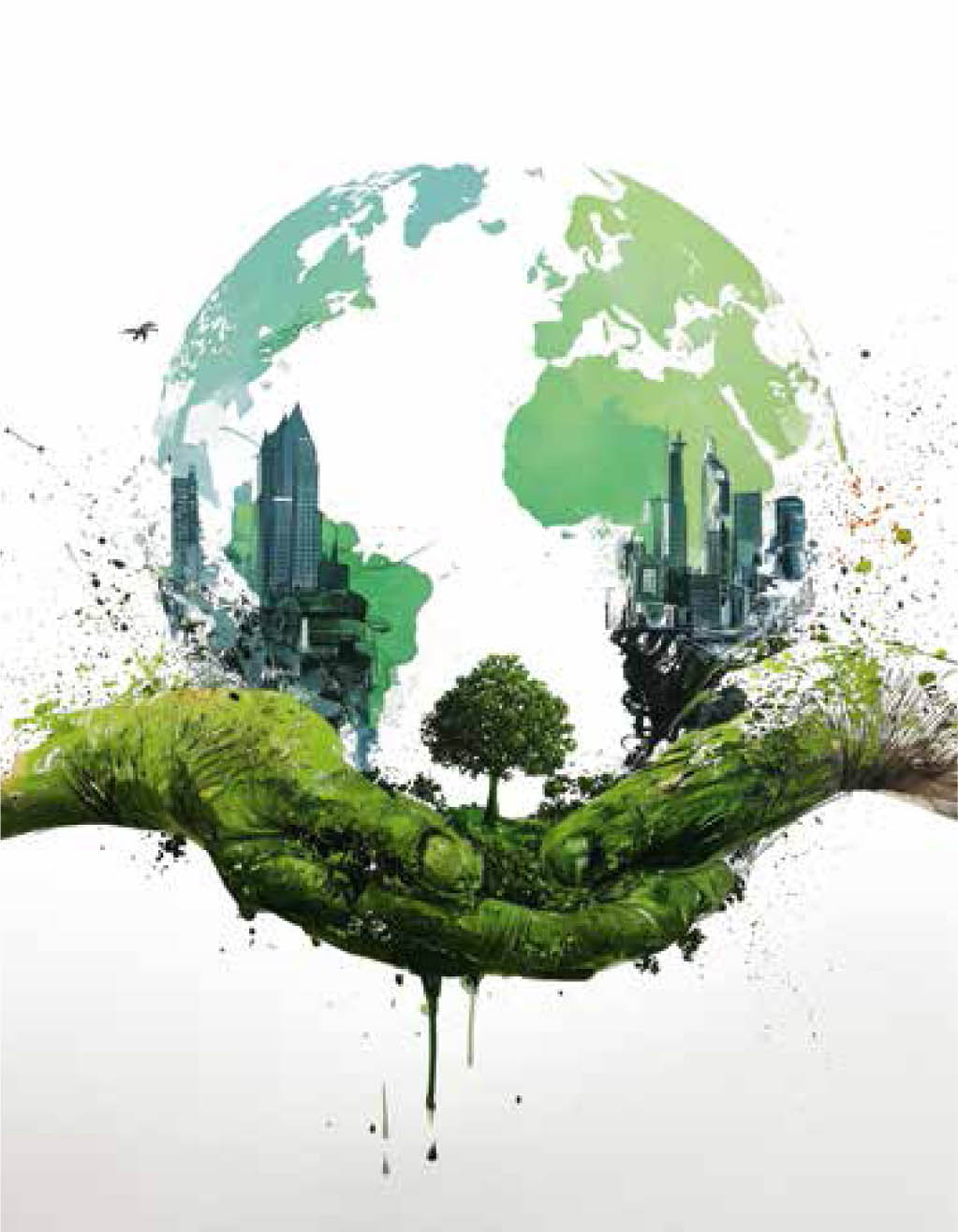
Visualization, AI-generated, Prompt GCO Medienagentur
„At the beginning, people bought it because it was easier to use. The environmental benefit was secondary.“
Kate: That's fascinating, especially that you pay attention to what happens post-purchase. Why is it important to observe what happens once people buy the product?
Brad: We think in terms of several “moments of truth.” The first moment of truth is when customers see the product for the first time. The second is when they use it and put it into their washing machine. The third is when they take their clothes out of the dryer and evaluate the results. And that's where we want to further cement loyalty. We're disrupting a deeply entrenched, generational habit. Most people use the same laundry detergent their parents used – the one they sent them to college with or when they got their first apartment – from one of only a handful of global companies that dominate the industry. Many of us are deeply attached to those routines. To change habits, build loyalty and encourage repeat purchases, we need to continually remind people that our product is more than just convenient or effective. It also creates environmental and social benefits. The fourth moment of truth is the most powerful: when customers tell others. That's where you create a movement – and sustainability needs movements in order to scale.
Kate: Is it difficult to build a movement? Are sustainable brands failing in this respect?
Brad: Yes. Too many brands rely on guilt and fear to motivate people. They try to scare consumers into action. We took a different approach. We acknowledge that we're not perfect, and we don't expect our customers to be either. We simply encourage small changes. We started with the idea of making one small change in one room of your home. We don't overwhelm people with statistics about the planet being on fire. Sustainability has to feel human, supportive, and collaborative – not judgmental.
„To change habits, build loyalty and encourage repeat purchases, we need to continually remind people that our product is more than just convenient or effective.“
About Tru Earth
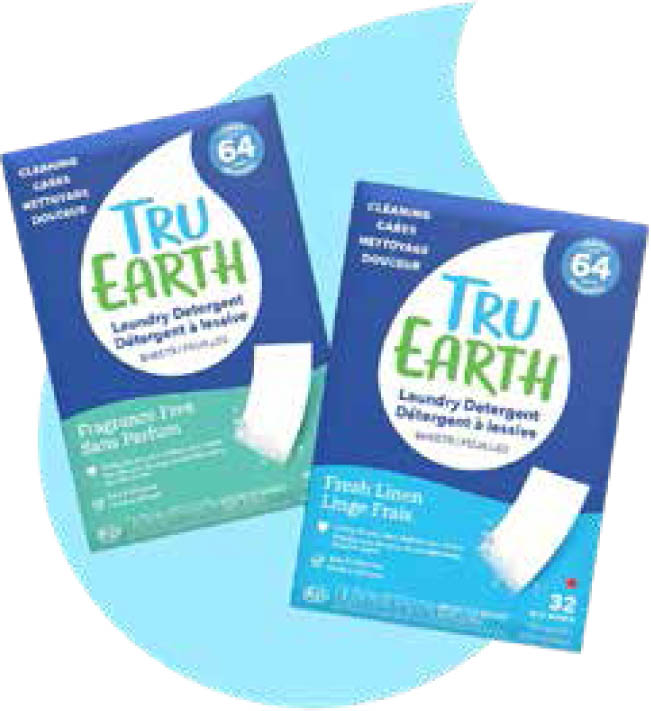
In 2019, Tru Earth carved out a new category for laundry detergent with its innovative laundry sheet, providing customers with a better way to wash their clothes. As a certified B Corporation, Tru Earth offers a disruptive suite of household cleaning products – including fabric enhancers such as scent boosters and fabric softener, dishwashing detergent, as well as toilet and multi surface cleaning strips. These products are water-activated, ultra-concentrated, pre-measured and easy to use, all packaged in plastic-free packaging.
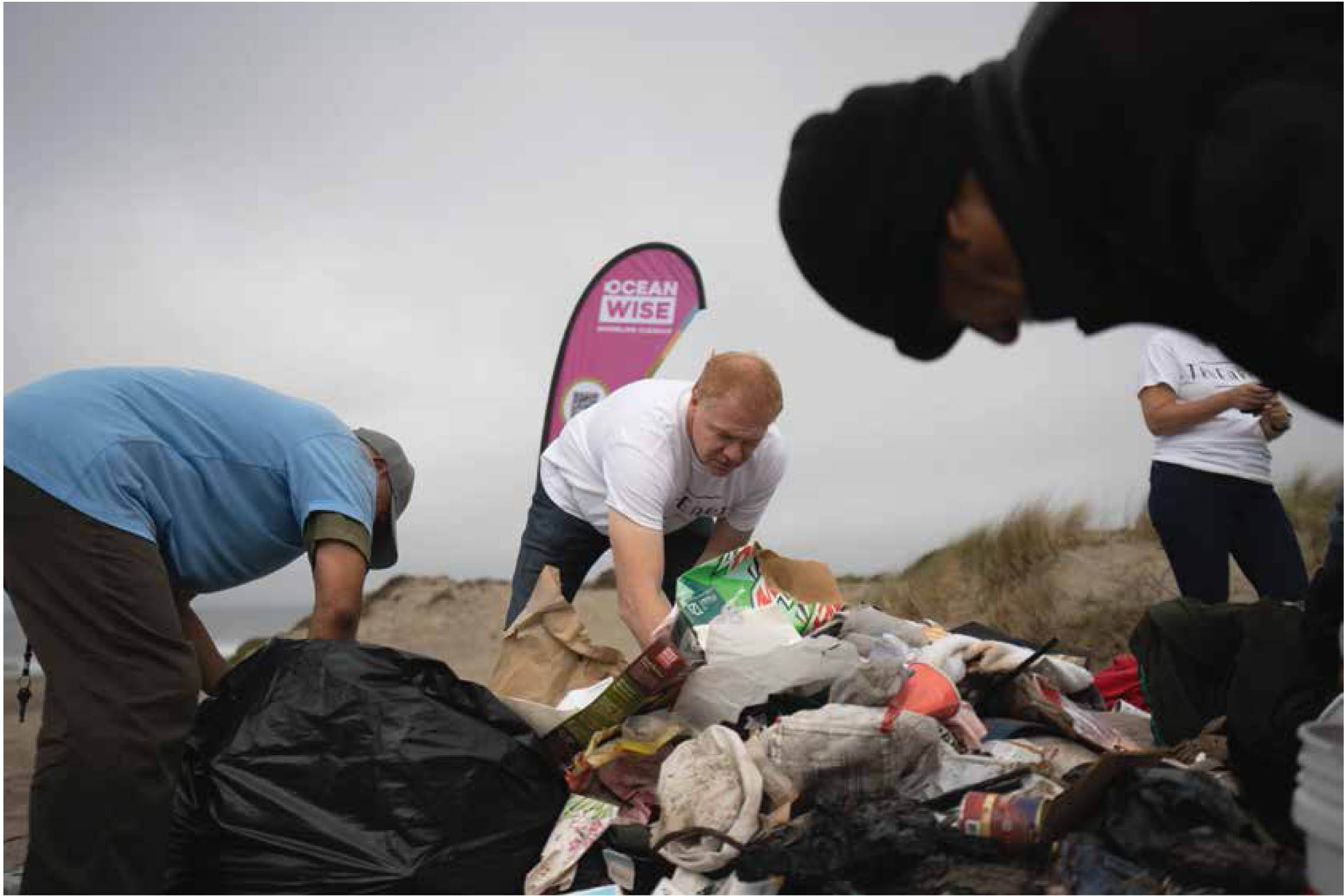
Together with millions of customers in 80+ countries, Tru Earth is committed to improving critical causes related to our planet and to making true, lasting change that cares for our common future. To date, Tru Earth has saved more than 200 million plastic containers from ever being created in the first place. Tru Earth's global Tru Giving program has provided clean clothes to over 12 million individuals in need. The company is a member of the 1% for the Planet network and firmly believes that clean clothes are a human right. As the founding sponsor of the American Shoreline Cleanup program in partnership with Ocean Wise, Tru Earth proudly supports efforts to protect and restore our oceans.
Facebook: Tru Earth | Facebook
Instagram: Tru Earth (@truearthmovement)
YouTube: Tru Earth - YouTube
Tru Earth
Tru Earth
Kate: Actually, you go even further than just skipping guilt and fear. Some of your advertising is quite humorous. Do humor and sustainability work well together?
Brad: We started with humor, moved away from it for a while and are now returning to it. The world is serious enough – we want to lighten things up. Why not tell the truth with a bit of a wink and a little bit of optimism? Humor makes people feel good and more open to change.
Kate: I'll take that as a yes. Have there been things you've tried that didn't work?
Brad: Absolutely. One major learning was that people don't buy on Earth Day anymore. It used to be our biggest sales spike, but in today's economic climate, Earth Day is no longer a major sales event for us. Even so, we continue to invest heavily during that period. Our goal has shifted toward raising awareness of plastic waste and encouraging people to participate in shoreline cleanups that we organize with our partners. So today, Earth Day is about awareness and action rather than sales.
Kate: Your brand emphasizes empowering consumers, but some argue that systemic change matters more than individual behavior. What's your view?
Brad: The system won't change unless people want it to change and demand it. Policies, politics, and markets are all influenced by public opinion. Regulation on plastics will only happen when there is enough public demand. So we need individuals to push for change in order to achieve systemic change and meaningful policymaking. Individual action and systemic change go hand in hand.
„We're not perfect, and we don't expect our customers to be either. We simply encourage small changes.“
Kate: To build momentum, we also need young entrepreneurs launching sustainable businesses. What advice would you give to start-ups in the sustainability space?
Brad: First, define your values. You need to be prepared to stick to them, while also understanding that there may be a cost to doing so. If you accept that staying true to your values might come at a price, you have a fighting chance in this space. If your values are not aligned with your product or venture and you see sustainability simply as a market opportunity, you'll probably end up making compromises and becoming less sustainable than you originally intended. Second, make sure you have strong upstream and downstream partners. One of the mistakes we made in the beginning was not having the right partners, which meant we couldn't fully understand our product's life cycle. Those partnerships matter deeply for sustainability, and it will become increasingly important to accurately assess the full life cycle of every product.
Kate: Looking ahead five to ten years, how will sustainability offerings change? Will they stay largely the same, or do you expect major differences?
Brad: I think we'll see radical changes. There will be increasing demand – and regulation – for verified, quantifiable claims. You won't be able to simply say you're sustainable; you'll have to prove it. Life-cycle assessments, ESG reporting and third-party validation, such as B Corp, will become standard. Companies that can't validate their claims will be at risk. Even if some momentum has slowed in the U.S., it certainly hasn't in places like Europe. Consumers and financial markets will continue to apply pressure. Over the next five to ten years, if you can't validate what you're doing, you'll struggle to remain relevant. The triple bottom line – people, planet, and profit – will need to be measurable and transparent, something you can confidently share with investors and shareholders.
“If you accept that staying true to your values might come at a price, you have a fighting chance in this space.”
Kate: Not everybody agrees. Some argue that sustainability is “dead” and that both consumers and companies are moving away from it. Is this just a temporary downturn?
Brad: Sustainability as a marketing exercise or a form of self-promotion used to be enough – but not anymore. That version of sustainability is dead. By contrast, sustainability in the sense of our ability to maintain ourselves on this planet is far from dead. In fact, I believe regeneration is the future. We don't even use the word “sustainable” inside our company because, in our view, sustainability isn't enough. You can still extract more than you give back and technically call yourself sustainable. What we aspire to be at Tru Earth is a regenerative business – one that contributes more to the social and environmental economy than it extracts. So, sustainability is very much alive, but it will become more than a marketing term. And ultimately, it will evolve beyond sustainability toward regeneration: giving back more than we take.
“What we aspire to be at Tru Earth is a regenerative business – one that contributes more to the social and environmental economy than it extracts.”
Kate: Brad, thank you so much for sharing your insights and experiences. I really appreciate your openness – not just about the successes, but the challenges along the way as well. Wishing you all the best as you continue growing the Tru Earth brand and pushing this important cause forward.