Have a personal or library account? Click to login
A Review of Biomass-Derived Biochar and Its Potential in Asphalt Pavement Engineering Cover

A Review of Biomass-Derived Biochar and Its Potential in Asphalt Pavement Engineering

By: Li Zhou  
Open Access
|Aug 2024

Figures & Tables

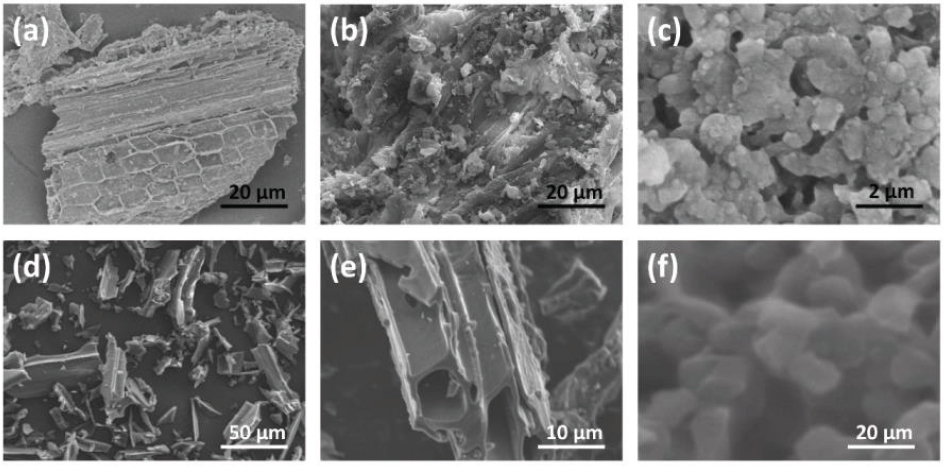
Fig. 1.

SEM of biochar prepared by (a) rice straw [88], (b) water hyacinth [89], (c) crab shell [90], (d) pinewood [91], (e) eucalyptus [92], (f) sugarcane bagasse [93]

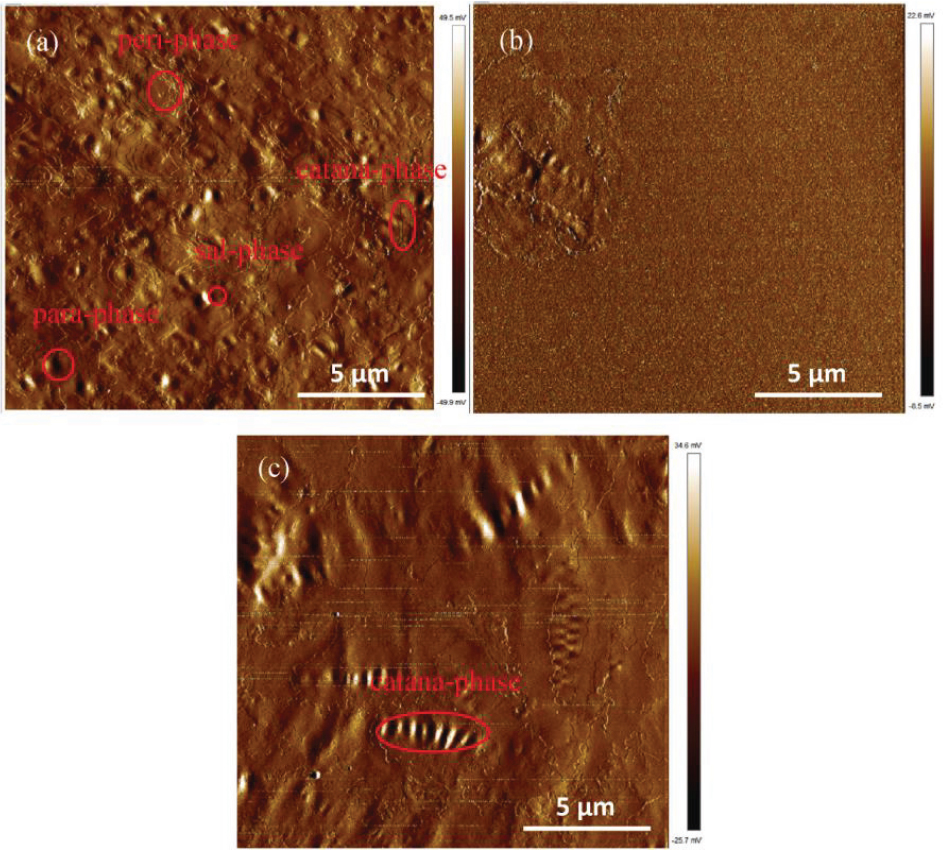
Fig. 2.

(a) AFM of 0% BMBA, (b) AFM of 6% BMBA, (c) AFM of 8% BMBA [70]
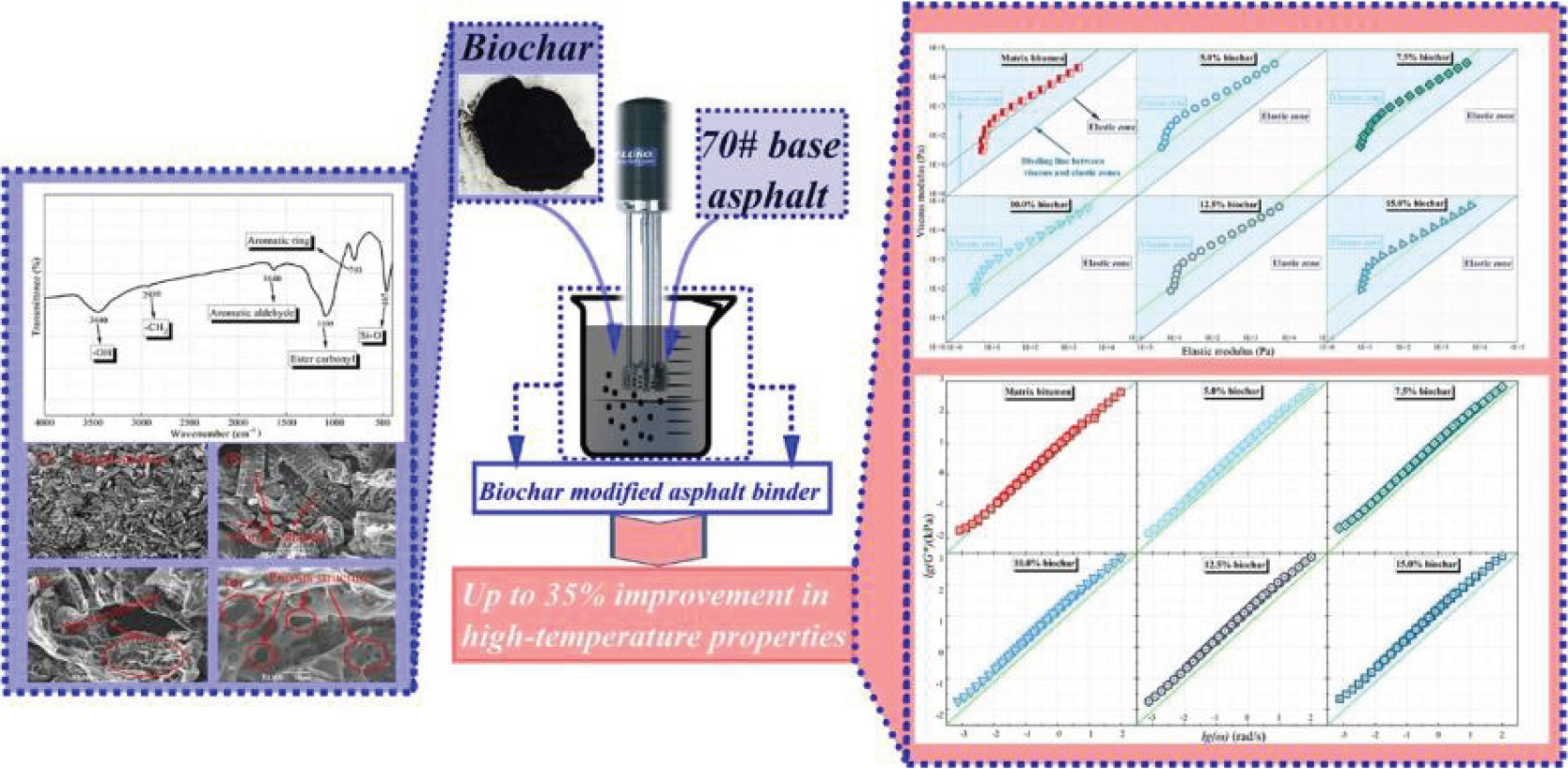

Fig. 3.

Biochar greatly increases mechanical properties of asphalt mixtures [76]
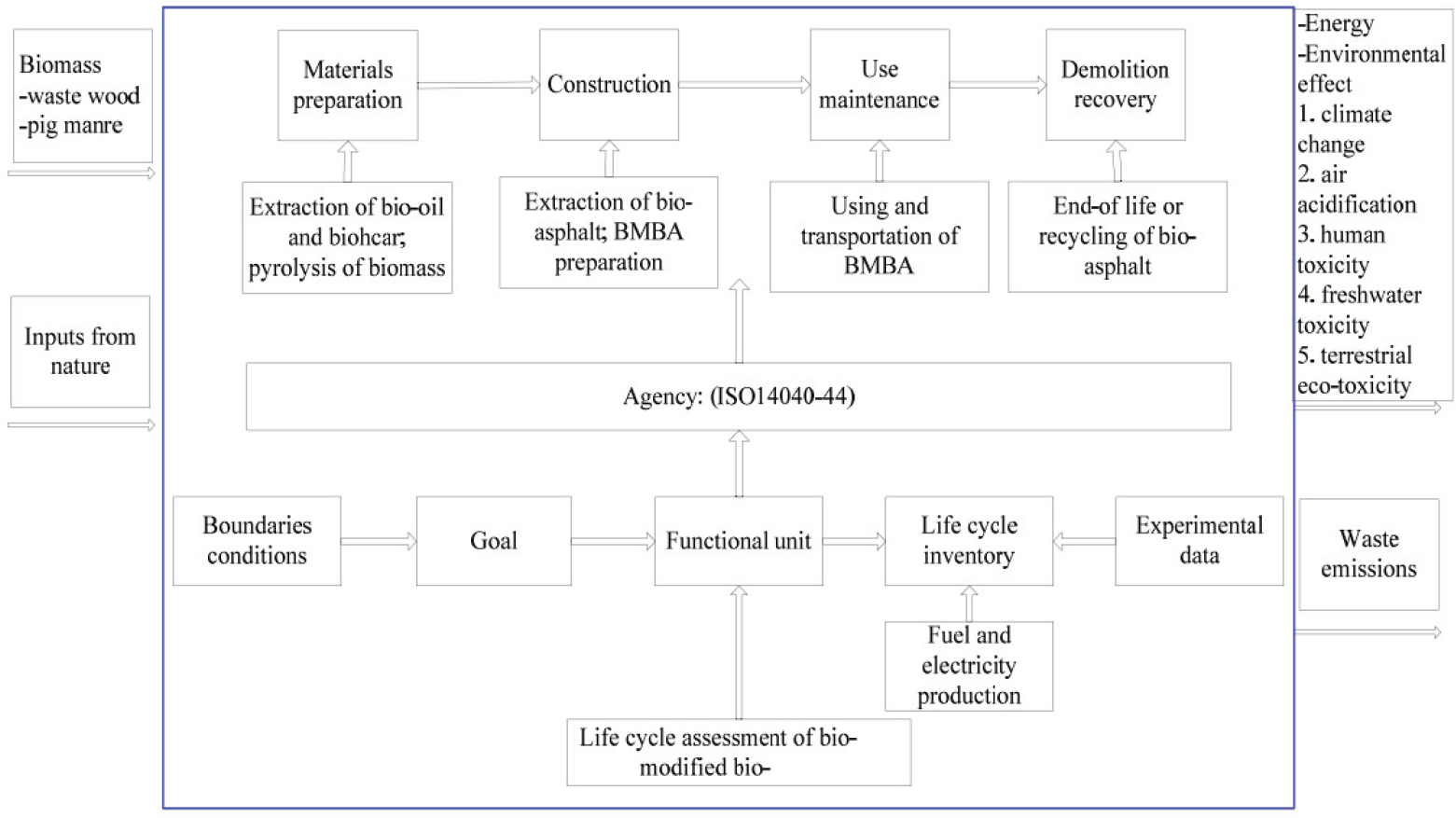

Fig. 4.

LCA phases and processes of biochar utilization in asphalt [78]
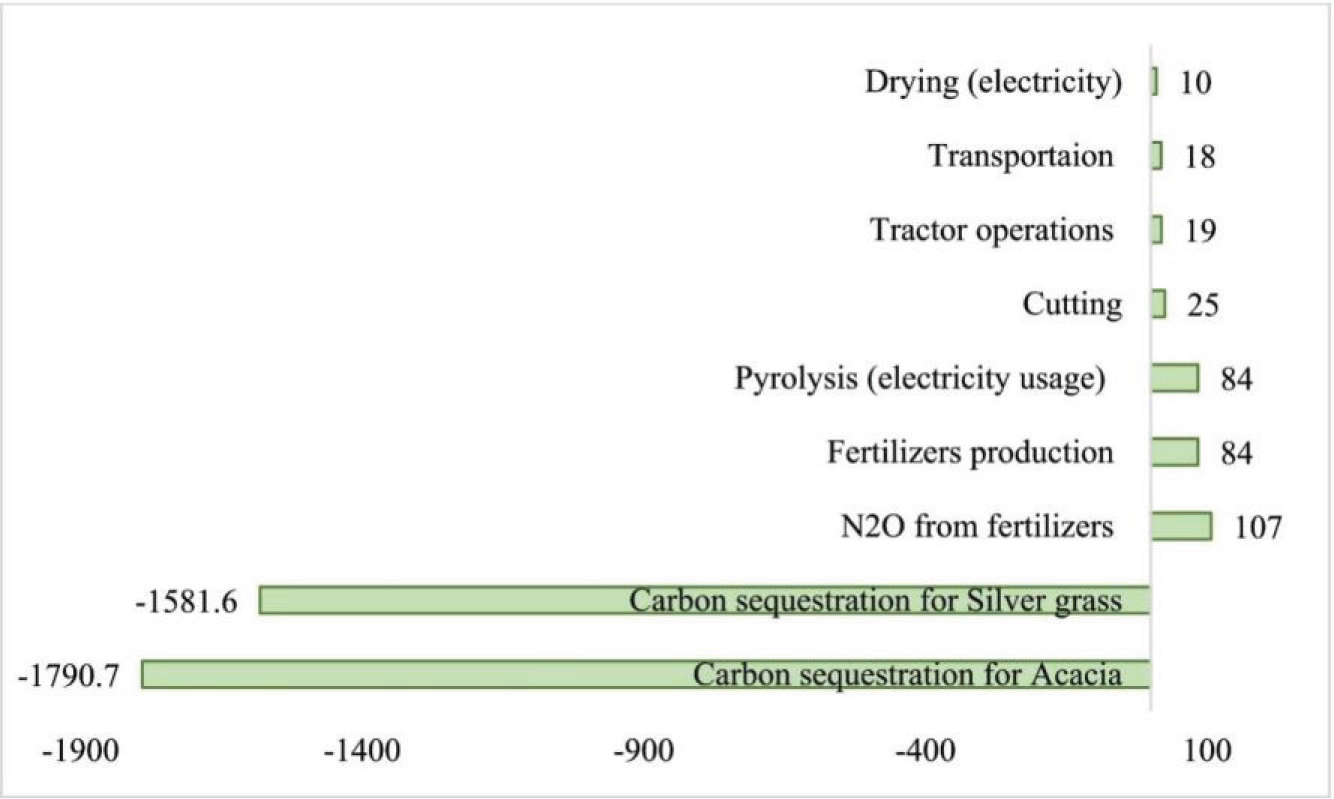

Fig. 5.

Carbon-footprint analysis of processes throughout the life cycles of acacia biochar and silver-grass biochar [84]

Summary of the advantages and disadvantages of biochar utilization in asphalt pavement engineering applications

ApplicationAdvantagesDisadvantages
Asphalt binder modifier
  • – Enhances rheological properties (e.g., increased stiffness, elasticity, deformation resistance)

  • – Improves aging resistance and temperature sensitivity

  • – Reduces VOC emissions compared to conventional petroleum-based binders

  • – May have negative effects on low-temperature performance at high biochar contents

  • – Potential variability in biochar properties depending on feedstock and production conditions

Asphalt mixture additive
  • – Increases rutting resistance and resilient modulus

  • – Enhances moisture resistance, particularly at lower biochar contents

  • – Improves cracking resistance at optimal biochar content

  • – Reduces VOC and GHG emissions compared to conventional mixtures

  • – May reduce moisture susceptibility at high biochar contents

  • – Cracking resistance may decrease at high biochar contents

  • – Potential variability in biochar properties depending on feedstock and production conditions

Stormwater filter material
  • – High surface area and porosity for adsorbing pollutants

  • – Renewable and cost-effective compared to other filter materials

  • – Contributes to carbon sequestration and emission reduction

  • – Long-term performance and durability under field conditions need further investigation

  • – Potential clogging and reduction in permeability over time

DOI: https://doi.org/10.2478/msp-2024-0022 | Journal eISSN: 2083-134X | Journal ISSN: 2083-1331
Language: English
Page range: 81 - 99
Submitted on: May 23, 2024
Accepted on: Jul 4, 2024
Published on: Aug 8, 2024
Published by: Wroclaw University of Science and Technology
In partnership with: Paradigm Publishing Services
Publication frequency: 4 issues per year

© 2024 Li Zhou, published by Wroclaw University of Science and Technology
This work is licensed under the Creative Commons Attribution-NonCommercial-NoDerivatives 4.0 License.