
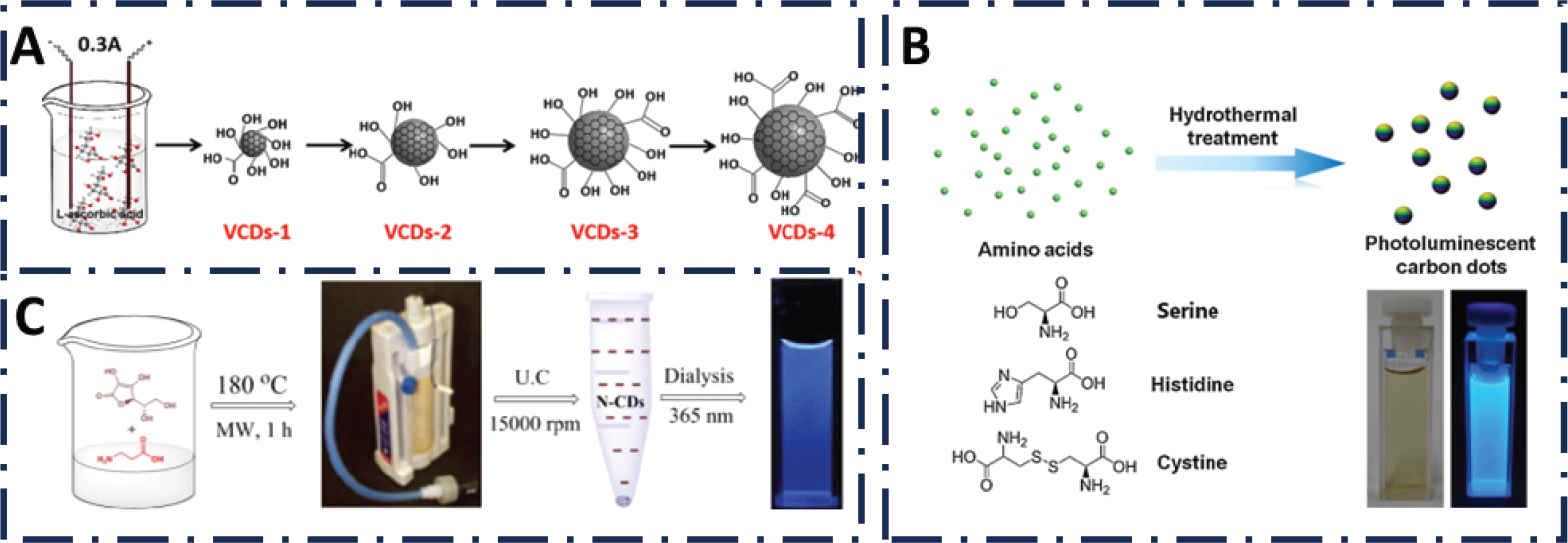
Fig. 1.
(A) Fabrication of CDs by a one-step electrochemical oxidation method [32]; (B) Preparation procedure of CDs by hydrothermal treatment of amino acids [34]; (C) Microwave-assisted green synthesis of N-doped carbon dots [35]
Table 1.
Common source for CDs synthesis
| Source | Ref. | Source | Ref. |
|---|---|---|---|
| Spinach | (39,136–139) | Onion | (40,140–143) |
| Apple | (41,144,145) | Orange | (42,146,147) |
| Trapa bispinosa | (148) | Cannabis sativa | (149) |
| Neem | (43,150) | Cocoons | (44,151) |
| Coffee | (45,152–154) | Oils | (46,155,156) |
| Milk | (47,157,158) | Egg white | (48,159,160) |
| Honey | (49,161,162) | Yeast extract | (163) |
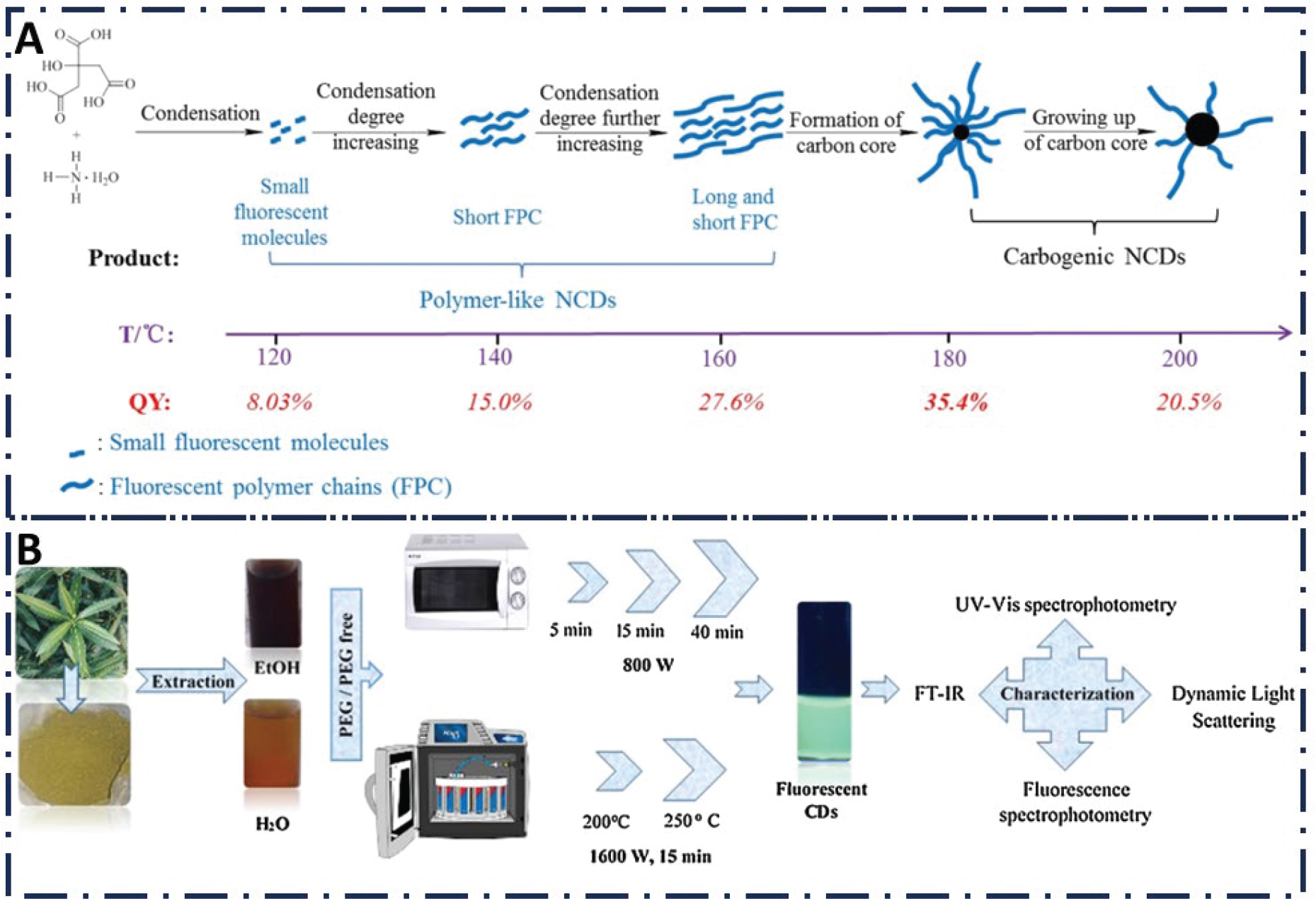
Fig. 2.
(A) NCDs prepared using hydrothermal method with different temperature with different QY [58]; (B) MWO and MAH synthesis of CDs from Nerium oleander leaf extracts [61]
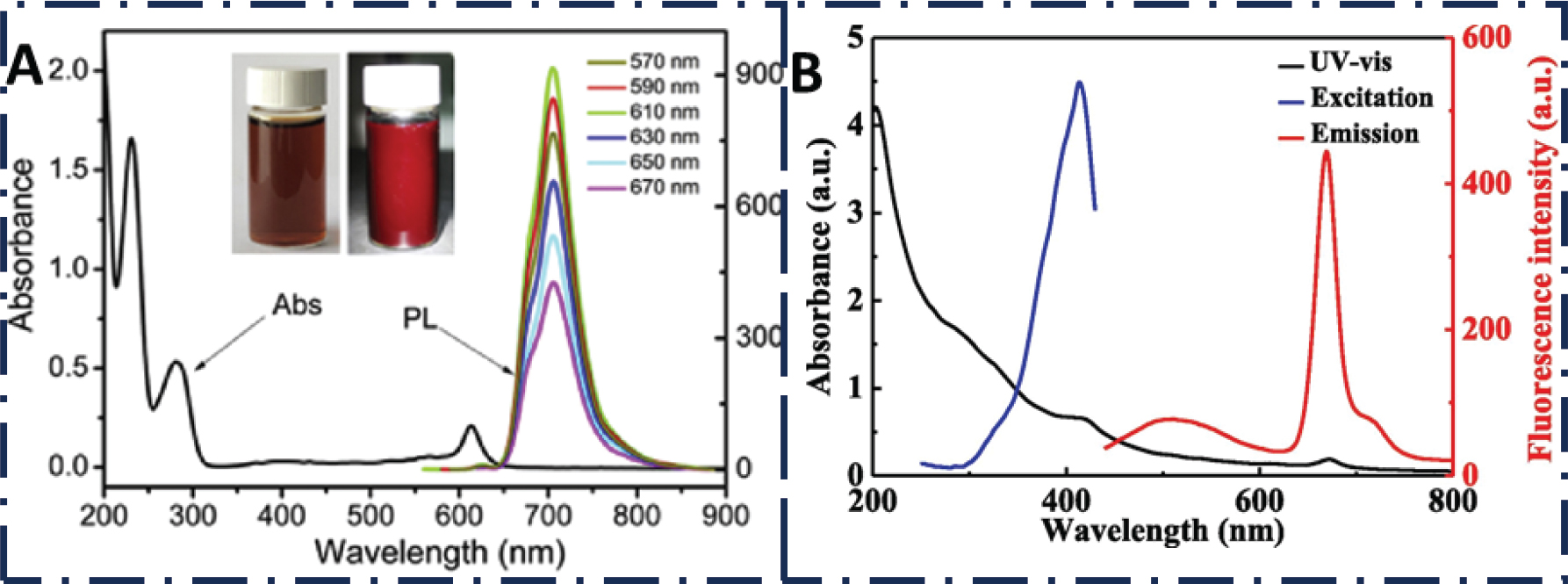
Fig. 3.
UV–visible absorption spectrum and PL emission spectra of the (A) NIR-CDs derived from lemon juice [66] and (B) dual-emission CDs derived from black pepper [67]
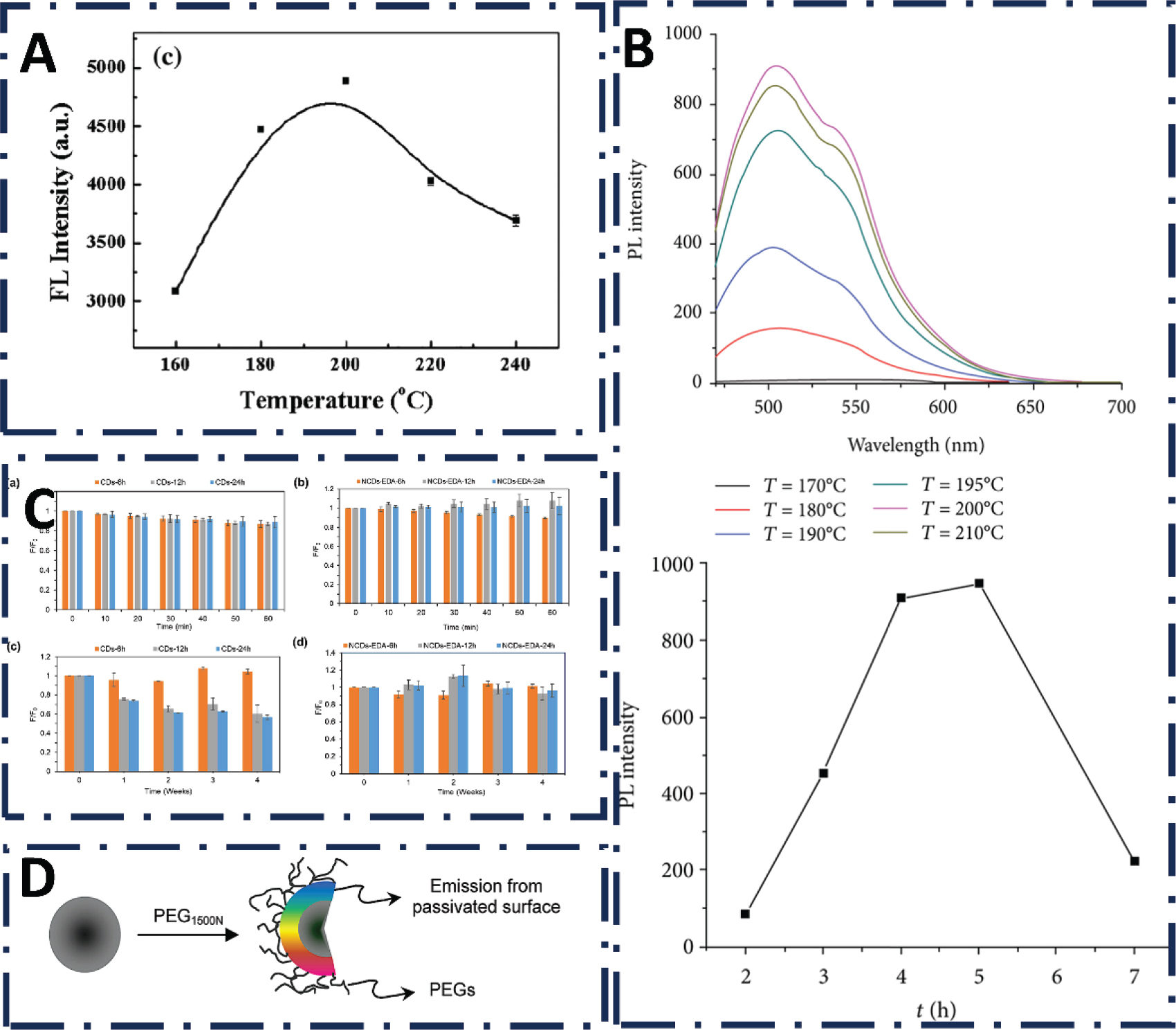
Fig. 4.
(A) The effect of reaction temperature on the synthesis of CDs [73]; (B) Effect of reaction temperatures and reaction times on the PL spectra of CDs [74]; (C) The relative fluorescence intensity (F/F0) of CDs and NCDs-EDA (1.0 mg/mL) under (a, b) UV illumination (365 nm), (c, d) visible light [76]; (D) Covalent passivation of CDs with PEG1500N [77]
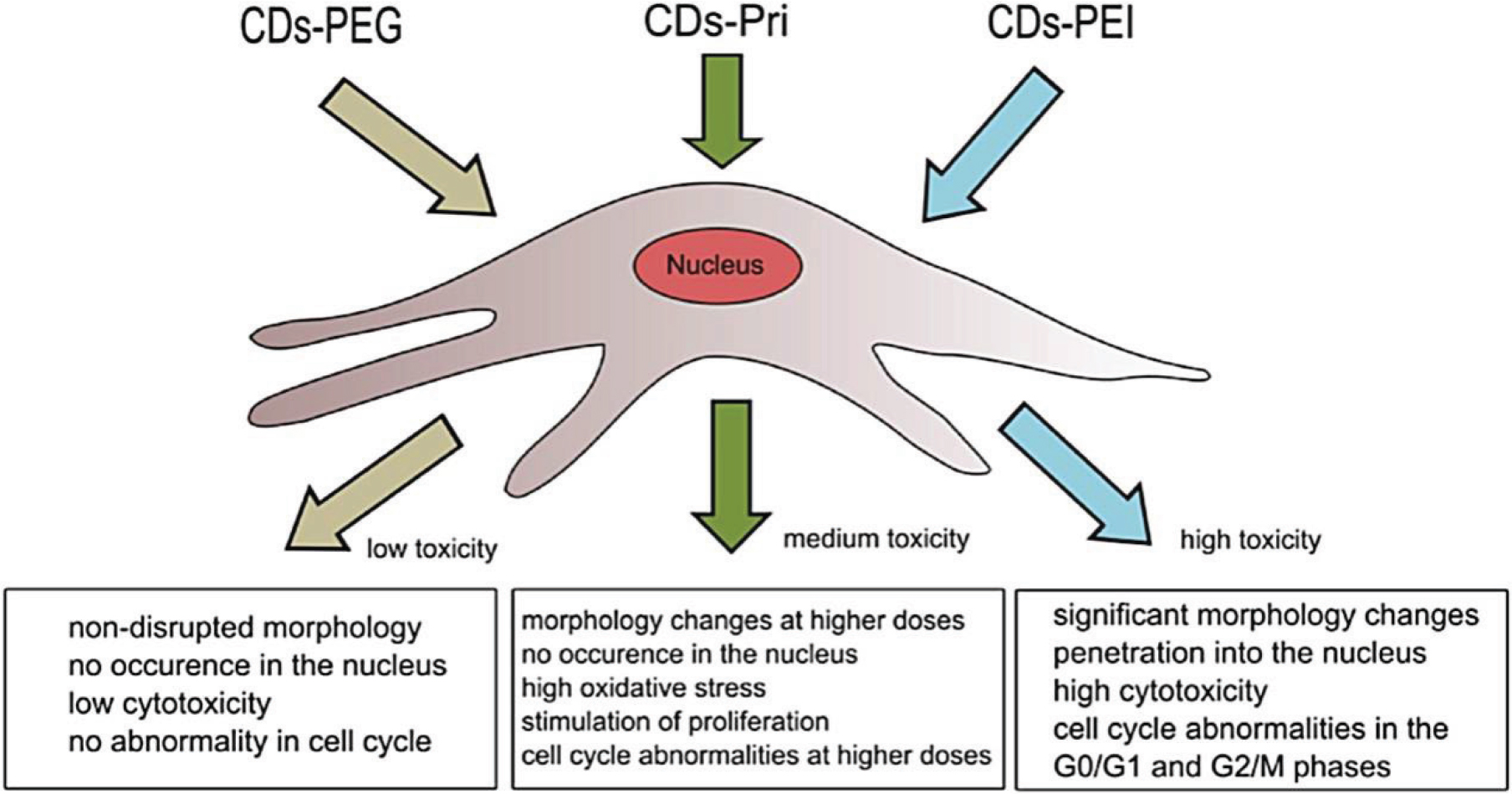
Fig. 5.
Toxic effects of carbon dots with different surface chemistry [86]
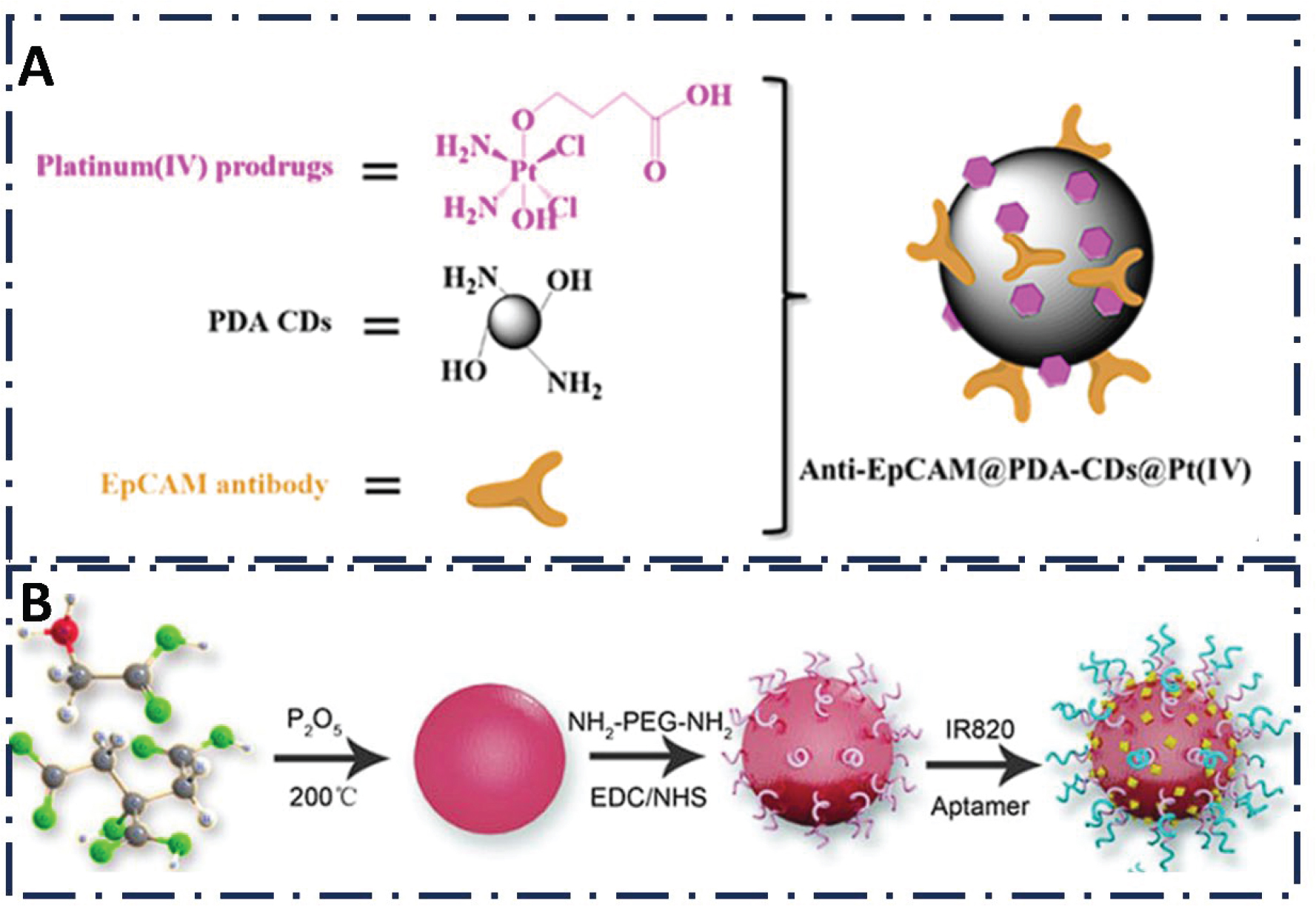
Fig. 6.
(A) Schematic Illustration of Preparation of Anti-EpCAM@PDA-CDs@Pt(IV) [100]; (B) Schematic design of the assembly of the photoactive CDs-IR820-Aptamer nanomedicine [102]
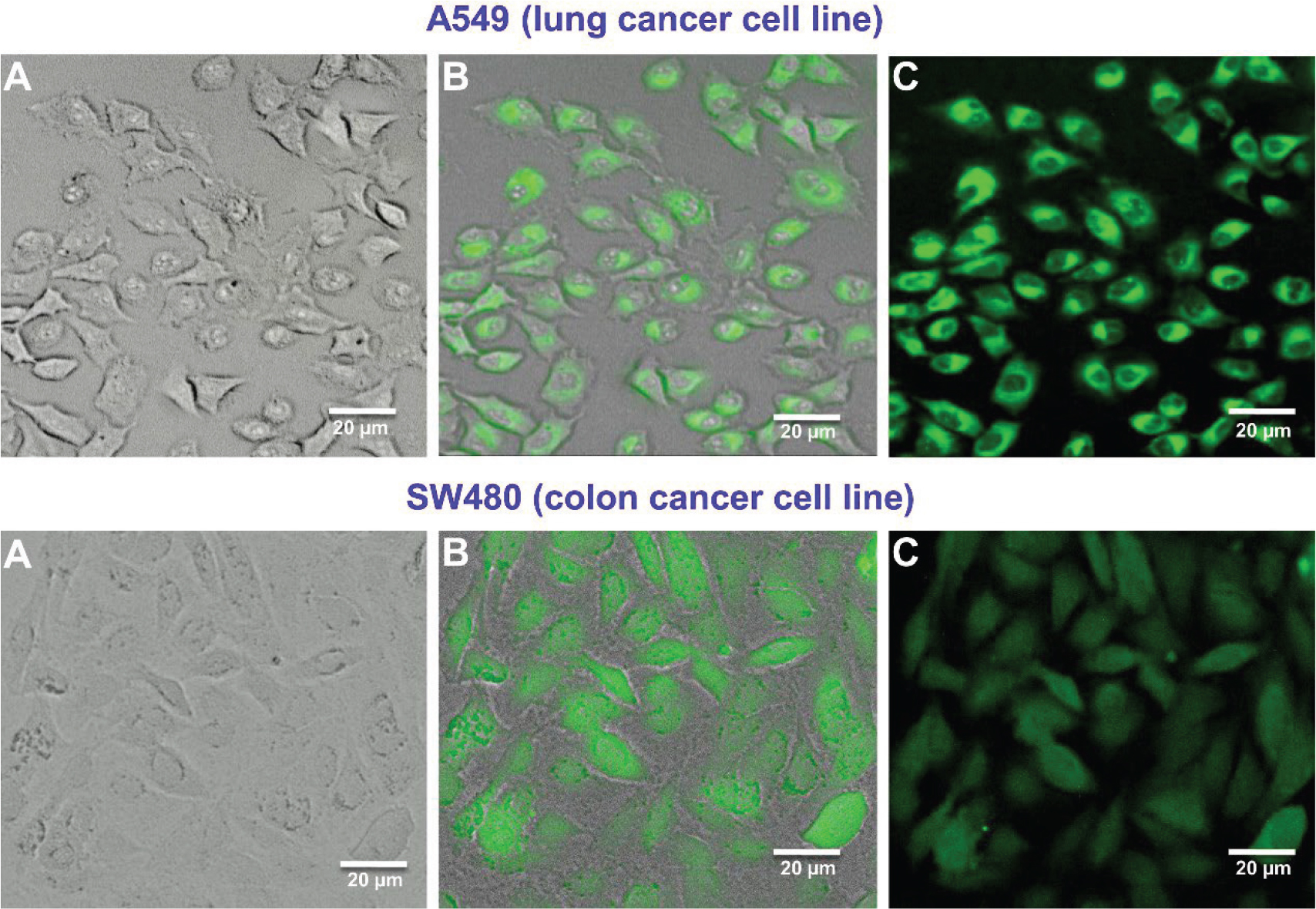
Fig. 7.
Confocal fluorescence microscopy images of cancerous cells (A549 & SW480) labeled with prepared reduced fluorescent carbon dots, A (bright field), B (an overlay image of A & B) and C (excitation at 488 nm) (103)
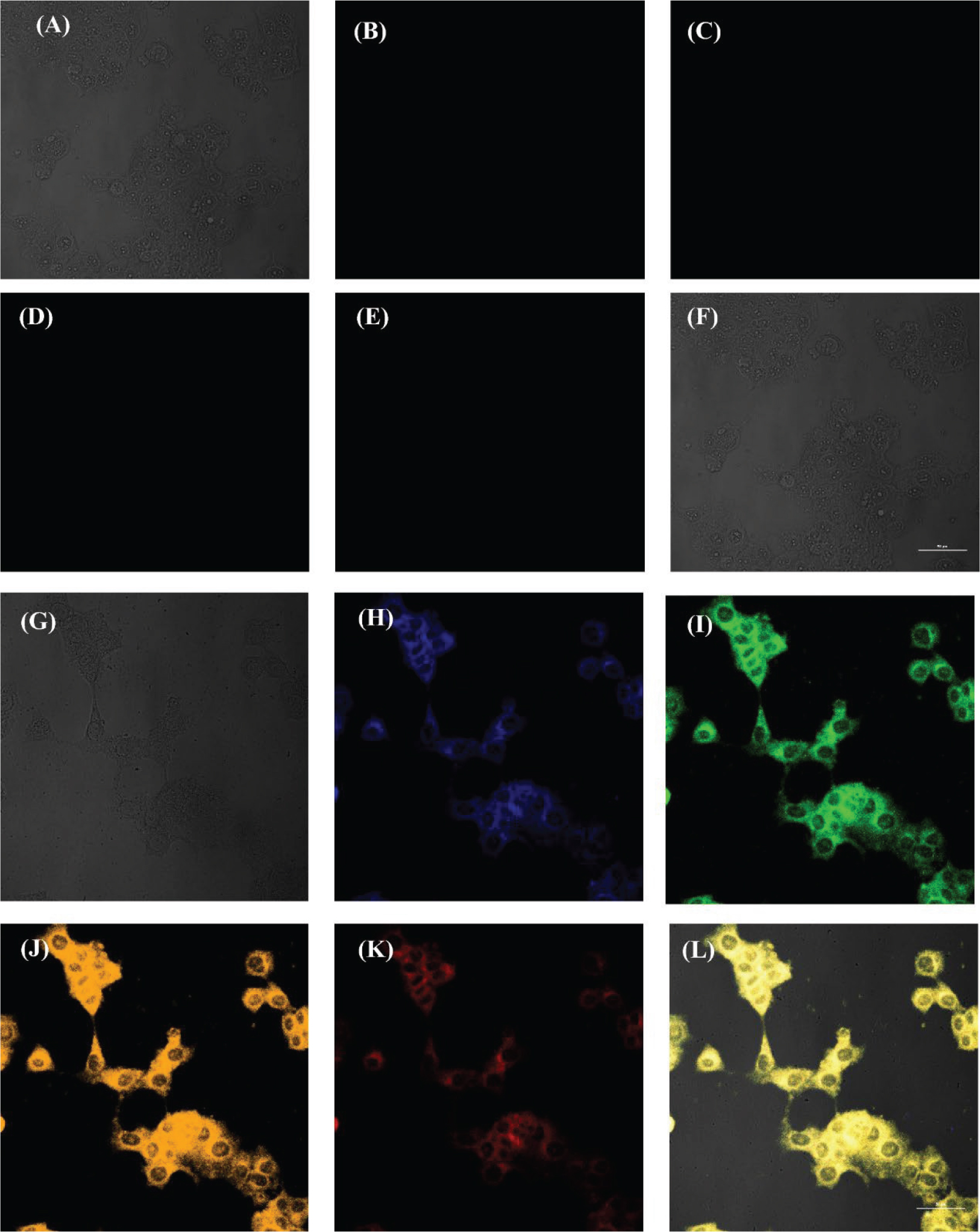
Fig. 8.
Confocal laser scanning microscopic images of MCF-7: control (A–F) cells and cells treated with 1.0 mg/mL of BY-CDs (G–L) excitation by bright field (A, G), Blue (B, H), Green (C, I, Yellow (D, J), Red (E, K) and Merge (F, L) (107)
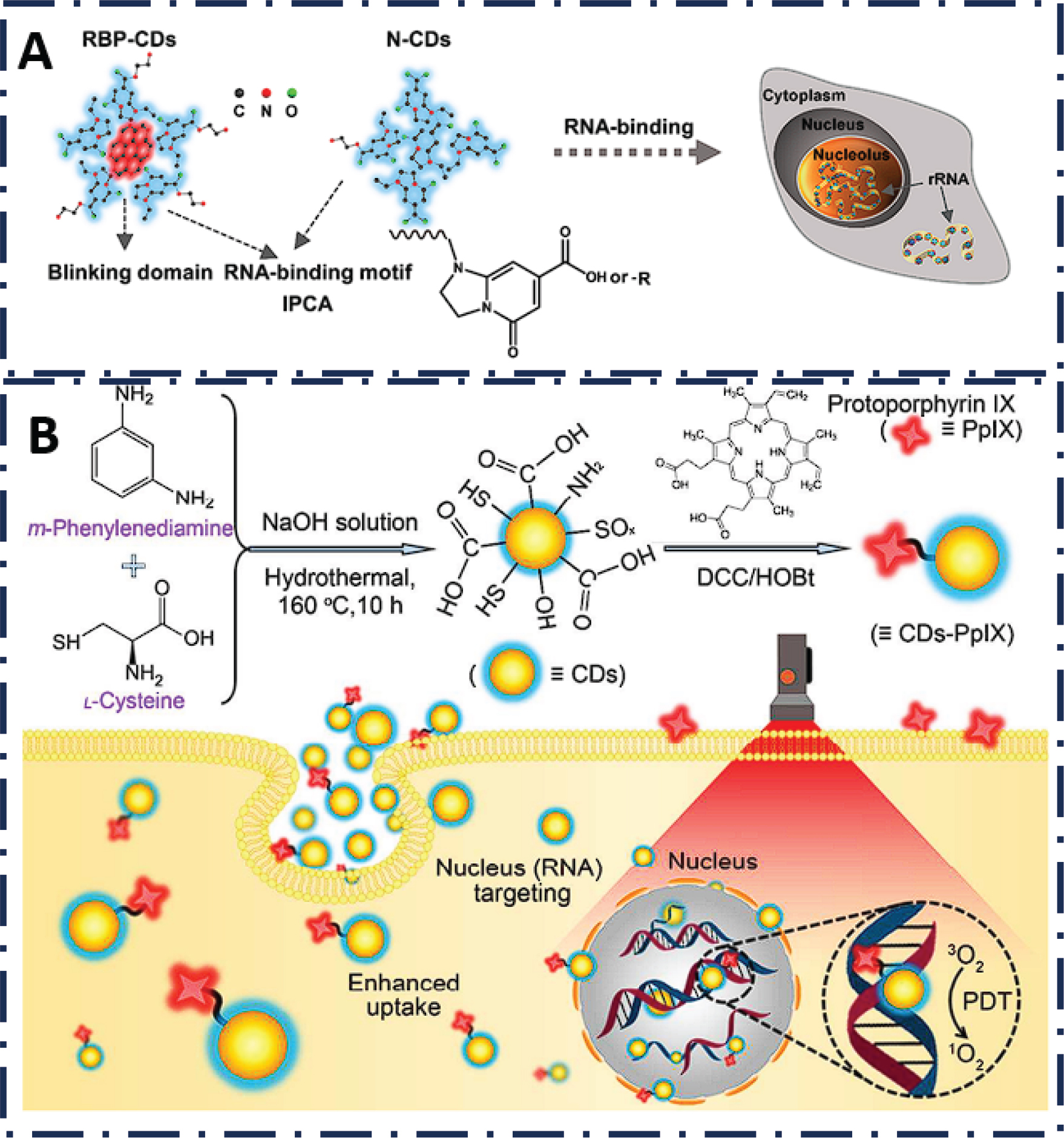
Fig. 9.
(A) Schematic structures of RBP- and N-CDs for nucleolar imaging [112]; (B) Schematics of the synthetic procedure of CDs and selective nucleolus imaging of CDs [113]
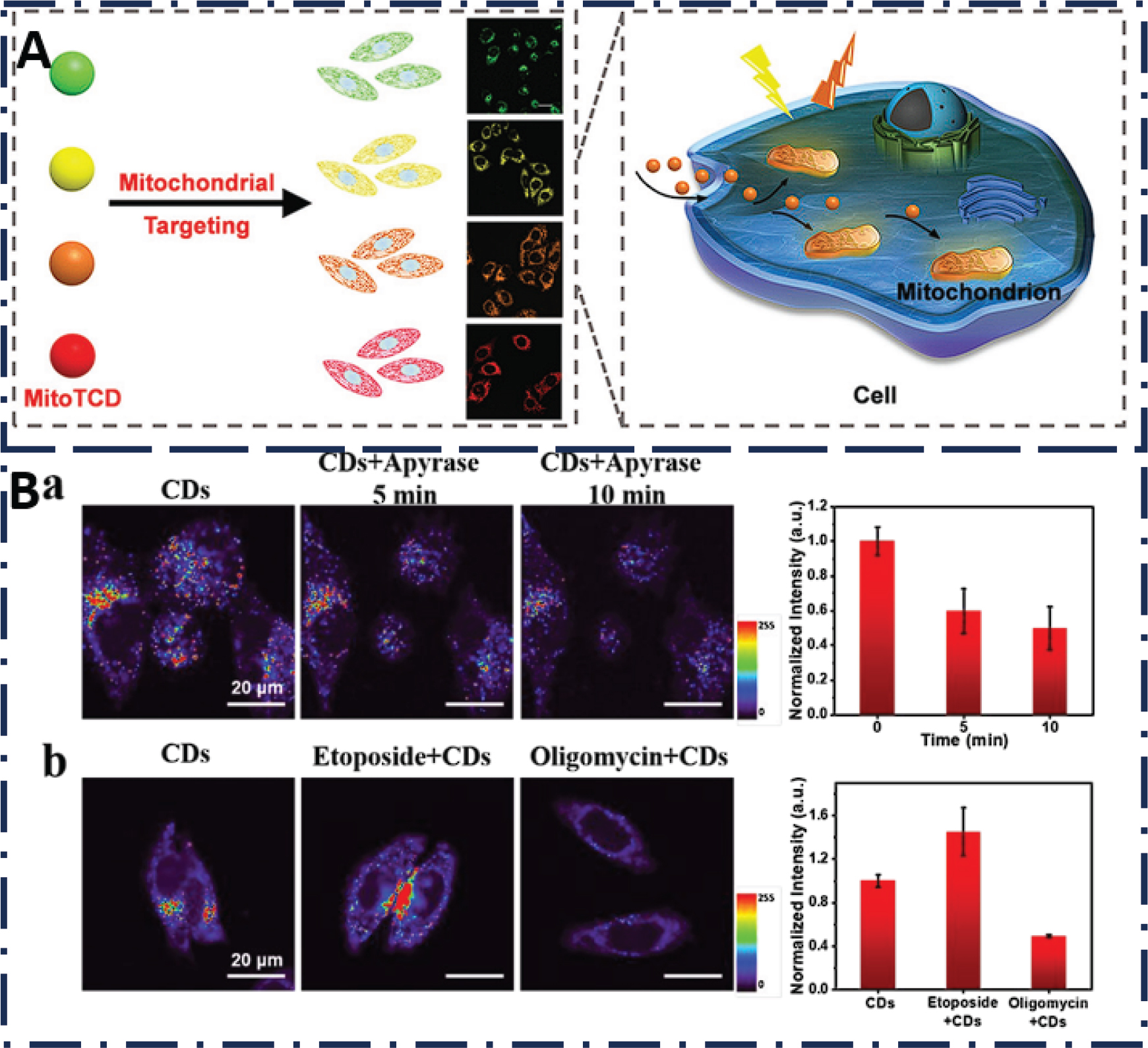
Fig. 10.
(A) The application of MitoTCD in mitochondria imaging [114]; (B) (a) Fluorescent images of HepG-2 cells treated with 50 μg/mL CDs for 1 h and apyrase for 0, 5, and 10 min. (b) Fluorescent images of HepG-2 cells incubated with CDs, etoposide and CDs, or oligomycin and CDs [116]
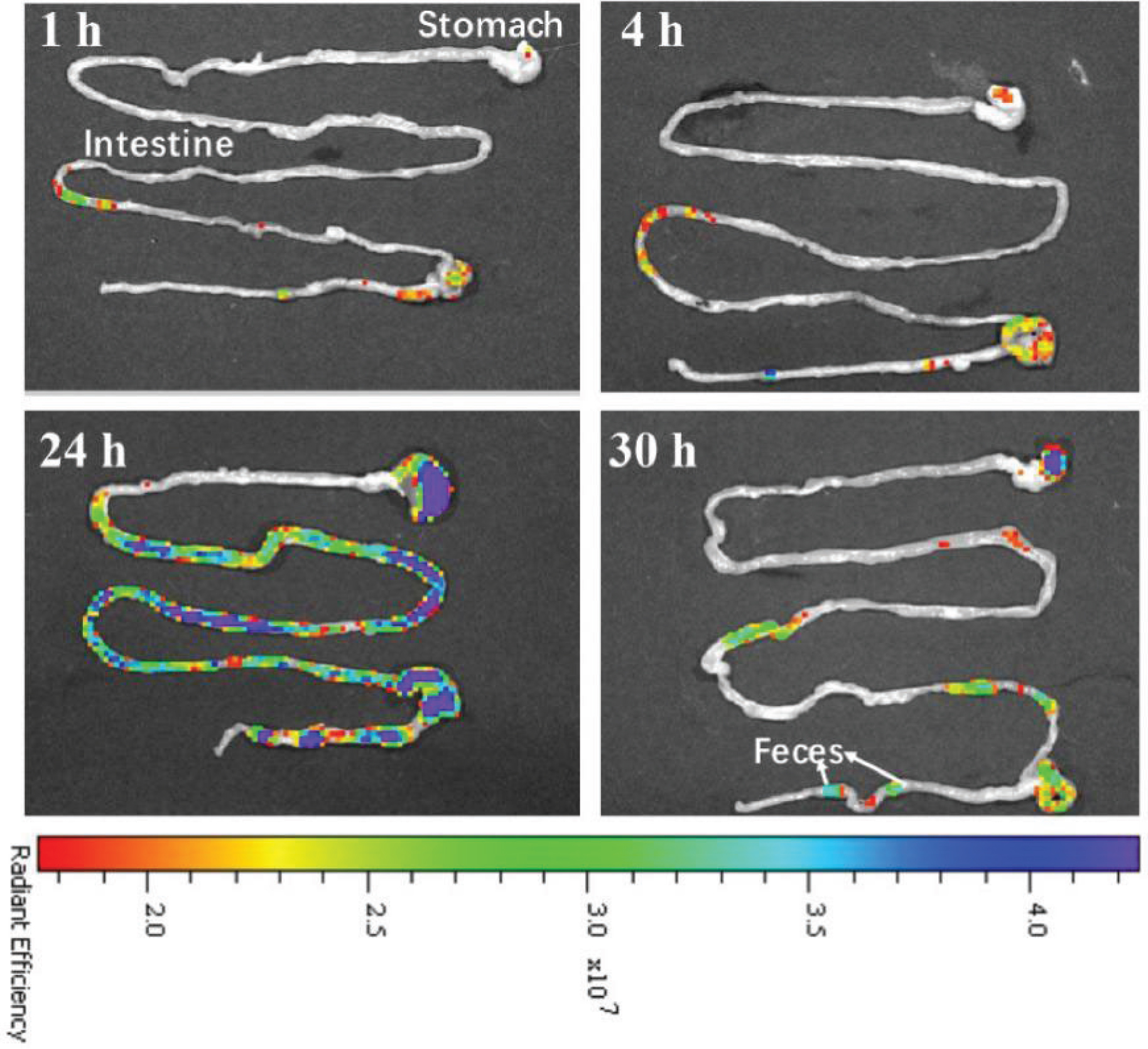
Fig. 11.
Fluorescent images of the ex vivo stomach and intestine from mice injected with CDs@PEI nanoparticles at 1, 4, 24, and 30 h [118]
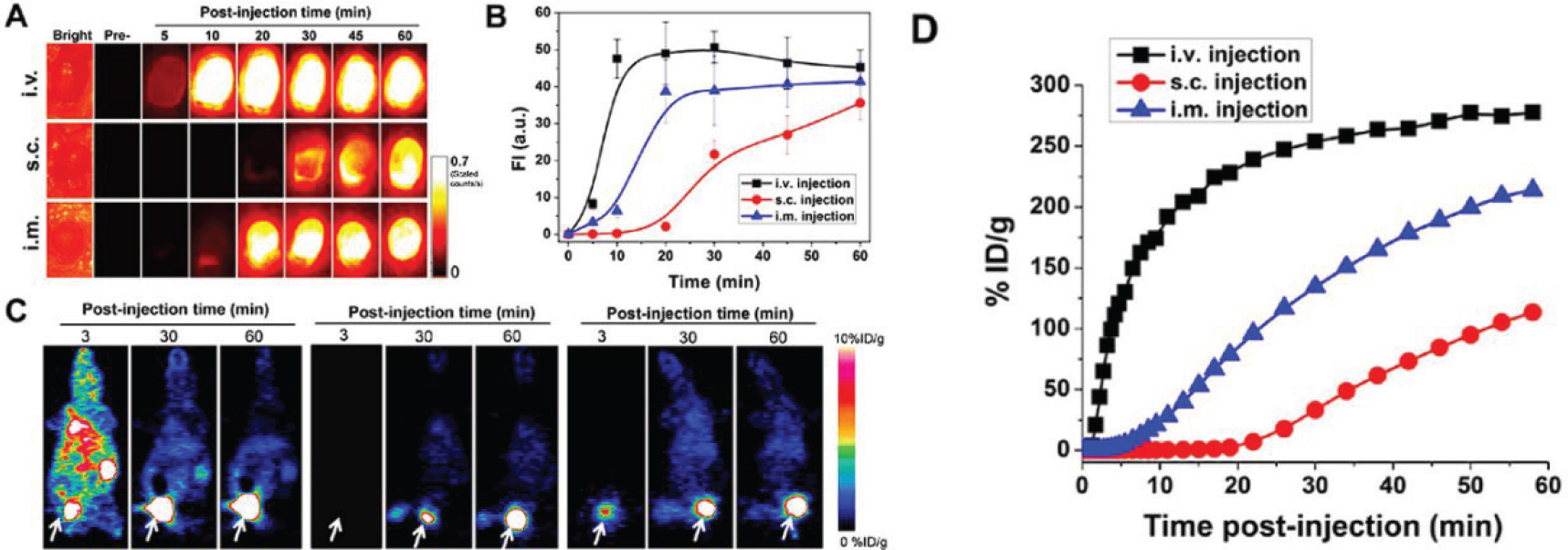
Fig. 12.
Urine accumulation of CDs-ZW800 after different routes of injection. (A) The mice were kept under isoflurane anesthesia, the bladder was exposed, and NIR images were acquired at the indicated time points before and after (top) IV injection, (middle) SC injection, and (bottom) IM injection; (B) Quantification of the ZW800 fluorescence signal in (A); (C) Representative coronal images from 1 h dynamic PET imaging of 64Cu-CDs after three routes of injection: left, IV injection; middle, SC injection; right, IM injection; (D) Urinary bladder ROI analysis of the PET images in (C) [121]
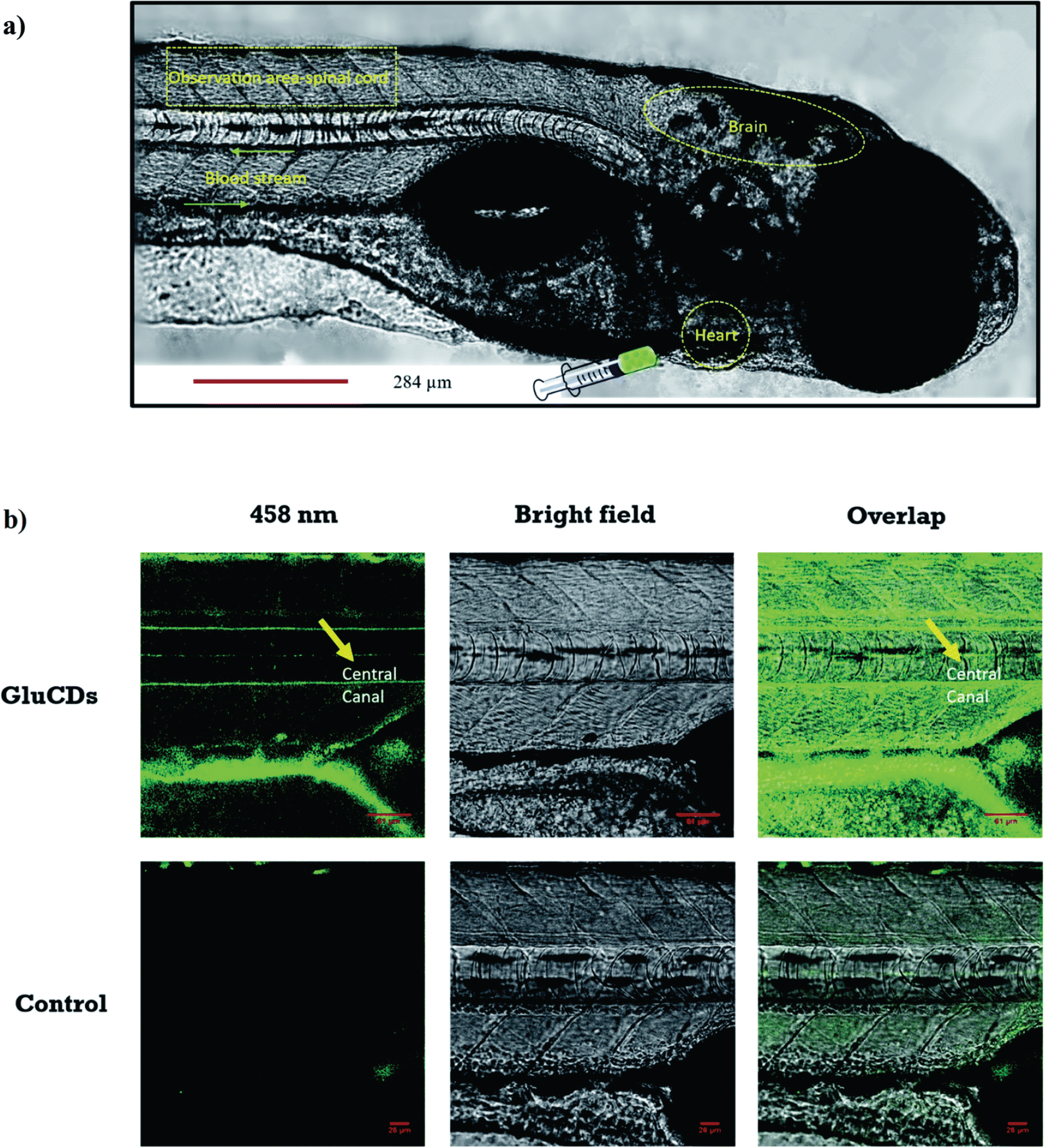
Fig. 13.
(a) Confocal images of wild-type zebrafish showing the injection route, heart, blood stream, CNS and observation area (central canal of spinal cord); (b) Accumulation of GluCDs-F in the CNS of zebrafish. The yellow arrow indicates the central canal of spinal cord of zebrafish [124]
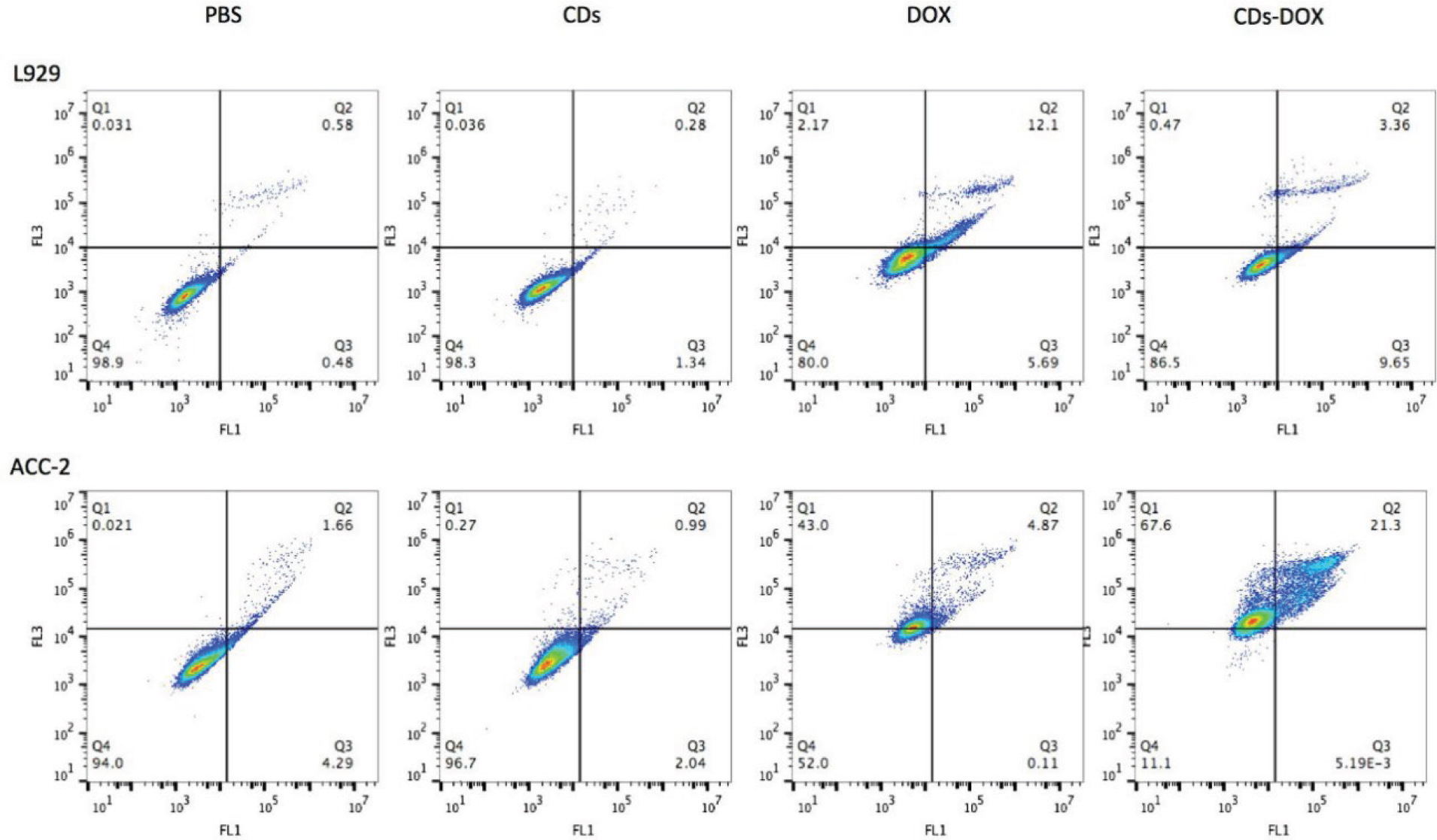
Fig. 14.
Apoptosis analysis. The L929 cells and the ACC-2 cells were incubated with PBS, CDs (200 μg/mL), free DOX and CDs-DOX (at the same DOX concentration, 1.5 μM) for 48 h. Then the cells were stained by PI and Annexin V-FITC, flowed by flow cytometry (125)