Have a personal or library account? Click to login
Severe storms as an example of a natural hazard in the urban area – case studies of the area of Warsaw, Poland Cover

Severe storms as an example of a natural hazard in the urban area – case studies of the area of Warsaw, Poland

Open Access
|Jan 2022

Figures & Tables

Figure 1

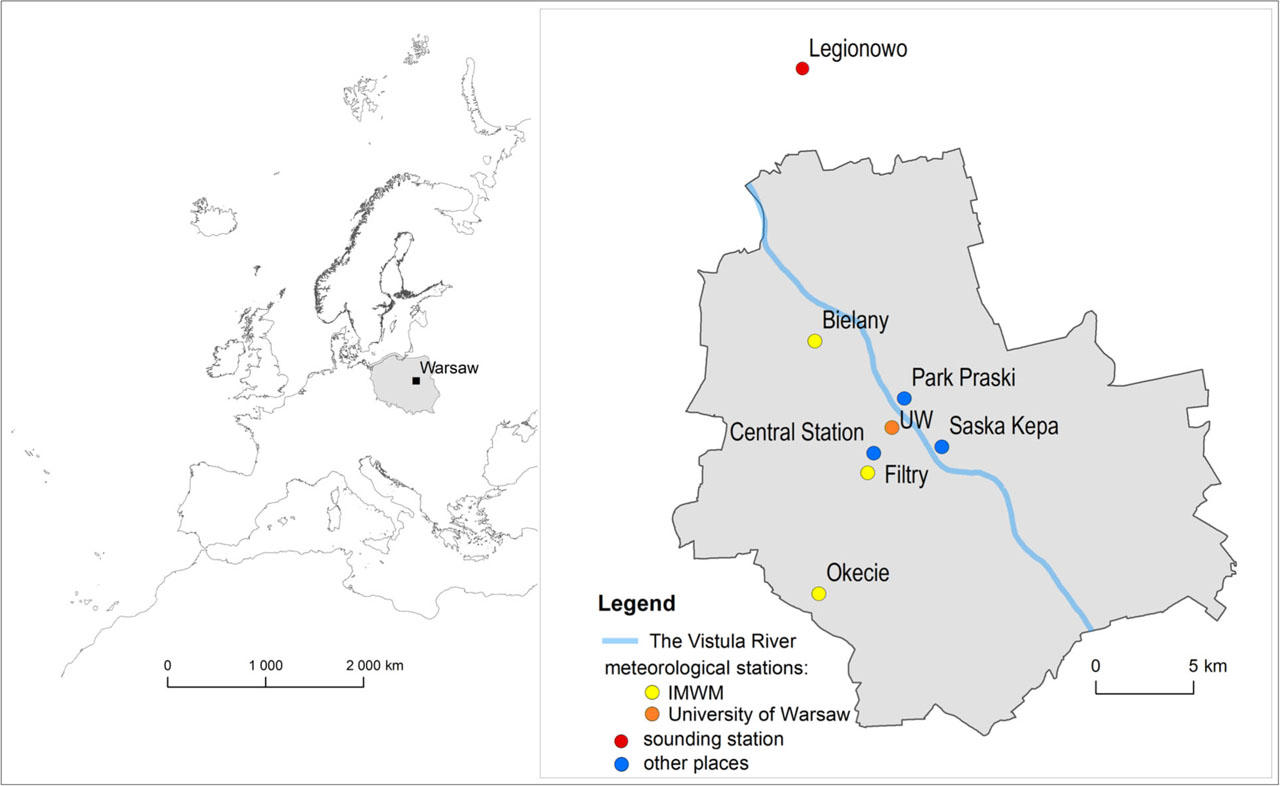
Meteorological and sounding stations, and other places in the area of WarsawSource: own study

Figure 2

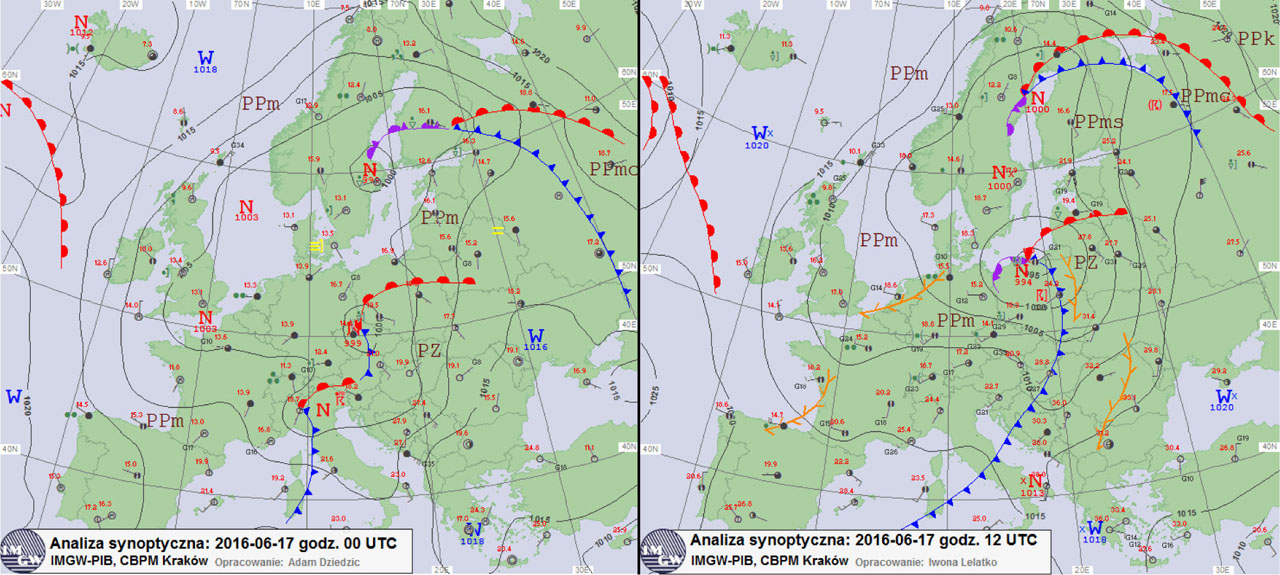
Synoptic weather charts: 17 June 2016, 00:00 UTC and 12:00 UTCSource: National Weather Service (IMWM – NRI).
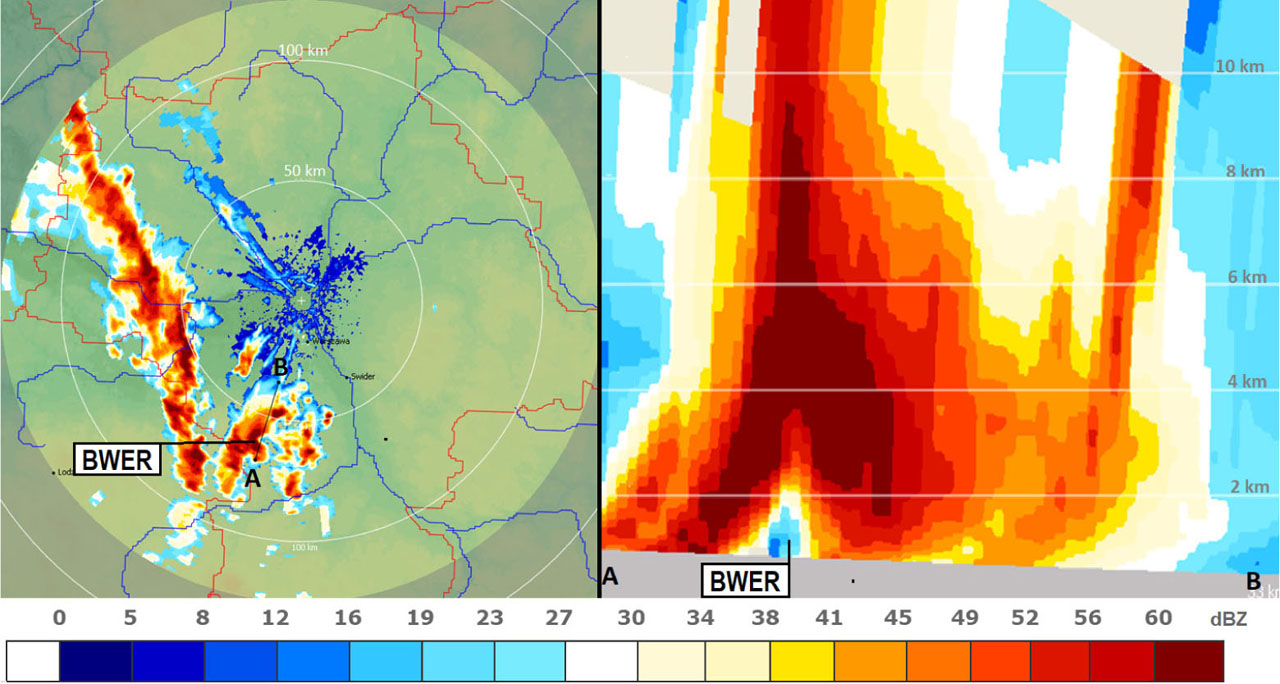

Figure 3

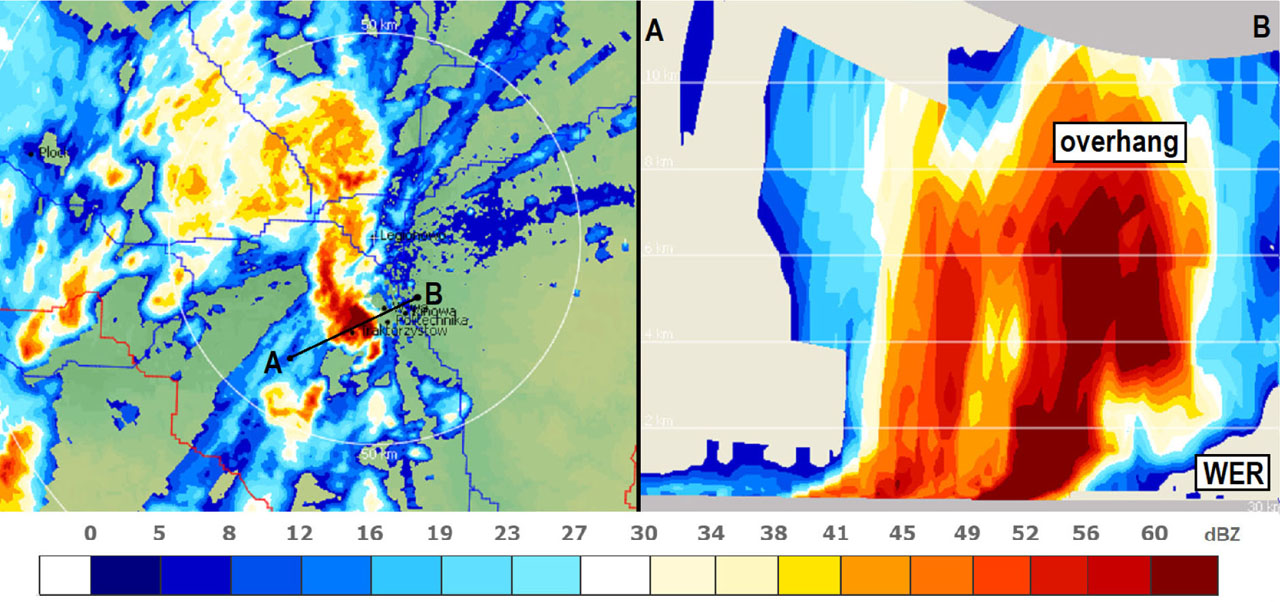
Bounded weak echo region signature, visible before tracking in Warsaw: 17 June 2016, 10:23 UTCSource: National Weather Service (IMWM – NRI)
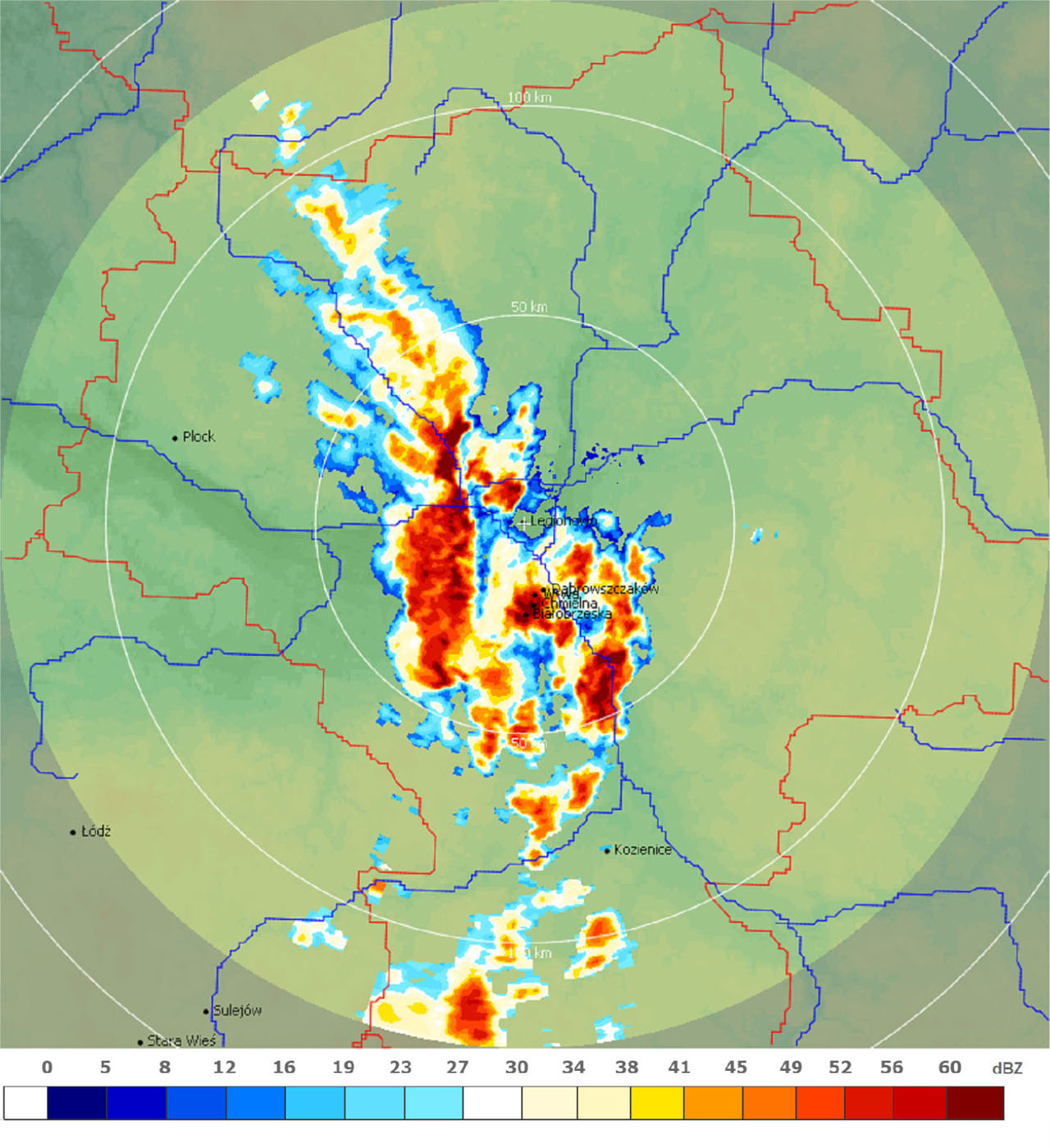
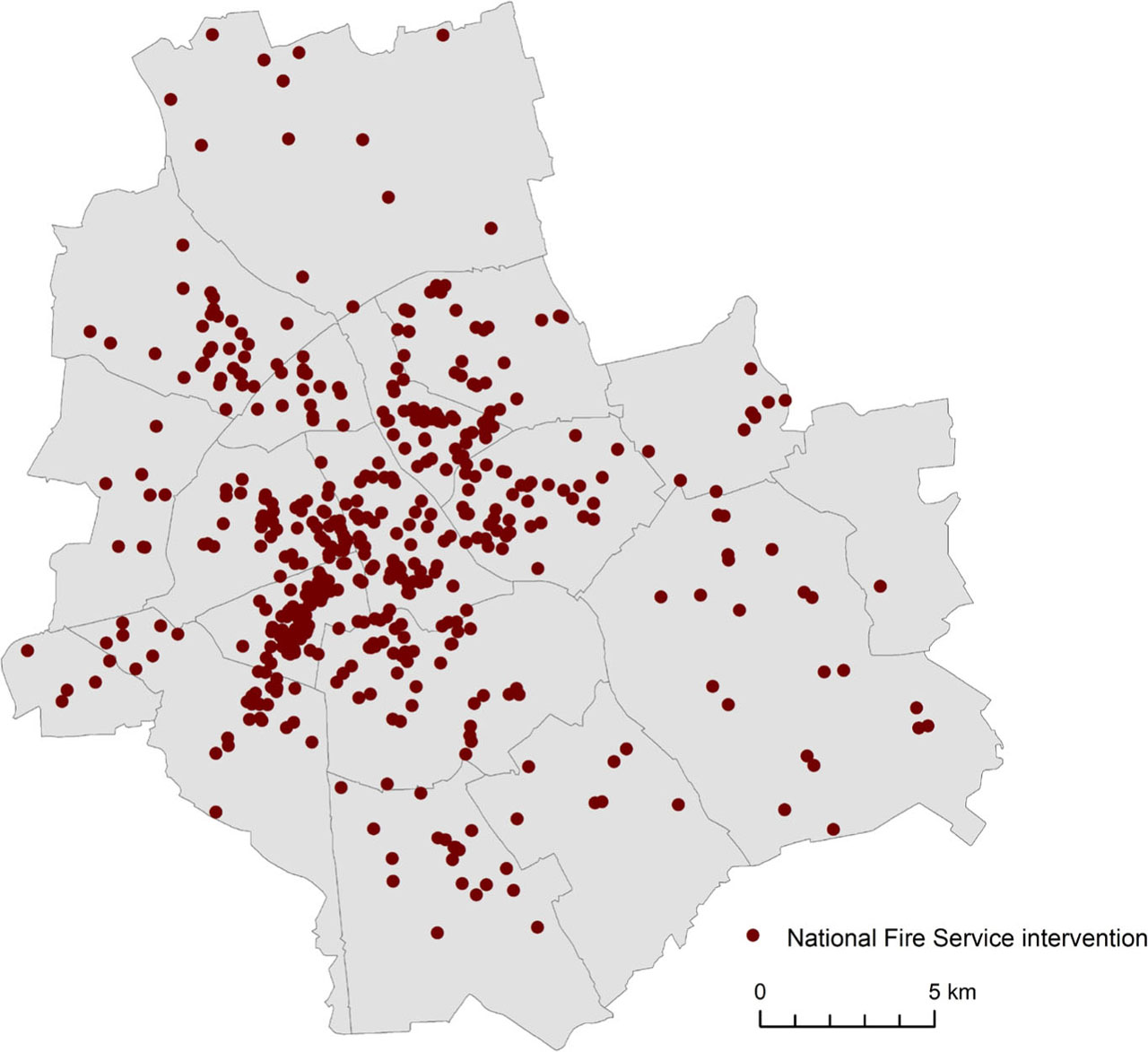
Figure 4

PPI 0.5° product, supercell storm core over Warsaw, bounded by other convective cells: 17 June 2016, 11:03 UTCSource: National Weather Service (IMWM – NRI)

Figure 5

Interventions of the National Fire Service taken after several wind gusts on 17 June 2016Source: own study based on National Fire Service data
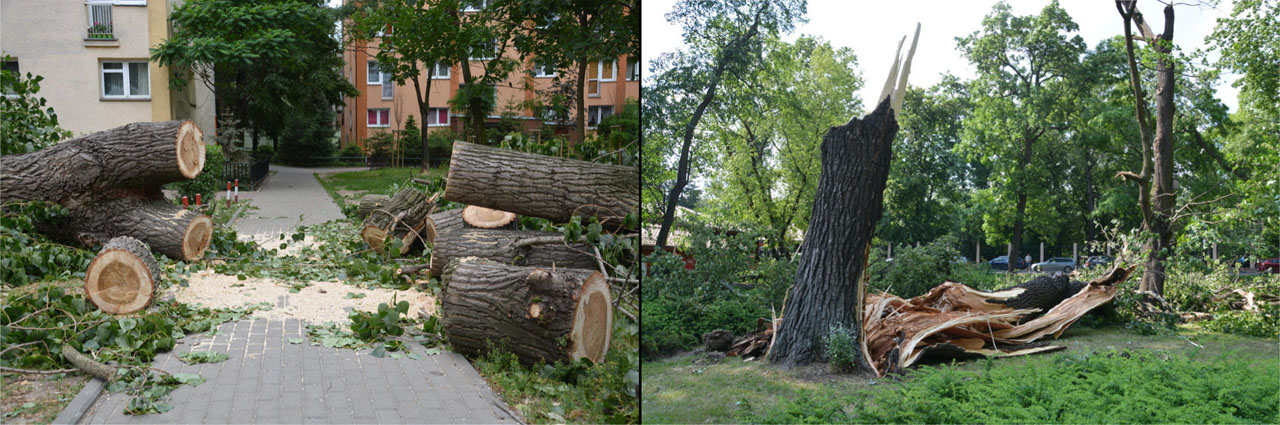

Figure 6

Damage in the central district of Warsaw: 17 June 2016Photo: Krzysztof Piasecki

Figure 7

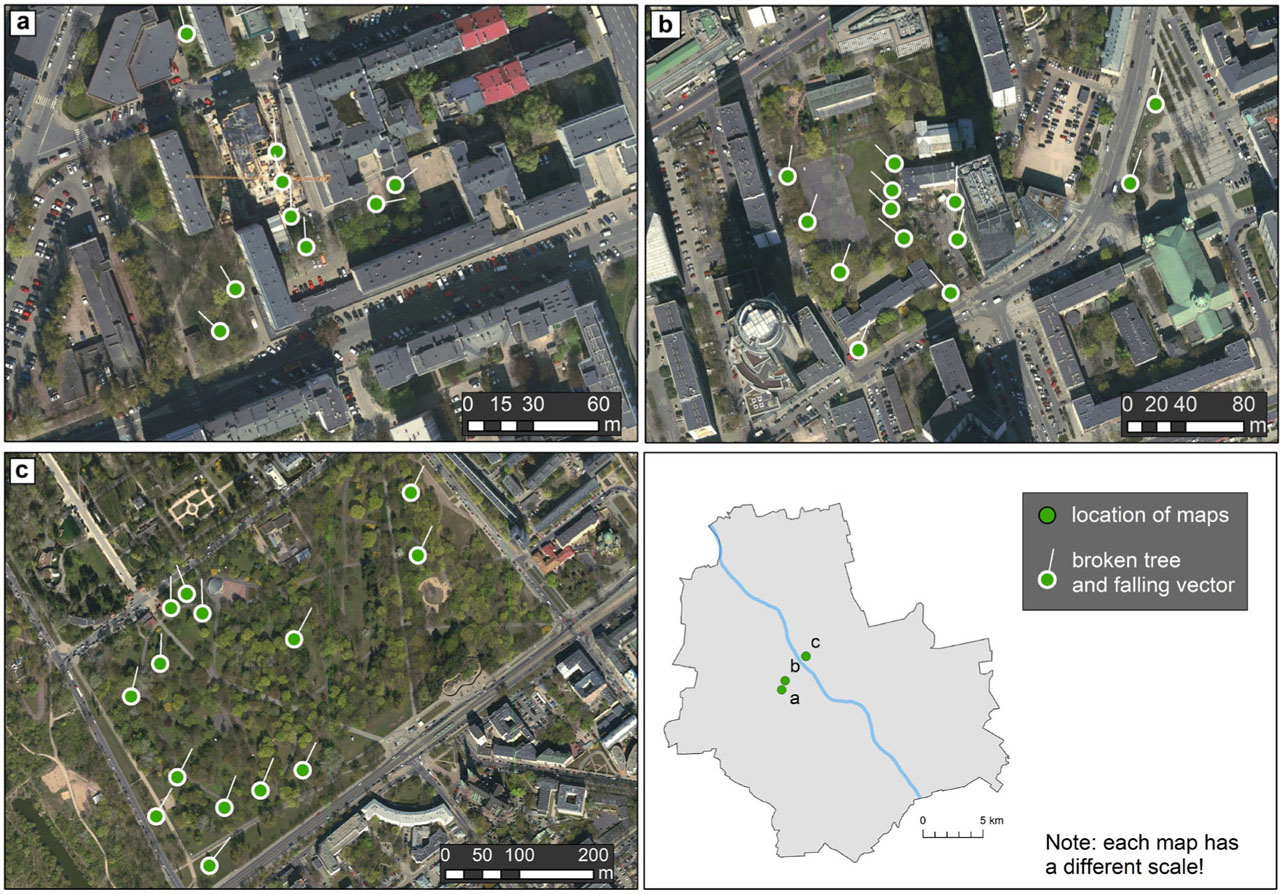
Direction of the wind based on the direction of fall of the trees; fig. 7d: map of analysed areas: 17 June 2016Source: own study based on orthophotomap provided by geoportal.gov.pl.
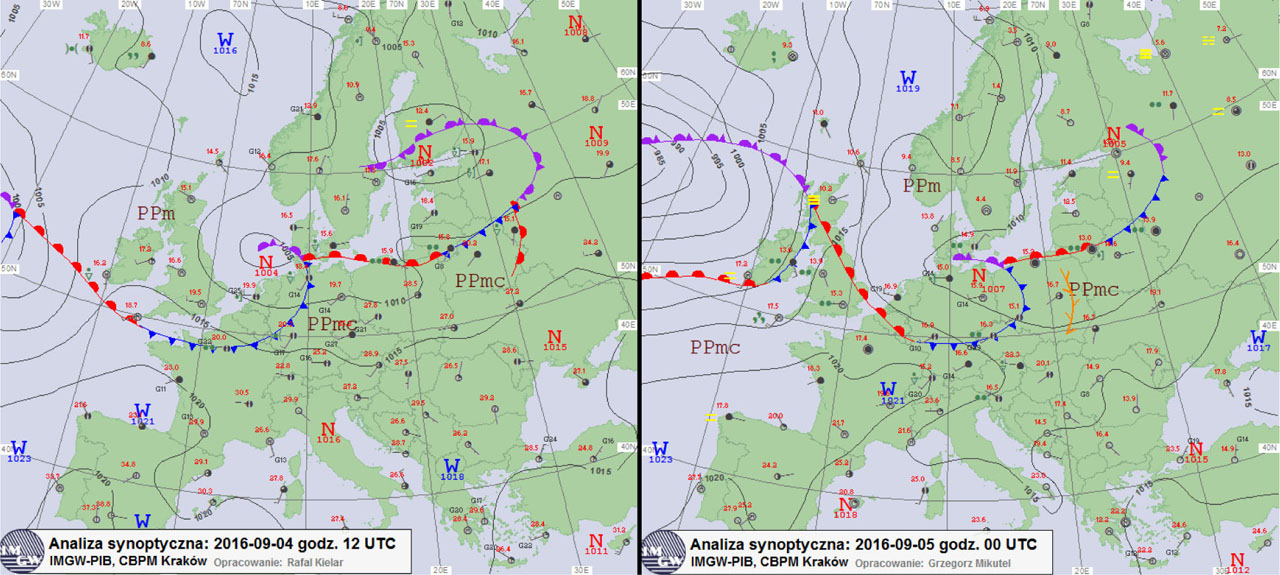

Figure 8

Synoptic weather charts: 4 September 2016, 12:00 UTC and 5 September 2016, 00:00 UTCSource: National Weather Service (IMWM – NRI)
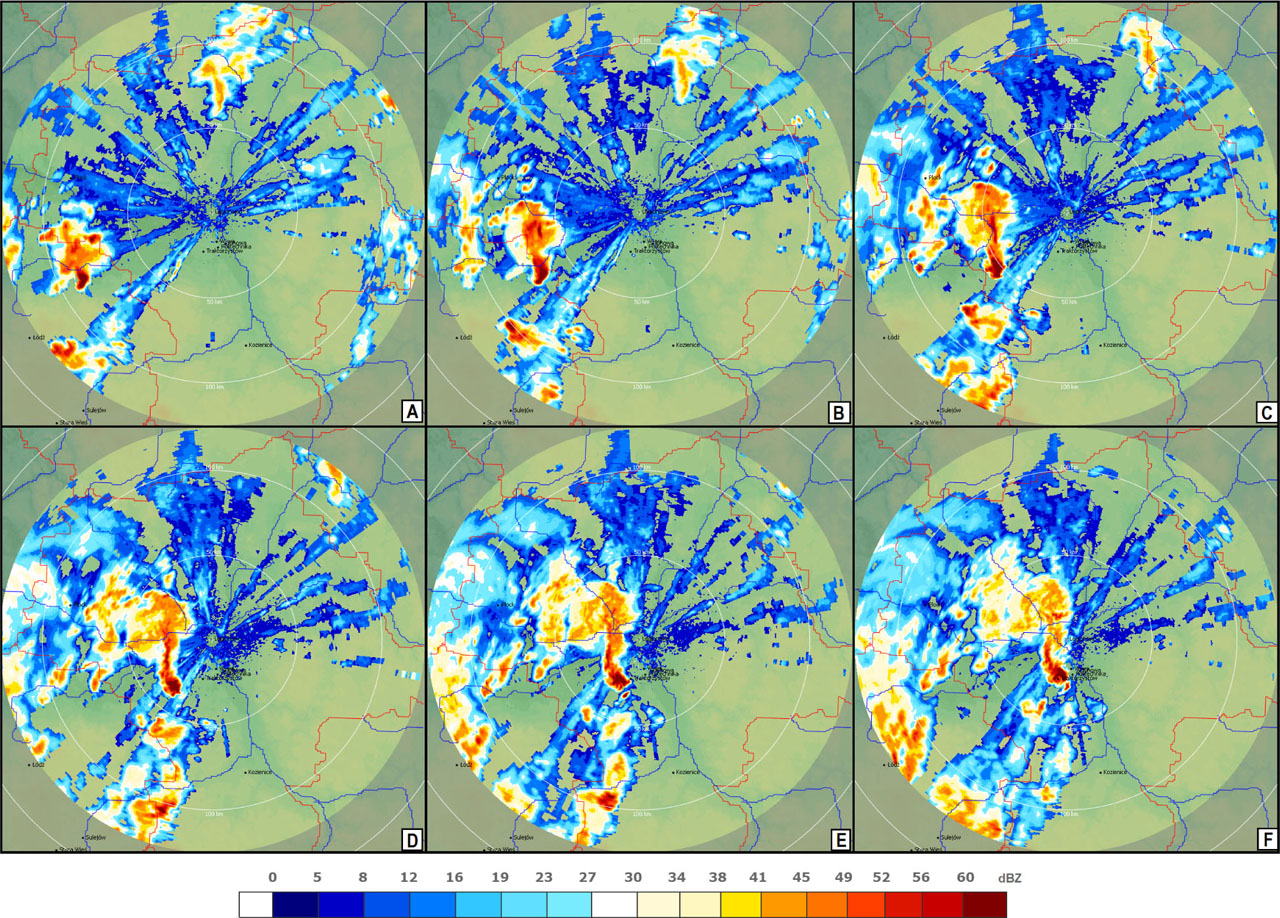
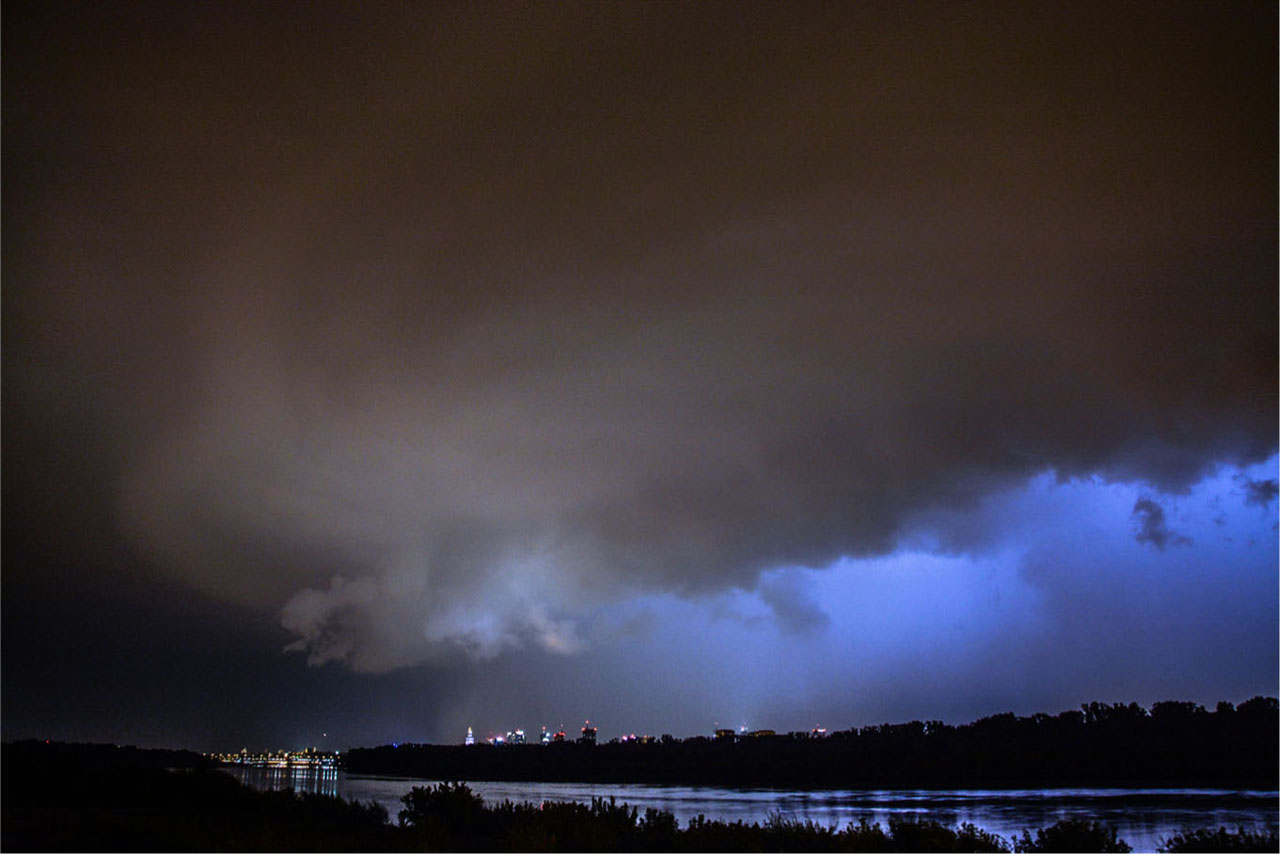
Figure 9

PPI 0.5° radar product between 17:33 and 18:53 UTC (a – 17:33, b – 17:53, c – 18:13, d – 18:33, e – 18:44, f – 18:53): 4 September 2016Source: National Weather Service (IMWM – NRI)
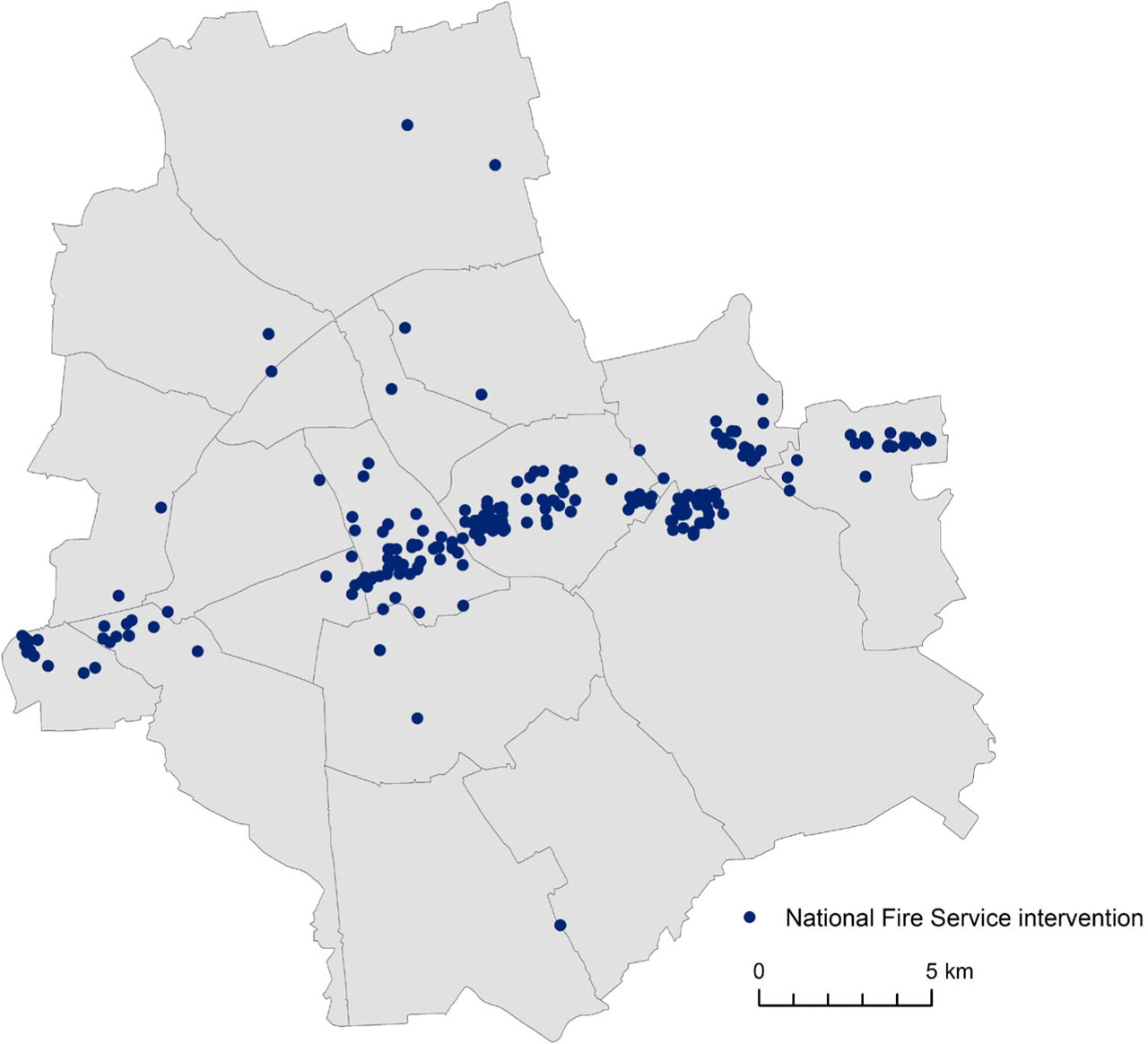

Figure 10

Shelf cloud in front of the forward flank downdraft (FFD) of the supercell storm approaching the central district of Warsaw: 4 September 2016, 18:55 UTCPhoto: Krzysztof Piasecki

Figure 11

PPI 0.5° and cross-section images of supercell storm before approaching Warsaw: 4 September 2016, 18:53 UTCSource: National Weather Service (IMWM – NRI)

Figure 12

Interventions of the National Fire Service taken after several wind gusts on 4 September 2016Source: own study based on National Fire Service data
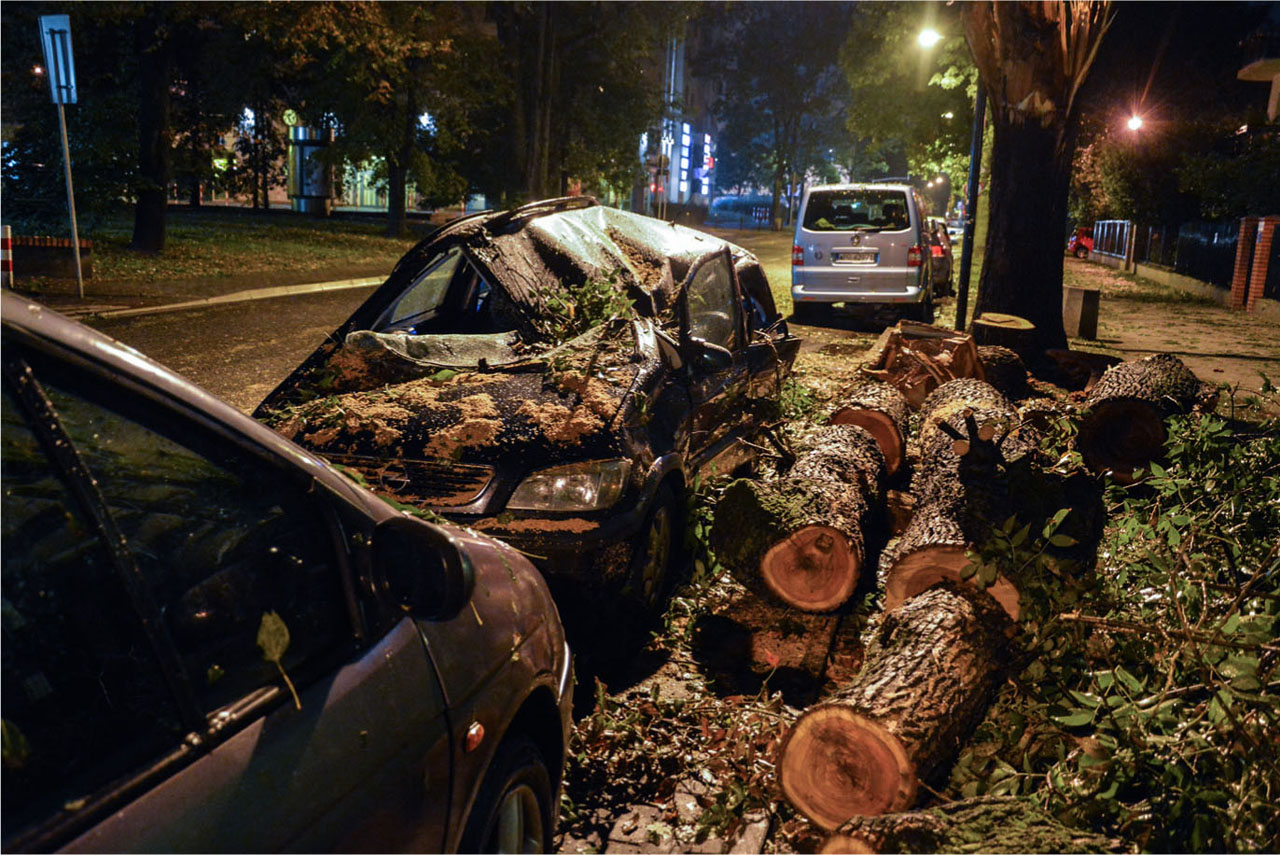

Figure 13

Wind damage in Warsaw on 4 September 2016 – broken trees and damaged carsPhoto: Krzysztof Piasecki

A summary of storm detail

Date17 June 20164 September 2016
Start time11:00 UTC18:50 UTC
Duration5 minutes10 minutes
Type of stormsupercellsupercell
Radar signaturesBWERBWER, overhang
Meteorological characteristicwind gust - 28.0 ms−1rain - 6.4 mmwindgust - 23.3 ms−1hail ⌀ 2–3 cmrain - 21.0 mm
Number of interventions527260
DOI: https://doi.org/10.2478/mgrsd-2020-0065 | Journal eISSN: 2084-6118 | Journal ISSN: 0867-6046
Language: English
Page range: 63 - 74
Submitted on: Oct 23, 2020
|
Accepted on: May 10, 2021
|
Published on: Jan 31, 2022
In partnership with: Paradigm Publishing Services
Publication frequency: 4 issues per year

© 2022 Krzysztof Piasecki, Elwira Żmudzka, published by Faculty of Geography and Regional Studies, University of Warsaw
This work is licensed under the Creative Commons Attribution-NonCommercial-NoDerivatives 3.0 License.