
1. Introduction
Wireless Body Area Networks (WBANs) are among the latest innovations capable of providing real-time preventative and proactive medical diagnoses at an affordable cost [1]. Designed for efficient data collection in monitoring and clinical applications, WBANs utilize low-power, intelligent biomedical sensors attached to the human body. These sensors gather physiological data and wirelessly transfer it to remote locations for further clinical analysis [2–4]. The integration of recent advancements in the Internet of Things (IoT), along with miniature sensors and widespread wireless connectivity, has facilitated the progress of WBANs. Currently, BAN-IoT is regarded as one of the most preferred solutions for transmitting medical data, thanks to its high data transmission rates and cost-effective implementation [5–7].
The rapid and unprecedented growth of urban populations has significantly increased the demand for high-quality communication services. At the same time, advancements in technology have driven a surge in the use of smart electronic devices, like sensors, actuators, smartphones, and smart appliances, making new opportunities to deliver superior communication solutions. Effective communication between these numerous devices is facilitated by the Internet of Things (IoT), a pervasive network of interconnected objects capable of interacting with the physical environment and leveraging traditional Internet protocols to enable data exchange, analytics, and applications. However, designing and implementing such complex systems, which aim to digitize every aspect of daily life, present significant challenges in the deployment of smart sensors. Over time, existing wireless sensor networks (WSNs) have evolved into IoT devices, offering a wide range of sensing services within IoT ecosystems. Despite this evolution, IoT devices retain the limitations of traditional WSNs, particularly their energy constraints, which hinder their effectiveness in IoT applications. Addressing the energy demands related to real-time data transformation is critical to meeting the specific requirements of IoT systems.
Over the past decade, artificial intelligence (AI) has advanced significantly, leading to the development of various machine learning (ML) and deep learning (DL) algorithms tailored for Fog-BAN environments. This integration has proven beneficial in enhancing the Quality of Service (QoS) within these networks. Notable examples include algorithms like No-LEAF-Nets [22], FUEL-Nets [23] and WORN-DEAR[24], which leverage ML and DL techniques such as Long Short-Term Memory (LSTM) and Optimized LSTM in Fog-based BAN networks for smart healthcare applications. Despite their potential, these algorithms face challenges related to their non-adaptive nature and high complexity, which must be addressed to achieve improved performance and more efficient data transmission.
1.1. Contribution of the Research
The research proposes the new methodology of integrating the deep reinforcement learning based energy efficient routing.
The proposed model is evaluated against different traditional artificial intelligence networks.
Lastly, the study employs a number of assessment criteria to examine the superiority of the recommended methodology.
1.2. Organisation of the Paper
This manuscript is organized in the following manner: Section 2 examines relevant works by several authors; Section 3 discusses the initial perspectives on energy-efficient routing based on deep reinforcement learning and explains the operation of the recommended framework; Section 4 discusses the experiments and presents an analytical assessment of the findings; and Section 5 wraps up the study with future planning.
2. Related works
Iqbal et al. (2019) [12] focused on an efficient and secure attribute-based heterogeneous online/offline signcryption mechanism for body sensor networks, which integrates blockchain technology to ensure secure and reliable communication in Body Area Networks (BANs). This work demonstrates the crucial role of security in IoT-based healthcare applications where data confidentiality and integrity are paramount. The incorporation of Fog Computing and the Internet of Things (IoT) has proven to be a transformative approach for addressing the challenges of real-time data processing, low-latency communication, and efficient resource management, especially in applications like smart healthcare.
La et al. (2019) [13] explored the integration of intelligence in Fog Computing environments to achieve energy and latency reduction. By enhancing the capabilities of fog nodes with machine learning and smart decision-making techniques, they demonstrated how Fog Computing can effectively address the resource constraints typically found in IoT devices. The paper advocates for the distributed intelligence that fog nodes bring to IoT systems, which not only reduces the latency but also optimizes energy consumption by processing data closer to the source.
Muniswamaiah et al. (2021) [14] provided a comprehensive review of the synergy between Fog Computing and IoT. They outlined the key challenges, including scalability, resource management, and data analytics, that needs to be resolved to attain an effective IoT deployment. This review also highlights the importance of edge computing for real-time decision-making and the potential benefits of Fog Computing in reducing the dependency on cloud computing, offering low-latency services with high reliability.
Hazra et al. (2023) [15] further emphasized the emerging research challenges in Fog Computing, particularly for next-generation IoT applications. Their work focused on fundamental principles, cutting edge methods and limitations, advocating for more robust architectures and algorithms to address the rapidly growing needs of IoT devices.
Bhatia et al. (2023) [16], who reviewed fog data analytics for IoT applications. They focused on the vast potential of fog data analytics in enabling real-time data processing, improving energy efficiency, and enhancing data security in IoT systems.
Kashyap et al. (2022) [17], systematically surveyed the use of Fog and IoT in healthcare, pointing out the significant open challenges, like data privacy, network congestion, and energy efficiency, that need to be addressed to fully realize the potential of IoT-based healthcare systems.
Narayana and Patibandla et al, (2021) [18], proposed an efficient fog-based model for secure data communication, highlighting how fog computing can be effectively integrated with IoT to ensure data privacy and security, which is essential for IoT-based applications in healthcare and other sectors.
Venkadesh and Manojee et al (2018) [19], examined the performance of cloudlets in mobile computing, focusing on the advantages of using cloudlets for offloading computation and storage tasks from mobile devices to improve performance in IoT applications.
3. Proposed Methodology
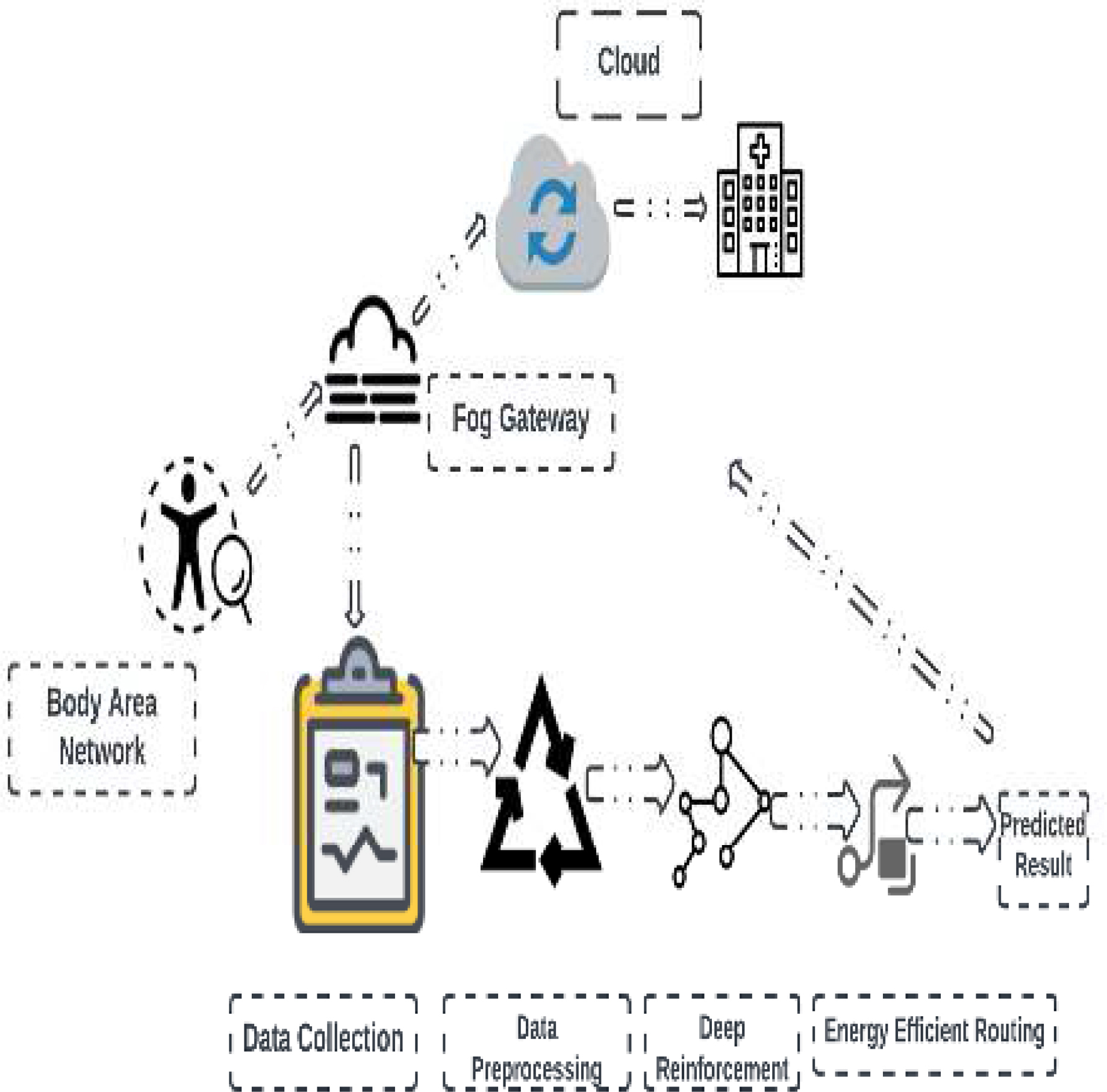
Figure 1:
Working Mechanism of the Proposed methodology
Fog-BAN-Cloud architecture, Proximal Policy Optimization (PPO) can be integrated to optimize energy-efficient routing for the data transmission between Body Area Networks (BANs) and Fog nodes, and subsequently to the Cloud. PPO, as a reinforcement learning algorithm, can be used to adapt routing decisions in real-time according to real-time conditions such as energy consumption, data traffic, network congestion, and node availability. The goal is to minimize energy consumption while ensuring efficient data delivery, particularly for power-constrained devices like wearable sensors in the BAN. PPO can continuously learn from the environment by receiving feedback about the energy efficiency of various routes, helping to identify the most optimal routing strategy over time. By constraining the policy updates, PPO ensures stable and reliable routing decisions, preventing large deviations that could lead to inefficient energy use or network failure. This integration enhances the overall performance of Fog-BAN-Cloud systems by improving the longevity of battery-powered IoT devices, reducing network congestion, and optimizing the use of available resources, making it ideal for smart healthcare applications and other IoT-driven environments.
3.1. Materials and Methods
The dataset encompasses a comprehensive configuration of a smart healthcare system leveraging Body Area Networks (BAN), Fog gateways, and cloud integration. It consists of data collected from 120 BAN nodes, each operating within a distance range of 5–10 meters and initialized with an energy capacity of 0.0016 Joules. These nodes are equipped with Wi-Fi transceivers for wireless communication. The dataset captures information on data transmission supported by an uplink bandwidth of 200 Mbps and a downlink bandwidth of 100 Mbps, reflecting the system's capability for efficient real-time data transfer. Additionally, it includes the specifications of 7 Fog gateways, each with 2.5 GB of RAM, serving as processing hubs for localized computation. The recorded attributes, totaling 8, likely represent health metrics like heart rate, temperature, and other physiological information. This dataset is essential for analyzing energy consumption, optimizing routing algorithms, and evaluating the overall performance of the Fog-BAN-Cloud architecture in healthcare applications.
3.2. Data Preprocessing
The preparation of the described smart healthcare dataset involves several critical stages to secure its integrity and readiness for assessment. Initially, missing values in attributes, such as health metrics or system parameters, are identified and handled using appropriate imputation techniques, such as mean, median, or mode imputation, relying on the nature of the attribute. The data is then normalized to scale numerical features, such as energy levels, bandwidth, and RAM usage, to a standard range, facilitating efficient model training. Categorical data, such as device types or recorded attributes, are encoded using techniques label encoding for seamless integration with models. Additionally, outliers in attributes like energy levels or bandwidth variations are detected and treated to prevent skewed analysis. The dataset is then divided into training, validation, and testing subsets to validate robust algorithm performance. These preprocessing steps prepare the data for advanced analysis, such as routing optimization and energy efficiency assessment in Fog-BAN-Cloud systems.
3.3. Deep Reinforcement learning
It is a cutting-edge field in AI that combines reinforcement learning (RL) with deep learning. In traditional RL, an agent learns to take actions by engaging with a surrounding to optimize total benefits over duration. However, RL struggles with high-dimensional and complex environments. DRL addresses this limitation by incorporating deep neural networks, which excel at processing large amounts of unstructured data and identifying patterns. The neural networks in DRL help the agent approximate value functions, policies, or both, enabling it to handle complex scenarios with vast state and action spaces.
Proximal Policy Optimization (PPO) is a popular RL model designed to optimize policies in a stable and efficient manner. It is associated with the category of policy-gradient methods, where the goal is to directly optimize the policy instead of learning a value function. PPO addresses key challenges in policy optimization, such as the instability and inefficiency of earlier methods like REINFORCE and Trust Region Policy Optimization (TRPO). PPO aims to update the policy in a way that avoids drastic changes, ensuring more stable learning during training.
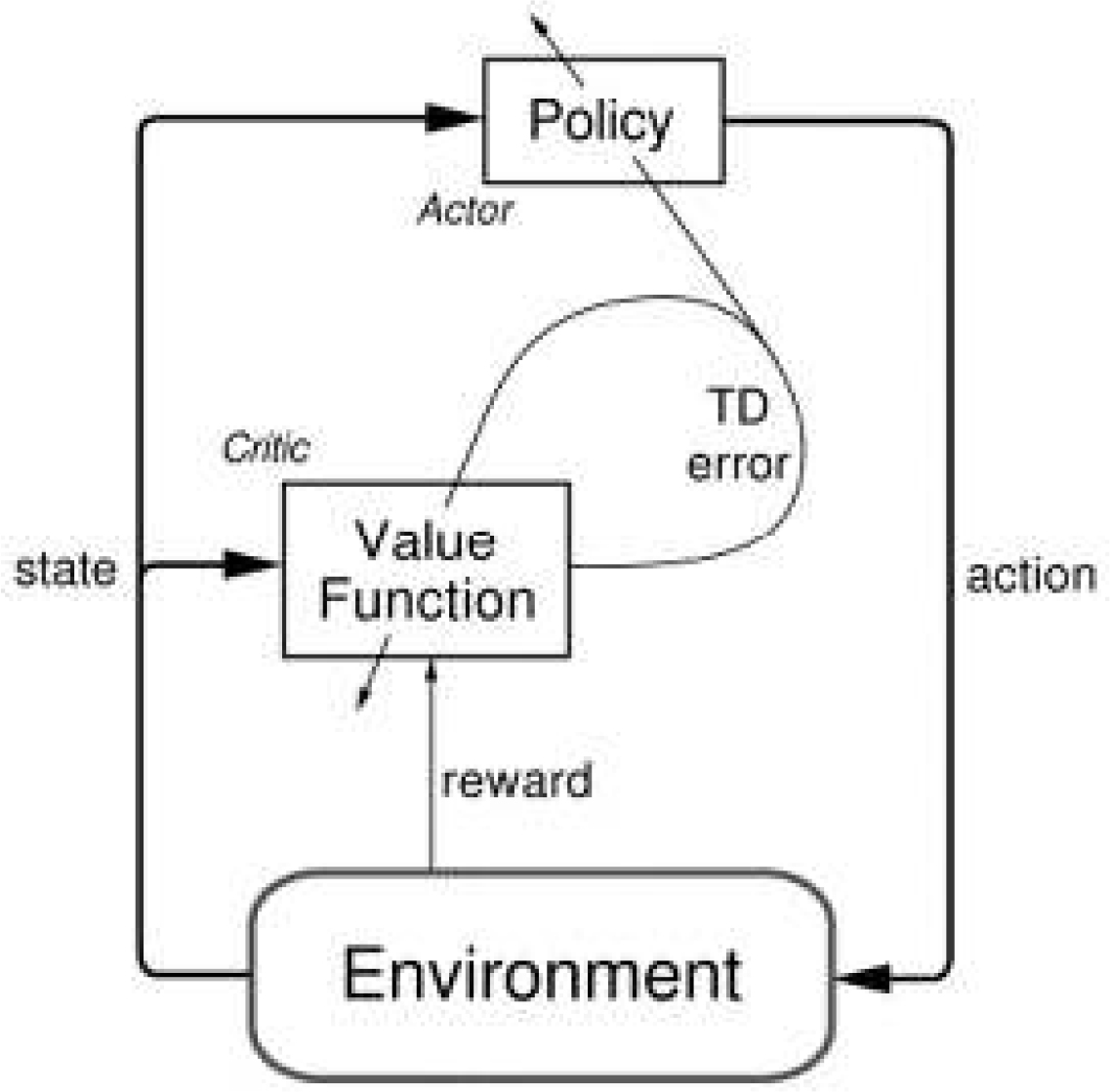
Figure 2:
PPO Framework
PPO operates by constraining the change in the policy between updates to prevent large, destabilizing updates. This is done using a surrogate objective function that involves a clipping mechanism. The core idea behind this is to maintain the ratio between the probability of an action under the current policy and the old policy. If the ratio deviates too much, the objective function is clipped to reduce the impact of such a large change. This ensures that the policy update stays within a "trustworthy" region, leading to smoother and more reliable learning without the complexity of other methods like TRPO.
3.4. Energy Efficient Routing
Energy-efficient routing is a crucial aspect of network design, especially in energy-constrained systems like WSN and IOT devices, and Fog-based architectures. The main objective of energy-efficient routing is to reduce energy usage during data transmission while ensuring reliable communication. This approach is vital for prolonging the lifespan of battery-powered devices and maintaining network stability. By optimizing routing paths, nodes can conserve energy, reduce redundant data transmission, and prevent the premature failure of network nodes.
Energy-efficient routing mechanisms focus on selecting optimal paths based on metrics like residual energy, node distance, and data packet size. Popular strategies include clustering, where nodes are grouped into clusters, and a cluster head manages communication to reduce overhead. Protocols such as LEACH Low-Energy Adaptive Clustering Hierarchy are widely used in this context. Multi-hop routing is another common approach, where data is transmitted through intermediate nodes to reduce the energy burden on any single node. Advanced techniques leverage AI and ML algorithms to identify energy usage patterns and adapt routing decisions dynamically, further enhancing efficiency.
Despite its advantages, energy-efficient routing faces challenges such as balancing energy consumption across nodes to avoid creating bottlenecks, ensuring data integrity, and handling dynamic network topologies. These issues are especially significant in environments with high mobility or unpredictable conditions. Applications of energy-efficient routing are extensive, ranging from smart agriculture and environmental monitoring to healthcare systems and industrial IoT networks. As technology evolves, integrating renewable energy sources and improving routing algorithms using reinforcement learning and optimization techniques are key to addressing these challenges and advancing energy-efficient routing solutions.
3.5. Fog BAN Cloud
The Fog-BAN-Cloud architecture integrates Fog computing, Body Area Networks (BANs), and Cloud computing to create an efficient system for managing smart healthcare applications. BANs consist of wearable or implantable sensors that collect physiological data from individuals, enabling real-time health monitoring. Fog computing acts as an intermediary layer between BANs and the Cloud, offering localized processing, storage, and analytics close to the data source. This architecture addresses latency issues, reduces the load on the Cloud, and enables real-time decision-making, making it ideal for critical applications like remote healthcare and emergency response.
BANs are the data source in this architecture, continuously monitoring parameters such as heart rate, blood pressure, and glucose levels. These devices transfer information to nearby Fog nodes, which perform preliminary data processing and filtering to reduce the volume of raw data sent to the Cloud. The Fog layer ensures low latency and bandwidth optimization, offering it suitable for time-sensitive applications. The Cloud, on the other hand, provides centralized storage, advanced analytics, and computational power, enabling long-term data analysis, machine learning model training, and large-scale decision support systems.
While the Fog-BAN-Cloud architecture offers numerous advantages, it also presents challenges such as energy efficiency, data privacy, and security. BANs are often energy-constrained, requiring optimized communication protocols and energy-efficient hardware. The decentralized nature of Fog nodes increases the risk of data breaches, making robust encryption and access control mechanisms essential. Future enhancements could include integrating blockchain for secure data transmission, leveraging artificial intelligence for intelligent resource allocation, and incorporating edge AI to further decentralize decision-making. As technology evolves, the Fog-BAN-Cloud architecture is poised to revolutionize healthcare by enabling seamless, efficient, and intelligent health monitoring systems.
4. Results and Discussion
4.1. Implementation Details
TensorFlow libraries with the Keras API were used to create the suggested training network, which was then trained on Google Colab. Model training is accelerated by the chosen hardware, which effectively manages big datasets and intricate calculations thanks to high-performance GPUs and lots of memory. The setup optimises performance while taking energy economy into account to cut expenses, and it is compatible with deep learning libraries such as TensorFlow.
4.2. Evaluation Metrics
Table 1:
Evaluation Metrices
| SL.NO | Performance Metrics | Mathematical Expression |
|---|---|---|
| 01 | Accuracy | |
| 02 | Sensitivity or recall | |
| 03 | Specificity | |
| 04 | Precision | |
| 05 | F1-Score |
Several performance criteria, including as accuracy, precision, recall, specificity, and the F1-score, are assessed and directly compared with more advanced deep learning models to highlight the improved performance of the recommended approach.
Accuracy, F1 score, recall, specificity, and precision are key metrics used to evaluate the performance of classification models. Accuracy evaluates the general correctness of a model by determining the ratio of correctly classified instances to the total instances. However, accuracy can be deceptive in imbalanced datasets. Precision assesses the proportion of true positive predictions within all positive predictions, highlighting the model’s dependability in recognizing positive cases. Recall, or sensitivity (also referred to as the true positive rate), gauges the model's capacity to accurately identify all actual positive instances. Specificity, or true negative rate, focuses on the algorithm's effectiveness in correctly identifying negative cases, complementing recall. The F1 score provides a harmonic mean of precision and recall, providing a balanced metric that is particularly useful in scenarios where class imbalance exists. Together, these metrics offer a comprehensive assessment of a algorithm's strengths and weaknesses, helping to identify areas for improvement and ensuring robust performance evaluation.
Table 2:
Parameters of Simulation Used in the Experiment
| S.No | Simulation Parameters | Specifications |
|---|---|---|
| 1 | No of Nodes deployed | 120 |
| 2 | No of Fog gateways | 07 |
| 3 | Initial Energy in each BAN Nodes | 0.0016 Joules |
| 4 | Distance variation from each BAN nodes | 5-10metres |
| 5 | Transceivers Equipped | WIFI |
| 6 | Uplink Bandwidth | 200 Mbps |
| 7 | Downlink Bandwidth | 100 Mbps |
| 8 | RAM in Fog gateways | 2.5GB |
| 9 | No of Attributes recorded | 08 |
The system described includes 120 Body Area Network (BAN) nodes, each equipped with transceivers that operate on Wi-Fi technology, enabling wireless communication. These BAN nodes are positioned within a distance range of 5 to 10 meters from each other, allowing for efficient data exchange and monitoring of physiological parameters. Each BAN node is initialized with an energy capacity of 0.0016 Joules, which reflects the power constraints typical of such low-energy devices. Data transmission is supported by an uplink bandwidth of 200 Mbps and a downlink bandwidth of 100 Mbps, ensuring that real-time data can be effectively transferred between the nodes and other network components. The Fog gateways, which act as intermediary processing units among the BAN nodes and the cloud, are limited to 7 in number and are equipped with 2.5 GB of RAM, providing sufficient computational resources for processing data locally before it is transmitted to the cloud for further assessment. The system records 8 different attributes, likely related to health monitoring data such as heart rate, temperature, or other critical metrics, making it ideal for smart healthcare applications where data is continuously collected and analyzed for immediate decision-making.
Figure 3 shows the Performance metrics of various existing algorithms compared to the proposed algorithm. In this evaluation, different metrices are calculated and compared.
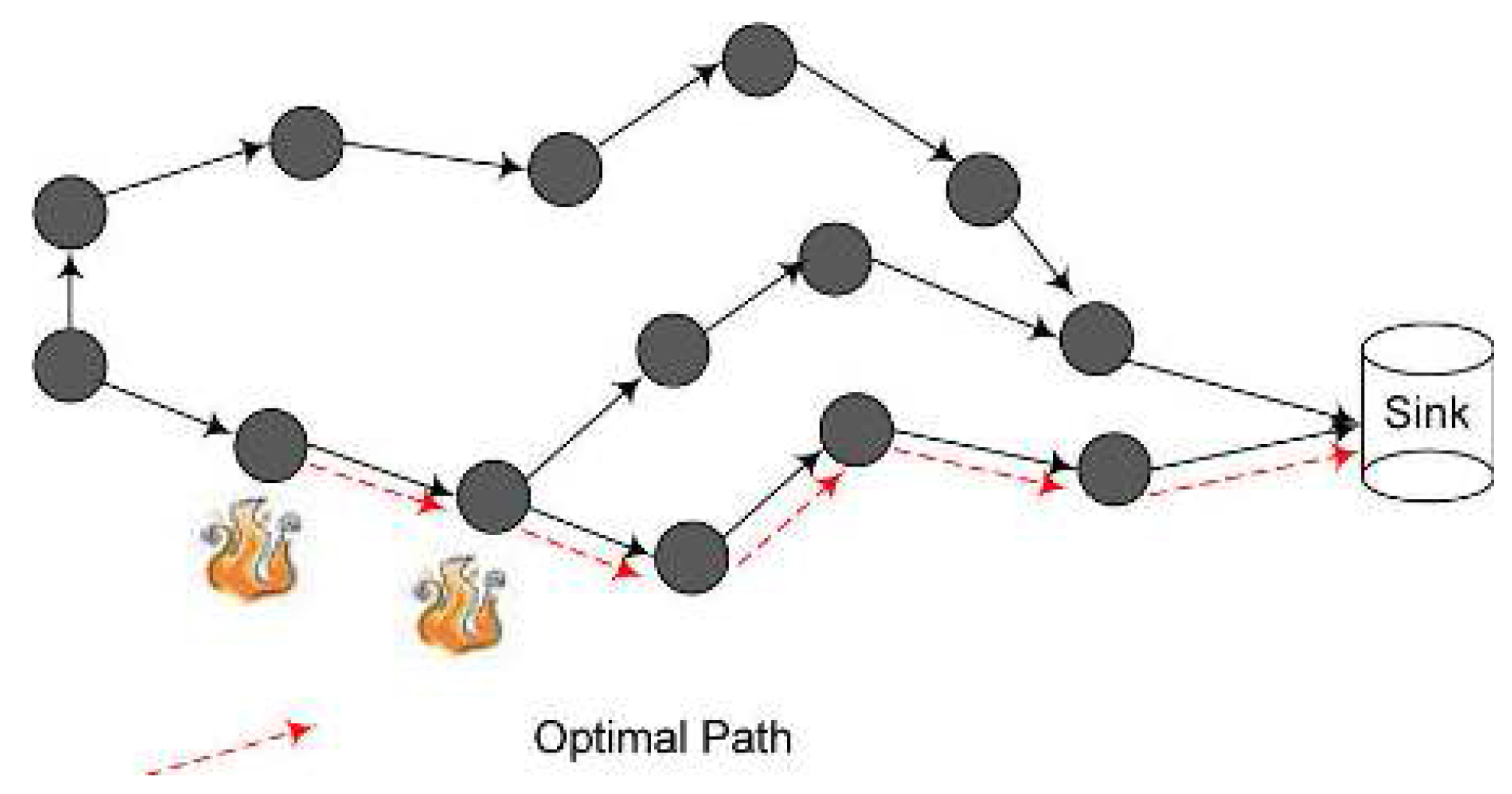
Figure 3:
Energy Efficient Routing mechanism
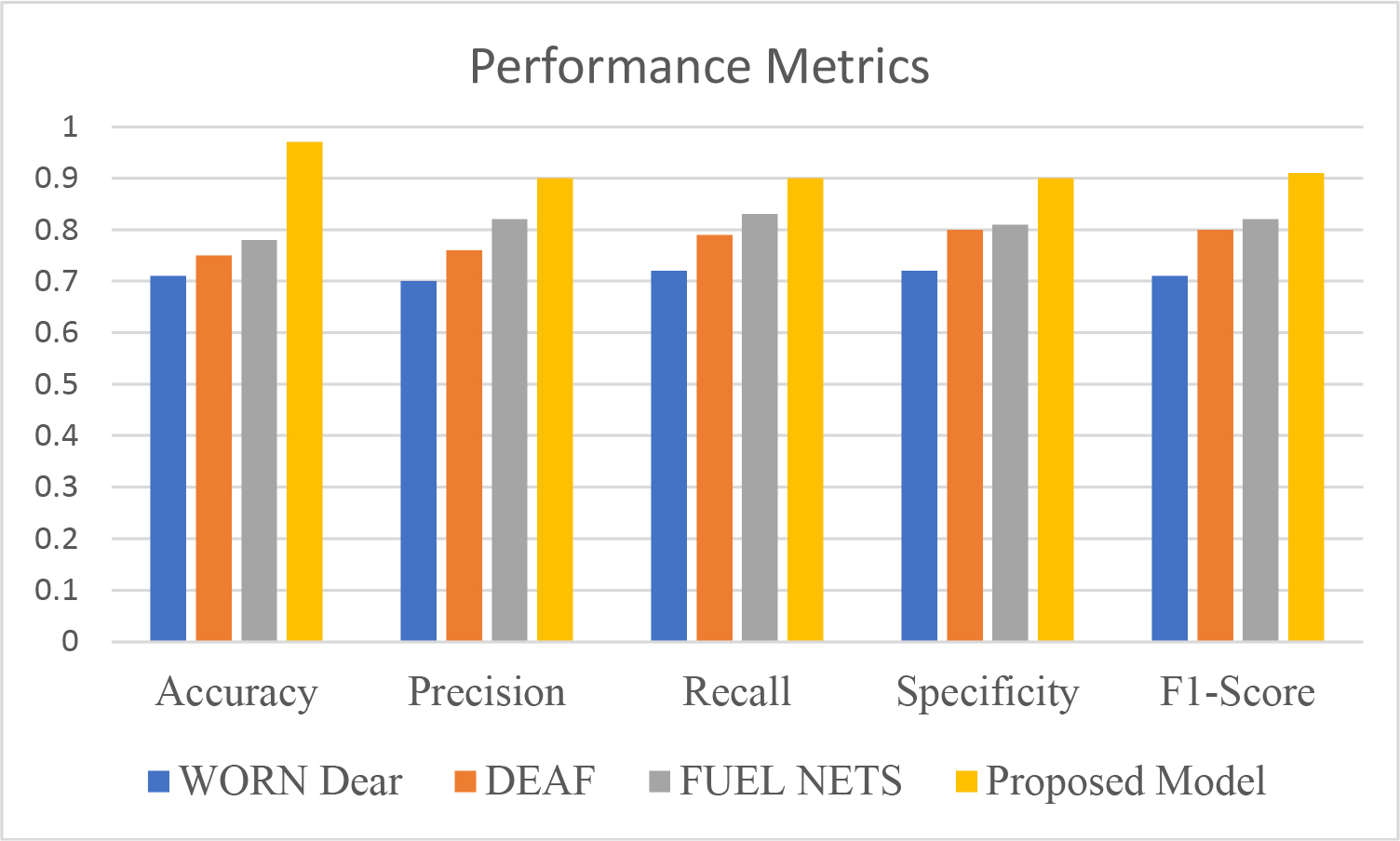
Figure 3:
Performance metrics comparsion
Figure 4 shows the energy consumption of various existing algorithms compared to the proposed algorithm. In this evaluation, residual energy is calculated over three minutes as the number of nodes increases.
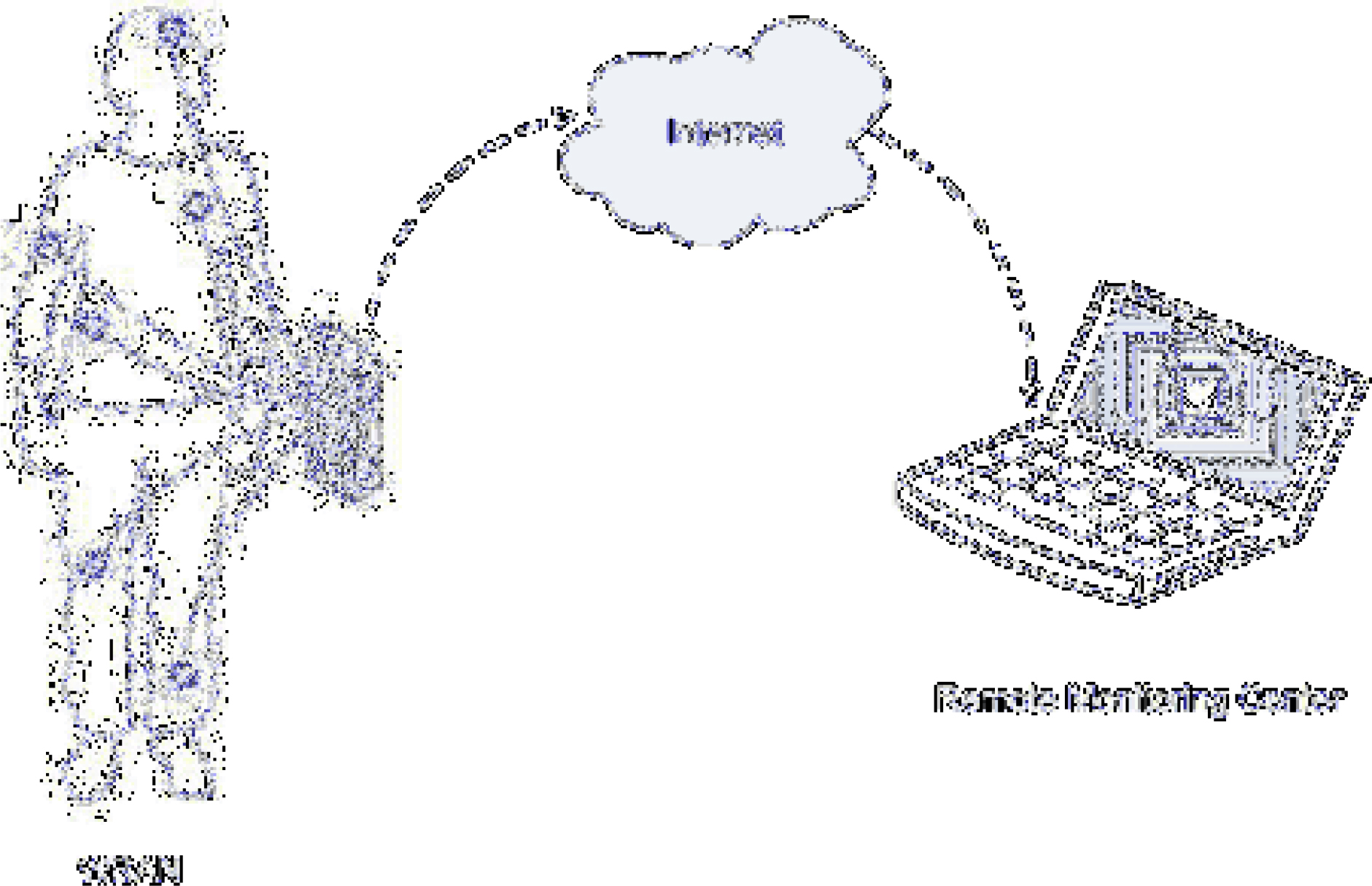
Figure 4:
body area network -data transmission
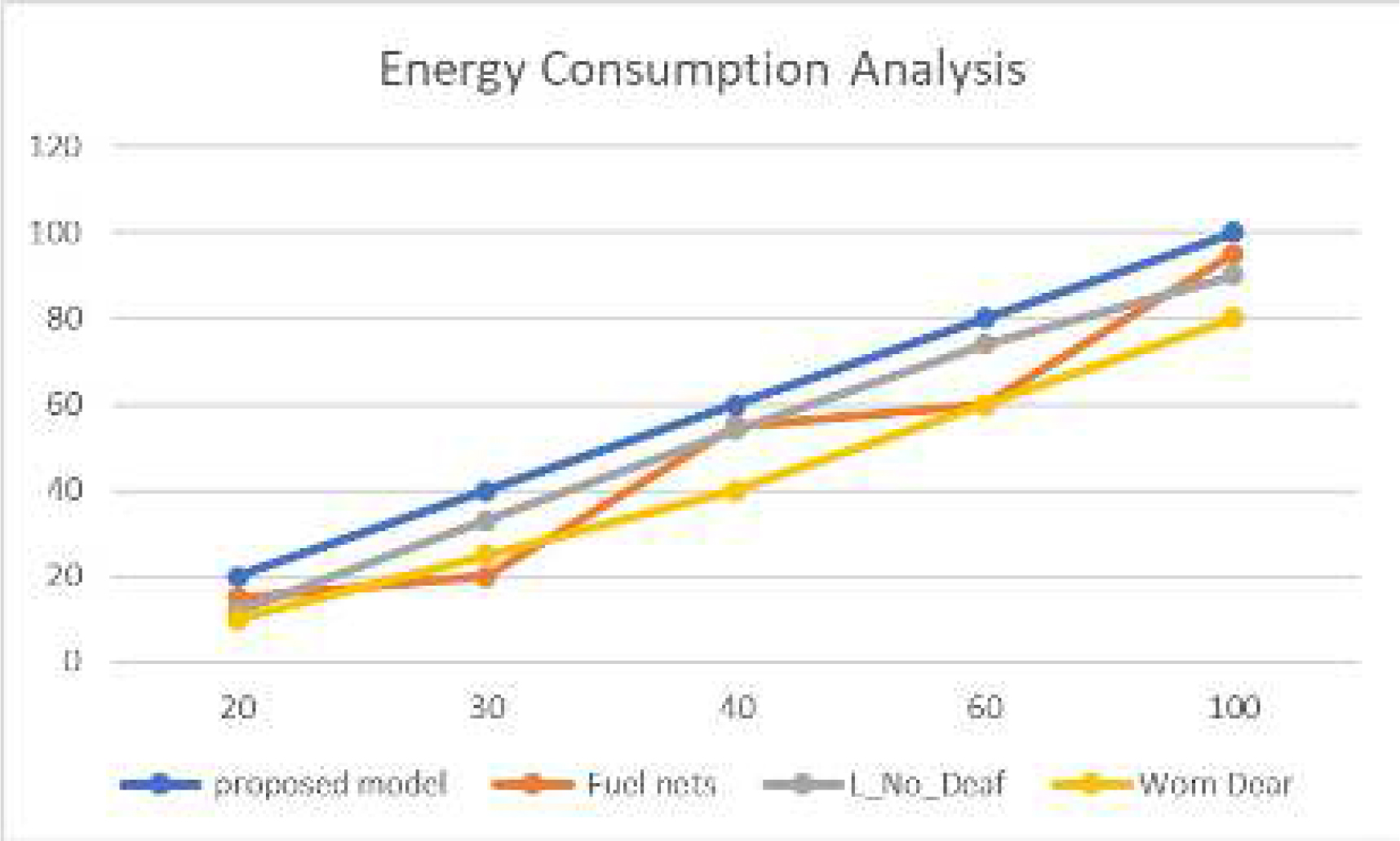
Figure 4:
Energy Consumption Analysis
5. Conclusion and Future Enhancement
In conclusion, this study presented an energy-efficient routing solution for Fog-BAN-Cloud architectures in smart healthcare applications, leveraging Deep Reinforcement Learning (DRL) and specifically Proximal Policy Optimization (PPO). The proposed approach effectively addresses the challenges of power consumption and efficient data transmission in energy-constrained Body Area Networks (BANs) and Fog environments. By dynamically optimizing routing paths and scheduling policies, our method ensures that the data is transmitted with minimal energy usage while maintaining high Quality of Service (QoS) and reliability. Simulation results validate the performance of the proposed algorithm, demonstrating significant improvements in energy efficiency, reduced latency, and enhanced data reliability relative to existing models. The integration of intelligent reinforcement learning algorithms paves the way for more sustainable and responsive smart healthcare systems, contributing to the development of scalable and resource-efficient IoT-based healthcare solutions.
Notes
[1] Conflicts of interest Conflicts of Interest: The authors declare that they have no conflicts of interest to report regarding the present study.