Have a personal or library account? Click to login
Worms in Space for Outreach on Earth: Space Life Science Activities for the Classroom Cover

Figures & Tables

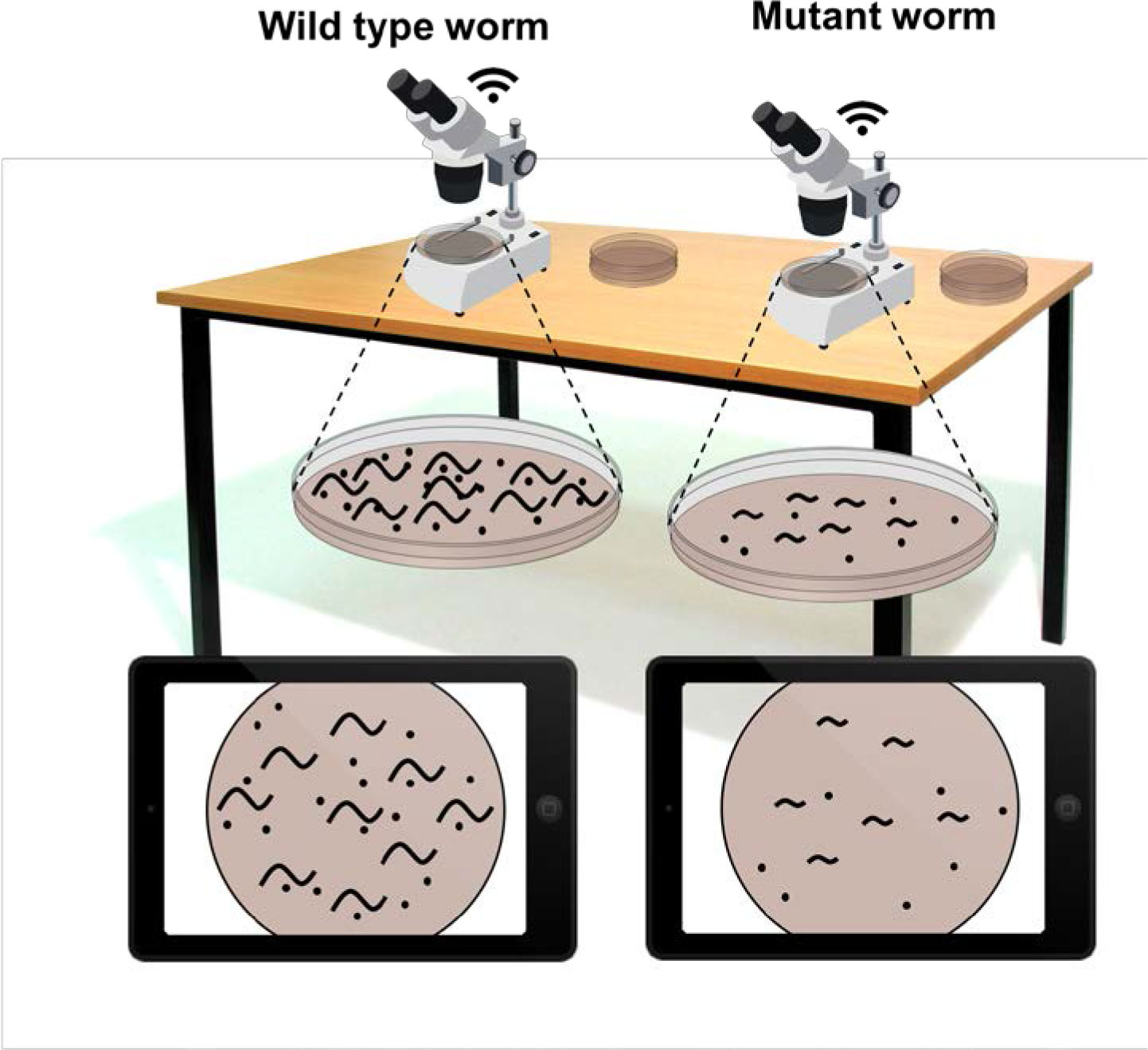
Figure 1

Activity 1 setup for outreach events: observing wild-type (i.e., healthy/normal) and mutant (i.e., dysfunctional/diseased) worms using a microscope and wireless tablet setup. Activity pack 1 provides data derived from this experimental setup.
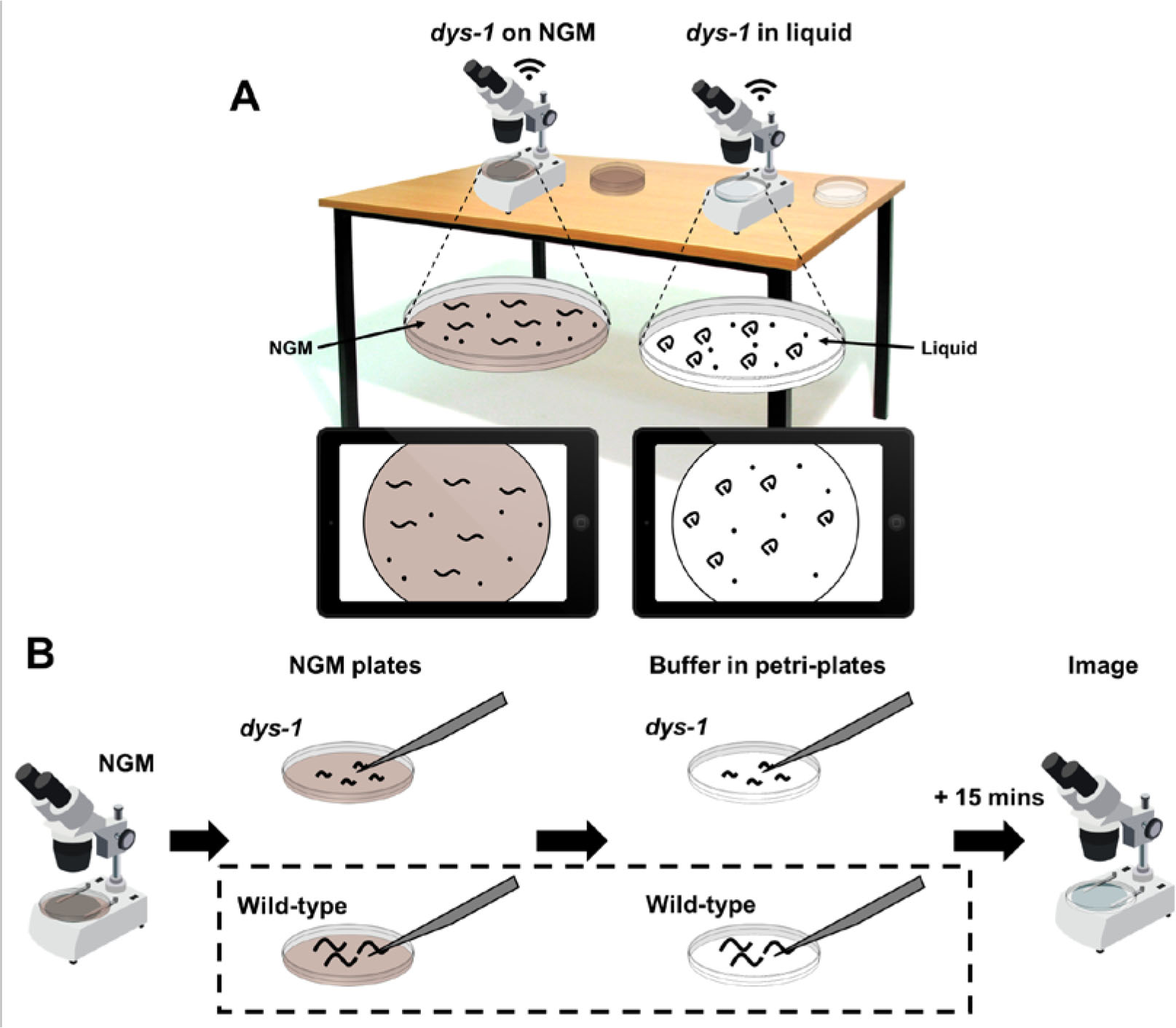

Figure 2

Activity 2 setup for outreach events: observing the effect of unloading on wild-type and mutant worms. (A) Mutant worms (e.g., dys-1) are observed in parallel while on solid nematode growth media (NGM) and in liquid within petri plates. (B) For an acute treatment, worms are transferred from NGM plates to buffer in petri plates and are left for 15 minutes before imaging. This can also be done with wild-type worms as an optional extra activity.
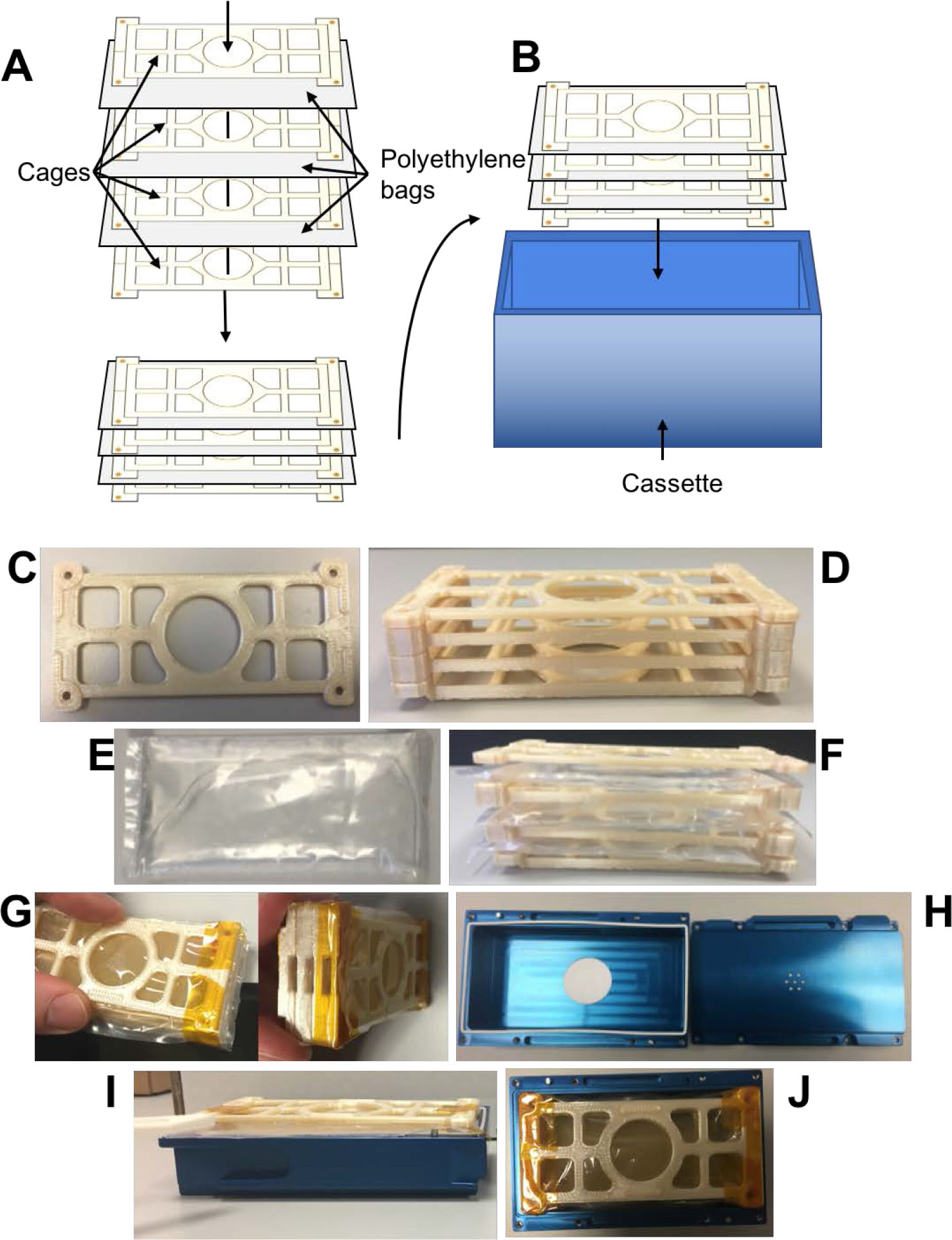

Figure 3

Spaceflight hardware. (A) Diagram of how cages and polyethylene bags come together and are then (B) inserted into the cassette. Photographs of Molecular Muscle Experiment (MME) spaceflight hardware components: (C) a single cage; (D) four cage compartments connected without bags; (E) polyethylene bags; (F) cages with three polyethylene bags enclosed; (G) corners of polyethylene bags taped to ensure a good seal within the cassette; (H) a single cassette; (I) lateral view of cassette with cage and bags in situ; (J) aerial view of cassette with cage and bags in situ. Activity pack 3 provides questions based on these images and photographs. Cassette dimensions are (height x length x depth as depicted in (A)) 24 x 91 x 56 mm. Hardware was developed by Kayser Italia under a European Space Agency (ESA) contract.
Language: English
Page range: 74 - 82
Published on: Jul 21, 2020
In partnership with: Paradigm Publishing Services
Publication frequency: 2 issues per year

© 2020 Christopher J. Gaffney, Amelia K. Pollard, Colleen S. Deane, Michael Cooke, Michele Balsamo, Jennifer Hewitt, Siva A. Vanapalli, Nathaniel J. Szewczyk, Timothy Etheridge, Bethan E. Phillips, published by American Society for Gravitational and Space Research
This work is licensed under the Creative Commons Attribution-NonCommercial-NoDerivatives 3.0 License.