
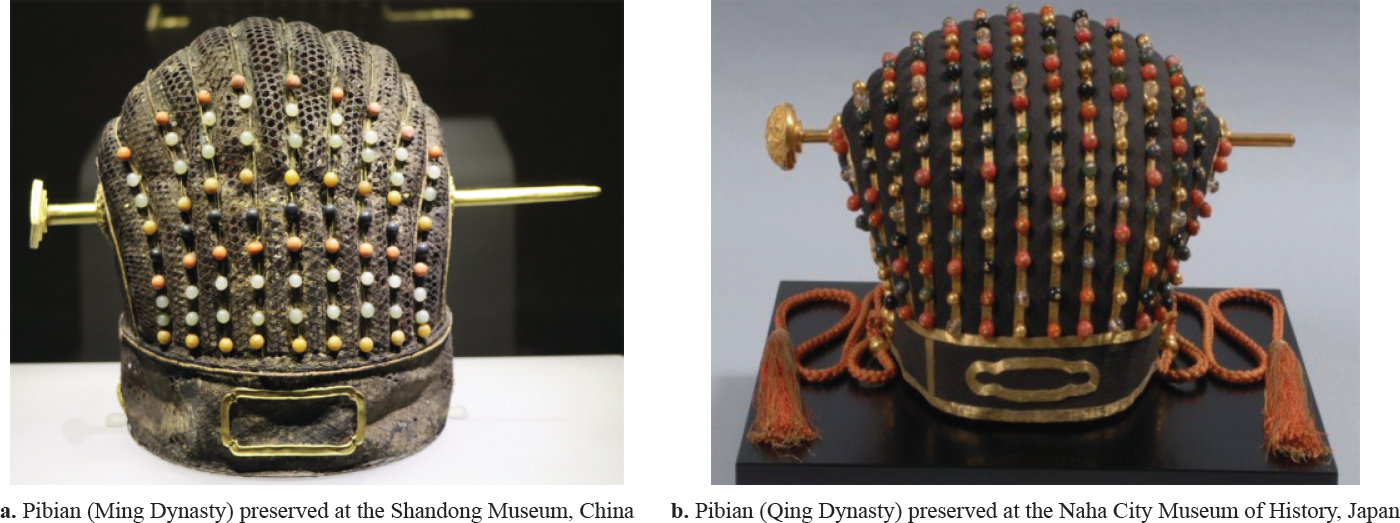
Fig. 1.
Physical pibian preserved by the museums
Table 1.
Main components of the Pibian of the Ming dynasty
| Name | Features | Materials | Figure | Dimension drawing (unit: cm) |
|---|---|---|---|---|
| Pibian’s principal part | The top is mellow and full, and the body presents ups and downs, resembling juxtaposed palms. | The skeleton comprises a mesh woven with bamboo filament; the surface is covered with black yarns and the inside is pasted with red silk. They are all rotted. | 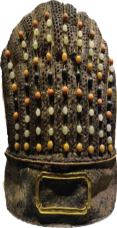 | 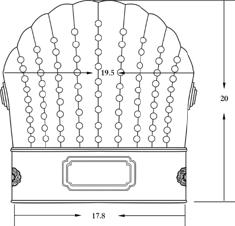 |
| Pibian’s jade bead | A centrally perforated sphere | Jade, agate and coral | 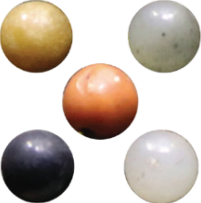 | 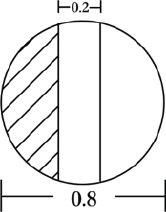 |
| Pibian’s decorative frame | A rectangle with four perforated rounded corners facilitating the threading ropes to be fastened on the pibian. | Gold | 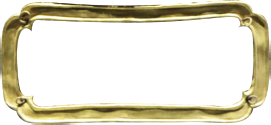 | 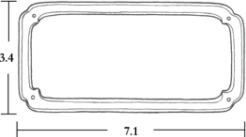 |
| Pibian’s gold hairpin | The hairpin comprises three-layered flat-topped square steps, and a conical long needle which is welded in the center. | Gold |  |  |
| Pibian’s hairpin button | It resembles a round flower comprising three layers from the center to the outermost external circle of the flower, and the petals are engraved with lines to represent their venation. | Gold | 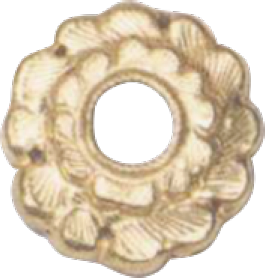 | 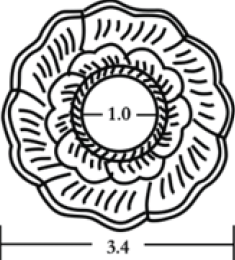 |
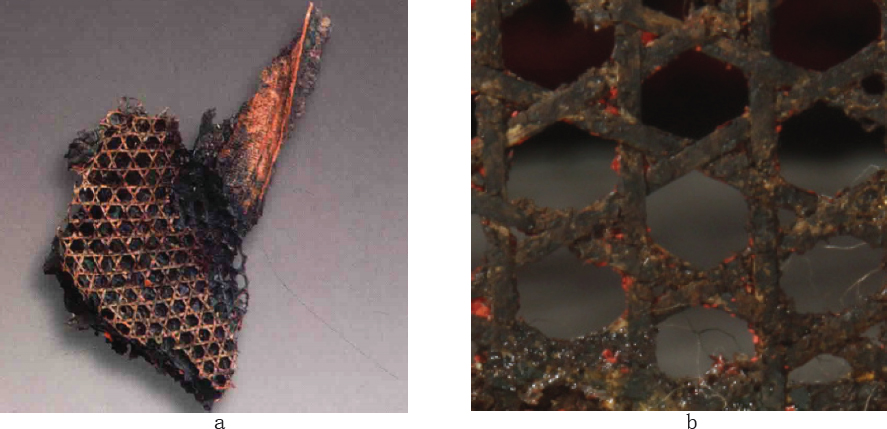
Fig. 2.
Woven bamboo body of Pibian in Ming Dynasty (a from an archaeological report of the tomb of Yingjing King, b photo taken by the author at Shandong Provincial Museum)
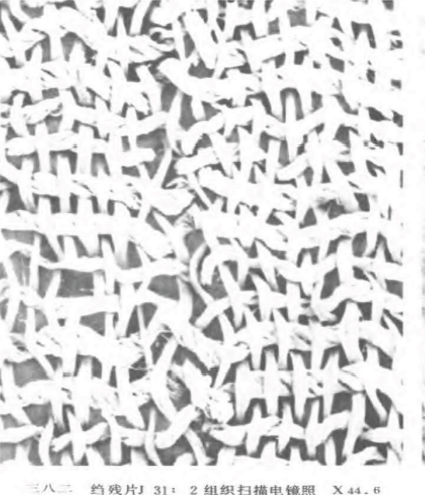
Fig. 3.
Crepe on the surface of a pibian of the Ming Dynasty (Electron microscope image source: “Dingling mausoleum”)
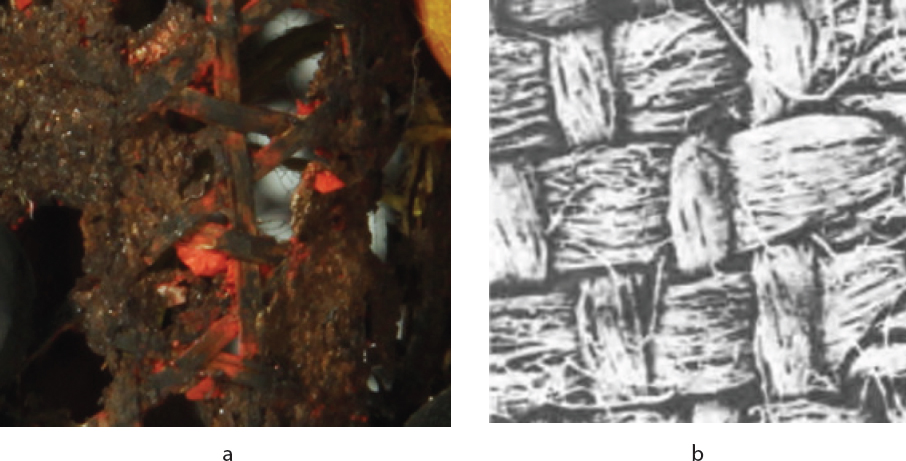
Fig. 4.
Electron microscopic image of red residue and silk fabric inside a pibian (photo taken by the author at Shandong Provincial Museum, b from “Dingling mausoleum”)
Table 2.
Components of pibian’s metal components (Source: China University of Geosciences)
| Name | Test part | Component test result % | ||
|---|---|---|---|---|
| Gold | Silver | Copper | ||
| Hairpin button | Large | 86.65 | 11.48 | 1.87 |
| Medium | 84.92 | 13.15 | 1.94 | |
| Medium | 86.69 | 11.59 | 1.72 | |
| Hairpin | Tail of hairpin | 86.00 | 12.08 | 1.92 |
| Head of hairpin | 87.16 | 10.62 | 2.22 | |
| Body of hairpin | 90.34 | 8.29 | 1.37 | |
| Square decorative frame | Short side | 87.00 | 11.26 | 1.74 |
| Long side | 86.92 | 11.24 | 1.84 | |
| Gold thread in the seam | Surface layer | 86.59 | 11.46 | 1.97 |
Table 3.
Determinative table of jade stones on the pibian from the Liangzhuang Tomb (Source: China University of Geosciences)
| Name | Color | Shape | Number (piece) | Diameter (cm) | Aperture (cm) | Expert conclusion |
|---|---|---|---|---|---|---|
| Black bead | Gray black | Round-bead type | 18 | 0.6-0.7 | 0.1 | Nephrite (dark jade) |
| Red bead | Maroon | Round-bead type | 33 | 0.6-0.7 | 0.1 | Amber |
| White bead | Gray white | Round-bead type | 40 | 0.6-0.7 | 0.1 | Nephrite (light greenish white jade) |
| Green bead | Gray green | Round-bead type | 35 | 0.6-0.7 | 0.1 | Nephrite (gray jade) |
Table 4.
Different modules woven with bamboo filament in the pibian
| Number | a | b | c |
|---|---|---|---|
| Material object image | 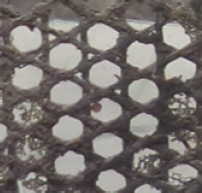 | 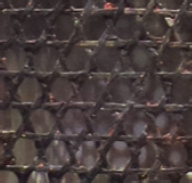 | 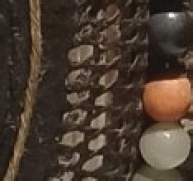 |
| Texture image | 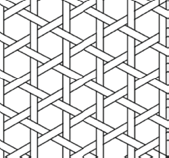 | 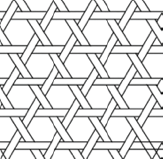 | 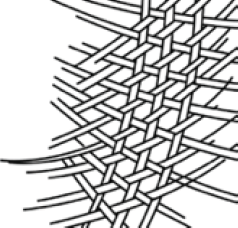 |
| Module | Frontal | Left and right sides | Cap top’s lateral edge |
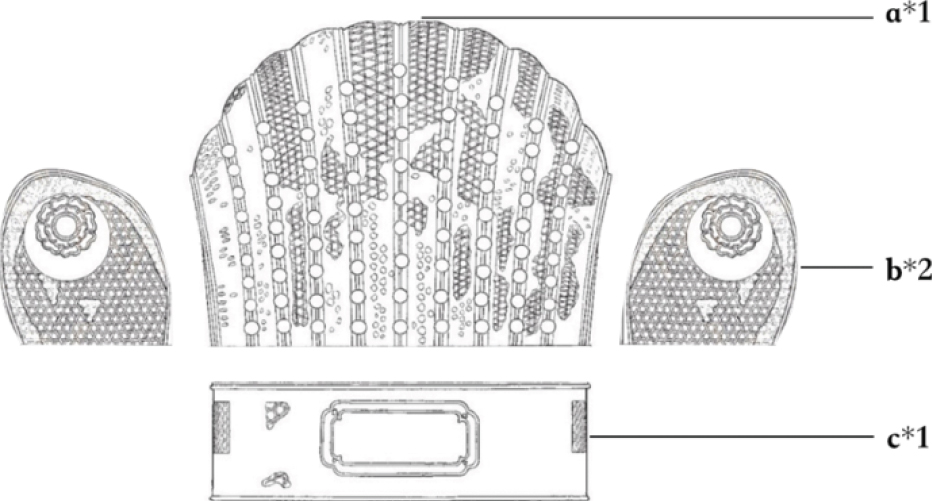
Fig. 5.
Plan sketch of the pibian’s main body composition (Picture from the archaeological report of the tomb of Luhuang King)
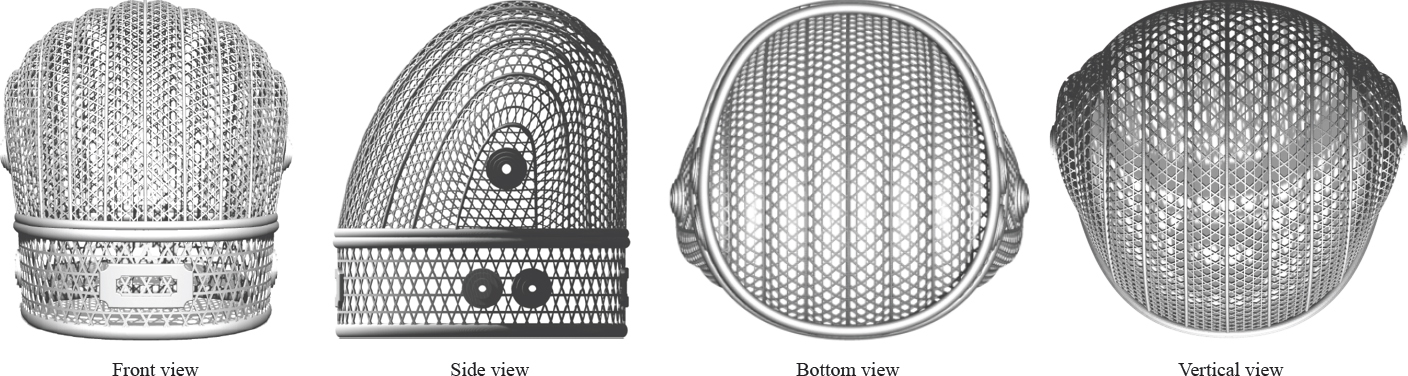
Fig. 6.
Multi-view illustration of the 3D Model of Lu Huang King’s pibian (made by the author)
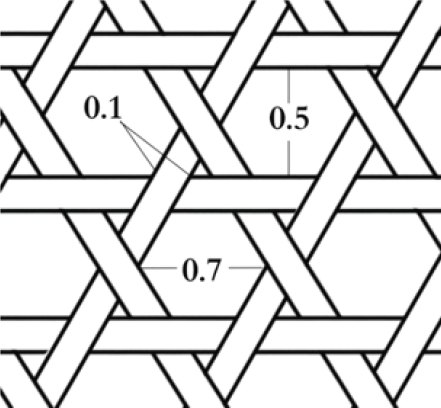
Fig. 7.
Textural structure drawing of bamboo-filament woven cap top preform
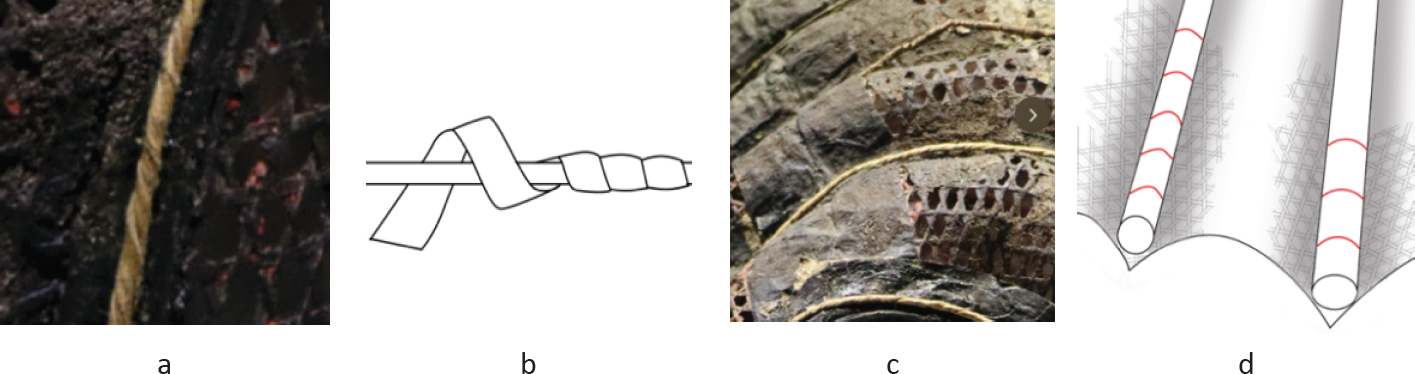
Fig. 8.
Making and fixing method of gold ridges (a. real picture of a gold ridge, b. schematic diagram of making gold ridge, c. fixing state of gold ridges, d. fixing method of gold ridges; a c photos taken by the author in Shandong Museum, b, d drawn by the author)
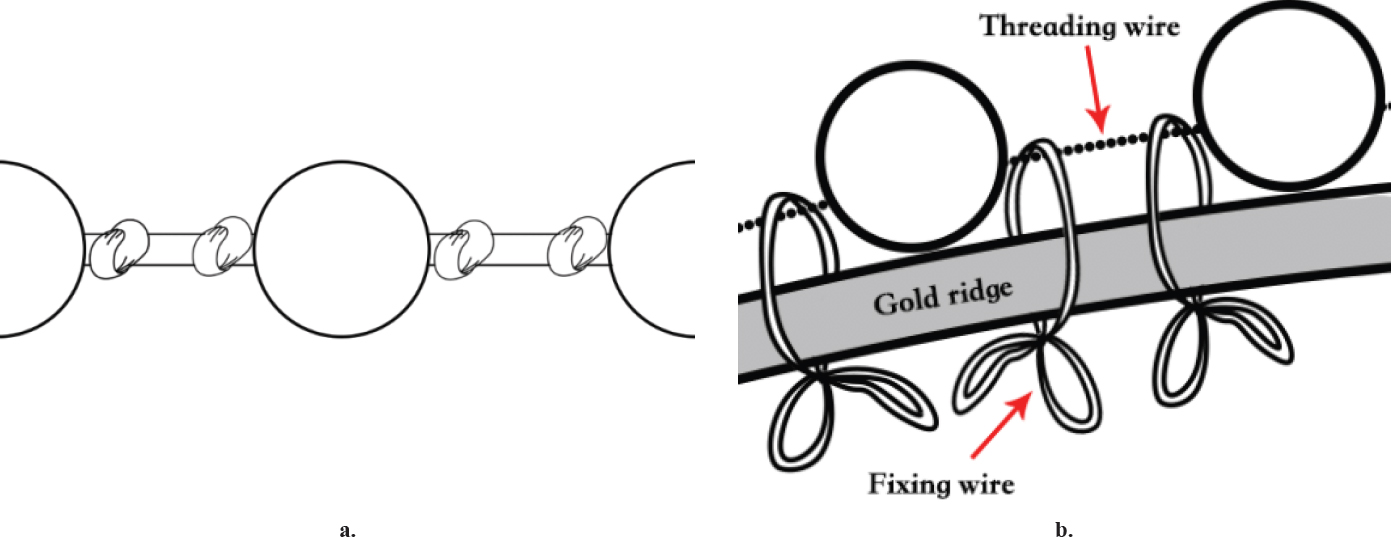
Fig. 9.
Production and fixing method of tassels (a. Making of “liú”, b. Fixation of jade beads, drawn by the author)