
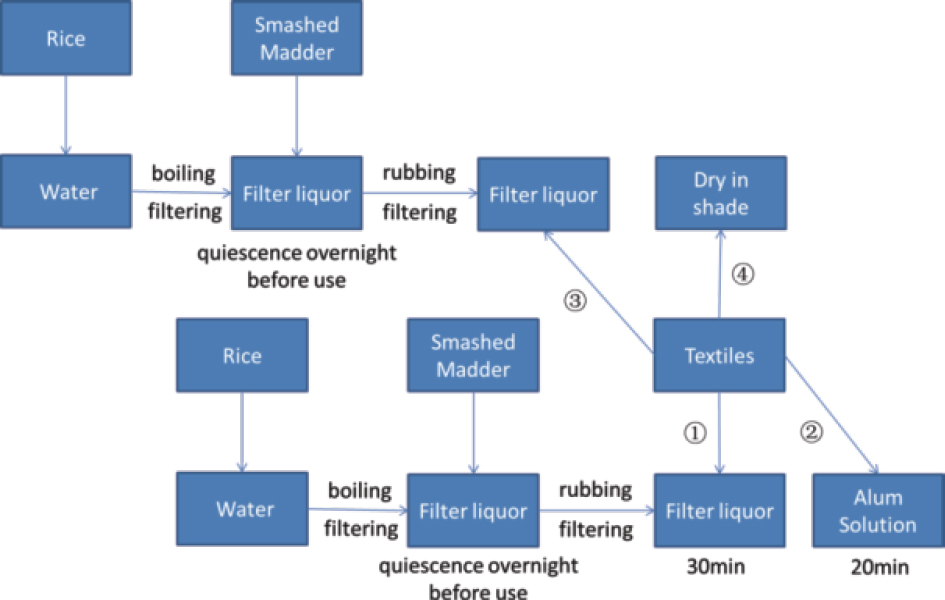
Fig. 2.
Process of ancient Chinese madder dyeing technique (II)
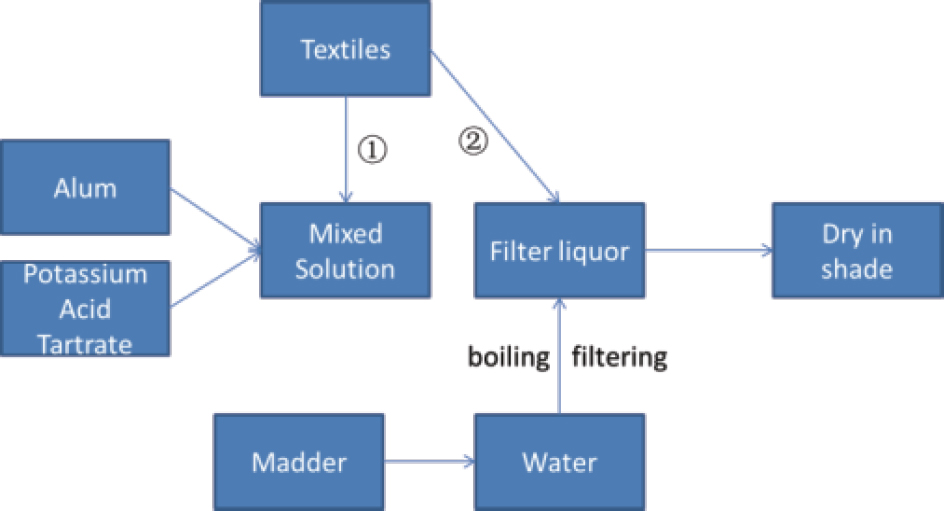
Fig. 3.
Classical European process of madder dyeing
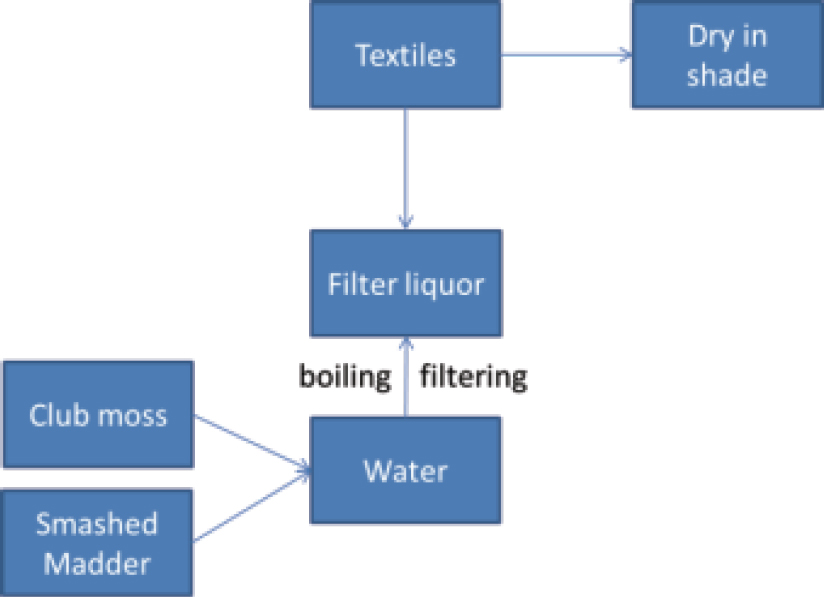
Fig. 4.
Process of Turkish technique of madder dyeing
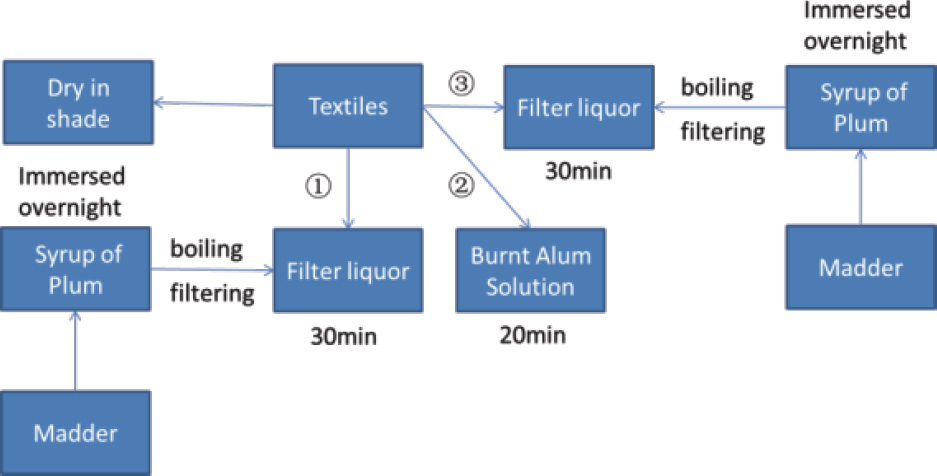
Fig. 5.
Process of ancient Japanese madder dyeing technique (a)
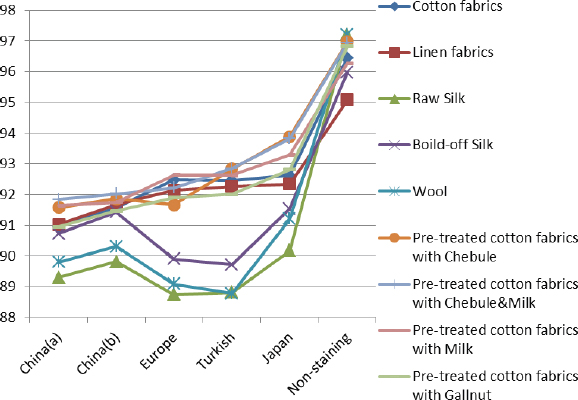
Fig. 6.
Value L of different fabrics dyed with madder
Table 1.
Methods of cotton fabric pretreatment in different regions of the world
| Pretreatment Material | Method Origin | Pretreatment Process |
|---|---|---|
| Chebule | Japan | 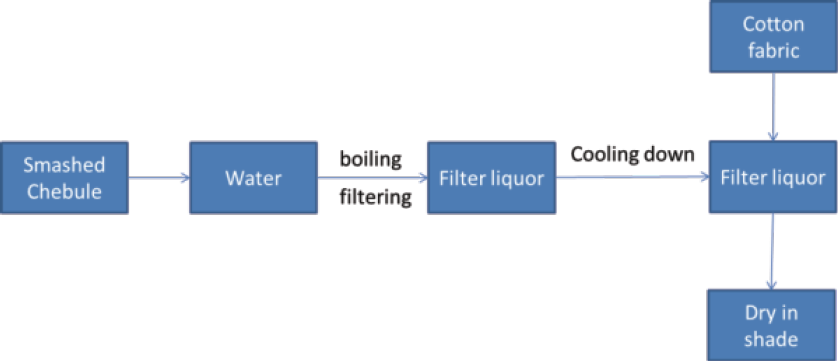 |
| Chebule & milk | Indian | 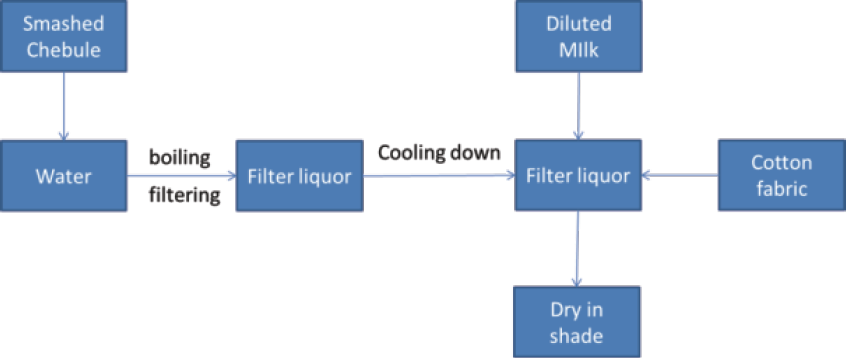 |
| Milk | Turkey |  |
| Gallnut | Europe | 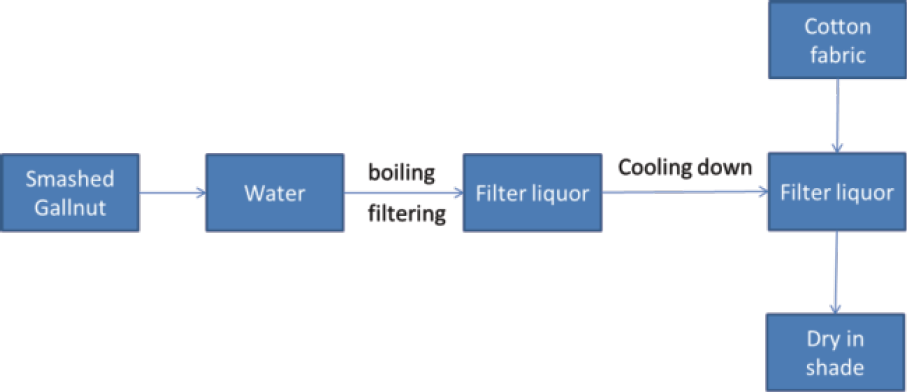 |
Table 2.
Recipes of pre-treatment procedure of cotton fabrics
| Pretreatment Material | Recipes and procedure of pre-treatment | |
|---|---|---|
| Chebule | 5 pieces of cotton fabric (2g/piece) | Chebule: 250g; distilled water: 2.5L |
| Chebule & milk | Chebule: 125g; milk: 125g; distilled water: 2.5L | |
| Milk | Milk: 250g; distilled water: 2.5L | |
| Gallnut | Gallnut: 250g; distilled water: 2.5L | |
Table 3.
Recipes of dyeing procedure of fabrics
| Recipes of Dyeing Process | Type of Method | ||||
|---|---|---|---|---|---|
| Chinese (I) | Chinese (II) | European | Turkish | Japanese | |
| Recipe of Madder | Madder (owf)=400% | ||||
| Recipe of Mordant | Alums (owf) = 15% | Alums (owf) = 20% Potassium acid Tartrate (owf) = 6% | Club moss (owf) = 100% | Burnt alum (owf) = 15% | |
| Implementation of Dyeing | Refer to Figure 1 | Refer to Figure 2 | Refer to Figure 3 | Refer to Figure 4 | Refer to Figure 5 |
| owf: on weight of fabrics | |||||
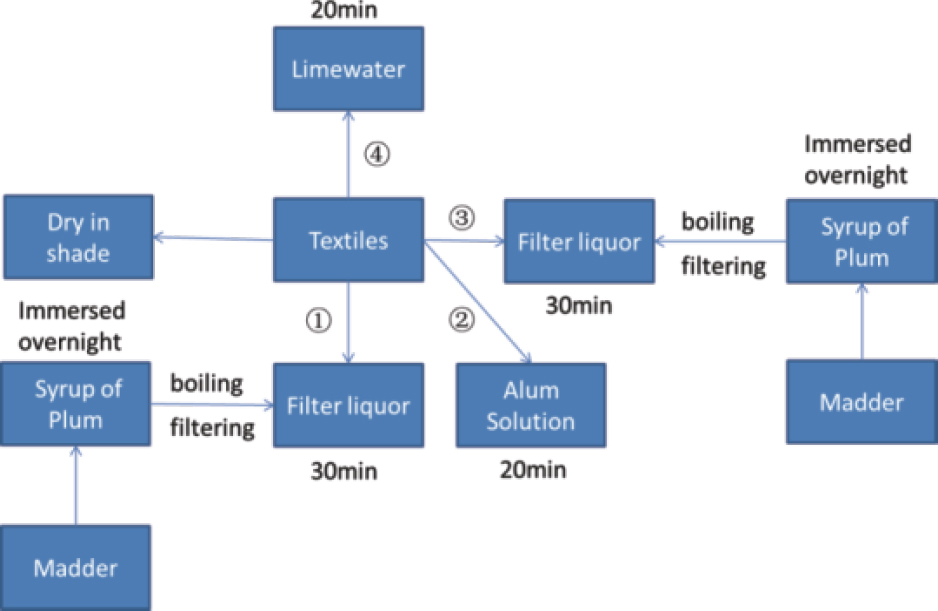
Fig. 1.
Process of ancient Chinese madder dyeing technique (I)
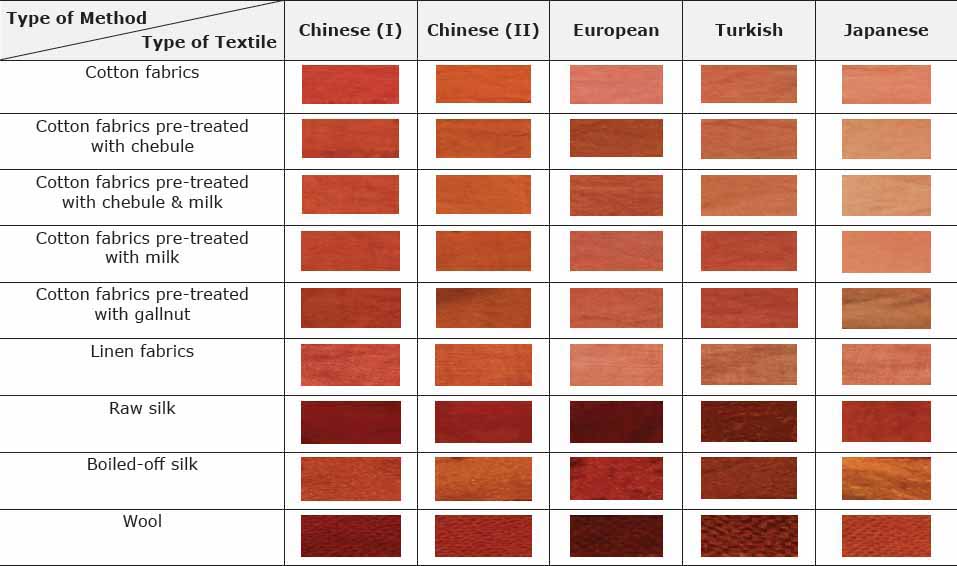
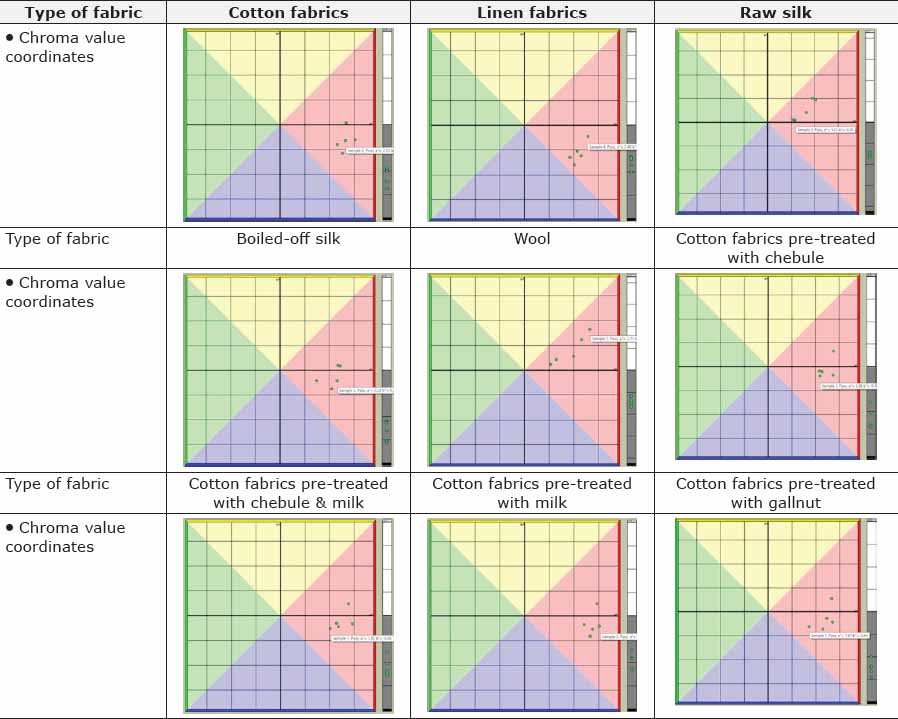
Table 6.
Comparison of the dyeing effect between cotton fabric and pre-treated cotton fabric
The color shown from left to right: cotton fabric, cotton fabric pre-treated with chebule, cotton fabric pre-treated with chebule & milk, cotton fabric pre-treated with milk, cotton fabric pre-treated with gallnut.
| Type of dyeinq method | Color effects of cotton fabrics |
|---|---|
| Chinese(I) |  |
| Chinese(II) |  |
| European |  |
| Turkish |  |
| Japanese |  |
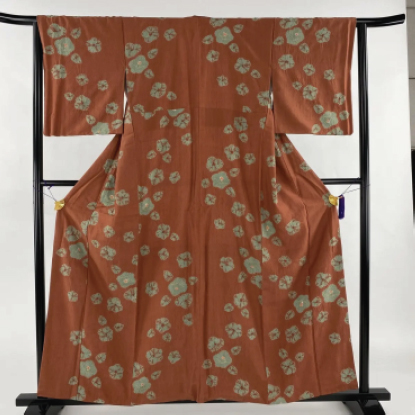
Fig. 10.
Traditional costume with madder
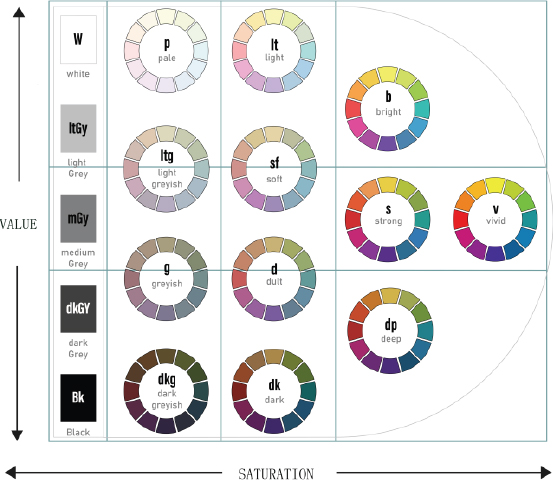
Fig. 7.
Tonality distribution diagram of PCCS
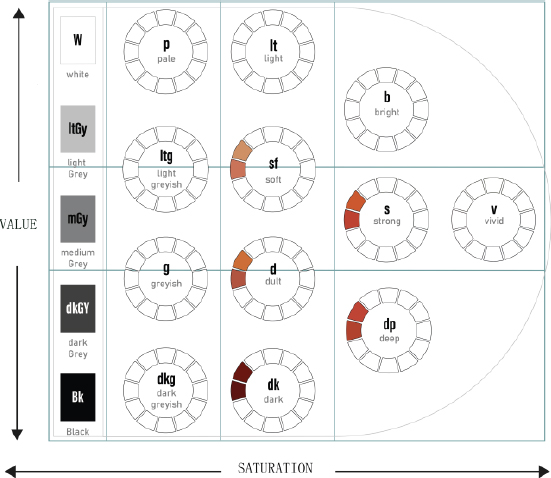
Fig. 8.
Color distribution of madder dyed textiles
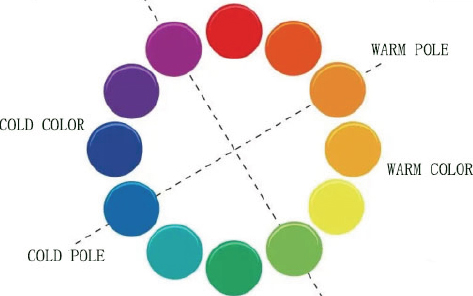
Fig. 9.
Cool or warm colors in hue circle