
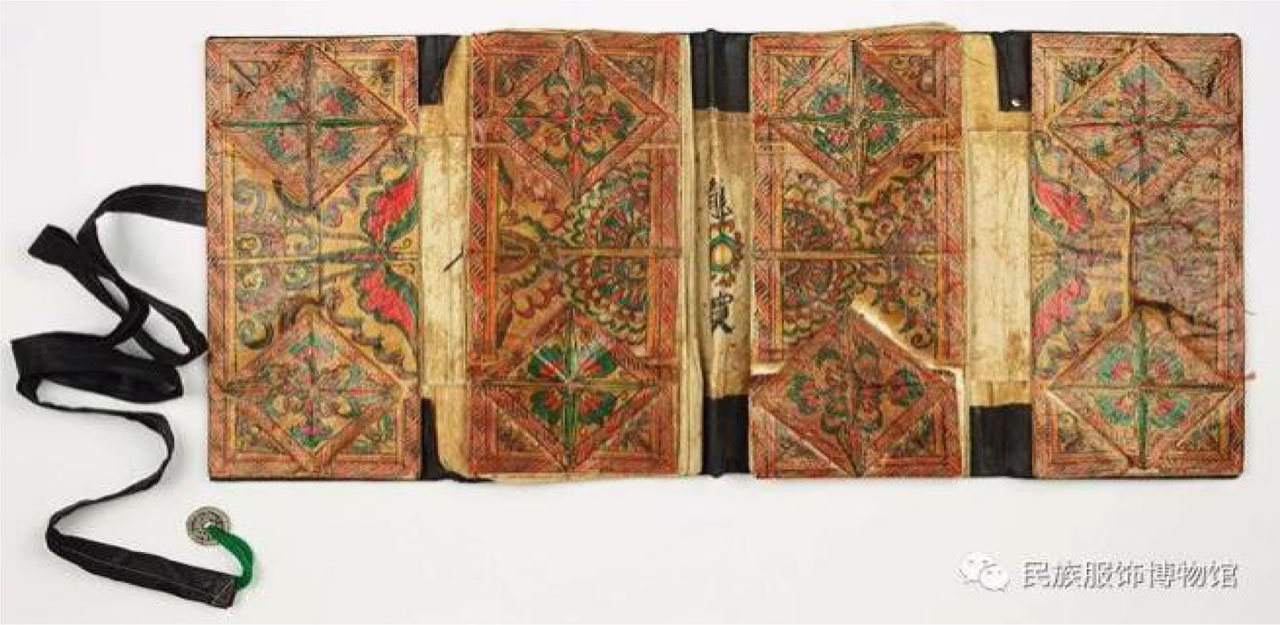
Fig. 1
Origami sewing bag

Fig. 2
Satellite solar panel
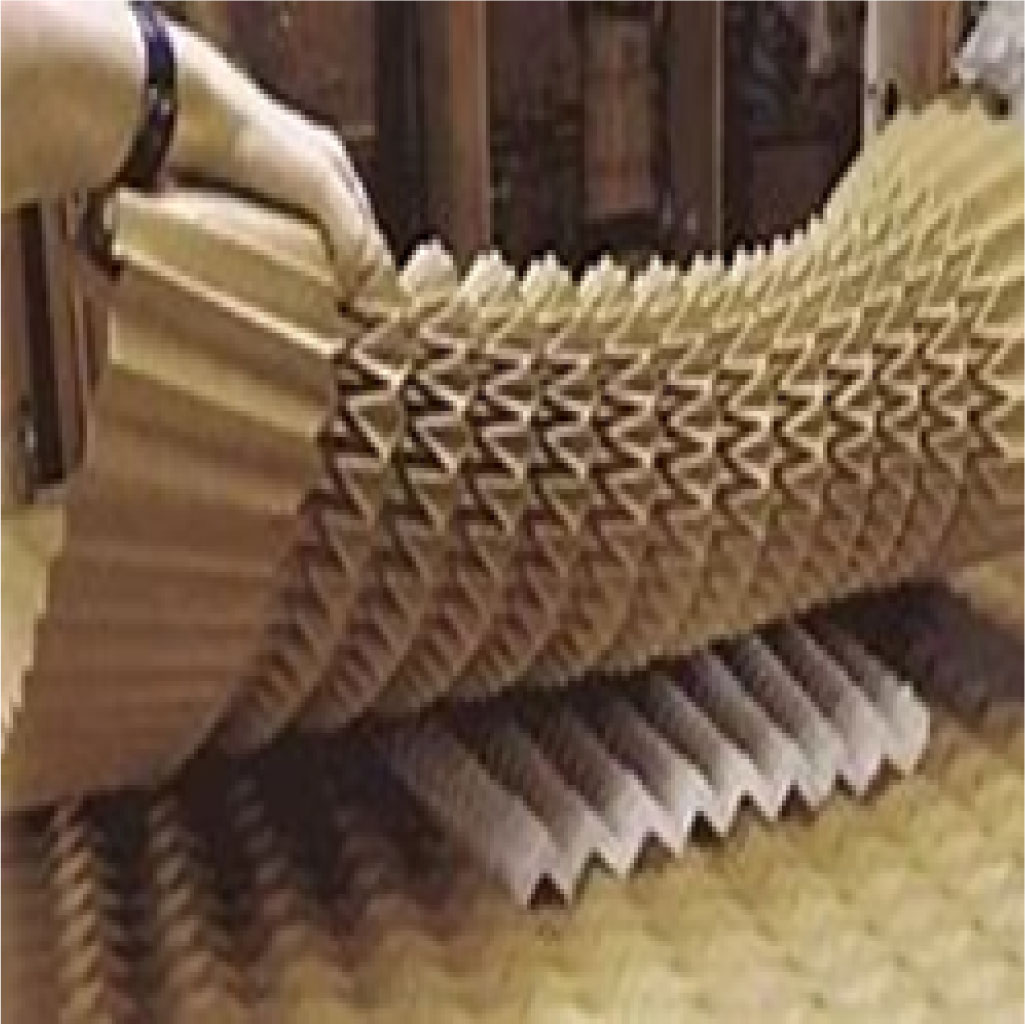
Fig. 3
Crimping method
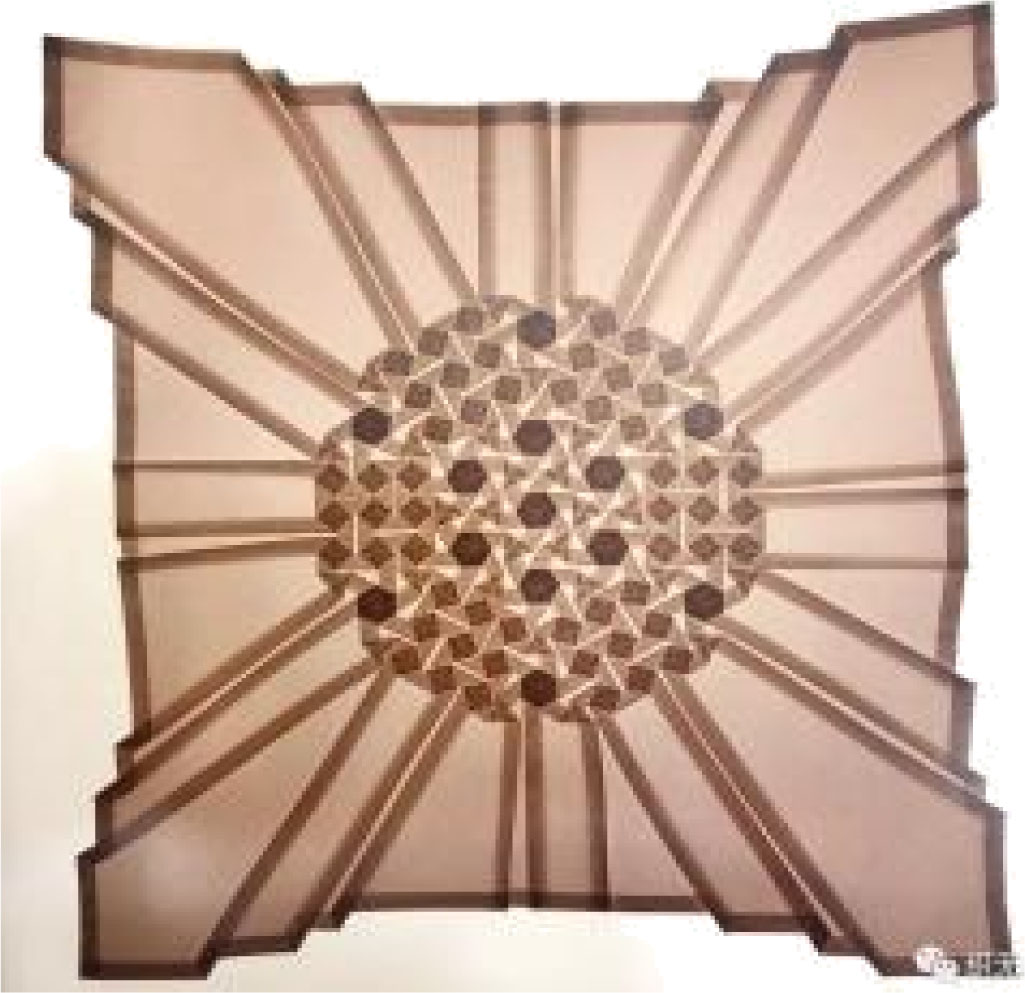
Fig. 4
Shadow folding method
Table 1
Pleating retention of different fabrics
| Fabric change | Polyester | Cotton | PU coated fabric |
|---|---|---|---|
| Initial effect of ironing | 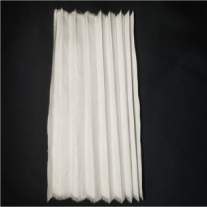 | 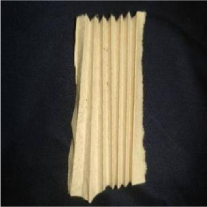 | 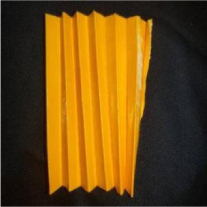 |
| Effect after washing | 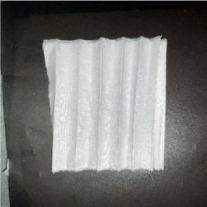 | 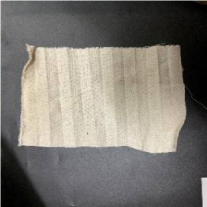 | 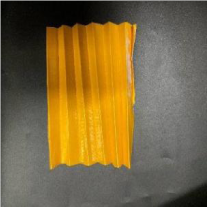 |
Table 2
Style characteristics of Organza and polyester FDY fabric after ironing
| Types of fabric | Un-ironed lining | Description | Ironed lining | Description |
|---|---|---|---|---|
| 40g/m2 organza | 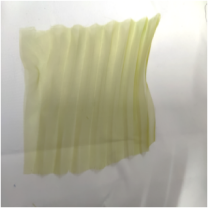 | Irregular shape; light and soft effect | 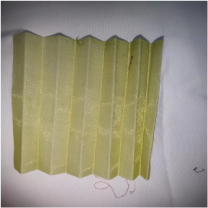 | Regular shape; can show the colour of adhesive lining |
| 300g/m2 twill polyester |  | Relatively regular shape; hierarchical effect |  | Regular shape; sharper creases |
Table 3
Relationship between fabric thickness and folding spacing (example: snake belly origami)
| Fabric paper mould size | Initial fabric 255g/m2 | Description | Initial fabric lined with plain paper | Description | Initial fabric lined with hard resin lining | Description |
|---|---|---|---|---|---|---|
| Paper mould spacing 6.5cm | 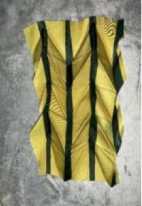 | Proper paper mould spacing; creases and stripes match very well; dislocation-free | 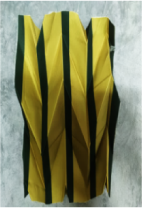 | Distance between paper moulds is appropriate; creases and stripes match well; slight dislocation | 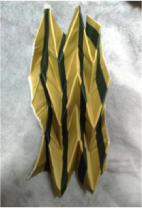 | Paper mould spacing is too small; creases and stripes do not match; there is dislocation |
| Paper mould spacing 6.8cm | 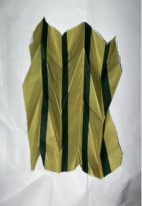 | Paper mould spacing is too large creases and stripes do not match There is dislocation | 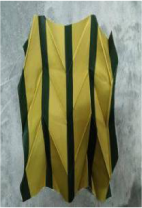 | Distance between paper moulds is appropriate creases and stripes match well Slight dislocation | 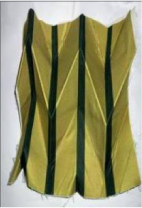 | Proper paper mould spacing creases and stripes match very well, dislocation-free |
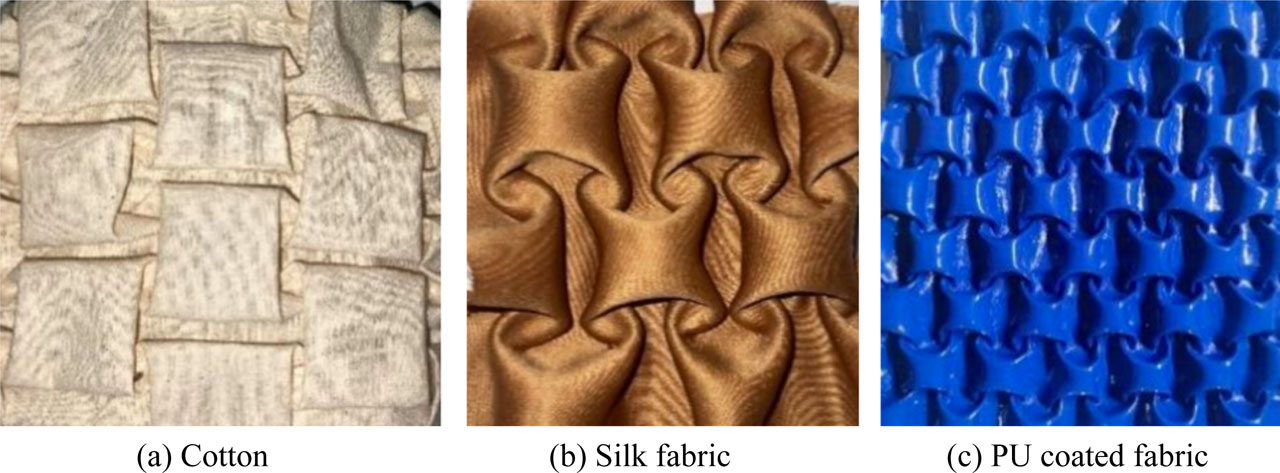
Fig. 5
Comparison of different fabric styles in stitching texture moulding
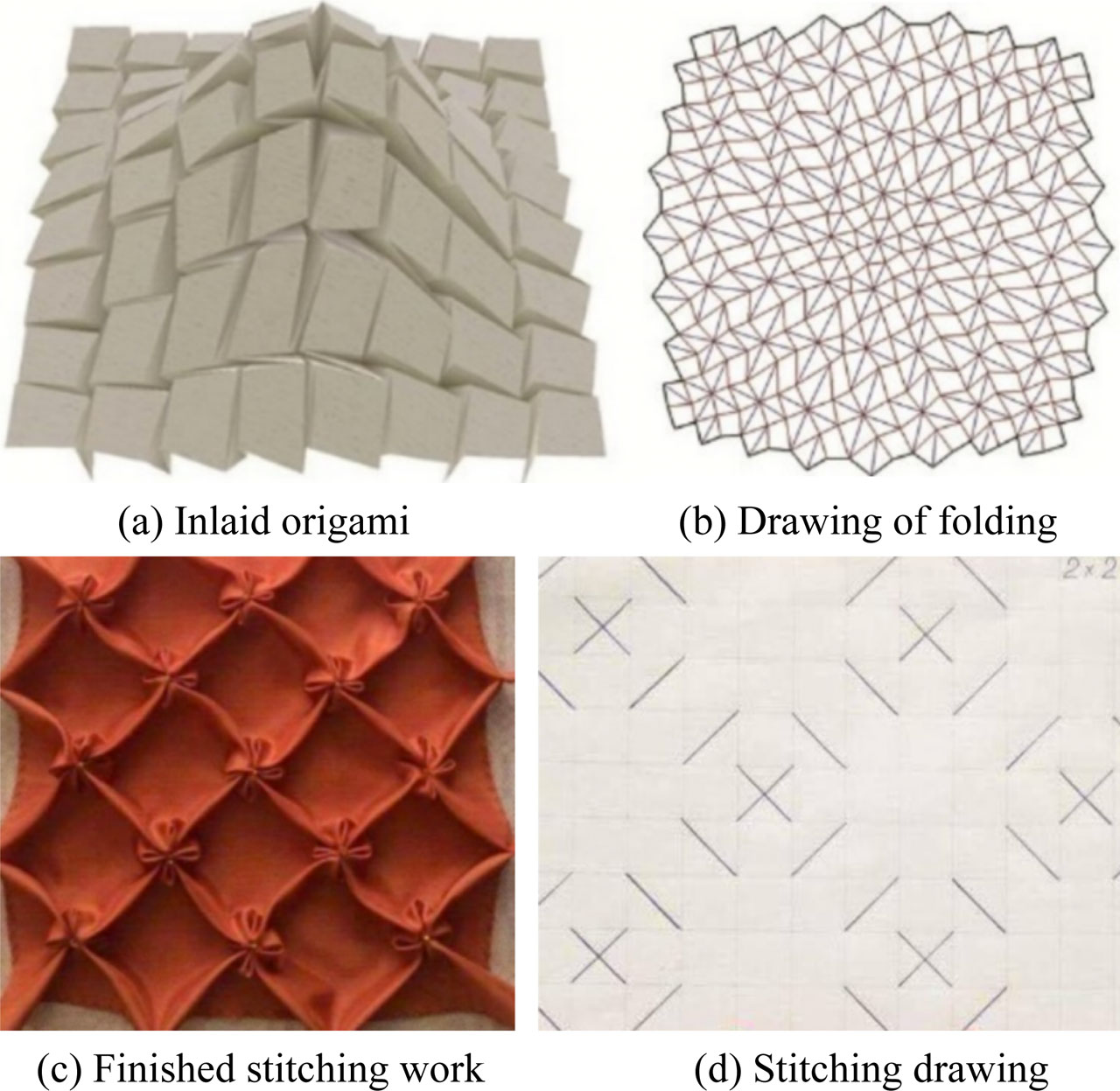
Fig. 6
Moulding effect and drawings of the two types
Table 4
Effect of cell size on the moulding effect in stitching texture moulding
| Size influence | Basic lattice 2 cm*2 cm | Conclusion | Basic lattice 3 cm*3 cm | Conclusion |
|---|---|---|---|---|
| Style | 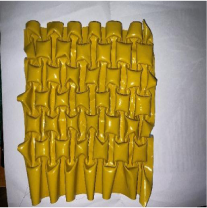 | Delicate style | 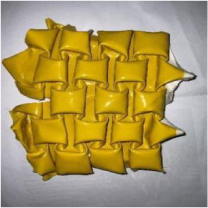 | Rough style |
| Size of fabric | 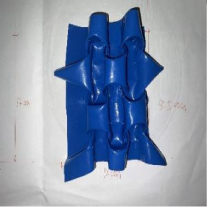 | Initial fabric 20 cm * 20 cm Final work 12 cm*13.5cm | 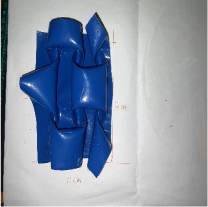 | Initial fabric 20 cm*20 cm Final work 11 cm*13 cm |
Table 5
Effect comparison of direct folding technique in different fabrics
| Fabric | Folding time | Crease sharpness | Effect | Conclusion | |
|---|---|---|---|---|---|
| White cotton cloth | 34s | 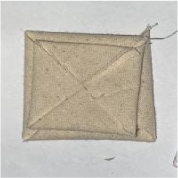 | 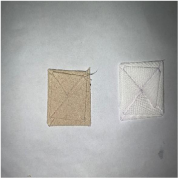 | Not ironed: creases are clear and moulding is stable. After ironing: ironing effect is obvious and creases are clear. | Low folding difficulty; moderate thickness of fabric after folding and ironing; shape is easy to fix; very suitable for direct folding when making small units. |
| Polyester fabric | 43s | 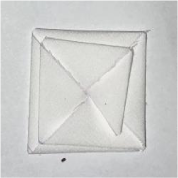 | 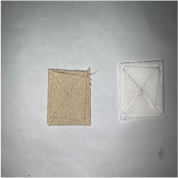 | Not ironed: creases are clear and moulding is stable. After ironing: ironing effect is obvious and creases are clear. | Low folding difficulty; moderate thickness of fabric after folding and ironing; shape is easy to fix; very suitable for direct folding when making small units. |
| PU coated fabric | 29s |  | 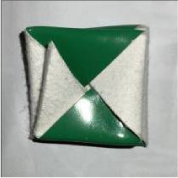 | Not ironed: creases are relatively clear and moulding is stable. After ironing: ironing effect is not obvious, and creases are relatively clear. | Low folding difficulty; the fabric is still thick after folding and ironing, and it is not easy to fix; more suitable for direct folding when making small units. |
| Organza | 79s |  | 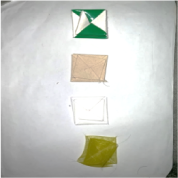 | Not ironed: creases are not clear and moulding is unstable. After ironing: ironing effect is not obvious, and creases are not clear. | High folding difficulty; after folding and ironing, the fabric is too thin and the shape is not easy to fix; not suitable for direct folding when making small units. |
Table 6
Repeated combination form
| Parallel structure | Overlay structure | |||
|---|---|---|---|---|
| Combination mode | 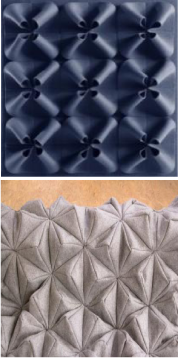 Single direct moulding | Backing sewing |  Sewing moulding | 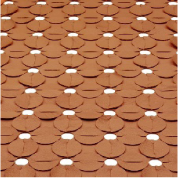 Splicing moulding |

Fig. 7
Visual effect of stripes in different folding techniques
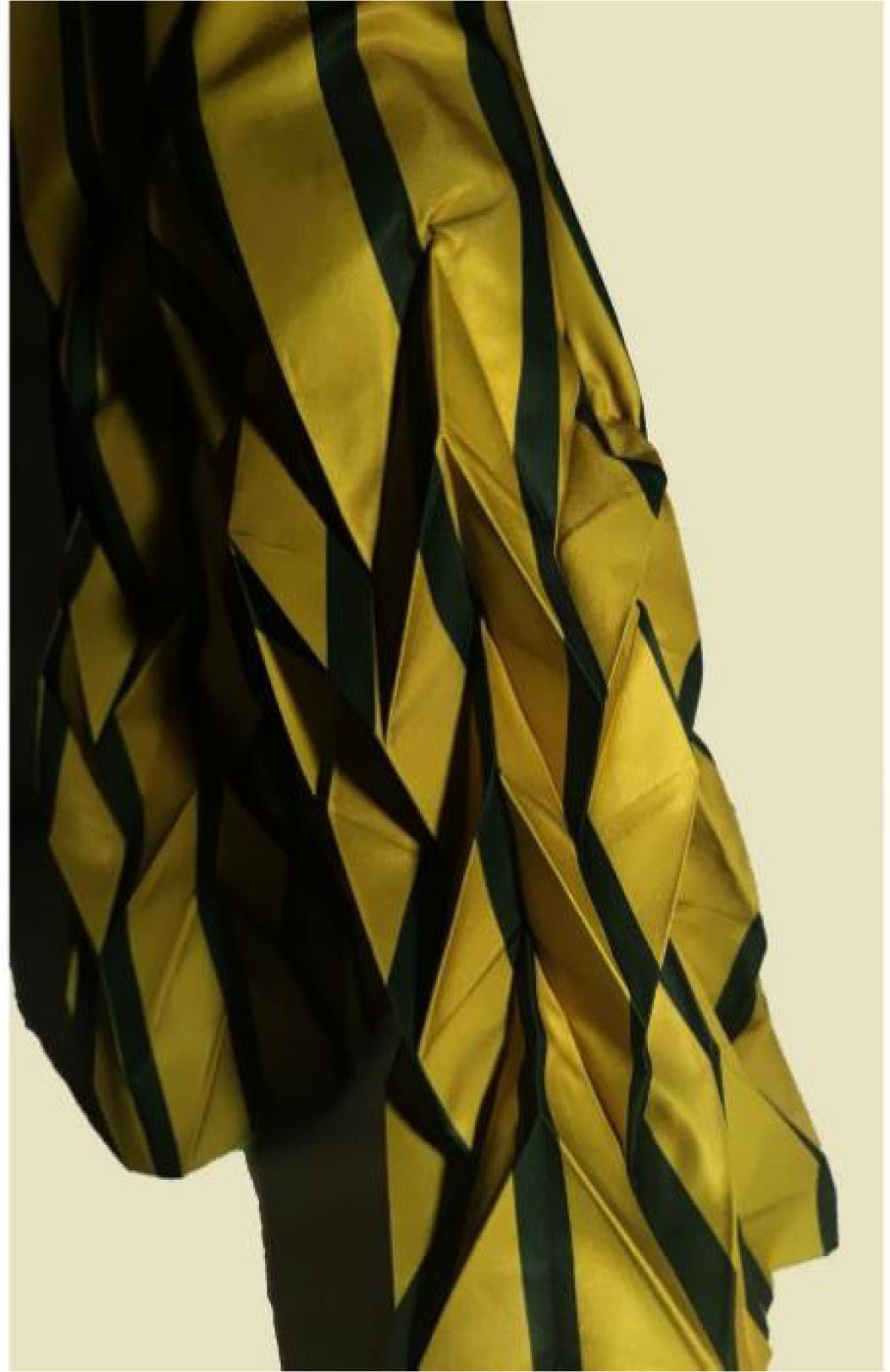
Fig. 8
Creative application of pattern deformation and folding method in trousers (made by the author)
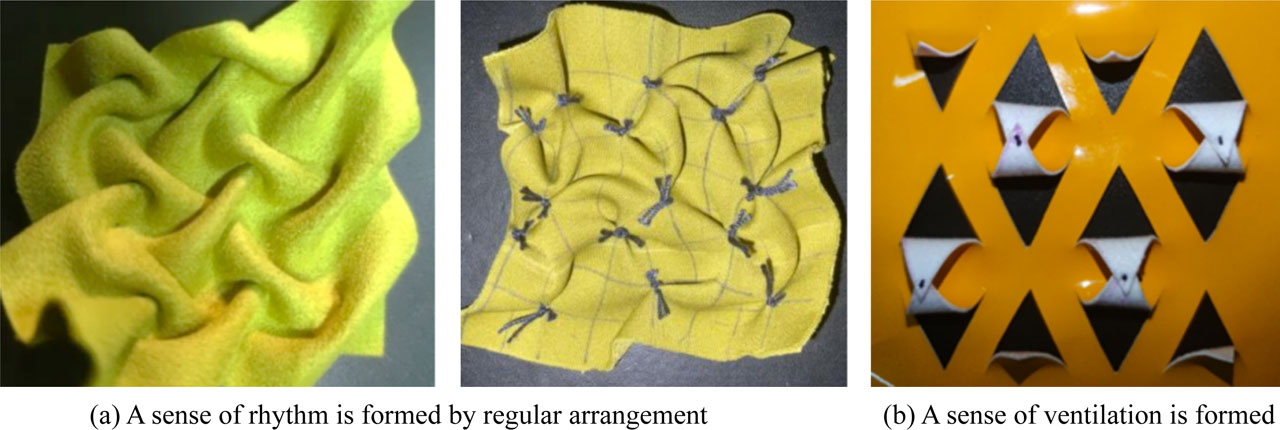
Fig. 9
Comparison of different application effects of fabric stitching (handmade by author)

Fig. 10
Overall and local creative application in different fabrics (handmade by author)
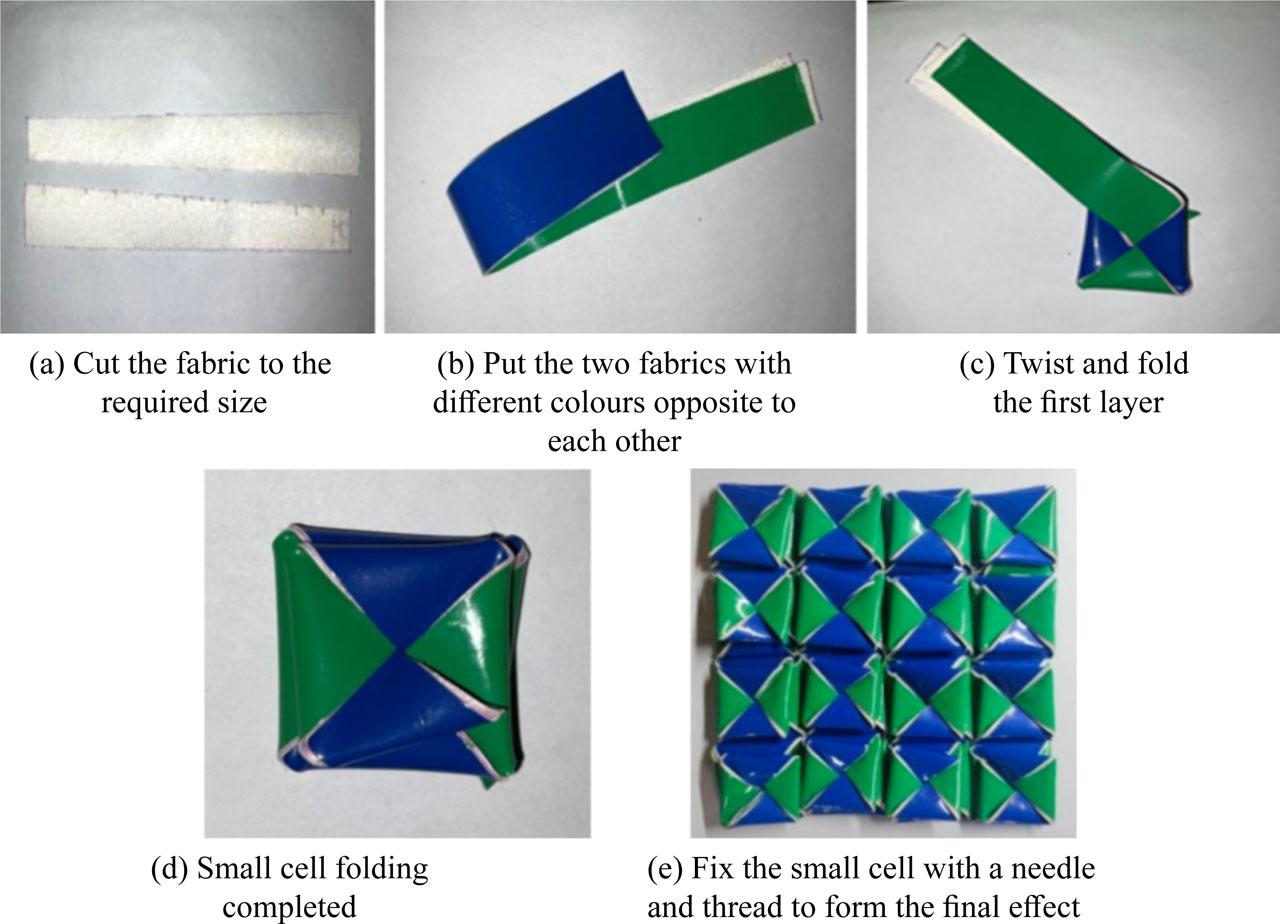
Fig. 11
Process of making a two-colour combination sample (handmade by author)
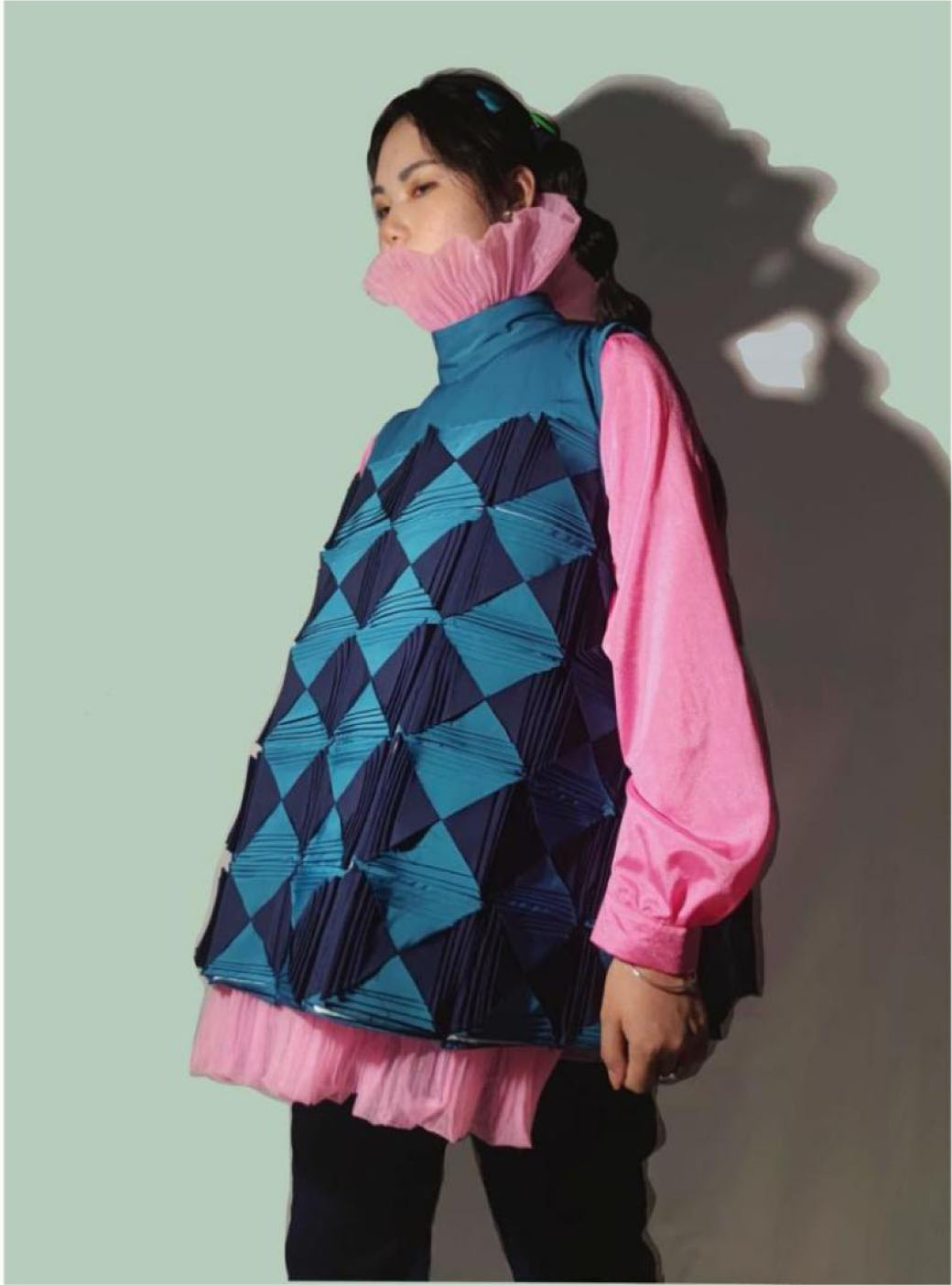
Fig. 12
Creative application of modular combination folding method in simple silhouette