
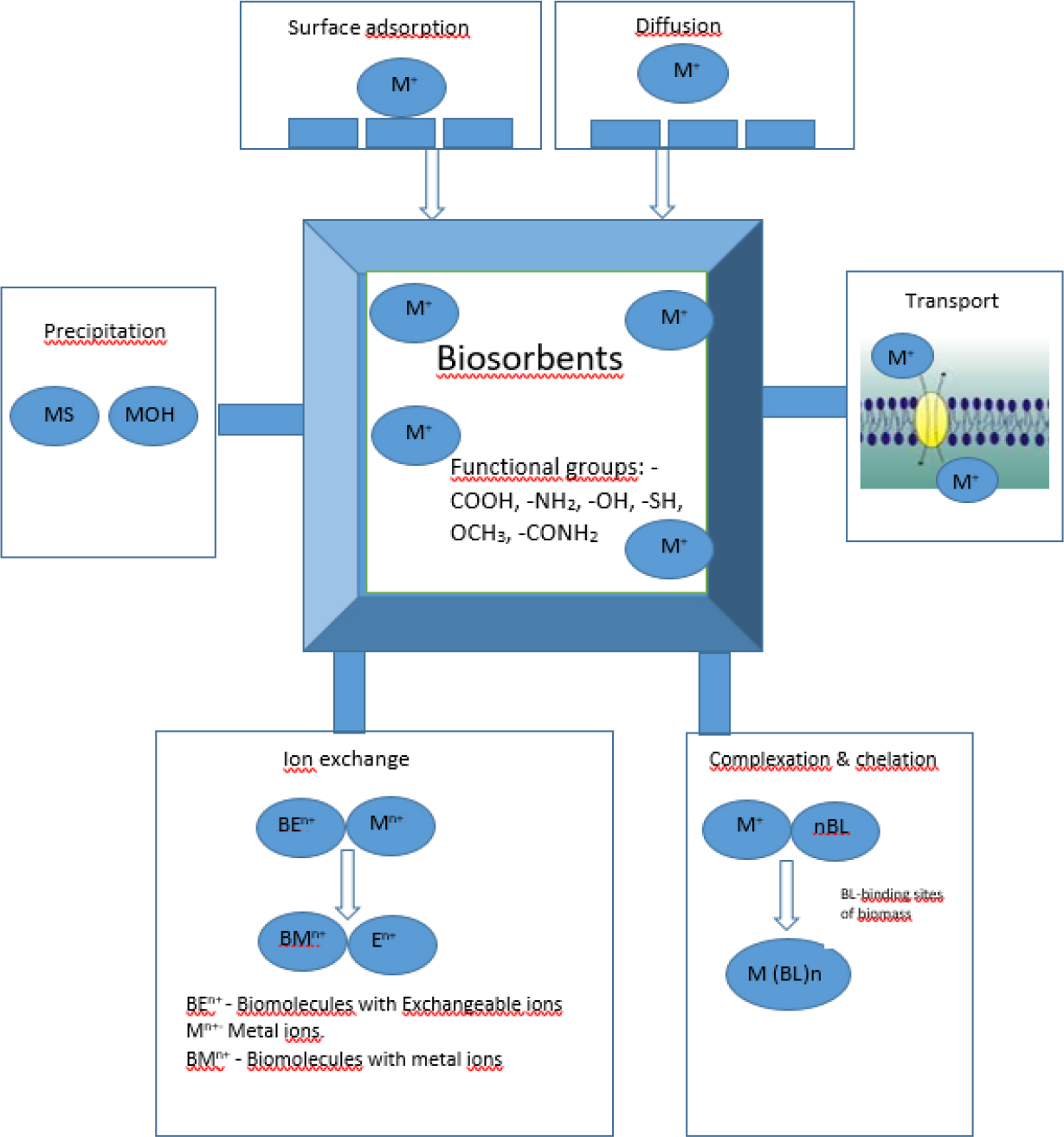
Fig. 1
Plausible mechanism of biosorption based on [17]
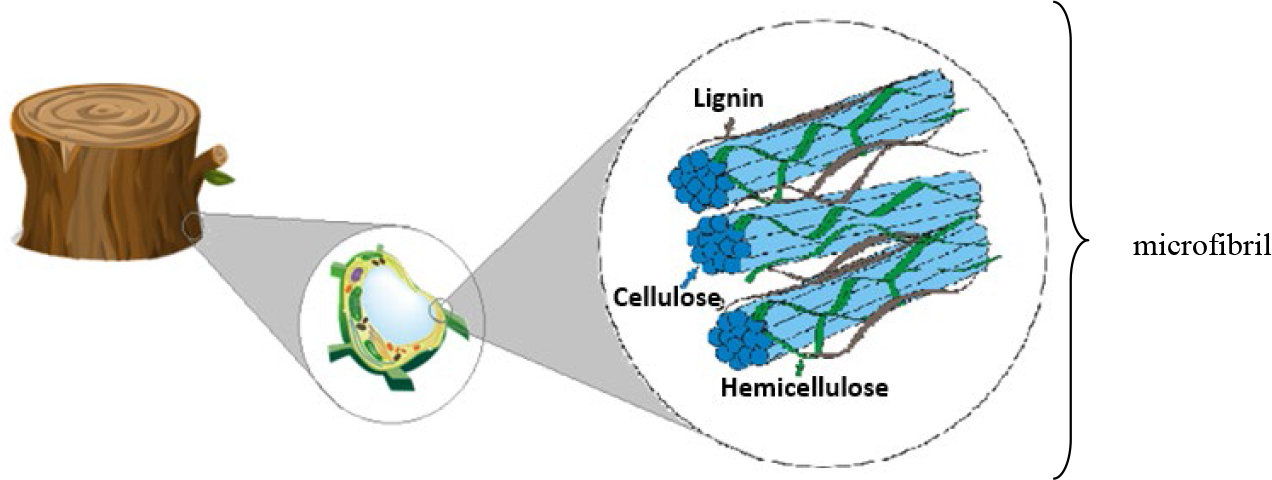
Fig. 2
Schematic structure of lignocellulosic biomass
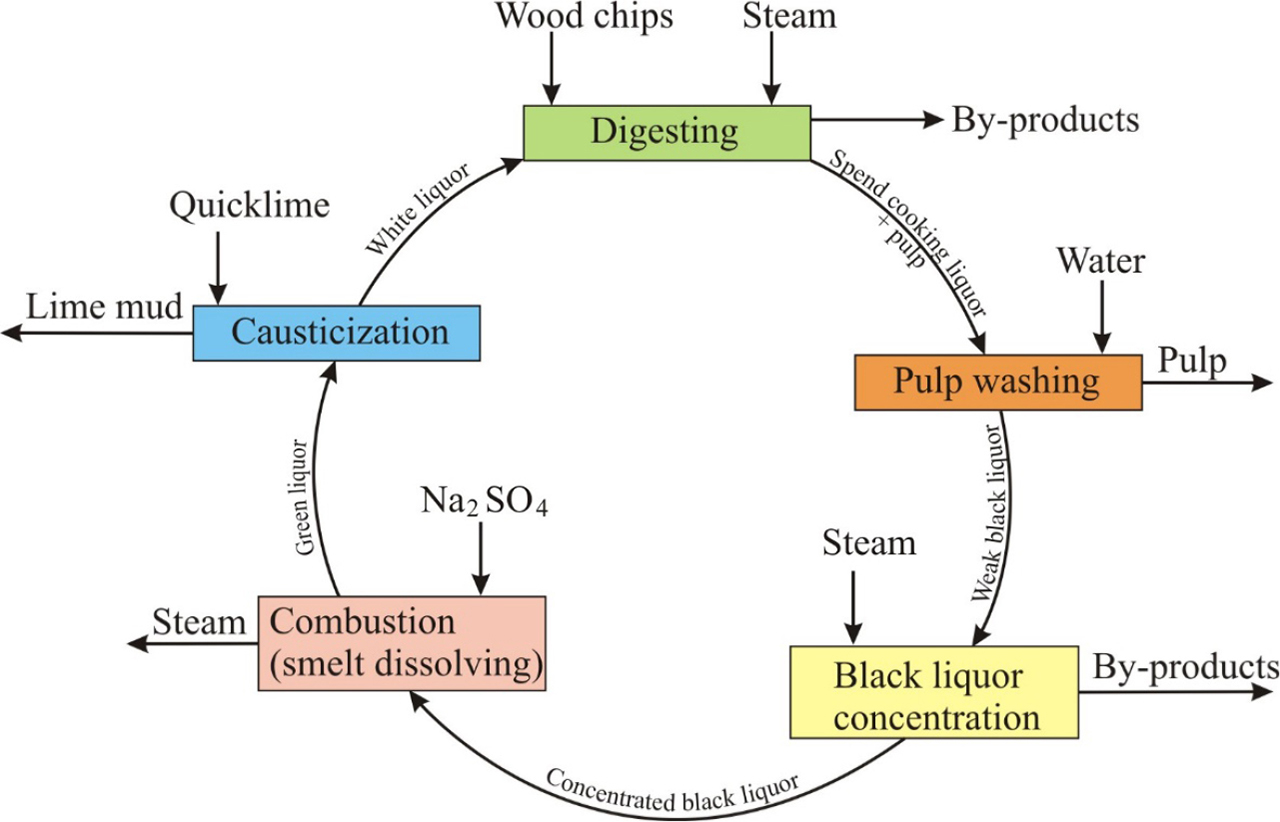
Fig. 3
Scheme of black liquor formation, based on [87]
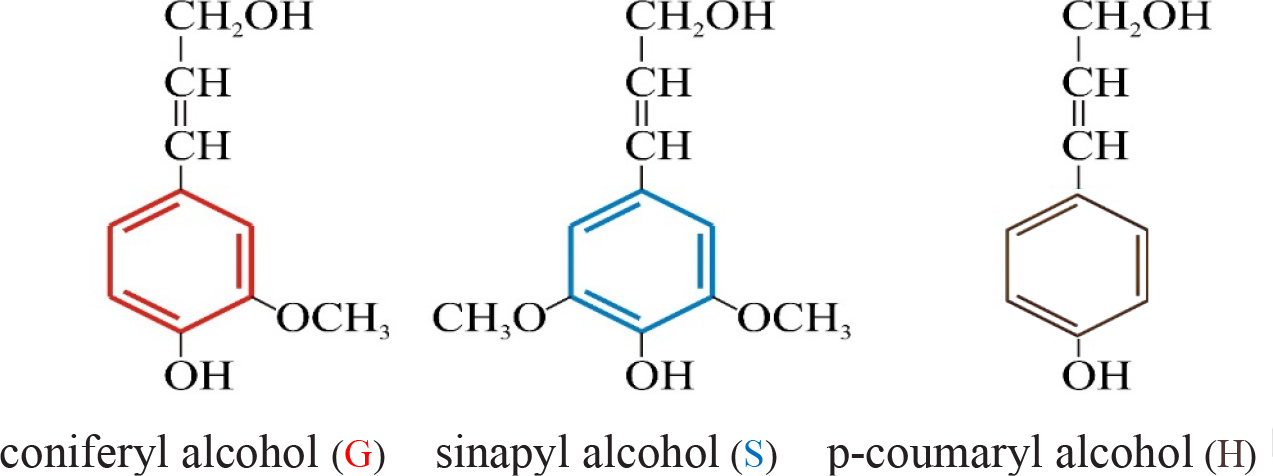
Fig. 4
Lignin precursors, often referred to as phenylpropanoid units
 Hardwood
 Softwood
 Grass
Grass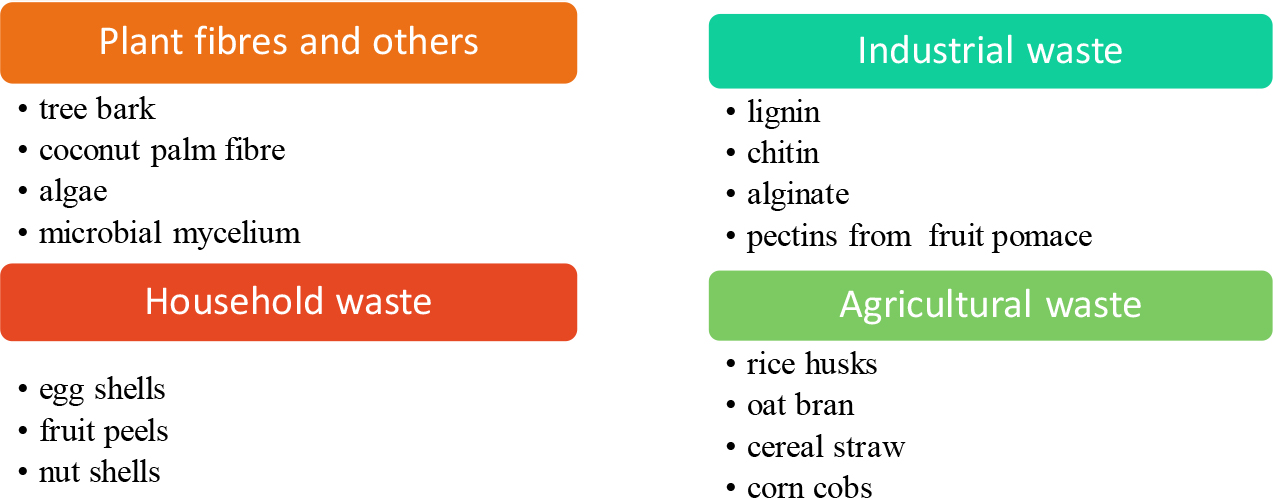
Fig. 5
Adsorbents of natural origin
Table 2
Summary of work done by different researchers using different waste materials to remove heavy metal ions
| Biosorbents | Metal ion | Results | Reference | |
|---|---|---|---|---|
| Chitosan | chitosan / hydroxyapatite / nanomagnetic composite | Zn | 50% | [37] |
| Cu | 80% | |||
| permutite with chitosan | Zn | 58,8 | [38] | |
| Cu | 50,2 | |||
| chitosan micro and nanoparticles | Zn | >90% | [39] | |
| Rice bran | Zn | 95,22 | [27] | |
| Cd | >80% | [29] | ||
| Cr(VI) | 40–50% | |||
| Zn(II) | 87% | |||
| Cr(VI), Ni(II) | 40–50% | [17] | ||
| Alginate | Cu | >90% | [48], [44] | |
| Cd | ||||
| Pb, Zn | [54] | |||
| Coconut fibers | Zn | 91% | [54] | |
| Cu | 97% | |||
| Cr(VI) | >80% | [17] | ||
| Agricultural waste biomass | corn cobs | Zn | 72% | [71] |
| Ni | 82% | |||
| waste from tea leaves | Zn | 90% | [72] | |
| Ni(II) | 86% | [17] | ||
| mango wood sawdust | Cu(II) | 60% | ||
| Lignin | Cu, Cd | 90–95% | [119] | |
| Pb | >90% | [114] | ||
| Cr(VI) | 85% | [115] | ||
| Lignin-chitin composite | Fe(III) | 84% | [116],[117] | |
| Cu(II) | 22% | |||