
Figure 1.
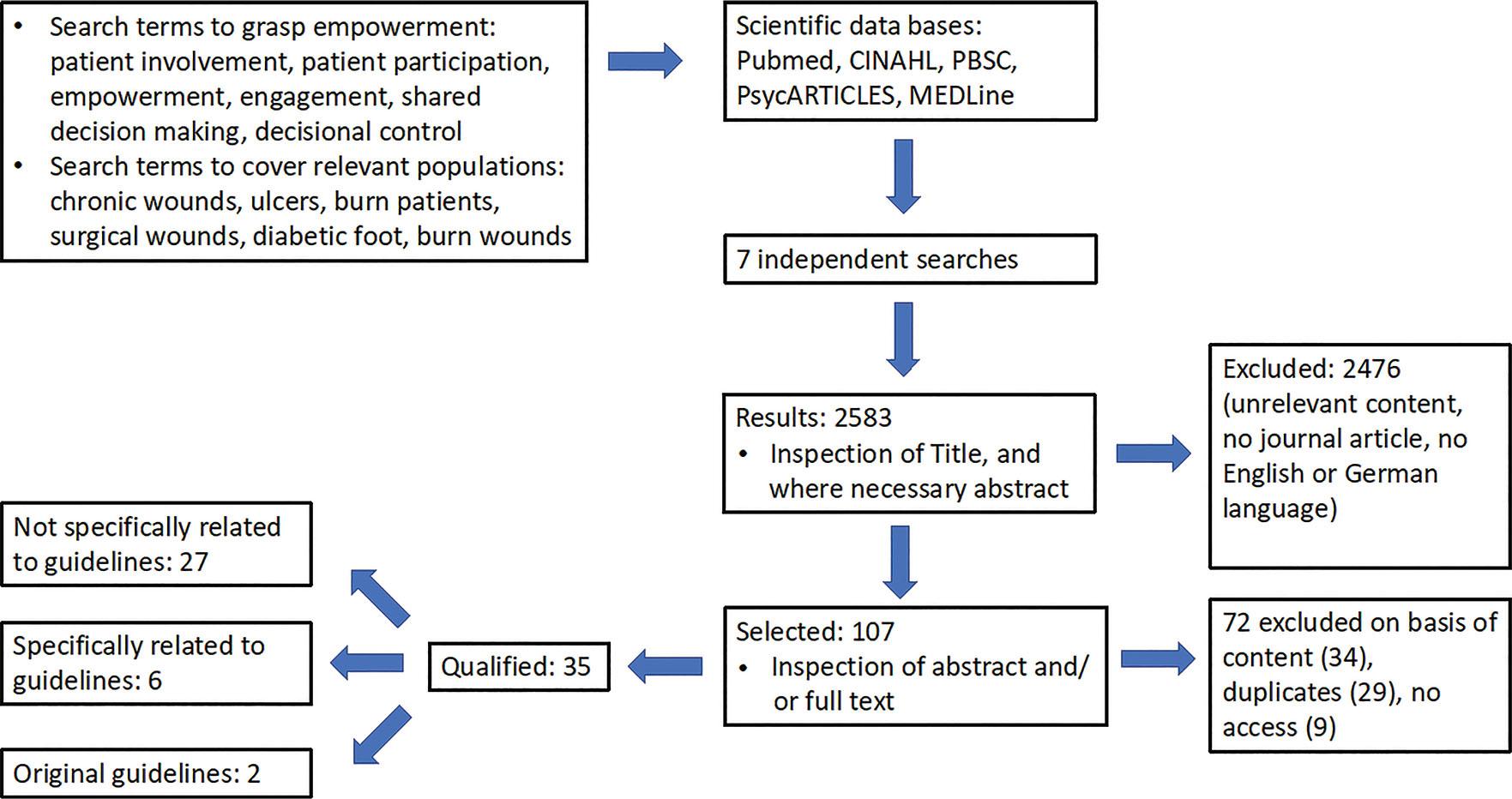
Figure 2.
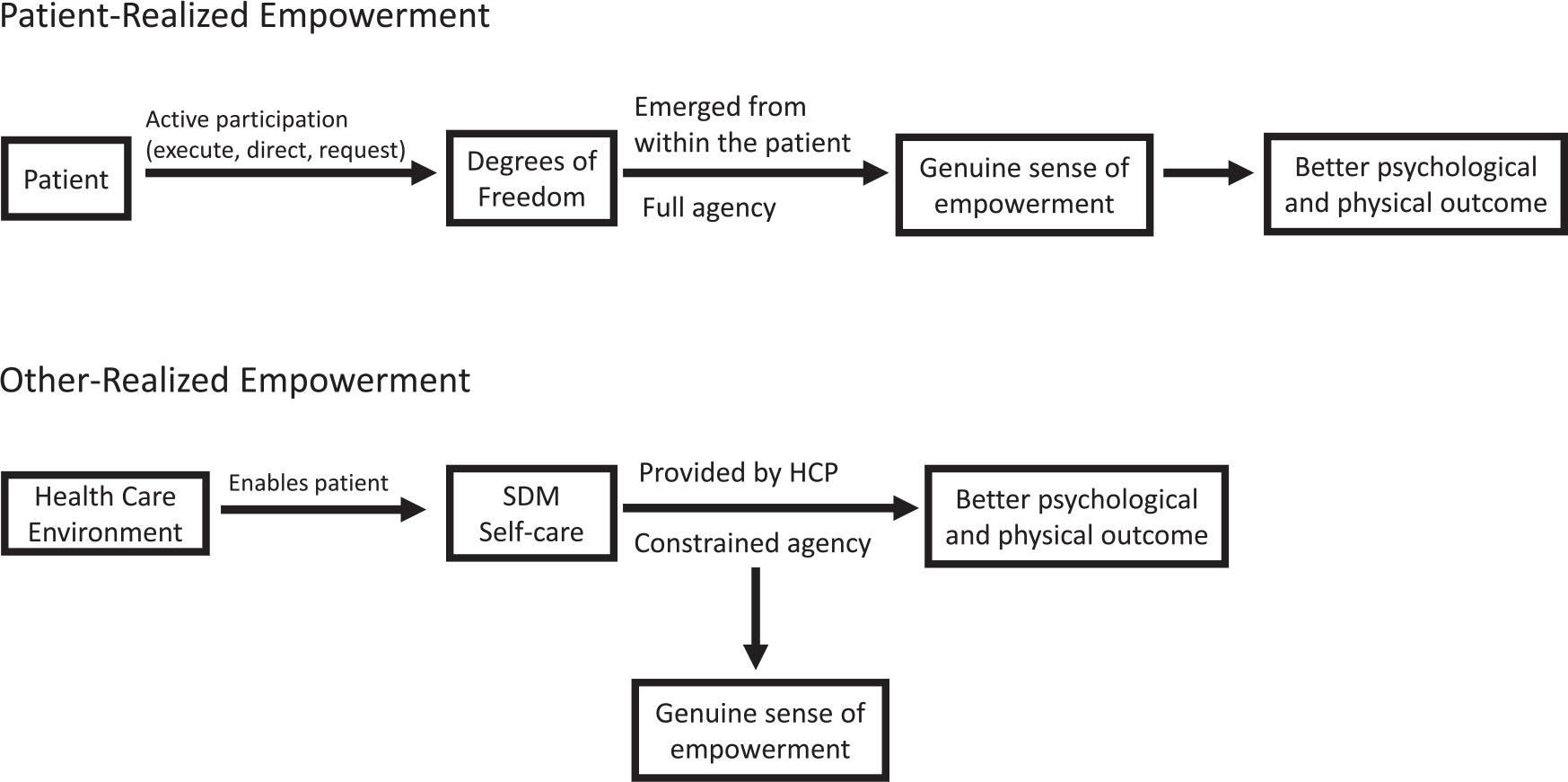
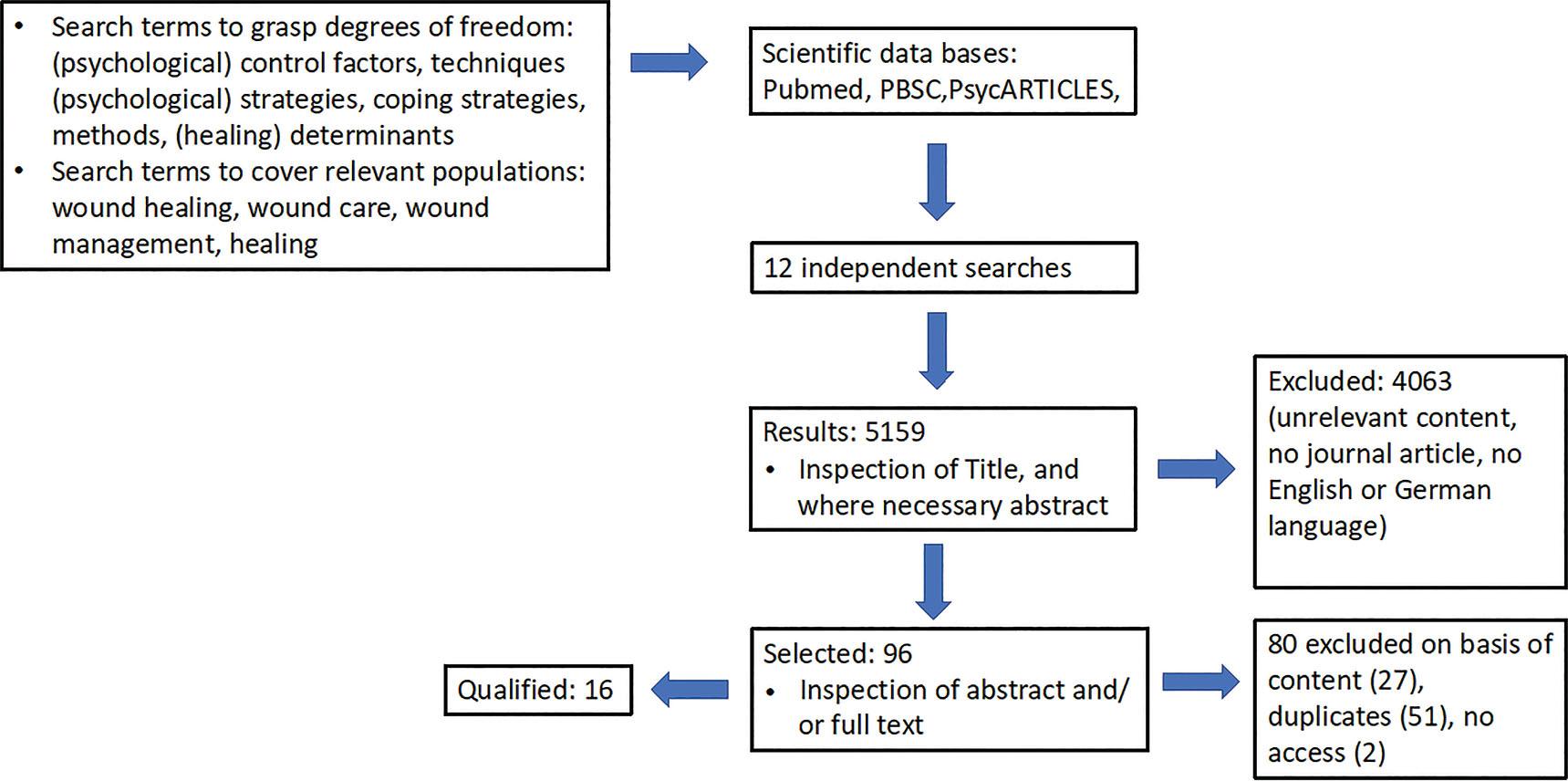
Figure 3.
Primary control strategies during wound care_
| Item | Strategies |
|---|---|
| Wound cleansing | Washing of wounds |
| Choose type of washcloth and water temperature | |
| Decision over who does the washing | |
| Choose start time for bathing and bath toys (when patients are children) | |
| Remove splints | |
| Debridement (not recommended anymore according to medical standards) | |
| Pace | Time-out/patients pace procedures |
| Tell nurses how fast to go | |
| Dressing change | Dressing change |
| Remove dressing | |
| Reapply dressing | |
| Choose dressing together with health professional | |
| Hold bandages | |
| Collecting dressing materials (when patients are children) | |
| Patient decides body positioning | |
| Pain medications | Patient-controlled analgesia |
| Choose type of pain medications | |
| Other | Conversation: ask questions, tell nurse which are most sensitive areas |
| Decision which family members are present at dressing change | |
| Self-massage | |
| Singing | |
| Decide which limb or area to start with (in case of several wounds) | |
| Risk assessment (e.g., signs of infection and when to seek professional help) |
Categories of patient empowerment and its frequency of occurrence in the literature_
| Category | Number of occurrences | Example |
|---|---|---|
| DOF | 17 | “Encourage individuals to request a ‘time out’ during any procedure that causes pain…”22 |
| Shared decision making/educated patient | 38 | “Every patient has the right to receive relevant information, support and encouragement from the nurse which will permit him/her to make informed choices”23 |
| Adherence to self-care behaviors | 44 | “This study developed and piloted a patient-centered pressure ulcer prevention care bundle for adult hospitalized patients to promote patient participation in prevention. The care bundle had 3 core messages: (1) keep moving, (2) care for your skin, and (3) ensure a good diet”24 |
| Control/responsibility | 8 | “Empowerment is a collaborative approach□the patient’s potential to adapt to the disease, to change its course, and to extend individual responsibility for dealing with the disease is considered and emphasized”25 |
| Abstract descriptions of patient empowerment | 7 | “The clinician should endeavor to involve and empower patients to optimize pain management.”26 |
Secondary control strategies (during dressing change)_
| Item | Strategies |
|---|---|
| Distraction | Reading; TV; conversation; virtual reality; interactive stories on a video game device; headphones |
| Comfort | Holding something (side rail); extra blankets; repositioning; warm blanket; presence of a benign and caring adult; ask (verbally or non-verbally) for comfort |
| Communicative acts | Social support (e.g., sharing and discussing emotions and experiences with other patients); hold hands; influence a patient’s perceived pain and stress through effective communication; parental visiting |
| Relaxation/stress reducing strategies | Breathing exercises (e.g., deep breathing); music; (visual) imagery (e.g., imagine to be on a beach); pictures; massage; progressive muscle relaxation; touch; aromatherapy; multi-modal stress management; biofeedback |
| Cognitive techniques/coping mechanisms | Appraisal/cognitive reframing/reinterpretation of the context; positive evocation to focus on recreating a pleasant memory and to create a positive emotional state, imaginative transformation of sensation or imaginative lack of attention (delivered by psychologist); focus on positive aspects of wound management (e.g., improved health, removed pain); cognitive attribution: benign meaning to pain (gaining information about reasons for pain, avoid catastrophizing); minimization;coping skills intervention; use euphemisms for painful stimuli; mental focus on physical sensations |
| Environment | Calm environment (e.g., no mobile phones); minimize sensory input (e.g., from open windows) |
| Predictability | Education about dressing change procedure and pain relief strategies; health professionals state what they are doing while treating the patient |
Primary control strategies_
| Item | Strategies |
|---|---|
| Autonomy/predictability | Take off bandages for a short time to reduce itching |
| Reduce dependence on caregivers | |
| Input into daily schedules and routines | |
| Schedule dressing change according to patients wishes/when patient feels best | |
| Planning: seeing a nurse to check the wound should fit working hours of patient | |
| Possibility to refuse treatment | |
| Environment | Change personal environment (e.g., mobile bathtub for better hygiene) |
| Create familiar environment (e.g., in hospital) | |
| Pain medication | Initiative in using or not-using pain medication |
| Ask for pain medications | |
| Patient-controlled analgesia | |
| Communicative acts | Speak up for oneself |
| Remind nurse when she/he forgot something | |
| Interaction with other patients or health professionals: Music and dancing with health professionals | |
| Talk and share their thoughts; communicate concerns, feelings, etc. | |
| Ask questions | |
| Direct requests (e.g., ask for pain medications) | |
| Empathetic conversations between patients and health professionals | |
| Inform patients about wound dressings and treatments to empower them to participate in their care | |
Negotiating care between patient and nurse
| |
| Express feelings and thoughts | |
| Dictate how to treat the wound (patients can become assertive when they have the impression the care is not executed to professional standards) | |
| Social support | |
| Social closeness (with a person having a similar wounding-experience) | |
| “Laugh and a joke” (p. 558)62 between patient and nurse | |
| Emotional disclosure | Expressive writing about a traumatic event |
Categories of DOF and their frequency of occurrence in the literature_
| Degree of freedom | Number of occurrences | Example |
|---|---|---|
| Primary control during wound care | 21 | Time-out: Patient can pace procedure22 |
| Secondary control during wound care | 14 | Relaxation57 |
| General techniques (not restricted to wound care) | 25 | Talk and share thoughts57 |
| Abstract descriptions of freedoms | 10 | Autonomy support to increase power and responsibility59 |
| Beliefs (about empowering behaviors) | 5 | Self-efficacy beliefs about to apply bandages60 |