

Table 1.
Types of Criticisms of Authentic Leadership (Source: Own elaboration)
| Type of criticism | Author(s) |
|---|---|
| Lack of collectivism due to leader centricity, which focuses on the self and who the leader is | Algera and Lips-Wiersma (2012); Avolio, et al. (2004) |
| Adaptability is misconstrued as a deviation and lack of self-consistency between values, beliefs, and actions | Alvesson and Einola (2019) |
| Authentic followership is not examined as an independent construct but rather an extension of authentic leadership | Crawford, et al. (2020) |
| Authentic leadership and transformational leadership are closely related, hence construct redundancy | Crawford, et al. (2020) |
| Confounding the authenticity of action with the authenticity of a person exhibiting the act | Helmuth, et al. (2023:2) |
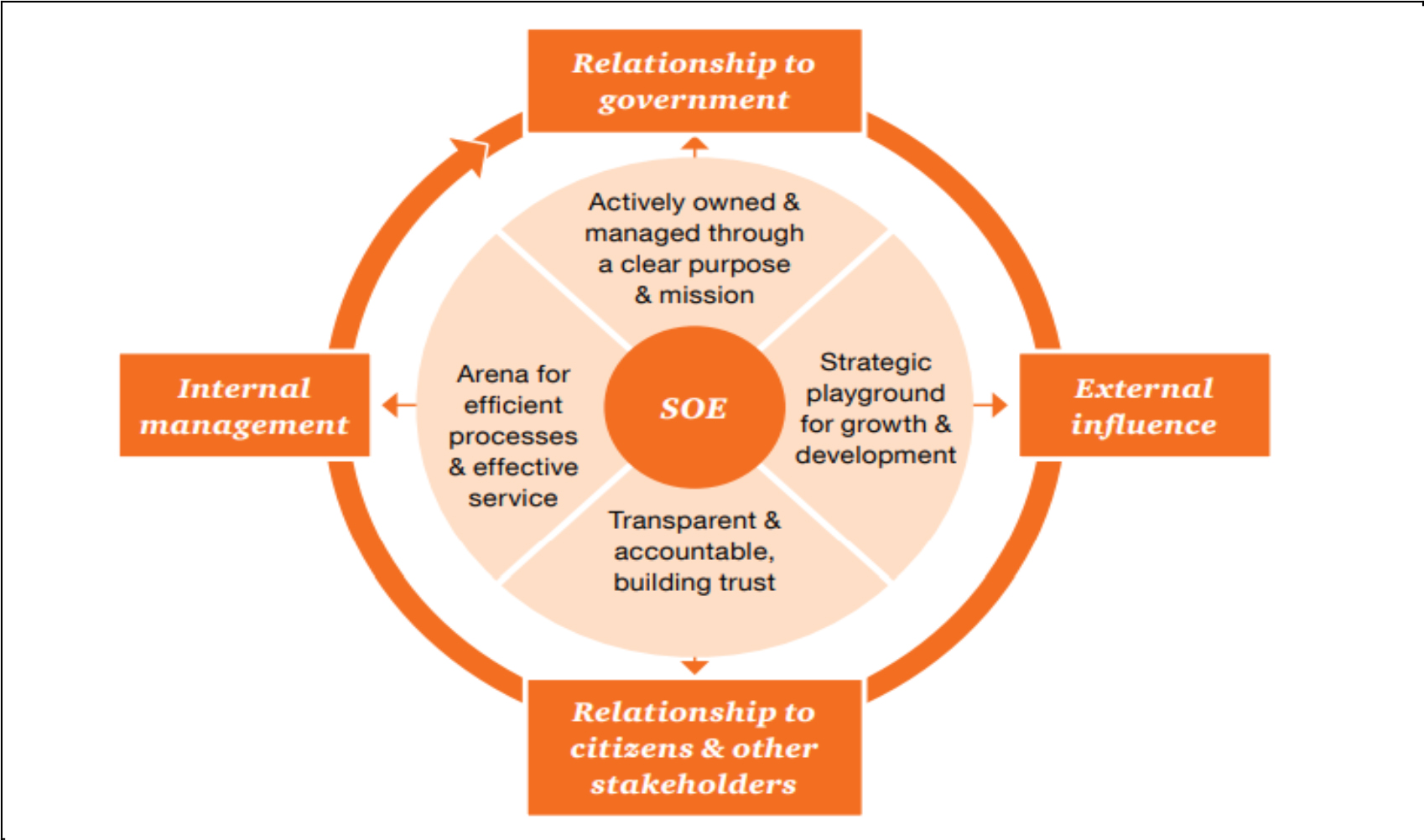
Figure 1.
SOE of the future and new capabilities
(Source: PWC, 2015, p.7)
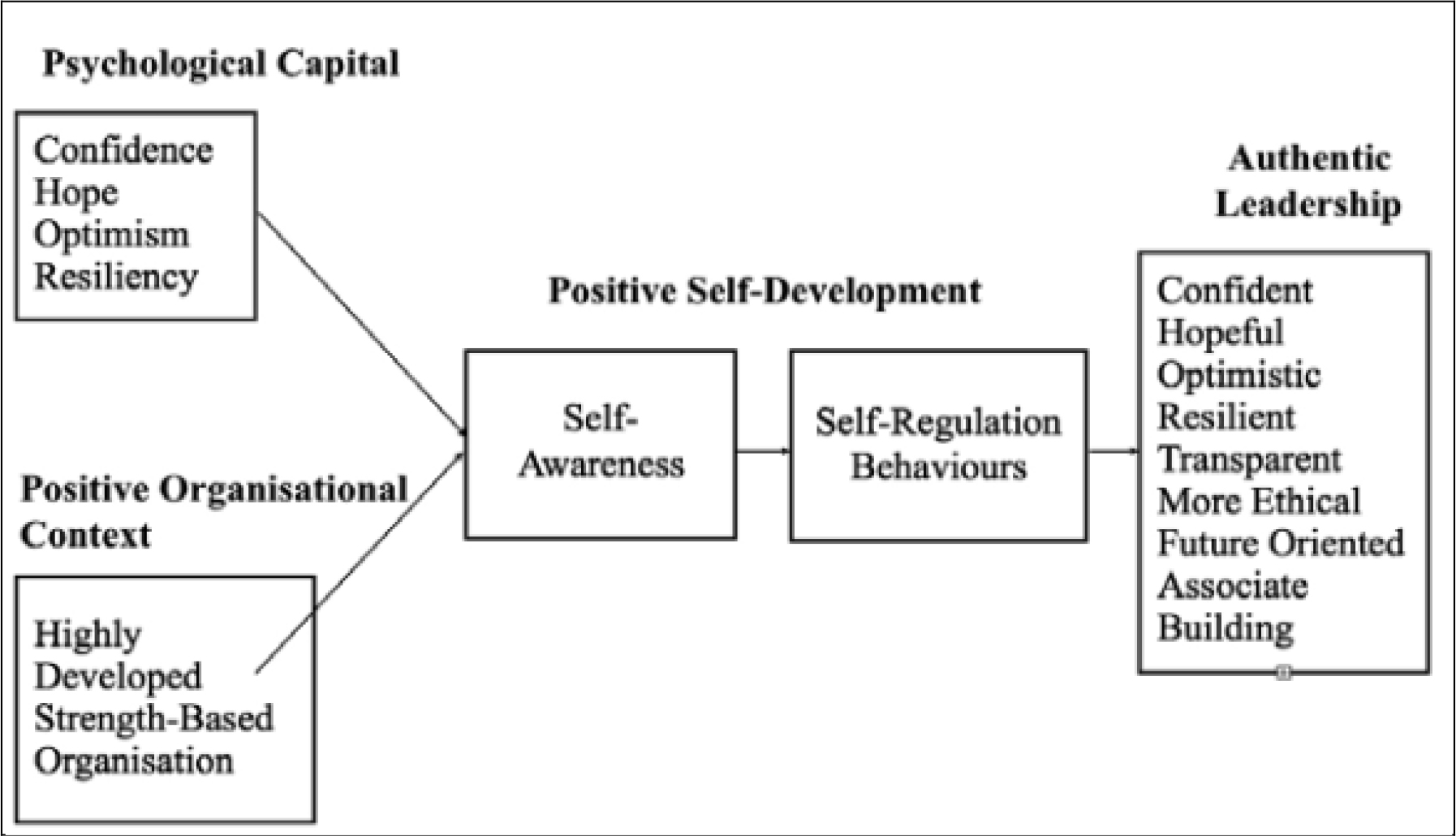
Figure 2.
The model of authentic leadership development
(Source: Luthans and Avolio, 2003, p.251)
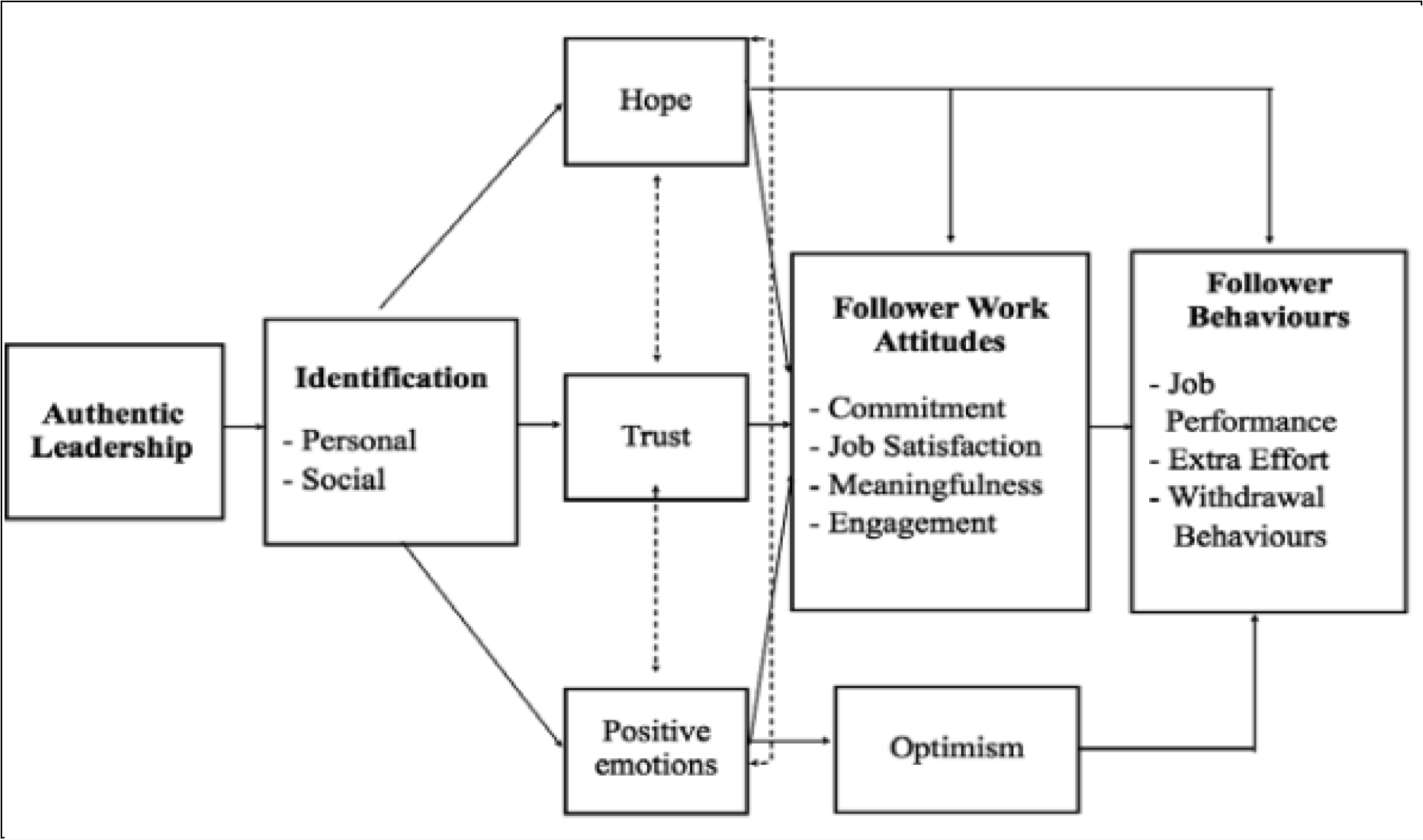
Figure 3.
A model linking authentic leadership to followers' attitudes and behaviors
(Source: Avolio, et al., 2004, p.803)
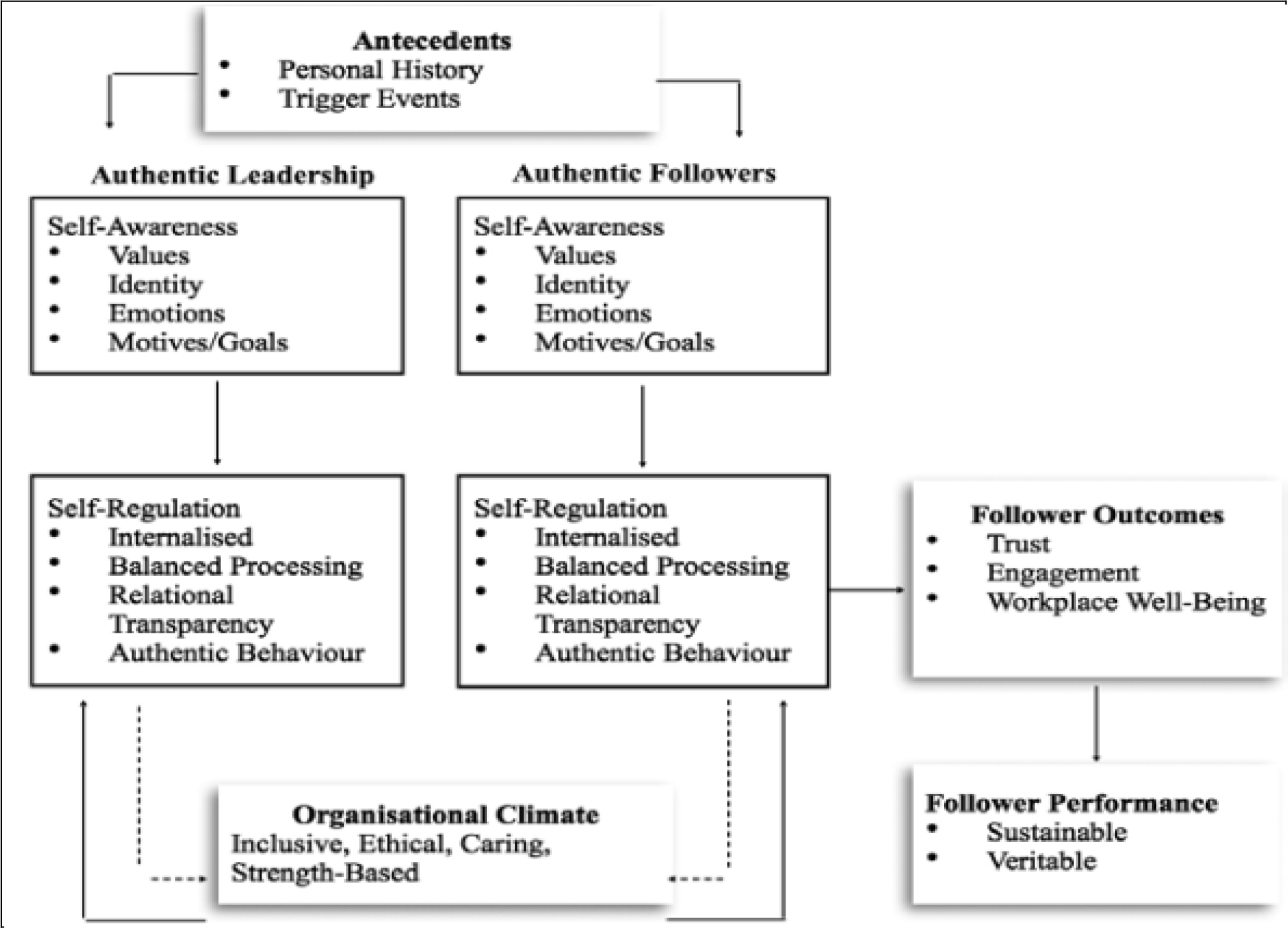
Figure 4.
The model linking authentic leadership to followers’ attitudes and behaviors
(Source: Gardner, et al., 2005, p.346)
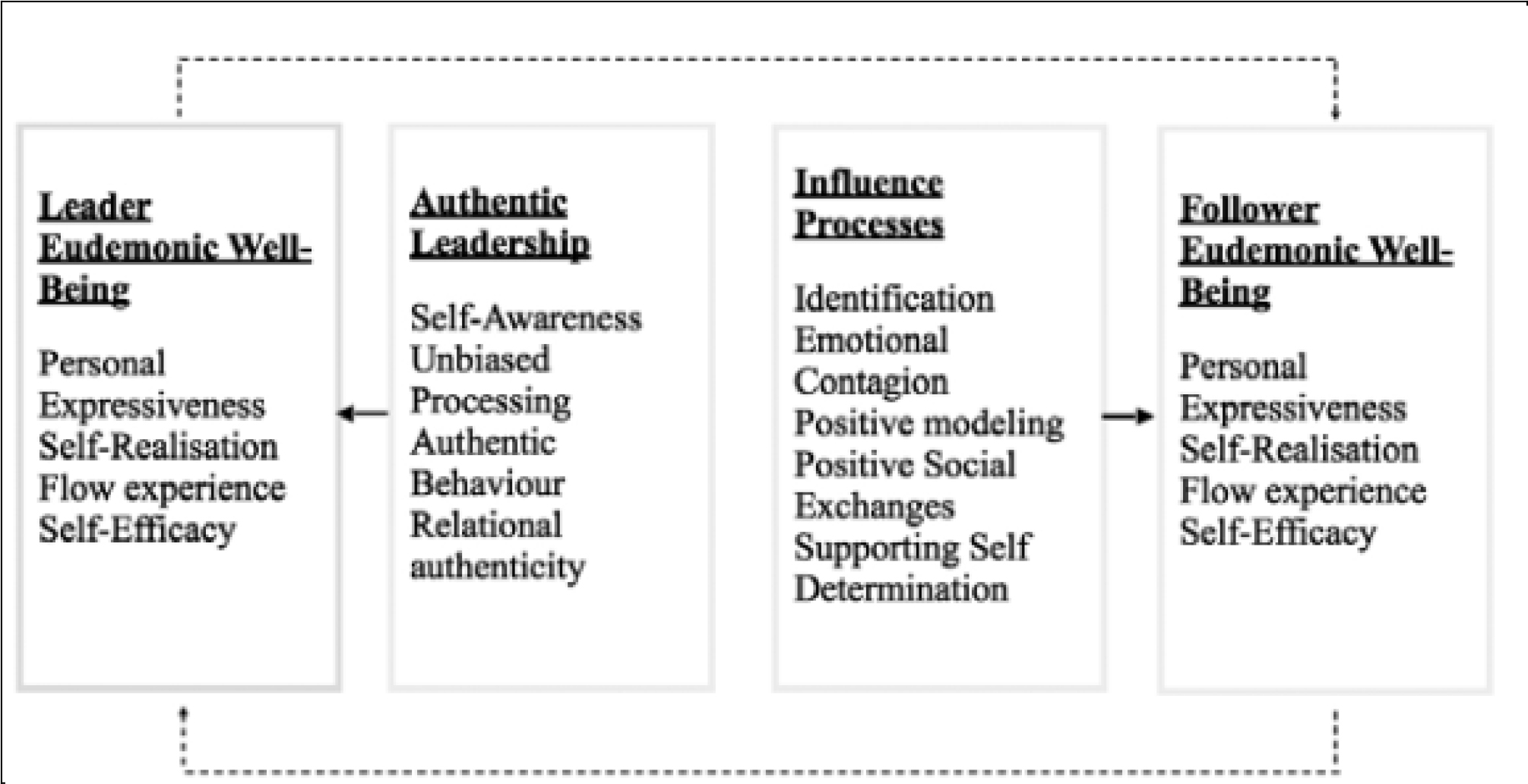
Figure 5.
Authentic leadership influences leaders' and followers' well-being
(Source: Ilies, et al., 2005, p.377)
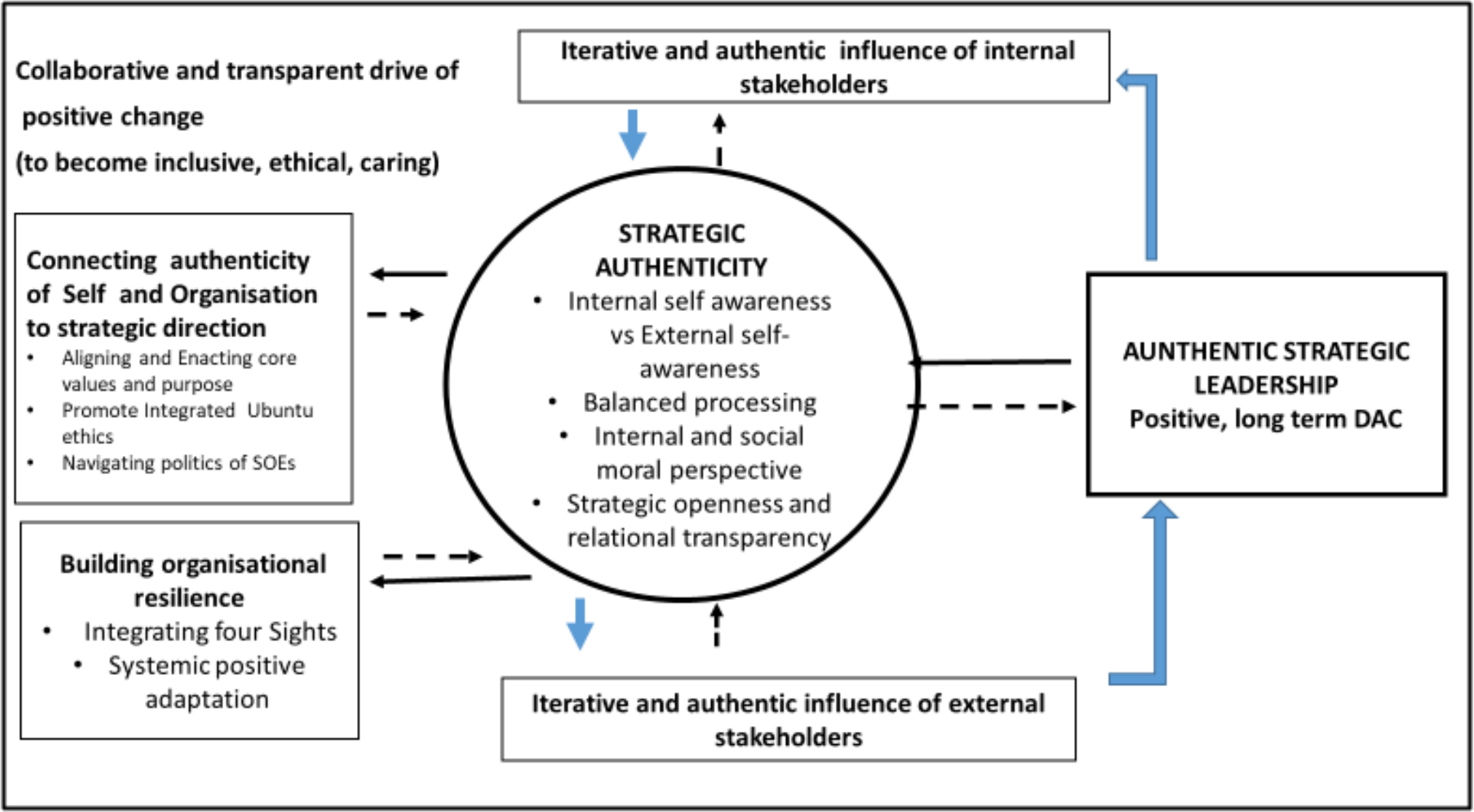
Figure 6.
Integrative framework of authentic strategic leadership of SOEs in Malawi
(Source: Own elaboration)