
INTRODUCTION
Sweet melon (Cucumis melo L.) belongs to the Cucurbitaceae family and is an annual vine plant of the cucumber. It is a popular horticultural crop widely distributed around the world (Gao et al., 2020; Yang et al., 2024). Melons prefer high temperatures, plenty of fertilisers and are sensitive to drought. They have a short growth cycle and wide adaptability, and they are easy to cultivate. They are widely cultivated throughout China. The melon fruit is rich in nutrients such as starch, sugar, vitamins, and minerals as well as a small amount of protein. In 2022, the planting area of cantaloupe had increased to 380800 ha, and the total yield increased to 13.865 million tons in China (Xie and Xia, 2024).
Seed germination is the most important stage in plant growth and development, which is related to the yield and quality of the cultivated crops (Zhou et al., 2019). After seed germination, seedling establishment is another critical developmental stage, as seedlings transition from the heterotrophic to the autotrophic state (Shu et al., 2016). Therefore, seed germination and seedling establishment are crucial for subsequent plant development. It is worth noting that both processes are driven by the energy stored in the seeds themselves (Eastmond et al., 2015). However, there are many factors that affect seed germination and seedling establishment, including environmental factors such as temperature, humidity, light and soil, as well as the physiological conditions of the seeds themselves. At present, in order to effectively improve the germination of crop seeds and the establishment of seedlings, the application of plant growth regulators in agricultural production can play a significantly important role (Zhou et al., 2019).
Plant growth regulators are artificially synthesised organic compounds that promote plant growth, enhance plant stress resistance and improve product quality. They are widely used in crop production and quality improvement. However, due to the residual problem of some plant growth regulators, the health and safety issues caused by them have attracted the attention of researchers (Zhang et al., 2021). Diethyl aminoethyl hexanoate (DA-6) has the molecular formula of C12H25NO2 and molecular weight of 215.33. It was first discovered in the 1990s by American scientists (Wang et al., 2024a, 2024b). It is a widely used cytokinin plant growth regulator (Zhang et al., 2008), which enhances crop stress and disease resistance, improves quality, is non-toxic, has no side effects, and is safe and efficient. It is an efficient plant growth regulator with broadspectrum effects, stable chemical properties, easy decomposition and no residue. Research has shown that DA-6 can increase the chlorophyll content in plants, enhance photosynthetic capacity, promote carbon and nitrogen metabolism, regulate water balance in crops, delay crop cell ageing, promote early maturity, and increase the yield and quality of crops (Wang et al., 2021). DA-6 is a high-energy plant growth regulator with broad-spectrum and breakthrough effects, and is a substitute product for plant growth regulators such as gibberellins, nitro compounds, naphthalene rings and adenine. It is not a plant hormone itself, but after absorption by plants, it can regulate the activity of various hormones in the plant body, effectively adjusting their proportion balance (López-Ruiz et al., 2020; Akhiyarova et al., 2024). It plays an important role in ensuring stable and high grain production, as well as efficient crop cultivation (Raza et al., 2022). At present, research has confirmed that DA-6 can enhance the photosynthetic capacity of soybeans at various growth stages, promote the synthesis of leaf carbon metabolites and related enzymes, increase dry matter accumulation and pod allocation rate during the grain filling stage and yield (Qi et al., 2019; Ding et al., 2020; Huang et al., 2020). In pot experiments, exogenous DA-6 can promote the activity of key enzymes involved in nitrogen metabolism in chrysanthemum leaves, and enhance their nitrogen metabolism capacity by increasing the total amino acid and soluble protein content in the plant (Wu et al., 2014). Under adverse conditions, plants produce a large amount of reactive oxygen species (ROS), which attack various structures within the cell, causing secondary damage and ultimately threatening the integrity and function of the cell. Previous studies have shown that DA-6 seed soaking treatment can enhance the antioxidant enzyme activity during the germination process of white clover (Trifolium repens) seeds under Cr6+ stress and reduce the content of ROS (Wang et al., 2021). DA-6 can also enhance the activity of peroxidase (POD) and nitrate reductase in plants (Huang et al., 2023). Related studies have also shown that DA-6 can reduce the damage of membrane lipid peroxidation during the germination process of white clover (T. repens) seeds (Cao et al., 2023), significantly improve the antioxidant enzyme activity of Lolium perenne leaves under lead or cadmium stress (Wu and He, 2013), promote plant nitrogen and carbon metabolism, increase leaf chlorophyll content and thus improve the photosynthetic rate (Wang et al., 2025). Previous studies have shown that DA-6 can significantly enhance leaf photosynthesis and promote dry matter accumulation in crops such as corn and soybean (Wang et al., 2024a, 2024b). DA-6 has a promoting effect on the number of stems, leaves and roots in the early stage of winter wheat, and on the length of top nodes and the number of grains in the middle stage (Wen et al., 2019). Feng (2010) found that soaking soybean seeds in DA-6 at concentrations of 25, 50 and 100 mg · L−1 can increase the root dry weight, stem dry weight and cotyledon dry weight of 'Kenong 4' and 'Hefeng 25' soybean varieties. Among them, DA-6 at a concentration of 50 mg · L−1 has the best regulatory effect. Research by Zhang et al. (2003) has shown that DA-6 can significantly increase the yield of peanut pods and kernels, manifested in an increase in dry matter per plant, a significant increase in the number of full pods, full pod weight and kernel weight, and a significant decrease in the number of unripe pods; DA-6 has a promoting effect on the oil content in seeds, while showing a decreasing trend in the content of free amino acids and proteins. At the same time, DA-6 improved the root vitality and absorption and synthesis capacity of peanuts, enhancing their nodulation and nitrogen fixation ability (Fan et al., 2018). It can be seen that previous researchers have conducted extensive research on the morphological and physiological aspects of crops using DA-6. However, there have been no relevant reports on the morphological and leaf physiological characteristics of melon seedlings using DA-6.
Previous studies have confirmed that DA-6, as an effective plant growth regulator, has the function of significantly improving seed germination rate, seed vitality and stress resistance. However, there is limited research on whether it helps to enhance the growth of sweet melons, especially regarding the morphological and leaf physiological characteristics of melon seedlings using DA-6, which has rarely been explored. Therefore, this study used the seeds of the sweet melon variety ‘Emerald’ as test material to examine whether soaking seeds in DA-6 can effectively improve the growth of melons. The mechanism by which DA-6 improves the germination period of melon seeds was revealed from growth physiological levels such as germination rate, seedling growth, oxidative damage and antioxidant defence, in order to provide new directions for the cultivation and management of melons in areas. In view of this, this study takes sweet melon as the experimental object and explores the soaking effect of plant growth regulator DA-6 through pot experiments. In order to screen for the effect of suitable DA-6 concentration soaking on the germination and growth of melon seeds, four DA-6 concentration gradients from low to high were involved in the experiment.
The experiment set up DA-6 solutions with four concentration gradients of 20, 60, 180 and 360 mg · L−1 for seed soaking pretreatment, and used water treatment as the blank control (T0) to analyse the effects of different treatment concentrations on the morphological development and leaf physiological characteristics of sweet melon seedlings. By quantitatively analysing the morphological and physiological indicators of seedlings, the dose-response of DA-6 on the growth and development of melon seedlings was elucidated.
MATERIALS AND METHODS
Plant materials and treatment
This study was completed in the spring of 2025 (February–May) at the Biological Experiment Center of Huaibei Normal University. The experimental material selection was the melon variety developed by Anhui Province Watermelon and Melon Biological Breeding Research Center, and all samples were cultivated using a unified cultivation standard; the sweet melon variety used was 'Emerald'. All the sweet melon seeds were stored in a closed box at room temperature, at humidity <5%. Silicon dioxide was added to the box to maintain the dry conditions.
DA-6, with a purity of 98%, was purchased from Shanghai Yuanye Biotechnology Co., Ltd. The diameter of the disposable culture dish used was 9 cm. The substrate used for cultivating melon seedlings in the experiment consisted of peat soil, perlite and vermiculite, mixed in a ratio of 6:3:1. The seedling tray used for cultivating seedlings had a specification of 16 holes, with a diameter and height of 9 cm. Among the chemical reagents required for the experiment, DA-6 and its supporting analytical reagents were uniformly supplied by the Analysis and Testing Center of the School of Life Sciences at our university.
Ten seeds were selected with full grains, uniform colour and consistent size; they were placed in a culture dish with a double-layer filter paper, and treated with distilled water and different concentrations of aminoethyl ester. Each dish contained 10 seeds, with 3 replicates. Then they were cultivated in an artificial climate room at 25°C under conditions of 50% humidity, 1000 lx light intensity, 14 hr of light and 10 hr of darkness. The germination rate and growth status were measured based on the top of the embryonic root breaking the seed coat, and the experiment was repeated thrice.
The melon seeds were soaked in 75% alcohol for 3 min for surface disinfection. After pouring out the alcohol, the seeds were rinsed multiple times with deionised water to remove the alcohol, and then dry them. Then the seeds were soaked separately with different concentrations of DA-6. The concentration of DA-6 solution was set to 0 mg/L (T0, CK), 20 mg · L−1 (T1), 60 mg · L−1 (T2), 180 mg · L−1 (T3) and 360 (T4) mg · L−1, with five treatment groups (each containing three biological replicates), and used melon seeds with uniform grain plumpness for seed soaking treatment. Ten seeds were added to each dish and 10 mL of gradient concentration treatment solution was added to 15 culture dishes. All culture dishes were placed in a constant temperature incubator for 24-hr dark cultivation, during which the treatment solution was manually shaken every 8 hr to ensure uniformity of seed soaking. After soaking the seeds, they were dried in the shade. The seeds dried under room temperature of 25°C were subjected to germination experiments in a culture dish. An amount of 10 mL of deionised water was added. The culture dish was then placed in the culture room for cultivation, and the germination rate of the seeds was measured at regular intervals every day during the cultivation period.
After 7 days, the sowing date was 7 March, with a depth of 2 cm. Each pot had 12 seeds, and after planting, 1/2 Hoagland’s solution was poured (Seema et al., 2023). Watering was done every 3 days thereafter. The measurement of various indicators began on 23 March, then the sprouted melon seeds were transferred to the soil and grown in a greenhouse at 25°C.
After 23 days, the melon grew three leaves and one in the centre, and the plant height was 12 cm. Morphological indicators such as plant column height, stem thickness, and leaf length and width were measured, and random leaf samples were taken to measure physiological indicators such as chlorophyll, malondialdehyde (MDA) and POD. The chlorophyll content was measured by HM-YA chlorophyll analyser: the measuring head of the chlorophyll metre was clamped onto the leaves of the plant, ensuring that the head was in close contact with the leaves. The chlorophyll metre was started and after 10 s the chlorophyll content enclosed in the measuring head was measured. At the same time, the light emitted by the light emitting diode (LED) light source was reflected by the blades, and the receiver received the signal and recorded it.
To ensure the accuracy of the measurement results, the content of MDA was determined using the thiobarbituric acid method (TBA) (Liu, 2010). A brief summary of the steps is as follows: fresh plant leaves of 0.1 g were ground in 10 mL of trichloroacetic acid (TCA) 5% and centrifuged at 5000 × g for 12 min at 4°C. The supernatant was taken in 4 mL of TBA, incubated at 90°C for 25 min and then cooled down at 4°C. The supernatant was read at 532 nm and 600 nm. The MDA content was measured as μmol · g−1 formula weight (FW).
The activity of POD was determined using the guaiacol method (Fan et al., 2018). An amount of 1 g of fresh leaves were taken and cut into pieces. Pre-cooled phosphate buffer solution (pH 5.5–7.0) was added along with quartz sand, and ground into a homogenate in an ice bath. Centrifugation was done at 8000 rpm for 10 min at 4°C; the supernatant was taken as the enzyme extraction solution, stored at low temperature of 4°C for later use, mixed with 0.5% guaiacol solution and 0.3% H2O2 solution into a homogenate, and then placed in a water bath at 37°C. The reaction was accurately timed for 10 min, and distilled water or phosphoric acid was added to terminate the reaction. The absorbance value was measured at 470 nm wavelength using a spectrophotometer.
Uniformly growing cantaloupes were selected from the various treatment procedures. The length from the base to the growth point of the cantaloupe seedlings was measured with a steel ruler. The diameter of the main stem base of sweet melon seedlings was measured at a distance of 1 cm from the ground using a vernier caliper (precision 0.02 mm) (Zhang et al., 2018a, 2018b; Castañares and Bouzo, 2019). The length of the plant leaves from the base to the tip was measured with a steel ruler; the length at the widest point of the leaf was the leaf width (cm).
Statistical analysis
The data were presented as the means of replications (plants); data were analysed with IBM SPSS 25.0 and Excel 2010. Excel 2010 was used for data entry, and SPSS was used to analyse the relationship between germination and the growth and physiological indicators of the sweet melon seeds. Different concentrations of DA-6 were used as variables to perform one-way analysis of variance on the experimental data, to test whether the mean values of multiple normal populations with equal variances were equal, and to determine whether the influence of each factor on the experimental indicators was significant. The effects of different concentrations of DA-6 on the germination and seedling growth of sweet melon seeds under different treatments were explored, and a bar chart was drawn using Excel 2010 software for two-way analysis of variance to explore the interaction between DA-6 treatment and melon seed germination and seedling growth. Correlation analysis was performed between pairwise experimental data using SPSS, and the optimal concentration that can improve melon seed germination and seedling growth among the concentrations set in this experiment was determined. All statistically significant differences were tested at the p ≤ 0.05 level.
RESULTS
The effect of soaking seeds in different concentrations of DA-6 on the germination rate of melon seeds
This experiment used a five-gradient DA-6 solution for seed soaking pretreatment of sweet melon seeds. A blank control group (T0) and four concentration treatment groups (T1–T4) were set up, and biological indicators were detected after 7 days of germination and cultivation. Experimental data show that the germination rate of T1 is 30%, a decrease of 10 percentage points compared with T0. The germination rate of the T2 treatment group reached a peak of 50%. The germination rates of T3 and T4 in the high concentration treatment group decreased to 46.67% and 30%, respectively (Figures 1 and 2). The soaking concentration of aminoethyl ester and the germination rate of melon seeds exhibit a typical ‘low inhibition medium promotion high inhibition’ toxic excitatory effect (Hormesis), with the optimal soaking concentration being 60 mg · L−1.
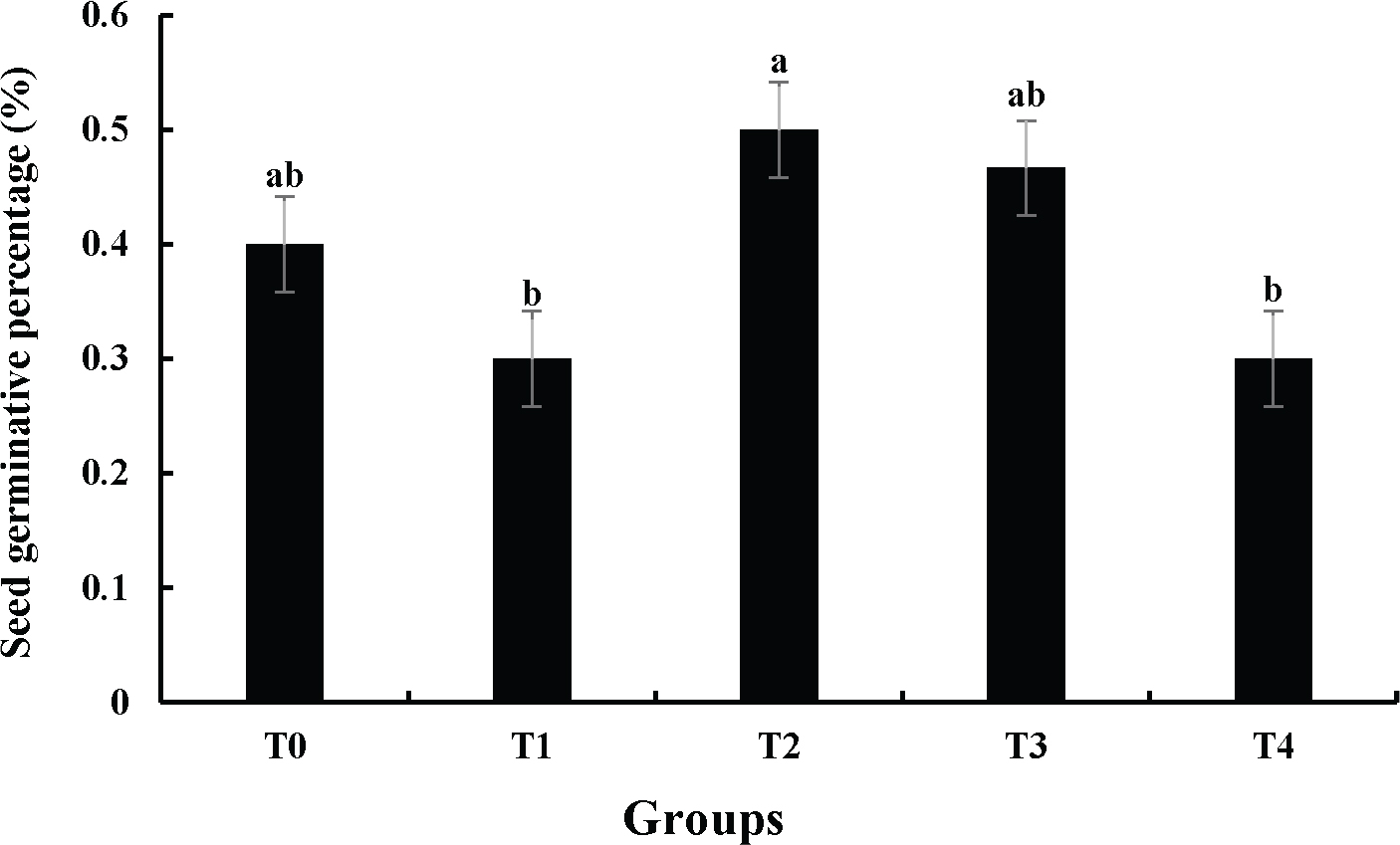
Figure 1.
The effect of different treatment groups on the germination rate of melon seeds.
Note: Different lowercase letters marked on the column indicate significant differences between treatments (p < 0.05).
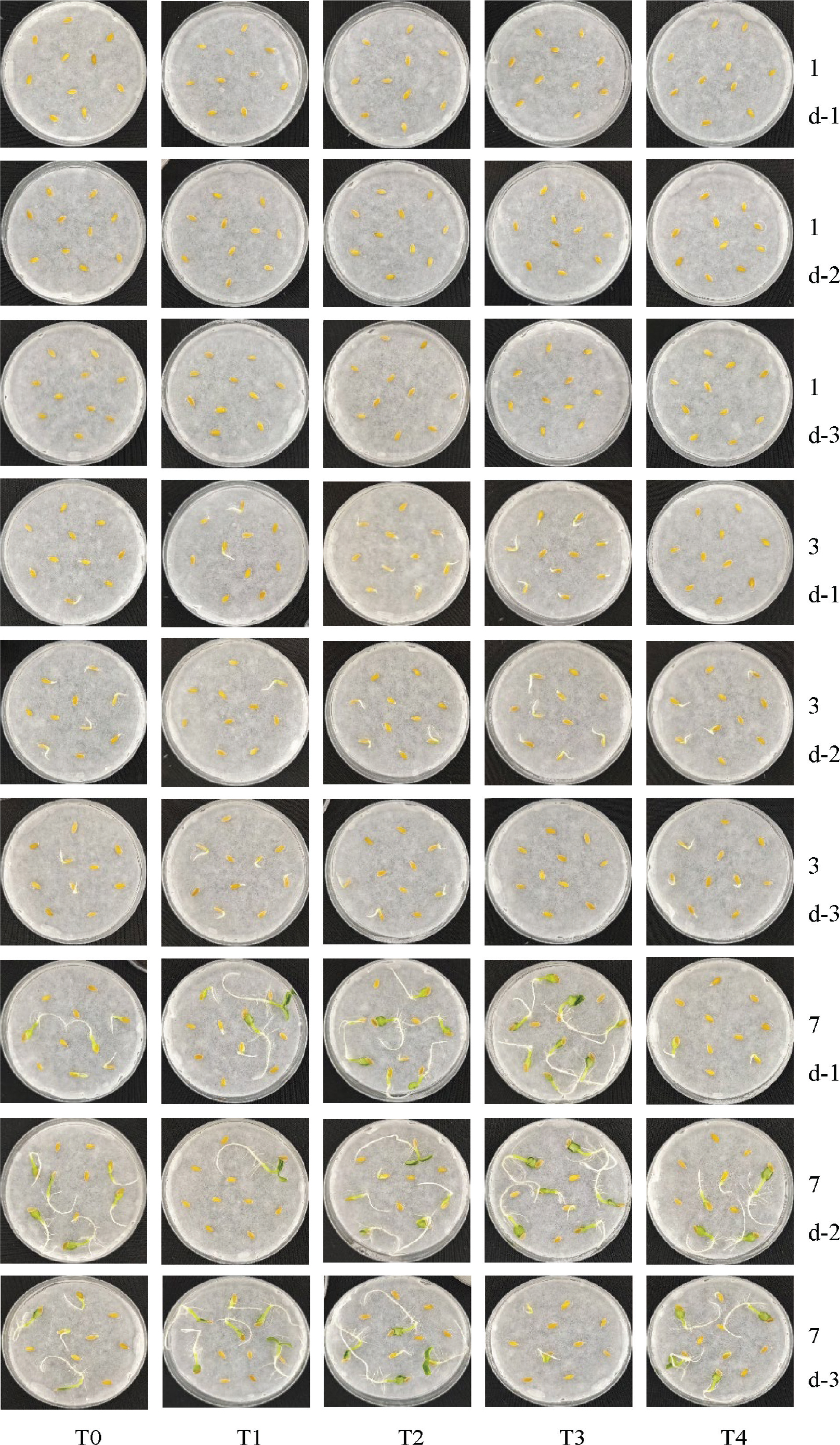
Figure 2.
Germination of melon seeds soaked in different concentrations of DA-6. DA-6, diethyl aminoethyl hexanoate.
Note: Different lowercase letters marked on the column indicate significant differences between treatments (p < 0.05).
Effects of soaking seeds in different concentrations of DA-6 on the height of sweet melon plants
Figure 3 shows the changes in plant height of sweet melon seedlings treated with different concentrations of DA-6 soaking. As shown in the figure, the height of seedlings treated with a low concentration of DA-6 (T1) is almost the same as that of the control group (T0), which may have little effect on melon seedlings due to the low content. The moderate concentration of DA-6 (T2, T3) significantly promoted the increase in plant height, with T3 > T2 and T3 increasing by 47.6% compared with T0. The growth promoting effect of DA-6 was strongest at the T3 concentration. The high concentration of DA-6 (T4) slightly inhibits the height of seedlings, possibly due to excessive inhibition of plant growth.
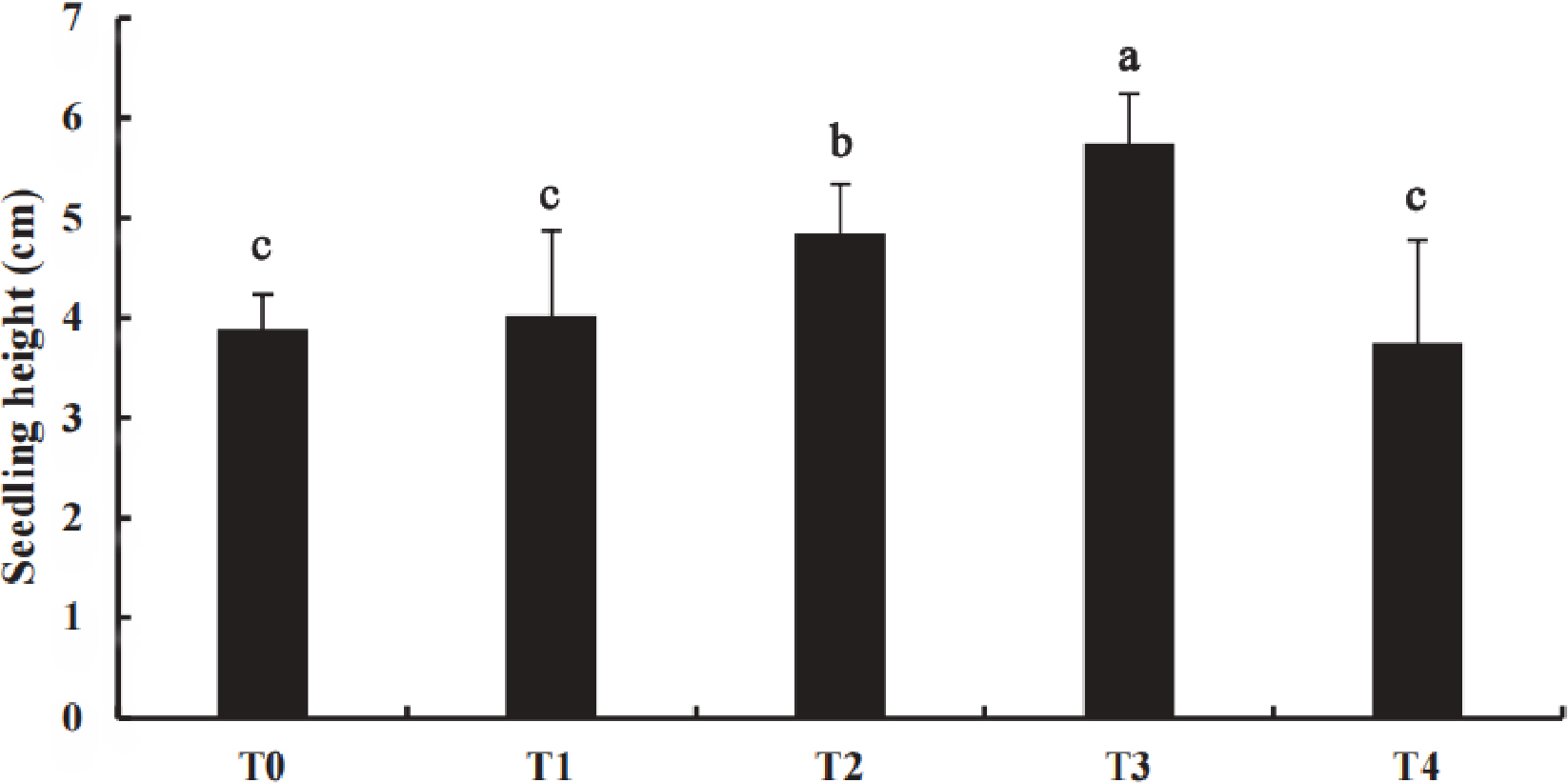
Figure 3.
The effect of different treatment groups on the height of sweet melon seedlings.
Figure 4 shows the growth of sweet melon seedlings in each treatment group after 15 days of sowing. It can be seen from Figure 4 that there is no significant difference between the T1 treatment group and the T0 treatment group, and there is little difference in plant height, leaf length and width, but the leaf colour is slightly darker than that of the T0 group. The T2 and T3 treatment groups showed significant changes in morphology compared with the T0 treatment group, with increased leaf size and quantity, stem growth, dark green leaf colour, vigorous nutritional growth, robust plant morphology and significant biomass accumulation. Although the overall morphology of the T4 treatment group has advantages compared with the T0 treatment group, its growth is uniform and different from the other four treatment groups. There are significant differences among its plants, such as the smaller leaf length of the T4 group, with an average of 3.004 cm, compared with the T0 group of 3.397 cm, T1 group of 3.697 cm, T2 group of 4.411 cm and T3 group of 4.189 cm. This may be related to the high concentration of DA-6.
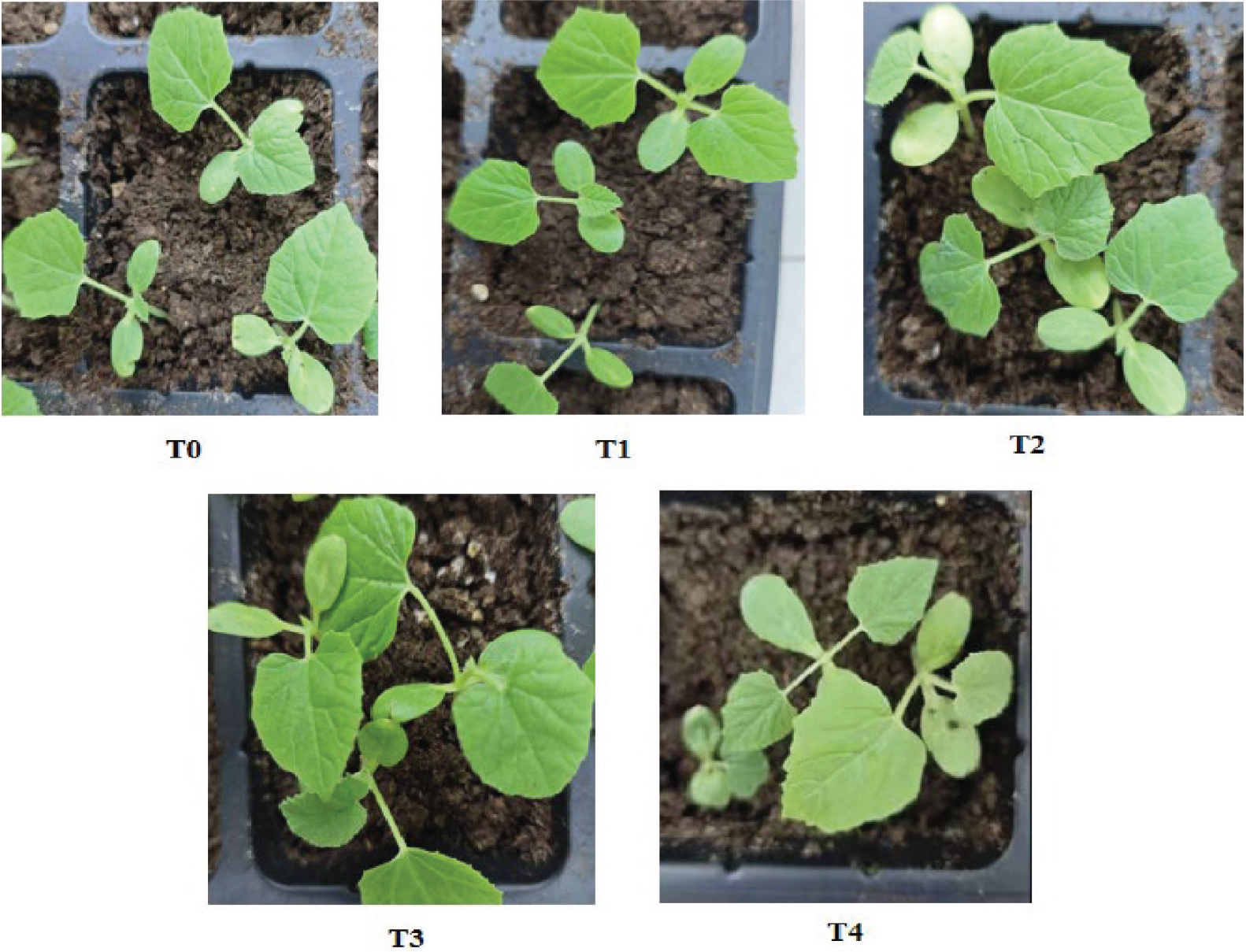
Figure 4.
Growth of melon seedlings after soaking in different concentrations of DA-6. DA-6, diethyl aminoethyl hexanoate.
Effects of soaking seeds in different concentrations of DA-6 on the stem thickness of sweet melon plants
Figure 5 shows the effect of soaking seeds in different concentrations of DA-6 on the stem diameter of sweet melon seedlings. The stem diameter increased to 0.275 at T2 (an increase of 29.1% compared with T0), indicating that at this concentration, DA-6 effectively promoted stem cell division and lateral growth. The stem thickness of T3 decreased to 0.243 (still 14.1% higher than T0 stem thickness), indicating a weakened promoting effect and possibly approaching the threshold of action. The stem thickness of the high concentration (T4) group significantly increased compared with other treatment groups, and an increase of 52.6% compared with the control group (T0).
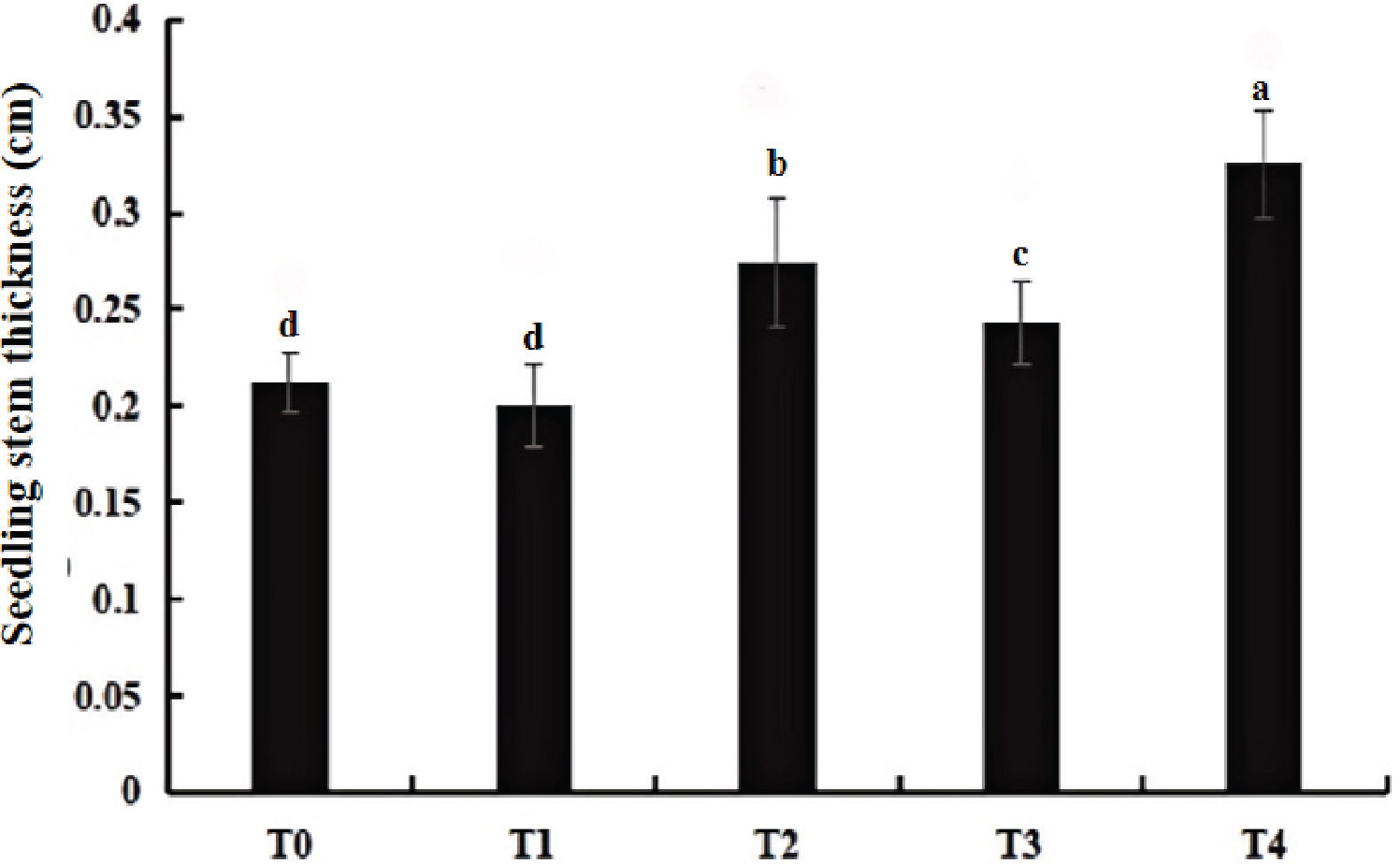
Figure 5.
The effect of different treatment groups on stem thickness of melon seedlings.
Effects of soaking seeds in different concentrations of DA-6 on the leaf length of sweet melon plants
Figure 6 shows the effect of soaking seeds in different concentrations of DA-6 on the leaf length of sweet melon seedlings. The leaf length increased by 8.8% at low concentrations (T1) compared with T0, indicating that low concentrations of DA-6 slightly promoted leaf growth. The peak length of leaves at medium concentration (T2) was 4.411 cm, an increase of 29.8% compared with T0, indicating a significant promoting effect. This may be achieved by enhancing cytokinin activity or photosynthetic efficiency, promoting leaf cell expansion and differentiation. The leaf length of the second highest concentration (T3) decreased to 4.189 cm, still 23.3% higher than that of the T0 group, indicating a weakened promoting effect and possibly approaching the threshold for plant resource allocation. The high concentration (T4) resulted in a sudden drop in leaf length to 3.004 cm, which was 11.6% lower than T0, indicating toxic effects caused by high concentration.
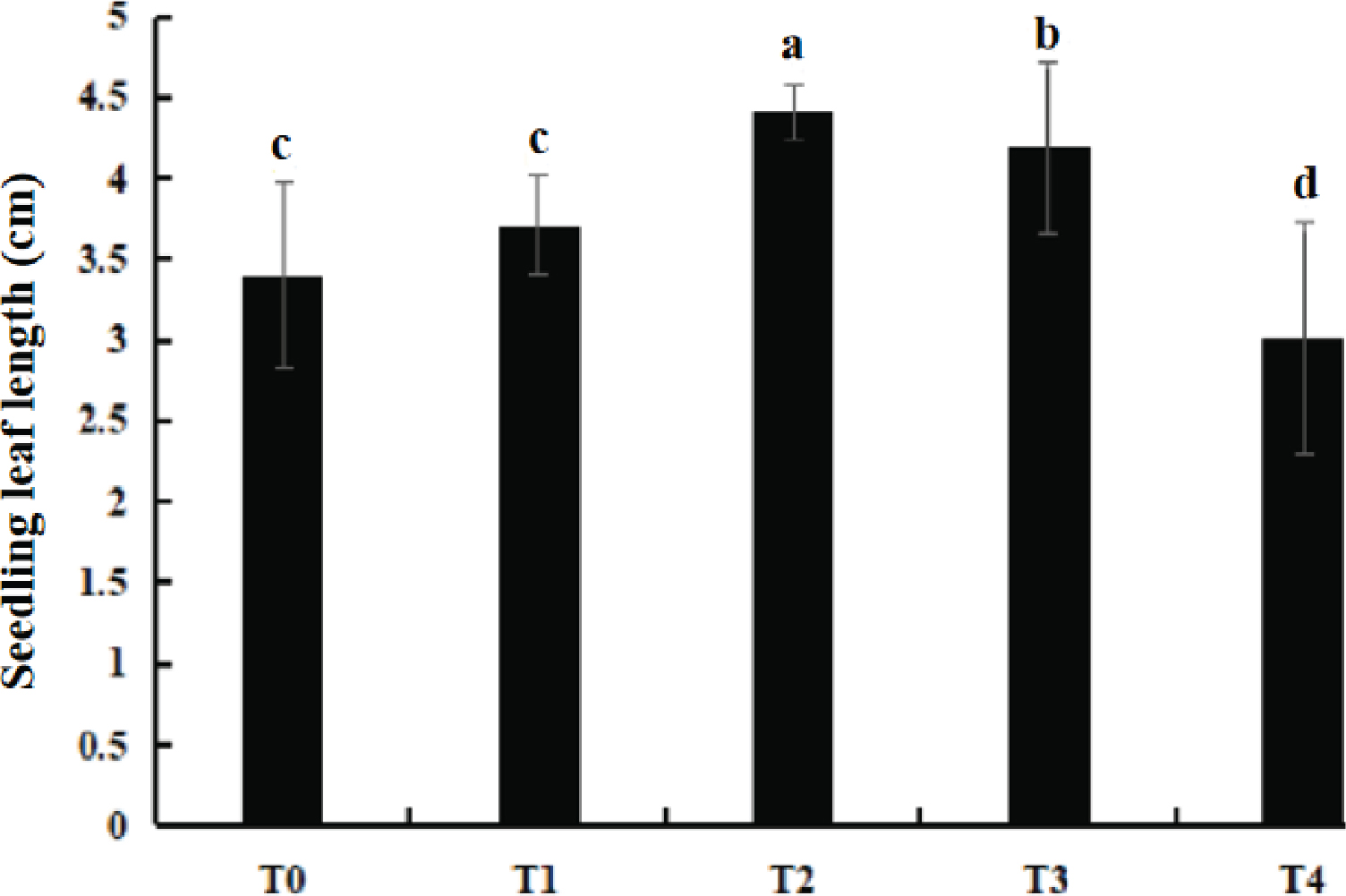
Figure 6.
The effect of different treatment groups on the leaf length of sweet melon seedlings.
Effects of soaking seeds in different concentrations of DA-6 on the leaf width of sweet melon plants
Figure 7 shows the effect of soaking seeds in different concentrations of DA-6 on the leaf width of sweet melon seedlings. T2 showed a synchronous increase of 9.1% in leaf width and 29.8% in leaf length compared with T1, reflecting the synergistic effect of overall leaf expansion, which may be achieved by promoting cell division/elongation. T3 increased leaf width by 10.5% compared with T0, and the increase was higher than the 23.3% increase in leaf length, indicating that this concentration is more inclined towards lateral growth. T4 showed a reverse change with a 16.1% decrease in leaf width and a 52.6% increase in stem thickness compared with T0, indicating that high concentrations of DA-6 can increase stem thickness in melon seedlings, but to some extent affect leaf growth and development.
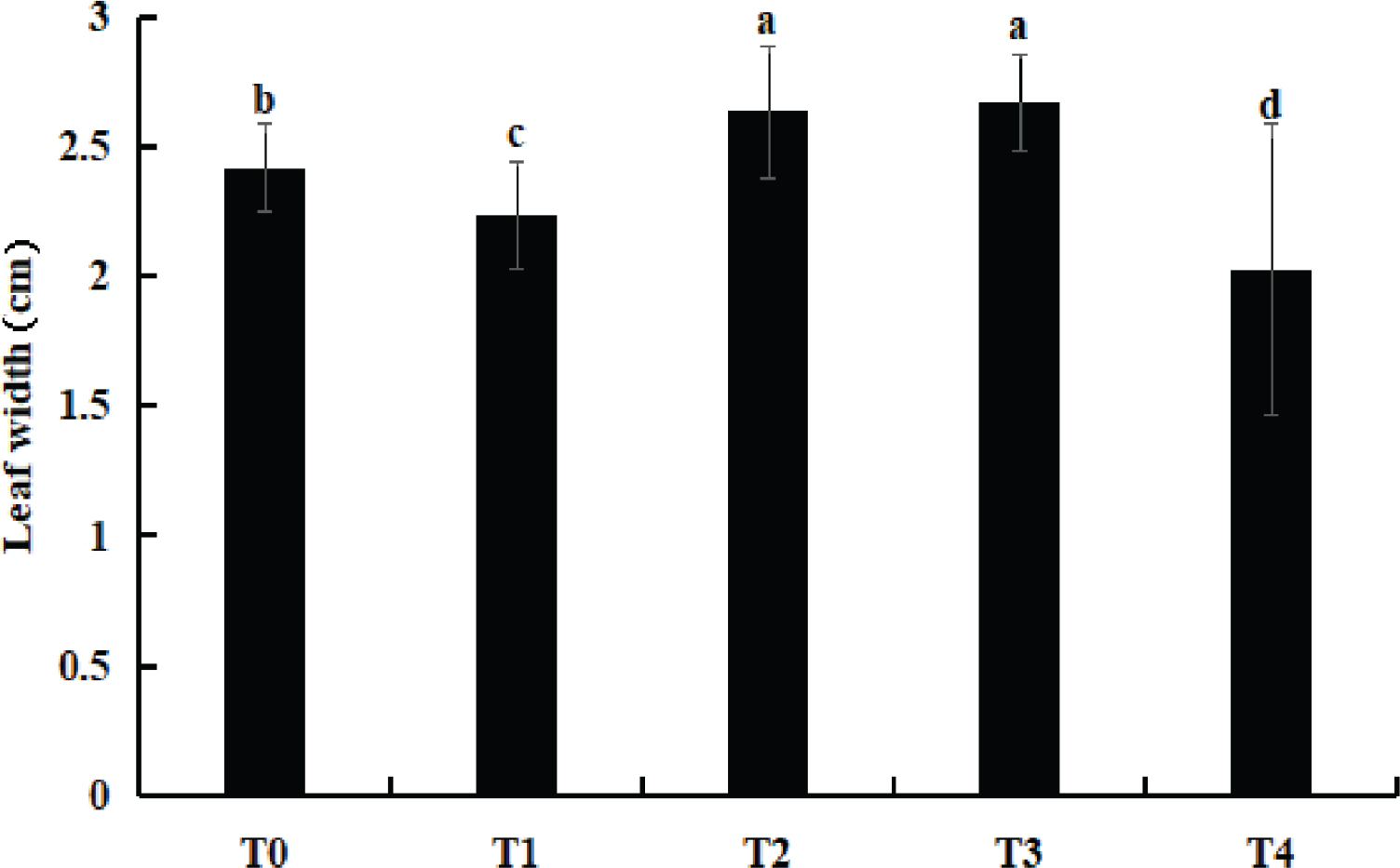
Figure 7.
The effect of different treatment groups on the leaf width of sweet melon seedlings.
Effects of different concentrations of DA-6 soaking on physiological indicators of melon seedlings
As shown in Table 1, the concentration of ammonium salt soaking significantly affects the POD activity of melon seedlings. Low concentration treatment (T1): POD activity was 665.48 ± 7.84 U · g−1 FW · min−1, an increase of 49.1% compared with the control group (T0: 446.16 ± 33.82 U · g−1 FW · min−1), indicating that aminoethyl ester has significantly activated the antioxidant enzyme system at low concentrations (p < 0.05). Concentration-dependent enhancement: with the increase in treatment concentration, POD activity continued to increase, and the activity of T3 (939.42 ± 17.32 U · g−1 FW · min−1) and T4 (960.48 ± 14.00 U · g−1 FW · min−1) groups reached their peak, increasing by 110.5% and 115.2%, respectively, compared with T0. There were significant differences among the groups, indicating a strict linear response (p < 0.05) of POD activity to DA-6 concentration.
Table 1.
Effects of different concentrations of DA-6 soaking on physiological and biochemical indicators under salt stress.
| Treatment | POD activity (U · g−1 FW · min−1) | MDA content (μmol · g−1 FW) |
|---|---|---|
| T0 | 446.16 ± 33.820 d | 0.071 ± 0.009 a |
| T1 | 665.48 ± 7.840 c | 0.079 ± 0.009 ab |
| T2 | 715.36 ± 30.390 b | 0.047 ± 0.004 c |
| T3 | 939.42 ± 17.320 a | 0.062 ± 0.006 b |
| T4 | 960.48 ± 14.000 a | 0.124 ± 0.010 d |
MDA is the final product of lipid peroxidation in plant cell membranes, and its content can reflect the degree of oxidative damage to plant cells (Raza et al., 2022). This experiment examined the effect of amino esters on the antioxidant capacity of sweet melons by measuring the MDA content after treatment with different concentrations of amino esters. The MDA content of T0 is 0.071 μmol · g−1 FW, which is relatively high, indicating that cantaloupes may already have a certain degree of oxidative stress under normal growth conditions. The MDA content in T1 was 0.079 μmol · g−1 FW, an increase of 11.2% compared with T0. This slight increase may indicate that low concentrations of paracetamol may temporarily disrupt the redox balance of cells, that plants may be adapting to stimuli from exogenous regulators and that short-term oxidative stress responses are activated. The MDA content of T2 significantly decreased to 0.047 μmol · g−1 FW, a decrease of 33.8%. The MDA content of T3 was 0.062 μmol · g−1 FW, a decrease of 12.7% compared with the control. Compared with the T2 group, the antioxidant effect has been weakened, there may be a concentration effect inflection point and some antioxidant pathways may reach saturation. The MDA content of T4 sharply increased to 0.124 μmol · g−1 FW, an increase of 74.6% compared with T0. This indicates that ultra-high concentrations may have toxic effects, the antioxidant system may be inhibited or overloaded and the cell membrane may suffer severe oxidative damage.
As shown in Figure 8, compared with T0, the chlorophyll content of other treatment groups has significantly increased, with T2 having the highest chlorophyll content and a significant effect. DA-6 soaking can significantly increase chlorophyll content, participate in chlorophyll synthesis and enhance photosynthetic capacity. DA-6 at around 60 mg · L−1 has the best effect on promoting chlorophyll synthesis.
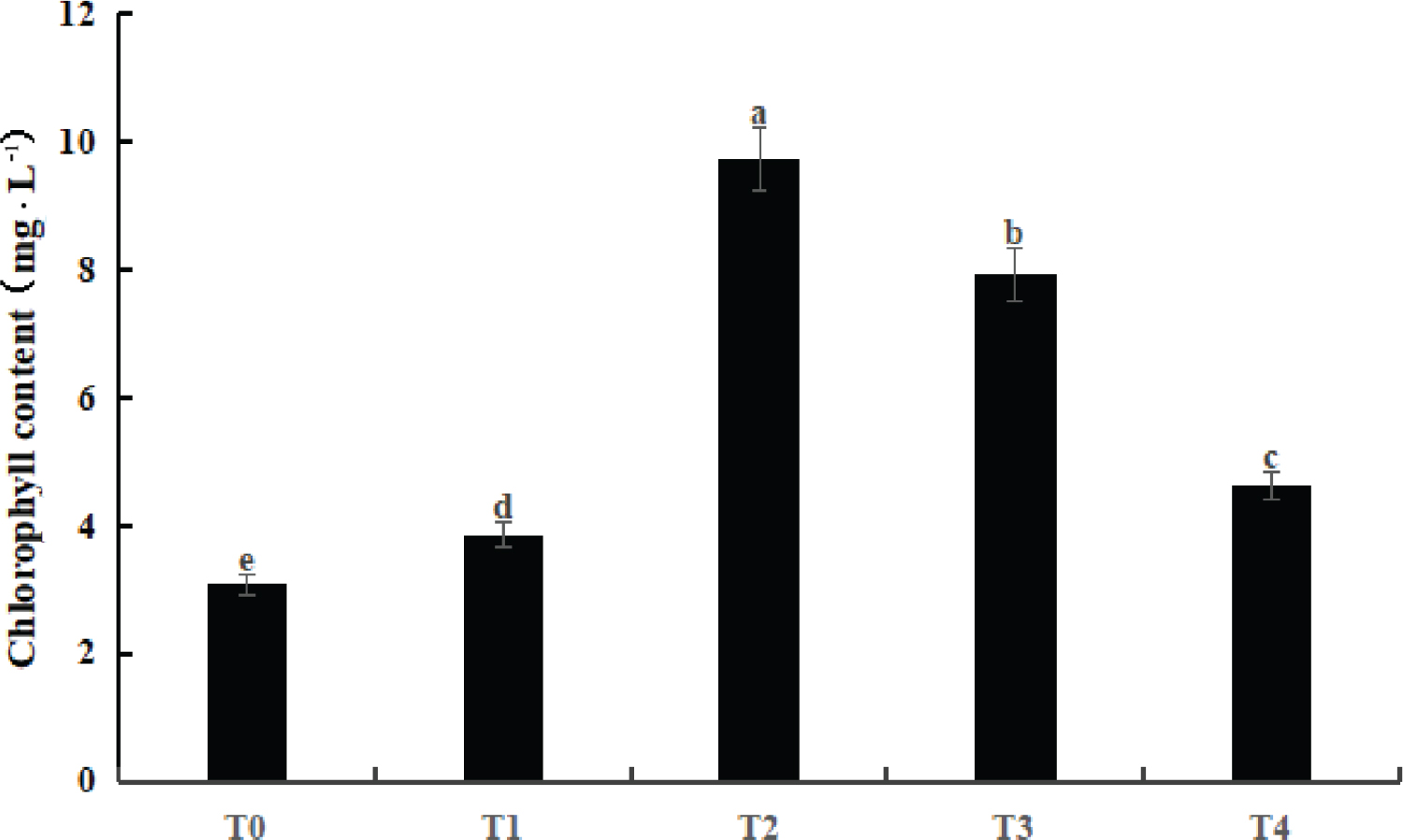
Figure 8.
The effect of different treatment groups on chlorophyll content in leaves of sweet melon seedlings.
The chlorophyll content of T0 is 3.083 mg · L−1, which is within the normal range, indicating that cantaloupes can maintain their basic photosynthetic needs under conventional cultivation conditions. The chlorophyll content of T1 reached 3.854 mg · L−1, an increase of 25% compared with T0. Explanation: Low concentration aminoethyl ester can promote chlorophyll synthesis. The chlorophyll content in the T2 treatment group improved to 9.741 mg · L−1, with a nearly three-fold increase in chlorophyll content. The physiological regulatory effect of DA-6 reached its peak, and the photosynthetic potential showed significant improvement. The chlorophyll content in the T3 treatment group was 7.933 mg · L−1, a decrease of 18.5% compared with the T2 group, but still 157.3% higher than the T0 group. This indicates that the promoting effect begins to weaken after exceeding a certain concentration, but still maintains a strong promoting effect, and there may be a feedback regulation mechanism. T4 treatment group: chlorophyll content was 4.634 mg · L−1, a decrease of 52.4% compared with the T2 group, but still 50.3% higher than the control group. Explanation: High concentration has a certain inhibitory effect, but the chlorophyll content is still significantly higher than T0, and no toxic damage threshold has been observed. The best effect is achieved at a dosage of 60 mg · L−1.
Correlation analysis between various indicators
The results of bivariate Pearson test showed that after soaking seeds in different concentrations of DA-6, the chlorophyll content is positively correlated with leaf length at the 0.05 level (r = 0.512*), but not significantly correlated with plant height and stem thickness, indicating a synergistic enhancement of leaf growth and chlorophyll accumulation (Table 2). POD activity was significantly positively correlated with plant height (r = 0.689**), but not significantly correlated with stem thickness and leaf length. The content of MDA is significantly negatively correlated with plant height (r = -0.732**) and leaf length (r = -0.634**), indicating that the faster the growth of melon seedlings, the lower the MDA content and the stronger their stress resistance. The correlation between leaf width and the measured physiological indicators is not significant, suggesting that leaf width may be regulated by other factors.
DISCUSSION
Previous studies have found that soaking seeds in DA-6 significantly improved seed germination vigour, germination rate, vitality index, germination index, stem length and fresh dry weight (Cao et al., 2023). Studies have shown that soaking seeds in DA-6 can significantly increase the germination rate of Chenopodium quinoa, rice (Oryza sativa) and jujube (Phoenix dactylifera) seeds, and maintain high protein levels in rice under low temperature stress, improve rice cold resistance and effectively alleviate the toxic effects of salt stress on jujube seed germination (Zhang, 2001; Hua et al., 2020). DA-6 not only enhances crop stress resistance and disease resistance, improves quality, is non-toxic, has no side effects, and is safe and efficient (Chen, 2016; Xiao, 2018), but also inhibits the increase in membrane permeability and superoxide anion production rate caused by abiotic stress, thereby enhancing the stability of plant cell membranes (Chen et al., 2014). It can also increase the content of proline and soluble proteins in plants, reduce the content of MDA, and enhance osmotic regulation ability, thereby alleviating the damage caused by environmental stress (Shao et al., 2007). It can also affect plant growth and development by promoting photosynthesis and carbohydrate transport and distribution. Peng et al. (2012) found that DA-6 can promote chlorophyll synthesis in Chinese cabbage, and treatment with 60 mg · kg−1 DA-6 can significantly increase chlorophyll content, stem thickness and yield. The study by Miao et al. (2007) found that DA-6 can increase the chlorophyll content of strawberry leaves, significantly improve Rubisco activity, chloroplast Hill reaction, photosynthetic phosphorylation activity, Mg2+-adenosine triphosphatase (ATPase) activity, net photosynthetic rate, enhance leaf photosynthetic capacity, promote the production and transportation of assimilates, and significantly increase root and stem mass. Spraying higher concentrations of DA-6 on wild barley during the 4-leaf stage can increase leaf chlorophyll content, and significantly enhance the photosynthetic capacity and biomass of seedlings (Zhou et al., 2004; He et al., 2013). Furthermore, DA-6 has been reported to enhance germination and seedling establishment of aged soybean (Glycine max) seeds via regulation of fatty acid metabolism and glycometabolism(Zhou et al., 2019). The response effect of sweet melon seeds to DA-6 is significantly higher than that of other crops, such as sugar beet, where the optimal soaking concentration is 10 mg · L−1 (Shao et al., 2022).
The results of this study indicate that DA-6 has a significant concentration-dependent regulatory effect on the morphogenesis and physiological metabolism of sweet melon seedlings, and DA-6 soaking has a positive effect on the seedling stage of sweet melon. After soaking in DA-6, the overall germination rate of melon seeds improved to some extent, with 60 mg · L−1 DA-6 soaking increasing the germination rate by 25% compared with control check (CK). This is consistent with the experimental conclusion of Cui et al. (2025) that soaking seeds with different concentrations of DA-6 can effectively improve the germination rate, germination vigour, germination index as well as root length, stem length, fresh weight and dry weight, thereby promoting the overall germination process of seeds. Soaking seeds in DA-6 also has a very positive effect on regulating the morphology of sweet melon seedlings during the seedling stage. The DA-6 with the most significant effect on improving the height of sweet melon seedlings is 180 mg · L−1, the DA-6 with the best effect on improving stem thickness is 360 mg · L−1 and the DA-6 with the best effect on improving leaf length and width is 60 mg · L−1. These differences indicate that the regulation of different organs in melon seedlings by DA-6 is concentration-dependent, and different concentrations of DA-6 may be suitable for different production goals.
Related reports indicate that DA-6 can promote plant carbon and nitrogen metabolism, significantly enhance root redox potential and increase leaf photosynthetic pigment content. This compound can promote the biosynthesis of soluble proteins and carbohydrates, activate antioxidant enzyme system activity and effectively delay the plant ageing process. It is worth noting that its mechanism of action involves enhancing plant immune response ability, ultimately achieving crop yield improvement and quality optimisation (Liang et al., 2011). Consistent with the results of most scholars, this study found that soaking seeds in DA-6 had a significant effect on increasing the chlorophyll content of melon seedling leaves. Soaking seeds in DA-6 at four concentrations ranging from 20 mg · L−1 to 360 mg · L−1 all significantly increased the chlorophyll content of melon leaves compared with CK, with the 60 mg · L−1 group increasing it by about three times compared with CK. DA-6 can also increase the activity of POD and nitrate reductase in plants, promoting the metabolism of nitrogen and carbon in plants (Zhang et al., 2018a, 2018b). This study found through measuring the content of POD in sweet melon that soaking seeds in DA-6 can effectively enhance POD activity, with 360 mg · L−1 showing the most significant increase of 115.2% compared with CK. A study has found that spraying DA-6 on banana seedlings can increase the total chlorophyll content, increase the stem thickness of seedlings and significantly reduce the content of MDA (Huang et al., 2019). MDA, as a key product of cell membrane lipid peroxidation, is widely regarded as an important biomarker for measuring the degree of plant stress. Numerous studies have shown that the content of MDA is positively correlated with the severity of stress on plants. Plants under stress can significantly increase the content of MDA, which may cause damage to intracellular macromolecules and lead to an imbalance in ROS metabolism, thereby inhibiting cellular respiratory metabolism and directly or indirectly affecting plant metabolic activities. Cao et al. (2023) found that soaking seeds in DA-6 can effectively alleviate oxidative damage caused by salt stress in white clover seeds, which is beneficial for the stability of cell membranes. In this experiment, by analysing the correlation between the growth of various parts of the seedlings and physiological indicators, the content of MDA showed a significant negative correlation with the height and leaf degree of the plants; further verification showed that MDA has a certain inhibitory effect on plant growth. This study measured the content of MDA in melon seedlings soaked in different concentrations of DA-6 and found that the MDA content in the leaves of melon seedlings decreased compared with CK at medium and low concentrations. Among them, the MDA content decreased the most when soaked in DA-6 at 60 mg · L−1, reaching 40.8%, indicating the strongest stress resistance of melon seedlings. At a high concentration of 360 mg · L−1, the content of MDA significantly increased compared with CK, increasing by 74.6%, which is different from previous studies. However, through comparative analysis and research, it is speculated that the significant increase in MDA concentration may be due to stress caused by setting the DA-6 concentration too high, leading to plant damage, indicating that excessive concentration of DA-6 can cause certain osmotic stress in plants, thereby increasing MDA to a certain extent.
This study used different concentrations of DA-6 to soak sweet melon seeds and measured the indicators to analyse the data. It was found that DA-6 soaking treatment could significantly promote the germination rate and seedling growth of sweet melon seeds. The response effect of sweet melon seeds to DA-6 is significantly higher than that of other crops, such as sugar beet, where the optimal soaking concentration is 10 mg · L−1 (Shao et al., 2022). The concentration of 60 mg · L−1 had a marked promotion of germination rate, chlorophyll synthesis and antioxidant capacity. However, different concentrations of DA-6 have differential regulatory effects on the morphological development of melon seedlings, with 180 mg · L−1 and 360 mg · L−1 having the most significant promoting effects on plant height and stem thickness, respectively. DA-6 enhances the antioxidant capacity of sweet melon seedlings by increasing POD activity and reducing MDA content, thereby promoting their robust growth. DA-6 belongs to the cytokinin class of plant growth regulators, which can promote root growth and increase the biomass of various organs in plants. Bao et al. (2023) found that spraying different concentrations of DA-6 significantly increased the biomass of various organs in peach seedlings. When the concentration exceeded 30 mg · L−1, the biomass of various organs began to decrease, indicating that low concentrations of DA-6 can promote the growth of peach seedlings. In this study, low concentrations of DA-6 (60 mg · L−1) can better improve the germination rate of melon seeds and promote biomass accumulation, such as increasing leaf growth and effectively accumulating chlorophyll to enhance plant photosynthesis. At the same time, it can enhance its own antioxidant enzyme activity, reduce MDA content and reduce cell membrane damage, providing assistance for melon seed germination and seedling establishment under stress. Overall, 60 mg · L−1 DA-6 is the most suitable concentration for soaking melon seeds and can be widely applied in actual seedling cultivation. Due to uncontrollable factors such as environmental and human factors in the experiment, some experimental data did not achieve ideal results, such as the germination rate of the optimal treatment group not reaching the ideal value for practical production. It is necessary to continue optimising the plan and experimental conditions in future experiments, further verifying the experiment, and providing more reasonable scientific basis and theoretical basis for practical production applications.
ACKNOWLEDGEMENTS
The authors thank Huijun Zhang (Huaibei Normal University, Department of School of life), Yupeng Fang (Huaibei Normal university, Department of School of Life) and Jiu Liu (Huaibei Normal University, Department of School of Life), who were involved in the experiment.
Notes
[6] Contributed by AUTHOR CONTRIBUTIONS
Chun Liu was responsible for experimental design and manuscript writing. Dang Wang and Jinjin Li implemented the experimental content, and corrected and revised the paper. Chun Liu and Dang Wang have contributed equally to this work.
[7] Conflicts of interest CONFLICT OF INTEREST
The authors declare that there is no conflict of interest.