
1. Introduction
Squamous cell carcinoma (SCC) of the sigmoid colon is indeed an exceptionally rare form of colon cancer, garnering limited attention within the medical community due to its infrequent occurrence[1]. This malignancy originates from the epithelial cells that line the sigmoid colon, a crucial segment of the large intestine connecting the descending colon to the rectum[2]. The rarity of this carcinoma often translates into late-stage diagnoses, presenting a formidable challenge for health-care providers. Its elusive nature in the early stages means patients may remain asymptomatic, allowing the disease to progress stealthily[3, 4]. When symptoms do eventually surface, they typically manifest as abdominal pain, rectal bleeding, and alterations in bowel habits, further complicating early identification[5,6,7].
The diagnostic journey for SCC of the sigmoid colon involves a multifaceted approach, incorporating various medical modalities. Imaging studies, notably computed tomography (CT) scans, play a pivotal role in assessing the extent of the disease[8]. In addition, biopsy and subsequent pathologic examination are indispensable for confirming the diagnosis[9, 10].
In terms of treatment, the approach to SCC of the sigmoid colon often necessitates a multipronged strategy. Surgical resection of the cancerous tissue stands as the primary therapeutic intervention[11]. Following surgery, patients frequently undergo chemotherapy or radiation therapy to mitigate the risk of recurrence[12]. The aggressive nature of this carcinoma and its propensity for rapid metastasis to distant sites contribute to the overall challenging prognosis associated with it[13, 14].
In this case report, we are presenting the case of a female patient who encountered SCC in her sigmoid colon. This report provides a detailed examination of her unique medical journey, including the complexities of diagnosis, the intricacies of treatment, and the exceptional outcome of complete remission. Given the rarity of such favorable results in documented cases, this report holds significant importance in the medical community.
2. Case Presentation
A 59-year-old female patient presented to our clinic with a diagnosis of advanced stage SCC of the sigmoid colon, accompanied by metastases to regional lymph nodes, peritoneum, and omentum, leading to severe abdominal pain. Initial CT abdomen/pelvis assessment in the previous clinic revealed an irregular, exophytic mass (4.3 cm) originating from the sigmoid colon, raising concern for malignancy, likely colorectal cancer. In addition, multiple retroperitoneal, pelvic, and left groin lymph nodes showed mild enlargement, suggesting neoplastic involvement or metastatic disease. Mild right-sided hydronephrosis with abrupt tapering at the ureteropelvic junction was noted. Colonoscopy confirmed the presence of nonbleeding internal hemorrhoids of moderate severity and a medium-sized, infiltrative polypoid lesion in the sigmoid colon (Figures 1 and 2).
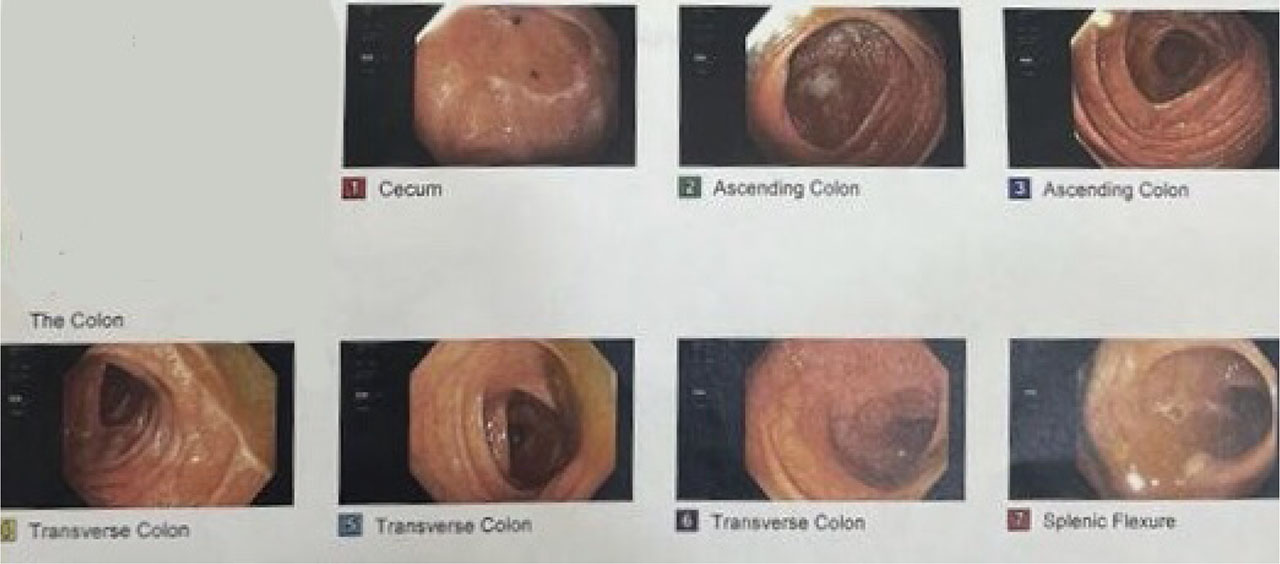
Figure 1:
Non-bleeding internal hemorrhoids of moderate severity and a medium-sized, infiltrative polypoid lesion in the sigmoid colon.
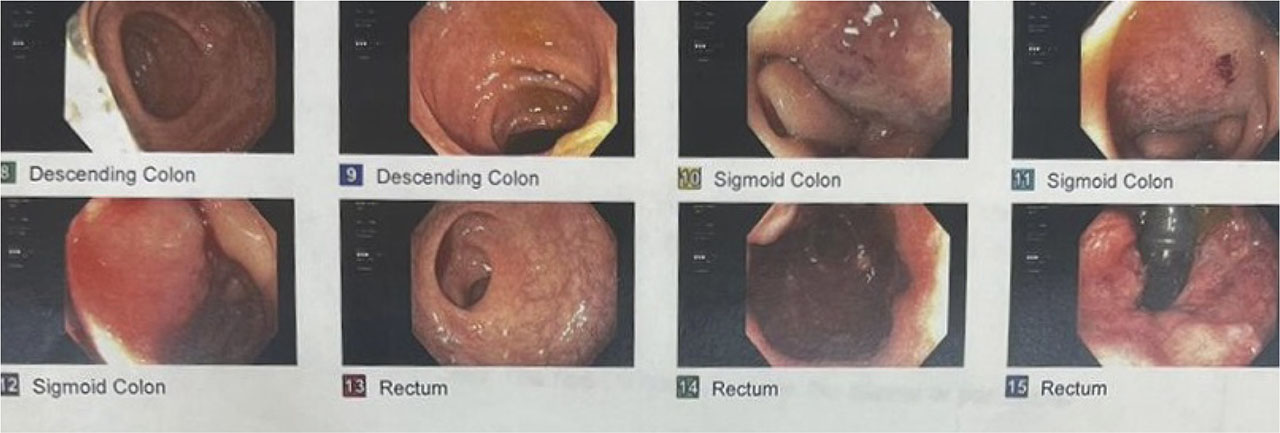
Figure 2:
Non-bleeding internal hemorrhoids of moderate severity and a medium-sized, infiltrative polypoid lesion in the sigmoid colon
Diagnosis of SCC of the sigmoid colon was confirmed, which is exceptionally rare as this carcinoma type is typically encountered in the anal canal, while adenocarcinoma is more commonly found in the rectum. It is worth noting that there are no well-established treatment guidelines for this condition, and surgery remains the sole approved treatment option. In addition, chemotherapy protocols lack standardization, and there is a limited number of case reports.
Due to the lack of health insurance, the patient sought treatment in various countries, where no suitable treatment options were available, before visiting our clinic. She presented to our clinic in poor performance status, confined to a wheelchair, with limited oral intake, dehydrated, and emaciated. We initiated treatment based on the initial assessment performed previously. Standard chemotherapy protocols for colorectal cancer, such as FOLFOX (oxaliplatin, leucovorin, and fluorouracil[5-FU]) or XELOX (capecitabine and oxaliplatin), were not suitable for SCC. Consequently, we devised a unique treatment plan, combining paclitaxel and carboplatin, which are commonly used for SCC in other locations. This novel regimen included weekly paclitaxel (80 mg/m2), carboplatin (dosed using the area under the curve[AUC] method) along with bevacizumab (5mg/kg), administered intravenously every 2 weeks. Remarkably, the patient exhibited improved oral intake and a significant improvement in her overall performance status during chemotherapy. She left the wheelchair and began walking. After 12 weeks of treatment, bevacizumab was discontinued, and the patient continued with paclitaxel and carboplatin for a total of 16 weeks.
Subsequently, a fluorodeoxyglucose positron emission tomography/CT (FDG PET/CT) whole-body scan was conducted, which revealed favorable therapy outcomes with significant disease regression. The scan indicated a marked reduction in metabolic and morphologic activity at the sigmoid mural thickening site, with complete resolution of metastatic abdominopelvic and left inguinal lymphadenopathy. No newly developed metastatic sites were identified in other body regions.
Following the encouraging FDG PET/CT results, the patient was referred to a surgeon, who conducted a repeat colonoscopy, which revealed normal findings. Nevertheless, the decision was made to proceed with left hemicolectomy, omentectomy, and peritonectomy. Histopathologic results postsurgery indicated congestion in colonic tissue with mild active inflammation, but no residual tumor was observed and margins were healthy. All sampled lymph nodes showed reactive changes and were devoid of tumor cells (Figures 3–5). This outcome was a remarkable and unexpected response, with no malignant cells detected.
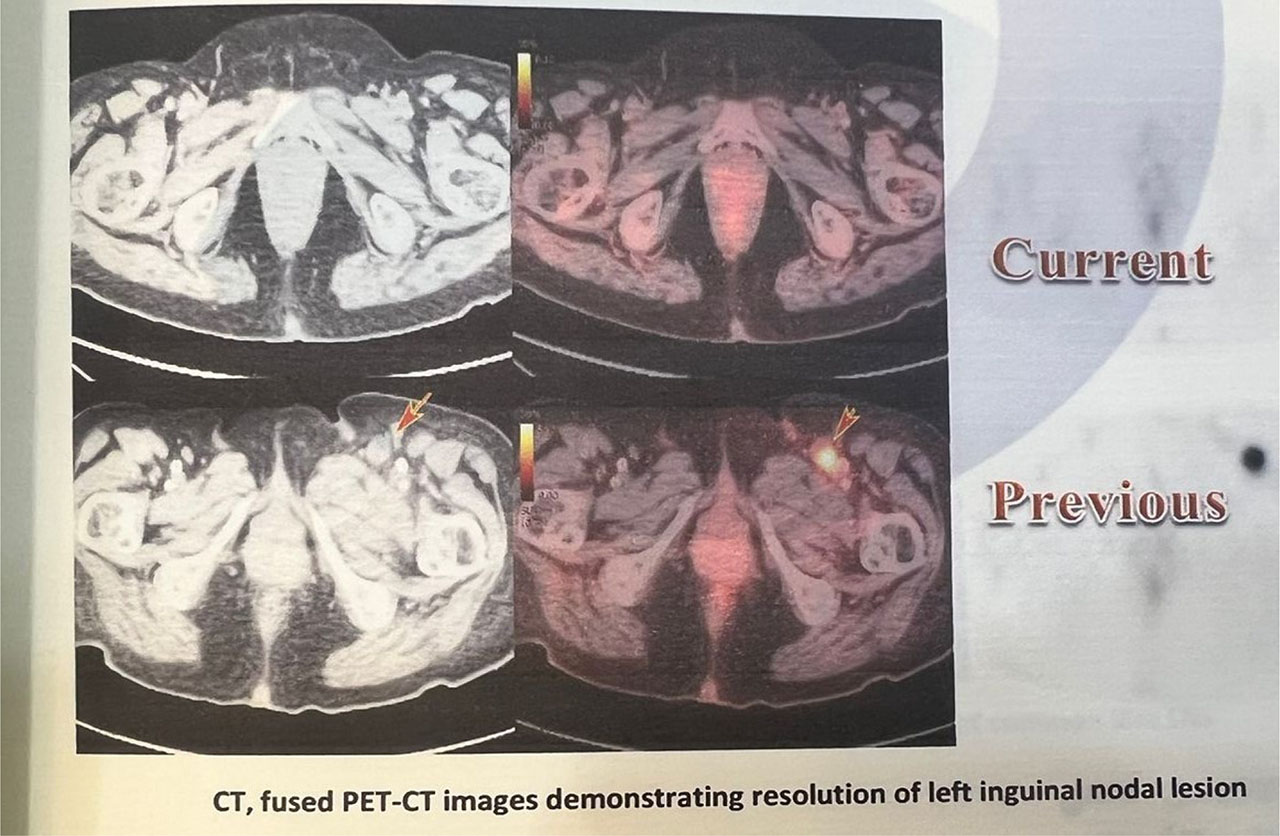
Figure 3:
CT, fused PET-CT images demonstrating resolution of left inguinal nodal lesion.
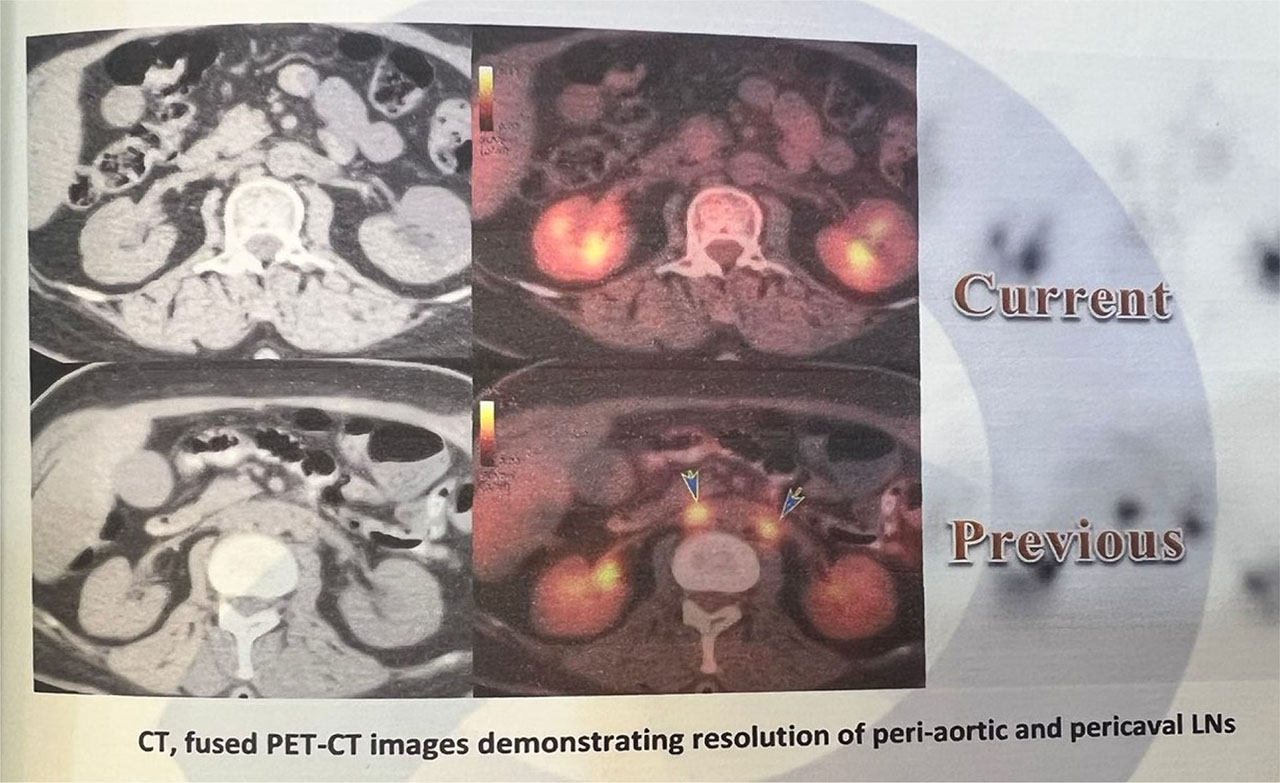
Figure 4:
CT, fused PET-CT images demonstrating resolution of peri-aortic and pericaval LNs.
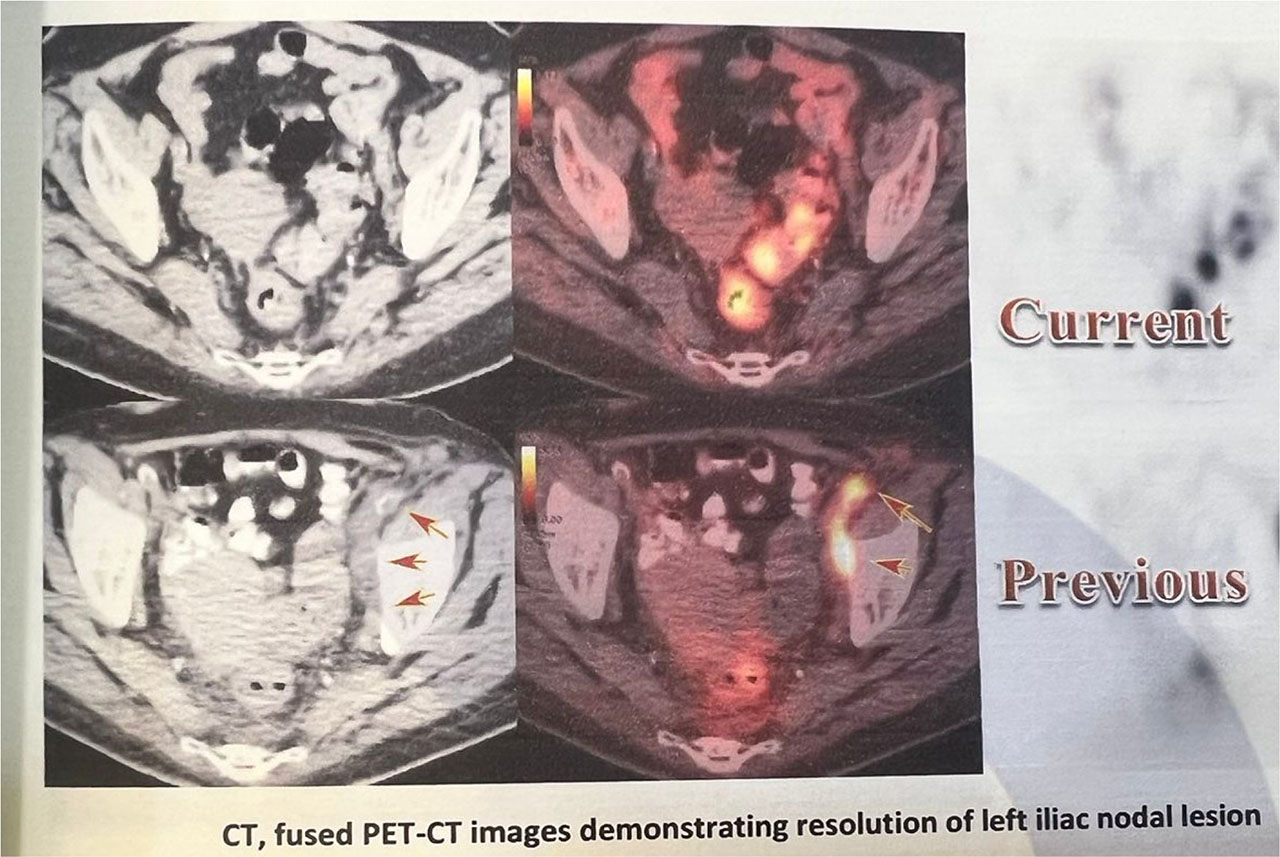
Figure 5:
CT, fused PET-CT images demonstrating resolution of left iliac nodal lesion.
3. Discussion
The case of SCC of the sigmoid colon presented here underscores the complexity and rarity of this malignancy within colorectal cancer. Given the infrequency of SCC in this location, the case highlights significant challenges in both diagnosis and treatment, while also showcasing the potential for unexpected, favorable outcomes.
Diagnosing SCC of the sigmoid colon is particularly challenging due to the absence of well-established diagnostic criteria and its symptomatic overlap with more common forms of colorectal cancer. Similar to previous documented cases, patients often present at advanced stages of the disease, with metastases in regional lymph nodes and distant organs already present at the time of diagnosis[1]. This reinforces the notion that nonspecific symptoms, such as abdominal pain, rectal bleeding, and altered bowel habits, often lead to delayed diagnosis[15]. Consequently, the window for early detection and intervention narrows, which is a critical factor in patient outcomes. This underscores the need for greater clinical awareness, particularly in health-care settings where SCC is rarely seen, and highlights the importance of considering SCC in differential diagnoses when typical colorectal cancer treatments fail or atypical presentations occur[16].
Given its rarity, SCC of the colon demands a refined approach to differential diagnosis, where early and accurate identification relies heavily on a multidisciplinary effort involving advanced imaging and histopathology. However, due to the lack of distinct radiologic features, the process is often delayed, necessitating targeted biopsies to confirm SCC. This case advocates for a more proactive approach, where early suspicion should prompt more frequent use of advanced diagnostic tools like PET-CT or molecular imaging. Integrating screening protocols, especially in populations with risk factors or atypical presentations, could enhance early detection rates and potentially improve patient prognosis[17]. The absence of distinct diagnostic markers also raises the question of whether molecular profiling could play a larger role in future diagnostic algorithms, helping to identify this rare malignancy earlier in its progression[18, 19].
Treatment of SCC of the sigmoid colon remains a significant challenge, with limited standardization in therapeutic protocols[20]. Consistent with previous case reports, surgery, often involving colectomy, remains the primary treatment option[21]. However, as with this case, chemotherapy regimens lack standardization, and treatment decisions often involve adapting protocols used for SCC in other anatomic sites such as the head, neck, or lungs[22,23,24]. However, this approach is far from ideal, as the biological behavior of SCC varies considerably depending on its origin. The lack of organ-specific guidelines points to a crucial gap in the literature and underscores the urgent need for clinical trials tailored to SCC of the colon, as current practices are based on an extrapolation of data from other SCC types.
In this case, the patient’s remarkable response to a chemotherapy regimen combining paclitaxel, carboplatin, and bevacizumab stands out, given the limited efficacy reported in the literature. While some previous cases have reported partial responses or stable disease[1, 2, 16], complete remission as observed in this case is notably rare. The integration of bevacizumab, an antiangiogenic agent, may have played a critical role in the patient’s outcome, indicating that targeted therapies could hold significant promise in SCC of the colon. This result not only raises questions about the potential utility of personalized chemotherapy protocols, but also suggests the need for further research into the molecular characteristics of SCC in this location to guide therapy.
The success of this specific regimen also prompts consideration of whether more aggressive treatment strategies, including the combination of cytotoxic and targeted agents, should be explored in future clinical trials. The results observed here may serve as a springboard for future research to develop more effective, organ-specific treatment protocols for SCC of the colon. Establishing a more consistent treatment approach could improve outcomes, particularly for patients diagnosed at advanced stages of the disease.
4. Conclusion
This case report underscores the exceptional nature of SCC of the sigmoid colon and the diagnostic and therapeutic complexities associated with it. While early diagnosis remains challenging due to its rarity and nonspecific symptoms, awareness among health-care providers is crucial to ensure timely intervention.
In this particular case, a unique treatment approach combining paclitaxel, carboplatin, and bevacizumab resulted in a remarkable and unexpected complete remission, with no residual tumor cells observed postsurgery. This outcome is of significant importance within the medical community, as it challenges the conventional understanding of the disease’s aggressive nature.
Further research is warranted to elucidate the factors that contributed to this patient’s favorable response to treatment. In addition, the lack of standardized treatment protocols for SCC of the sigmoid colon underscores the need for further investigation and clinical trials to establish effective therapeutic strategies.
This case report serves as a reminder of the importance of considering rare malignancies in the differential diagnosis, tailoring treatment approaches when necessary and continually expanding our knowledge base to improve patient outcomes in the face of uncommon and challenging cancers.