
1. Introduction
The aim of this research is to understand the genesis and purpose of gastronomic charters in Portugal, as well as to define what is meant by a “gastronomic charter” and to identify the essential contents that such a document must contain in order to be considered as such. A gastronomic charter should be a formal declaration or set of principles aimed at guiding and promoting culinary practices, cultural heritage, sustainability, and ethical standards in the field of gastronomy. It must serve as a reference for stakeholders in the food and hospitality sectors to align their practices with shared values and goals ADICES, 2023b; Chatibura, 2023; Chung et al., 2016; Liu & Reid, 2020; Scarpa et al., 2021; Yayla & Günay Aktaş, 2021). To do this, it is necessary to analyse the historical, political and social reasons for their creation and evolution.
The “Livro de Cozinha da Infanta D. Maria” (Infanta D. Maria Cookery Book), dating from the 15th to the 16th century and containing 59 recipes divided into four chapters: meat, eggs, dairy products and preserves, is a pioneering work considered to be the first Portuguese manuscript related to cookery (Ferro & Marques, 1996). The first recipe book published in Portugal is called “Arte de Cozinha Dividida em duas partes” (Cooking Art Divided into Two Parts), dated 1680 and written by Domingos Rodrigues, a cook at the court of King Pedro II (Dias, 2022). Even in this book, some regional ingredients are highlighted and valued for their quality of origin, such as cheese and flour from the Alentejo, sugar from Madeira or mussels from Aveiro (Ferro & Marques, 1996). These two works focus exclusively on the cuisine of the elite, without any reference to the diet or cuisine of the people, in line with what happened in most of Western Europe (Csergo, 2013). This trend continued over time, with Portuguese high society favouring international cuisine, especially French cuisine. This is evident in the culinary works published at the time (Abreu, 2018; Sobral, 2023), such as “Cozinheiro Moderno, ou Nova Arte de Cozinha” (Modern Cook, or New Art of Cooking) by the French chef Lucas Rigaud, published in 1780 (Dias, 2022), or João da Matta’s “Arte de Cosinha” (The Art of Cooking), first published in 1876 (Cândido, 2023).
In the last third of the 19th century, Europe experienced a massive rural exodus as well as improvements in communication and transport (Csergo, 2013). This shift from rural to urban living, along with the growth of tourism, led to greater emphasis on regional and local attractions, including gastronomy (Abreu, 2018; Csergo, 2013). There is a direct proportionality between globalisation and growing nationalist sentiment towards local and regional cuisines (Csergo, 2013; Sobral, 2023); as countries centralise, regions increasingly value their unique attributes (Sobral, 2007). In Italy and France, political unification and centralisation paradoxically emphasised regional identities (Braga, 2014; Csergo, 2013). Consequently, in the 20th century, Portugal saw the emergence of gastronomic charters to valorise and preserve regional cuisine as a distinctive territorial element.
However, the scientific literature on the concept of the “gastronomic charter” is rather scarce, revealing a huge gap in knowledge, both in terms of its conceptualisation (Stroffolino, 2021; Zocchi, 2023) and its purpose and content (Mäkelä, 2021; Scarpa, 2021; Tadesse et al., 2020; Trichopoulou et al., 2007; Yayla & Günay Aktaş, 2021). In this sense, this study aims to contribute to increasing and consolidating knowledge about gastronomic mapping; to propose, in a well-founded way, a definition of what a “gastronomic charter” is, and to identify what it must contain to be recognised as such. Therefore, while distinct, gastronomic charters and gastronomic mapping are interconnected. Gastronomic mapping can serve as a foundational step in the creation of a gastronomic charter. By identifying and analyzing the culinary resources and traditions of a region through mapping, stakeholders can use this information to draft a charter that reflects the unique gastronomic identity and values of the area.
From a practical point of view, we believe that this is the first study in Portugal to systematically carry out this survey, which could serve as a starting point for future studies by other researchers in this field of knowledge. It is also a fundamental aid for professionals in the sector, especially in the public sector, who are often asked to create or develop this type of document and whose guidelines are scarce or almost non-existent.
Hence, this study is grounded in the theoretical framework of gastronomic heritage and cultural identity, which emphasises the role of food as a key element in the construction and preservation of cultural and regional identities (Csergo, 2013; Sobral, 2007). Gastronomy is understood not only as a means of sustenance but also as a cultural artefact that reflects the historical, social, and political contexts in which it evolves (Braga, 2014; Trichopoulou et al., 2007). The research also draws on sustainability frameworks in gastronomy, which highlight the importance of promoting local and regional food systems, preserving traditional culinary practices, and fostering ethical and environmentally conscious food production (Mäkelä, 2021; Yayla & Günay Aktaş, 2021). By integrating these perspectives, the study seeks to explore the genesis and purpose of gastronomic charters as tools for safeguarding culinary heritage, promoting sustainable practices, and reinforcing regional identities in the context of globalisation and cultural homogenization. This framework provides a foundation for analysing the essential components of gastronomic mapping and their role in aligning stakeholders in the food and hospitality sectors with shared values and goals.
To achieve these objectives, we opted for a qualitative methodology through the “triangulation” of an exploratory literature review with a systematic and targeted bibliographic review, which would allow us to organise and analyse the scientific production on the subject (Caulfield, 2024).
The paper is divided into four parts. First, there is a brief scientific review of the literature on the importance and evolution of gastronomic charters in Portugal. Secondly, the methodological process of data collection on the SCOPUS platform and the techniques used to analyse the information are presented. Thirdly, the results of the research and a discussion of the data obtained are presented. Finally, the main conclusions are drawn, and recommendations for the future are proposed, considering the limitations that arose in carrying out this study.
2. Literature review
The concept of regional cuisines is relatively recent, emerging from political and social forces. Until the 20th century, references to delicacies from specific regions in Portugal existed (Braga, 2014; Sobral, 2023), but it wasn’t until the early 1900s that interest in the gastronationalism movement became evident, paralleling trends in Europe (Csergo, 2013). This is seen in the 1899 publication “ Cosinha Portugueza, Arte Culinária Nacional e Preliminares Anexos, Colaboração de Senhoras” [Portuguese Cooking, National Culinary Arts and Preliminary Annexes, Collaboration of Ladies], which aimed to democratise cooking for “good housewives” (Abreu, 2018; Cândido, 2023; Sobral, 2023; Soares & Coelho, 2018).
In 1930, the Estado Novo regime promoted regional heritage and nationalism, exemplified by policies like banning Coca-Cola and encouraging wine consumption (“To drink wine is to feed a million Portuguese” is attributed to António de Oliveira Salazar) (Assembleia da República, 2024; Confraria Gastronómica do Alentejo et al., 2013). António Maria de Oliveira Bello, under the pseudonym “Olleboma,” published “Culinária Portuguesa” [Portuguese Cuisine], targeting the hospitality sector to boost local cuisine amid growing European tourism (Abreu, 2018; Dias, 2022; Sobral, 2023). Maria Odette Cortes Valente furthered this effort with her 1962 book “Cozinha Regional Portuguesa” [Regional Portuguese Cuisine], which expanded with each edition to include more regional recipes (Mouta, 2023). Maria de Lourdes Modesto popularised traditional Portuguese recipes through her TV program “ Culinária” [Culinary] (1958-1970) (Esteves, 2023) and her influential 1982 book “Cozinha Tradicional Portuguesa” [Traditional Portuguese Cuisine], which remains a cornerstone of Portuguese gastronomy (Dias, 2022; Esteves, 2023; Modesto, 2014). In 1979, Augusto Gomes published “Cozinha Tradicional da Ilha Terceira” [Traditional Cuisine of the Island of Terceira], praised as one of the best gastronomic monographs in Portugal (Abreu, 2018). Modesto’s work, with over 20 editions and 400,000 copies sold, is noted for its comprehensive coverage of mainland and island regions (Dias, 2022; Esteves, 2023).
In conclusion, it is possible to divide this time-line, from Infanta D. Maria’s manuscript until the end of the 20th century, into two culinary-literary, political and social currents that have been discernible over the centuries through the published cookery works, as can be seen in Figure 1: “Gastroelitism” and “Gastronationalism”. The first is characterised by an excessive representation of the cuisine appreciated by the elites, with little or no value given to popular cuisine; and the second, characterised by a growing concern for the preservation and valorisation of regional cuisines, associated with the nationalist movements in vogue throughout Europe.
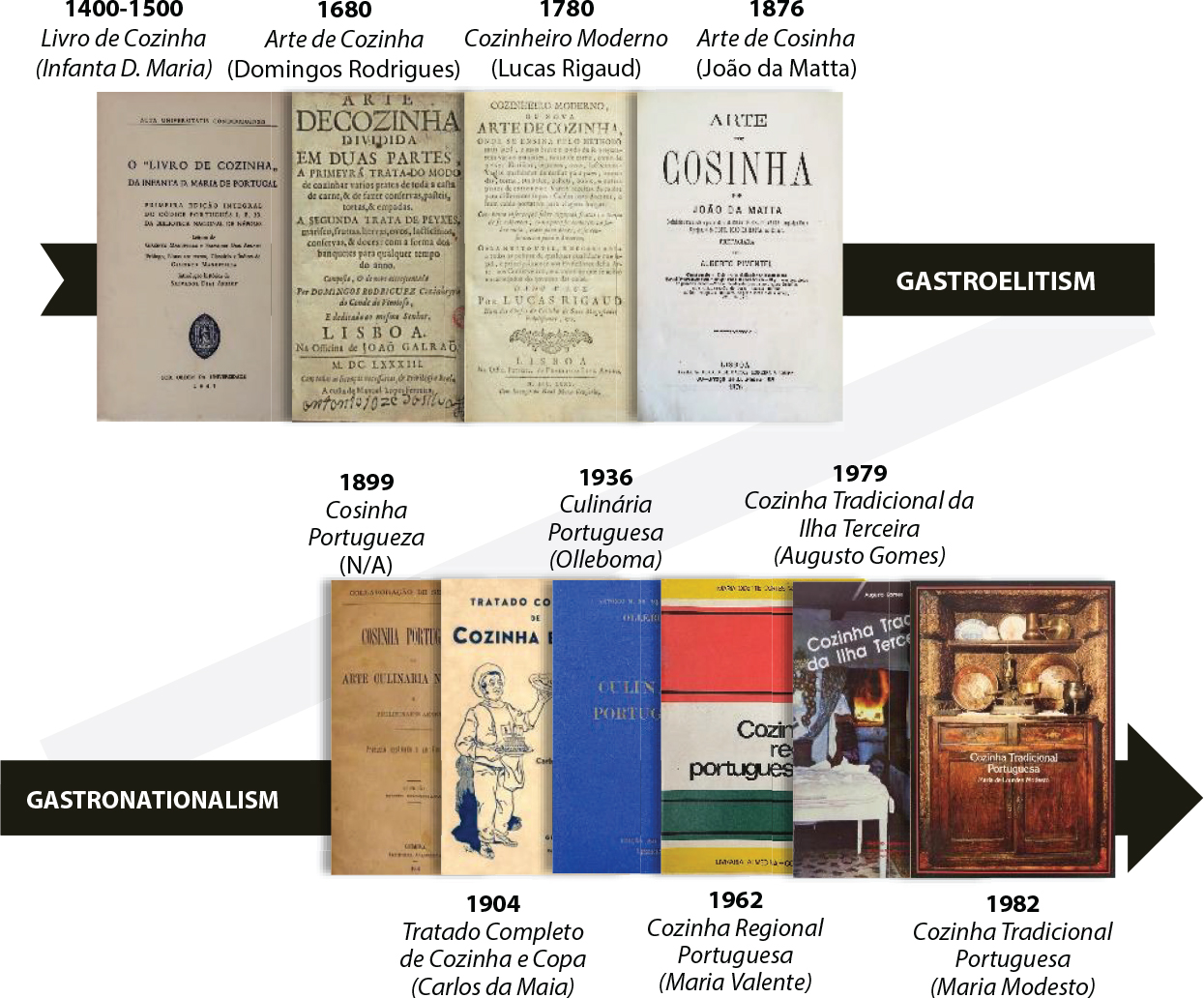
Figure 1:
Chronology of the main literary works on cuisine in Portugal
Following the fall of Estado Novo, the fascist regime, which as mentioned before enforced nationalistic food policies while in power, the country saw the adoption of new food standards, the evolution of the gastronomic vocabulary, the adoption of new products, recipes, spaces and operating models for restaurants and hotels, as well as a tightening of hygiene and safety regulations, certification or even standards of courtesy and etiquette (Confraria da Gastronomia do Ribatejo et al., 2018), this development has not led to a decline in interest in regional or local gastronomy, as advocates of gastronationalism feared. On the contrary, the contrast between the international and local offer has contributed to the promotion and valorisation of a local, simple, characteristic, accessible and democratic cuisine (Abreu, 2018).
2.1. The importance of creating gastronomic charters in Portugal
The efforts to value and preserve the territory’s distinctive cuisine, which began more than a century ago and was strengthened by the policies of the Estado Novo regime, have continued to this day through post-Revolution policies, such as Council of Ministers Resolution 96/2000, whose main objective was to “intensify measures to preserve, promote and publicise national gastronomy as an integral value of Portuguese cultural heritage”, and Law 107/2001, article 91 of which states:
“Special protection should be given to […] traditional ways of doing things, namely […] ways of preparing food [and] their recording should be promoted […] for the purposes of knowledge, preservation and valorisation through the planned creation of collections that will make it possible to safeguard and enjoy”.
Also, at the international level, through the policies of institutions such as UNESCO, which in 2003 recognised the Intangible Cultural Heritage (ICH) of humanity as worthy of preservation efforts alongside the tangible cultural heritage (UNESCO, 2003), and in 2010 inscribed food practices for the first time as ICH of humanity (UNESCO, 2010).
In this legislative context, and in the face of an increasingly globalised society, several authors argue for the creation of documentation that safeguards, values and preserves regional and local food traditions, citing as their main reason the risk of losing traditional knowledge to time, which the Regional Department of Culture of the Centre (2023) mentions in the preface to its collection “Saber ser. Saber fazer” (Knowing how to be. Knowing how to do - the intangible cultural heritage of the Centre region):
“[…] this is the moment to reflect very seriously on how we are going to preserve, protect and value this fragile heritage, which today faces […] the profound lack of ‘demographic energy’ linked to the problem of an ageing population and the abandonment of ancestral practices, traditions and expressions that are in danger of not being passed on to our descendants”.
Zocchi et al. (2023) highlight the risk that traditional food practices may lose their nutritional and cultural importance due to their inability to adapt to modern food trends, potentially leading to the loss of traditional knowledge. As Austin de Croze stated in his 1928 work “Les Plats régionaux de France” (Regional Dishes of France), “cuisine evolves slowly, less than fashion but more than language,” emphasising the need to protect gastronomy as it struggles to keep pace with the changing world (Croze, 1928). This underscores the urgent need to safeguard regional and local culinary traditions through concrete measures for the conservation, protection, promotion, valorisation, and transmission of Intangible Cultural Heritage (ICH) (Direção Regional de Cultura do Centro, 2023). Without such efforts, these traditions may disappear, leaving no written record of their existence (Harari, 2011).
In conflict zones, like Palestine, Yavaş (2022) argues that cultural heritages under threat, such as Palestinian gastronomy affected by population exodus, can only be effectively preserved through the daily efforts of those who inherit this heritage. This includes dynamic strategic actions to resist pressures that threaten it.
Even in peaceful contexts like Portugal, it is insufficient to merely preserve recipes in written form. It is essential to involve the community in developing cultural conservation tools. Traditions must be contextualised so that everyone can understand and recreate them, ensuring their survival even if human memory fades. This desire for a lasting memory of traditional regional and local Portuguese gastronomy is the foundation for the creation of gastronomic charters.
2.2. From concept to evolution: The journey of gastronomic mapping in Portugal
The first references to “gastronomic charts” appear throughout Europe in the 19th century, in the form of maps relating local products to each region of the country they depict, the first example being the “Carte Gastronomique de la France” (Gastronomic Map of France) (Figure 2), a map from 1809 by the artist Jean-François Tourcaty (Stroffolino, 2021) and commissioned by Charles-Louis Cadet de Gassicourt for his book “Cours Gastronomique” (Gastronomy Course) (Figure 2), which, according to the author, was published with the aim of educating his readers about the origin and use of food in France (Csergo, 2013).
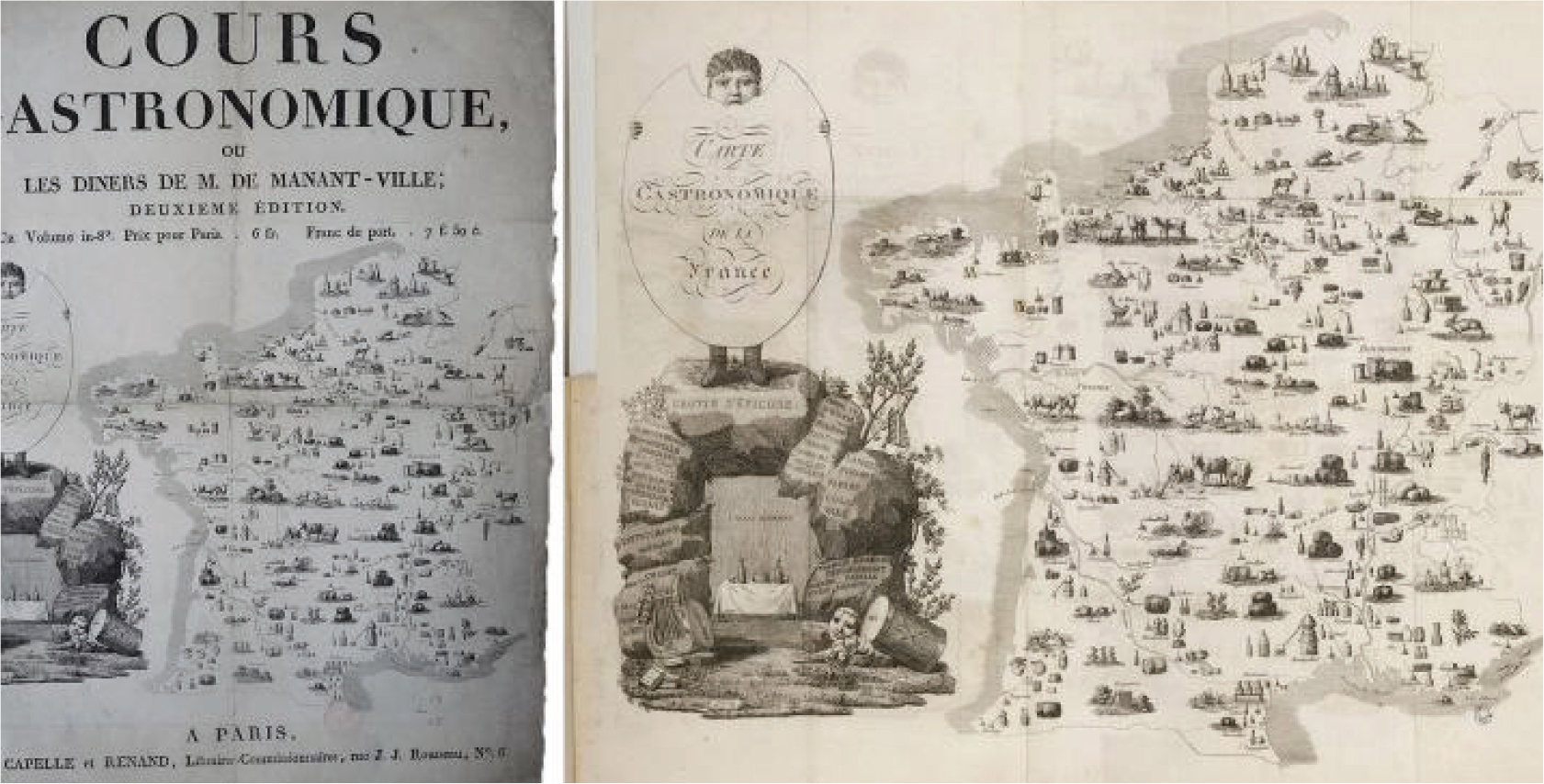
Figure 2:
“Carte Gastronomique de la France” in the book “Cours Gastronomique”
Source: Pitte (2022)
Over these two centuries, these maps have become tools for education, tourism and even nationalist propaganda, as in the case of the maps: “L’Italie Gastrono-mique, Carte des principale specialités gastronomiques des régions italannes” (Gastronomic Italy, Map of the main gastronomic specialities of the Italian regions), drawn by Umberto Zimelli in 1931 for the Italian National Tourism Board (ENIT). And “Portugal Gastronómico” (Gastronomic Portugal), a foldable brochure commissioned by the Portuguese Secretariate for Propaganda in occasion of the International Paris Expo of 1937, the flyer included a small description of Portuguese regional cuisines written by Albino Forjaz de Sampaio as well as a map (Figure 3), drawn by Carlos Botelho, relating Portuguese geography and gastronomy (Pereira, 2013; Sampaio, 1939). Both these works, being products of each country’s contemporary nationalist regimes, aimed to show their people and foreign tourists the strength and independence of their respective national food sectors (Stroffolino, 2021).
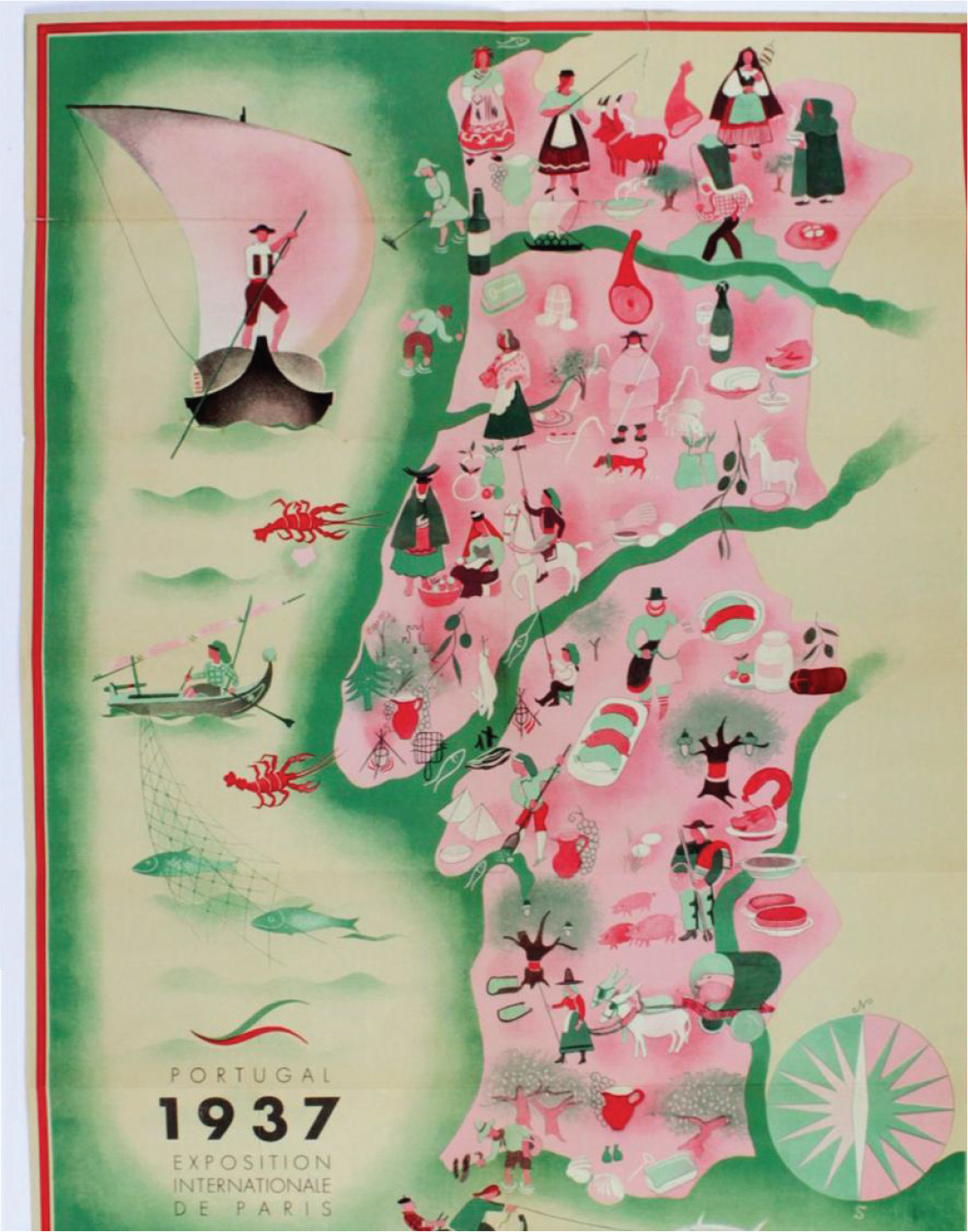
Figure 3:
Foldable brochure “Portugal Gastronómico” by the Portuguese Secretariate for Propaganda in occasion of the International Paris Expo - 1937
Source: Rare Charts, 2024
In Portugal, the first written work found that mentions the term “gastronomic charter” in its title seems to be the book published in 1997: “Achegas para a carta gastronómica da Rota do Sol” (Tips for the Rota do Sol gastronomic mapping) (Neves, 2005), by Manuel Poças das Neves (using the pseudonym “Mapone”). This author, although he has published other documents with similar characteristics, such as “Guia gastronómico do concelho da Batalha - um contributo para a defesa da gastronomia: Recolha de informações com vista a elaborar um inventário da gastronomia do concelho da Batalha” (Gastronomic guide to the municipality of Batalha - a contribution to the defence of gastronomy: Gathering information in order to draw up an inventory of the gastronomy of the municipality of Batalha) (Neves, 2008) of 2008, decided not to use the term “gastronomic charter”.
Also, Francisco Sampaio, president of the Alto Minho Tourism Region for almost three decades (1980-2009), professor, manager, author and collaborator on dozens of titles on historical, archaeological, tourist, ethnographic and gastronomic topics [related to the Alto Minho] (DN/Lusa, 2021), published in 2004: “Subsídios para a carta gastronómica do Vale do Lima” (Subsidies for the Gastronomic Charter of the Lima Valley) (RBPL, 2024b), uses, similarly to Manuel Poças das Neves, the prefix “Subsidies”, also indicating some reluctance to use the term gastronomic charter.
Nevertheless, the following year, in 2005, in collaboration with the Confraria dos Gastrónomos do Minho (Confraternity of Minho Gastronomes), he published the “Carta Gastronómica de Guimarães” (Guimarães Gastronomic Charter) (Sampaio, 2005), thus initiating a new trend in gastronomic literature in Portugal, officially assuming the term “gastronomic charter” (Table 1).
Table 1:
Chronology of publications under the title of “Gastronomic Charter” in Portugal
| Year of publication | Title | Author | Source |
|---|---|---|---|
| 1997 | Achegas para a carta gastronómica da Rota do Sol | Mapone (Manuel Poças das Neves) | Neves, 2005 |
| 2004 | Subsídios para a carta gastronómica do Vale do Lima | Francisco Sampaio | Sampaio, 2004 |
| 2005 | Carta gastronómica de Guimarães | Francisco Sampaio | Sampaio, 2005 |
| 2007 | Carta Gastronómica do Norte de Portugal | UNISHNOR, Associação Portuguesa de Hotelaria, Restauração e Turismo | Santos et al., 2021 |
| 2007 | Carta gastronómica do Baixo Minho: levanta-mento do receituário tradicional | Agostinho Peixoto | Peixoto, 2007 |
| 2008 | Sabores da aldeia: carta gastronómica das Aldeias do Xisto | Armando Fernandes | Fernandes, 2008 |
| 2012 | À Mesa em Mação - Carta Gastronómica | Armando Fernandes | Fernandes, 2012 |
| 2013 | Carta Gastronómica do Alentejo | Confraria Gastronómica do Alentejo | Confraria Gastronómica do Alentejo, 2013 |
| 2016 | Carta gastronómica da região de Lafões | Carlos Rodrigues, Jorge Adolfo de Meneses Marques, Confraria dos Gastrónomos da Região de Lafões | Confraria dos Gastrónomos da Região de Lafões et al., 2016 |
| 2017 | Bragança: carta gastronómica : matériasprimas, produtos e práticas alimentares | Armando Fernandes, Hernâni Dias, Manuel Teles | Fernandes, 2017 |
| 2018 | Carta Gastronómica da Lezíria do Tejo vol. I, II | Armando Fernandes, Helena Salvador, Confraria da Gastronomia do Ribatejo, Entidade Regional de Turismo do Alentejo e Ribatejo | Confraria da Gastronomia do Ribatejo et al., 2018 |
| 2020 | Saber (a) Vinhais: contributo para uma carta gastronómica | António Monteiro, Pedro Fernandes, Roberto Afonso e Virgílio Nogueiro Gomes | Monteiro et. al., 2021 |
| 2020 | Carta Gastronómica de Barcelos | Câmara Municipal de Barcelos | Santos et al., 2021 |
| 2021 | Conservas de peixe em Portugal: Indústria alimentar e carta gastronómica | Manuel Paquete | Paquete, 2022 |
| 2022 | Carta Gastronómica da Região de Coimbra | Comunidade Intermunicipal da Região de Coimbra | CIM Coimbra, 2022 |
| 2022 | Carta Gastronómica de Viseu | Alberto Correia, José Alfredo | Correia, 2022 |
| 2022 | Ponte de Lima à mesa: contributos para a sua carta gastronómica | Álvaro Campelo, Filipa Arrochela Lobo, Cristina Freitas, Paulo Barreiro de Sousa | Campelo et al., 2022 |
| 2023 | Carta Gastronómica do Concelho de Santarém | Armando Fernandes, Helena Salvador | Fernandes & Salvador, 2023 |
| 2023 | Quem conta um conto, acrescenta um pouco. Carta Gastronómica do Território ADICES | Olga Cavaleiro | ADICES, 2023a |
| 2023 | Receitas que Contam Histórias - Carta Gastronómica e Vinhos das Aldeias Históricas de Portugal | Olga Cavaleiro, Aldeias Históricas de Portugal – Associação de Desenvolvi-mento Turístico (AHP-ADT) | AHP-ADT, 2023 |
Considering the chronology presented in Table 1, the growing number of publications explicitly titled Gastronomic Charter in Portugal—from isolated initiatives in the late 1990s to a marked intensification after 2010—can be read as a positive development, signalling an increasing institutional, academic, and civic commitment to documenting, valuing, and safeguarding regional food heritage. This expansion suggests greater awareness of gastronomy as a cultural resource, often linked to territorial identity, tourism promotion, and heritage preservation. At the same time, the proliferation of charters raises critical questions regarding their actual function and impact: to what extent do these documents move beyond descriptive inventories to influence food practices, local economies, or policy-making? Are they primarily symbolic tools of cultural affirmation, or do they operate as normative frameworks capable of shaping production, consumption, and governance? Furthermore, the diversity of authorship—ranging from individual researchers to municipalities and confraternities—invites reflection on issues of authority, representativeness, and methodological consistency across charters. Thus, while the increasing number of gastronomic charters reflects a vibrant and growing field, it also calls for deeper critical assessment of their role, effectiveness, and long-term consequences.
Moreover, when conceptualising gastronomic charters, it is important to note that despite sharing the title ‘gastronomic charter,’ the works listed in Table 1 may differ in their definitions and content. Since 1997, gastronomic charters have shared common features that set them apart from other gastronomic literature: (i) authors emphasize that their work goes beyond a simple recipe book; (ii) they focus on a specific geographical area, providing a multidisciplinary context explaining the dietary habits of the local population; (iii) they aim to preserve local culinary memory and promote gastronomy as an Intangible Cultural Heritage (ICH).
However, some identifying contents have only appeared in certain works, particularly since 2005: (a) an ethnographic approach collecting local community testimonies about eating habits, products, production methods, and cultural relationships with food (ADICES, 2023b); (b) the identification of indigenous products, production, and cooking methods that characterise regional recipes. Additionally, since 2020, some gastronomic charters have appeared (c) as part of or in conjunction with local development projects covering economic, environmental, cultural, and social sectors, including guidelines for applying reference recipes in tourism, especially for hotels and restaurants.
Therefore, it is essential to define what constitutes a gastronomic charter and identify the essential contents required for such a document.
3. Methodology
We opted for a qualitative methodology by ‘triangulating’ the exploratory literature review with a systematic and focused bibliographic review, which would allow a thematic analysis of the resulting documents (Caulfield, 2024). Bibliometrics provides a set of tools that researchers can use to analyse published data, identify new relationships between concepts, and apply mathematical and statistical techniques to study patterns of publication and distribution of information. This method also makes it possible to give meaning to topics that have not yet been explored (Diodato & Gellatly, 1994; Herrera-Franco et al., 2021). It was decided to use scientific and review articles published in scientific journals, as they are considered ‘certified knowledge’ and have undergone an evaluation process, which gives reliability to the results (Ramos-Rodríguez & Ruíz-Navarro, 2004). Therefore, conference proceedings, news and other types of documents were not included. In this way, by overlapping the bibliographic reviews, it is hoped to obtain a sum of opinions between authors and publications, which will allow the previously defined objectives to be achieved (Bowen, 2009). The full bibliometric analysis was carried out in the SCOPUS database on March 18th, 2024, following a mixed methodological approach, followed by a thematic analysis of the text of the articles selected for analysis.
In sum, to ensure a comprehensive understanding of the concept and purpose of gastronomic charters, this study employed a triangulation approach that integrated three key data sources and analytical levels. First, an exploratory literature review was conducted to identify existing knowledge gaps and provide a broad understanding of the historical, cultural, and theoretical context of gastronomic charters. Second, a systematic and focused bibliographic review was performed using the SCOPUS database, targeting peer-reviewed scientific and review articles to ensure the reliability and validity of the data. This step allowed for the identification of relevant studies and the extraction of key themes and patterns. Third, a thematic analysis of the selected articles was carried out to synthesise the findings and uncover recurring concepts, relationships, and essential elements of gastronomic charters. By triangulating these three sources, the study aims to provide a robust and well-rounded analysis that addresses the research objectives and contributes to the academic discourse on gastronomic charters.
3.1. Data collection
Data was collected by searching for articles containing the following descriptors in their titles, abstracts or keywords: (regional OR local OR national OR territorial OR provincial) AND (“food traditions” OR “gastronomic traditions” OR “traditional foods” OR “traditional gastronomy” OR “traditional cuisines” OR “food habits” OR “food cultures” OR “gastronomic habits” OR “food heritage” OR “gastronomic heritage” OR “culinary practices” OR “gastronomic practices” OR “food practices”) AND (inventory OR catalogue OR list OR mapping OR charter). These descriptors were chosen because they cover all synonyms for inventory of the gastronomic or food heritage of a region, which is the broad meaning of what, according to the literature review, can be considered as any document currently called a gastronomic charter.
The initial sample of documents (of 178 documents) was then narrowed down by applying the following criteria
Only documents of the type “article” and “review”;
Only documents published in the following scientific fields: “social sciences”; “agricultural and biological sciences”; “business, management and accounting”; “economics, econometrics and finance” and “multidisciplinary”.
After applying the search criteria defined above, 84 documents remained to be analysed, of which 79 were articles, and 5 were reviews (Table 2).
3.2. Data analyses
As shown in Figure 4, a superficial analysis of the titles and abstracts of these 84 documents was first carried out, excluding, in a first stage, any article/review whose subject matter was not considered relevant to the identification of the identifying characteristics of gastronomic charters (n=40) and, in a second stage, any document that was not available for full consultation (n=11) or that was not available in Portuguese or English (n=3). Subsequently, the remaining 30 documents were fullyreviewed to assess their relevance to defining the identifying characteristics of a gastronomic charter, selecting the relevant publications (n=14) and excluding the rest (n=16).
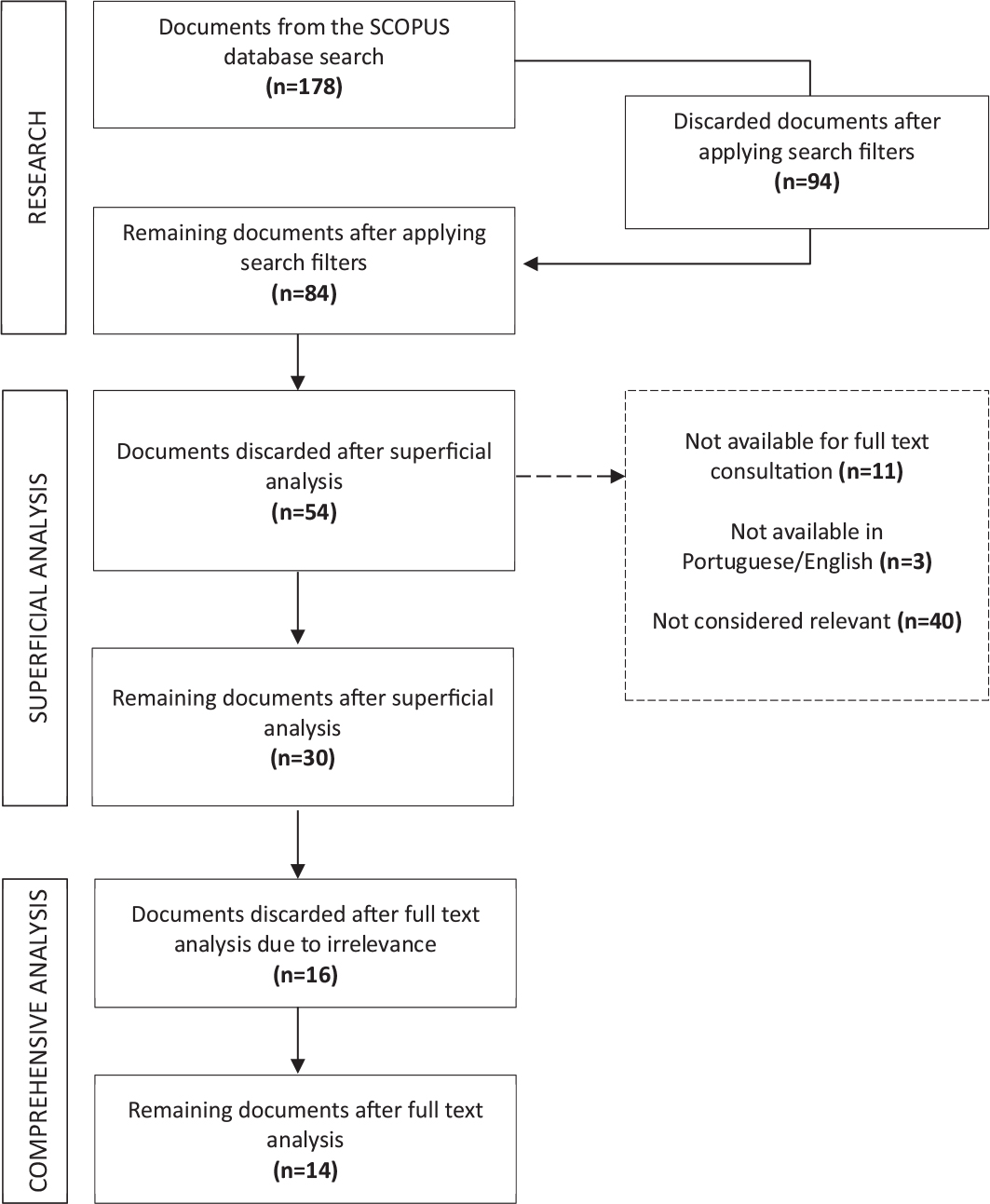
Figure 4:
Document Screening and Selection Methodology Flowchart
Documents that did not align with the research scope or objectives were deemed irrelevant and excluded, ensuring the analysis remained focused on defining a ‘gastronomic charter’ and identifying its essential elements. This improves the specificity and validity of conclusions and the overall quality of the analysis (Diodato & Gellatly, 1994; Herrera-Franco et al., 2021).
The 14 documents resulting from this screening and selection process constitute the documentary sample of this research (Table 3). Initially, they were characterised by year of publication, associated countries, authors, field of study, and type of document. Subsequently, they underwent detailed reading and content analysis using a thematic analysis methodology with a mixed approach (inductive and deductive) (Caulfield, 2024). Thematic analysis was conducted manually using a structured Excel spreadsheet rather than qualitative data analysis software.
Table 3:
Documental sample
| 1 | Chatibura, D. M. (2023). Beef as intangible cultural heritage in Botswana: A documentary review. Journal of Ethnic Foods, 10(1). https://doi.org/10.1186/s42779-023-00199-y |
| 2 | Didonna, A., Renna, M., & Santamaria, P. (2023). Traditional Italian Agri-Food Products: A Unique Tool with Untapped Potential. Agriculture, 13 (7), 1-24. https://doi.org/10.3390/agriculture13071313 |
| 3 | Zocchi, D. M., Mattalia, G., Aziz, M. A., Kalle, R., Fontefrancesco, M. F., Sõukand, R., & Pieroni, A. (2023). Searching for Germane Questions in the Ethnobiology of Food Scouting. Journal of Ethnobiology, 43(1), 19–30. https://doi.org/10.1177/02780771231162197 |
| 4 | Yavaş, N. (2022). Safeguarding traditional Palestinian food culture: the case of the Arab American play food and fadwa. Milli Folklor, 17(135), 148–159. |
| 5 | Yayla, Ö., & Günay Aktaş, S. (2021). Mise en place for gastronomy geography through food: Flavor regions in Turkey. International Journal of Gastronomy and Food Science, 26. https://doi.org/10.1016/j.ijgfs.2021.100384 |
| 6 | Mäkelä, H. H. (2021). Digesting the Finnish Nature and Past: Food, Pastness, and the Naturalness of the National in the Wiki-Inventory for Living Heritage. Journal of Ethnology and Folkloristics, 15 (2), 89–111. https://doi.org/10.2478/jef-2021-0019 |
| 7 | Scarpa, G., Berrang-Ford, L., Twesigomwe, S., Kakwangire, P., Peters, R., Zavaleta-Cortijo, C., Patterson, K., Namanya, D. B., Lwasa, S., Nowembabazi, E., Kesande, C., Harris-Fry, H., & Cade, J. E. (2021). A Community-Based Approach to Integrating Socio, Cultural and Environmental Contexts in the Development of a Food Database for Indigenous and Rural Populations: The Case of the Batwa and Bakiga in South-Western Uganda. Nutrients, 13 (10), 1-17. https://doi.org/10.3390/nu13103503 |
| 8 | Araújo, M. J. (2021). “Portugal at table”–food heritage, identity and tradition: The tourist gaze. Journal of Tourism and Development, 2021 (35), 243–257. https://doi.org/10.34624/rtd.v0i35.24661 |
| 9 | Liu, X., & Reid, R. E. B. (2020). The prehistoric roots of Chinese cuisines: Mapping staple food systems of China, 6000 BC–220 AD. PLoS ONE, 15(11). https://doi.org/10.1371/journal.pone.0240930 |
| 10 | Tadesse, N. S., Beyene, G. F., Hordofa, T. B., & Hailu, A. A. (2020). Traditional foods and beverages in Eastern Tigray of Ethiopia. Journal of Ethnic Foods, 7 (16), 1-12. https://doi.org/10.1186/s42779-020-00050-8 |
| 11 | Chung, H.-K., Yang, H. J., Shin, D., & Chung, K. R. (2016). Aesthetics of Korean foods: The symbol of Korean culture. Journal of Ethnic Foods, 3(3), 178–188. https://doi.org/10.1016/j.jef.2016.09.001 |
| 12 | Nascimento, E. C. do, & Guerra, G. A. D. (2016). Do avortado ao comprado: Práticas alimentares e a segurança alimentar da comunidade quilombola do baixo Acaraqui, Abaetetuba, Pará. Boletim do Museu Paraense Emílio Goeldi. Ciências Humanas, 11 (1), 225–241. https://doi.org/10.1590/1981.81222016000100012 |
| 13 | Trichopoulou, A., Soukara, S., & Vasilopoulou, E. (2007). Traditional foods: A science and society perspective. Trends in Food Science & Technology, 18(8), 420–427. https://doi.org/10.1016/j.tifs.2007.03.007 |
| 14 | Chang, B. (1974). Some dietary beliefs in Chinese folk culture. Journal of the American Dietetic Association, 65(4), 436–438. |
After full-text reading of the included studies, we carried out initial open coding to capture recurring concepts relevant to the review questions. Codes were recorded in Excel alongside bibliographic details and analytic notes, with explicit code labels and definitions maintained in a separate codebook tab. Through an iterative process of comparison across studies, codes were refined, merged, or split and then grouped into higher-order categories to develop the final themes reported in the Results. To support consistency, the dataset was revisited in multiple rounds and earlier coding decisions were checked against the evolving codebook, with any changes documented within the spreadsheet.
This approach facilitated the coding of content related to the definition or concept of a gastronomic charter and the necessary components for it to be recognised as such, in alignment with the specific objectives of this study. These codes were then organised into themes, leading to the identification of constructs for defining a gastronomic charter and specifying the essential content it should include.
4. Results and discussion
From the documentary sample collected from the SCOPUS database and the subsequent analysis, it was possible to establish that most of the publications resulting from the selection made were articles (n=13), and only one was a literature review (n=1). In addition, it can be seen that the number of publications relevant to the establishment of guidelines for the definition of gastronomic charters has been increasing, albeit slowly, with some ups and downs since the beginning of the millennium, reaching a small peak of 4 publications in 2021, the oldest dating from 1974 and the most recent from 2023 (Figure 5).
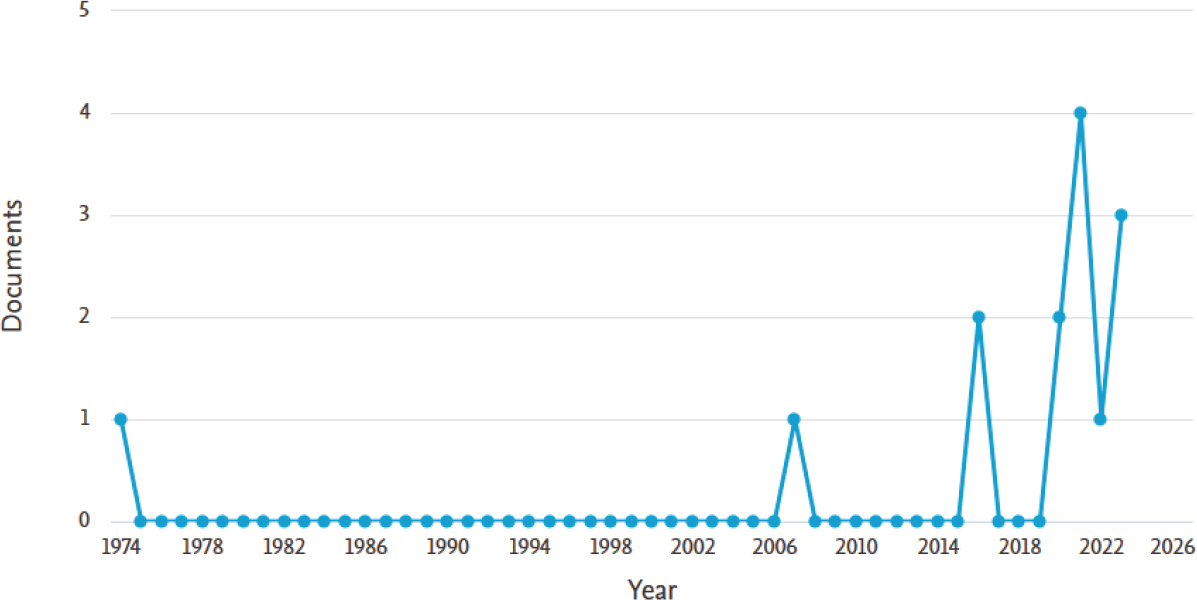
Figure 5:
Number of documents selected by year of publication
In terms of the number of publications per country (Figure 6), Italy, Turkey, the United Kingdom and the United States stand out as the countries with the most publications on this topic.
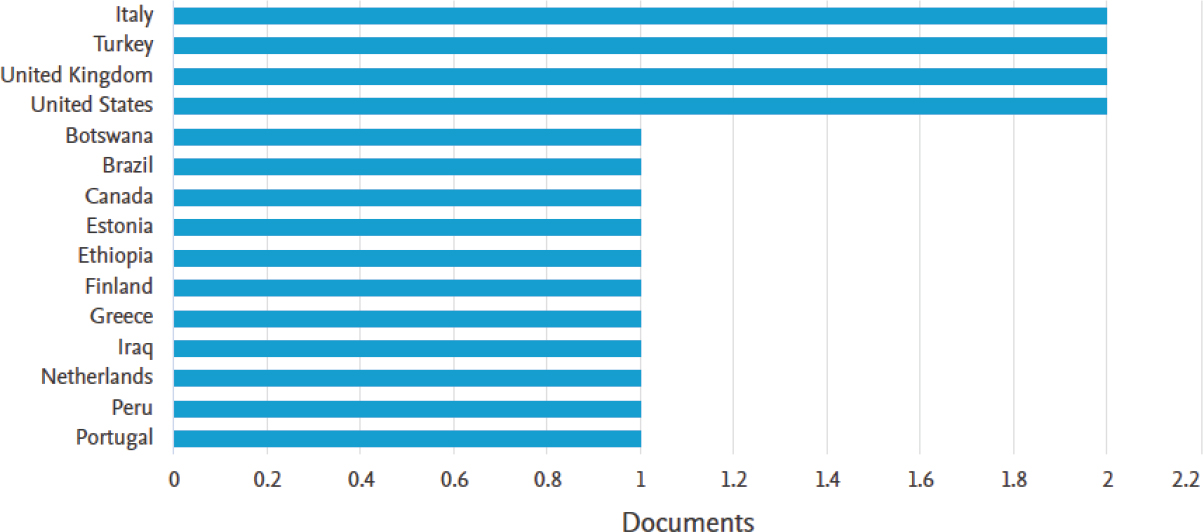
Figure 6:
Number of documents selected by country of publication
Despite examining author-, study-, and institutionlevel contributions, no clear concentration of productivity or citation dominance was observed. Specifically, all contributing authors published the same number of works within the scope of the dataset, which prevented the identification of a top three or five most prolific or most-cited authors, institutions, or studies. This distribution suggests that research in the areas covered by this study is characterised by a dispersed authorship structure, with scholarly contributions spread evenly across multiple researchers rather than driven by a small group of dominant actors. Such a pattern reflects the heterogeneous and evolving nature of the field, where knowledge production is not yet consolidated around a limited set of highly influential contributors.
Table 4, which displays the number of documents selected by scientific field, shows that the agricultural and biological sciences and the social sciences are the disciplines most concerned with the study of the inventory and conservation of a region’s gastronomic/food heritage.
Table 4:
Number of publications selected by scientific field
| Scientific Field | Number of Documents |
|---|---|
| Agricultural and Biological Sciences | 9 |
| Social Sciences | 9 |
| Art and Humanities | 1 |
| Biochemistry, Molecular Biology and Genetics | 1 |
| Business, Management and Accounting | 1 |
| Nutrition | 1 |
| Multidisciplinary | 1 |
This focus aligns with the broader international recognition of the importance of preserving food traditions, as reflected in UNESCO’s designation of Intangible Cultural Heritage (ICH) for protection (UNESCO, 2003), and the formal inscription of food practices as part of humanity’s ICH (UNESCO, 2010). In response to these global initiatives, many authors advocate for documenting regional and local food traditions to prevent the loss of traditional knowledge. In Portugal, since 1997, gastronomic charters have evolved to reflect this approach by incorporating multidisciplinary perspectives on local dietary practices and promoting the preservation of culinary memory as ICH. More recent charters, particularly those developed after 2005, have integrated ethnographic methodologies and local community testimonies, further enriching the documentation of indigenous products and practices (ADICES, 2023b). Since 2020, gastronomic charters have increasingly been tied to local development projects across economic, environmental, cultural, and social sectors, particularly in tourism. Despite this progress, there remains a need for a clear definition of what constitutes a gastronomic charter and the identification of essential contents to ensure their effectiveness in safeguarding regional culinary traditions for future generations.
Recent evidence syntheses and bibliometric mapping efforts provide an important baseline for understanding how gastronomy-related research is evolving and where key gaps remain. To better situate our contribution, this study is now discussed alongside recent reviews and bibliometric studies, including Çiki and Tanriverdi (2024) and Öğretmenoğlu, Akova, and Çiki (2025). These works help contextualise our results and sharpen the distinct contribution of the present analysis: rather than duplicating prior mappings, we apply our specific inclusion criteria and analytical lens to a clearly defined corpus, enabling a complementary synthesis while also highlighting areas where findings align and where they diverge—differences that may stem from variations in database coverage, search strategies, and the operationalisation of “gastronomy” across studies.
In this context, by overlapping the literature reviews (exploratory and systematic) and through thematic content analysis, guidelines were drawn for defining a gastronomic charter and the contents considered fundamental for them to be considered as such were identified (Table 5). Nevertheless, it is important to highlight that this review is based on a relatively small body of eligible evidence (n = 14), which necessarily constrains the extent to which the findings can be generalised across contexts, regions, or traditions within gastronomy. The limited number of included studies is a consequence of the predefined scope and eligibility criteria and, importantly, reflects the current maturity and visibility of research captured within these parameters. As a result, the conclusions should be read as a structured synthesis of the available evidence rather than as definitive or universal claims.
Table 5:
Guidelines for defining the gastronomic charter and its contents
| Constructs | Contents | Authors |
|---|---|---|
| Multidisciplinary contextualisation | historical evolution of food practices | Chatibura, 2023; Trichopoulou et al., 2007; Yavaş, 2022b; Yayla & Günay Aktaş, 2021; Zocchi et al., 2023 |
| cultural context of food heritage | Araújo, 2021; Chung et al., 2016; Didonna et al., 2023; Liu & Reid, 2020; Nascimento & Guerra, 2016; Tadesse et al., 2020; Trichopoulou et al., 2007 | |
| symbolic dimension and beliefs associated with food | Chang, 1974; Chatibura, 2023; Tadesse et al., 2020; Zocchi et al., 2023 | |
| geographical and environmental contextua-lisation | Araújo, 2021; Liu & Reid, 2020; Nascimento & Guerra, 2016; Yayla & Günay Aktaş, 2021; Zocchi et al., 2023 | |
| demographic contextualisation of the local population | Nascimento & Guerra, 2016; Yayla & Günay Aktaş, 2021 | |
| places where food is produced, distributed and consumed | Zocchi et al., 2023 | |
| Ethnographic framework | endangered food traditions | Zocchi et al., 2023 |
| work with local communities to survey food traditions | Scarpa et al., 2021 | |
| practices and behaviour at the table | Chatibura, 2023; Mäkelä, 2021 | |
| Identification of indigenous products, production methods, preparation [and consumption] that characterise the regional cuisine | distinctive agricultural products of the area and their associated agricultural practices | Chatibura, 2023; Nascimento & Guerra, 2016; Zocchi et al., 2023 |
| inventory of recipes (ingredients, cooking techniques) in relation to the territory, memory, identity and traditional knowledge of local communities. | Araújo, 2021; Chatibura, 2023; Mäkelä, 2021; Yayla & Günay Aktaş, 2021; Zocchi et al., 2023 | |
| inventory of kitchen and pantry equipment | Chatibura, 2023; Zocchi et al., 2023 | |
| Recognition of a glossary of local food vocabulary | local food language | Zocchi et al., 2023 |
| emic way of categorising food | Yayla & Günay Aktaş, 2021; Zocchi et al., 2023 |
Analysing Table 5, a gastronomic charter involves a multidisciplinary contextualization, explaining the reasons behind the food practices within a specific geographical area. This helps understand the gastronomic identity of the region by detailing the historical and social evolution of its food practices and summarizing the cultural, geographical, environmental, demographic, and economic context of the host community (Araújo, 2021; Chang, 1974; Chatibura, 2023; Chung et al., 2016; Didonna et al., 2023; Liu & Reid, 2020; Nascimento & Guerra, 2016; Tadesse et al., 2020; Trichopoulou et al., 2007; Yavaş, 2022b; Yayla & Günay Aktaş, 2021; Zocchi et al., 2023).
Additionally, a gastronomic charter should provide an ethnographic framework, identifying indigenous products and methods of production, cooking, and consumption that characterise the regional cuisine, including table behaviour (Araújo, 2021; Chatibura, 2023; Mäkelä, 2021; Nascimento & Guerra, 2016; Scarpa et al., 2021; Yayla & Günay Aktaş, 2021; Zocchi et al., 2023). This makes the charter a valuable tool for preserving local culinary memory (Zocchi et al., 2023).
Moreover, it is essential to identify traditional agricultural products, farming practices, kitchen utensils, and include an inventory of recipes (ingredients and cooking techniques) linked to the territory and local community memory.
Finally, including a “food glossary” helps understand the local food language and the way food is categorised locally (Yayla & Günay Aktaş, 2021; Zocchi et al., 2023).
5. Conclusions and contributions
Global efforts have been made to protect and value regional and local food traditions (Csergo, 2013; Didonna et al., 2023; Scarpa et al., 2021; UNESCO Intangible Cultural Heritage, 2010; Yavaş, 2022) as this specific and identifiable knowledge is in danger of being lost to time. In the face of this threat, gastronomic charters have gained prominence as a unique tool for recording, preserving and perpetuating food memory and heritage. However, the scientific literature is very scattered when it comes to the term “gastronomic charter”, revealing a huge knowledge gap, both in terms of its definition (Stroffolino, 2021; Zocchi, 2023) and its purpose and content (Mäkelä, 2021; Scarpa, 2021; Tadesse et al., 2020; Trichopoulou et al., 2007; Yayla & Günay Aktaş, 2021).
The research carried out shows that there is a growing academic interest in the field of gastronomy, which makes it essential to substantiate and systematise concepts, methodologies and research practices, particularly with regard to gastronomic mapping. Thus, on the basis of the study carried out, it has been shown that a gastronomic charter should not be a mere list of recipes, but should involve a multidisciplinary contextualisation of the food heritage of a given territory (reasons behind what is eaten or has ever been eaten) and its endogenous food products, preserving the culinary memory of local communities, as well as their eating habits, methods of producing and cooking food, not forgetting the social and cultural relationships they establish with food and the local vocabulary or food language. In addition, the gastronomic charter should be a privileged instrument for promoting gastronomy, providing guidelines for creating genuine gastronomic experiences as a reference for the tourism sector, in particular for hotels and restaurants.
5.1. Theoretical implications
This study contributes to the growing body of research on gastronomy and food heritage by addressing a significant conceptual and empirical gap surrounding the notion of gastronomic charters. While global efforts to protect and valorise regional and local food traditions have intensified, scientific literature on gastronomic charters remains highly fragmented, particularly regarding their definition, scope, and purpose. Against this backdrop, this research offers a systematic conceptual consolidation of gastronomic charters, positioning them not merely as descriptive inventories of recipes, but as multidimensional instruments that integrate cultural, social, historical, and territorial dimensions of food heritage.
More specifically, the study advances theory by proposing a reasoned and operational definition of gastronomic charters, clarifying their evolution and contemporary relevance, and identifying a coherent set of essential components required for a document to be recognised as a gastronomic charter. These components include culinary memory, endogenous food products, production and cooking methods, food-related social practices, and local food language. By framing gastronomic charters as multidisciplinary tools for gastronomic mapping and heritage preservation, this research strengthens conceptual clarity in an emerging field and provides a theoretical foundation for future empirical and comparative studies.
5.2. Managerial implications
From a managerial and practical perspective, this study provides valuable guidance for practitioners involved in gastronomy, tourism, and cultural heritage management. In particular, it offers structured and theoretically grounded guidelines for public-sector professionals, who are frequently tasked with developing gastronomic charters despite the absence of shared standards or methodological references. By translating conceptual insights into practical criteria, this research supports more informed, consistent, and effective decision-making in the design and implementation of such documents.
Furthermore, gastronomic charters are positioned as strategic tools for promoting authentic gastronomic experiences, offering concrete benefits for tourism operators, hotels, and restaurants. Clarifying the purpose and structure of gastronomic charters contributes to greater uniformity, quality, and credibility in their application, facilitating coordination and communication among tourism stakeholders. This, in turn, can enhance destination image and visitor experience. Well-structured gastronomic charters may also function as powerful place-branding and marketing instruments, highlighting regional authenticity and gastronomic diversity to attract culturally motivated tourists.
At a broader level, the findings may inform more strategic and evidence-based public policies, encouraging investment in gastronomy as a key driver of sustainable tourism development. A systematic and well-founded approach to gastronomic charters can strengthen the economic, cultural, and symbolic value of national and regional food heritage, particularly in the Portuguese context, while also offering transferable insights for other destinations.
Furthermore, since this is the first study in Portugal to carry out this survey in a systematic way, it could serve as a starting point for future studies in this area, recognising its limitations in terms of the complexity of collecting information.
5.3. Limitations and Suggestions for Future Research
Despite its contributions, this study has several limitations that should be acknowledged. First, the complexity of data collection was heightened by linguistic and conceptual challenges, notably the difficulty of translating and operationalising the term “gastronomic charter,” which resulted in the retrieval of overlapping and sometimes irrelevant materials. Second, the study relied exclusively on the Scopus database. While Scopus provides broad multidisciplinary coverage and supports transparent and reproducible retrieval, gastronomy is a culturally situated field, and relevant scholarship may be dispersed across local journals, non-indexed outlets, and non-English repositories.
Accordingly, the findings should be interpreted as representative of Scopus-indexed research rather than the entirety of global gastronomy scholarship. Future research should therefore triangulate results by incorporating additional databases such as Web of Science and Google Scholar, as well as national and local repositories, and by applying complementary strategies such as citation chasing. Moreover, the limited number of eligible studies (n = 14) highlights a clear research gap, underscoring the need for additional primary research across diverse cultural contexts and for expanded reviews to test the robustness of the patterns identified here.
In short, the results of this research not only fill gaps in the literature but also serve to inspire practical initiatives that could benefit the tourism and hospitality sector in Portugal and beyond.
Acknowledgement
This work is funded by national funds through FCT - Fundação para a Ciência e a Tecnologia, I.P., under project reference no. UID/BP/04470/2020