
1. Introduction
Tourism forms part of the informal industry in the global economy, utilizing a diverse workforce, which includes many illegal immigrants. However, many workers are also exploited in informal occupations without legal protection. Unregistered labour, especially among immigrant workers, is often associated with employment insecurity, exploitation, social isolation, and lack of basic entitlements. Considering the dimensions of immigration in the world, the opportunities and problems created by these immigrants for countries are quite remarkable. While immigrant workers can both contribute economically to their countries and cause social inequalities in the labor market. Migrant workers contribute to economic growth by filling the labor gap in many sectors (ILO, 2018). Especially in labor-intensive sectors such as tourism, immigrants provide a low-cost labor source for employers (Joppe, 2012). In addition, the cultural diversity created by immigrant workers can bring innovation and richness to the tourism sector (Janta 2011). However, there are some negative sides of this situation. Migrant workers are mostly exposed to low wages and poor working conditions (Baum et al., 2020). This situation leads to the social marginalization of migrants, who are exposed to exploitation because of a lack of legal protection. Besides, the perception of job competition by the native population may evoke anti-immigrant feeling and social tensions (Williams and Hall, 2000)). Under this scheme, the economic and social benefits accorded by migrant workers, alongside the challenges they encounter, implement the need for complete policy interventions. This is not only a labor market issue but also one that generates social and economic problems, with considerable implications for tourism ethics and sustainable development. As tourism industries are growing fastly, and causing many negative an positive impacts on society there need to be given more attention to the labor practices and their wider impacts especially on workforce. Many scholars tried to take interest in this subject over the last years due to demand. For instance, Joppe (2012), Janta and Ladkin (2013) have pointed to the insecure conditions of immigrant workers and revealed certain structural problems that lead to their marginalization. The recent work of Adam, Agyeiwaah, and Dayour (2020a, 2020b) demonstrates a similar interest in immigrant workers, but these authors turn their attention to developing countries where the legislative protection of workers is rather limited. Scholars discuss unregistered labor from the perspective of its influence on the economy-primarily, its contribution to the informal labor market. Despite all this growing interest, there needs to be comprehensive research that brings all these studies into one. While many works have put the challenges faced by immigrant workers in the tourism industry and informal labor markets under examination, most of these researches only center on particular geographical fields or thematic aspects. The aim of this study, therefore, is to bridge this gap in the existing literature by filling in all gaps in understanding the extent, networks, and general trends of the field, with a special focus on major contributors and areas of future investigation. This is where bibliometric analysis can, therefore, play a role. Bibliometric analysis traces the development of research over time by mapping publication patterns, citation networks, and key contributors. It is in essence an overview of how this topic has been studied and also assists in finding any lacuna that needs further research. In tourism, much could come out from a bibliometric analysis. It may show various regional and thematic deviations in viewing an issue. For example, the study of Elgammal and Wilbert (2020), on sustainable tourism, elaborated on unregistered labor from the environmental point of view, whereas the study by Piso (2020) dwelled on the hidden workforce in Southern Europe. The usefulness of the bibliometric analysis can be seen in highlighting an area which has scant study and attracting further research into it. Moreover, it connects the major authors, journals, and institutions in a network of expertise that would likely result in further collaboration.
The present research work carries out a bibliometric analysis related to unregistered labour in the tourist industry, paying special attention to problems of immigrant workers. It is based on data from the Web of Science (WoS), ranging from 1992 to 2023. A bibliometric approach would thus treat the publication pattern, citation network, and most active contributors in this field of study. It takes into consideration parameters like publication years, authorship patterns, geographic focus, and thematic emphasis to comprehensively understand the landscape of research, it consequently tries to outline clearly the landscape of research, identify main trends and gaps, and indicate further research directions. This study is unique in its meticulous method of synthesising global research on informal labour in tourism via bibliometric analysis. In contrast to other research, this paper concentrates on specific locations or isolated facets of informal labour, establishes connections among various studies, and emphasises overarching themes. Furthermore, it enhances current literature by highlighting research gaps and underexplored areas, with significant implications for policymakers, researchers, and practitioners focused on work-related issues in the tourist sector.
2. Literature review
The share of unregistered labour in the tourism industry has become a big issue in scientific research because of its influences on workers’ rights, economic stability, and social equity. Researchers have documented the unbearable situation of unregistered workers, factors that contribute to such a phenomenon, and general effects on the tourism sector. The second overarching theme of the studies refers to the vulnerability of unregistered labourers, especially in developing countries. Agyeiwaah, Bangwayo-Skeete, and Opoku (2020) indicate how inefficient labour legislation and ineffective enforcement increase the vulnerability of unregistered workers. Most of the workers usually experience dire situations: underpayment, long working hours, and unsafe working conditions; labourers are not protected by law. Most of these labourers come as immigrants who face extra difficulties emanating from their legal status (which is not correspondingly adjusted), their poor language capacity, and lack of support systems. Among tourism workers, vulnerabilities are further compounded by gender, ethnicity, and immigration status. Rydzik et al. (2017) examine the role of intersecting identities of immigrant workers, particularly women in tourism. Their findings reveal that women immigrants face a high concentration in precarious and hidden jobs, making them more vulnerable to exploitation and abuse. The perspective draws on an array of different forms of discrimination that unregistered workers face, and how those experiences are crucial to understand in reference to their wider social identities. The structure of the tourism industry, therefore, supports the rampant use of unregistered labour. In fact, the factors that create such a dependency based on economic constraints and corporate behavior have been widely discussed by Gürlek (2023). In competitive markets, tourism businesses would use informal employment as a cost-lowering factor; hence, their priorities are short-term profit at the expense of good work standards. This trend reveals broader global issues, where economic forces and rules create an enabling environment for informal employment. As explained, informal characteristics in this workforce derive not just from market pressures but also from a lack of adequate policy. Often, the power or will to police labor regulations is not held by governments, meaning such labor practices are allowed to persist. This governance shortfall becomes emphatically apparent in those countries or regions where tourism forms the mainstay of their economy and yet labor rights are not considered importante. Chen and Wang (2017) present such issues of regulating unregistered labour and note that if the government fails to address these challenges, in the future it will affect workers and the sustainability of the tourism industry. As a result of unregistered labour, there are many negative outcomes that contribute to low job quality, high labour turnover, and low worker satisfaction, consequently, affecting the reputation of the whole tourism industry. Public confidence is questioned when unregistered workers become exploited. It leads to social and economic problems. Issues concerning equity and justice are brought about by the examination of unregistered labour in the tourism industry. Abdallah et al. (2021a; 2021b) base the moral concerns on the exploitation of the working participants, especially in a tourism industry that might have been generally viewed as contributing positively to developing nations. Continued employment of unregistered labour brings into question the true cost of tourism growth and the fair distribution of benefits from the industry. The research into unregistered labour in tourism is a multidimensional issue that has great implications for workers, business firms, and society at large. Improved legislation, better enforcement of labour laws in protecting vulnerable workers, and promotion of ethical tourism practices are recommended. Additionally, immigrant workers, females in particular, have to overcome certain obstacles that simultaneously give the impetus for acting in response to the needs of these groups as part of broader labour rights and a social justice context. The research undertaken so far reveals a complex, well-documented issue of unregistered employment in the tourism industry. Scholars have demonstrated that bad policy frameworks, gender disparities, and exploitative practices by employers often exacerbate the structural vulnerabilities experienced by unregistered laborers. While some studies focus on economic motivations behind informal labor and implications for the sustainability of tourism, others focus on lived experiences of workers, more so women and immigrants in precarious work. This notwithstanding, a big gap in understanding how these challenges interact across different regions and contexts remains. Finally, there is a gap in longitudinal research on the long-term effects of informal employment on workers’ welfare and industries’ performance. The existing literature indicates that overcoming these barriers calls for an integrated approach: stronger legal frameworks, ethical business practices, and heightened attention to workers’ rights and social justice. Such collective wisdom underlines the real need for more integrative and innovative research in this area.
3. Methodology
In order to make a systematic examination of the academic literature on unregistered labor within the tourism industry, a bibliometric analysis will be performed. Bibliometric analysis is a quantitative research method used in the analysis of publication patterns, citation networks, and trends in scholarly work (Ellegaard and Wallin, 2015). It allows researchers to map the evolution of a research field over time and spot the key themes, authors, journals, and institutions that contribute to the topic. As such, this study will use bibliometric analysis as an instrumental tool to understand the trends in research related to unregistered labor, more so in the context of immigrant workers who often suffer from exploitation and are deprived of their rights within the informal economy (Joppe, 2012; Janta and Ladkin, 2013; Adam et al., 2020a, 2020b).
The data for this research will be retrieved from the Web of Science database, which is very well known for indexing peer reviewed scholarly journals in various fields. The reason for choosing the WOS database is that it covers many quality academic sources and proves capable of providing in-depth citation information, which is quite important while conducting bibliometric analyses (Donthu et al., 2021). A time frame of 1992-2024 has been selected for analysis to encompass historical trends and very recent ones in the literature on unregistered labor in tourism industry. This time frame was choosen to provide a more comprehensive and historical understanding of the field. Early 2000s demonstrated a surge in scholarly interest in unregistered labor in the tourism industry. One of the reasons may be the growth in globalization and migration trends. For example, the research conducted by Williams and Hall (2000) stated that the complexity of labor mobility in the tourism industry has increased since the early 2000s. This will ensure that the analysis is true to the latest research findings, especially in view of the post-pandemic recovery phase in the tourism industry, which has heightened attention toward workforce-related challenges.
The analysis will be based on five key parameters: publication year, authorship, geographic focus, thematic emphasis, and citation impact. These parameters have been chosen to allow for a basic understanding of the topic being studied in breadth and how it has grown over time in research. For instance, thematic emphasis is used in determining important subjects such as socio-economic vulnerabilities, legal frameworks, and matters related to gender, while citation impact underlines work of paramount importance that drive the discussion.
The keywords “unregistered labor,” “informal employment,” “immigrant workers,” and “tourism industry” are chosen for the search of relevant articles in the WOS database.
Titles, abstracts, and keywords of included articles will be reviewed for their relevance. Only peer reviewed journal articles and conference proceedings will be included to ensure quality and reliability of the analysis.
This bibliometric analysis will include several steps to reach a deep understanding of the research landscape. First, a descriptive analysis will be performed to find the number of publications per year, as well as the most prolific authors, journals, and countries involved in this field (Donthu et al., 2021). Such descriptive data provides output and the trends over time, hence offering valuable insights for mapping the development of interest in unregistered work within the tourism industry. Finally, citation analysis will be performed to identify the most cited papers, authors, and journals in this field. This kind of analysis is very important in unleashing critical research that has shaped the understanding of unregistered labor and its impacts in the tourism industry (Ellegaard and Wallin, 2015). This review highlights seminal works such as Joppe, 2012, that have contributed much toward the discussion on this topic. Finally, co-citation and keyword analysis are carried out in order to delineate research topics and connections among the existing literature. Co-citation analysis examines the frequency at which pairs of articles are cited together, thus allowing the researcher to group research sharing common themes or approaches (Chen and Wang, 2017). This analysis will be helpful in identifying thematic areas found in the current literature, such as, but not limited to, the socio-economic vulnerabilities of immigrant workers (Agyeiwaah et al., 2020) and the environmental perspectives toward informal work in the tourism industry (Elgammal and Wilbert, 2020). On the other hand, keyword analysis will also enable the identification of emerging research areas and trends by examining the frequency and trend of key words used across different studies (Donthu et al., 2021).
4. Results
4.1. Annual number of publications
Figure 1 displays the annual patterns of publications related to informal employment in tourism, as indexed in the WoS database between 1992 and 2024. The first publication on this topic appeared in 1992; however, academic interest was hardly pronounced, with scattered publications in most years up until 2008. The publication rate increased slightly starting in 2009, reaching as many as five in 2011, indicating a slow but perceptible increase in academic attention. Between 2015 and 2020, the number of publications attained a steady plateau, with an average of around eight publications per year. Such stability suggests that the issue of unregistered employment in the tourism industry was already, during this period, consolidated as a subject for academic research. However, in 2021, there was a considerable rise in the publications to a peak of 18. After that, though the number decreased to 11 in 2023, the volume remained high, with a total of 15 publications in 2024. This upward trend underlines a better recognition of the significance of unregistered employment within the tourism industry, more so in recent years, probably as an outcome of increased global awareness concerning labour rights and the impact of socio-economic changes.
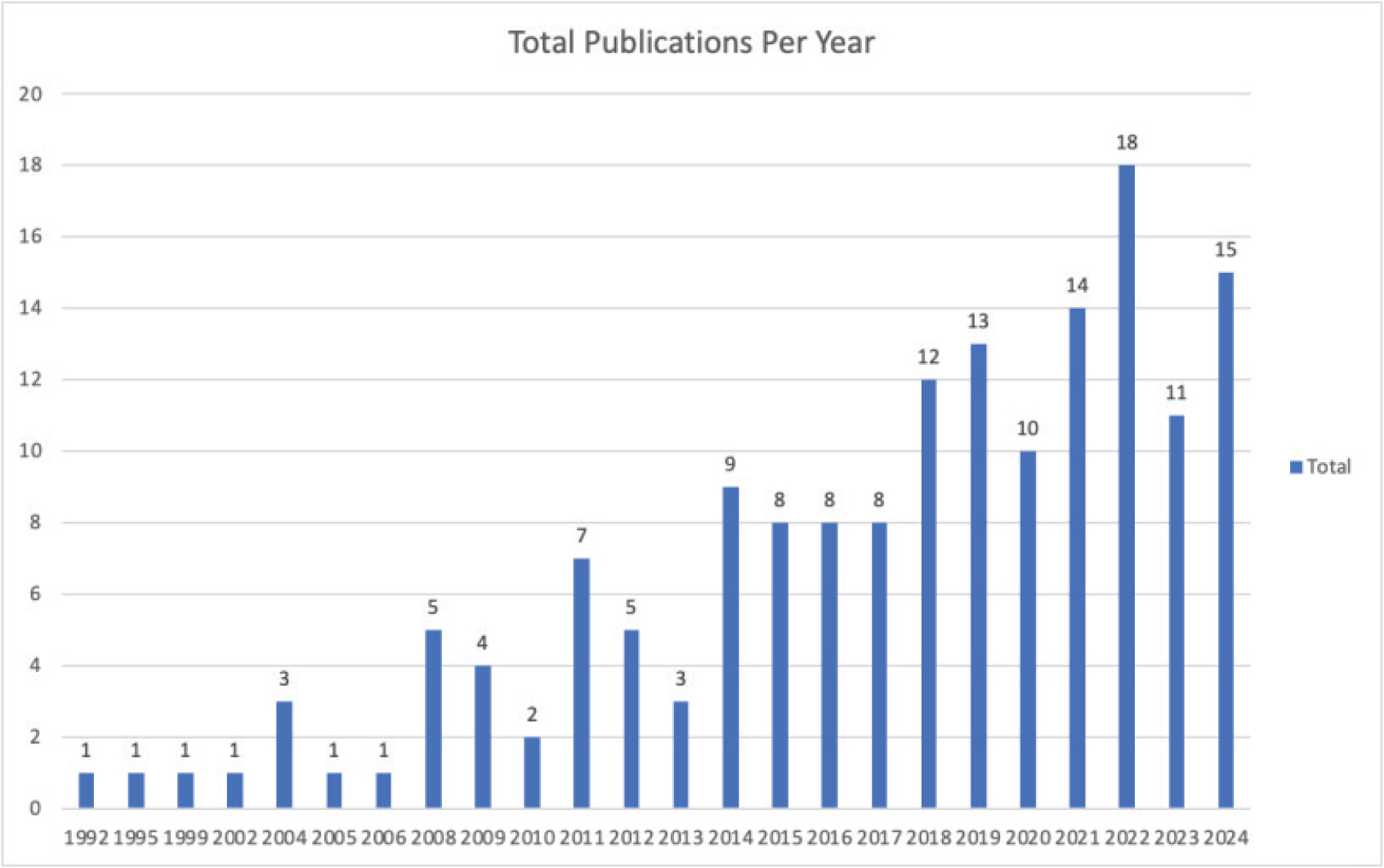
Figure 1:
Annual number of publications on unregistered labour in the tourism industry from 1992 to 2024, highlighting a notable increase in research output after 2015
4.2. Co-authorship network figure
Figure 2 shows the collaborative network of the academic literature on informal labour in the tourism industry. It maps the relationships between countries based on co-authorship and highlights patterns in international collaboration. Each node’s size signifies the quantity of publications or their significance within the network, with England emerging as a prominent participant, closely followed by the US, China, Australia, and Canada. We can observe regional clusters, such as the strong ties between the US and Canada in North America, and the close associations among England, Scotland, and Wales within the United Kingdom. Interregional relationships, as between China and Australia and between England and South Africa, are indicative of the international importance of labour-related issues in the tourism industry. Smaller nodes like Turkey, Singapore, Portugal, and Ghana represent smaller stakeholders who may not be as central but whose participation in this arena is continuously growing. Represented here are countries from Asia, Africa, Europe, North America, and Oceania, an indication of the scope of unregistered labour across tourism, underlining shared and region-specific challenges within both developed and developing economies. The network suggests opportunities for expanding research through enhanced collaboration with peripheral countries (in this case, Turkey and Mozambique to diversify perspectives in this field). In short, the map illustrates the interdisciplinary and global nature of the research on informal labour in the tourism industry, mapping existing networks but also showing some gaps where further international partnerships could strengthen understanding and broaden the field.
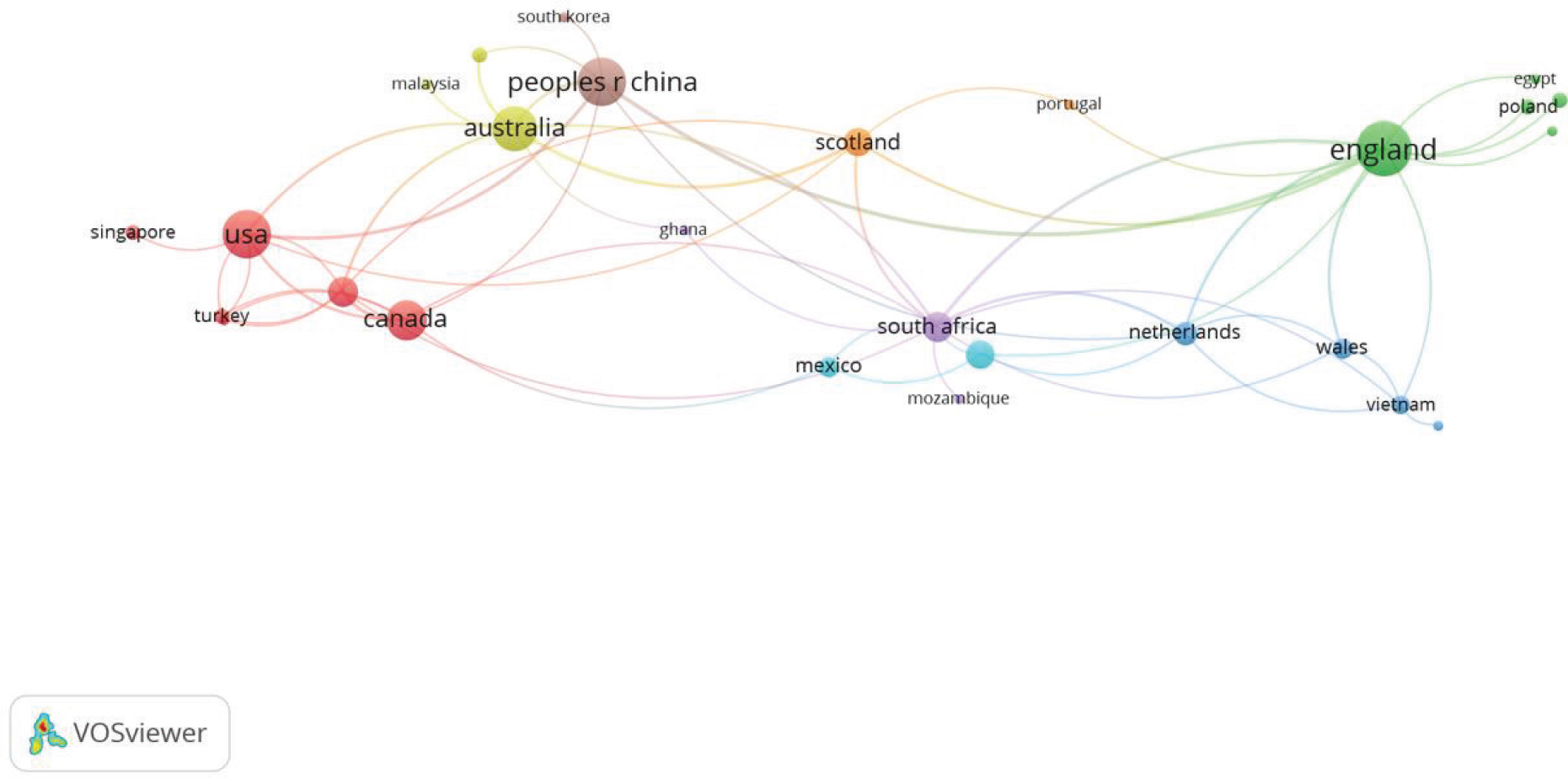
Figure 2:
Co-authorship network in international research collaborations on informal labour in the tourism industry
4.3. Most cited author(s) in WoS
Table 1 presents authors who have greatly contributed to the academic research regarding the topic. Manalansan is the most cited author, with 363 citations (Manalansan, 2024). Lundberg, Gudmundson, and Andersson followed with a total of 230 citations. Robinson, Martins, Solnet, and Baum are in third place with 162 citations, indicate the relevance of their work in researching key topics in the tourism industry (Robinson et al., 2024). Further, Sparke, Sidaway, Bunnell, and Grundy-Warr, with 130 citations, confirm the significant impact of academic research. Janta, Ladkin, Brown, and Lugosi (2012) appear regularly in the table with different contributions (119, 98, and 84 citations), which highlights their continued importance in the discipline (Janta et al., 2011). Baum, with 95 citations, also stands out as a significant figure in the field of tourism studies (Baum, 2024).
Table 1:
Most cited authors during the period 2000 to 2023
| Most Cited Authors | |
|---|---|
| Author(s) | Total |
| Manalansan, MF | 363 |
| Lundberg, C; Gudmundson, A; Andersson, TD | 230 |
| Robinson, RNS; Martins, A; Solnet, D; Baum, T | 162 |
| Sparke, M; Sidaway, JD; Bunnell, T; Grundy-Warr, C | 130 |
| Janta, H; Ladkin, A; Brown, L; Lugosi, P | 119 |
| Janta, H; Brown, L; Lugosi, P; Ladkin, A | 98 |
| Baum, T | 95 |
| Joppe, M | 86 |
| Janta, H; Lugosi, P; Brown, L; Ladkin, A | 84 |
| Moscardo, G; Konovalov, E; Murphy, L; McGehee, N | 72 |
Additionally, highly cited authors include Joppe (86 citations) and Moscardo, Konovalov, Murphy, and McGehee, with 72 citations; their works have enriched the literature on tourism (Joppe, 2012; Moscardo et al., 2024). The data shown in the table stress the interdisciplinary character of tourism industry research and the importance of team collaboration within various topics. The influence of these scholars is evident in a variety of topics, including sustainable tourism, workforce dynamics, and cultural tourism.
4.4. Most co-cited journal sources
As co-citation analysis is shown in the figure, important interrelations among major works can be depicted within the academic domain of tourism studies. The analysis shows the connection between the basic research that underpins the collective nature of contributions to the discursive academic field. It visualizes individual work, while connecting the lines with the strength of co-citation links shows how often these sources would appear together in the set body of the literature. The strongest connections arise between the works of Baum (2007) in Tourism Management and Janta (2011) in the same journal. This connection shows their mutual relevance in sculpting discussions on workforce dynamics. On the other hand, Ladkin (2011), in Annals of Tourism Research, presents meaningful co-citation links with both Janta (2011) and Baum (2007), reflecting shared themes that could be linked with sustainable tourism practices or human resource issues. Similarly, the work of Joppe (2012) in Tourism Management has strong connections across the network, especially with Baum (2007) and Ladkin (2011), to indicate that Joppe’s research is therefore a complement to prior work on these dimensions: frameworks of policy, market diversification, or managerial dimensions of tourism. Some of these are theoretical studies that form a base for ongoing research in critical areas such as sustainable development, workforce management, and how cultural aspects are integrated within tourism practices. Moreover, the relations shown hint at these sources contributing to the evolution of key paradigms within the field.
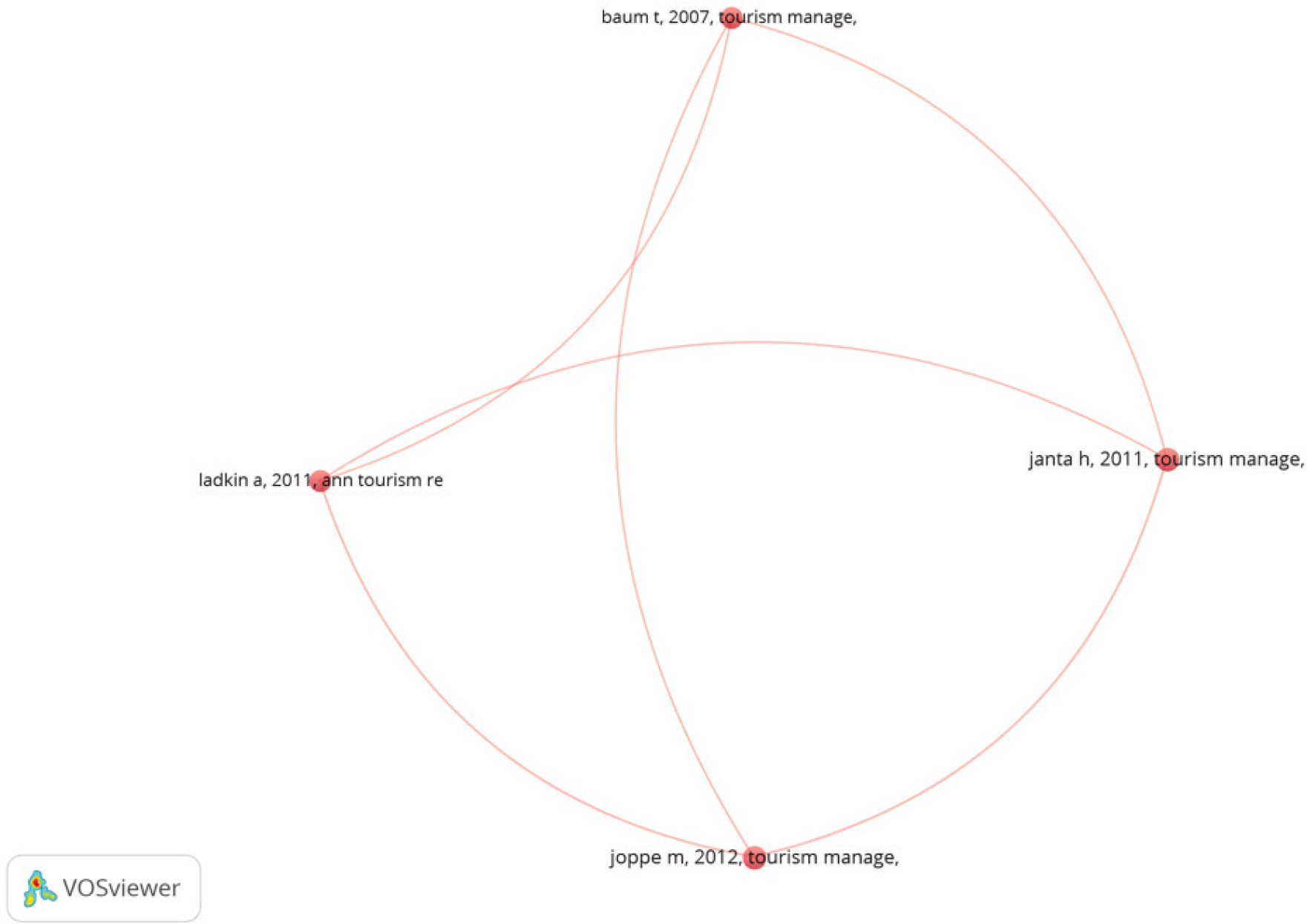
Figure 3:
Represents relationships between core journals frequently cited together in studies on unregistered labour in the tourism industry
4.5. Most popular keywords in papers
The figure above offers an analysis of the most used keywords in research on tourism, and more specifically, the focus on migrant workers. The size of the nodes represents the frequency of each keyword, while the spatial relations and connections between nodes represent the extent of association between these words in academic discourse. In the center of the network lies the concept of “tourism,” which comes out as the most frequently occurring term, indicating its centrality in this field of research. Coupled with this is the idea of “migrant workers,” a topic of great interest that appears as an area of increasing interest in understanding the dynamics of migration within the tourism workforce. Drawing from the above, more critical terminologies include “migration,” “labor,” and “hospitality,” representing the core notions of labour mobility, work systems, and where the migration and hospitality fields intersect.
A number of separate subthemes are apparent from the relationships illustrated in the figure. Terms such as “gender” and “masculinity” indicate an emphasis on the sociocultural dimensions of migrant experiences within the tourism sector, especially concerning identity and disparities. Conversely, terms such as “human resources” and “management” highlight the operational and strategic difficulties encountered by the tourism industry when addressing the needs of a varied and transient workforce. The rest of the keywords, such as “health,” “satisfaction,” and “opportunities,” leads to questions related to the well-being of employees and the wider impact of tourism on people’s lives and communities. “Precarity” refers to risky situations that migrant workers face, while “integration” would suggest a question about social cohesion and integration. Furthermore, the mention of “COVID-19” marks the present influence of this pandemic on tourism workplaces, highlighting the consequences of worldwide crises on working markets. More generalizing terms, such as “globalization,” “economy,” and “mobility,” turn personal experiences into overall tendencies and changes within the international tourism field. In other words, the picture represents the interdisciplinary nature of this research and embodies aspects of sociology, economics, and tourism management. It gives very good insights into the main areas of focus in the field and highlights the interlinked topics that will dominate the current and future scholarly debates.
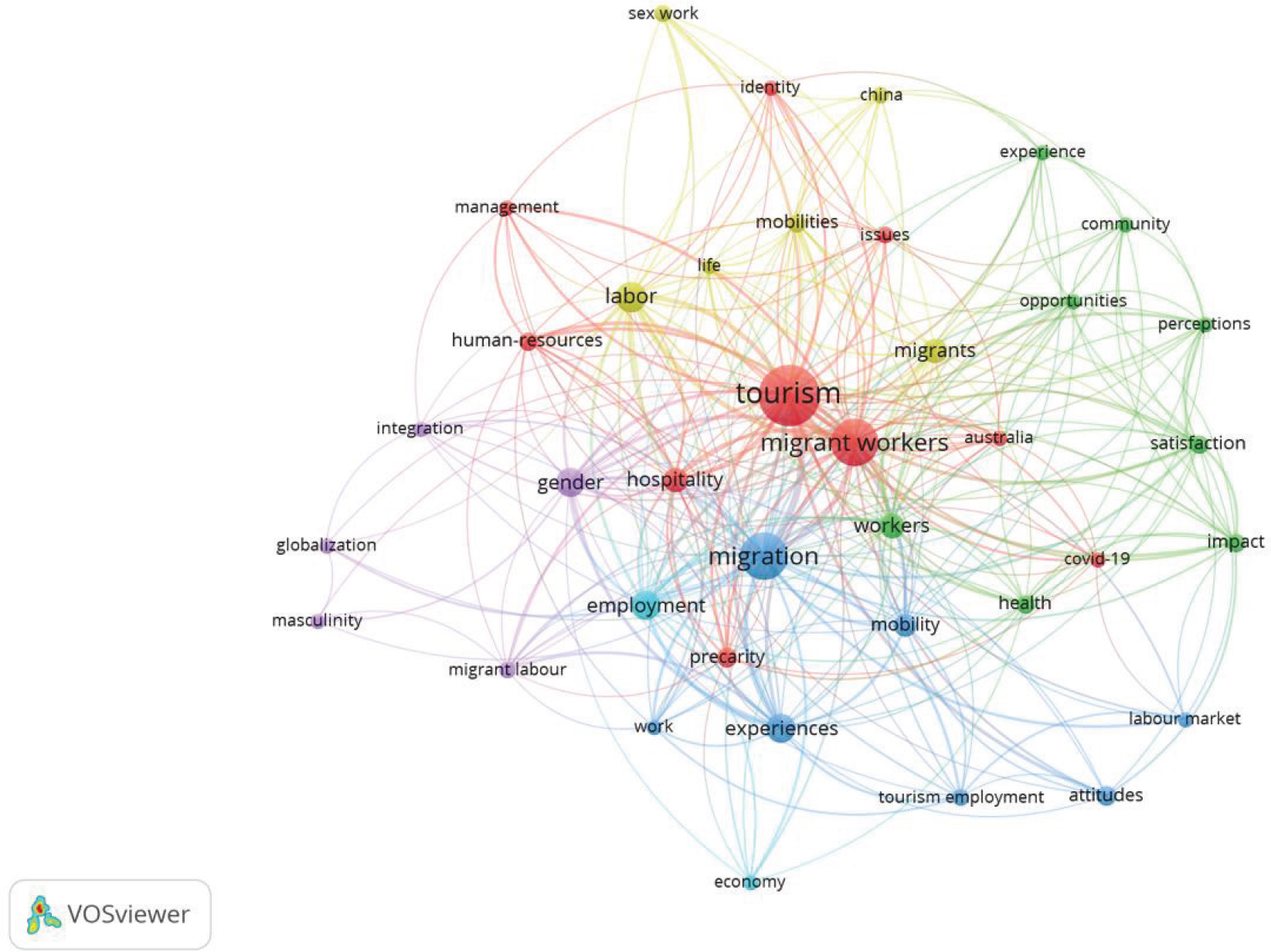
Figure 4:
Most frequently used terms in the literature on migrant and unregistered workers in the tourism industry
4.6. Most contributing countries
The figure above offers a network visualization of countries that contribute meaningfully to academic research, and even more so in the field of inquiry. The size of the nodes represents the magnitude of contribution, while the connections and spatial relations between nodes represent collaborative associations or thematic intersections among nations. England is marked out as the leading contributor, testified by the substantial size of the node. This means it has the top position in the production of academic research and strong links with a wide variety of countries, such as Poland, Egypt, Wales, and the Netherlands. Such links evidence England’s extensive international involvement in research collaboration. In a related aspect, the US is noted as a major contributor, as shown by its large node size and solid links with countries such as Canada, Singapore, Turkey, and Australia. This shows the influence of the US on research, especially through collaboration with both regional and international partners. Canada is also noted as a major contributor, with a balanced level of activity and collaboration, often overlapping with the US on topics of research. China represents an ascending profile in academic research and is linked to nations such as Australia, South Korea, and Malaysia. These connections hint at a regional focus of collaboration within the Asia-Pacific region and look towards global research hubs. In this respect, Australia comes into play as a broker between the US and the countries of Asia, further reiterating its active role within regional and global collaborations. European countries are especially prominent, with Scotland, the Netherlands, and Portugal; ties to England remain strong in Scotland. That would signal a strong regional cooperation between the United Kingdom and its neighboring European nations. On the other hand, countries like South Africa and Mozambique are representatives of African countries that bring forth issues that may concern regional challenges or opportunities peculiar to them. The figure shows the outstanding positions of England and the US in international research, based on very strong worldwide networks. Nascent contributors such as China and South Africa give indication of increasing diversity in academic output. The illustration becomes an explicit depiction of geographic dispersion for academic influence that is research on a global scale.
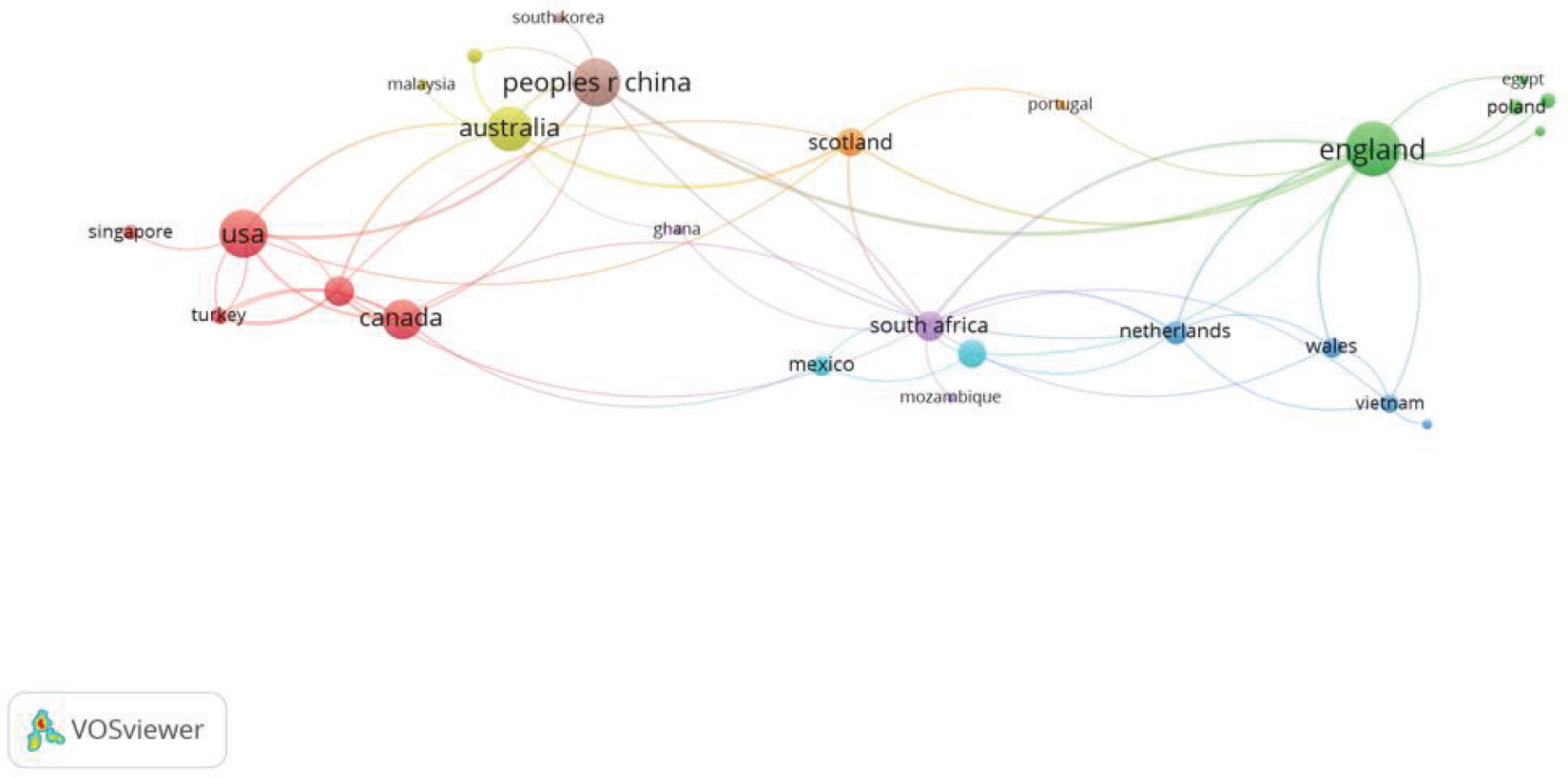
Figure 5:
Geographic distribution of research output on informal labour in the tourism industry
4.7. Co-citations of authors
Co-citation refers to the frequency with which two authors are cited together in the academic literature, indicating a conceptual or thematic relationship between their works (Small, 1973). It is often used to map the intellectual structure of a field, highlighting influential authors and their interconnected research areas. The figure shows the co-citation analysis of authors and their interrelations based on the frequency with which they are jointly cited in the scholarly literature. The size of each node reflects the occurrence of co-citation, while the proximity and connecting lines represent the strength of the relationships between the authors. This analysis highlights key researchers and their collaborative or thematic associations.
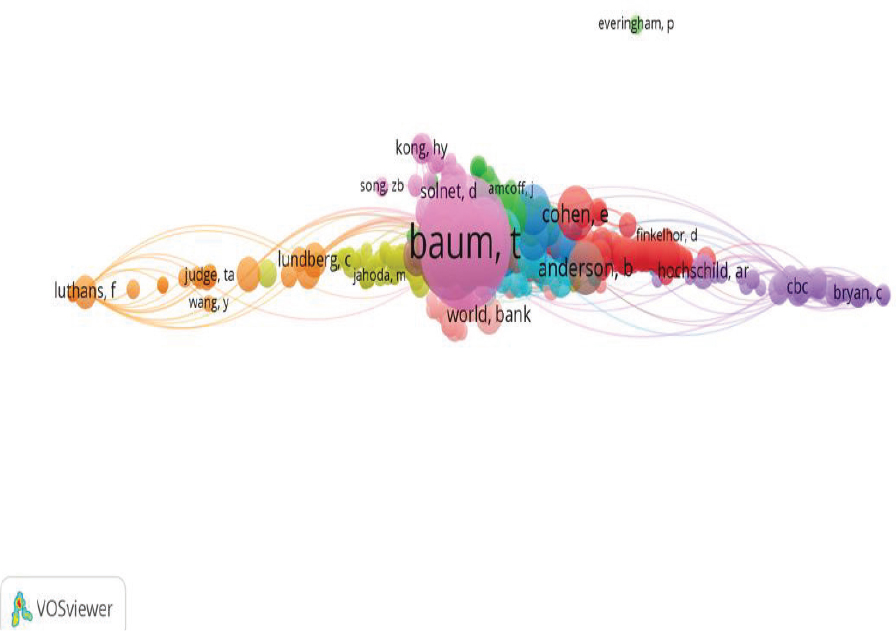
Figure 6:
How frequently key authors are cited together, mapping the intellectual structure of the field
Baum is the most central node in the middle of the visualization: he is obviously the most critical actor in the field. The large size of the node and many connections to other authors reflect that Baum’s work has been influential and actively engaged with in many different research topics, most notably in tourism and hospitality studies. Cohen and Anderson are also noted as major players, pointing to their importance in key conversations and their connection to Baum’s work. These affiliations suggest shared themes or complementary research topics, such as workforce dynamics, international mobility, or sociocultural influences within the context of tourism.
The presence of authors such as Lundberg and Solnet underlines the multidisciplinary nature inherent in the domain. Lundberg’s institutions suggest a focus on either management or organizational behavior from the perspective of the tourism sector, while Solnet indicates a focus on workforce-related topics. Furthermore, Luthans and Judge are likely to be associated with behavioural or psychological aspects of workforce management and, consequently, represent their potential influence on the broader conceptual frameworks used within tourism studies.
Groups of researchers, such as Hochschild and Finkelhor suggest categorizations by theme. The work of Hochschild may relate to emotional labour or gender dynamics, while for Finkelhor, an emphasis on sociocultural or structural examinations may hold. The connections with larger bodies like the World Bank indicate the incorporation of a global or economic perspective and the multidisciplinary span of this field of research.
Notably, Everingham appears isolated from the main clusters, which would suggest niche or nascent research themes that are less connected to the principal contributors but are still relevant to the broader academic discourse. Such a distinction could indicate a more focused or specialized domain of research.
This figure showing the strategic role of Baum and referenced authors in driving major conversations within the field. Its very nature is collaborative; indeed, tourism research is usually quite interdisciplinary, borrowing concepts and tools from sociology, economics, and labour studies at large. Such visualization would therefore be very important, serving to outline the intellectual structure of a field and the impact exerted by highly cited authors.
5. Conclusion
The results of this bibliometric analysis have demonstrated the increasing academic attention that is being given to the plight of unregistered migrant workers in the tourism industry, revealing the complexity associated with informal employment. This research identifies the major issues of exploitation, precarious working conditions, a lack of adequate labour protection, and socio-economic exclusion as the main problems that have been deeply discussed in studies by Joppe (2012), Rydzik et al. (2017), and Adam et al. (2020a). Notwithstanding progress in comprehending these issues, the disproportionate geographic emphasis of research, mainly concentrated in developed areas such as Europe and North America, underscores a considerable deficiency in investigating the complexities of unregistered labour within developing nations. In these countries, where legal frameworks and mechanisms for enforcement frequently lack strength, workers’ rights and welfare face more dire consequences.
Moreover, this examination shows the interrelation of unregistered immigrant labour with broader issues such as gender disparities, ethnic inequalities, and migration trends in workforce exploitation and social marginalization. Research on unregistered labour in tourism demonstrates that economic pressures and weak regulatory frameworks create conditions that enable exploitation and poor working conditions for migrant workers (Van-degrift, 2008). Further, it highlights, in sustainability and ethical labour practices underlined by research from Lozanski and Baumgartner (2021), that an international policy-oriented strategy is needed to address structural aspects of informal employment. Further, the co-citation and keyword analyses reflect the interdisciplinary nature of this research area by bringing together ideas from labour studies, migration, sociology, and tourism management. These are trends with support from bibliometric studies in other sectors such as agriculture and construction that also indicate ongoing regional imbalances of research and marginalization of informal workers in vulnerable employment forms. For instance, Xu et al. (2019) set out to prove that research on informal agricultural workers is predominantly located in high-income countries, while research gaps still exist in low- and middle-income environments, where informal farm labour is prevalent. Shakya et al. (2018) stated that the informal work of the construction industry is faced with the same problems, including exploitation, lack of legal protection, and unsafe work practices. These cross-industry accounts illustrate that informal labour is not unique to the tourism industry but an endemic feature of labour markets in industries heavily reliant on seasonal, low-skilled, or migrant workers. But the distinctive characteristics of the tourism industry, such as its high service intensity, seasonality of demand, and employment of transient labour, might make these vulnerabilities worse (Baum, 2007; Joppe, 2012).
Baum (2007) and Janta (2011), have played a formative role in academic debates on workforce dynamics and the socio-economic impacts of informal employment. New themes, such as the impact of environmental sustainability on informal work (Elgammal & Wilbert, 2020a) and the impact of global crises, including COVID-19, on labour practices, provide possible future research directions that can increase the scope and relevance of existing scholarship. In sum, this research highlights the need for more integrated studies that are not bounded by geographic and thematic limitations. In this sense, longitudinal and comparative analyses, in particular of regions such as sub-Saharan Africa, Southeast Asia, and Latin America, would be critical towards understanding the global dimensions of unregistered labour within the tourism sector. Furthermore, closer collaboration between policy makers, researchers, and industry stakeholders is needed to promote ethical labour practices and ensure that tourism, as an agent of economic growth, contributes to social justice and respects the rights of workers. Policy makers must accord top priority to cross-border protections for the workforce, augment informal employment data gathering, and call upon the industry players to initiate certification schemes for decent work conditions. Tourism international organizations and NGOs can facilitate driving advocacy, train workers, and enforce compliance.
While this bibliometric analysis provides insights into the research landscape on unregistered labour in the tourism industry, some limitations should be recognized. First, this study relies solely on data retrieved from the WoS database; though very comprehensive, it may not include all relevant publications indexed in other databases such as Scopus or Google Scholar. Moreover, the search is limited to publications since 2000 and until 2023, which may miss seminal works or emerging trends beyond this time frame. It should also reduce the potential for an in-depth look into the nuances and context of the reviewed studies, since it is lacking in qualitative analysis.
5.1. Limitations and suggestions for future research
Future research should extend the scope of the bibliometric analyses by using multiple databases to present a more inclusive overview of the literature. It would also be analytically useful to compare the cases of different regions, particularly the understudied regions of sub-Saharan Africa, Southeast Asia, and Latin America, to identify the global dimensions of unregistered labour. Third, longitudinal studies, by tracing policy evolution and labour conditions over time, may afford much more in-depth insights into the socio-economic impact of informal labour. Such collaboration by interdisciplinary researchers is very important in dealing with the different dimensions of unregistered labour and ensuring that future studies contribute meaningfully to academic discourse and practical solutions. Lastly, the use of qualitative methods, together with bibliometric approaches, would offer much richer insights into this complex issue within its particular context.