
Table 1.
Different bioactive phytochemicals of different parts of papaya plant.
| Chemical compounds | Molecular formula | Chemical structure |
|---|---|---|
| 1 | 2 | 3 |
| Protocatechuic acid | C7H6O4 | 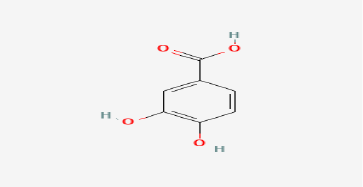 |
| Caffeic acid | C9H8O4 | 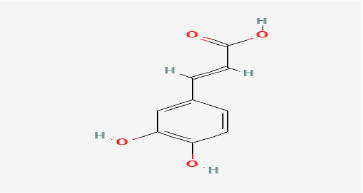 |
| Chlorogenic acid | C16H18O9 | 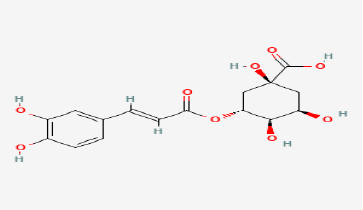 |
| Kaempferol | C15H10O6 | 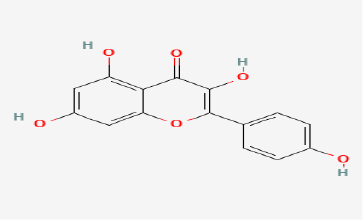 |
| Quercetin | C15H10O7 | 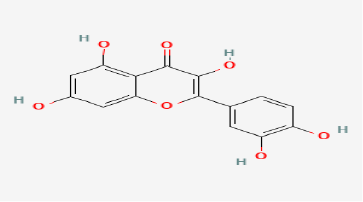 |
| Tribulusamide B | C33H34N2O9 | 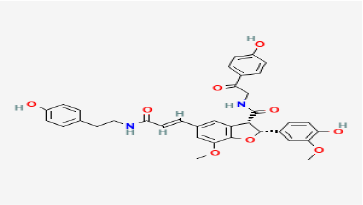 |
| Mulberrofuran B | C25H28O4 | 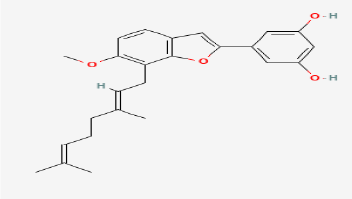 |
| Moracin C | C19H18O4 | 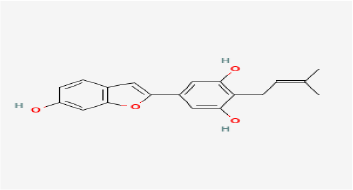 |
| Asebotin | C22H26O10 | 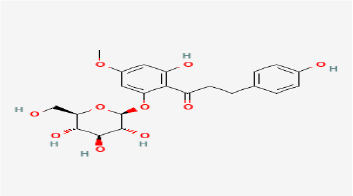 |
| Moupinamide | C18H19NO4 | 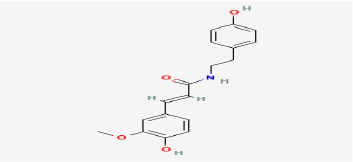 |
| Apocynin | C9H10O3 | 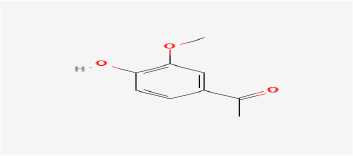 |
| Obovatol | C18H18O3 | 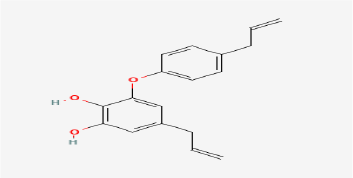 |
| Kukoamine A | C28H42N4O6 | 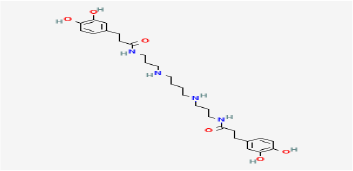 |
| Chalcomoracin | C39H36O9 | 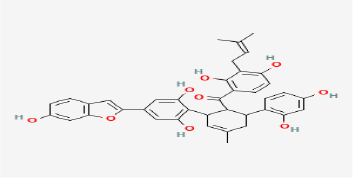 |
| Retinal | C20H28O | 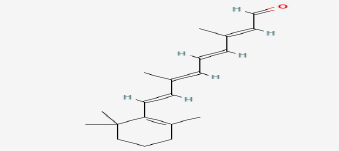 |
| Cedrol | C15H26O | 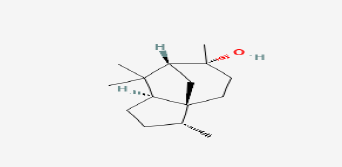 |
| Carpaine | C28H50N2O4 | 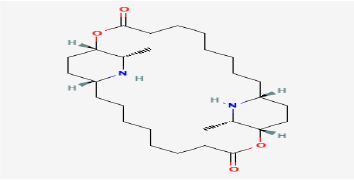 |
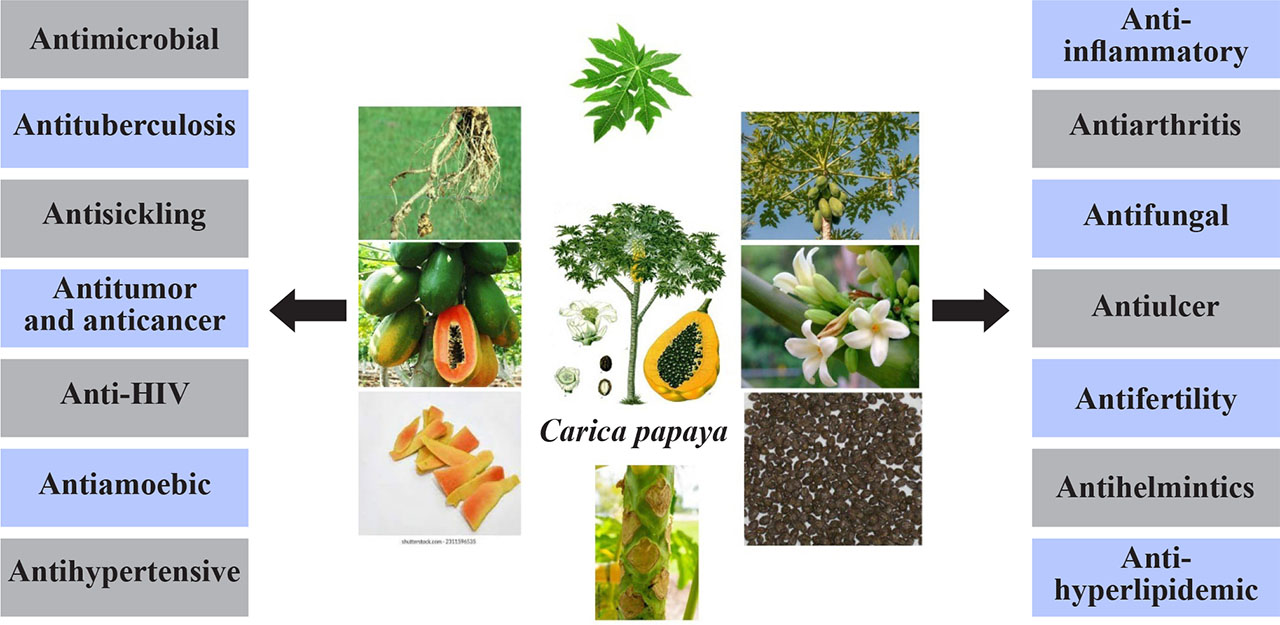
Figure 1.
The most important health benefits of papaya.
Table 2.
Examples of benefits of various parts of papaya.
| Benefits | Key-points | References |
|---|---|---|
| 1 | 2 | 3 |
| Health benefits | ||
| Antiviral activity | Its fruits could effectively treat post-Covid clinical signs via pro-energy mechanisms, redox balancing, and immune-modulating processes. | Kharaeva et al., 2022 |
| Its leaves have positive effects against Covid-19 at both cellular and molecular levels. | Hariyono et al., 2021 | |
| It has n-hexane, and it showed high antiviral activity which is important against Covid-19. | Adel et al., 2022 | |
| Carica papaya leaves aqueous extract exhibited potential activity against Dengue fever. | Ahmad et al., 2011 | |
| Antibacterial activity | Its ethanolic extract revealed high antibacterial activity. | Siddique et al., 2018 |
| The antibacterial activity of its extracts against Micrococcus luteus is reported. | Baskaran et al., 2012 | |
| The fruit extract-based Fe2O3 NPs were characterized and synthesized, and it showed antibacterial effects against Gram-negative bacteria. | Malaikozhundan et al., 2022 | |
| Antimicrobial activity | Its leaf contains saponins, glycosides, terpenoids, phytosterols, flavonoids, and alkaloids with antimicrobial activity against Aspergillus niger, Aspergillus fumigatus, Escherichia coli, Bacillus subtilis, Pseudomonas aeruginosa, and Streptococcus mutans. | Devanesan et al., 2021 Joshi et al., 2023 |
| The plant extracts showed antimicrobial activity against Trichophyton rubrum, Candida albicans, Salmonella typhimurium, Escherichia coli, Klebsiella pneumonia, Staphylococcus aureus, and Enterococcus faecalis. | Teinkela et al., 2016 | |
| Anticancer activity | Its various parts such as roots, seeds, latex, and fruits have anticancer activities. | |
| The flavonoid-enriched benzene fraction of its seed aqueous extract showed high anticancer activity. | Pathak et al., 2014 | |
| The alkaloid extract of its fruits can decrease alpha-fetoprotein levels, and prevent the establishment of hepatocellular carcinoma. | Kyei-Barffour et al., 2021 | |
| Antidiabetic activity | The antidiabetic impacts of papaya are because of the presence of tannin, saponin, alkaloids, and flavonoids. | |
| It reinstates the glycemic impact in the diabetic skeletal muscle by increasing the expression of glucose transporter-4 (GLUT4) and the insulin receptor (IR). | Roy et al., 2022a | |
| p-coumaric acid, caffeic acid, kaempferol, and quercetin have shown high antidiabetic activity, and it was able to restore the changed levels in the hepatic tissues of type-2 diabetic male rats. | Roy et al., 2023 | |
| Its chemical components such as oleic acid, n-hexadecanoic acid, methyl ester, hexadecenoic acid, and 11-octadecenoic acid have been found effective because of their antidiabetic and antioxidant activities. | Agada et al., 2021 | |
| Antiinflammatory activity | Different parts of the plant have antiinflammatory and immunomodulatory activities. | |
| It can be used as a natural source against inflammation related diseases and irresistible microbial infections. | ||
| The papaya polysaccharide fractions containing mannose components, galacturonic acid, and xylose have shown high antiinflammatory activity. | ||
| Antioxidant activity | There is a correlation between total flavonoid contents and flavonoid and polyphenol concentrations ethanol extracts of plants which were both correlated to the antioxidant characteristic. | |
| Its flavonoid and phenolic content of fruits and seeds have shown high antioxidant activity. | ||
| Its leaves contain high antioxidant components, which can decrease lipid peroxidation level. | Wang et al., 2015 | |
| Antiplasmodial activity | The main alkaloids present in its leaves have revealed high antiplasmodial (antimalarian) activity. | Haldar et al., 2020 |
| Antihelminthic activity | Its dried seeds have been applied for antihelminthic purposes. | Okeniyi et al., 2007 |
| The flavonoids fraction of papaya is a combination of different flavonoids such as luteolin, kaempferol, quercetin, and quercetin dimer. The butanolic extract of Carica papaya young leaves inhibited H2O2 induced hemolysis and lipid peroxidation. | Kumar et al., 2023 | |
| Antithrombocytopenic and immunomodulatory activity | Its leaves contain coumaric acid, quercetin, kaempferol, ferulic acid, cinnamic acid, vanillic acid, malic acid, sinapic acid, linoleic acid, carpaine, isochlorogenic acid, and beta sitosterol which can mediate the release of platelets providing means for prevention and treatment of dengue. | |
| Antihyperlipidemic activity | Its water fraction and extract revealed protection activity by boosting the high-density lipoprotein (HDL) cholesterol level. | Iyer et al., 2011 |
| The papaya leaves extract meaningfully reduced the LDL cholesterol, and total cholesterol levels at all doses administered, and the inverse relationship with the cholesterol levels and papaya leaves showed the effectiveness of its leaves extract in the treatment of hypercholesterolemia and cardiovascular diseases. | Ademuyiwa et al., 2023 | |
| Oral diseases | It used to treat oral diseases, and synthesis of nanoparticles has now become a turning point in the dentistry field. | |
| Its leaf extract has noticeable application in dental treatments, as the functional groups of its bioactive components have been found effective in reduction of silver ions, and inhibitory effects against tooth decay causing bacteria. | Subha et al., 2024 | |
| Skin health and wound healing | Its fruit extract is appropriate for the treatment of burn injuries. | |
| The antioxidant enzyme activity in its extracts can inhibit wound inflammation by regulating the expression of proinflammatory parameters and increase wound healing rate. | ||
| Papaya seed extract has many potential bioactive molecules with positive effects for parasitic and bacterial skin infections. | Gnanamangai et al., 2022 | |
| Papaya is a natural drug with both antiinflammatory and antibacterial activity, and papaya loaded poly (vinyl) alcohol (PVA)/Gelatin nanofibrous scaffold can be considered as an important candidate for wound healing. | Ahlawat et al., 2019 | |
| Papaya loaded PVA/Gelatin nanofibers were validated by physico-chemical characterizations and used for wound dressing application. | Ahlawat et al., 2019 | |
| Other benefits | ||
| Antifungal activity | Its plant extract can decrease rot in papaya fruit caused by Cladosporium herbarum. | Bello et al., 2022 |
| Hot and cold water leaf extract of papaya is effective in decreasing the growth of powdery mildew fungi on pepper plants. | Amadioha, 1998 | |
| Antimalarial (antimosquitoes) activity | Its leaves extract and the ethanol leaf extract have wonderful potential to be used as the appropriate approaches for the control of vector mosquitoes. | Kovendan et al., 2012 |
| Biocidal-green inhibitor | Its peel extract has shown biocorrosion inhibition of mild steel in the crude oil-water environment. | Agarry et al., 2019 |
| Insecticidal activity | Its chemical components such as alkaloid carpaine, rutin, kaempferol, quercetin, and the flavanol-glycosides quercetin can be used against the leaf-cutter ant (Acromyrmex octospinosus). | Lobo-Echeverri et al., 2020 |
| Larvicidal activity | Its leaf extract has larvicidal activity against Anopheles culicifacies. | |
| Its latex was found useful for control of Rhipicephalus microplus. | Filgueiras et al., 2021 | |
| Its extract at different concentrations can be used for the inhibition of egg hatch and mortality of larva of root-knot nematode, Meloidogyne incognita. | Bello et al., 2014 | |
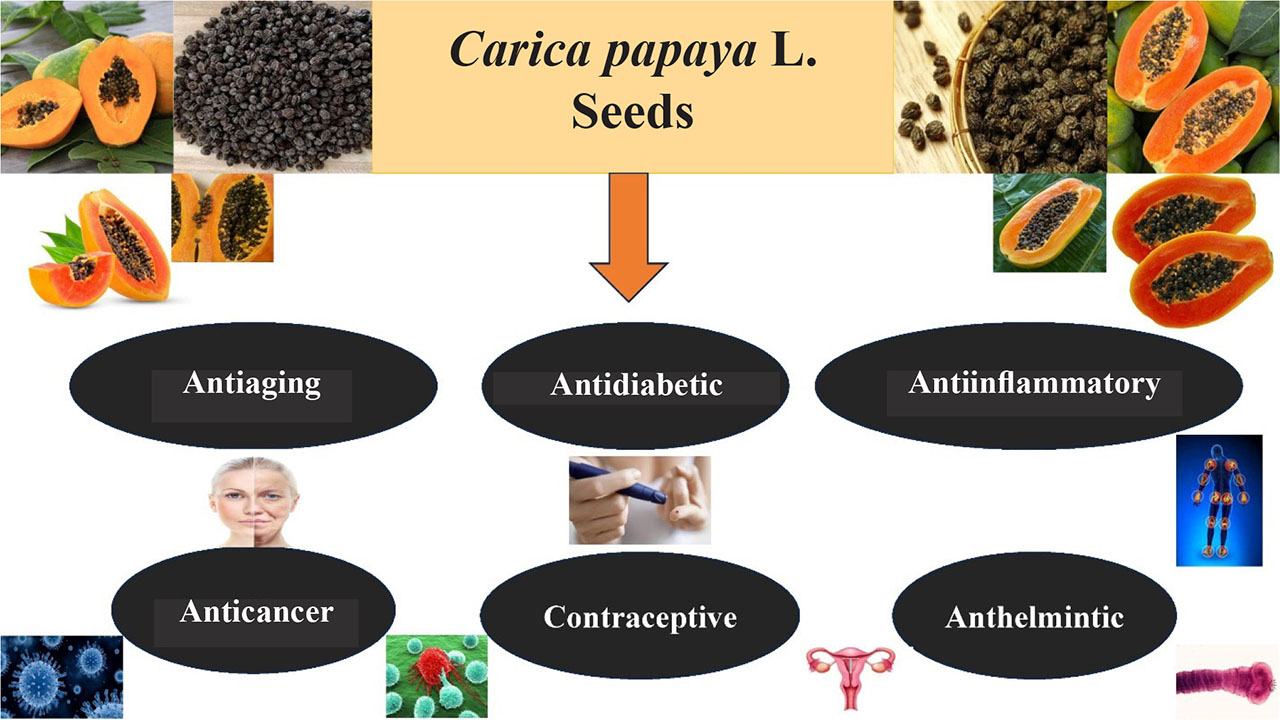
Figure 2.
The most important health benefits of papaya seeds.