

1. Introduction
All public and private infrastructures and facilities that serve as the arena for the operation of our society carry some risks associated with fire. In addition, most do not have coherent fire protection, and in some cases, they do not even have adequate safety systems. Thus, due to their exposure to arson, they are so-called soft targets for perpetrators of intentional arson. In such a case, the terrorist attacks on them are the ideal scene for triggering panic reactions among the general population, mainly due to the heightened sense of fear that is contrary to our instincts.
In many cases, arsons are committed by terrorists with the specific purpose of creating panic. While it is true that the news broadcasts report day after day about fires that cause serious financial loss and sometimes claim a large number of lives, there is little mention of arson committed with terrorist intent. It is therefore no wonder that these terrorist attacks and the methods of committing them are not yet researched on a global scale.
It is precisely for this reason that this article analyzes terrorist attacks by arson, to determine the extent of the threat, carefully studying the characteristics of the attacks, and determining the fire risks they pose. It is all the more worthwhile to introduce the professional audience of safety science to the details of the research, as phenomena markedly different from the consequences resulting from fires occurring in other ordinary environments can also take place. Even in facilities with serious passive and active fire protection, unexpected, even drastic, structural failure events can occur, as we witnessed after the collapse of the Twin Towers on September 11, 2001, which put even experts in dilemmas.
Although arson attacks carried out with the intention of terror have been with us since the beginning of history, a competent analysis of the tendencies of today’s attacks helps not only the experts responsible for fire protection but also the ones to be held accountable for organizing the security of the targets in the correct assessment of vulnerability. Besides, what is more important it aids local defense in properly assessing the risk of fire in developing strategies (Schuurman & Quirine, 2015). What is reported in this study highlights key issues such as the factors determining the risk of arson attacks on facilities and how these factors play a role in target selection. In addition, the research offers crucial knowledge for recognizing the risk factors associated with critical states of damage caused by arson. All of this can greatly determine not only the success of the interventionists’ on-site reconnaissance and life-saving during the arsons that have occurred but also the effectiveness of the preparation for dealing with terrorist acts.
2. Literature Review
The use of incendiary materials for terrorist purposes is not a new phenomenon. Even historical records contain such things, including the Epic of Gilgamesh, in which we can read, for example, about the raids of the Arameans. Although – as can be deduced from the sources – these are typically warfare-related events (Nagy, 2022).
Nonetheless, among some extreme fanatics, the arson attacks themselves have a symbolism that can be traced back to a religious origin and can be associated with the cleansing fire. We can often identify a cultural, religious, or ethnic background as the motivation for these kinds of attacks. Just think of the series of arsons committed in Nazi Germany, such as the burning of the German parliament and this is especially true of book burnings as well (Johannsen, 2016). On the other hand, symbolism comes to the fore less often about cases of arson attacks carried out with the intention of revenge that is not ideologically motivated and attacks that cause material loss (Pettiway, 1987).
The arsons classified in this category can rather be associated with riots expressing political dissatisfaction, which culminate in the burning of some buildings that embody the existing political system, as illustrated by the revolutions that have taken place throughout history (Dillinger, 2006).
Politically motivated terrorist attacks of this kind in today’s sense increased in the early 1970s, and it is no coincidence that the starting point of the time series in the global database shown in Figure no. 1 also dates back to this period.
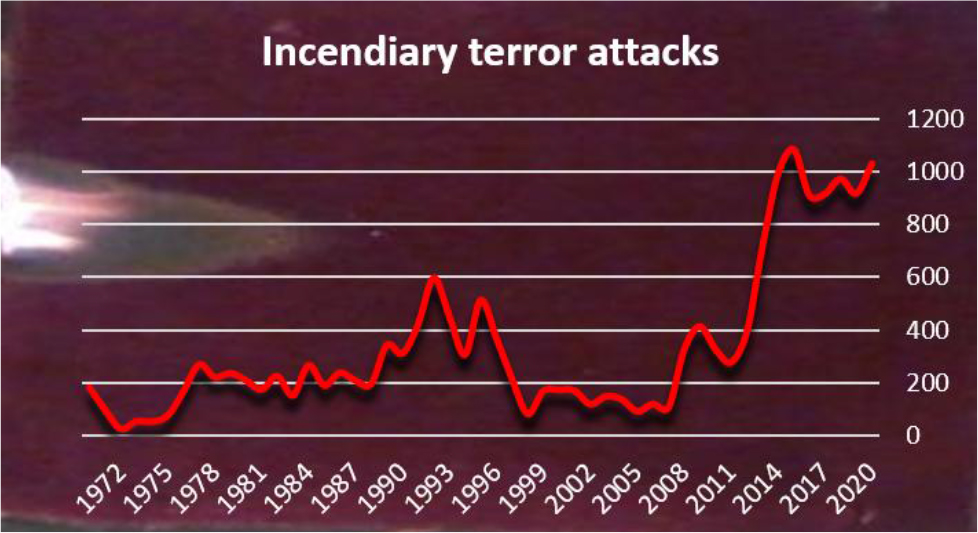
Figure no. 1:
Trends in the number of incendiary terror attacks
(Source: Authors, Data from GTD, 1970-2020)
As can be seen from Figure no. 2, a common method of the attacks of the extreme left-wing terrorist organization called the Red Army Faction, which committed the majority of these attacks, was to set their targets on fire (Piwowarski et al., 2023, p. 90).
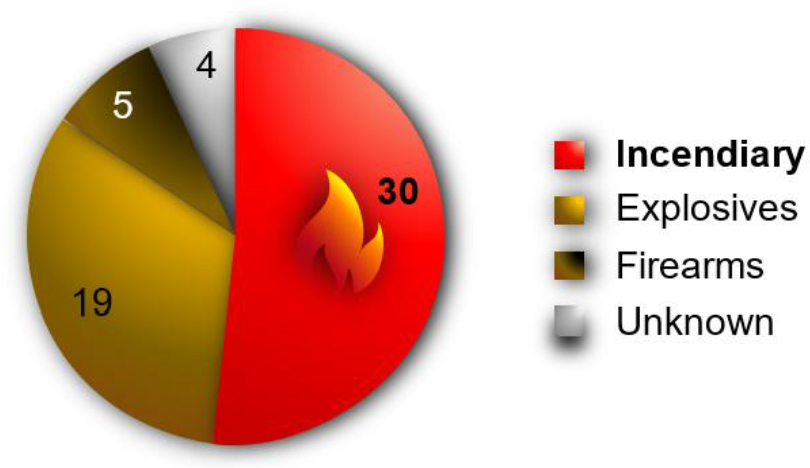
Figure no. 2:
Trends in the number of incendiary terror attacks
(Source: Authors, Data from GTD, 1970-2020)
A category that is very close to terrorist attacks triggered by fire in terms of intent and planning is arson caused by persons with pyromaniac tendencies. However, research dealing with these issues states that these are rather mental disorders than ordinary law crimes (Corner & Gill, 2015). Although the damage caused by them is also significant due to their relative frequency, the fact of intent against life and property cannot be dismissed considering motives (Burton et al., 2012).
On the other hand, in relation to public safety, compared to the focus of the research, sabotage actions against facilities, which not only cause direct fire damage but also carry some motivation, are a way of committing them that is one step closer than this (Lockwood, 1954). As one of the research conducted among employees, regardless of the means, points out regarding the motives of sabotage: the perception of the intentions of the perpetrators is fundamentally different according to whether they hope for personal gain or violence aimed at enforcing goals that are considered correct by a community whose interests have been harmed (Giacalone & Rosenfeld, 1987). At the same time, regardless of the motive behind the acts of sabotage combined with deliberate arson, they can still be considered as belonging to the ordinary law crime category, since the perpetrators intend to intimidate and blackmail the ones they have attacked (Boudreau et al., 1977).
The latter falls quite close to the ideologies aimed at the acceptance of the victims of terrorism (Schmid, 2021, p. 687). Obviously, it also contributed to the fact that the terrorists picked out the effectiveness of the inherent deterrence for themselves, as researchers have already described in connection with the unusually high number of deliberate vegetation fires (Besenyő, 2019). Of course, such attacks, which can be called eco-terrorism on the one hand, are particularly favored by the increasingly extreme lack of precipitation and persistent heat waves due to climate change. Recognizing the global nature of this warming, even terrorism that has reached the international level attempts to export the effect of its environmental terrorist actions through this, when it calls on its fighters to travel to selected countries and set their forests on fire (Chalecki, 2024). In some countries that exist in the shadow of the constant threat of terrorism – for instance, Israel – the threat in this area is particularly high, thanks, among other things, to the favorable climatic conditions for such attacks (Perry & Amram, 2024). Another significant factor increasing exposure to pyro-terrorism is the natural environment, the existence of connected and large-scale forests, which in any case create the risk of forest fires (Deshpande, 2009).
Although forest fires have a very high value of publicity for terrorists due to their extent and the protracted nature of their treatment, they rarely create a sense of danger for the majority of the population living in modern cities. Nowadays, we can count on the direct, serious threat of forest fires to the urban population only in a few significantly forested areas, such as the fires that started in the outskirts of large cities in California (Alexander, 2020).
It means that street festivals and mass events that attract large crowds, intentional fires against high-capacity buildings (Hess & Mandhan, 2023), public transport vehicles (Jenkins, 1997), and critical infrastructures, pose a significant threat to the majority of the urban population (Landucci et al., 2020). Terrorists also prefer to use incendiary materials in urban locations they select as targets to harm a large number of human victims, as shown in Figure no. 3.
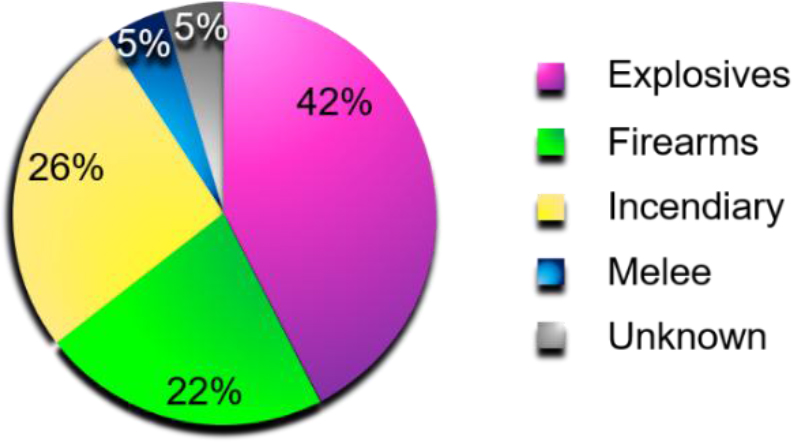
Figure no. 3:
Weapons Types of Urban Terror Attacks
(Source: Authors, Data from GTD, 1970-2020)
The visitors, users, and staff there are high-value targets for the attackers, as spectacularly illustrated reports of facilities consumed by extensive fires go viral almost immediately on all international news portals. About 165 Indian and foreign tourists lost their lives in attacks by Indian extremist Muslim terrorists in Mumbai on November 26, 2008. Some of these locations, frequented by tourists, include hotels, cafes, and railway stations (Mahadevan, 2019). Simultaneously, the images of the fire incident in the Taj Mahal Hotel also foreshadowed the future vision of terrorism (Dolnik, 2010). It is true that in the daily series of coordinated attacks, in addition to incendiary materials, other devices were used, such as improvised explosive devices and small arms (Pfeifer, 2013).
The other similar method of committing a terrorist act could be seen during the recent terrorist attack on the Crocus City Hall concert hall near Moscow on March 22, 2024. The subsequent attackers, who also happened to be Muslims, took advantage of the inconsistencies in the security measures and broke into the center equipped with weapons. Of the 145 victims, 45 people died as a result of the fire due to exposure to high temperatures and combustion products. A group of 4 armed extremists of Tajik origin, who were staying in Russia partly illegally, stormed the entertainment center and shot most of their victims first in the foreground and later in the auditorium. Following that, they set the scene on fire to cover their escape route (Cκ PΦ, 2024).
Despite all the above mentioned, in the field of fire protection, they still do not pay adequate attention to this problem, with the aspects analyzed in detail by law enforcement (Wang et al., 2021) and secret service experts in security science. The same thing happened, for example, the Hungarian Cultural Center in Ukraine was set on fire to inflame ethnic conflicts in February 2018 (Csiki et al., 2022).
While this issue is important – especially on the part of fire protection engineers – there is a strong aloofness regarding the expansion of combustion science research in this direction. From a certain point of view, it is understandable, since these scenarios are difficult to fit into the existing models due to the uncertainty factors arising from standard fire exposures and fire spread conditions that are significantly different from the usual fire spread conditions (Leisted, 2014). The tendency has rather been to build on a proven methodology for other existing and normal fire incidents (NFPA, n.d.). They try to make the procedures applicable by adjusting their approximate input parameters, such as the supposedly extraordinary heat release rate due to the effect of combustion accelerators (Yunlong et al., 2014). On the other hand, practitioners of fire investigation and fire fighting understandably approach the subject more determinedly due to the critical tactical challenges of such fires (Ogle et al., 2003).
3. Data and Methodology
In placing its results on a stable basis, the research intended to build on the use of credible sources. Direct, unrestricted accessibility, subject-specific relevance, and the statistical representativeness of the chosen data set can be identified as crucial aspects in the selection of the sources and data required for it. The source materials of the research were, on the one hand, the statistics organized according to the partially adequate point of view, which were joined by individually structured data based on qualitative and quantitative scientific criteria. These topic areas, which are relevant to the research from one side or the other, affect analytical and evaluation profession-specific databases serving the purposes of the fight against terrorism and open-source online news and databases of law enforcement agencies.
Due to the interdisciplinary nature of the study, the concepts used in the research are in many respects interchangeable or have special meanings, in the interpretation of which we consider the encyclopedic base of law enforcement and security science as a starting point.
The global scale of the study is provided by data obtained from the Global Terrorism Database (GTD) in the framework of the National Consortium for the Study of Terrorism and Responses to Terrorism (START) at the University of Maryland. It continuously collects data from the widespread rise of terrorism in the 1970s to the present day. The data can be queried according to fixed aspects and based on keywords. It is important to point out that there is an order of magnitude difference in the number of queried data if the commonly used search word “Incendiary” in law enforcement is used instead of the technically more precise term “Arson”.
The comparative analysis was not only based on the GTD database. In connection with the law enforcement aspects, the study presented here mainly relies on the statistical data of the USA B Department of Homeland Security. As another counterpoint, we have examined the terrorist acts of the South Asian region; one of the most conflict-ridden parts of the world and also one of the most affected ones by terrorism. For this, we have also used data from the South Asia Terrorism Portal (SATP) of the Conflict Management Institute. However, given that the latter only provides source data from the 2000s onwards, the juxtaposition of the time series is relevant from this point onward in the substantive comparison as well.
All of this may seem marginal at first glance but the international fire protection statistical data compiled by those who rescue those exposed to the risk of arson are supplemented with crucial professional components. Data sources from the medical institutions participating in the care of victims shed light on similarly important details. From the point of view of fire protection, samples taken from the databases of international firefighting and other professional organizations – as well as some questions from the databases of the US National Fire Protection Association (NFPA) – helped to shed light on the threat posed by arson, which is a fundamental aspect of life and property protection from the professional standpoint of fire protection. In the non-police-related data linked to the activities of the rescue organizations, we have also used the earlier-made temporal demarcations as a basis. Although the thematic statistical analyses available in healthcare and firefighting are professionally very diverse, their sophistication regarding the signs of arson falls significantly short of those dealing with terrorism.
Nevertheless, to ensure the credibility of the study’s conclusions, all the most important characteristics of the arsons that have occurred had to be scrutinized. However, we have only used findings based on a large number of samples representative in developing the conclusions. To validate the results of the synthesis, we have sometimes taken individual cases as counterpoints, as examples that can be used as case studies.
To analyze the data, the listed sources did not in all cases compress into a single database and make available the characteristics we needed. For this reason, the selections were always the first step in establishing the basis for investigation. After importing the data from the original data files, they were thematized by structurally organizing them. The main questions were about terrorist attacks and the nominal measurements of the victims, the determination of the proportions falling on arson as well as the separation of the means of the crimes by type. Regarding victims, we have also statistically weighed the clinical signs of death or injury. With the intent of carrying out all of this, the table management and diagram editing functions available in the basic settings of the Microsoft Excel program were used, which served the purposes of quantitative analysis and the visualization of the results.
4. Results
A random sampling of arson attacks cannot in itself guarantee a precise mapping of public safety risks. After all, a single case cannot provide a realistic assessment of the security situation, neither of the probabilities nor the severity of the expected attacks. Challenges important to society and the answers to them can only be realized through the evaluation of global phenomena that may draw a larger and more detailed picture (Koehler, 2014).
Globally emerging numerical indicators of conflicts and terrorist attacks in the world reveal the trends of change in frequency and consequences. Figure no. 4 – prepared based on the figures published by the Institute for Health Metrics and Evaluation at Washington University (The Global Burden of Diseases, Injuries, and Risk Factors Study, GBD) on the victims and people injured by conflicts and terrorist attacks – also testifies to it. There is no doubt that the general threat to society in this area has increased considerably, even though this graph does not even include the conflicts of today, which aggravates this trend even further. Of course, this is understandable, because the calculations of the events taking place now will only be possible once they have been completed. We can certainly see the harbingers of these phenomena on the graph behind the numbers starting in the early 2010s and peaking in the middle of the decade.
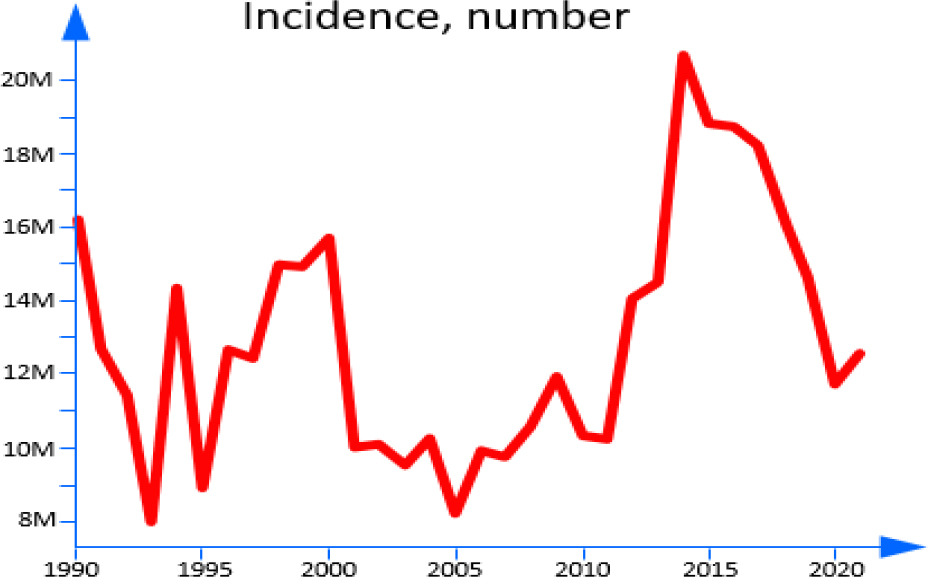
Figure no. 4:
Global trends in deaths and injuries caused by conflict and terrorism
(Source: Authors, Data from GBD, 1990-2021)
Based on the compiled database, we could think that the situation characterized by a rapidly increasing number of cases in the last decade was wrongly identified from the point of view of terrorism. To clarify the question, it is worth examining other sources, among which we relied on the annual evaluation of the Institute for Economics and Peace, in which the statistical indicators of victims of terrorism had a very similar trend in the analysis published under the title Global Terrorism Index 2024. In particular, the chronological coincidence of outliers is striking. All deaths were 23 percent higher than the current level in 2015.
However, Figure no. 5 highlights, among other things, that in terms of geography, we can experience the dark sides of mega-terrorism far disproportionately. The exceptionally high numbers can be linked to one or two clearly defined crisis zones. These are the countries in South Asia and the Sahel region, burdened by religious and ethnic opposition and, through this, social tensions. Behind them, though, the image of the increasing threat of terrorism rises, in the form of one of the imprints of the confrontation between the global South and the North realized in the growing number of terrorist attacks. Looking mainly at North America, where, according to the 2024 study of the Global Terrorism Index (GTI), the impact of terrorism has increased the most on average, along with the sub-Saharan region. At the same time, it states that the same number is the highest in South Asian countries, as can be seen in Figure no. 6.
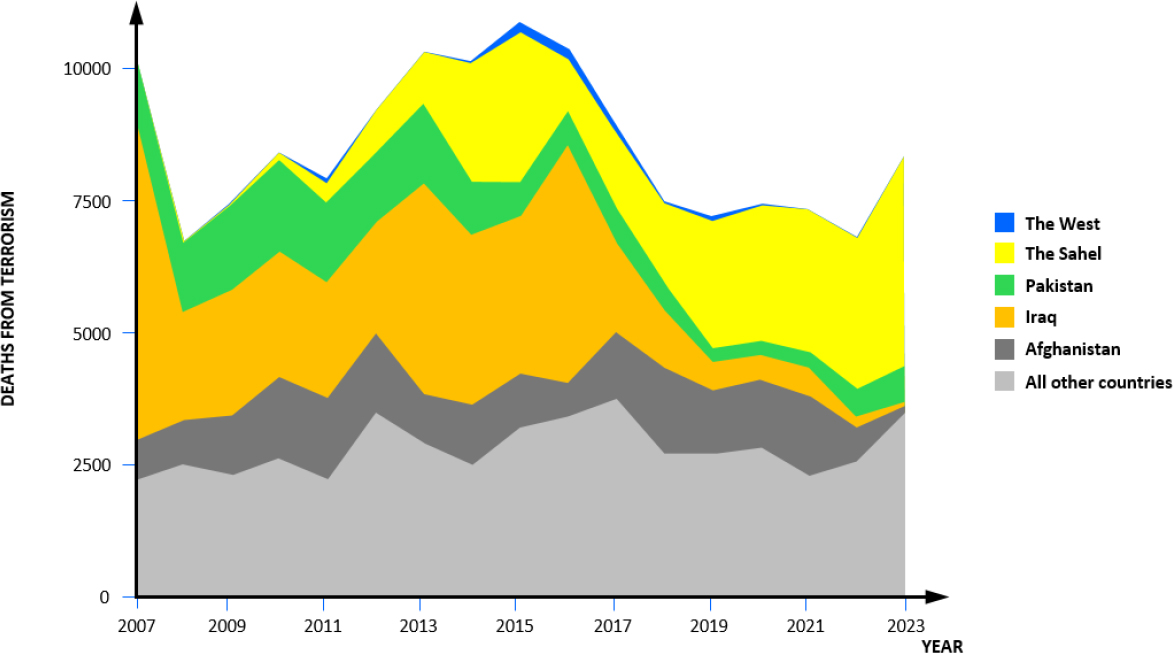
Figure no. 5:
Deaths from terrorism
(Source: Authors, Data from GTI, 2007-2023)
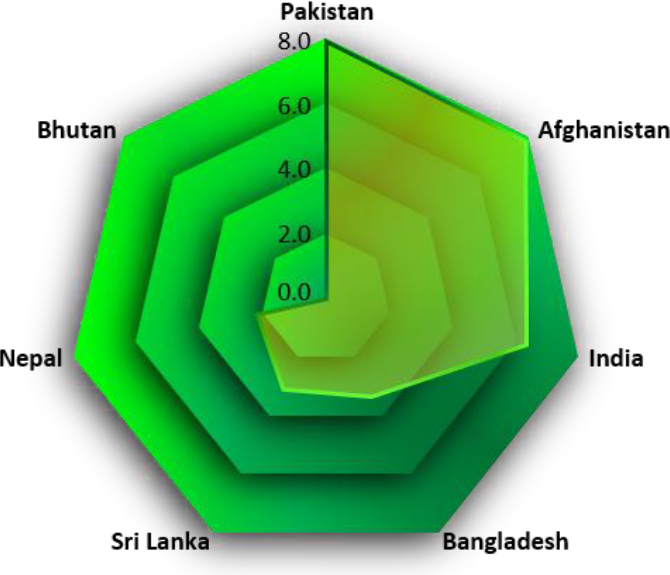
Figure no. 6:
Global Terrorism Index in Countries of South Asia
(Source: Authors, Data from GTI, 2007-2023)
Expressed numerically, this also means that terrorists specifically choose events that attract huge crowds as their target, which is easily realized due to the large population resulting from the demographic indicators of most countries in the region concerned. Thanks to that, the number of victims hailing from the civilian population is also very high, as can be seen in Figure no. 7.
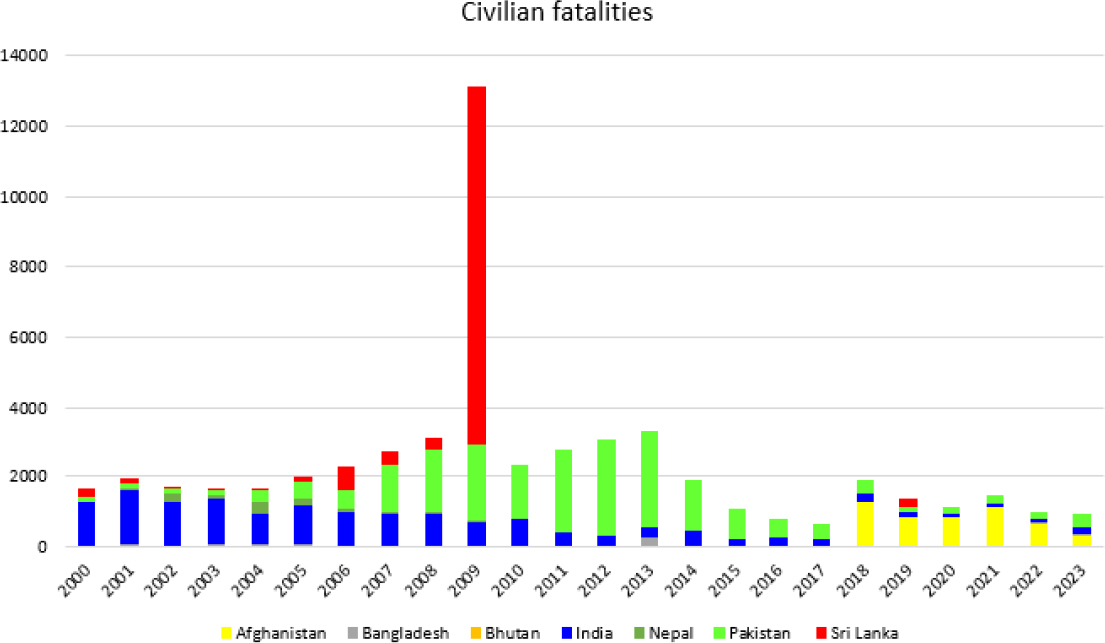
Figure no. 7:
Yearly Fatalities in South Asia
(Source: Authors, Data from SATP, 2000-2023)
In Figure no. 7, the number of columns assigned to the countries of the region shows far outlier values in 2009 about Sri Lanka. The terrorist attacks that hit the country at that time resulted in a terrifyingly large number of victims.
However, in line with the internal driving forces of the media, the attack on the country’s cricket team received the greatest response in the press (Kearns et al., 2019). Additionally, this case has to be mentioned due to its being a good example of the cross-border activities of Islamist terrorist organizations in the South Asian region (Bacon, 2018). Six members of the security staff and twenty other people lost their lives and seven of the cricketers were injured in the attack on the bus carrying the athletes and the accompanying convoy. They were attacked with handguns, grenades, and RPGs at a location less than 500 meters from the stadium. The nature of the organization of the attack, as well as its circumstances, signaled a close connection with the previously mentioned terrorist attack in Mumbai a few months earlier (Lakshman, 2009).
At the same time, the 2019 report of the Bureau of Counterterrorism notes about the Sri Lanka that the number of victims of the 2009 terrorist attacks in Sri Lanka, which is considered high even in the region, can be explained primarily by the large-scale counter-terrorism operations launched to finally eliminate the terrorist rebel group Liberation Tigers of Tamil Eelam (LTTE) terrorist rebel group. As a result, the terrorist organization also intensified its activities. Nonetheless, in the following years – as can be seen from the graph – the potential of the terrorist organization was severely weakened and, following the defeat of the government forces in 2009, it was also significantly reduced. However, the terrorist group did not completely cease to exist, because they made news again during the 2019 series of coordinated Easter attacks in Colombo and other cities (Bureau, Sri Lanka, 2019).
The choice of the date and location of the latter well reflects the motivation rooted in the religious ideology of the Sri Lankan Islamist terrorist organization. After all, a series of attacks against Christian believers gathered in Christian churches on a Christian holiday proves the complete lack of religious tolerance on the part of the perpetrators. This is completely understandable since the countries of the region are part of a large ethnic and religious fault line, one of the obvious and regrettable traces of which is the advance of terrorism, which is well illustrated in Figure no. 8.
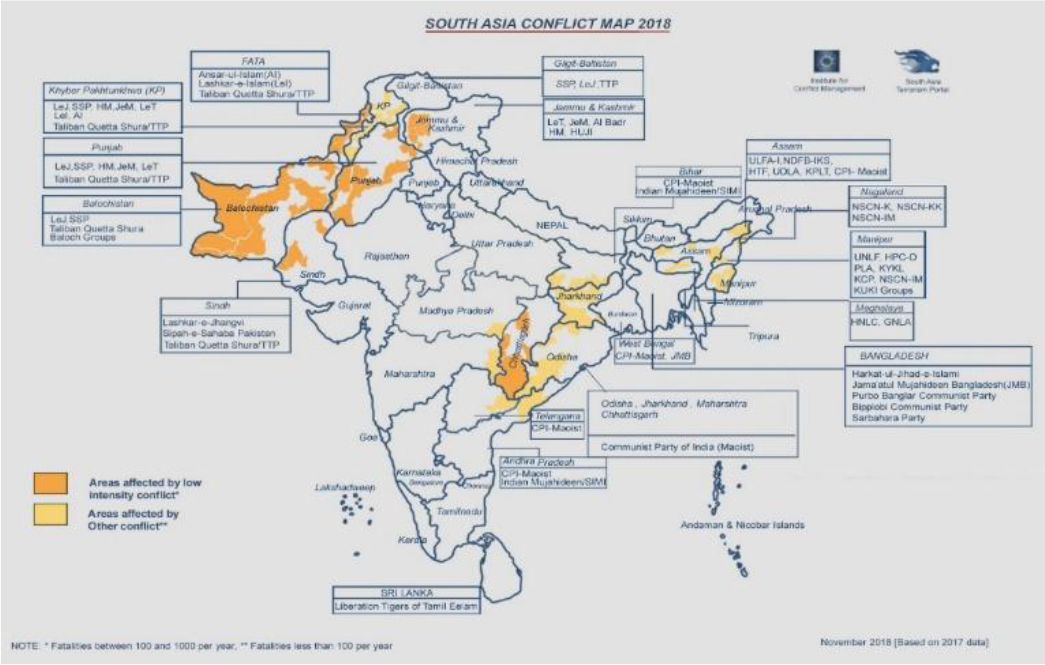
Figure no. 8:
Conflict Map of South Asia
(Source: SATP, 2024)
Consequently, it is crucial to execute anti-terrorist operations aimed at eliminating terrorist organizations in extensive dimensions in the fight against terrorism by the public security bodies of the region’s countries. On the defense side, the organization of physical protection of weapons with manpower is a central element of security risk management. Nothing proves it better than the fact that – according to the graphic example of the sources presented in Figure no. 9 – the losses of terrorists also run almost parallel to the numbers of civilian victims. In the meantime, due to such frequent and intense confrontations, unfortunately, the defense agencies also have to reckon with significant losses.
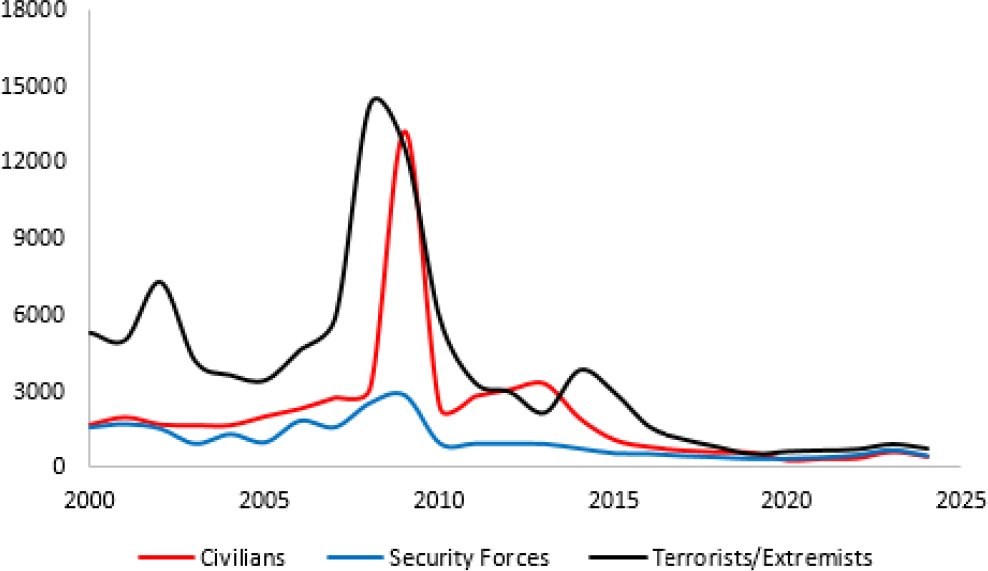
Figure no. 9:
Fatalities of Terrorism in South Asia
(Source: Authors, Data from SATP, 2000-2023)
However, the global data on terrorist attacks reveal that not only has the frequency of attacks increased, but a further significant rise in the proportion of terrorist attacks carried out with incendiary materials can be seen. Since the research conducted in this field nearly a decade earlier, (Li et al., 2014) the proportion of these methods, which increased from 5.16% at the time, has almost doubled compared to the number of methods used in all attacks, which is well exemplified by the relative value of 10% shown in Figure no. 10.
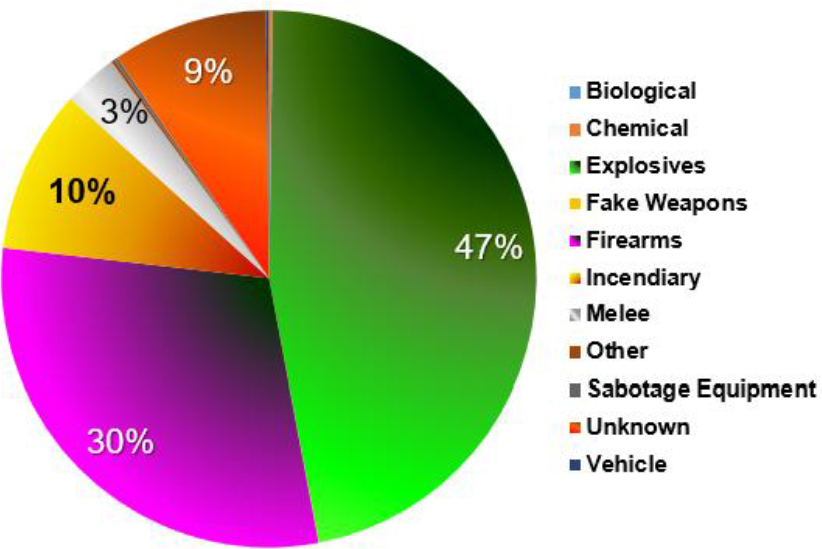
Figure no. 10:
Relative Comparison of Weapon Types in Terror Attacks
(Source: Authors, Data from GTD, 1970-2020)
Simultaneously, the statistical results of the global terrorism database also indicate that the consequences caused by arson do not appear the same way when considering the regional aspects of life and property safety. Examining the attacks in comparison with the social conditions, it can be seen that the consequences of the fires caused by the attacks depend to a large extent on the economic level of the given region and the level of development of fire protection. This is indicated by Figure no. 11/A, which shows that in developed countries – in terms of human lives – there is a much lower “price to be paid” compared to the number of attacks. From this point of view, the data reported for North America in Figure no. 11/B seems to be partly contradictory. However, it is only apparent since the figures there mainly result from the 9/11 terrorist attack and shade the overall picture.
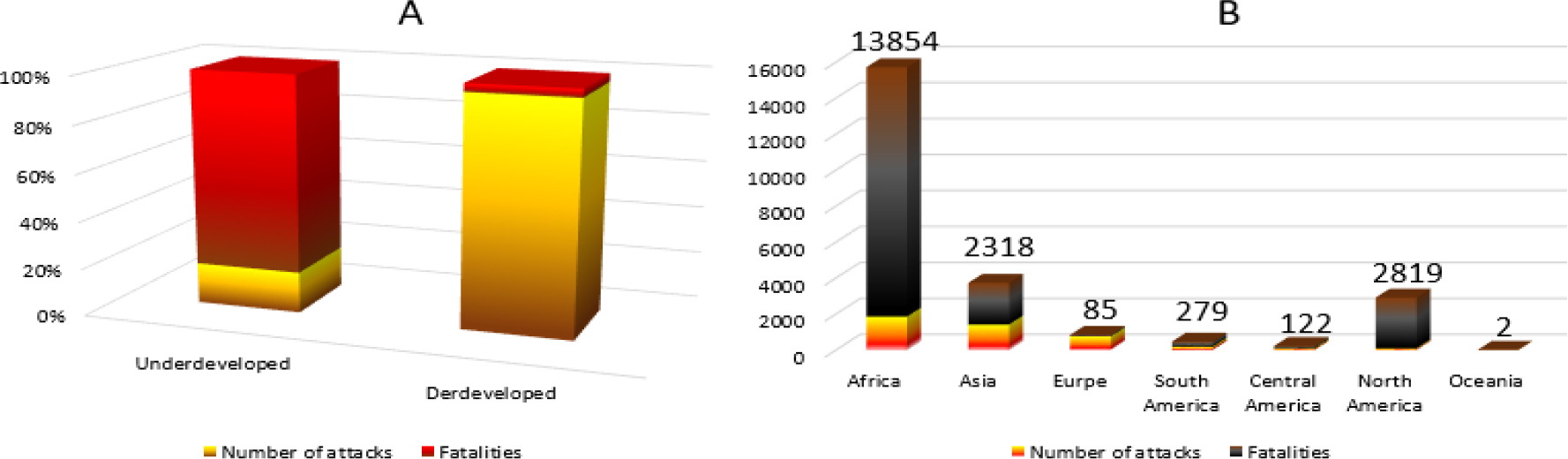
Figure no. 11:
Fatalities of Arson Attacks by Number
(Source: Authors, Data from GTD, 1970-2020)
It is no coincidence that, for instance, terrorists in the South Asian region also willingly carry out arson attacks. The most outstanding period was the first half of the 2010s, the tendencies of which can also be traced in Figure no. 12. Although the number of such attacks seems to be decreasing somewhat, conflicts tend to flare up again and again. In the region, one of the ethnic groups that suffer most from such cruelty is the Rohingya people, who were forced to flee to the neighboring country as refugees due to the fires set by the regular army in their homeland, Myanmar. However, deliberately caused fires also break out in their refugee camps (Quiroz et al., 2023).
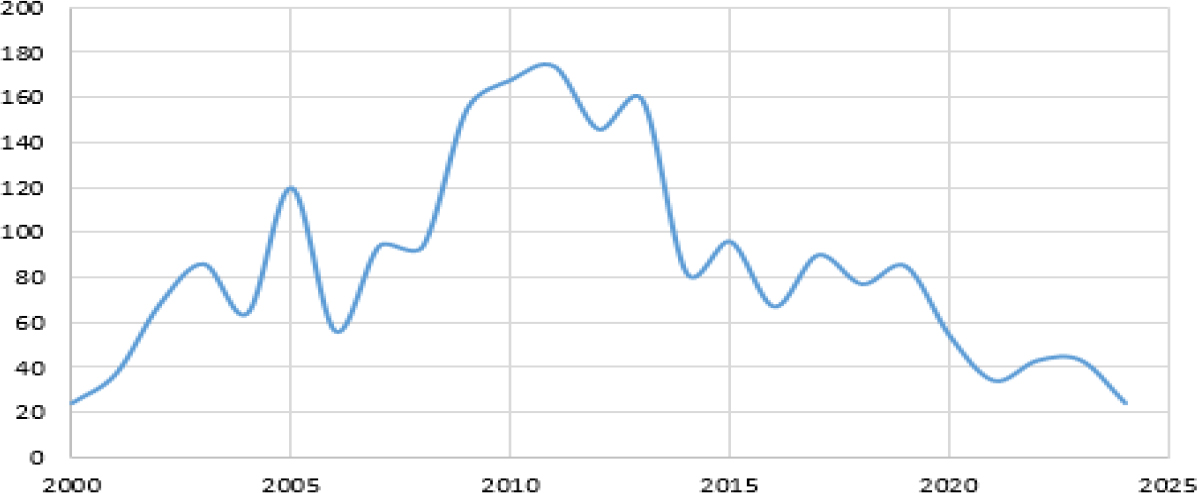
Figure no. 12:
Number of Arson Attacks and Victims in South Asia
(Source: Authors, Data from SATP, 2000-2023)
The intention to resolve religious conflicts with arson is not a new phenomenon; the fanatics of the majority society in this region do resort to this tool, as was done, for example, by Al-Qaeda Muslim extremists in Peshawar, Pakistan, on September 22, 2013. During this single attack on the Christian minority alone, 83 people were killed and 143 people were injured. Of course, Christians are not the only victims of this kind of intimidation. On top of that, in terms of their population, the magnitude of the atrocities that befell them is far behind that of the Shia religious community, which is much larger. After all, an even higher number of people lost their lives in the attack with an explosive device hidden in a car at a Shiite mosque on March 3, 2022. Figure no. 13 illustrates the consequences of these two attacks (PIPS, 2013).
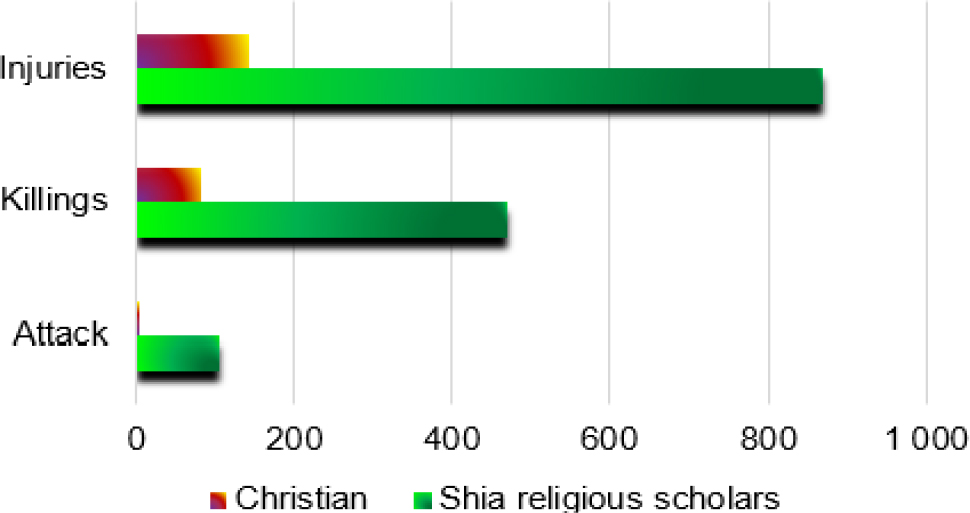
Figure no. 13:
Number of Terrorist Attacks against Religious Minorities in Pakistan
(Source: Authors, Data from PIPS, 2013)
It is worth expanding the horizon of terrorist attacks in Pakistan (Fair et al., 2010) As a result, we can discover unique personal and wider social connections that are worthy of investigation (Turcan & Mccauley, 2010). If we project the large-scale increase in terrorist attacks in 2013 onto the period between 2008 and 2014, which is shown in Figure no. 14, we can see that outliers similar to 2013 concerning 2008. It is worth asking the question: What can result in similar conflicts within such a short period?
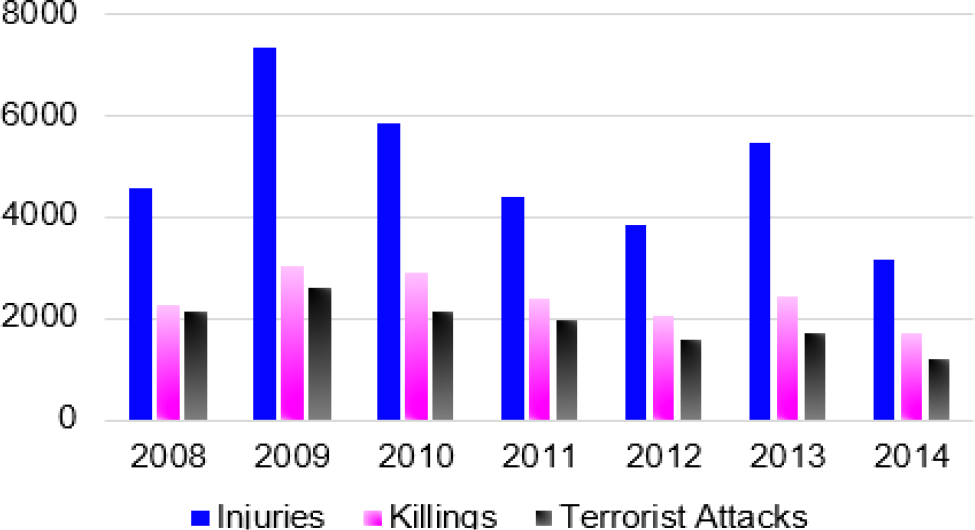
Figure no. 14:
Terrorist Attacks and Casualties in Pakistan (2008-2014)
(Source: Authors by Basit, 2020)
We can experience the repetition of a very important social event since these numbers coincide with the election period. This also highlights the fact that – to influence the elections – terrorists resort to violence in many cases (Rapoport & Weinberg, 2000). Terrorists also like to use the instrument of terror either to exert pressure or to scare people away from the elections. This is exactly what happened in 2013 when the terrorist organization Tehreek-i-Taliban Pakistan called on the population to stay away from the elections, and then on the day of the elections on May 11, it repeated its threats with bloody attacks against the polling station (PIPS 2013).
Terrorist attacks carried out by arson are typically a method that can be adapted to attacks against such infrastructural targets, as they not only frighten the occupants of the facility but also make the public interest activity established in it impossible for a long time due to the physical destruction of the building and the service equipment park.
5. Goals and Means
Based on the global database, one of the regions most affected by terrorist attacks with arson after Europe is the South Asian region (Figure no. 15), but this is true only in absolute terms. Today, the sub-Saharan region tops the list in this respect. The number of terrorist attacks carried out with arson, which has increased explosively since 2010 (2,484 cases), is compared with the total indicator of the region. However, the South Asian region also consistently maintained its role as the follower in this indicator of instability (2278) during this period.
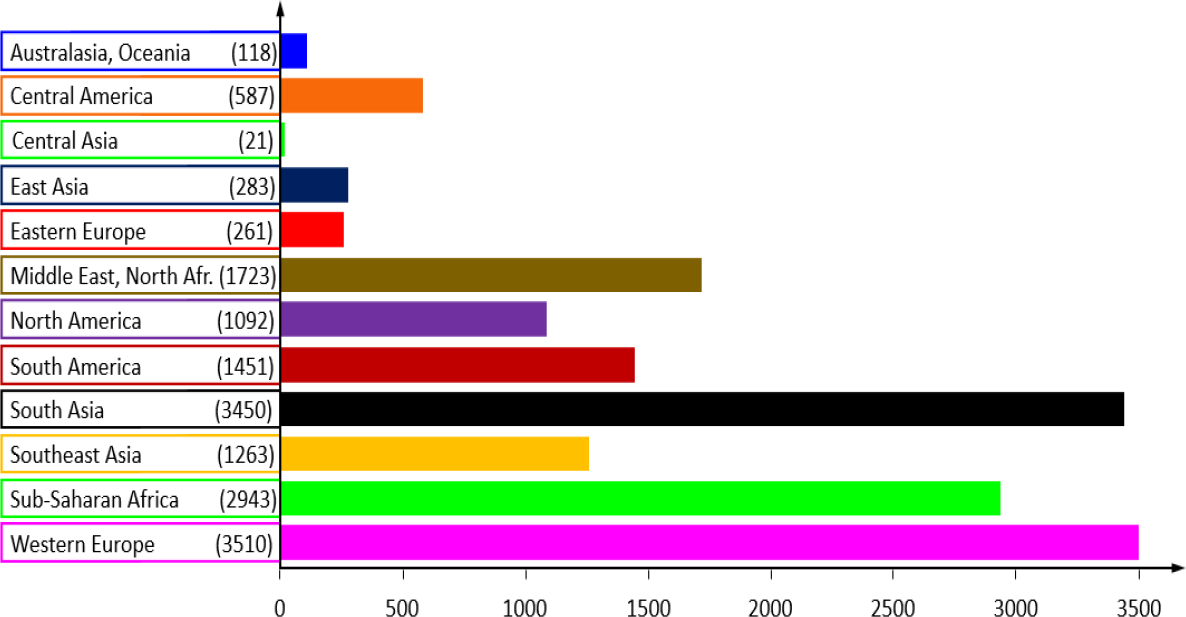
Figure no. 15:
Regional Terrorist Incendiary Attacks
(Source: Authors, Data from GTD, 1970-2020)
However, it must be emphasized that during this time the number of arson terrorist attacks in Europe is showing a rebound (1010). Due to the increase in social tensions, arson attacks reached a peak in 2015, and then the events of recent conflicts started a new wave of attacks and put the risks of arson in Europe on an increasing trajectory. We could highlight the recent cases near Brasov in Romania and the munitions warehouses in Poland set ablaze; however, these incidents cannot be included in the data series by definition. These are more likely to fall into the category of other unlawful acts.
Figures no. 16 illustrates that the relative rates of attacks against facilities indicate that these numbers are roughly identical on the map of global terrorism and in the examined South Asian region. Manifestations of political opposition with incendiary weapons against facilities are not only inherent in military conflicts (Eiran & Krause 2018), but terrorist attacks also target the arsenals and infrastructure of ethnically separated opponents and mainly the armed and law enforcement agencies fighting against them. This phenomenon is not unique to the South Asian region either. This is proven by the attacks on security forces in South Asia.
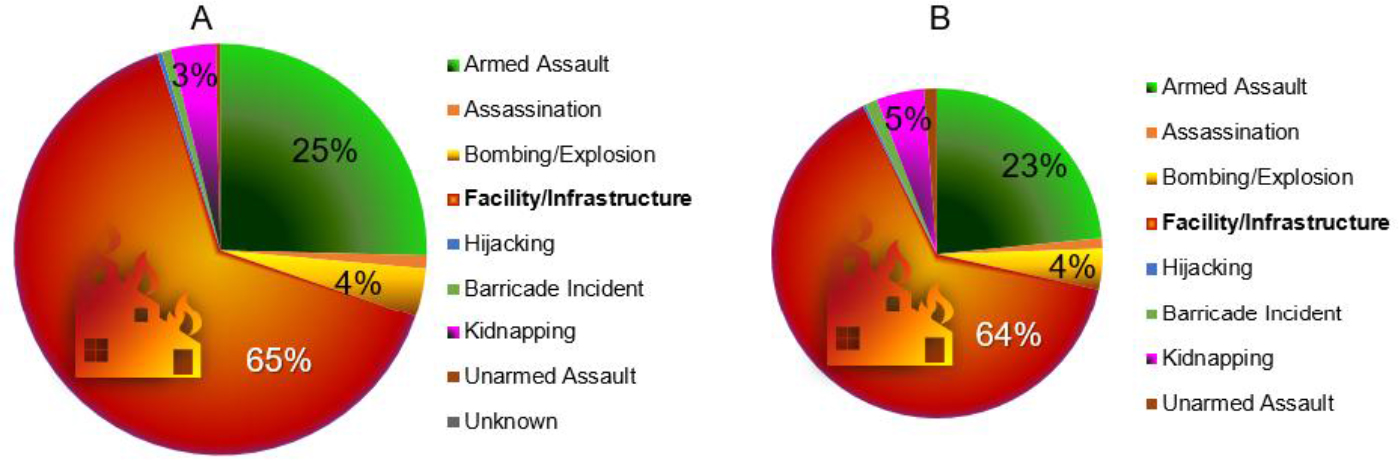
Figure no. 16:
Arson Attacks on Facility/Infrastructure in the world (A) and in South Asia (B)
(Source: Authors, Data from GTD, 1970-2020)
The previously mentioned attacks on the liquidation of law enforcement personnel foreshadowed this idea. However, they are even more evident if we look at the actions against the barracks and bases themselves, which is confirmed by the data in (Figure no. 16.) Nevertheless, we must state that the damage to these facilities can rather be called incidental since they do not reach the significant magnitude that can be called truly probative. On the contrary, it is also statistically reflected in the targets assigned to the “A” category, since the target and the result coincide with each other. That is why the total number of attacked targets within the given category is very close to the type of attack on facilities/infrastructure. In other words, we can see the projection of purposefulness in these Figures.
To put it differently, the physical damage caused by fire in (Figure no. 17B) was not primary, but incidental. In contrast to the one indicated in (Figure no. 17A), which – due to the nature of their operation – is closely related to some stationary physical buildings, technical facilities, etc.
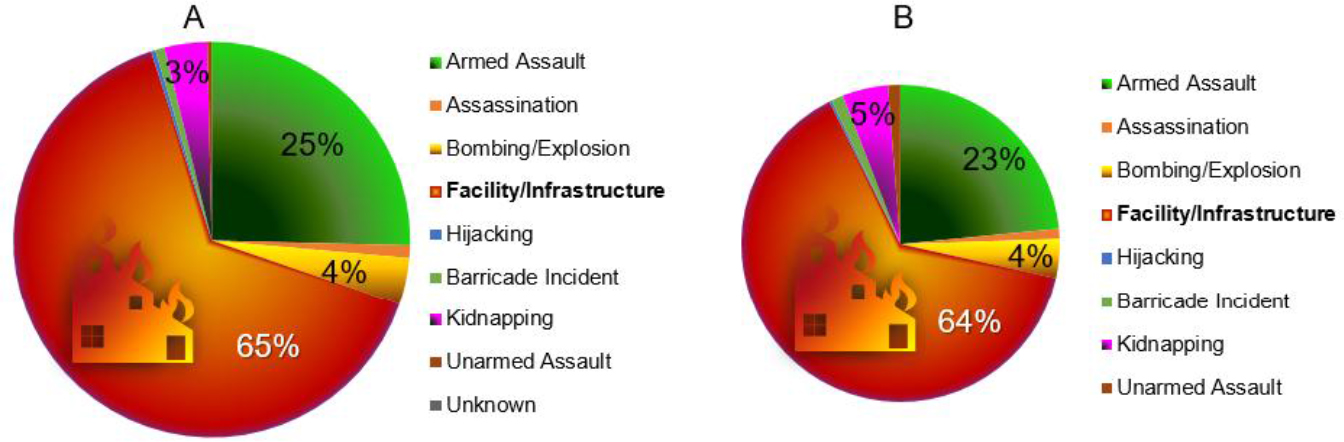
Figure no. 17:
Target of Terrorist Arson Attacks against Facility/Infrastructure in South Asia by primary losses (A) and by secondary losses (B)
(Source: Authors, Data from GTD, 1970-2020)
The Bureau of Counterterrorism report on Nepal states that the Nepalese Maoist terrorist organization, the Biplav Group, carried out attacks targeting the national telecommunications system in February and July 30-31, 2019, using arson and improvised explosive devices, damaging nearly two dozen mobile phone towers. In the first case, one person died and two people were injured, while in the second case, there were no victims (Bureau, Nepal 2019).
Successful attacks with high efficiency indicate the fact that the fire prevention system of the South Asian region, which is struggling with a rather serious gap, also plays an important role in these actions. Of course, the thermal and temporal course of fires in such fires is unusual, which fact cannot be ignored either. In this case, compared to natural fire development, the thermal effect is very dynamic due to the combustion-accelerating substances, and thus the spread of the fire also accelerates. These financial aspects are so significant that, for instance, in Singapore, which has a much stronger professional supervision system, dangerous substances classified as highly flammable and thus usable as combustion accelerators can only be obtained and possessed with a permit. This is controlled by the Singapore Civil Defense, an authority in the country based on the relevant fire protection rules. All of these substances in the following categories have different chemical characteristics, such as having a very low ignition or flash point or being self-reactive, etc.:
– Petroleum,
– Flammable Material
– Schedule Chemicals
– Liquid with flash point > 60°C (SCDF, 2020).
In the case of arson terrorist attacks experienced in the South Asian region, strict regulations similar to those in Singapore are not even attempted due to the futility of enforceable rules for the distribution and import of almost opaque chemicals.
The reason why it is very important to evaluate the role of materials that can be associated with arson, because as combustion-accelerating materials they not only contribute to the increase in fire damage, but due to their increased thermal effects, they can easily override the effectiveness of active and passive solutions for fire prevention and fire protection in facilities. It is illustrated in Figure no. 18 other arson types used in the USA, where the number of fires caused by the use of combustion accelerators (1438) represents a significant order of magnitude compared to other groups.
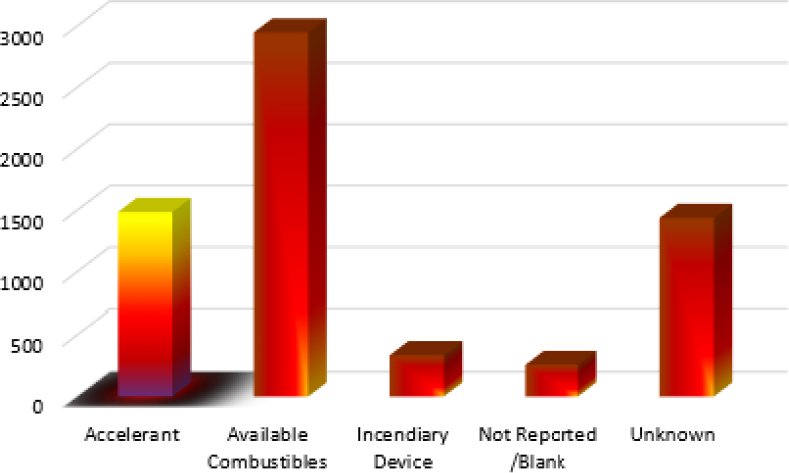
Figure no. 18:
Incendiary Fires by Subtype
(Source: Authors, Data from USBDC, 2021)
Furthermore, unlike unintentional fires, with the accelerants used in terrorist attacks, the flames do not break out in several places at the same time, which does not happen in ordinary fires characterized by standard fire exposures. Attacks where incendiary materials are used in places that are difficult to evacuate, such as subway tunnels, can be particularly effective, as evidenced by the unusually high number of victims of the suicide attempt in Daegu, South Korea on February 18, 2003, in which 198 people died and 146 people were injured.
The mentally disabled person identified as the lone perpetrator, who had previously worked as a taxi driver, brought two milk cartons full of liquid combustion accelerators onto the train and managed to set it on fire despite the efforts of the passengers. The fire spread within two minutes, igniting the combustible covering and seat covers in the assembly car (Kim & Sohn, 2017).
In similar cases, in addition to the rapid burning, the high number of victims can be attributed mainly to poisoning caused by the toxic gasses released during the burning and the dense smoke that hinders escape and drastically reduces visibility (Ingason et al., 2012). This was only compounded by the technical problems of the ventilation system.
5. Conclusions
What has been presented so far indicates that terrorist attacks carried out by arson have serious risks for both the physical infrastructures and facilities and for the users of the services provided by them. Besides, their number is growing dynamically in conflict zones around the world. Using this form of attack, terrorists primarily target the built environment. However, thanks to the rapid spread of fire due to combustion accelerators and the released toxic combustion products, the people who are staying in these buildings and facilities are exposed to a complex hazard effect (Cheng et al., 2021). Taking advantage of the instinctive fear of fire, arson makes this weapon capable of causing a serious psychological effect in addition to the physical threat.
Therefore, these weapons also prove to be rather effective if they reach their goals without taking significant casualties. For instance, these terrorist attacks can be regarded as an opportunity to exert political pressure or to violently settle ideological, religious and ethnic conflicts.
On top of that, the bases and checkpoints of security agencies are threatened as locations that can be attacked as facilities that limit the economic, social, or political sphere of the interest of terrorist organizations. For example, this is what the IRA (Irish Republican Army) terrorist organization typically did against the law enforcement bodies of the United Kingdom during the Northern Ireland conflict. Although it is an indisputable fact that the appropriate territorial deployment of law enforcement bodies is essential for the maintenance of public order, police, military guards, and barracks are needed for keeping terrorism at bay. However, they are not sufficient in themselves to create adequate public security. After all, these bodies in themselves are only sufficient to track the events, especially if the terrorist organization can also rely on the support of the population of the region. Public support easily dissipates if people see the manifestation of indiscriminate killing behind the actions; the dilemmas of this can also be seen in the case of ETA, a group fighting for the independence of the Basque Country with the means of terror.
Active counter-terrorism operations are needed to eliminate threats that challenge real security, and these law enforcement facilities located in conflict zones are a good starting point. Therefore, it may be obvious that even in their mere physical existence; they present themselves as a challenge for terrorists, which they usually try to destroy with the help of incendiary materials.
All other civil infrastructures that serve interests contrary to the terrorists’ intentions are also like this, and tools for influencing public opinion through terrorism or eradicating its exclusion from the worldview cannot remain without retaliatory actions. Arson incidents in conflict zones threatened by terrorists provide plenty of examples of the latter. This ideological war cannot be won in the information space and public education without infrastructure (Fahey & Asal, 2019). Terrorists are well aware of this, and that is why they attack elements of telecommunication networks and educational institutions with fire as well. Although it is perceptible, in the case of developed and developing countries, that the losses differ significantly in terms of their efficiency, which also proves the high level of fire safety in developed countries. In other words, the threat may be on the same scale at the fire sites affected by the attack but the fire protection installation regulations can reduce the level of risks in these regions of the global world by an order of magnitude.
As a counterpoint to the above-mentioned things, in developing countries we cannot only see an increase in the problem of terrorism, but the background base for radicalism is also much larger. Primarily in those regions where social and economic inequalities due to the large population continuously reproduce supply for disaffected and violently inclined terrorist organizations. If this is combined with the reduction of the scope of the state’s monopoly on violence and of its public administration system, including fire protection, the terrorist attacks carried out by arson will have to pay an even greater price in terms of human lives and material goods.
In developing countries, this can certainly be attributed to the fact that it is very easy to obtain – even in large quantities – fire-accelerating substances, which can be used to turn the stove colors formed by simple combustible materials into a sea of flames in the attacked facilities. The incendiary devices produced in this way can not only cause devastating fire damage but also mass disaster by choosing the appropriate application site. However, such incidents can be prevented by taking precautionary measures with adequate knowledge of fire protection. The prevention of terrorist attacks conducted by arson requires passive and active fire protection and simultaneous security measures that can prevent attacks. However, if these prove insufficient and a fire still occurs, the harmonious operation of the fire protection system may be able to turn it into a controllable event. Nevertheless, it should be noted that it is not enough to create such a system in facilities belonging to the terrorism front but proper periodic review and maintenance must be carried out to ensure its effective functionality. As it is often proven in the majority of serious tragedies, the insufficient functioning of a component also contributes to the unreasonably high number of victims.