
A few recollections of Ada Yonath, and of the long road to the ribosome structure
I first met Ada Yonath in 1972 because I needed help with a small experiment. I was a postdoctoral fellow at the Hebrew University of Jerusalem shortly after completing my PhD with Cyrus Levinthal. I had grown a few crystals of an RNA fragment and wanted to know whether they diffracted X-rays. Jerusalem did not have the equipment I needed at the time.
Someone suggested that I call Ada at the Weizmann Institute in Rehovot. She had established the protein-crystallography laboratory there. We had not met; I was simply a young postdoc asking whether I might use her equipment. Ada told me to come over.
We tested the crystals together. They diffracted poorly, unfortunately, and I left without the result I had hoped for. But I remember that Ada took the experiment seriously. I was an unknown young postdoc with a few RNA crystals and a small question, yet she gave me her time, answered my questions, and suggested what I might try next.
Ada died on 31 August 2026, at the age of 87. To the wider world, she was the crystallographer who helped make the ribosome visible at atomic resolution and who shared the 2009 Nobel Prize in Chemistry with Venkatraman Ramakrishnan and Thomas Steitz. To those who knew her, she was also a colleague whose response to a difficult problem was usually to ask what the next experiment should be (Fig. 1).
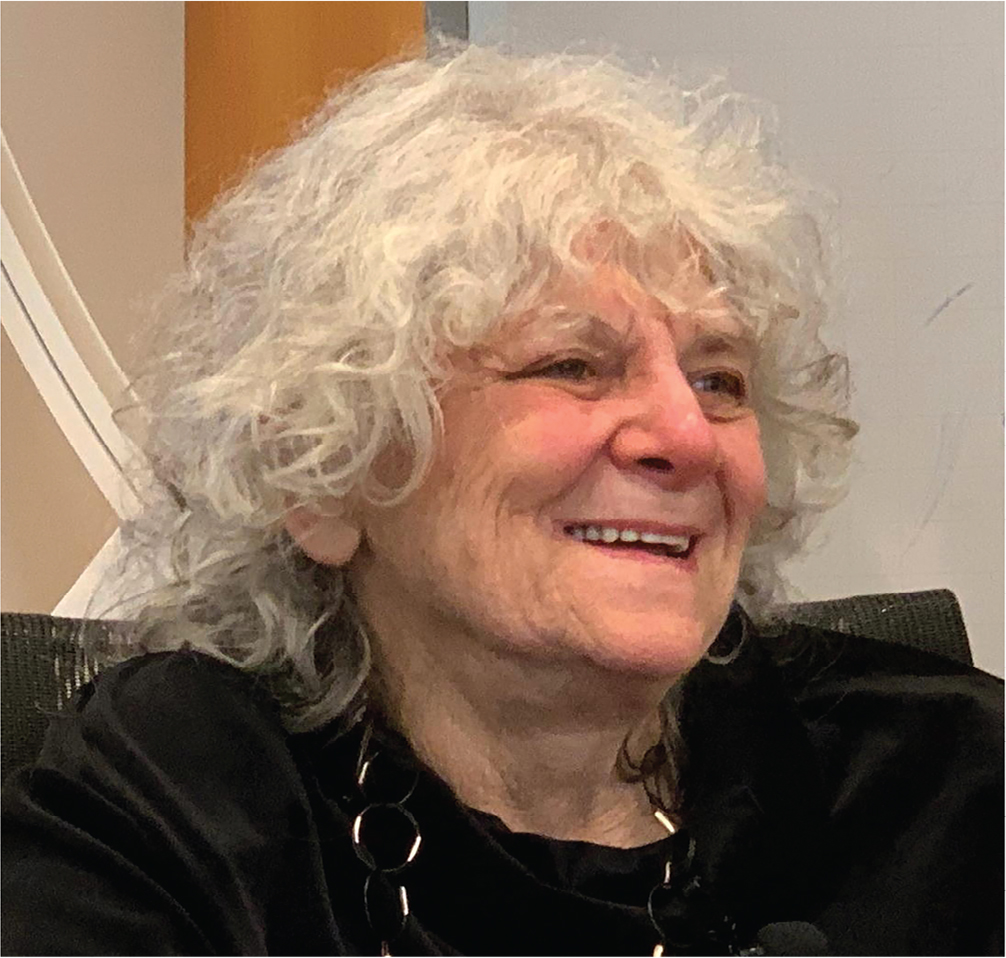
Figure 1.
Ada Yonath at the Weizmann Institute speaking to a delegation of visitors from China, December 2019.
Early years
Ada was born in Jerusalem on 22 June 1939. Her parents had emigrated from Poland, and the family lived with little money. Her father, a rabbi, was ill for much of her childhood and died when she was eleven. Ada later helped support her mother and younger sister by cleaning, babysitting, tutoring, and, after the family moved to Tel Aviv, teaching mathematics and chemistry.
She liked to tell a story from when she was about five. Curious about the height of the family balcony, she stacked furniture and climbed up to measure it. The result was a fall and a broken arm. Ada told the story with amusement. The measurement was unsuccessful, but the question was characteristic; she wanted an answer and set out to obtain one.
After her military service, Ada studied chemistry at the Hebrew University of Jerusalem. She then moved to the Weizmann Institute for doctoral work with Wolfie Traub, completing her PhD in 1968. Her early research concerned X-ray crystallography of fibrous biological materials, including collagen. Postdoctoral periods in Pittsburgh and at MIT broadened her involvement in macromolecular crystallography. Upon returning to Weizmann in 1970, she established Israel’s first protein crystallography laboratory.
The problem that eventually defined her scientific life was the ribosome.
The ribosome problem
By the late 1970s, biologists understood the basic outlines of protein synthesis. Messenger RNA carried genetic information; transfer RNAs delivered amino acids; peptide bonds were made; and proteins emerged from the ribosome. What nobody could see clearly was how this large RNA–protein machine was arranged in three dimensions, how it positioned substrates, how it maintained translational accuracy, or where the growing protein chain traveled.
Ada believed that structure would be essential to answering those questions. This was a formidable proposition. Ribosomes were enormous by the standards of crystallography at the time, and they were not simple or robust objects. They were large, heterogeneous RNA-protein particles, vulnerable to radiation damage and easily compromised during purification. By the standards of the day, they were an uninviting crystallographic target.
Other excellent groups had struggled to crystallize ribosomal particles. Ada knew very well how difficult the problem was, but that did not discourage her.
Earlier work at Weizmann by David Elson, Ada Zamir, Ruth Miskin, Nahum Sonenberg, Meir Wilchek, and others had already emphasized the importance of using homogeneous, intact, and active ribosomal particles. Ada kept that principle in view. A crystal was not enough if its contents no longer represented a meaningful biological state.
Her well-known polar-bear story belongs in this context. While recovering from a bicycle accident, she read about the ordered packing of ribosomes in hibernating animals. Ada later returned often to this observation as encouragement that the project was not impossible.
She therefore looked for unusually stable ribosomes. Working with Professor Heinz-Günter Wittmann and colleagues at the Max Planck Institute for Molecular Genetics in Berlin, she used organisms adapted to demanding conditions. Thermophilic bacteria were important early sources, followed later by the Dead Sea halophile Haloarcula marismortui.
In 1980, Yonath, Müssig, Tesche, Lorenz, Erdmann, and Wittmann reported three-dimensional crystals of the large ribosomal subunit from Bacillus stearothermophilus. The crystals did not yield an atomic structure, but they answered an essential question: ribosomal subunits could form three-dimensional crystals (Fig. 2).
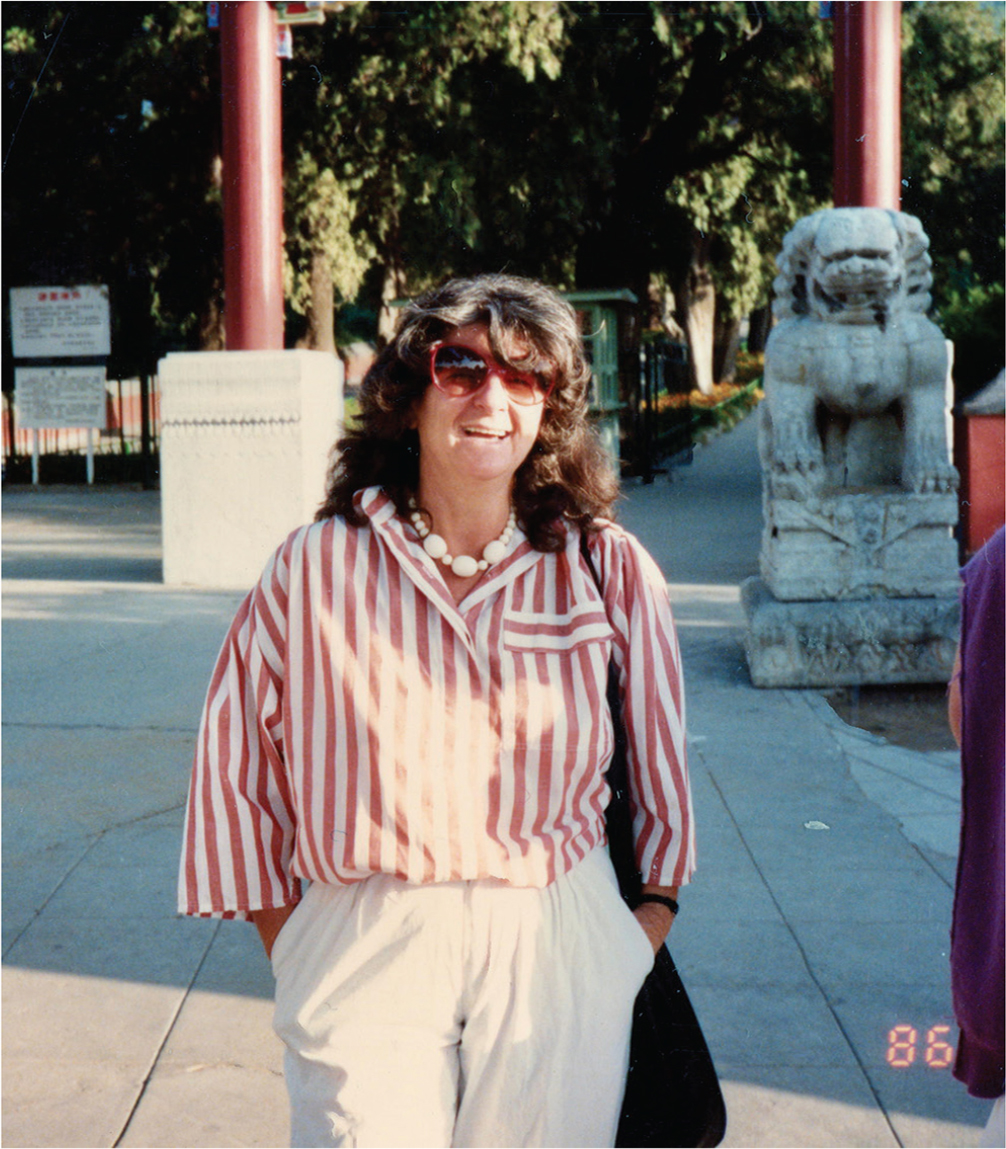
Figure 2.
Ada Yonath in Beijing, China, at the conference “Molecular Structure: Chemical Reactivity and Biological Activity, where she presented an update on here structural studies of the ribosome.” September 1986.
A long campaign
The first crystals were the beginning, not the solution. The work that followed took more than two decades. Crystals had to be improved, radiation damage limited data collection, and phasing remained difficult. The Weizmann Institute has estimated that the project involved about 25,000 crystallization experiments. The figure gives some sense of the persistence involved, but not of the long periods when there seemed to be very little progress.
Ada’s collaboration with Wittmann also brought her closer to Germany. From 1986 to 2004, she headed the Max Planck Research Unit for Ribosome Structure at DESY in Hamburg while continuing to lead her laboratory at Weizmann. The arrangement was demanding, but it brought the project closer to synchrotron facilities, which became increasingly important for difficult crystallographic experiments (Fig. 3).
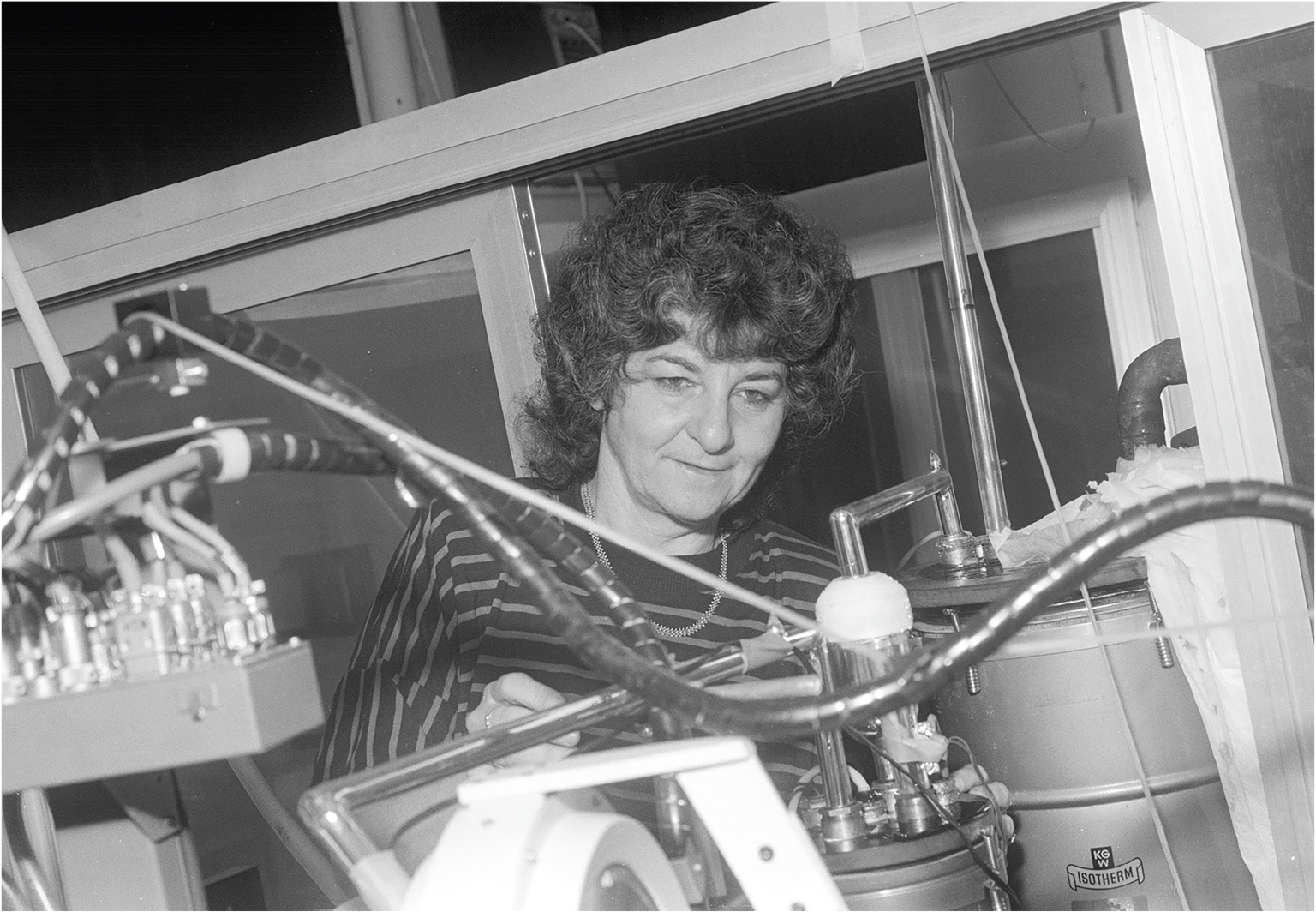
Figure 3.
Ada Yonath in her laboratory at the Weizmann Institute, late 1980s.
Radiation damage was one of the central obstacles. In the late 1980s, Håkon Hope came to Weizmann and worked with Felix Frolow and me on methods for cooling crystals during X-ray exposure. Michael Rossmann and David Haas had explored the approach earlier, including Haas’s work at Weizmann. We first tested the approach on a 13-mer DNA crystal, studied in my laboratory by Leemor Joshua-Tor, a crystal particularly susceptible to radiation damage. Encouraged by the result, we spent the weekend testing crystals from about half a dozen different proteins.
Ada subsequently adapted and developed cryogenic preservation for ribosomal particles. Cryo-biocrystallography became a key part of the ribosome effort and later a routine part of macromolecular crystallography. No single experiment solved the ribosome problem. Progress came in increments: a crystal that survived longer, a derivative that gave interpretable differences, or a map that at last allowed one more feature to be recognized.
Ada could be blunt about the skepticism the project attracted. In recalling a 1982 paper on ribosomal-subunit crystallization, she said that it was intended to show her “friends” that the work was not a “wishful dream,” and her enemies that it was not a “lie.” The comment was unmistakably hers: combative, funny, and entirely serious.
Important structural insights came before atomic models. In 1987, Ada, Kevin Leonard, and Wittmann used electron microscopy of two-dimensional crystalline sheets and three-dimensional reconstruction techniques to identify a tunnel through the large ribosomal subunit. They proposed that it was the exit route for the newly synthesized polypeptide chain. High-resolution structures later confirmed the basic interpretation.
The decisive period came in 2000 and 2001, when the work of Ada’s group and several other laboratories produced high-resolution structures of ribosomal subunits and functional complexes. At last, the architecture of ribosomal RNA and proteins could be examined at near-atomic or atomic resolution. The decoding center, the peptidyl-transferase center, the nascent-chain tunnel, and many antibiotic-binding sites became accessible to structural analysis.
One conclusion was particularly striking: peptide-bond formation occurs in a catalytic center built essentially from RNA. This changed the structural understanding of translation and added weight to ideas about an ancient RNA world. It also changed the ambitions of structural biology. The ribosome had once seemed too large, flexible, and fragile for high-resolution crystallography. After it yielded, other difficult macromolecular assemblies no longer seemed quite so unreachable (Fig. 4).
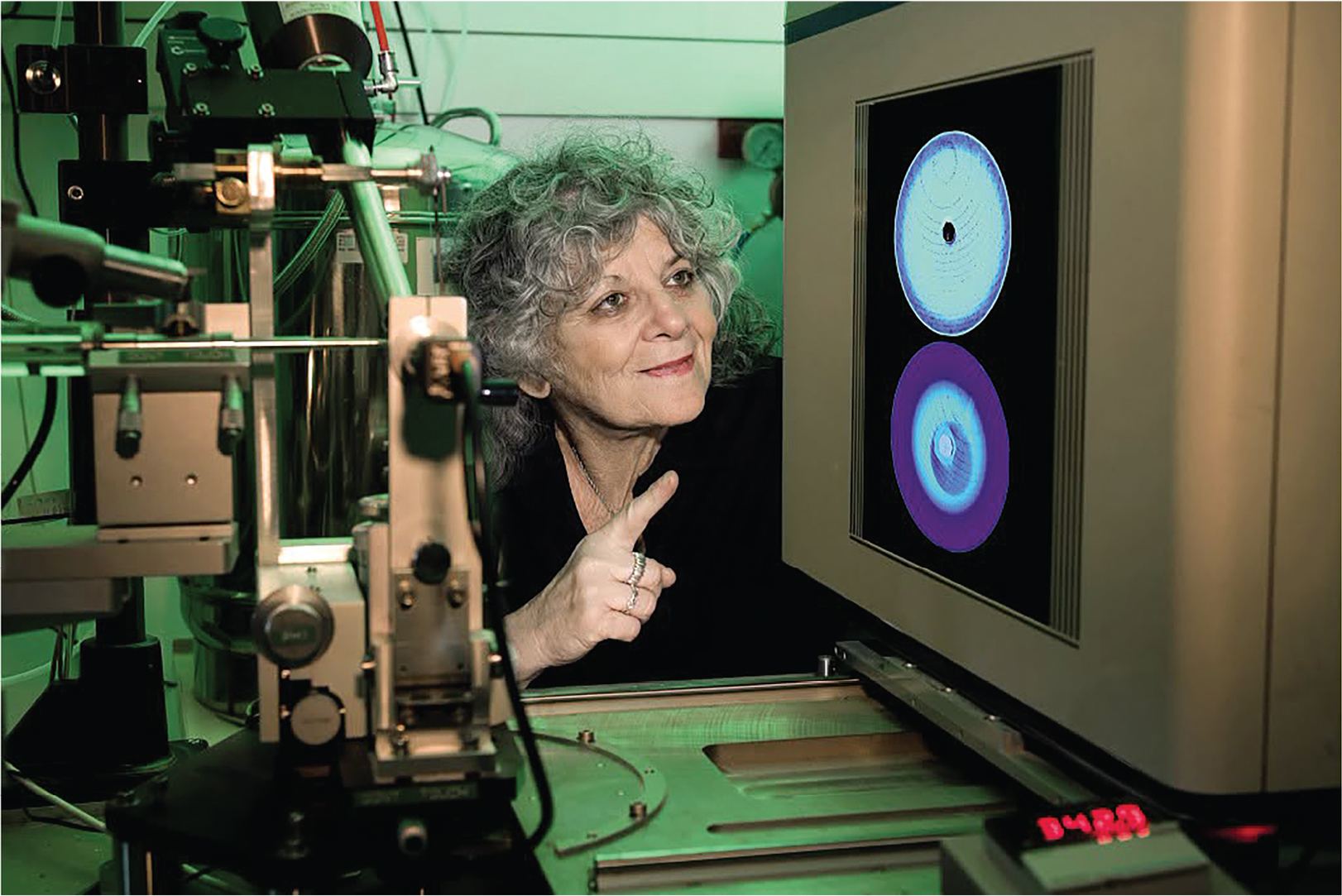
Figure 4.
Ada Yonath with X-ray diffraction equipment at the Weizmann Institute of Science. Photograph: Micheline Pelletier/Corbis via Getty Images.
Recognition and later work
In 2009, Ada shared the Nobel Prize in Chemistry with Venkatraman Ramakrishnan and Thomas Steitz. She was the first Israeli woman to receive a Nobel Prize and the first woman in 45 years to receive the Nobel Prize in Chemistry. Her earlier honors included the Israel Prize, the Wolf Prize, the Harvey Prize, and the Louisa Gross Horwitz Prize.
Ada did not regard Stockholm as an endpoint. She continued to study ribosome evolution, antibiotic binding and resistance, and problems related to human disease. A 2025 study by her group and collaborators used cryo-electron microscopy to investigate ribosomes from Staphylococcus aureus strains with varying levels of macrolide resistance, seeking structural explanations for antibiotic resistance and drug binding. More than four decades after the first ribosome crystals were obtained, she was still asking structural questions about antibiotics.
In her later years, Ada became increasingly interested in the origins of life (OoL). Her work on the ribosome led naturally in this direction, particularly to the idea that its RNA-based catalytic center preserves features of a very ancient biological world. In May 2022, she participated in the first Potential and Limitations of Evolutionary Processes (PLEP) conference in Nazareth and gave a lecture, by Zoom, on her views on the origin of life. She continued to explore how peptide synthesis might have emerged before the modern translation apparatus came into existence. One of her last papers, published in BioCosmos in 2026, examined a possible chemical link between prebiotic and biological peptide formation through ester–amide exchange chemistry (Fig 5). The underlying question was characteristically Ada’s: where had the molecular machinery she had studied for so long come from?
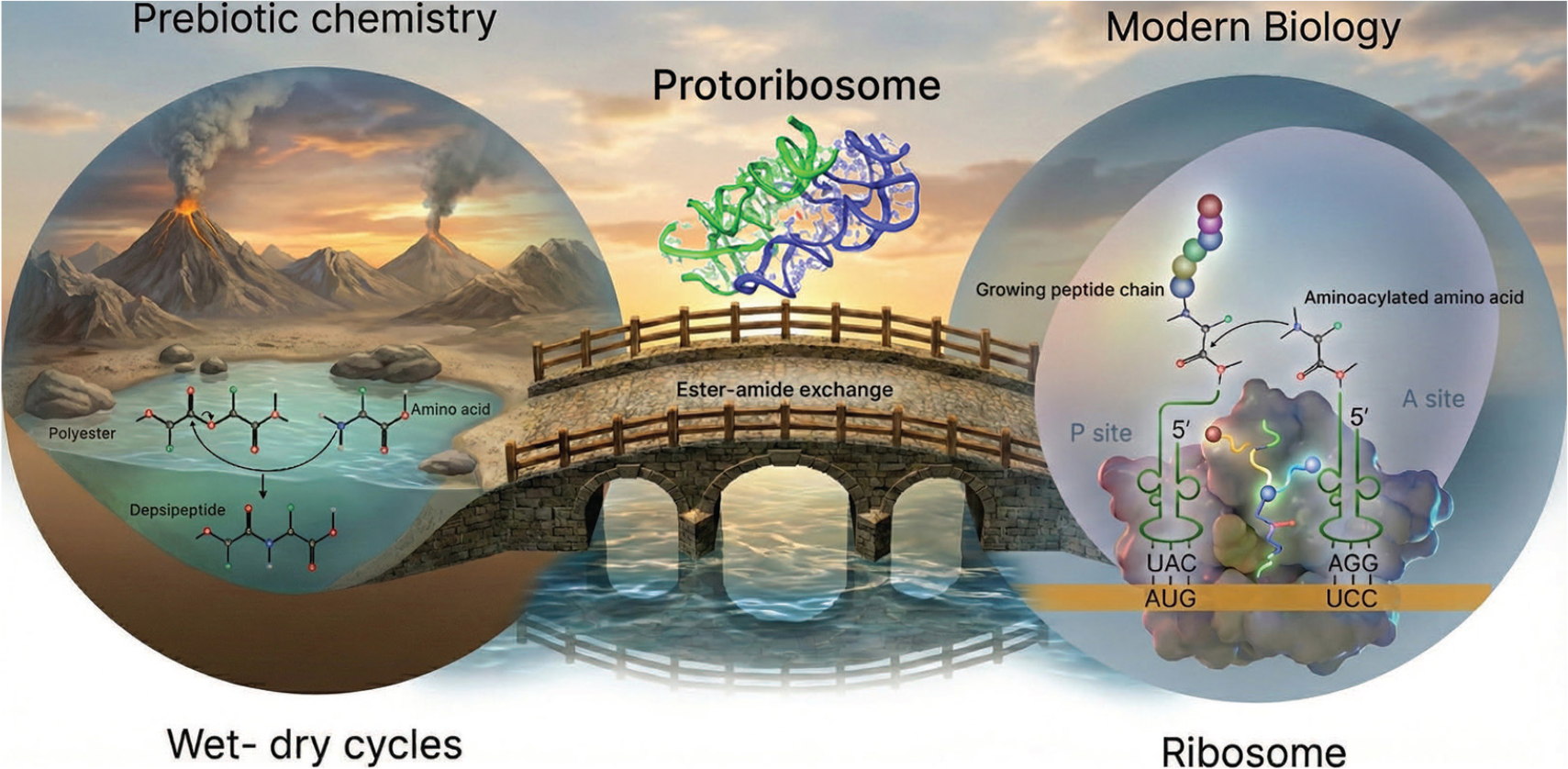
Figure 5.
Conceptual link between prebiotic chemistry and modern biology. Ester–amide exchange reactions occurring in a small aqueous pond enable peptide formation, paralleled by an analogous ester–amide exchange reaction in the ribosome that elongates the peptide chain during protein synthesis – all connected by the chemical evolution of a protoribosome complex (reprinted from BioCosmos with Permission).
She also supported synchrotron science beyond her own laboratory, especially SESAME in Jordan. I saw this in Petra at the SESAME Users’ Meeting in November 2009, only weeks after the Nobel announcement. After her lecture at the meeting, several young Iranian scientists gathered around her. They wanted to speak with her and to be photographed with her; one young woman embraced her (Fig. 6).
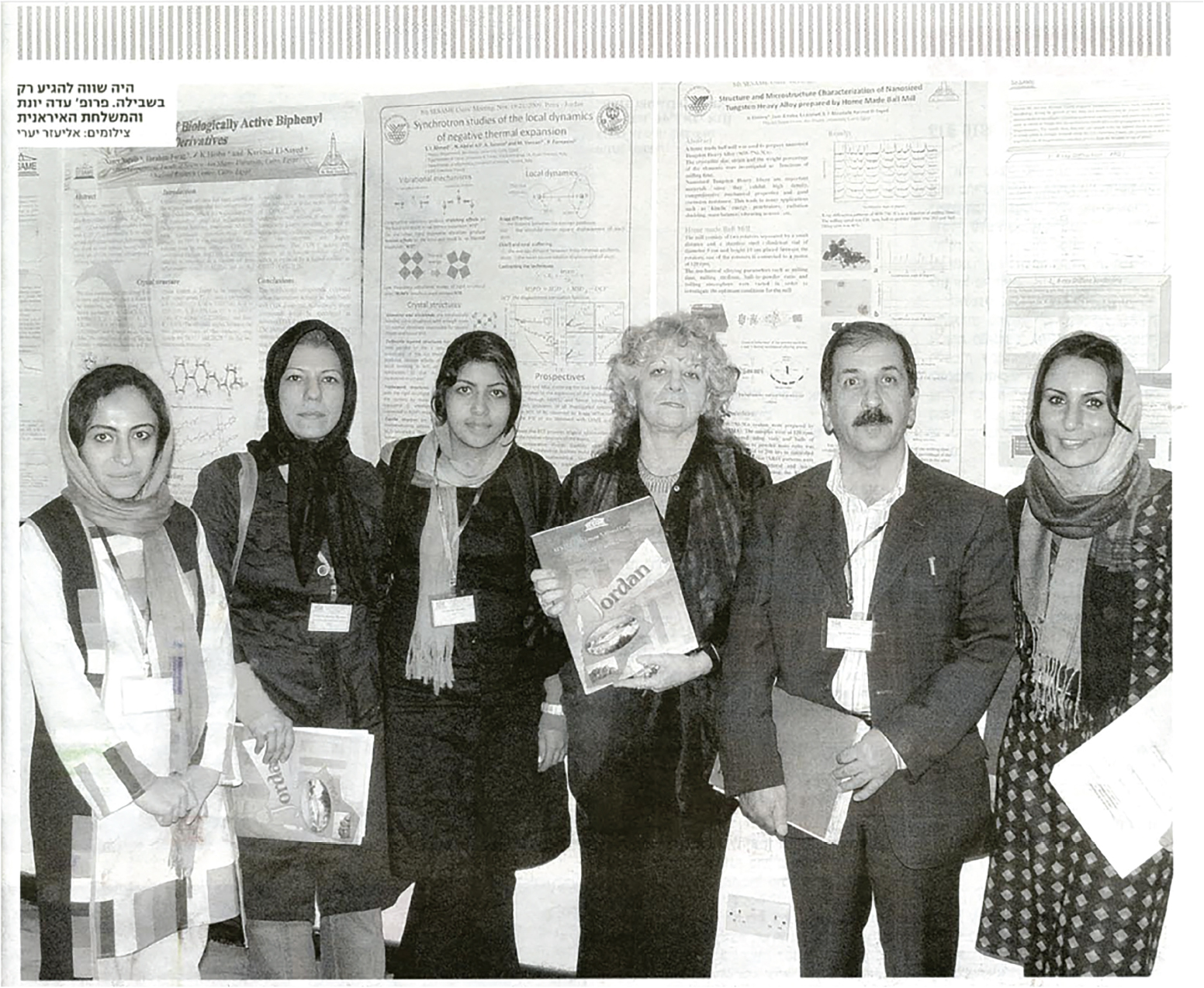
Figure 6.
Ada, center, with young Iranian scientists at the 8th SESAME Users’ Meeting in Petra, Jordan, November 2009. Photo: Eliezer Yaar; reproduced with permission.
The political tensions of the region had not disappeared, of course. But for a short time, they receded into the background. The young scientists were meeting someone whose work they admired, and Ada was pleased to meet them.
I had a similar impression in Chennai in 2018, after Ada’s keynote lecture at a scientific meeting. That evening, she presented certificates to young undergraduate women who had completed biotechnology internships. They were delighted to meet her, and she took a moment to speak with each one. Ada cared about young scientists. Her advice was straightforward: remain curious; choose questions that genuinely matter to you; and accept that research can involve long stretches in which little seems to happen.
Remembering Ada
The ribosome project can look inevitable in retrospect. It was not. It involved poor crystals, incomplete data, radiation damage, inadequate methods, and years of skepticism. Ada persisted because she believed the question was worth pursuing.
Her life was not only the ribosome and the Nobel Prize. She became a mother during her doctoral studies, and her daughter Hagith and granddaughter Noa were central to her life. She often worked unconventional hours to accommodate both her family and her laboratory. She spoke of motherhood not as an obstacle to science, but as a privilege.
Among her many distinctions, one she particularly enjoyed was a homemade “Grandma of the Year” award from Noa (Fig. 7). She was proud of it.
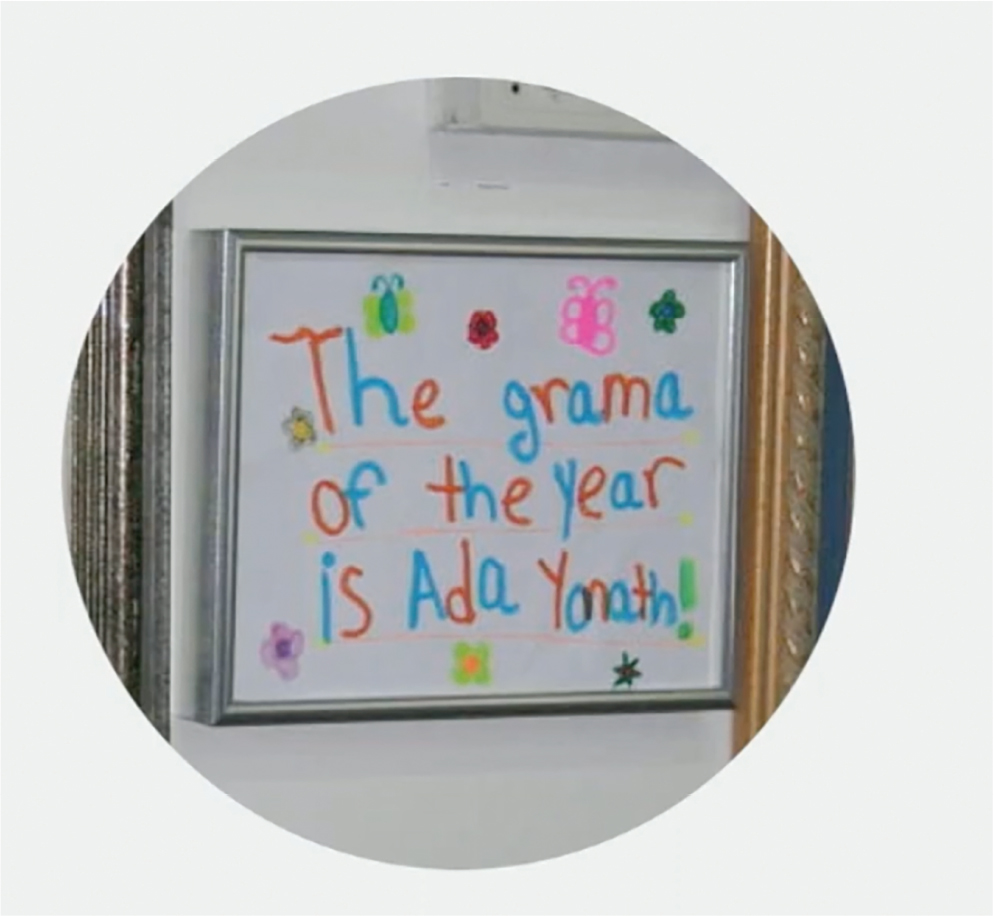
Figure 7.
The “Grandma of the Year” award made for Ada by her granddaughter Noa.
When I remember Ada, I return to that first meeting in 1972. I was a young postdoc with a few small RNA crystals and an experimental question. Ada did not know me, but she made room for me in her laboratory and helped me find out what the crystals could do. That is the Ada I still remember: impatient with unanswered questions, and generous to someone else who had one.