
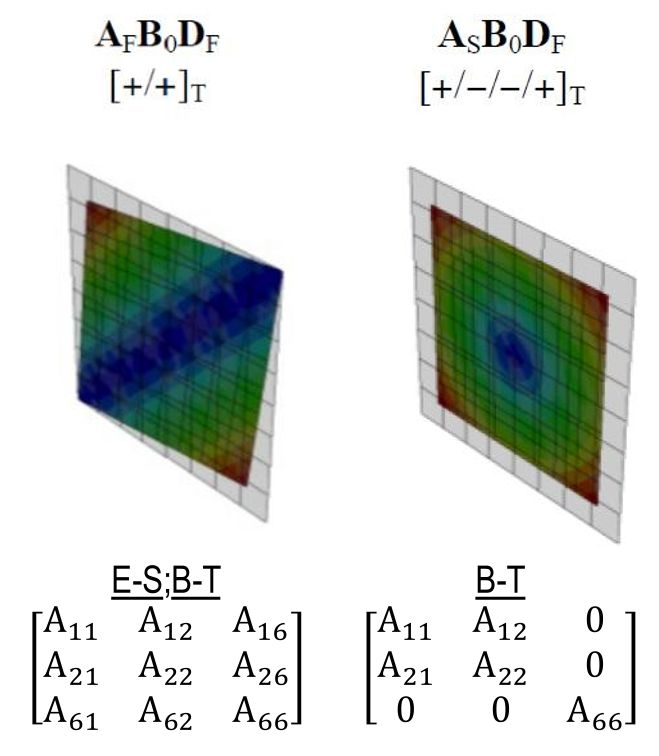
Fig. 1.
Coupling responses, in relation to the cases under consideration, for due to free thermal contraction, for laminates with: a) Shearing -Extension and Bending-Twisting (E-S; B-T laminate), b) Bending-Twisting coupling (B-T laminate) [17]
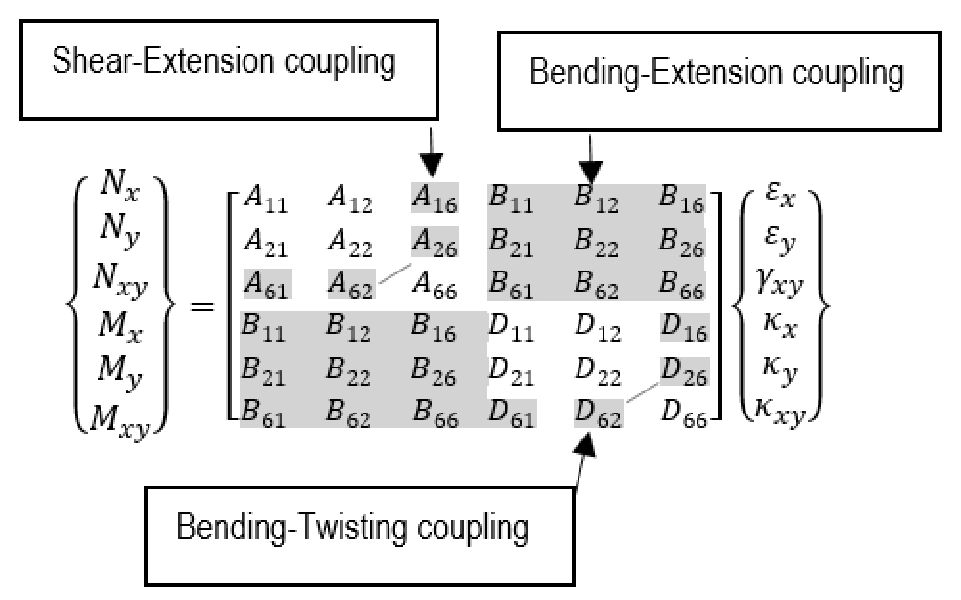
Fig. 2.
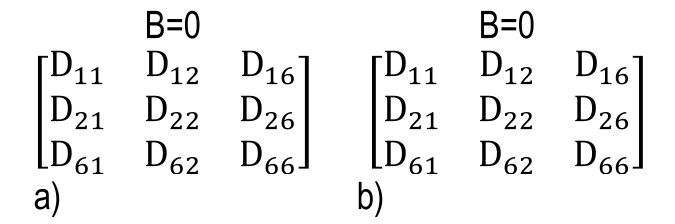
Physical significance of stiffness terms in force and moment resultantsl
Tab. 1.
Considered layer layouts with type of mechanical couplings
| No. | Sequences | Subscript notation ESDU (1994) [14] | Coupling type |
|---|---|---|---|
| L1 | [0/30/45/60/90]s | AFB0DF | S-E, TB |
| L2 | [90/60/45/30/0]s | AFB0DF | S-E, TB |
| L3 | [90/0/0/45/-45]s | ASB0DF | T-B |
| L4 | [45/-45/0/0/90]s | ASB0DF | T-B |
| L5 | [0/0/45/-45/90]s | ASB0DF | T-B |
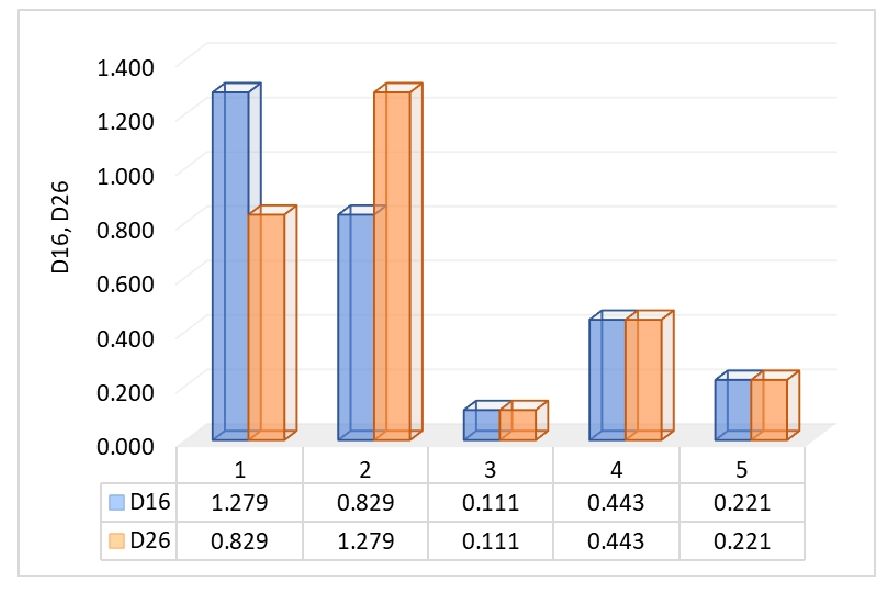
Fig. 3.
The coefficients D16 and D26 value for all considered configurations
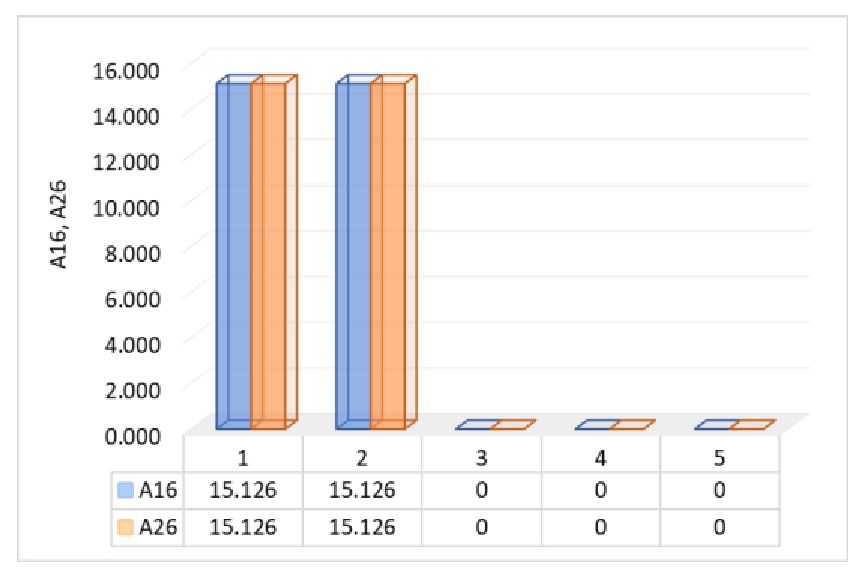
Fig. 4.
Effects of mechanical couplings on the coefficients A16 and A26
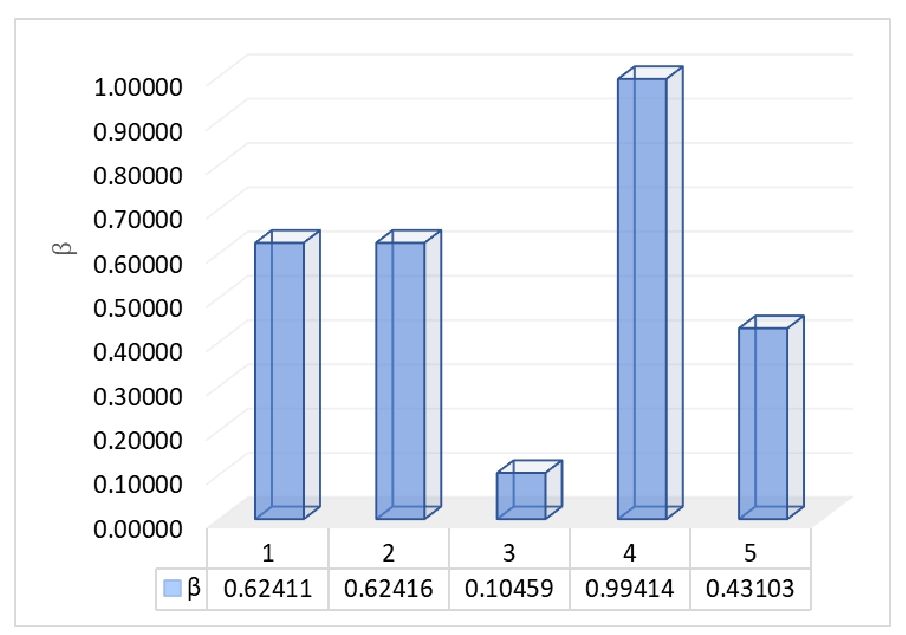
Fig. 5.
Nondimensional flexural anisotropy parameter β value for all considered configurations
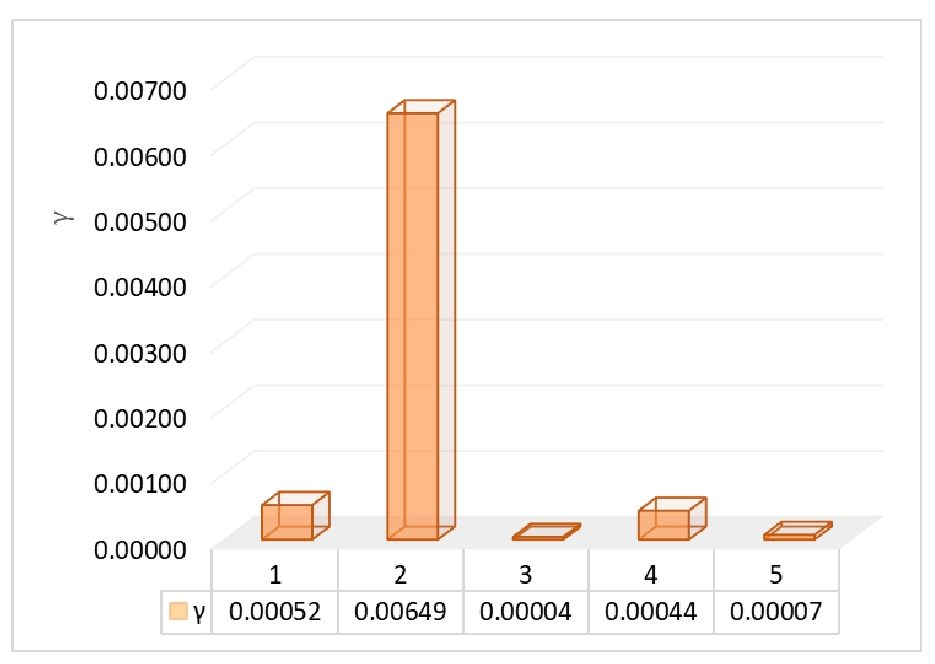
Fig. 6.
Nondimensional flexural anisotropy parameter γ value for all considered configurations
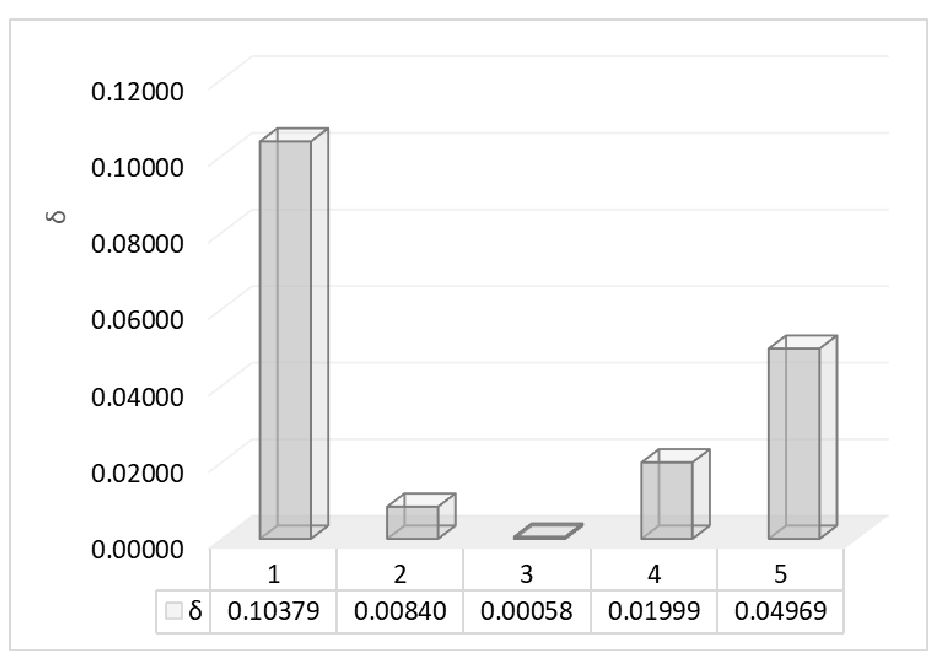
Fig. 7.
Value of nondimensional flexural anisotropy parameter δ for all considered configurations
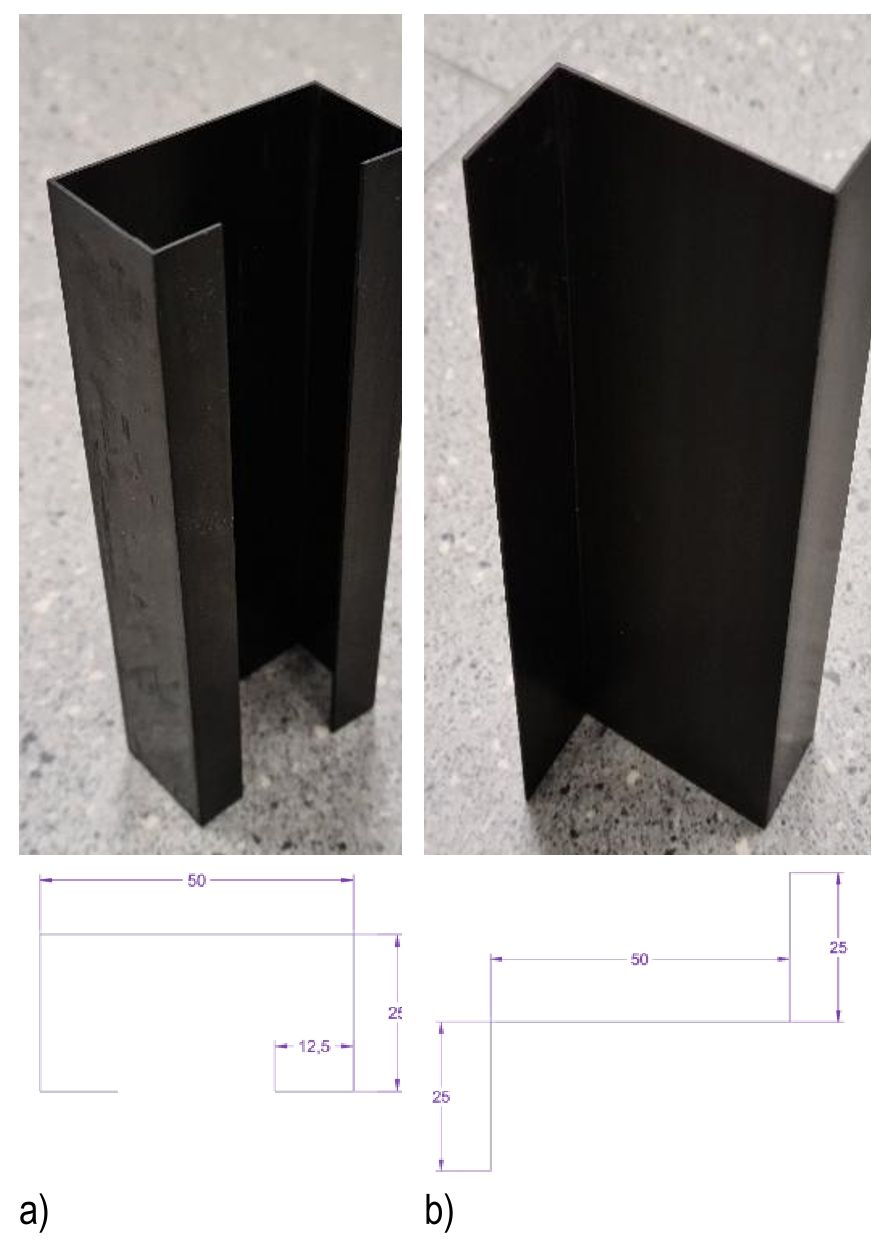
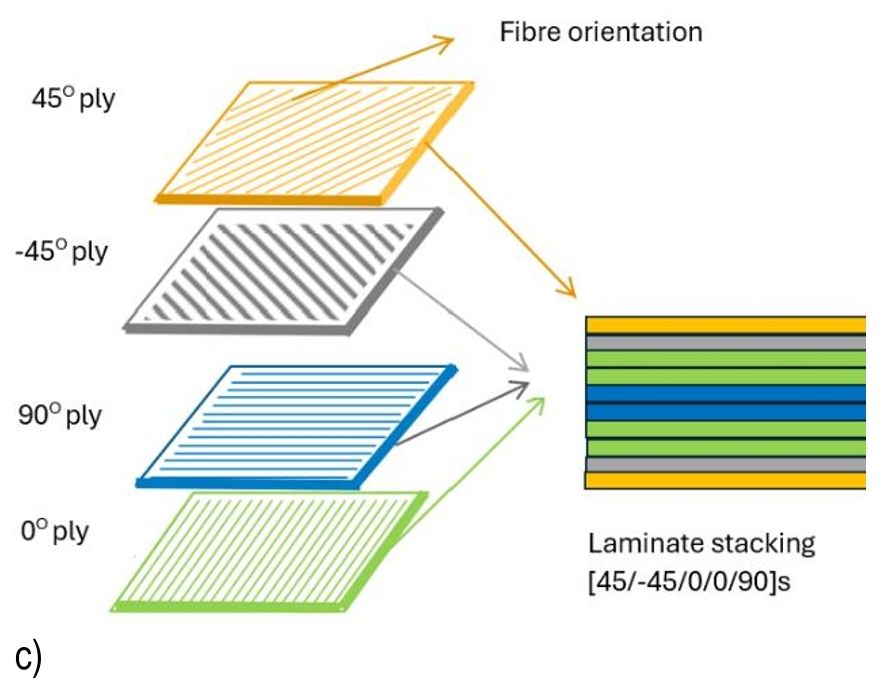
Fig. 8.
Manufacture samples: a) Q-section profile, b) Z-section profile, c) the example of cross-section of chosen configuration
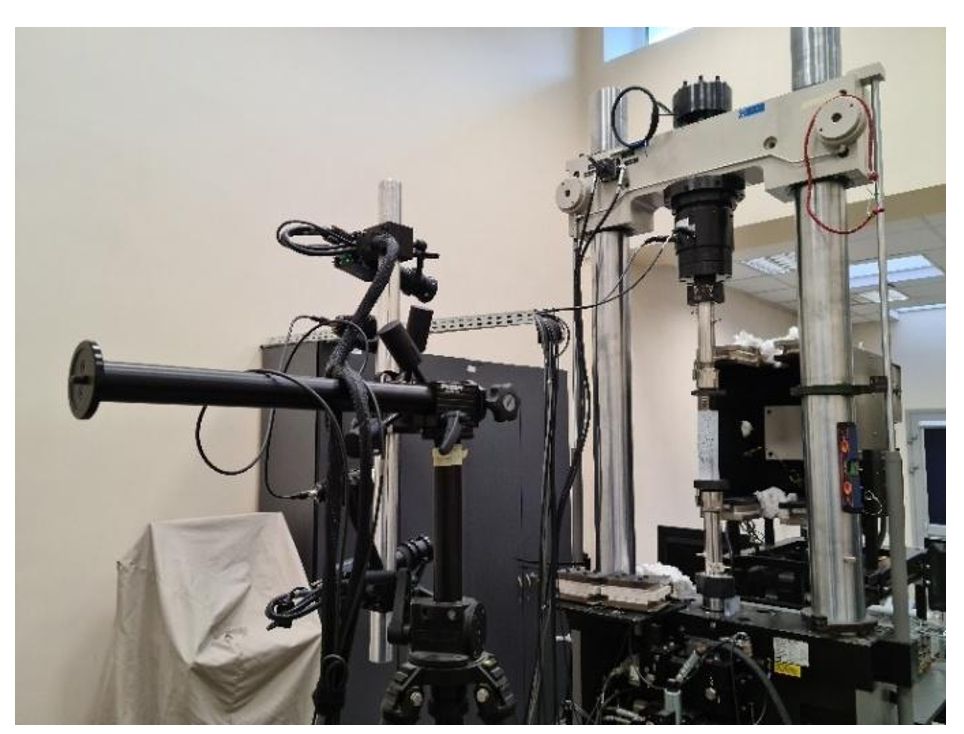
Fig. 9.
Experimental test stand
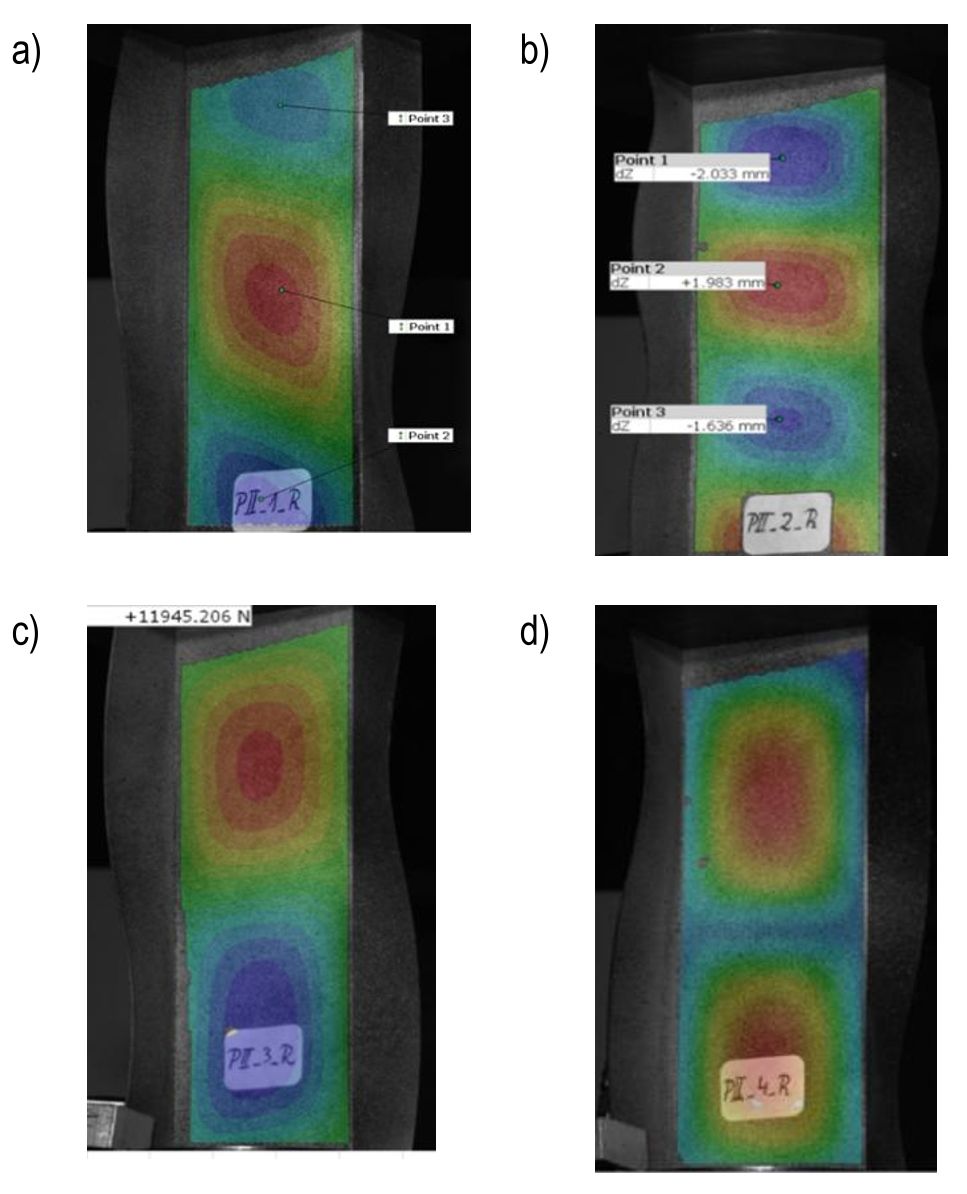
Fig. 10.
Experimental buckling mode (with DIC maps) for Z-cross section profiles: a) L1, b) L2, c) L3, d) L4, e) L5
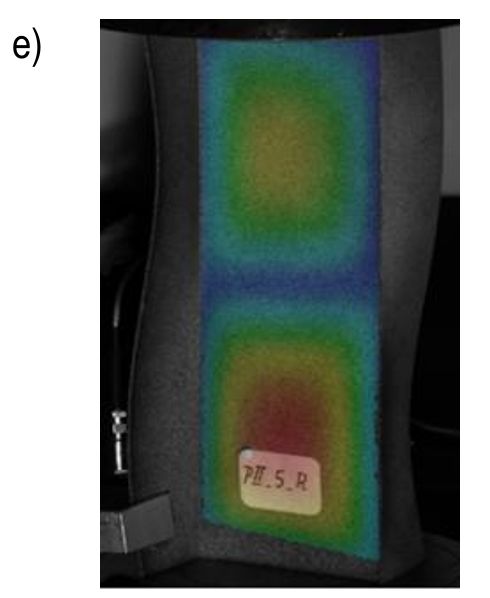
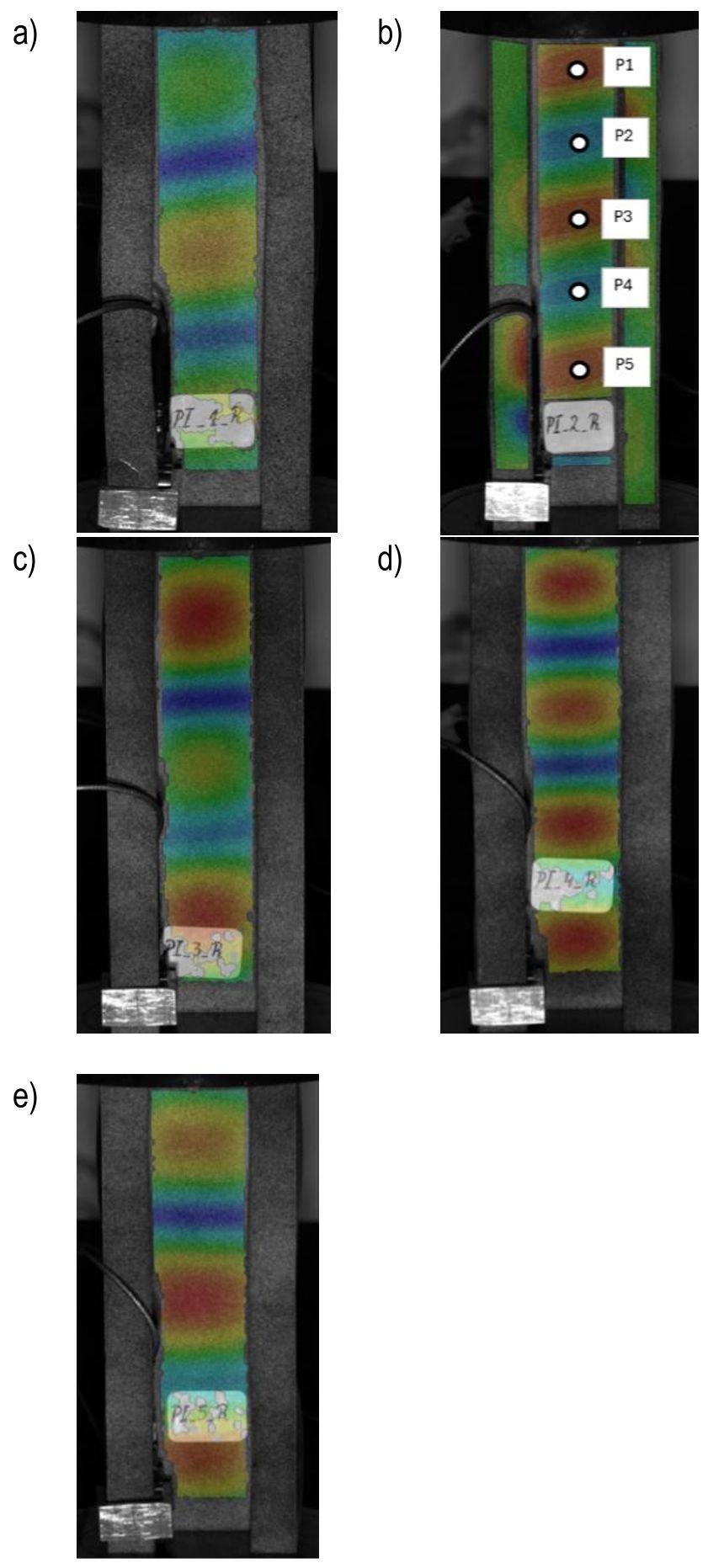
Fig. 11.
Experimental buckling mode (with DIC maps) for omega cross section profiles: a) L1, b) L2, c) L3, d) L4, e) L5
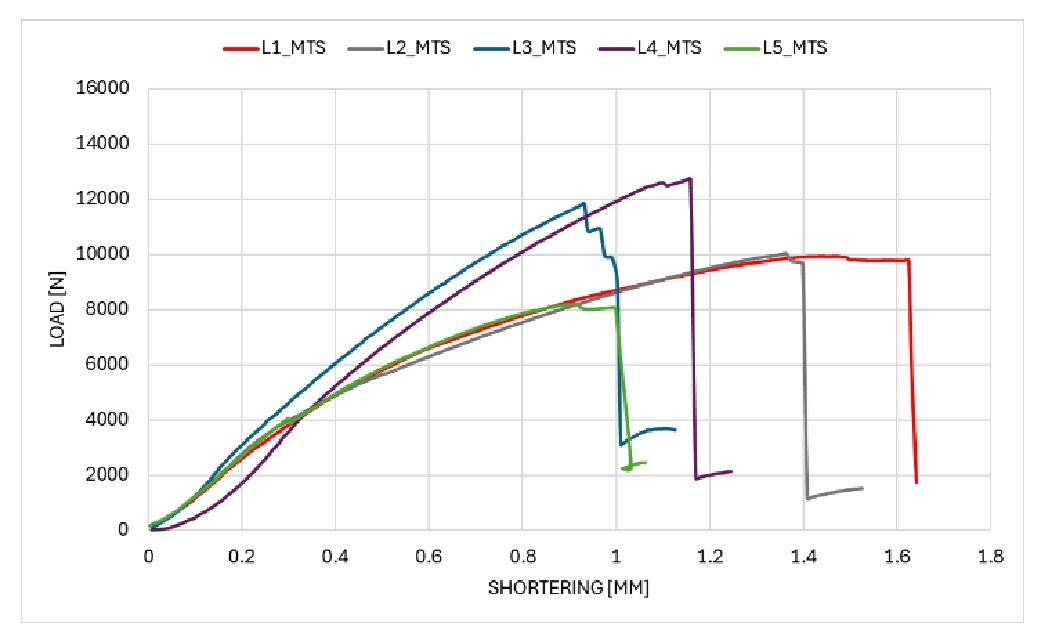
Fig. 12.
Experimental postbuckling equilibrium paths of Z-section profile for all cases
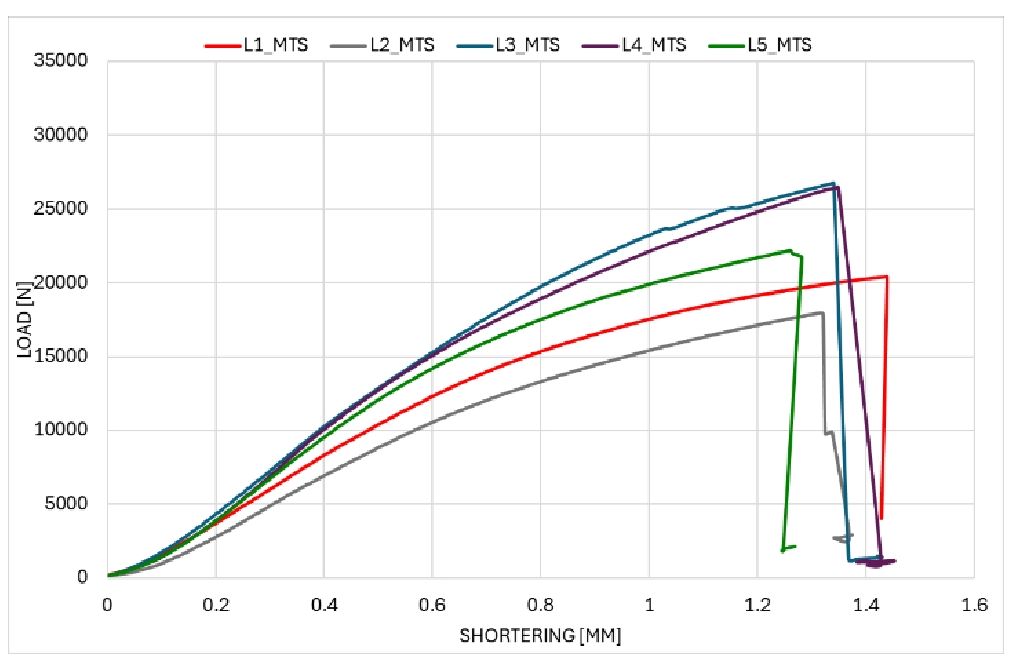
Fig. 13.
Experimental postbuckling equilibrium paths of Ω-section profile for all cases