
1. INTRODUCTION
Logistics and supply chain management have been completely transformed by the quick development of Industry 4.0, which places a strong emphasis on automation, data-driven decision-making, and real-time connection. Autonomous Mobile Robots (AMRs) are one of the key technologies which can provide advanced automation in process of part production [1]. Smart sensors, artificial intelligence (AI), and Internet of Things (IoT) capabilities are added to the AMRs in order to provide advanced supply chain within the Industry 4.0 era [2].
AMRs in logistics and supply chain management epitomize the synergy of robotics and digital transformation in Industry 4.0 [3]. They are essential instruments for the contemporary industrial environment due to their capacity to transform operational efficiency, save costs, and improve customer satisfaction. AMRs have gained more attention in advanced manufacturing due to their capacities of operations within complex environments, adapt to changing conditions, and collaborate with other robotic systems and human workers. [4]. Their applications span a wide range of logistics activities, including warehouse automation, order picking, inventory management, and last-mile delivery. As businesses face growing demands for faster delivery, higher accuracy, and cost optimization, the deployment of AMRs is becoming indispensable [5].
Logistics and supply chain management are critical domains in modern manufacturing and distribution systems. The logistics and supply chain management industry are undergoing a transformative shift driven by the fourth industrial revolution as Industry 4.0. With the increasing complexity of supply chains, traditional methods are often inadequate and insufficient in order to meet the demands of flexibility, efficiency, and cost-effectiveness of advanced part production [6]. The rise of e-commerce, customer demand for faster deliveries, and the need for cost reduction have placed immense pressure on traditional supply chain methods. AMRs offer solutions to these challenges by enabling seamless and autonomous movement of goods across vast facilities. Industry 4.0 introduces intelligent and automated systems in order to address these challenges by using the capabilities of AMRs in supply chain management. AMRs have emerged as one of the most impactful technologies by increasing efficiency, flexibility, and providing real-time decision-making [7]. Moreover, AMRs are significantly enhancing the speed, accuracy, and safety of operations in logistics and supply chain networks by automating material handling, transportation, and storage tasks [8]. As a result, AMRs are recently used in warehouses, distribution centers, and manufacturing facilities worldwide to provide flexibility and accuracy in logistic and supply chain management [9].
Application of AMRs in advanced manufacturing is not just a technological advancement but also a strategic move to address the increasing complexity of modern logistics operations [10]. These robots are equipped with sensors, cameras, and AI algorithms, are capable of navigating dynamic environments, performing tasks such as picking, sorting, and transporting items with minimal human intervention [11]. AMRs work alongside human workers in tasks such as sorting and inventory replenishment, fostering human-robot collaboration. As a result, this level of automation reduces human error, increases throughput, and optimizes resource allocation in logistics operations [12].
Furthermore, the integration of AMRs within Industry 4.0 environments has paved the way for interconnected systems that allow for continuous monitoring, real-time data exchange, and predictive analytics. Through the application of IoT sensors and cloud computing, AMRs can communicate with other devices and systems in terms of creating a cohesive and responsive network. This intelligent ecosystem supports decision-making processes by providing real-time insights into supply chain activities, inventory levels, and operational performance [13]. As a result, businesses are better equipped in order to adapt to changing demands, anticipate disruptions, and streamline their supply chain processes in terms of productivity enhancement of part production. Different types of Autonomous mobile robots and examples of applications is shown in the Figure 1 [9]. It highlights how AMRs are applied in logistics and manufacturing for material handling and transportation, order picking, and inventory handling. This figure emphasizes the versatility of AMRs across sectors to show how their adaptability supports automation within Industry 4.0 environments [9].
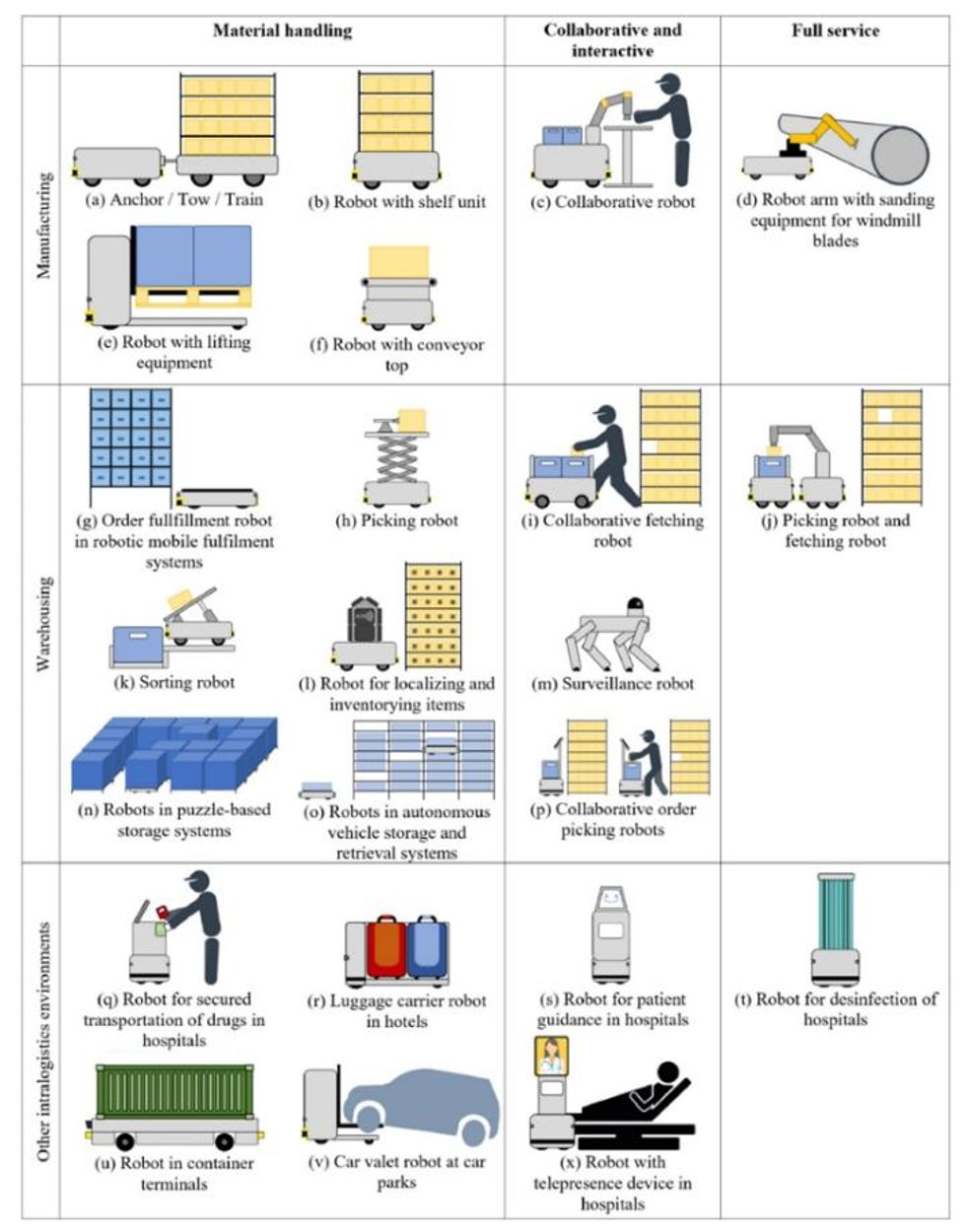
Fig. 1.
Types of Autonomous mobile robots and examples of applications [9]
Soori et al. [14-17] recommended methods for virtual machining to assess and improve CNC production in virtual settings. Soori et al. [18] discussed the most recent advancements in friction stir welding techniques in an attempt to evaluate and improve the process’ effectiveness during component manufacturing. Soori and Asamel [19] examined ways to minimize residual stress and movement inaccuracy during turbine blade five-axis milling operations by utilizing virtual machining machinery. Soori and Asmael [20] considered the prospect of employing virtualized machining techniques to mill materials that are challenging to cut while keeping an eye on and lowering the cutting temperature. Soori et al. [21] recommended that a complex virtual machining approach be used to enhance surface characteristics while milling turbine blades in five axis milling operations.
Soori and Asmael [22] created virtual milling techniques to reduce deformation error in five-dimensional impeller blade milling. Soori and Asmael [23] compiled the results of recent studies from the literature to evaluate and improve the parameter approach for machining process simulation. To improve component production precision and dependability, data availability and quality across the supply chain, and energy consumption effectiveness, Dastres et al. [24] suggested examining current developments in wireless manufacturing systems based on RFID. To improve the functionality of machined parts, Soori and Arezoo [25] explored the issue of calculating and reducing residual stress during the milling process. To increase the lifespan of the cutters used in machining operations, Soori and Arezoo [26] examined a variety of techniques for forecasting tool wear. Soori and Asmael [27] examined the use of computer-assisted scheduling of processes to increase the productivity of component manufacturing methods.
Soori and Arezoo [28] have enhanced the accuracy of 5-axis CNC milling processes by correcting errors in tool motion, temperature, geometry, and measurements. To determine whether the milling process’s cutting specifications have an impact on the tool’s life and the temperature at which the cutting occurs, Soori and Arezoo [29] created an application for a virtual machining technique. Soori and Arezoo [30] investigated how coolant changed throughout the turning of Ti6Al4V material in terms of cutting temperature, tool choice, and roughness on the surface. Soori [31] conducts an overview of recent advancements from published research in order to investigate and modify composite materials and structures. To enhance the overall quality of the product produced by water jet cutting using an abrasive, Soori and Arezoo [32] reduced surface roughness and residual stress. In order to improve the precision of turbine blade five-axis machining operations, Soori [33] detects and corrects any possible errors in the deformation. To assess and improve the precision of CNC machining procedures and parts, Soori and Arezoo [34] examined the application of finite element analysis to CNC machine tool customization.
Although the applications of AMRs in supply chain management and logistics have been covered in previous studies [35-43], this study stands out for offering a thorough examination of the scientific issues and quantitative assessment techniques unique to the use of AMRs in Industry 4.0. While a significant number of studies have investigated AMRs for logistics and supply chain management, most of the existing literature has focused on either some isolated technological issues or case-specific implementations in the absence of any comprehensive analytical framework. Most prior reviews summarize the advances rather than critically analyze quantitative performance indicators and scientific issues concerning the deployment of AMRs within Industry 4.0 environments. The absence of a systematic review has created a gap in the field regarding the holistic integration of AMRs into intelligent and adaptive logistics. In order to progress the review paper in academic research and industry application, a comprehensive assessment that links theoretical developments with useful metrics from real-world applications becomes more important. The novelty of this study is in its integrated approach to assessing AMRs from both technological and performance-based perspectives within the industry 4.0 framework. Besides this, unlike previous studies that mostly describe technological trends, this paper presents some quantitative assessment methodologies with regard to navigation efficiency, scalability, reliability, and effectiveness of human-robot interaction. Moreover, in this work, the structured methodology linking the capabilities of AMRs to operational outcomes is put forward and gives actionable insights into the optimization of logistics systems. As a result, the study can present a unique perspective that enhances scientific and practical knowledge about AMRs in modern supply chains.
This review aims to provide a comprehensive overview of the role of AMRs in logistics and supply chain management within the industry 4.0 framework. It explores the technological advancements that enable their functionality, the challenges and opportunities they present, and their potential to transform traditional supply chains into smart, interconnected ecosystems. In contrast to previous works that mainly focus on technological capabilities or case studies, this review offers a balanced perspective by describing both the advancements and the practical scientific challenges faced in AMR deployment, providing a more thorough understanding of the field. In addition to summarizing the benefits and challenges of AMR integration and offering a methodical approach for quantitative evaluation, this review addresses the knowledge gap by offering metrics for navigation efficiency, task throughput, energy consumption, collision avoidance, scalability, HRI effectiveness, and reliability. Thus, by bridging the gap between the technological capabilities and practical implementations of AMRs in Industry 4.0, the review study’s new goal is to enhance knowledge of smart robots. As a result, a novel aspect of this review is its emphasis on the integration of AMRs with Industry 4.0 technologies, such as IoT, cloud and edge computing, and AI, to achieve real-time data integration and predictive maintenance, which are critical for optimizing supply chain operations.
The role of ARMs in logistics and supply chain management within the context of Industry 4.0 are studied to enhance the robotic applications in advanced manufacturing. It aims to provide an overview of the current trends, challenges, and future potential of AMRs in improving supply chain operations. Furthermore, the review highlights key case studies, current trends, and future research directions to guide stakeholders in leveraging AMRs for sustainable and competitive logistics solutions. Through this analysis, the paper seeks to bridge the gap between technological capabilities and practical applications, contributing to the growing body of knowledge on smart robotics in Industry 4.0. Furthermore, the review highlights recent advancements, trends, and the potential for AMRs to redefine the future of logistics and supply chain operations. By synthesizing state-of-the-art research and industry practices, this work aims to provide a comprehensive understanding of AMRs’ contributions to achieving smart, efficient, and resilient supply chain ecosystems. By examining various applications, technological advancements, and case studies, this review will shed light on the transformative impact of AMRs and highlight the critical factors influencing their successful implementation in the logistics and supply chain sectors. As a result, in order to provide a comprehensive understanding of AMRs’ contributions to achieve smart, efficient, and resilient supply chain ecosystems, a novel study in analysis and modification of and AMR applications in industry 4.0 is proposed.
2. SCIENTIFIC PROBLEMS/APPROACHES AND QUANTITATIVE EVALUATION OF ARMS APPLICATIONS IN LOGISTICS AND SUPPLY CHAIN MANAGEMENT OF INDUSTRY 4.0
In order to apply the ARMs in logistics and supply chain management of industry 4.0, scientific problems can be presented as:
– Dynamic and Complex Environments: AMRs face challenges in navigating dynamic and unstructured environments, such as warehouses with frequently changing layouts and human operators. These dynamic conditions require advanced path planning and real-time decision-making capabilities [44].
– Multi-Robot Coordination: Coordinating multiple AMRs to avoid collisions and optimize task allocation is complex, especially in high-density operations. Effective algorithms for swarm intelligence and decentralized decision-making are essential for scalable deployments.
– Energy Efficiency and Battery Management: Limited battery life constrains the operational efficiency of AMRs, requiring innovative energy management and charging solutions. Balancing task execution and battery optimization is critical for sustained operations [45].
– Real-Time Data Processing: AMRs must process large volumes of sensor and operational data in real-time for navigation, obstacle detection, and decision-making. Advanced edge computing and data fusion methods are needed to handle latency and computational constraints [46].
– Integration with Legacy Systems: Ensuring seamless interoperability with existing warehouse management systems (WMS) and enterprise resource planning (ERP) systems is challenging. Standardized protocols and middleware solutions are required to bridge legacy and Industry 4.0 technologies.
– Scalability in Large-Scale Operations: Deploying AMRs in large facilities introduces challenges in scalability, communication latency, and operational efficiency. Novel network architectures, such as 5G and mesh networks, can address scalability bottlenecks [47].
In order to present the related approaches to answer the scientific problems, the presented methodology can be applied as
– Advanced Navigation Algorithms: Leveraging simultaneous localization and mapping (SLAM) and reinforcement learning (RL) for efficient route planning and adaptation to dynamic environments. These approaches improve navigation in cluttered and dynamic spaces [48].
– Task Allocation and Optimization: Using algorithms like auction-based or genetic algorithms to assign tasks dynamically to AMRs based on priority and efficiency. Optimized task allocation reduces idle time and enhances throughput.
– Swarm Intelligence Models: Implementing bio-inspired techniques, such as ant colony optimization or particle swarm optimization, for multi-robot coordination. These techniques improve collective decision-making and task-sharing among robots [49].
– Sensor Fusion and Perception: Integrating data from LiDAR, cameras, and IMUs to enhance obstacle detection and environment understanding. Robust sensor fusion minimizes navigation errors and enhances safety.
– Edge and Cloud Computing Integration: Employing a hybrid computing architecture to balance real-time processing needs and high-level analytics. Edge computing ensures low-latency responses, while cloud services provide centralized data insights.
– Human-Robot Interaction (HRI): Designing intuitive interfaces and safety protocols for collaborative operations with human workers. Effective HRI ensures smooth coexistence and improves operational safety [50].
As a result, quantitative evaluation in ARMs in logistics and supply chain management of industry 4.0 can be presented as:
– Navigation Efficiency: Average time to complete tasks, success rate of path planning, and detour ratio. These metrics evaluate the robot’s ability to navigate efficiently in various scenarios.
– Task Throughput: Number of tasks completed per unit time and resource utilization rate. Measures the system’s productivity and operational efficiency.
– Energy Consumption: Energy used per task, battery life, and charging frequency. Quantifies the energy efficiency of AMRs and their sustainability in long-term operations [51].
– Collision Avoidance: Number of collision incidents and proximity violation frequency. Assesses the robot’s safety and robustness in dynamic environments.
– Scalability: Performance degradation with increasing robot density, task allocation efficiency in large systems. Validates the solution’s applicability to large-scale operations [52].
– HRI Effectiveness: Task completion time in collaborative tasks, user satisfaction ratings, and error frequency during interaction. Evaluates how effectively AMRs interact with human operators.
– Reliability: Mean time between failures (MTBF) and downtime during operations. Indicates the robustness and dependability of the robots [53].
3. WAREHOUSE MANAGEMENT
AMRs are transforming warehouse operations in the context of Industry 4.0, and warehouse management is essential to supply chain and logistics optimization [54]. Traditional warehouse systems often rely on human labor for material handling, inventory management, and order fulfillment [55]. However, a more effective and scalable solution is provided by AMRs outfitted with cutting-edge technologies like computer vision, machine learning, and real-time data analytics [56]. These robots can navigate complex warehouse environments autonomously, reducing human error, increasing storage capacity, and improving overall workflow efficiency [44]. AMRs have become integral to modern warehouses, enabling faster picking, packing, and sorting processes. As a result, warehouses are becoming smarter, with AMRs offering significant improvements in task execution speed and accuracy [54].
One of the key benefits of using AMRs in warehouse management is their ability to integrate seamlessly into existing systems. These robots can be employed to assist in goods-to-person systems, where items are brought directly to the worker, minimizing travel time and reducing bottlenecks [57]. Furthermore, AMRs can communicate with warehouse management systems (WMS) to track inventory in real-time, ensuring that the warehouse maintains optimal stock levels. Their flexibility allows for quick adaptation to varying operational requirements, whether in high-volume or seasonal periods [58]. By reducing manual labor and operational downtime, AMRs help enhance throughput and maintain a steady flow of materials. Robot path optimization in warehouse management system is shown in the Figure 2 [59]. This chart shows how AMRs calculate the most efficient route to minimize travel time, reducing congestion in the storage areas. So, this work highlights that path planning is crucial for enhancing overall productivity and reducing operational costs in a warehouse [59].
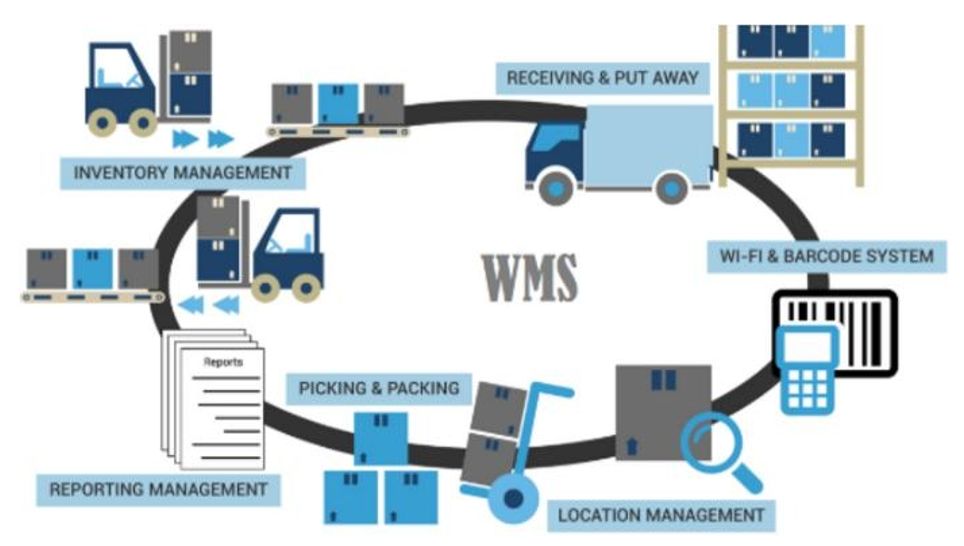
Fig. 2.
The optimization of robot paths in a warehouse management system [59]
The incorporation of AMRs in warehouse management poses multiple challenges despite their numerous benefits. For example, it is crucial to provide safety in dynamic settings where humans and robots collaborate [47, 54]. AMRs must be equipped with advanced sensors and collision avoidance systems in order to prevent accidents during operations. Additionally, their successful deployment requires a robust infrastructure to support communication networks and maintain system coordination across multiple robots and other automated systems [60]. Nonetheless, as technology advances, the continued evolution of AMRs in warehouse management is poised to streamline operations, drive productivity, and play a pivotal role in the ongoing transformation of supply chain management in Industry 4.0 [55].
4. TRANSPORTATION AND DISTRIBUTION
AMRs are increasingly revolutionizing transportation and distribution processes within logistics and supply chain management, particularly under the framework of Industry 4.0 [61]. These robots utilize a combination of technologies such as sensors, computer vision, artificial intelligence, and wireless communication to autonomously navigate, transport, and distribute goods within warehouses, distribution centers, and across supply networks [62]. AMRs, such as delivery drones and ground-based robots, address the challenges of last-mile logistics by offering cost-effective and timely solutions. The integration of AMRs in transportation and distribution functions addresses several operational challenges, improving efficiency, accuracy, and safety [63].
– Automated Material Handling: AMRs are pivotal in automating the material handling process, which includes transporting raw materials, finished goods, and other inventory items within a facility [64]. They optimize route planning by dynamically adjusting paths based on real-time conditions, such as obstacles or congestion. Unlike traditional manual handling methods, AMRs can work around the clock, reducing labor costs, increasing throughput, and ensuring consistent productivity [65].
– Order Picking and Sorting: In the transportation and distribution segment, AMRs play a crucial role in order fulfillment, which includes picking and sorting items from inventory [66]. By integrating with Warehouse Management Systems (WMS), AMRs can receive real-time updates on order status and routes, ensuring timely delivery and reducing the potential for human error [67]. This improves the accuracy of picking operations and accelerates sorting processes, making the distribution network more responsive to customer demands [68].
– Last-Mile Delivery: AMRs are also transforming last-mile delivery operations, a critical segment of logistics where goods are delivered from distribution hubs to end customers [63]. With innovations in electric AMRs and drones, companies can offer faster and more cost-effective delivery solutions. These autonomous systems navigate urban environments and residential areas to deliver packages directly to customers, bypassing traffic constraints and improving delivery time reliability [69].
– Fleet Management and Coordination: Advanced algorithms and AI enable the coordination of fleets of AMRs, optimizing their movement in a shared environment [70]. Real-time fleet management systems track each robot’s location, task status, and performance, allowing for the balancing of workloads and minimizing bottlenecks in transportation and distribution [71]. Automated recharging stations and maintenance protocols are also integrated to ensure continuous operations, thus reducing downtime [72].
– Integration with IoT and Data Analytics: AMRs in transportation and distribution rely on Internet of Things (IoT) devices to communicate with other machinery and systems within the supply chain [73]. AMRs can make data-driven choices that improve supply chain efficiency by gathering and evaluating data from several sources, including RFID tags, sensors, and environmental factors [74]. Predictive analytics enable preemptive maintenance and intelligent routing, further enhancing the operational performance of autonomous systems [75].
Autonomous mobile robots with AI capabilities for logistics and transportation is shown in the Figure 3 [76]. The diagram shows how AI enhances robot perception, navigation, and coordination for tasks such as goods delivery and fleet management. It conveys the growing role of intelligent automation in streamlining logistics operations and achieving real-time decision-making [76].
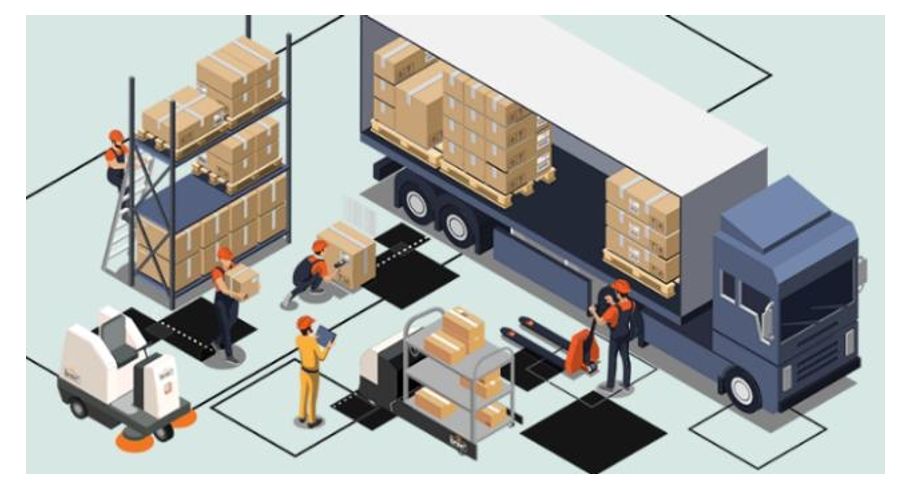
Fig. 3.
Autonomous mobile robots with AI capabilities for logistics and transportation [76]
The ongoing advancements in AMR technology, combined with the increasing adoption of Industry 4.0 principles, are set to drive the future of transportation and distribution in logistics, offering greater flexibility, scalability, and sustainability across supply chain operations [77].
5. REAL-TIME DATA INTEGRATION
In the context of logistics and supply chain management in Industry 4.0, real-time data integration is essential to improving the effectiveness and performance of AMRs. For smooth and dynamic operations, AMRs depend on real-time data for navigation, decision-making, and system collaboration. AMRs are able to adjust to quickly changing surroundings and maximize their performance through the integration of real-time data from several sources, including sensors, IoT devices, and cloud-based platforms [78].
– Sensor Networks and IoT Integration: AMRs are equipped with a variety of sensors, including LiDAR, cameras, ultrasonic, and GPS, to gather information about their surroundings, such as object detection, distance measurement, and localization [79]. Real-time data from these sensors is integrated through IoT platforms, allowing for continuous updates on the robot’s position, environmental conditions, and obstacles [80]. The synchronized data flow between AMRs and centralized systems enables quick response to unexpected events, such as changes in the warehouse layout or the appearance of new obstacles, facilitating efficient navigation and task execution [81].
– Cloud Computing and Edge Computing: To handle the large volume of real-time data generated by AMRs, cloud computing platforms are often employed to process and store data remotely, providing access to historical data, predictive analytics, and decision-support tools. However, cloud-based systems can face latency issues that may impact real-time decision-making [82]. Edge computing, which processes data closer to the source (i.e., on the robot or at the local infrastructure), mitigates these issues by enabling immediate responses to environmental changes. Real-time data processing at the edge ensures that AMRs can make on-the-spot decisions, improving operational efficiency [83].
– Data Fusion and Multi-Agent Coordination: In complex logistics environments, AMRs often work in coordination with other autonomous systems, such as Automated Guided Vehicles (AGVs) or drones [84]. The integration of real-time data from multiple agents through data fusion techniques allows for a more comprehensive understanding of the operational environment. By sharing real-time location, task status, and operational conditions, AMRs and other agents can make informed decisions, avoiding collisions, optimizing task allocation, and improving overall throughput [85]. Additionally, real-time data integration fosters inter-robot communication, enabling swarm intelligence and collaborative behaviors that enhance the flexibility and scalability of supply chain operations [86].
– Real-Time Data Analytics and Predictive Maintenance: Realtime data integration is also essential for predictive maintenance in AMRs. By continuously monitoring operational parameters such as motor performance, battery life, and sensor health, AMRs can detect early signs of wear and tear, minimizing downtime [87]. To guarantee that AMRs stay operational and prevent expensive failures, real-time analytics algorithms evaluate the incoming data to forecast maintenance requirements and plan downtime in advance. This enhances the supply chain’s overall dependability and efficiency [88].
Autonomous mobile robot usage for warehouse robotics is shown in the Figure 4 [89]. The figure shows that the robots interact with storage systems and other human operators in a continuous workflow operation. It further illustrates AMRs’ contribution to efficiency, safety, and adaptability within smart warehouse environments [89].
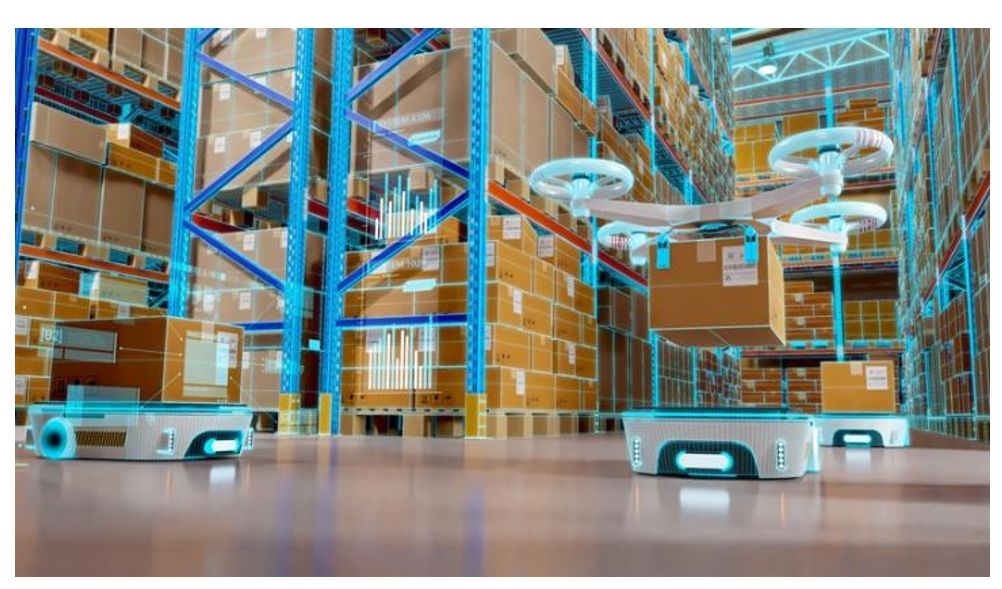
Fig. 4.
Autonomous mobile robot usage for warehouse robotics [89]
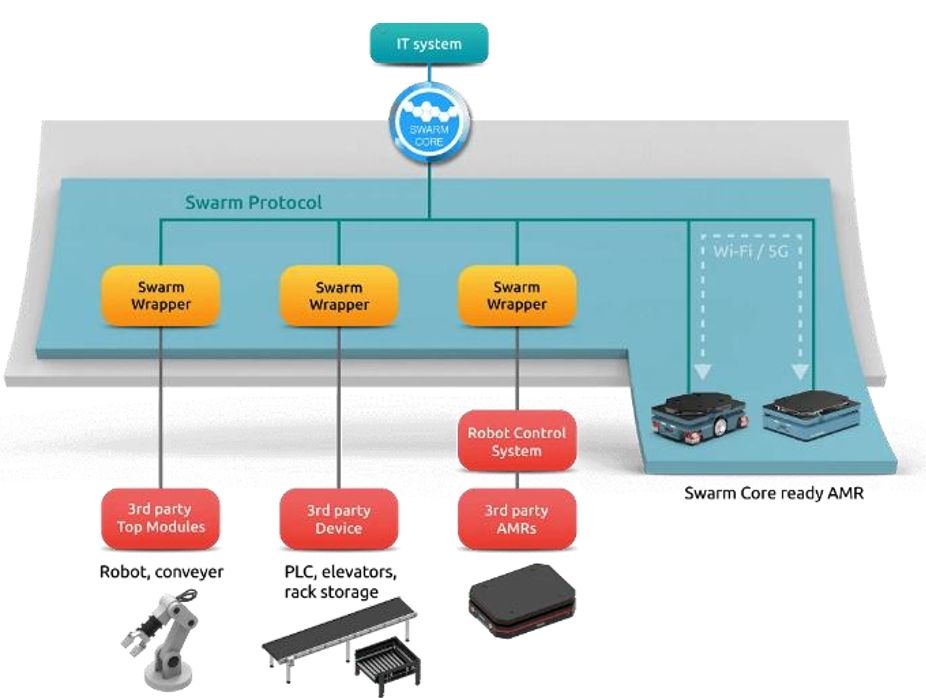
Fig. 5.
Optimizing production efficiency by using autonomous mobile robots [100]
In conclusion, the seamless integration of real-time data into AMR systems is pivotal for the successful implementation of autonomous solutions in logistics and supply chain management within Industry 4.0 [90]. The synergy between sensor networks, cloud and edge computing, data fusion, and real-time analytics ensures that AMRs can operate efficiently, autonomously, and in close coordination with other automated systems, ultimately driving the digital transformation of supply chain operations [91].
6. BENEFITS OF AMRS IN LOGISTICS
AMRs have transformed logistics and supply chain management by introducing a range of advantages that align with the goals of Industry 4.0, such as enhanced efficiency, flexibility, and automation. Key benefits include:
– Increased Efficiency and Productivity: AMRs streamline warehouse operations by automating repetitive tasks, such as transporting materials, moving goods between storage and shipping areas, or sorting products. This results in faster order fulfillment, reduced human error, and optimized use of resources, leading to significant productivity gains [65].
– Cost Reduction: By replacing manual labor with automated systems, AMRs reduce labor costs associated with warehouse management, including wages, training, and workplace injuries. In addition, the consistent performance of AMRs reduces the likelihood of costly mistakes caused by human error, further lowering operational costs [92].
– 24/7 Operational Capability: Unlike human workers, AMRs can operate continuously without breaks, enabling round-the-clock operation in warehouses, manufacturing floors, and distribution centers [93]. This constant availability enhances throughput and accelerates production timelines, critical for high-demand industries [94].
– Scalability and Flexibility: AMRs can be easily integrated into existing infrastructure and scaled to accommodate fluctuations in demand [40]. As supply chain operations expand or change, AMRs can be reprogrammed or reconfigured to adjust to new tasks, layouts, or workflows, making them highly adaptable to dynamic logistics environments [95].
– Improved Safety and Risk Mitigation: By performing hazardous tasks or navigating areas with high risk (such as heavy lifting or working with dangerous materials), AMRs help minimize workplace injuries and accidents [96]. With advanced sensors and AI-driven navigation, AMRs ensure that goods are handled safely and that personnel are kept at a safe distance from potential hazards [97].
– Optimized Space Utilization: AMRs enhance space utilization within warehouses by facilitating more efficient inventory storage and retrieval. They can navigate tight spaces, allowing for denser storage layouts, and can dynamically reroute based on real-time conditions, improving overall warehouse capacity [98].
– Data Collection and Real-Time Analytics: AMRs equipped with sensors and IoT technology continuously collect data on operational performance, inventory levels, and warehouse conditions [67]. This data is analyzed to identify inefficiencies, track KPIs, and support predictive maintenance, allowing for data-driven decision-making and further optimization of supply chain processes [99].
– Enhanced Accuracy and Traceability: AMRs increase inventory accuracy through automated scanning, tracking, and real-time reporting, ensuring that the correct products are moved to the right locations [95]. This reduces the likelihood of stockouts or overstocking, and provides full traceability of products throughout the supply chain, an essential feature in regulated industries [101].
Automated Guided Vehicle (AGV) technologies in smart warehouses is shown in the Figure 6 [102]. It contrasts traditional AGVs with modern AMRs, showing the evolution in navigation, flexibility, and system integration that defines next-generation warehouse automation. This underlines the development of material handling systems toward intelligent, interconnected, and adaptive logistics operations [102].
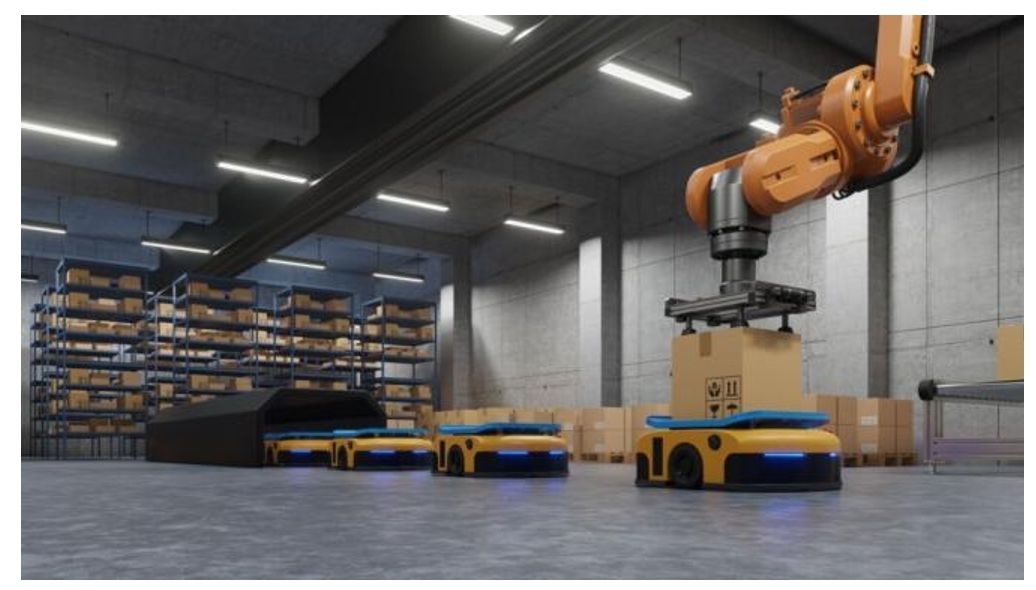
Fig. 6.
AGV technologies in smart warehouses [102]
By leveraging these benefits, AMRs enable companies to meet the demands of modern logistics in Industry 4.0, enhancing their competitive edge through improved operational efficiency, reduced costs, and better service delivery [54].
7. CHALLENGES AND BARRIERS
In the framework of Industry 4.0, AMRs into supply chain management and logistics is fraught with difficulties. For AMRs to be successfully deployed and widely used in a variety of industrial applications, several challenges must be overcome. [103].
– Technological Limitations: Despite significant advancements in robotics and automation, AMRs still face limitations in terms of navigation, perception, and adaptability. The complexity of environments, such as warehouses with dynamic obstacles, variable lighting, or uneven floors, can pose significant challenges for robot localization and path planning [104]. AMRs must be equipped with advanced sensors, such as LiDAR, cameras, and GPS, to ensure accurate navigation and obstacle avoidance. However, sensor fusion and real-time processing remain computationally demanding, leading to potential delays and system inefficiencies [47, 104].
– Integration with Existing Systems: The seamless integration of AMRs with legacy systems in logistics and supply chain operations presents a critical challenge [105]. Many warehouses and supply chains rely on traditional infrastructure and software systems that may not be compatible with the advanced technologies required for AMR deployment [8]. Integrating AMRs with existing Warehouse Management Systems (WMS) and Enterprise Resource Planning (ERP) systems often requires significant customization and can result in increased complexity and cost [106].
– Cost and ROI: The initial investment for deploying AMRs can be substantial, particularly when considering the purchase of the robots, necessary infrastructure, and software integration. While AMRs have the potential to improve operational efficiency and reduce labor costs over time, the return on investment (ROI) may not be immediate, especially for small and medium-sized enterprises (SMEs). Adoption can be significantly hampered by these large initial expenses, especially if businesses are uncertain of the long-term advantages [107].
– Human-Robot Interaction: As AMRs work alongside human operators in shared environments, effective collaboration between humans and robots is essential [108]. Ensuring safe and intuitive human-robot interaction (HRI) is a major challenge. Inadequate safety protocols, communication issues, or misunderstandings between human workers and robots can lead to accidents, inefficiencies, or delays [50]. Designing robots that can communicate effectively with humans, including both verbal and non-verbal cues, and ensuring they can safely navigate human-populated spaces, remains an ongoing research challenge [109].
– Cybersecurity and Data Privacy: The increased connectivity of AMRs in the Industry 4.0 framework opens the door to cybersecurity risks. AMRs often rely on cloud-based systems for data sharing, coordination, and fleet management, which can expose sensitive data to potential breaches [110]. Ensuring the security of both physical and digital assets is crucial, particularly in industries handling confidential or sensitive materials. Vulnerabilities in communication networks, software, and hardware may lead to data theft, disruption of services, or unauthorized access to logistics operations [111].
– Regulatory and Safety Standards: The adoption of AMRs in logistics operations is also hindered by a lack of universally accepted safety standards and regulations. Regulatory bodies in different regions may have varying requirements for robot deployment, certification, and safety protocols [112]. The absence of standardized guidelines can create legal challenges for manufacturers and users alike. Furthermore, ensuring that AMRs comply with workplace safety regulations, including those related to worker protection and operational safety, remains a significant hurdle [113].
– Scalability and Flexibility: While AMRs can deliver efficiencies in specific applications, scaling their use across larger and more diverse supply chains is challenging [113]. The complexity of coordinating multiple robots within a dynamic environment, where demand fluctuates and tasks change rapidly, requires a high degree of flexibility and adaptability [114].
Continuous technological developments, stakeholder participation, and a careful balancing act between innovation and regulatory compliance are all necessary to overcome these obstacles [115]. Many of these difficulties are anticipated to disappear as technology advances, but for the time being, they stand in the way of the smooth integration of AMRs into supply chain management and logistics systems [63].
8. CONCLUSION
ARMs have become the cornerstone of Industry 4.0, blazing a trail into logistics and supply chain management with automation, intelligence, and connectivity. The key results highlighted from this review show that AMRs enhance operational efficiency, flexibility, and safety by automating material handling, inventory control, and transportation tasks. Their integration with other enabling technologies, such as Artificial Intelligence, the Internet of Things, and digital twin concepts, enables real-time decision-making, predictive maintenance, and data-driven optimization of entire logistics networks. Moreover, AMRs contribute to sustainability in terms of energy consumption reduction, error minimization, and better optimization of space and resources.
However, despite these advances, a number of challenges persist, including the implementation cost, development of robust cybersecurity and interoperability frameworks, and the scaling of AMR systems within complex logistics environments. Fully addressing these issues requires cooperation among technology developers, industry players, and government regulators to establish standardized communication protocols, safety regulations, and cost-effective deployment methods. Therefore, the following key results and insights were identified based on the synthesis and critical analysis of the literature:
1. Results and Key Findings:
– Operational Efficiency and Flexibility: AMRs greatly enhance efficiency in processes through automation of material handling, order picking, and transportation. They reduce human error and cycle times, and enable 24/7 operations that improve throughput and responsiveness.
– Integration with Industry 4.0 Technologies: The integration of AI, IoT, and cloud-edge computing with AMRs enables realtime decision-making, predictive maintenance, and intelligent route optimization. This further helps strengthen supply chain agility and transparency.
– Scalability and Adaptability: AMRs are highly scalable and can be reprogrammed or redeployed in different logistics settings, from smaller warehouses to large-scale distribution centers. This makes them feasible for a wide range of industrial applications.
– HRC involves collaborative AMRs working alongside human workers, improving workflow balance and safety; however, their performance is highly dependent on the design of proper human-robot interaction and communication protocols.
– Sustainability and Cost Efficiency: AMRs contribute to the sustainability of operations through energy consumption optimization, waste reduction, and labor cost minimization. Their ability to improve spatial efficiency also supports greener logistics systems.
– Critical Barriers: Notwithstanding, the study identified critical challenges such as (a) high initial investment and integration costs, (b) cybersecurity risks due to the lack of universal standards, (c) limited interoperability with legacy systems, and (d) ethical and regulatory uncertainty associated with automation in human-centered settings.
2. Critical Insights:
– The deployment of AMRs is not only a technological upgrade but a strategic transformation toward data-driven, autonomous supply chains.
– As a result, system interoperability and cybersecurity emerge as the most pressing barriers to large-scale AMR deployments.
– Obviously, lack of protocols and lack of performance metrics prevent benchmarking, scalability, and inter-industrial implementation.
– It is HRI that will dictate the future success of AMRs, especially in hybrid human-automation settings.
– Long-term success needs integrated frameworks that align AMRs with Enterprise Systems (ERP/WMS), Digital Twins, and Sustainability goals.
3. Future Research Directions:
– Building on the above insights, future studies should target the following important research priorities:
– Improved Autonomy and Learning Capabilities-Develop adaptive AI models (such as deep reinforcement learning) which will provide enhanced perception, navigation, and decision-making by systems operating in unstructured dynamic environments.
– Swarm Robotics and Multi-Agent Collaboration: Explore coordination algorithms that enable large-scale fleets of AMRs for decentralized control, real-time collaboration, and task optimization.
– Digital Twin Integration and Cyber-Physical Systems: Employ virtual modeling for simulation, predictive analytics, and optimization of logistics operations in real time.
– Energy Efficiency and Sustainable Operations: Delve into the world of battery optimization, energy harvesting, and eco-friendly robot design that can help reduce the carbon footprint of automated logistics systems.
– Human-Robot Interaction and Safety Frameworks: Design intuitive interfaces and safety standards that increase trust, communication, and ergonomic collaboration between the AMRs and human operators.
– Cybersecurity, Blockchain, and Data Integrity: Implement blockchain-based solutions to ensure data privacy, operational transparency, and resilience against cyber threats. Regulatory and Ethical Governance: Develop international guidelines on ethical deployment, mitigation of labor impacts, and regulatory compliance in autonomous logistics systems.
In summary, the AMRs are changing the face of logistics and supply chain management while offering operational efficiency, scalability, and intelligence aligned with Industry 4.0 goals. These next-generation autonomous, sustainable, and resilient supply chains will be achieved when current technological, economic, and regulatory challenges are solved through focused research and collaboration across sectors.
9. FUTURE RESEARCH WORK DIRECTIONS
AMRs play a pivotal role in advancing logistics and supply chain management, particularly within the context of Industry 4.0. With the rapid growth of smart manufacturing and interconnected systems, AMRs are expected to evolve further. Here are key future research directions for AMRs in logistics and supply chain management:
– Enhanced Autonomy through AI and Machine Learning: Investigating advanced machine learning algorithms, such as reinforcement learning, deep learning, and transfer learning, to enable AMRs to adapt autonomously to dynamic environments and optimize logistics operations in real-time. Focusing on improving decision-making capabilities, allowing robots to handle unexpected obstacles, dynamic traffic, and environmental changes with minimal human intervention.
– Multi-Robot Collaboration and Swarm Robotics: Researching swarm robotics, where multiple AMRs collaborate and communicate to accomplish complex logistics tasks like material transportation and inventory management. Developing coordination algorithms that enable AMRs to work synergistically, ensuring optimal resource allocation and task division, as well as reducing operational downtime.
– Integration with Digital Twins and Cyber-Physical Systems: AMRs and digital twin technologies can be used to build virtual representations of actual logistical settings, enabling supply chain improvement through real-time simulation and predictive analytics. investigating how cyber-physical technologies might facilitate smooth communication between enterprise resource planning (ERP), warehouse management, and AMRs in order to enhance logistics processes.
– Improved Navigation and Localization: Advancing AMR navigation techniques, including visual, LiDAR, and SLAM-based (Simultaneous Localization and Mapping) methods, to improve accuracy and efficiency in indoor and outdoor environments. Exploring hybrid navigation systems that integrate multiple sensors (e.g., GPS, IMU, camera, LiDAR) to address challenges in complex, unstructured environments like warehouses and loading docks.
– Safety and Human-Robot Interaction (HRI): Designing safer and more intuitive interfaces for HRI to ensure that AMRs can interact safely with human workers in collaborative settings. Research can focus on safety protocols, collision avoidance, and real-time monitoring systems that detect and prevent accidents. Exploring the use of haptic feedback, visual cues, and speech recognition to improve human-robot interaction for efficient task management and communication.
– Energy Efficiency and Sustainability: Investigating energy-efficient algorithms and power management strategies to extend AMR battery life, reduce energy consumption, and enhance the sustainability of logistics operations. Researching alternative energy sources such as wireless charging or energy harvesting to improve the operational efficiency of AMRs.
– Blockchain and Data Security in Supply Chain Management: Exploring the application of blockchain technology to improve the security, transparency, and traceability of data exchanges between AMRs, warehouses, and suppliers. Ensuring secure communication and data integrity in logistics networks to prevent cyber threats and unauthorized access to sensitive information.
– Human-Robot Collaboration in Logistics and Warehousing: Investigating the role of AMRs in collaborative human-robot environments, such as shared warehouses, where both humans and robots work together to manage inventory, package goods, and prepare shipments. Researching methods to optimize task allocation and improve workflow efficiency in environments where human operators and AMRs need to cooperate seamlessly.
– Scalability and Adaptability of AMRs in Diverse Supply Chain Environments Researching the scalability of AMRs across different industries, from small-scale warehouses to large distribution centers, and understanding how these robots can be easily deployed, reconfigured, or repurposed for various tasks. Investigating adaptability strategies that allow AMRs to handle a variety of products, ranging from heavy-duty goods to smaller, fragile items.
– Regulatory and Ethical Challenges: Investigating the regulatory landscape and compliance standards related to the deployment of AMRs in logistics, including safety, labor laws, and ethical concerns surrounding automation and job displacement. Researching frameworks for ensuring the ethical deployment of AMRs, including transparency in decision-making processes and responsible AI usage.
In summary, future research on AMRs in logistics and supply chain management will focus on enhancing robot autonomy, collaboration, integration with emerging technologies, and optimizing operational efficiency while addressing ethical and regulatory concerns. These advancements will significantly contribute to Industry 4.0, improving efficiency, safety, and sustainability in global supply chains.