Have a personal or library account? Click to login
Phage Therapy as an Alternative to Antibiotics: Harnessing Phages in Oral Medicine Cover

Phage Therapy as an Alternative to Antibiotics: Harnessing Phages in Oral Medicine

Open Access
|Jul 2025

Figures & Tables

Figure 1.

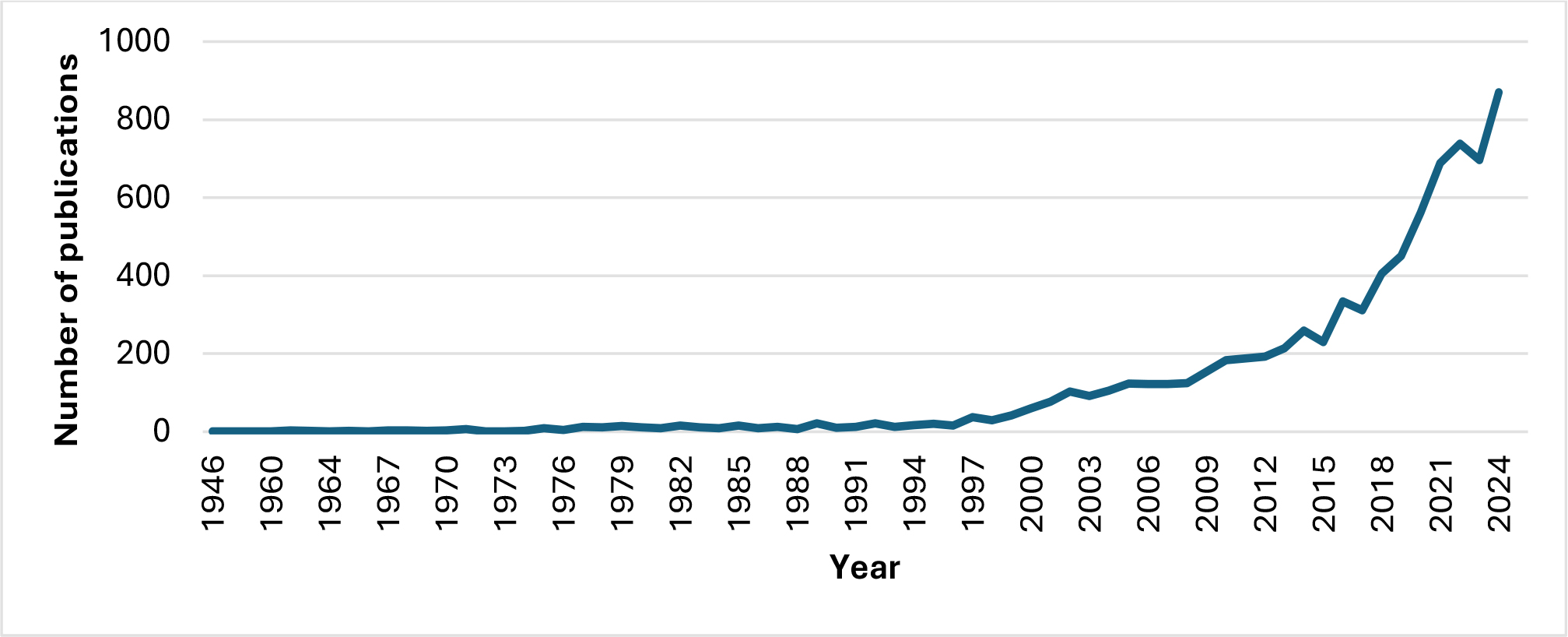
The number of papers retrieved from PubMed using the keyword ‘phage therapy’ that were published between 1946 and 2024 shows a significant increase in research in recent years.
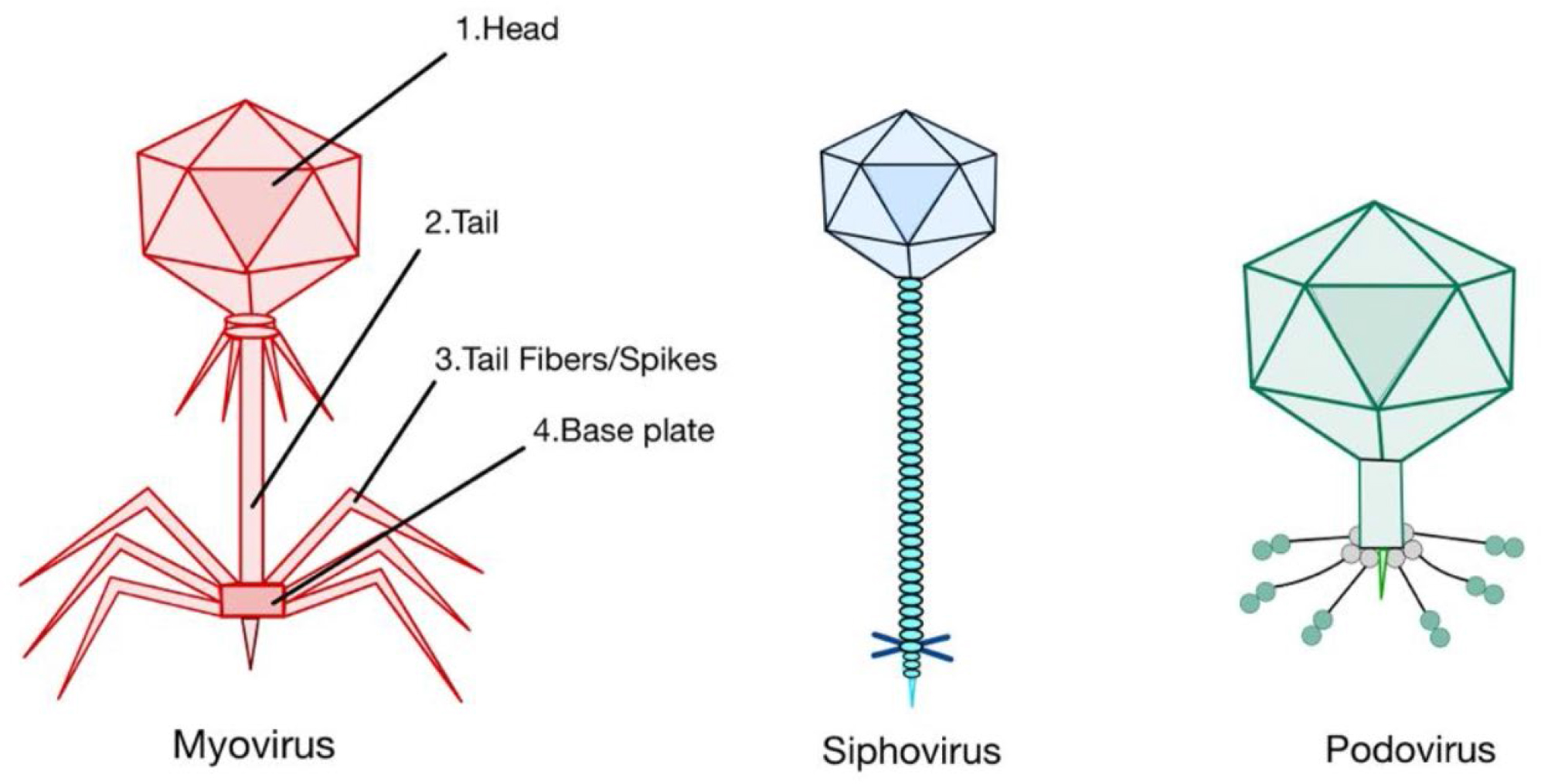

Figure 2.

The diagram illustrates a simplified representation of the structural composition of different types of tailed phages class (Caudoviricetes): 1. Head - a protein structure, often icosahedral in shape, containing the phage’s genetic material (single or double strand of DNA or RNA); 2. Tail - a tubular structure used by the phage to inject its genetic material into the host cell; 3. Tail fibres or spikes - enable the phage to recognize and attach to the appropriate receptors on the surface of the bacterial cell and determine the specificity of the bacteriophage to a particular bacterium; 4. Base plate - anchors the tail fibres and binds them to the surface of the bacterium, enabling the infection to begin. Graphic design was based on Nobrega et al. (2018).
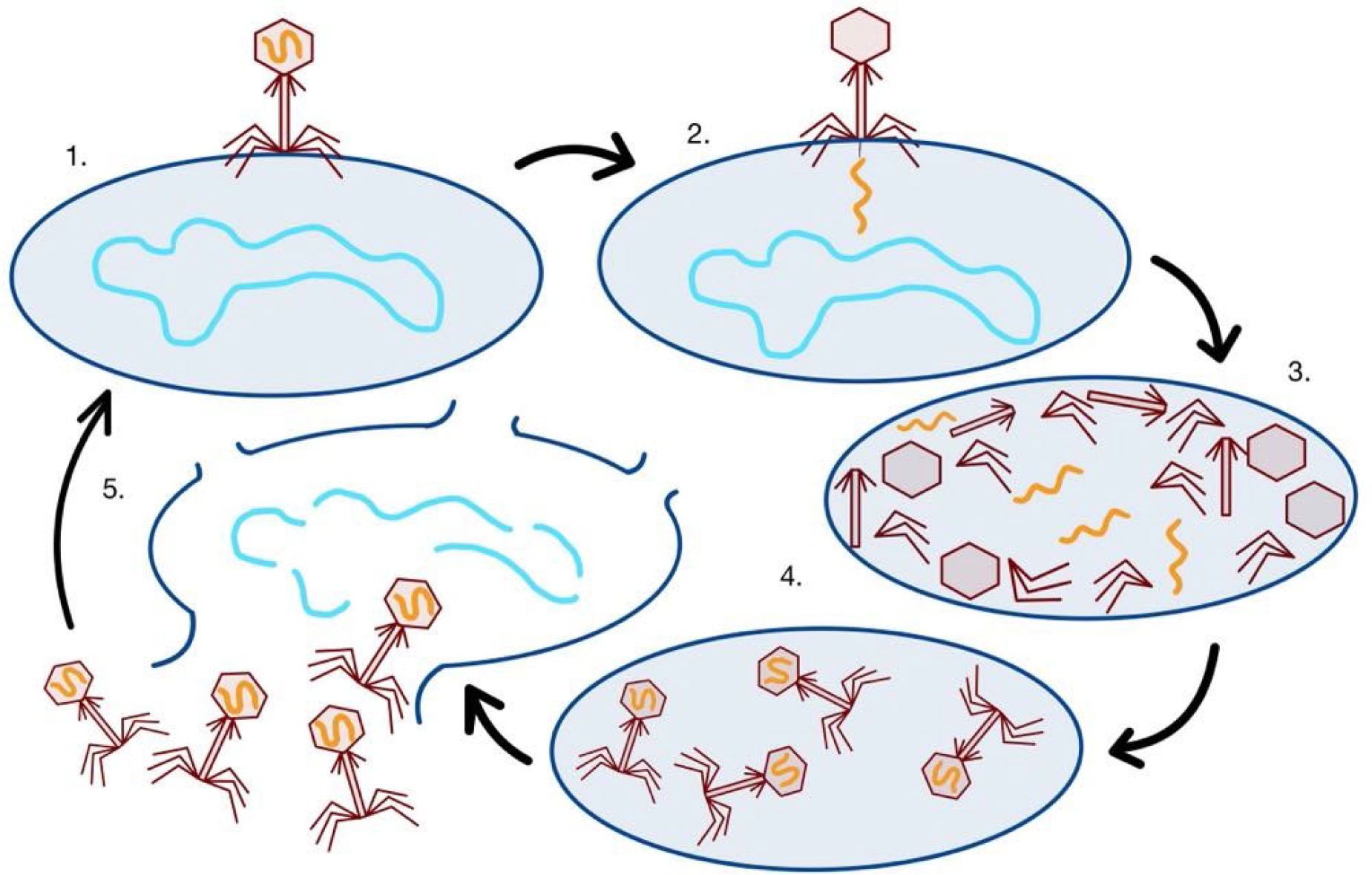

Figure 3.

Diagram illustrating the lytic cycle of a bacteriophage, highlighting its mechanism of bacterial cell destruction – a key process in phage therapy: 1. Attachment; 2. Penetration; 3. Biosynthesis; 4. Replication and maturation; 5. Lysis. Graphic design based on Adesanya et al. (2020).
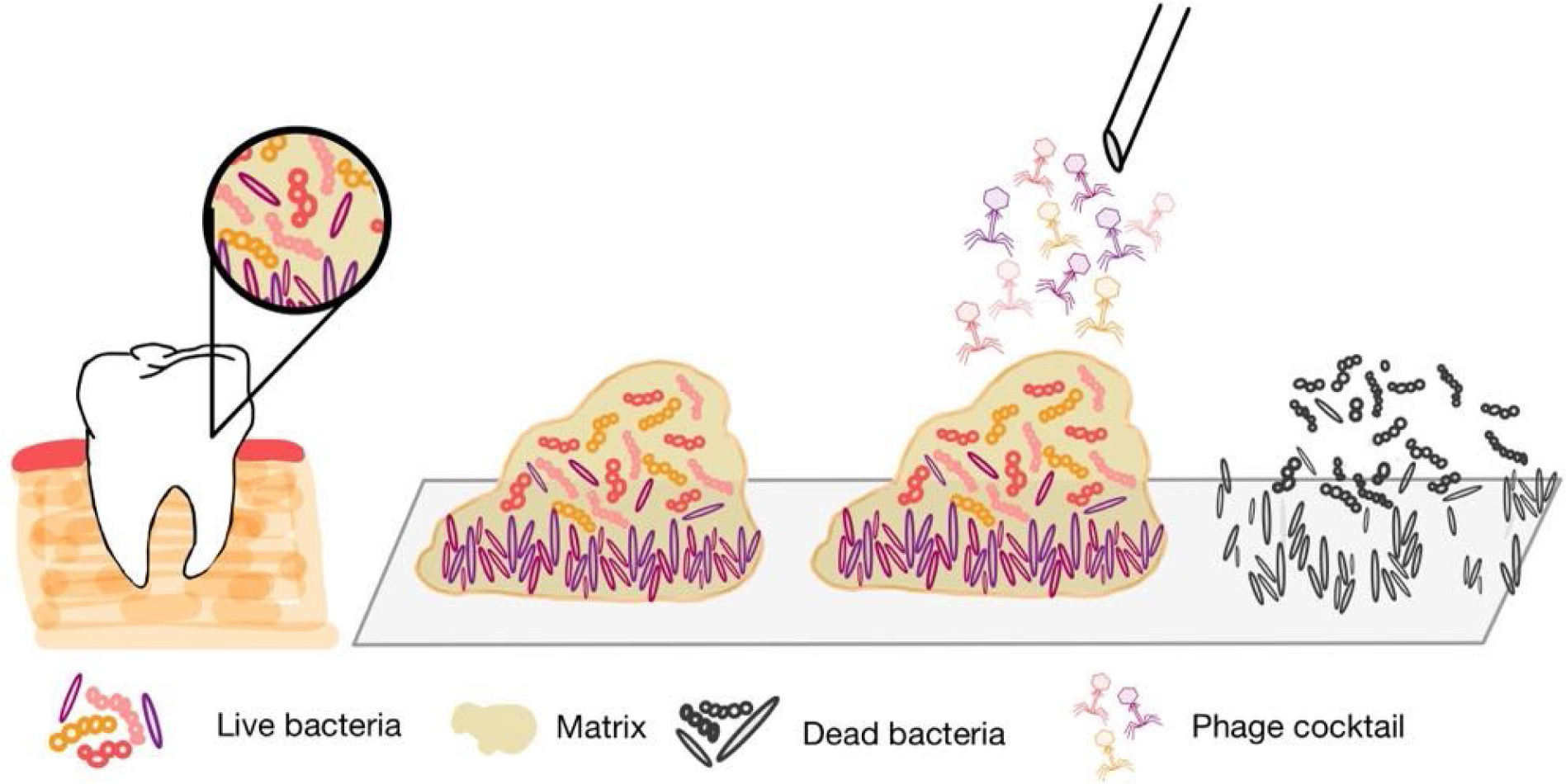

Figure 4.

The biofilm in the oral cavity can lead to oral infections such as dental caries, gingivitis, or periodontal disease, and a carefully selected phage cocktail may have a potential effect on biofilm degradation.
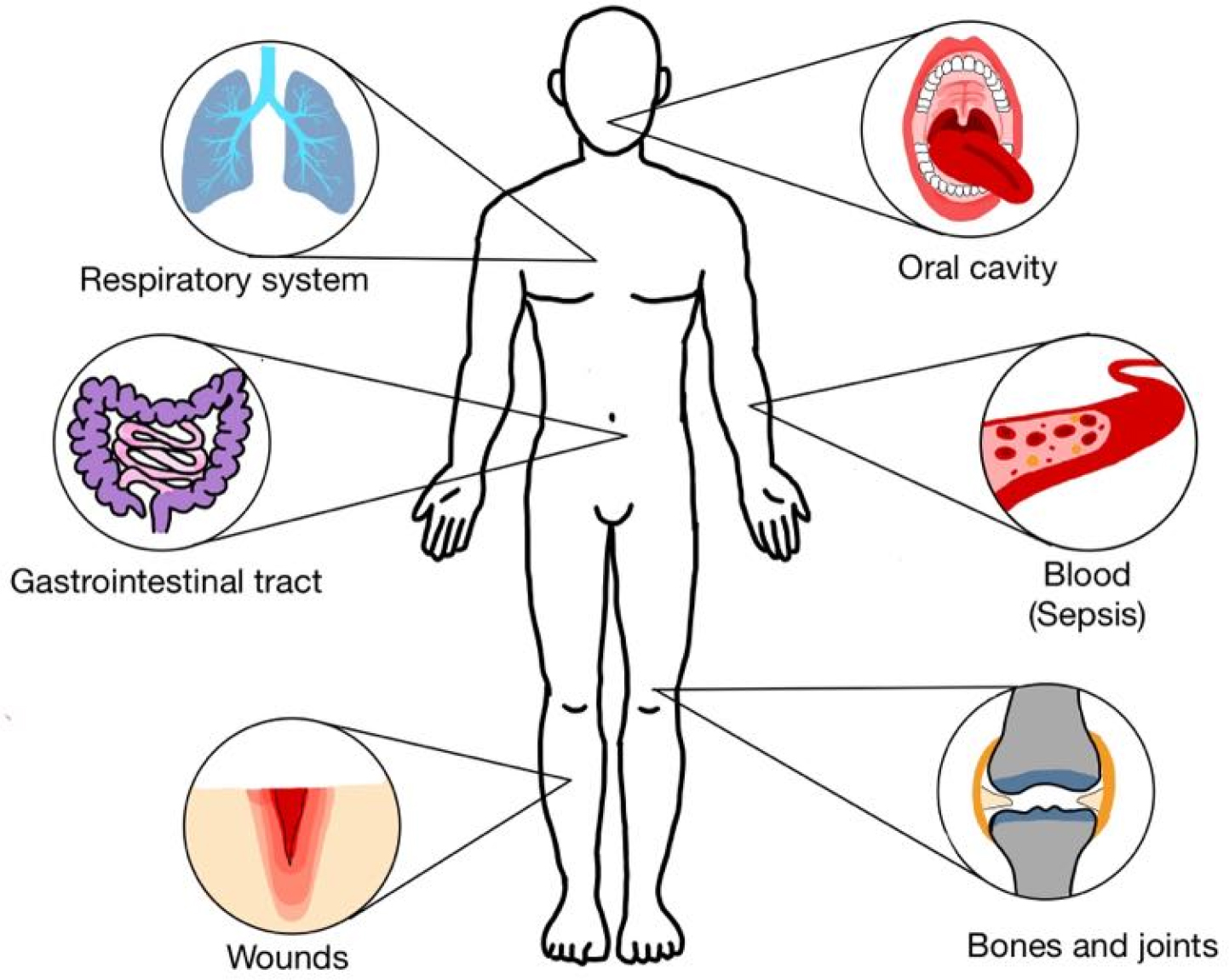

Figure 5.

The diagram indicating the possible areas of PT use: oral cavity (Khalifa et al. 2016; Guo et al. 2024), blood (Górski et al. 2017), bones and joints (Peng et al. 2024), wounds (Jault et al. 2019), gastrointestinal tract (Nale et al. 2016) and respiratory system (Abedon 2015).
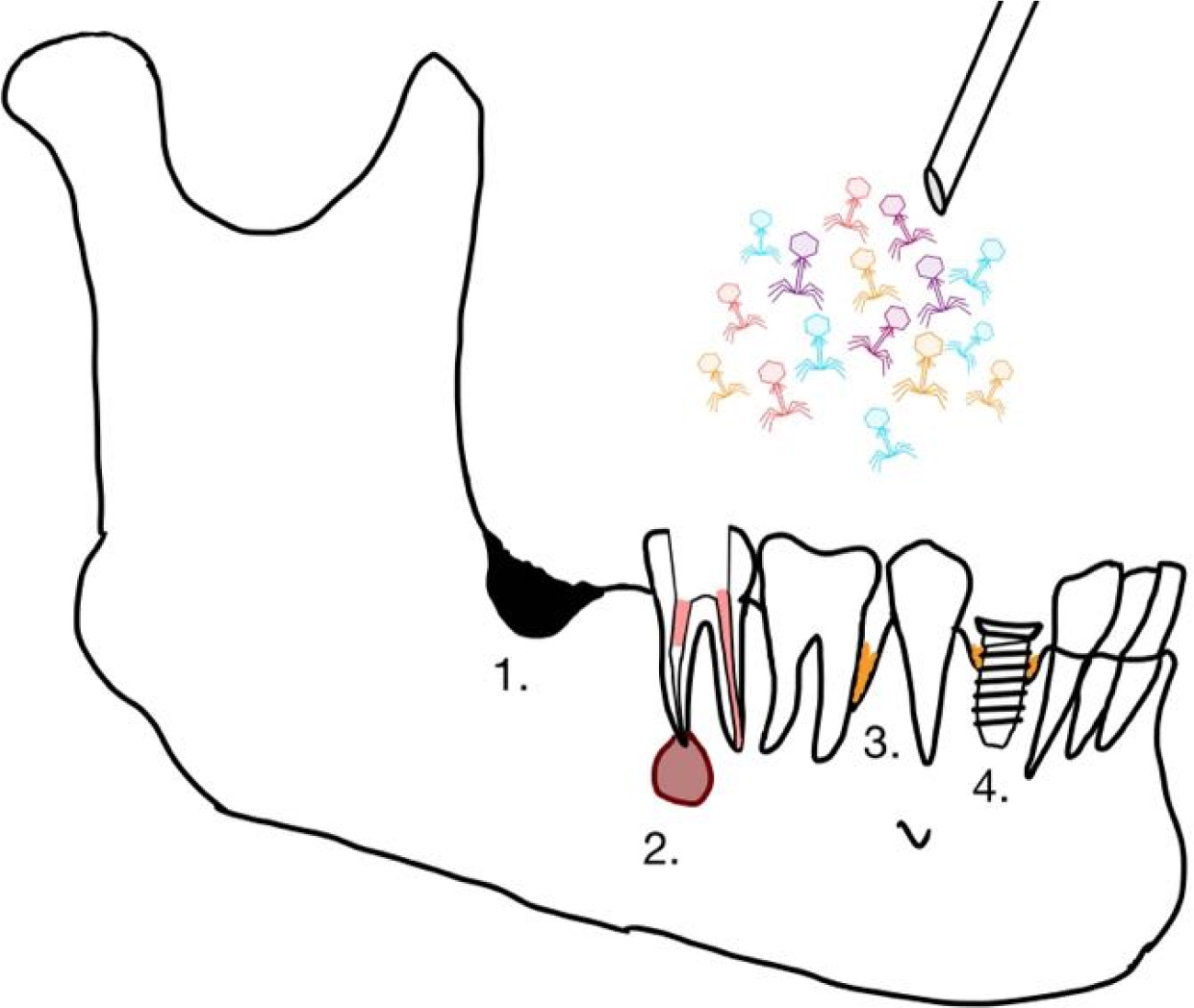

Figure 6.

Examples of potential applications of PT in dentistry: 1. Osteonecrosis; 2. Necessity of endodontic re-treatment; 3. Periodontal treatment; 4. Periimplantitis.
DOI: https://doi.org/10.2478/am-2025-0009 | Journal eISSN: 2545-3149 | Journal ISSN: 0079-4252
Language: English, Polish
Page range: 95 - 111
Submitted on: Jun 11, 2025
|
Accepted on: Jun 20, 2025
|
Published on: Jul 8, 2025
In partnership with: Paradigm Publishing Services
Publication frequency: 4 issues per year

© 2025 Filip Pospiszyl, Monika Brzychczy-Włoch, Anna Morys, Tomasz Kaczmarzyk, published by Polish Society of Microbiologists
This work is licensed under the Creative Commons Attribution-NonCommercial-NoDerivatives 4.0 License.