
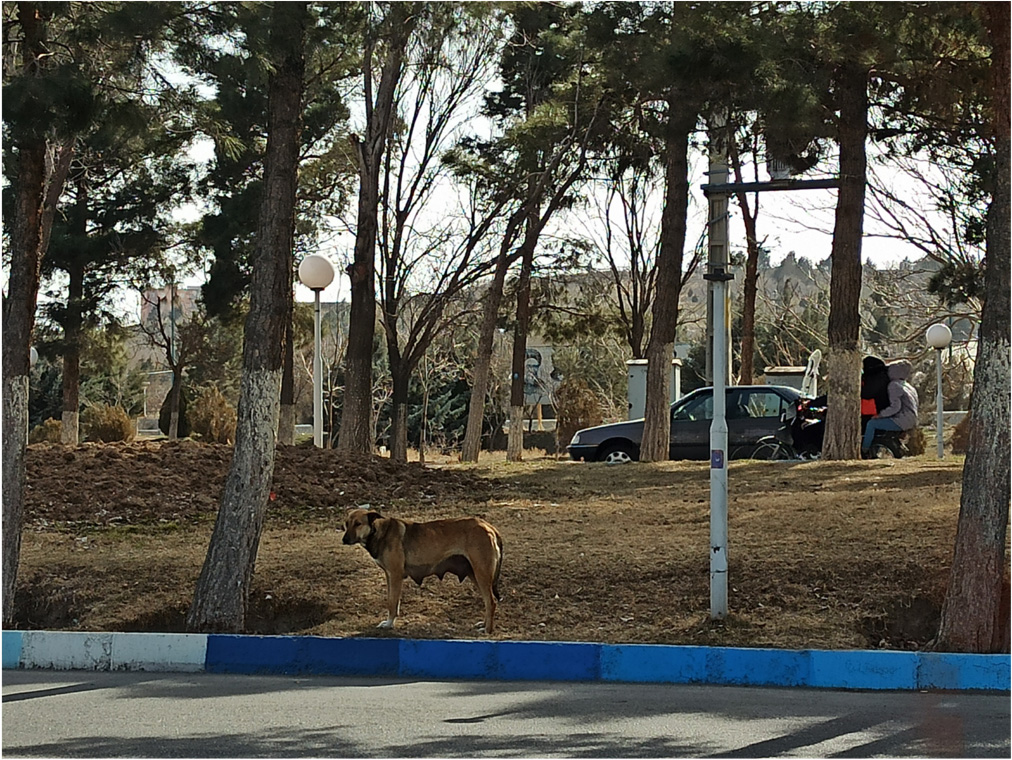
Figure 1.
Stray dog in Iran. Photograph taken by Reyhaneh Rasizadeh, in rural areas of East Azerbaijan province, in March 2023
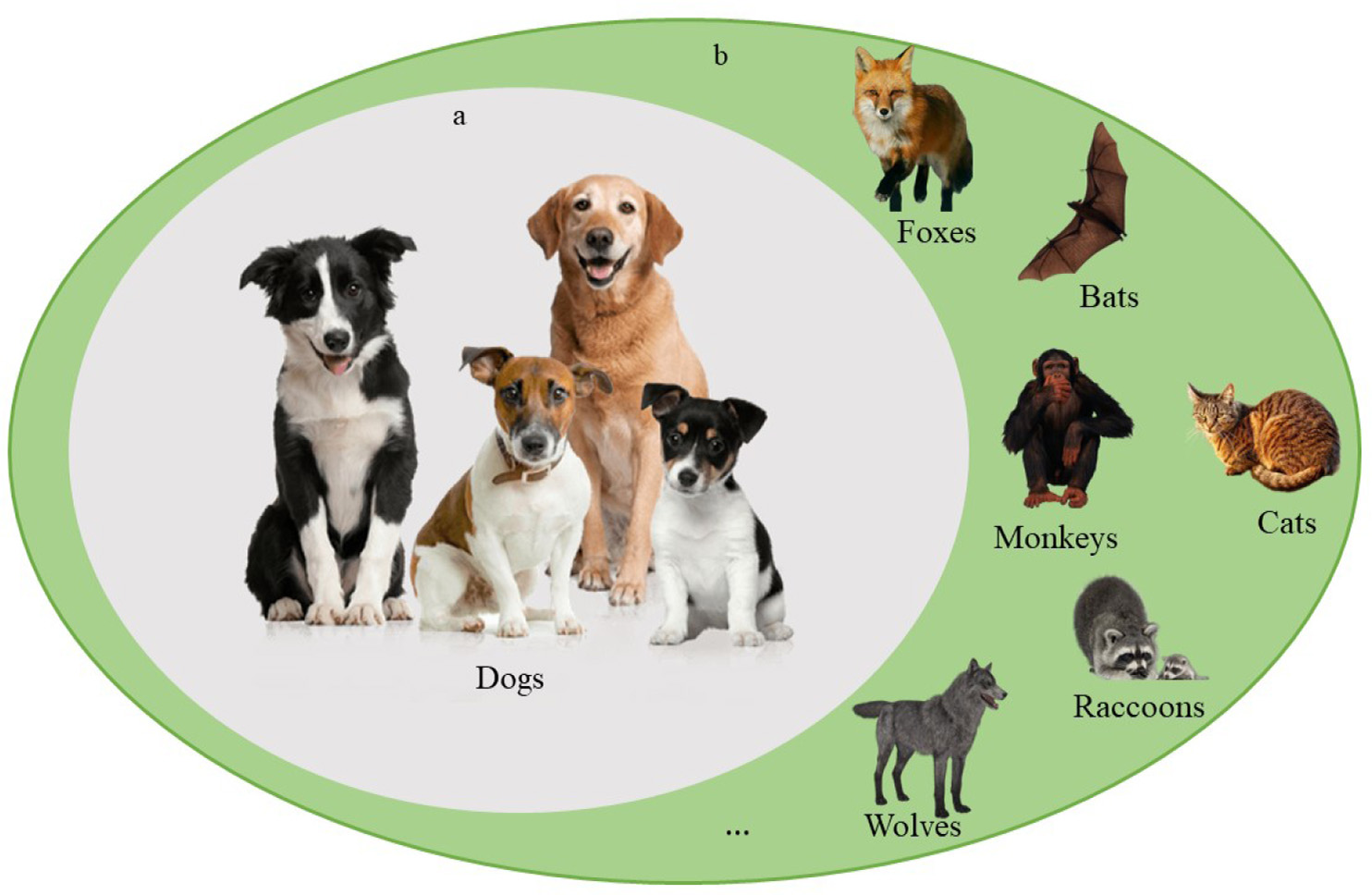
Figure 2.
Animal reservoirs of rabies virus. Dogs constitute the main source of infection for human rabies worldwide, thus playing a key role in the eradication of dog-mediated human rabies
Table 1.
The different approaches used in developing countries and low-income countries
| Developed countries | Benefited largely from rabies globalization |
| Applying different vaccination methods; such as door-to-door vaccination, oral vaccination, capture vaccination, and combination of these methods | |
| Taking preemptive measures due to lower costs | |
| Maintaining the preventive measures and vaccination in rabies free areas | |
| Canine vaccinations in combination with post-exposure prophylaxis (PEP) | |
| Close cooperation between public health and animal health | |
| High rabies education | |
| Low-income countries | Low illness awareness |
| Free ranging dog populations | |
| Lack of international collaboration | |
| Limited accessible resources for dog owners | |
| Lack of effective communication between the veterinary and the human health sectors | |
| Rarely enforced canine vaccinations | |
| Approaching post-exposure prophylaxis (PEP) only | |
| Old-fashioned preemptive control methods such as mass culling of community dogs | |
| Creating an ecological vacuum and attracting more dogs into the area due to outdated methods | |
| PEP is the only form in which a country tries to control rabies | |
| Much more severe economic burden of rabies; Direct medical costs from post-exposure prophylaxis (PEP), costs of controlling rabies among dogs, livestock losses, and surveillance costs | |
| Lack of official livestock vaccination in the Veterinary Services’ control programs | |
| Prevention of outbreaks is the primary goal in the fight against rabies due to lack of resources in some areas | |
| Out-of-date laws | |
| Poor veterinary and human health infrastructure | |
| Lack of vaccination programs for animals playing a role in rabies cycle | |
| Mismanagement of funds | |
| No close cooperation between public health and animal health | |
| Low rabies education | |
| High importance of rabies owing to the fact that animal husbandry is a main means of livelihood | |
| Implementing development impact bonds could be an effective way to deal with long term financial commitment in these countries | |
| Developing region-specific networks such as MERACON |