

Figure 1.
Selected anticancer derivatives of β-lactam derivatives, carbazoles, isatin derivatives, PBD, and pyrido[2,3-d]pyrimidine. PBDs, pyrrolo-benzodiazepines.
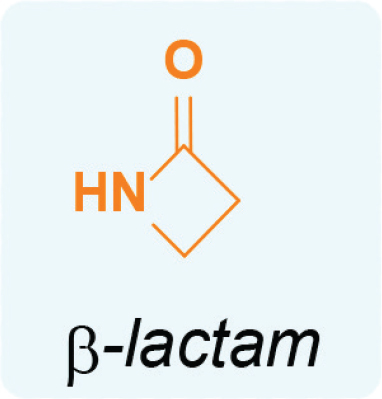
Figure 2.
Structure of β-lactam.
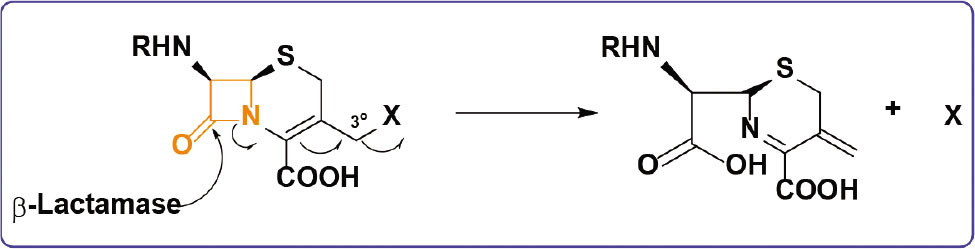
Figure 3.
Synthesis of cephalosporin prodrug.

Figure 4.
Structure of isatin.

Figure 5.
An image of C. guianensis (Abricó-de-macaco) tree.
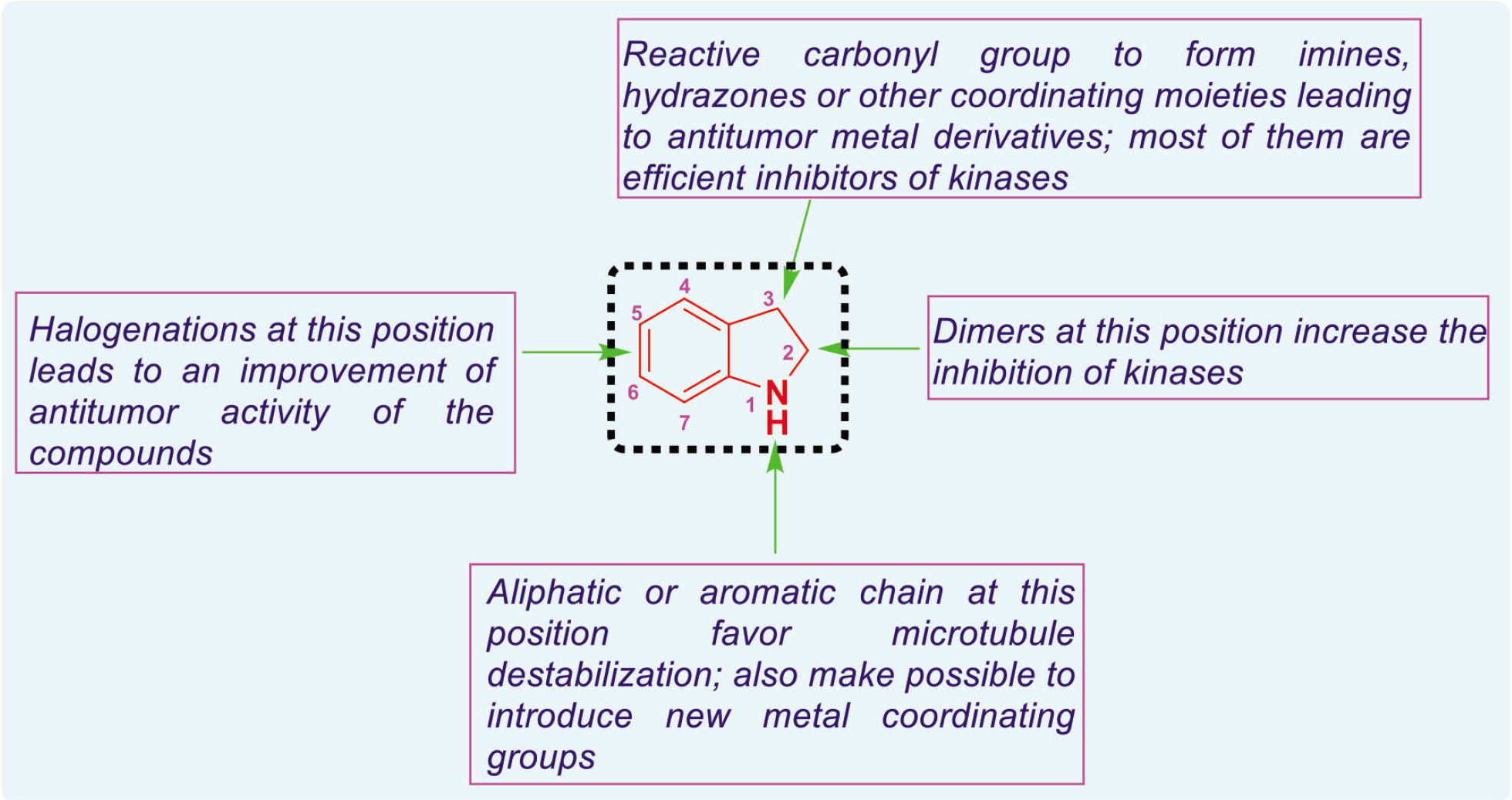
Figure 6.
A structure–activity relationship of isatin derivatives [40].
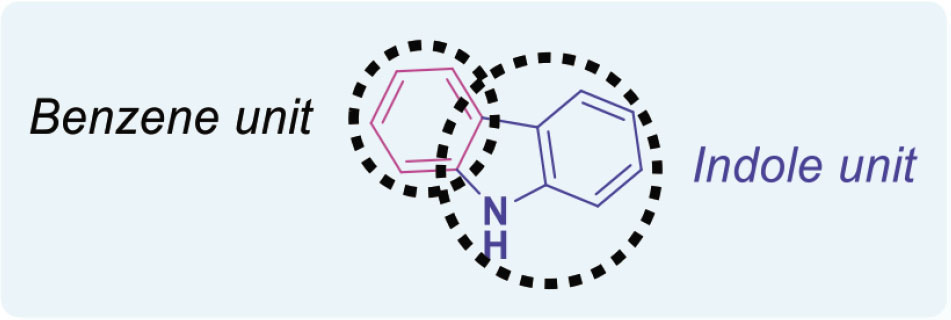
Figure 7.
Structure of carbazole.
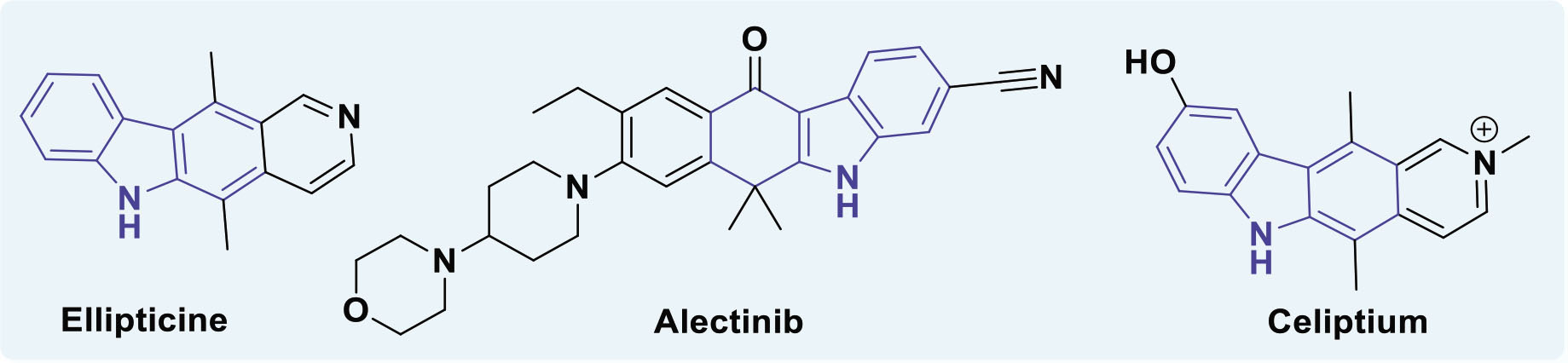
Figure 8.
Structure of ellipticine, celiptium, and alectinib.
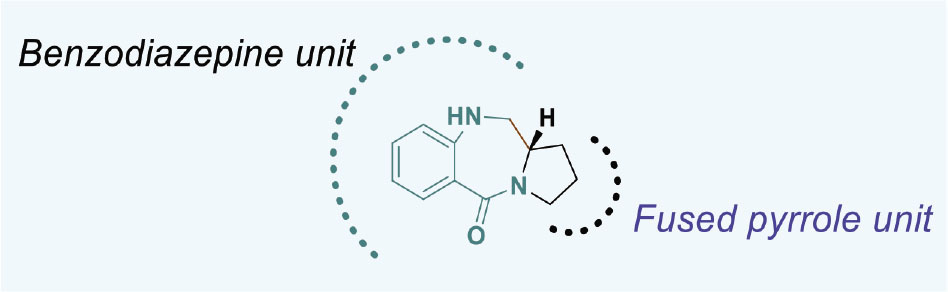
Figure 9.
Structure of PBD core nucleus. PBDs, pyrrolo-benzodiazepines.
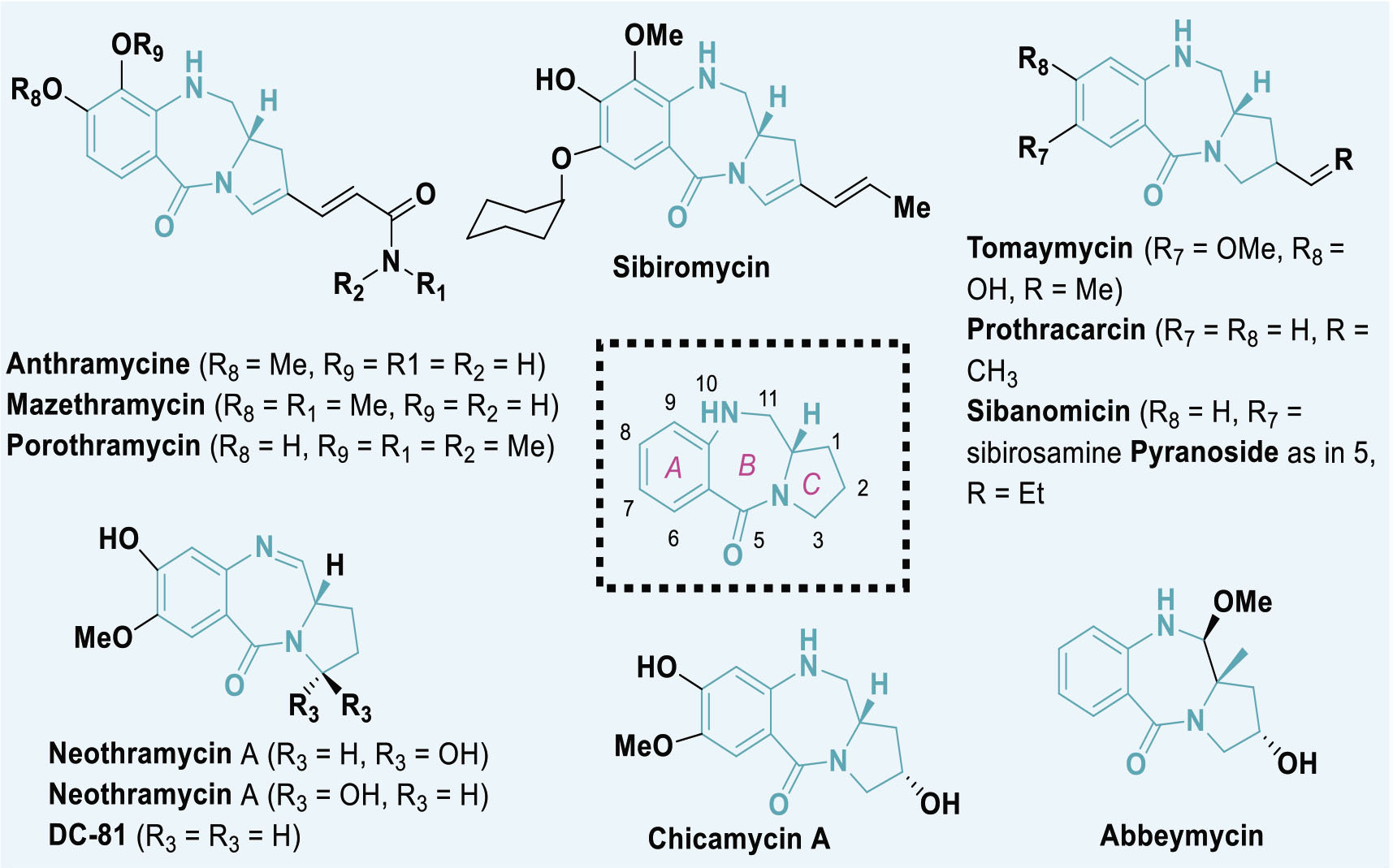
Figure 10.
Few examples of PBD based biologically active compounds. PBDs, pyrrolo-benzodiazepines.
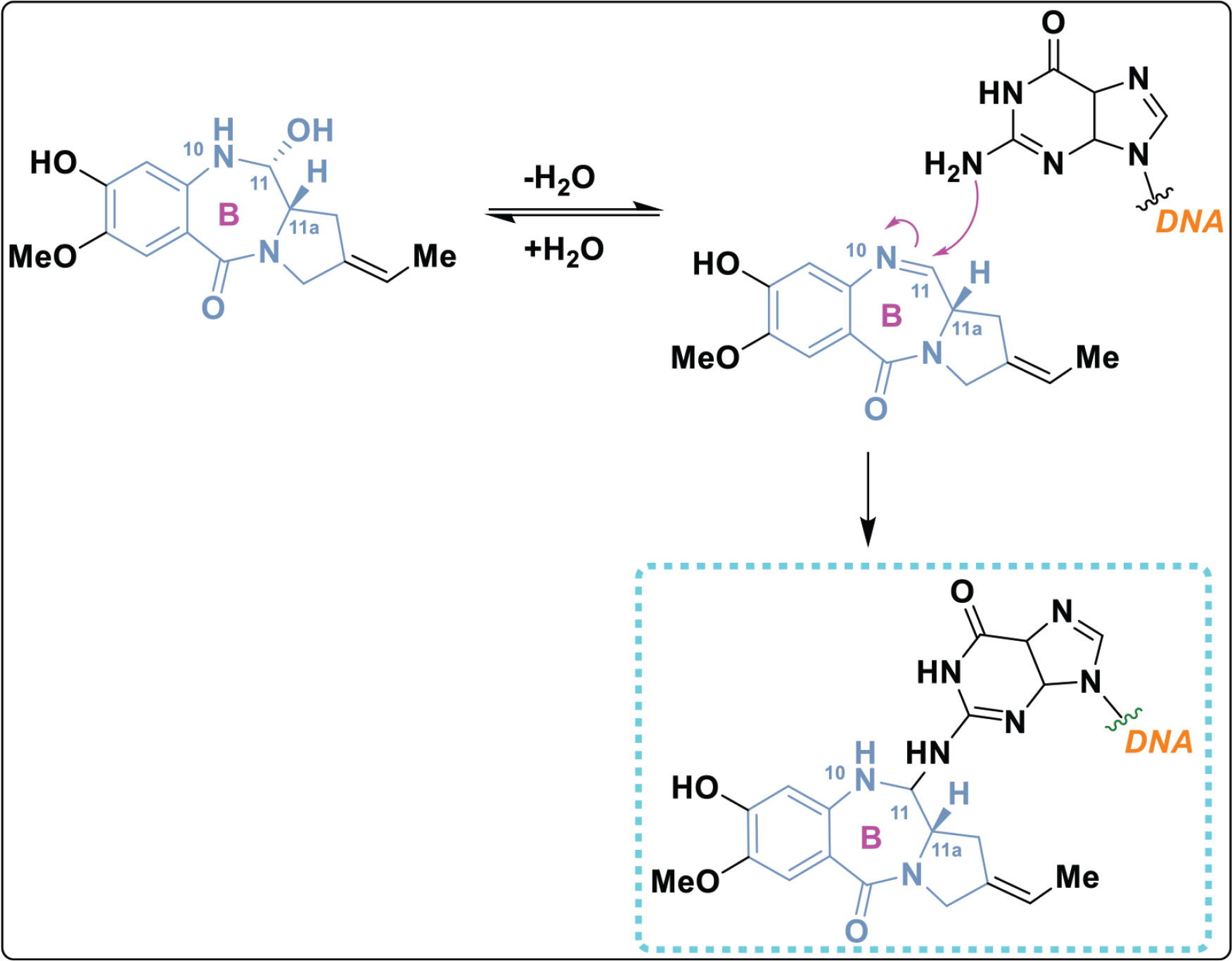
Figure 11.
Binding mechanism of PBD with DNA. PBDs, pyrrolo-benzodiazepines.
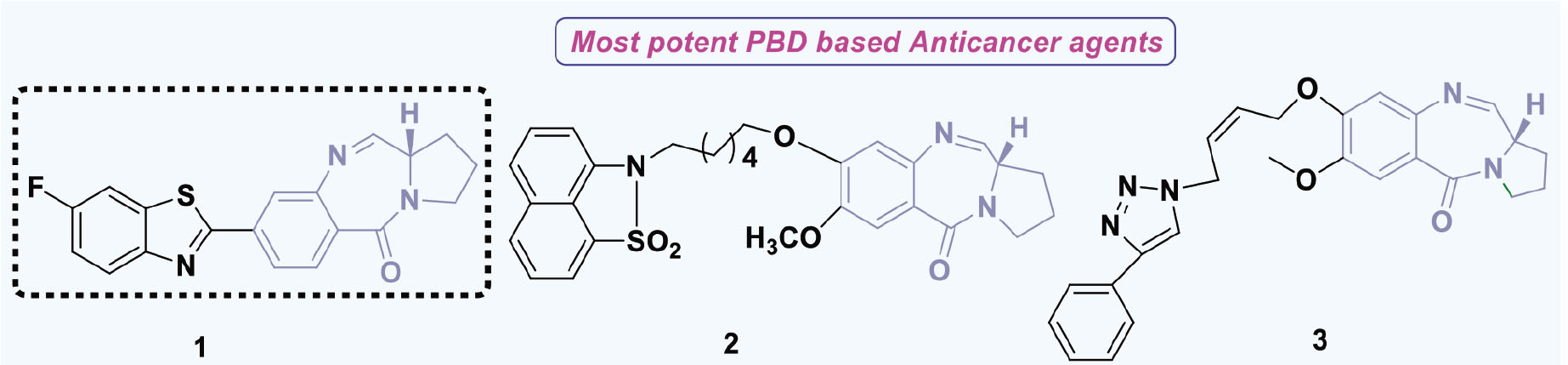
Figure 12.
PBD derivatives (1-3) as anticancer agents. PBDs, pyrrolo-benzodiazepines. Findings from the literature review suggest that PBD compounds have been examined for their potential anticancer properties and have demonstrated encouraging results in inhibiting the advancement of cancer cells.

Figure 13.
Structure of pyrido[2,3-d]pyrimidine framework.
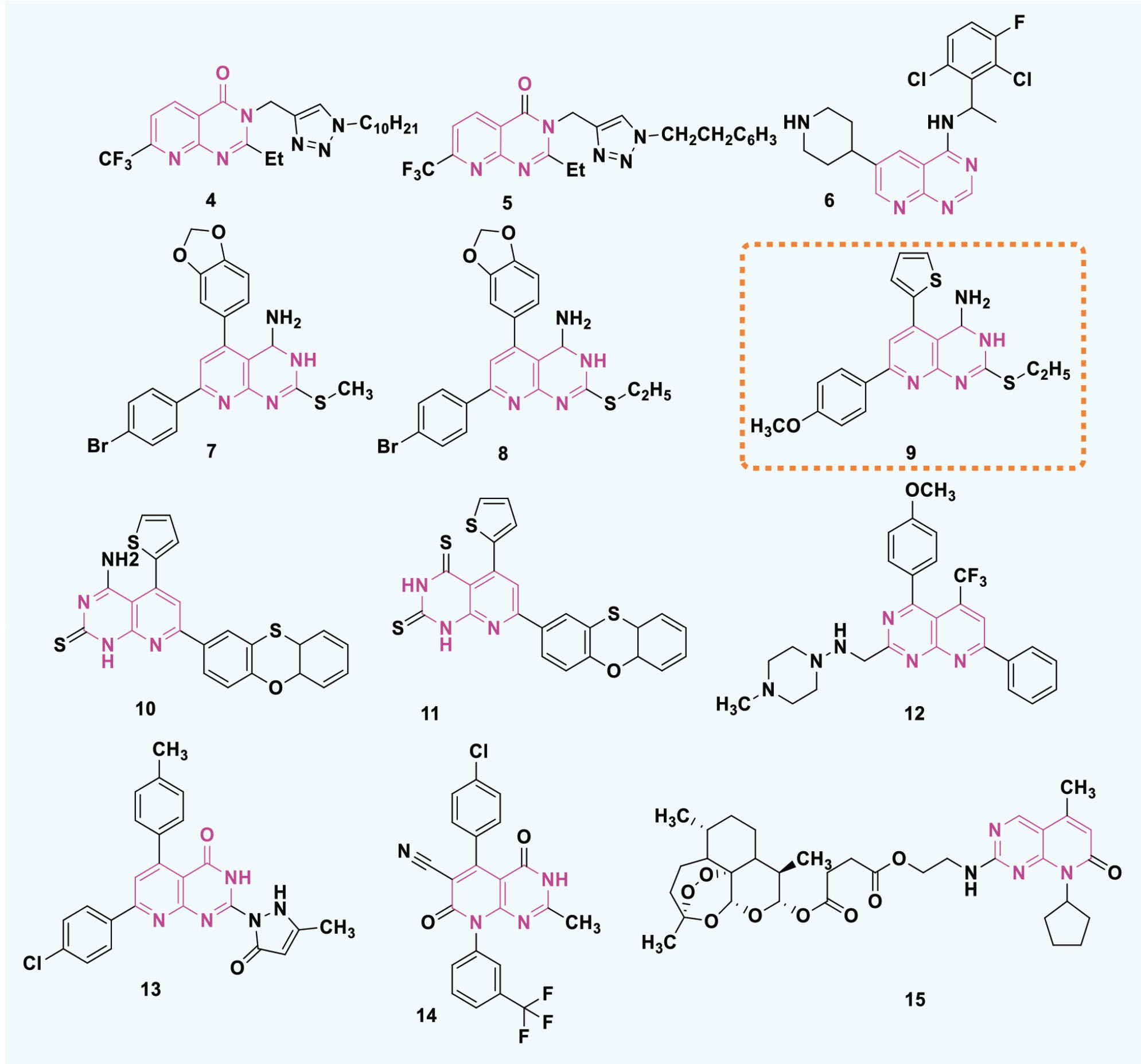
Figure 14.
Examples of pyrido-pyrimidine based anticancer candidates.
Table 1.
Summary of anticancer agents
| Type of compound | Compound name/structure | Activity | IC50 | Type of cancer cell/mechanism of action) |
|---|---|---|---|---|
| β -Lactams | N -Thiolated β -lactams | Anticancer | - | DNA |
| 4-Alkylidene β -lactams | Anticancer | - | Matrix metalloproteinases and leukocyte selections | |
| Isatins | Sunitinib | Anticancer | - | ATP binding sites of kinases |
| Toceranib | Anticancer and antitumor | - | Inhibitor of certain RTKs | |
| Amido/ureido-tethered isatin benzene sulfonamide hybrids | Anticancer | - | Block specific isoforms of carbonic anhydrase, particularly HCa IX and XII | |
| α, β-Unsaturated ketones generated from isatin | Anticancer | - | Reducing cell proliferation across several cancer cell lines | |
| Spirooxindole-derived morpholine-fused-1,2,3-triazoles | Anticancer | - | Antiproliferative effects against several cancer cell types | |
| Carbazoles | Ellipticine | Anticancer | - | Inhibiting DNA synthesis and inducing programmed cell death in malignant cells |
| Ceptium | Anticancer | - | Treatment of metastatic breast cancer since | |
| Alectinib | Anticancer | - | Target microtubules and inhibit tubulin assembly | |
| Anthramycins | Antitumor antibiotics | - | Selectively bind to DNA | |
| PBDs | 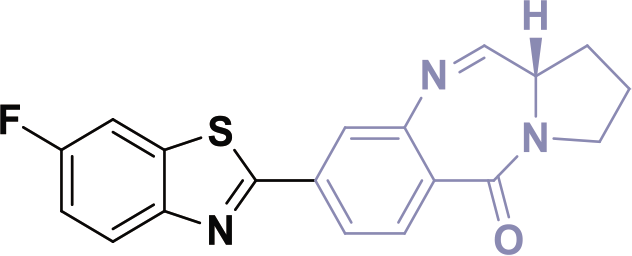 | Anticancer | 0.5–6.6 μM | HL-60, THP-1, U-937 and jurkat leukemia cell lines |
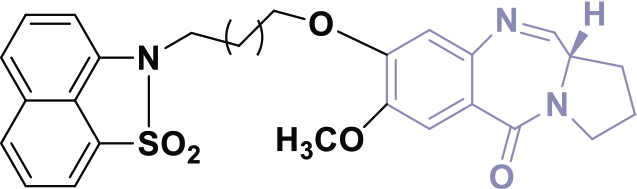 | Anticancer | 1.1–1.7 μM | Skin (A431), lung (A549), prostate (PC-3) and colon (HT-29) | |
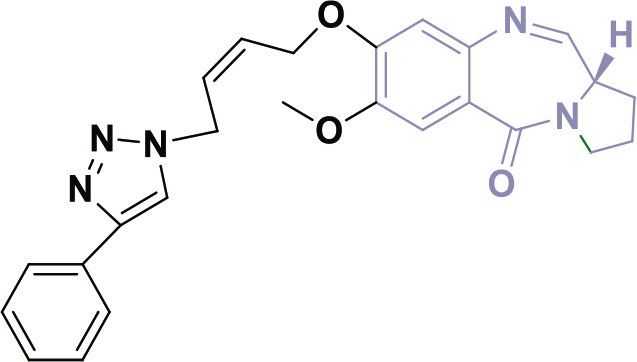 | Anticancer | 2.2 μM | Potent cytotoxicity against A375 cells | |
| Pyrido[2,3-d] pyrimidines | 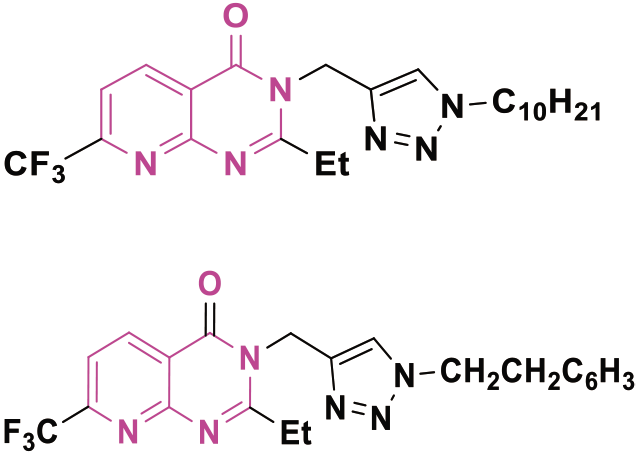 | Anticancer | 0.02–0.86 μM | Cytotoxicity against HeLa, PANC1, MDA-MB-231, and A549 cell lines |
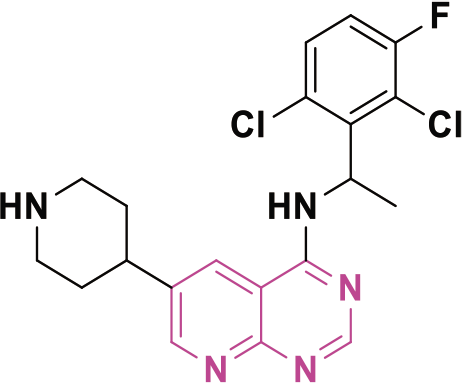 | Anticancer | 1.6–29.7 μM | SK-BR-3, BT-474, MCF-7, A549, and MDA-MB-231 | |
 | Anticancer | 9.5–10.3 μM | Cytotoxicity against PC-3 cell lines | |
 | Anticancer | 0.3–9.6 μM | HCT-116, HepG-2, PC-3, and A549 | |
 | Anticancer | 6.2 and 19.6 μM | MCF-7 and HepG2 cell lines | |
 | Anticancer | 3.0 and 10.5 μM | T-47D and MDA-MB-436 |