
| 5-FU | 5-fluorouracil | ICD | Implantable cardioverter-defibrillator |
| ACEi | Angiotensin receptor enzyme inhibitor | ILR | Implantable loop recorder |
| ACS | Acute coronary syndromes | INR | International normalized ratio |
| AF | Atrial fibrillation | LA | Left atrium |
| AFL | Atrial flutter | LAA | Left atrial appendage |
| AHRE | Atrial high-rate episode | LAAO | Left atrial appendage occlusion |
| AI | Artificial intelligence | LMWH | Low molecular weight heparin |
| ARB | Angiotensin receptor blocker | LVEF | Left ventricular ejection fraction |
| AT | Atrial tachycardia | METs | Metabolic equivalents |
| AV | Atrioventricular | Mg | Magnesium |
| AVN | Atrioventricular node | MI | Myocardial infarction |
| AVRT | Atrioventricular re-entrant | MRA | Mineralocorticoid receptor antagonists |
| BCR-ABL | Breakpoint cluster region-Abelson oncogene locus | MS | Mitral stenosis |
| BMI | Body mass index | NDCCB | Non-dihydropyridine calcium-channel blocker |
| BNP | B-type natriuretic peptide | NSAIDs | Non-steroidal anti-inflammatory drugs |
| BTK | Bruton tyrosine kinase | NSTE-ACS | Non-ST elevation acute coronary syndrome |
| CABG | Coronary artery bypass grafting | NT-proBNP | N-terminal pro-B-type natriuretic peptide |
| CAD | Coronary artery disease | NYHA | New York Heart Association |
| CAR-T | Chimeric antigen receptor T cell | OAC | Oral anticoagulant |
| CBC | Complete blood count | OSA | Obstructive sleep apnea |
| CCS | Chronic coronary syndromes | P2Y12i | P2Y12-receptor inhibitor |
| CIED | Cardiac implantable electronic device | PAD | Peripheral arterial disease |
| CKD | Chronic kidney disease | PCC | Prothrombin complex concentrate |
| CMR | Cardiac magnetic resonance | PCI | Percutaneous coronary intervention |
| COPD | Chronic obstructive pulmonary disease | POAF | Post-operative atrial fibrillation |
| CPAP | Continuous positive airway pressure | PPG | Photoplethysmography |
| CrCl | Creatinine clearance | PPI | Proton pump inhibitor |
| CRT | Cardiac resynchronization therapy | PVI | Pulmonary vein isolation |
| CSP | Conduction system pacing | RCT | Randomized controlled trial |
| CT | Computed tomography | RHD | Rheumatic heart disease |
| CTA | Computed tomography angiography | SBP | Systolic blood pressure |
| CYP | Cytochrome P450 | SGLT2i | Sodium-glucose cotransporter-2 inhibitor |
| DBP | Diastolic blood pressure | STEMI | ST-elevation myocardial infarction |
| DOAC | Direct oral anticoagulant | TAVI | Trans-aortic valve intervention |
| ECG | Electrocardiogram | TEE | Transesophageal echocardiography |
| EGM | Electrogram | TIA | Transient ischemic attack |
| FFP | Fresh frozen plasma | TKIs | Tyrosine kinase inhibitors |
| GDMT | Guideline-directed management and therapy | TTE | Transthoracic echocardiography |
| GI | Gastrointestinal | TTR | Time in therapeutic range |
| HbA1c | Hemoglobin A1c | UFH | Unfractionated heparin |
| HCM | Hypertrophic cardiomyopathy | VEGF | Vascular endothelial growth factor |
| HF | Heart failure | VF | Ventricular fibrillation |
| HFpEF | Heart failure with preserved ejection fraction | VKA | Vitamin K antagonist |
| HFrEF | Heart failure with reduced ejection fraction | VKORC1 | Vitamin K epoxide reductase complex subunit 1 |
| HTN | Hypertension | WPW | Wolff-Parkinson-White |
| AFFIRM | Atrial Fibrillation Follow-up Investigation of Rhythm Management | EAST-AFNET 4 | Early Treatment of Atrial Fibrillation for Stroke Prevention Trial-Atrial Fibrillation Network 4 |
| APAF-CRT | Ablate and Pace for Atrial Fibrillation and Cardiac Resynchronization Therapy | HOT CAFE | How to Treat Chronic Atrial Fibrillation |
| CASTLE-AF | Catheter Ablation versus Standard Conventional Therapy in Patients with Left Ventricular Dysfunction and Atrial Fibrillation | ORBIT-AF | Outcomes Registry for Better Informed Treatment of Atrial Fibrillation |
| CASTLE-HTx | Catheter Ablation for Atrial Fibrillation in Patients with End-stage Heart Failure and Eligibility for Heart Transplantation | PALACS | Effect of Posterior Pericardiotomy on the Incidence of Atrial Fibrillation After Cardiac Surgery |
| COOL AF Thailand | A Cohort of Antithrombotic Use and Optimal INR Level in Patients with Non-valvular Atrial Fibrillation in Thailand | PRAGUE-17 | Left Atrial Appendage Closure vs. Novel Anticoagulation Agents in Atrial Fibrillation |
| RACE II | Rate Control Efficacy in Permanent Atrial Fibrillation: A Comparison Between Lenient Versus Strict Rate Control II |
| I | “Is recommended” There is clear and consistent scientific evidence or expert consensus that the intervention is beneficial and cost-effective for patients. |
| IIa | “Should be considered” Scientific evidence or expert opinion is somewhat conflicting, but the overall consensus suggests that the intervention is likely beneficial and cost-effective. |
| IIb | “May be considered” Scientific evidence or expert opinion is somewhat conflicting, and the overall consensus suggests potential benefit, though the certainty of benefit is less clear. |
| III | “Is not recommended” There is clear and consistent scientific evidence or expert consensus that the intervention is not beneficial or may be harmful in certain cases. |
| A | Evidence derived from multiple randomized clinical trials or meta-analyses. |
| B | Evidence derived from a single randomized clinical trial or large non-randomized studies. |
| C | Evidence derived from small studies, retrospective studies, registries, or expert opinion. |
Table 1.
Recommendations for diagnosing AF
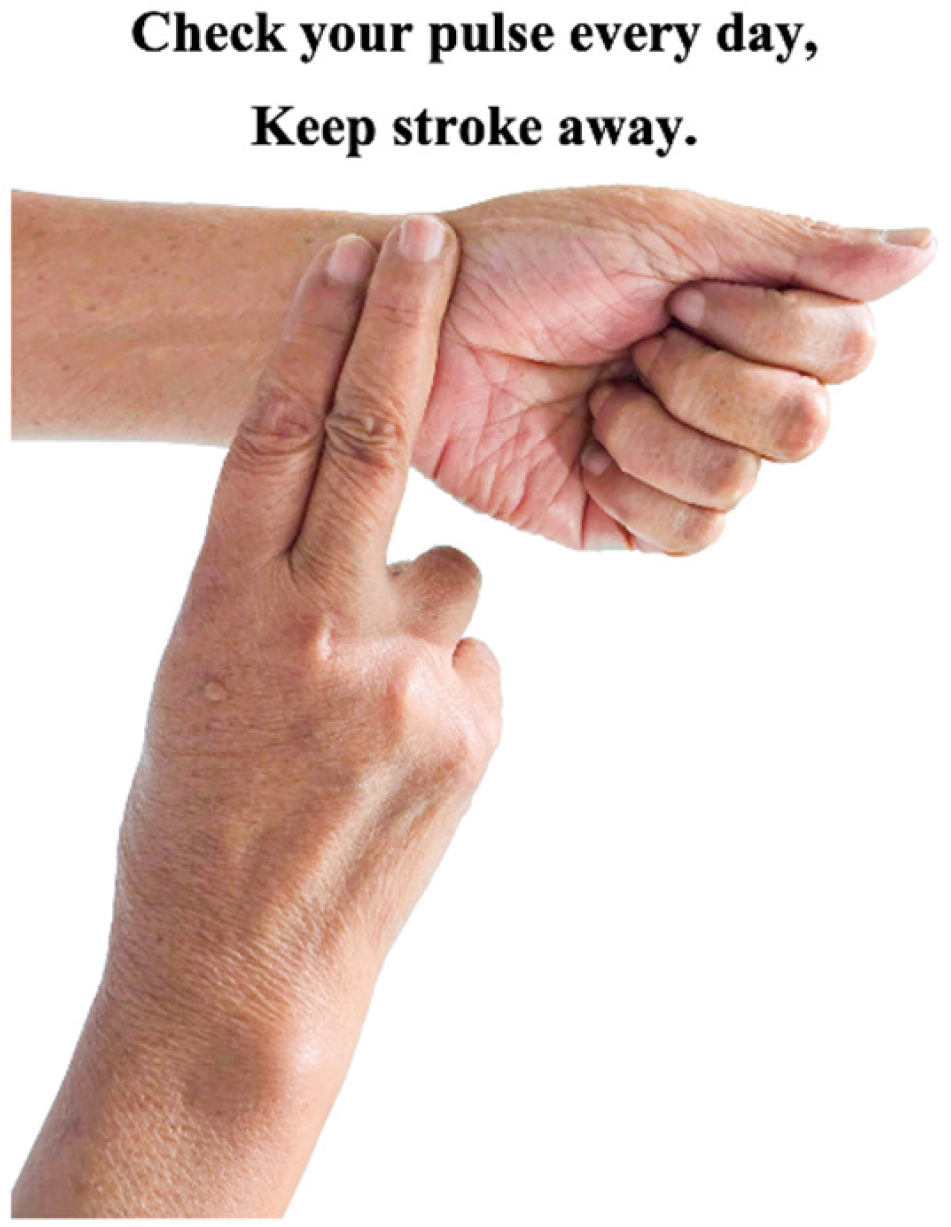
Figure 1.
Illustration of the pulse palpation method for AF screening.
Table 2.
Recommendations for AF screening
| Recommendation | Classa | Evidenceb |
|---|---|---|
| Opportunistic screening for AF is recommended using pulse palpation or a blood pressure monitor capable of detecting pulse irregularity in individuals aged ≥65 years, particularly during medical visits for other conditions. If abnormalities are detected through pulse palpation or blood pressure measurement, an ECG should be performed to confirm the diagnosis. | I | C |
Table 3.
Recommendations for additional diagnostic evaluation in newly diagnosed AF patients
Table 4.
Detailed assessment and additional diagnostic evaluations in newly diagnosed AF patients
| Newly diagnosed patients | Newly diagnosed patients (selected cases) |
|---|---|
| 1. Symptom and complication assessment | |
| 2. Comprehensive medical history review to identify | |
| 2.1. AF pattern | |
| 2.2. Comorbidities | |
| 2.3. Family history | |
| 2.4. Current medications | |
| 2.5. Risk factors for thromboembolism and bleeding | |
| 3. 12-lead ECG for assessing | 1. Ambulatory ECG monitoring for assessing the relationship between AF and symptoms, as well as treatment response |
| 3.1. Confirmation of AF diagnosis | |
| 3.2. Heart rate | 1.1. AF burden (frequency and duration of AF episodes). |
| 3.3. Pre-existing structural heart disease, conduction abnormalities, or myocardial ischemia | 1.2. Ventricular rate control |
| 2. Exercise ECG for assessing the effects of antiarrhythmic drugs and/or myocardial ischemia. | |
| 4. Blood tests to identify comorbidities or conditions that may trigger AF or increase the risk of bleeding or thromboembolism | 3. Additional blood tests for investigation of cardiovascular conditions |
| 3.1. NT-proBNP | |
| 4.1. CBC | 3.2. Troponin |
| 4.2. Coagulogram | |
| 4.3. Kidney function tests | |
| 4.4. Serum electrolytes | |
| 4.5. Liver function tests | |
| 4.6. Blood glucose or HbA1c levels | |
| 4.7. Thyroid function tests | |
| 5. TTE for assessing | 4. TEE for assessing |
| 5.1. Left atrial size and function | 4.1. Left atrial thrombus evaluation |
| 5.2. Valve function | 4.2. Valvular disease assessment |
| 5.3 LVEF | 5. Radiological imaging assessments |
| 5.1. Chest X-ray to assess AF-related complications and associated comorbidities | |
| 5.2. Coronary CTA in patients with suspected CAD | |
| 5.3. CMR to evaluate atrial and ventricular cardiomyopathies and assist in procedural planning | |
| 5.4. Brain imaging and cognitive function assessment to evaluate cerebrovascular disease and risk of dementia |
1 AF, atrial fibrillation; CAD, coronary artery disease; CBC, complete blood count; CMR, cardiac magnetic resonance; CTA, computed tomography angiography; ECG, electrocardiogram; HbA1c, hemoglobin A1c; LA, left atrium; LVEF, left ventricular ejection fraction; NT-proBNP, N-terminal pro-B-type natriuretic peptide; TEE, transesophageal echocardiography; TTE, transthoracic echocardiography.
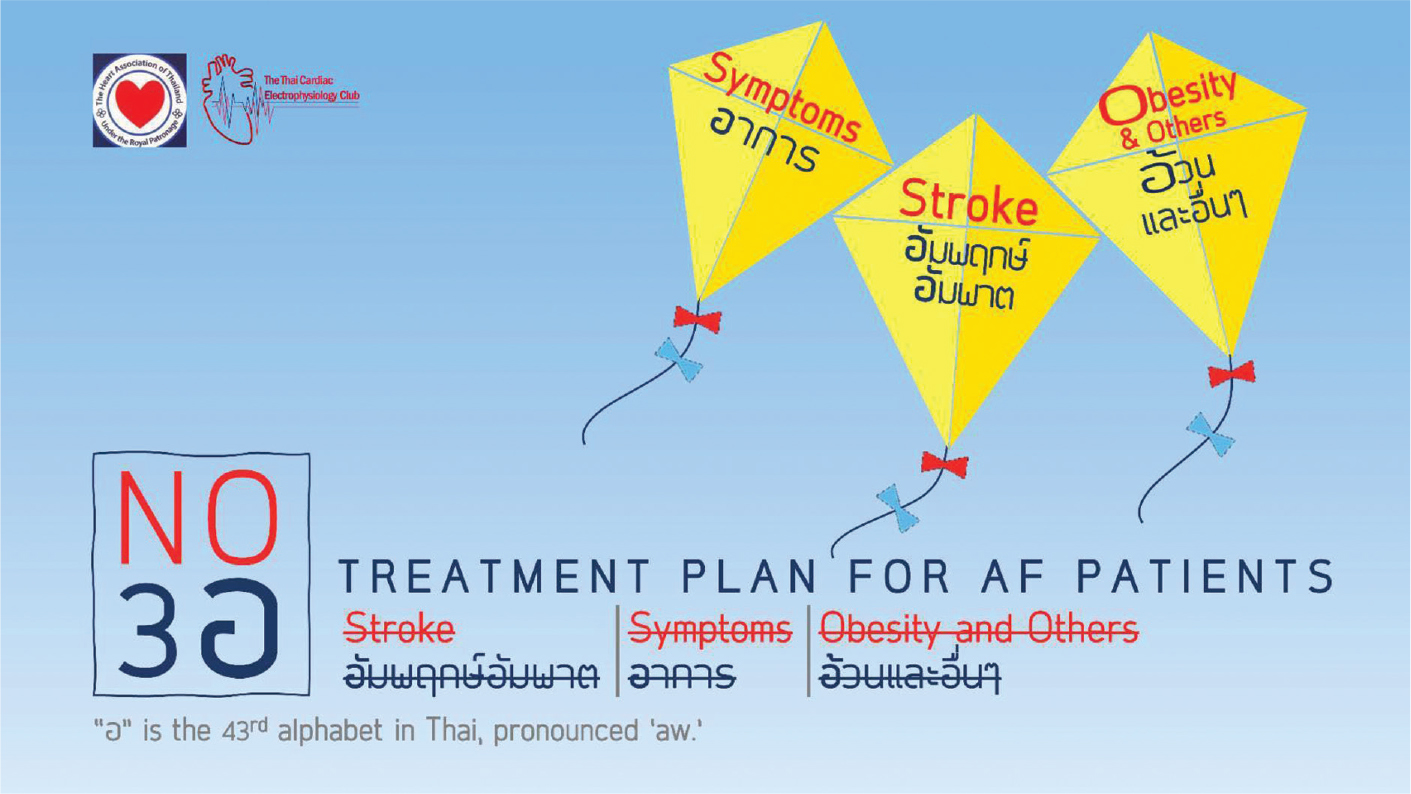
Figure 2.
Illustration of the management guidelines for AF patients. AF, atrial fibrillation.
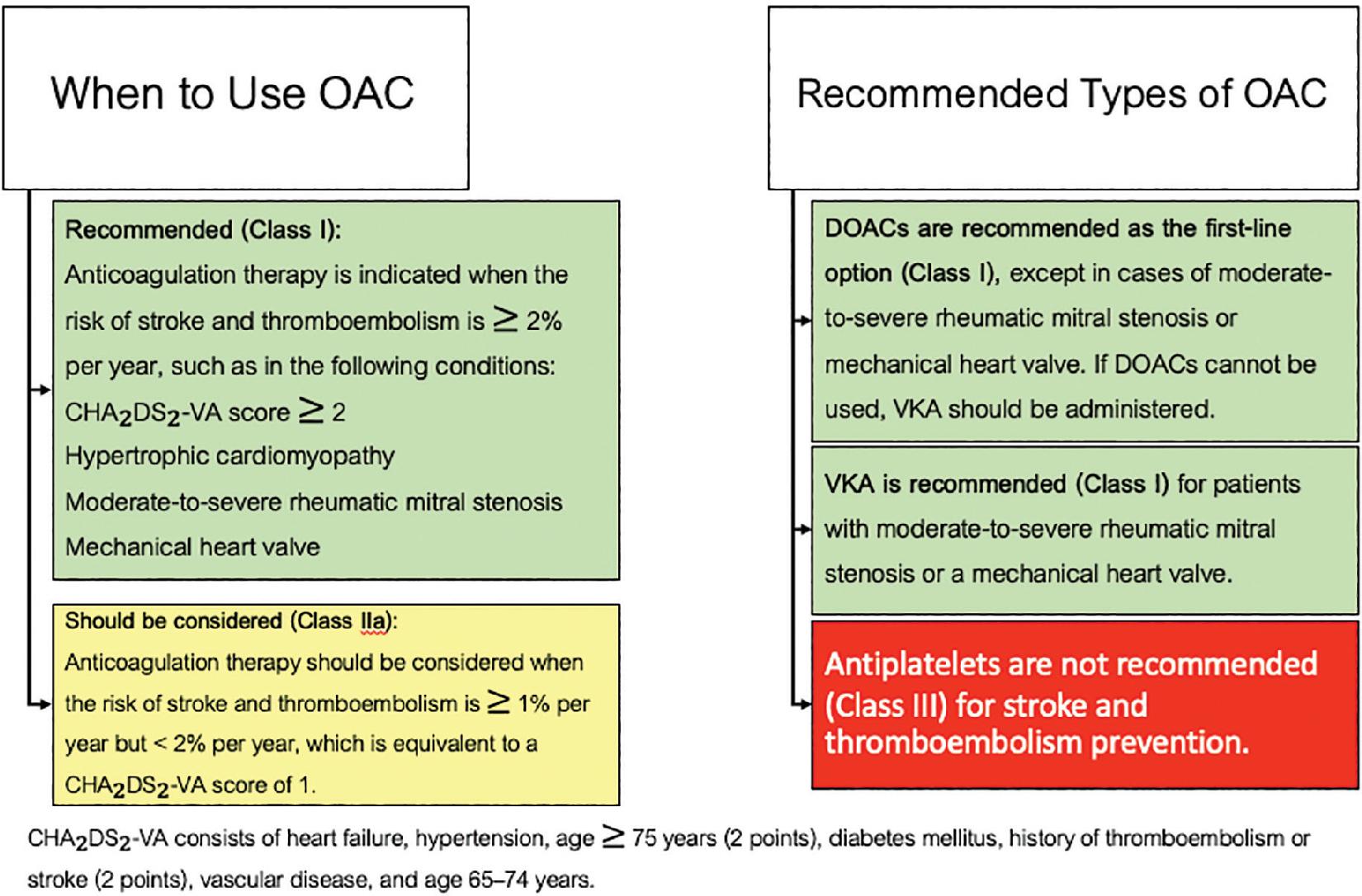
Figure 3.
Guidelines for selecting OACs. DOAC, direct oral anticoagulant; OAC, oral anticoagulant; VKA, vitamin K antagonist.
Table 5.
Recommendations for assessing the risk of ischemic stroke and thromboembolism in AF patients
| Recommendation | Classa | Evidenceb |
|---|---|---|
| OAC therapy is recommended for AF patients with a risk of ischemic stroke and thromboembolism ≥2%/year, including patients with a CHA2DS2-VA score ≥2 [29, 30]. | I | A |
| Regular risk assessment for ischemic stroke and thromboembolism in AF patients is recommended [31]. | I | B |
| OAC therapy should be considered for AF patients with a risk of ischemic stroke and thromboembolism ≥1% but <2%/year, including those with a CHA2DS2-VA score of 1, while carefully weighing the benefits of stroke prevention against the individual bleeding risk [30]. | IIa | C |
| Antiplatelet therapy is not recommended for preventing ischemic stroke and thromboembolism in AF patients [28]. | III | A |
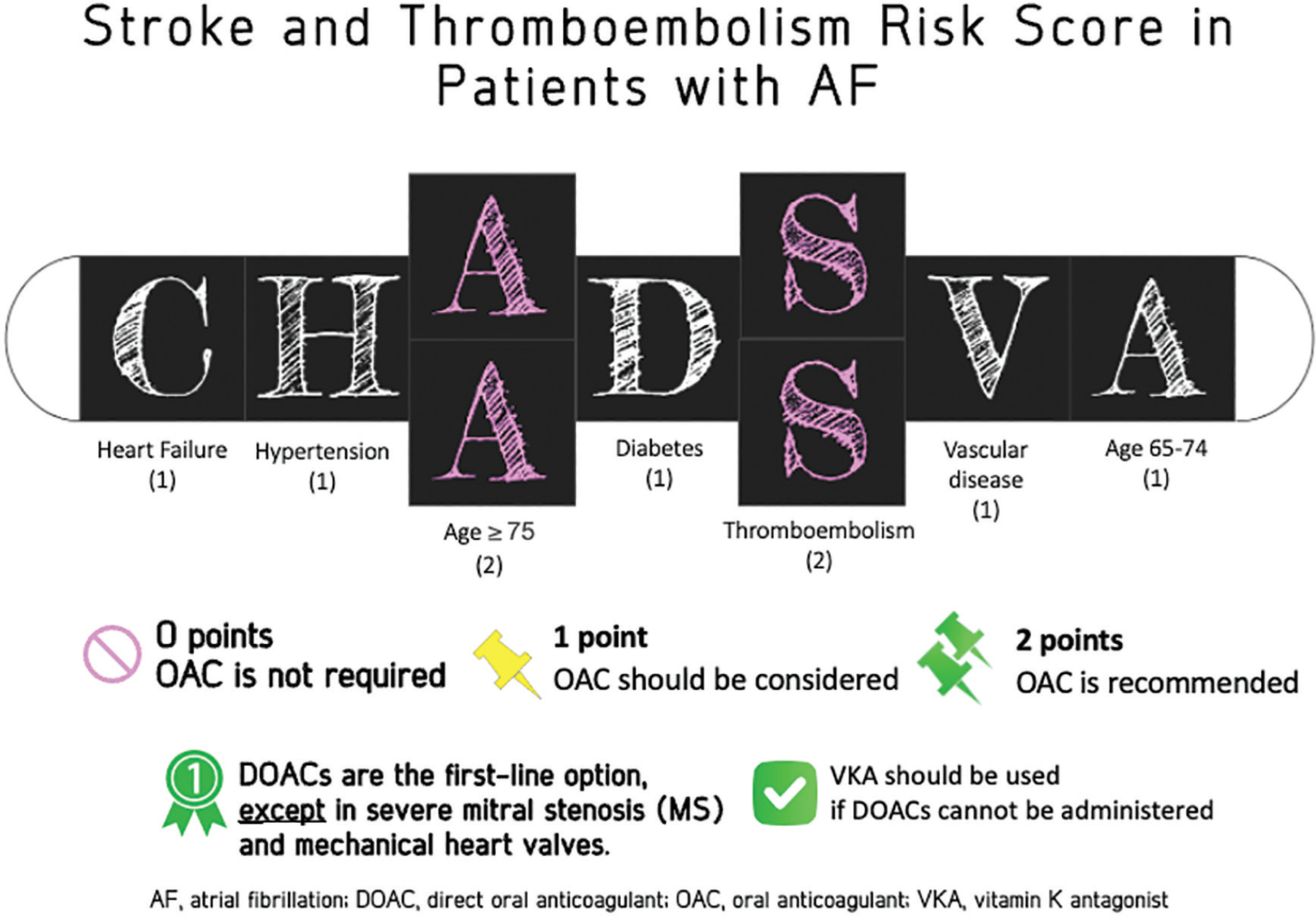
Figure 4.
Utilization of CHA2DS2-VA score for assessing the risk of ischemic stroke and thromboembolism. AF, atrial fibrillation; DOAC, direct oral anticoagulant; OAC, oral anticoagulant; VKA, vitamin K antagonist.
Table 6.
Definitions of CHA2DS2-VA risk score components based on the definitions used in CHA2DS2-VASc score studies [1, 2, 32]
| Risk factor | Definition | Score |
|---|---|---|
| C (congestive HF) | Symptoms and signs of right, left, or biventricular HF, confirmed by objective evidence of cardiac dysfunction through either non-invasive or invasive measurements, or LVEF ≤40% without clinical symptoms of HF. | 1 |
| H (HTN) | Resting blood pressure with SBP >140 mmHg and/or DBP >90 mmHg confirmed in at least two separate measurements, or current antihypertensive treatment. | 1 |
| A2 (age; additional risk points) | Age ≥75 years. | 2 |
| D (diabetes mellitus) | Fasting blood glucose ≥126 mg/dL, or current treatment with antidiabetic medication or insulin. | 1 |
| S2 (thromboembolism) | History of ischemic stroke, TIA, peripheral embolism, or pulmonary embolism. | 2 |
| V (vascular disease) | Presence of CAD (e.g., prior MI, angina, PCI, or CABG) or PAD (e.g., intermittent claudication, prior surgery or percutaneous intervention on the abdominal aorta or lower extremity arteries, vascular surgery of the thoracic or abdominal aorta, arterial thromboembolism) or complex aortic plaque detected via imaging.* | 1 |
| A (age; standard risk points) | Age between 65 years and 74 years. | 1 |
1* Complex aortic plaque refers to aortic plaques with mobility, ulceration, pedunculation, or thickness ≥4 mm.
1 CABG, coronary artery bypass grafting; CAD, coronary artery disease; DBP, diastolic blood pressure; HF, heart failure; HTN, hypertension; LVEF, left ventricular ejection fraction; MI, myocardial infarction; PCI, percutaneous coronary intervention; PAD, peripheral arterial disease; SBP, systolic blood pressure; TIA, transient ischemic attack.
Table 7.
Recommendations for assessing the risk of ischemic stroke and thromboembolism in specific patient groups
| Recommendation | Classa | Evidenceb |
|---|---|---|
| 1. It is recommended to use OAC therapy in AF patients with HCM, cardiac amyloidosis, moderate-to-severe rheumatic MS, or mechanical heart valves, regardless of their CHA2DS2-VA risk score [2, 27, 36, 37]. | I | B |
| 2. It is recommended to assess the risk of ischemic stroke and thromboembolism and consider OAC therapy in patients with AFL, similar to those with AF [38]. | I | B |
| 3. OAC therapy may be considered in patients with device-detected subclinical AF who are asymptomatic if the duration of subclinical AF is at least 6 min, along with a CHA2DS2-VA score of ≥4, while also considering individual bleeding risk [39]. | IIb | B |
Table 8.
Recommendations for the use of OACs in AF patients
| Recommendation | Classa | Level of evidenceb |
|---|---|---|
| 1. It is recommended to use DOACs as the first-line treatment in AF patients without moderate-to-severe rheumatic MS or mechanical heart valves [28], depending on the healthcare setting. | I | A |
| 2. It is recommended to use warfarin as an alternative in AF patients without moderate-to-severe rheumatic MS or mechanical heart valves who are unable to take DOACs [28, 29], depending on the healthcare setting. | I | A |
| 3. It is recommended to use warfarin in AF patients with moderate-to-severe rheumatic MS or mechanical heart valves [37, 45]. | I | A |
| 4. It is recommended to maintain an appropriate INR range of 2.0–3.0 in AF patients receiving warfarin [28, 29]. | I | B |
| 5. It is advisable to maintain a TTR of at least 65% [49]. | IIa | A |
| 6. Lowering the target INR range to 1.5–3.0 may be considered in AF patients aged ≥70 years receiving warfarin to reduce the incidence of major bleeding [50]. | IIb | B |
Table 9.
Recommended dosage, pharmacokinetics, and significant drug interactions of OACs [2, 5, 41–44, 51, 52]
| Drug | Recommended Dosage | Half-life (h) | Elimination | Significant Drug Interactions |
|---|---|---|---|---|
| Warfarin | Based on INR (average dose in Thai patients: 2.6 mg/day) | 20–60 | Renal (0%) | Multiple drugs and food interactions, including:
|
| Dabigatran | 150 mg BID (reduce to 110 mg BID if age ≥80 years or used with verapamil) | 12–17 | Renal (80%) Biliary (20%) |
|
| Rivaroxaban | 20 mg QD with food (reduce to 15 mg QD if CrCl is 15–49 mL/min) | 5–9 (younger) 11–13 (elderly) | Renal (67%) Liver and biliary system (33%) |
|
| Apixaban | 5 mg BID (reduce to 2.5 mg BID if meeting 2 out of 3 criteria:
| 12 | Renal (27%–30%) Liver and biliary system (70%) |
|
| Edoxaban* | 60 mg QD (reduce to 30 mg QD if CrCl is 15–50 mL/min, body weight is <60 kg, or used with ciclosporin, dronedarone, erythromycin, or ketoconazole) | 10–14 | Renal (50%) Liver and biliary system (50%) |
|
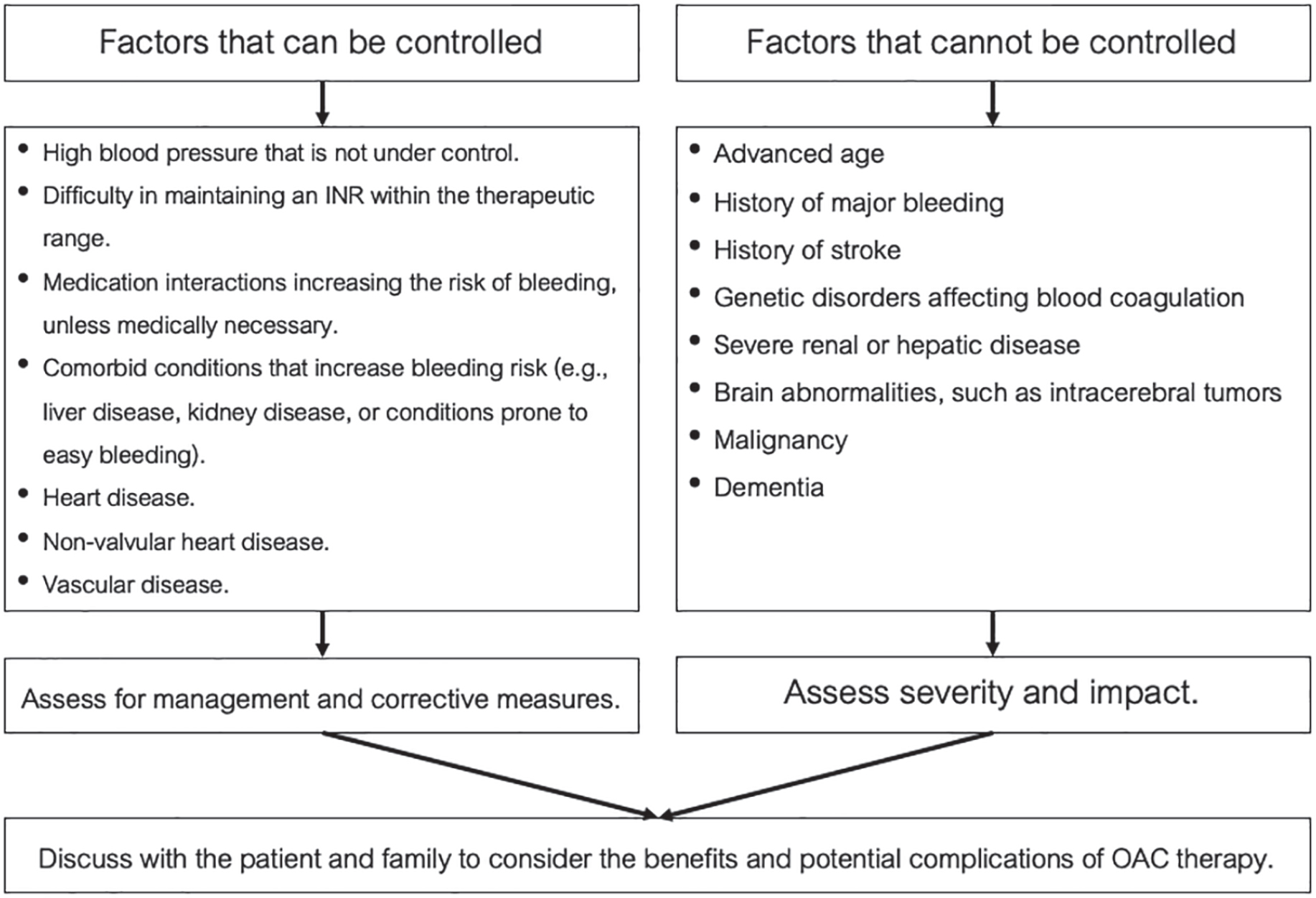
Figure 5.
Examples of factors that increase the risk of bleeding from the use of OACs (bleeding risk associated with OACs) and treatment guidelines [2, 56, 57]. INR, international normalized ratio; OAC, oral anticoagulant.
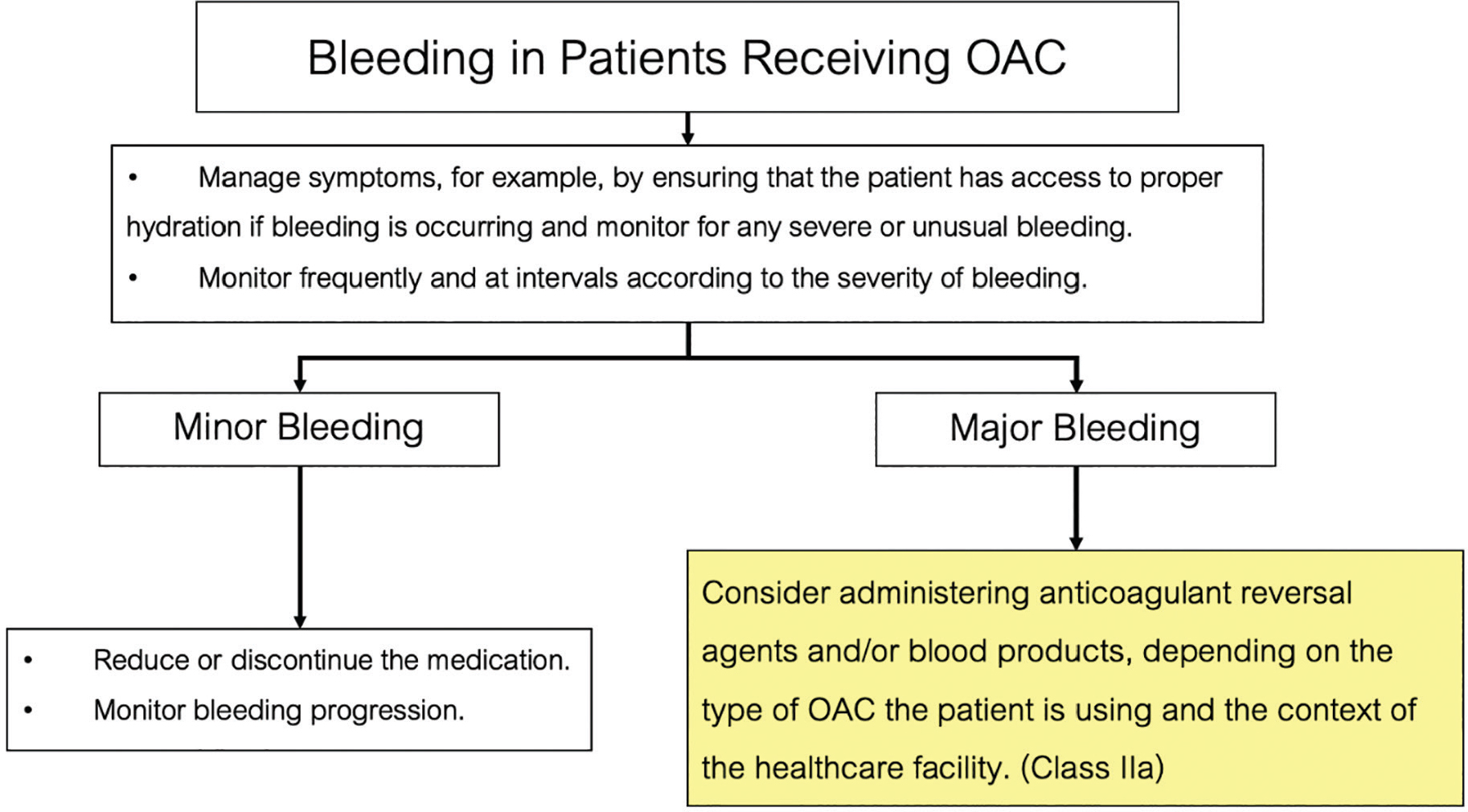
Figure 6.
The management guidelines for bleeding in patients receiving OACs. OAC, oral anticoagulant.
Table 10.
Recommendations for risk assessment and management of bleeding
| Recommendation | Classa | Evidenceb |
|---|---|---|
| 1. It is recommended to assess the risk of major bleeding before starting OACs and reassess periodically [2]. | I | B |
| 2. It is recommended to stop OACs when major bleeding occurs and cannot be controlled, until the underlying cause is identified and controlled. | I | C |
| 3. Consider using reversal agents for major bleeding, such as vitamin K for warfarin, idarucizumab for thrombin inhibitors, or andexanet alfa for factor Xa inhibitors, depending on the healthcare setting [58–60]. | IIa | B |
| 4. Consider using blood products, such as FFP or PCC, for managing major bleeding, depending on the healthcare setting [61, 62]. | IIa | C |
| 5. Consider percutaneous LAAO for AF patients who have an absolute contraindication to OACs [63]. | IIb | C |
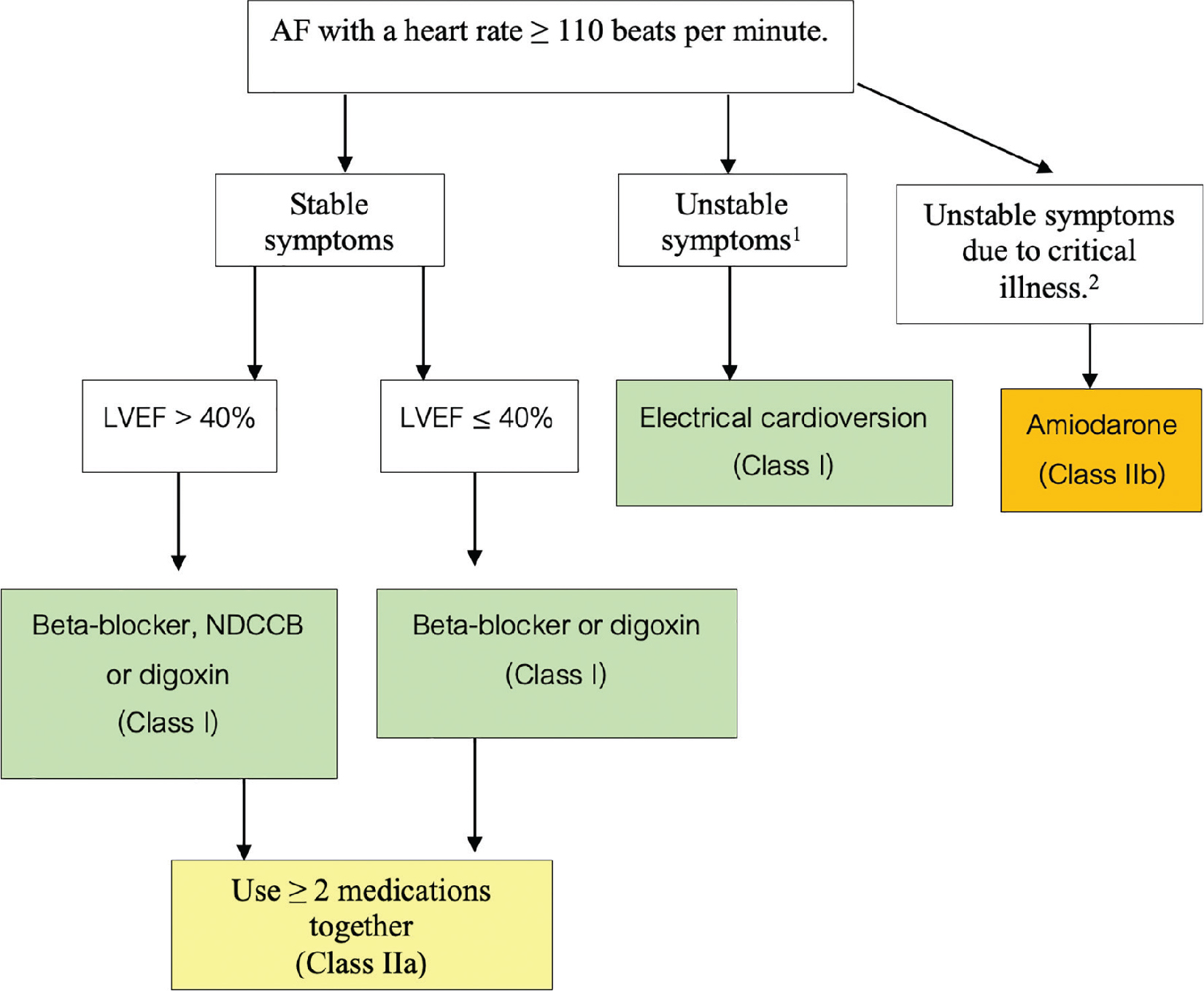
Figure 7.
Management guideline for AF patients using rate control. 1Unstable symptoms refer to conditions, such as shock, acute HF, severe chest pain associated with ACS, or respiratory failure. 2Critical illness refers to conditions, such as sepsis, septic shock, or respiratory failure from lung disease. ACS, acute coronary syndromes; AF, atrial fibrillation; HF, heart failure; LVEF, left ventricular ejection fraction; NDCCB, non-dihydropyridine calcium-channel blocker.
Table 11.
| Recommendation | Classa | Evidenceb |
|---|---|---|
| 1. It is recommended to use medication for rate control in patients with acute symptoms, along with rhythm control therapy, to reduce symptoms associated with a rapid heart rate. | I | A |
| 2. It is recommended to select medication for rate control based on the patient’s comorbidities and LVEF. | I | A |
| 3. Beta-blockers, NDCCBs (verapamil or diltiazem), or digoxin should be used for rate control in patients with AF and LVEF >40%. | I | A |
| 4. Beta-blockers or digoxin should be used for rate control in patients with AF and LVEF ≤40%. | I | A |
| 5. It may be considered to use a combination of two or more medications for rate control when the heart rate cannot be controlled <110 bpm, with caution for bradycardia and regular monitoring of heart rate. | IIa | C |
| 6. It may be considered to use rate control medication to achieve a target heart rate of <110 bpm or lower if symptoms persist, aiming to reduce symptoms from rapid heart rates or eliminate symptoms while avoiding bradycardia. | IIa | B |
| 7. It may be considered to use digoxin in combination with other rate control medications or as a standalone therapy. | IIa | B |
| 8. It may be considered to monitor serum digoxin levels, maintaining a blood level of ≤1.2 ng/mL. | IIa | B |
| 9. It may be considered to perform AVN ablation combined with pacemaker implantation in patients who do not respond to medication or standard therapies and cannot undergo intensive rate and rhythm control or have limitations for such treatments. | IIa | B |
| 10. It may be considered to perform AVN ablation combined with CRT or CSP in patients with permanent AF who have significant symptoms and a history of HF hospitalizations, to reduce symptoms, hospital readmissions due to HF, and mortality. | IIa | B |
| 11. Rate control therapy may be considered in patients with valvular heart disease in the same manner as in patients without valvular heart disease. | IIa | C |
| 12. Amiodarone may be considered for rate control in patients with AF and HFrEF who have limitations for beta-blocker and digoxin use. | IIb | C |
| 13. Amiodarone, esmolol, or intravenous digoxin may be considered for rate control in patients with hemodynamic instability (e.g., hypotension or significantly reduced LVEF). | IIb | C |
Table 12.
Medications used for rate control therapy
| Medication type | IV administration* | Oral Dose* | Precautions |
|---|---|---|---|
| Beta-blockers | 1. In patients with asthma, avoid non-selective beta-blockers. 2. Avoid in acute HF. | ||
| Esmolol | 500 μg/kg IV bolus within 1 min, followed by 50–300 μg/kg/min | N/A | Used for urgent rate control. |
| Metoprolol XL (succinate) | N/A | 50–200 mg once daily | |
| Bisoprolol | N/A | 1.25–20 mg once daily | |
| Nebivolol | N/A | 2.5–10 mg once daily | |
| Carvedilol | N/A | 3.125–50 mg twice daily | |
| Metoprolol tartrate | N/A | 25–100 mg twice daily | Not recommended in LVEF ≤40%. |
| Atenolol | N/A | 25–100 mg once daily | Not recommended in LVEF ≤40%. |
| NDCCB | Not recommended in patients with LVEF ≤40% | ||
| Verapamil | 2.5–10 mg IV bolus within 5 min | 40 mg twice daily up to 480 mg (extended release) once daily | |
| Diltiazem | 0.25 mg/kg IV bolus over at least 5 min, followed by 5–15 mg/h | 60 mg three times daily up to 360 mg (extended release) once daily | |
| Other medications | |||
| Digoxin | 0.5 mg IV bolus (0.75–1.5 mg >24 h, divided into 2–3 doses) | 0.0625–0.125 mg once daily | Consider checking serum drug levels and use with caution in patients with CKD. Dose adjustment is needed. |
| Amiodarone | 300 mg IV in 250 mL 5% dextrose >30–60 min, then 900–1,200 mg IV in 24 h in 500–1,000 mL 5% dextrose. A central line may be considered for higher concentrations. | 200 mg once daily after IV loading, or loading dose of 200 mg three times a day for 4 weeks, then 200 mg (or less) once daily | For rhythm control dosing, refer to the rhythm control section. |
| Magnesium | 3–5 g IV in 10–20 min | 1. Not recommended for POAF. 2. Common side effects include flushing. 3. Rare side effects include hypotension; monitoring is needed after administration. |
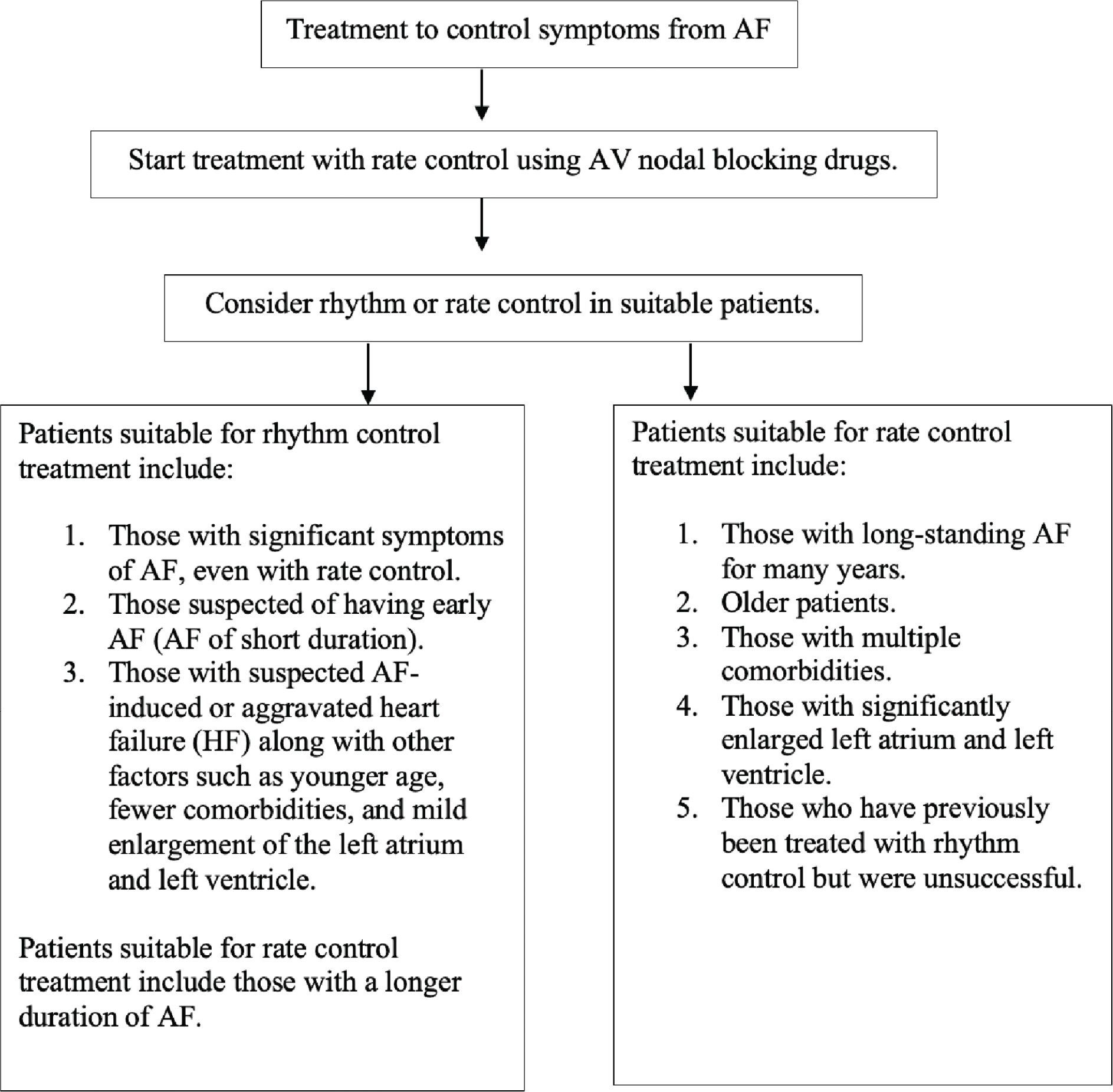
Figure 8.
Approach for choosing the method of treatment to control symptoms from AF. AF, atrial fibrillation; AV, atrioventricular; HF, heart failure.
Table 13.
Recommendations for selecting patients for rhythm control treatment
| Recommendation | Classa | Evidenceb |
|---|---|---|
| 1. Rhythm control should be considered for patients who still have significant symptoms of AF, even after appropriate rate control (symptomatic AF). | IIa | B |
| 2. Rhythm control should be considered for patients who have had AF for a short duration (early AF). | IIa | B |
| 3. Rhythm control is recommended for patients with HFrEF caused by tachycardia-induced cardiomyopathy, with catheter ablation being considered after evaluating the benefits and risks of the procedure with the patient. | I | B |
| 4. Rhythm control should be considered for patients with pre-existing HFrEF who have worsening symptoms due to AF, with catheter ablation being considered after evaluating the benefits and risks of the procedure with the patient. | IIa | B |
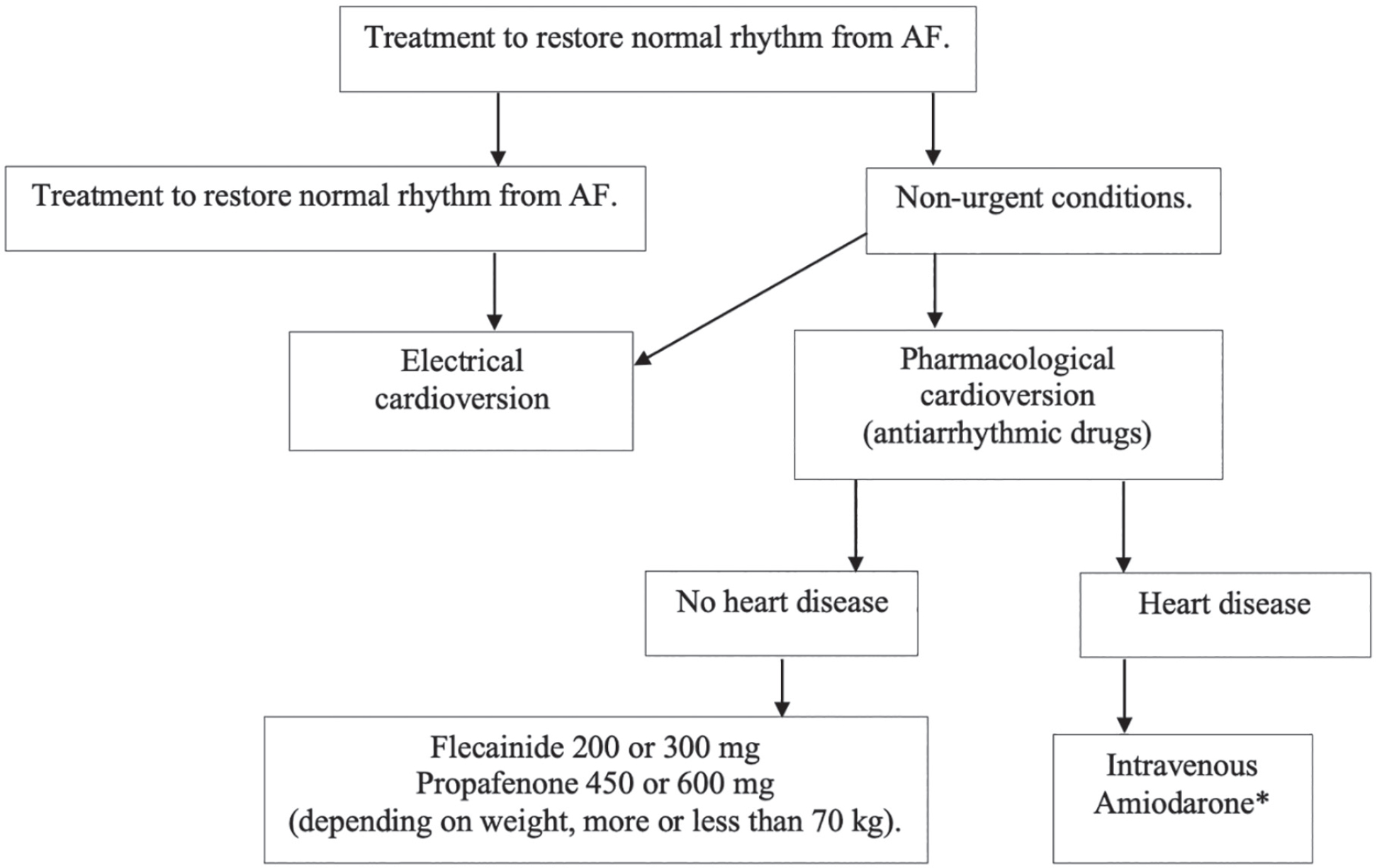
Figure 9.
Guidelines for cardioversion in patients with AF. *The intravenous dose of amiodarone is 300 mg administered intravenously >30–60 min, followed by 900–1,200 mg administered within 24 h. AF, atrial fibrillation.
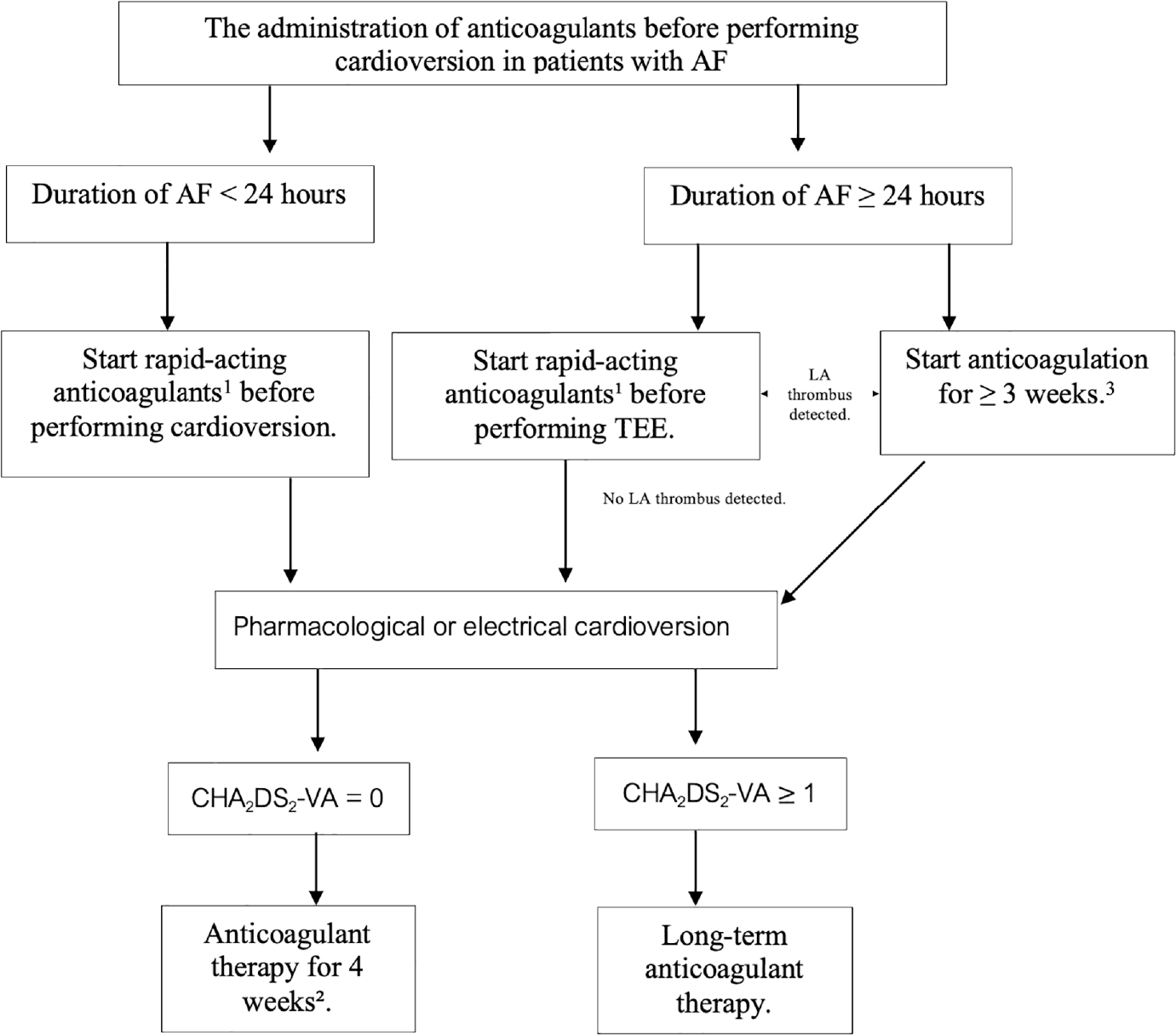
Figure 10.
Anticoagulants before performing cardioversion in patients with AF. 1Fast-acting anticoagulants include UFH, LMWH, and DOAC. 2In cases where the duration of AF is <24 h and the risk of thromboembolism is low, there may be an option not to administer anticoagulants after cardioversion. 3In cases using warfarin, an INR level ≥2.0 should be maintained for ≥3 weeks. For DOAC, the medication should be taken continuously for 3 weeks. AF, atrial fibrillation; DOAC, direct oral anticoagulant; LA, left atrium; LMWH, low molecular weight heparin; TEE, transesophageal echocardiography; UFH, unfractionated heparin.
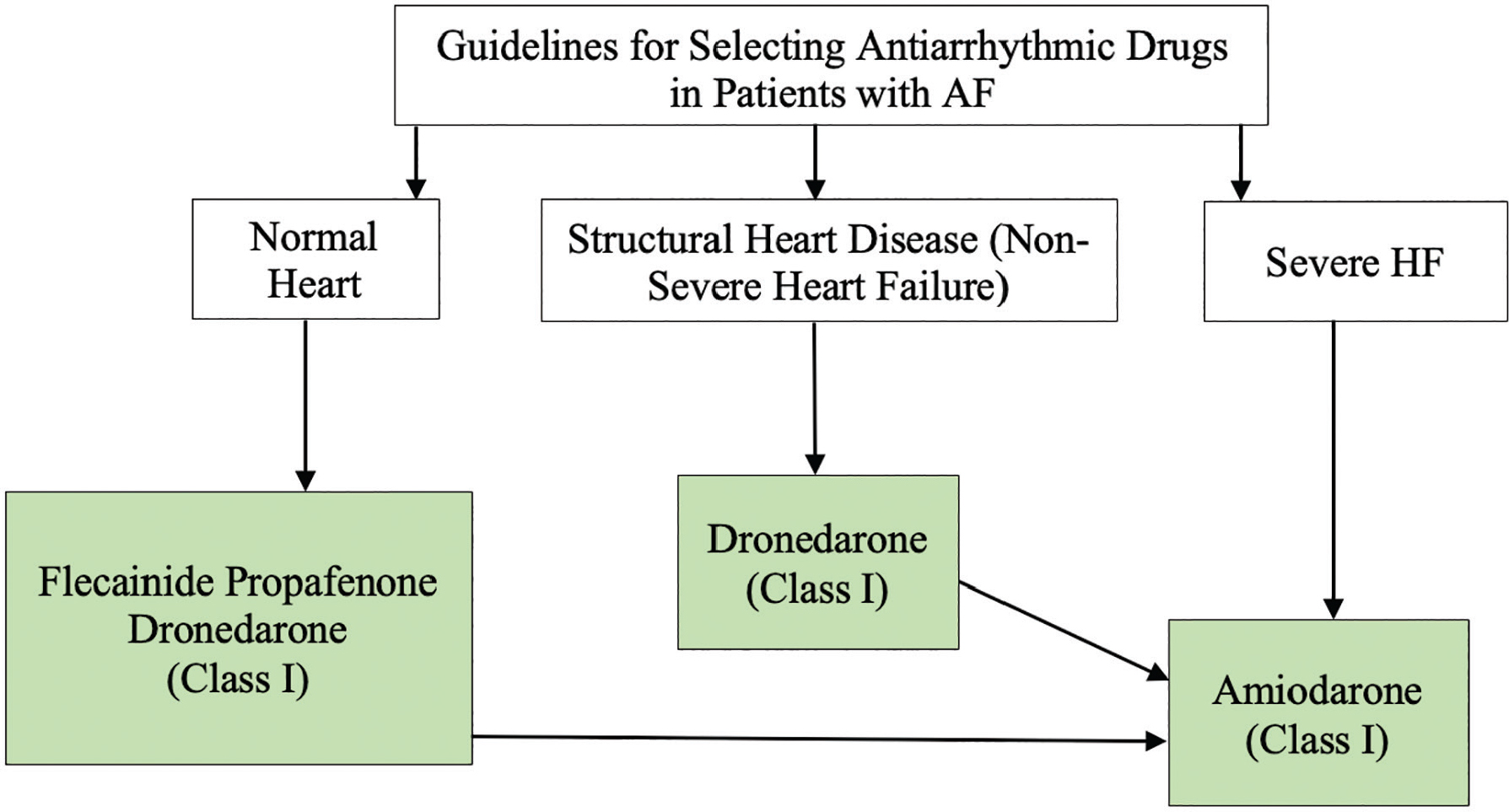
Figure 11.
Selection of long-term antiarrhythmic drugs in patients with AF. AF, atrial fibrillation; HF, heart failure‥
Table 14.
Recommendations for selecting antiarrhythmic drugs for long-term rhythm control
| Recommendation | Classa | Evidenceb |
|---|---|---|
| 1. It is recommended to use flecainide, propafenone, or dronedarone as the first-line choice in patients without I structural heart disease. | I | A |
| 2. It is recommended to use dronedarone in patients with other heart diseases, such as CAD or left ventricular hypertrophy due to HTN, but without severe HF.* | I | A |
| 3. It is recommended to use amiodarone in patients with severe HF* or in cases where other antiarrhythmic drugs I cannot be used. | I | A |
| 4. It is advisable to consider AV nodal blocking drugs, such as beta-blockers, verapamil, or diltiazem, in conjunction with flecainide or propafenone to prevent AFL with 1:1 AV conduction. | IIa | C |
1* Severe HF refers to patients with HFrEF who have a NYHA functional class III or IV or have experienced decompensated HF within the past month.
Table 15.
Dosage of antiarrhythmic drugs and side effects
| Drug | Initial dosea | Long-term dosea | Monitoring | Side effects |
|---|---|---|---|---|
| Flecainide | 50 mg/dose, taken twice daily | 100–150 mg/dose, taken twice daily | QRS durationb at 2–4 weeks, and when adjusting the dosage | AFL with 1:1 AV conduction, therefore, AV nodal blocking drugs (e.g., beta-blockers, verapamil, diltiazem) must always be coadministered |
| Propafenone | 150 mg/dose, taken three times daily | 300 mg/dose, taken three times daily | QRS durationb at 2–4 weeks, and when adjusting the dosage | AFL with 1:1 AV conduction; therefore, AV nodal blocking drugs (e.g., beta-blockers, verapamil, diltiazem) must always be coadministered |
| Dronedarone | 400 mg/dose, taken twice daily | 400 mg/dose, taken twice daily | QTc intervalc, Liver function test periodically (e.g., every 6 months as appropriate) |
|
| Amiodarone | Loading Dose: 6–10 gd Inpatients: 300 mg IV >30–60 min, followed by 900–1,200 mg IV >24 h, then oral 200 mg/dose, three times daily until total dose reaches 6–10 g | Maintenance Dose: 100–200 mg/dose, taken once daily | QTc intervalc, Liver function test, Thyroid function test periodically (e.g., every 6 months as appropriate), Chest X-ray if respiratory symptoms occur |
|
| Outpatients: 200 mg/dose, three times daily until total dose reaches 6-10 g |
1b If QRS duration increases by >25% from baseline, consider reducing the dose of flecainide or propafenone or discontinuing the drug.
1c If QTc interval exceeds 500 ms, consider reducing the dose of dronedarone or amiodarone or discontinuing the drug.
Table 16.
Recommendations for catheter ablation in AF patients
| Recommendation | Classa | Evidenceb |
|---|---|---|
| 1. Patients should be involved in decision-making regarding catheter ablation after receiving counseling on the risks and benefits of the procedure, as well as the risk of recurrence. | I | C |
| 2. Catheter ablation is recommended for patients with symptomatic paroxysmal or persistent AF who do not respond to antiarrhythmic drugs or cannot tolerate them, to reduce symptoms, recurrence, and disease progression. | I | A |
| 3. Catheter ablation may be considered as a first-line treatment, depending on the institutional context, after shared decision-making with the patient, for symptomatic paroxysmal AF to reduce symptoms, recurrence, and disease progression. | IIa | A |
| 4. Catheter ablation may be considered as a first-line treatment after shared decision-making with the patient, for symptomatic persistent AF to reduce recurrence and disease progression. | IIb | C |
| 5. Catheter ablation is recommended for patients with AF and HFrEF who are highly likely to have tachycardia-induced cardiomyopathy to improve LVEF. | I | B |
| 6. Catheter ablation should be considered for selected patients with AF and HFrEF to reduce hospitalizations due to pulmonary congestion and improve survival. | IIa | B |
| 7. Catheter ablation should be considered for AF patients experiencing bradycardia after AF returns to sinus rhythm, to improve symptoms and avoid pacemaker implantation. | IIa | C |
| 8. Repeat catheter ablation should be considered for AF patients who experience recurrence after an initial procedure, if they had symptomatic improvement after the first ablation, or if the first attempt was unsuccessful, to reduce symptoms, recurrence, and disease progression. | IIa | B |
Table 17.
Recommendations for the use of OACs in patients with AF undergoing catheter ablation
| Recommendation | Classa | Evidenceb |
|---|---|---|
| 1. It is recommended to initiate OAC for at least 3 weeks before catheter ablation in AF patients at risk of thromboembolism to prevent ischemic stroke. | I | C |
| 2. Patients undergoing catheter ablation should continue receiving OACs to prevent ischemic stroke during the procedure. | I | A |
| 3. OAC is recommended for at least 2 months after catheter ablation in all patients, regardless of post-procedure heart I rhythm or thromboembolism risk, to prevent ischemic stroke following the procedure. | I | C |
| 4. Long-term continuation of OAC is recommended after catheter ablation in patients at risk of thromboembolism, regardless of the success of rhythm control, to prevent ischemic stroke. | I | C |
| 5. A TEE should be considered to assess for intracardiac thrombus before catheter ablation in patients at high thromboembolism risk, even if they are already on OAC. | IIa | B |
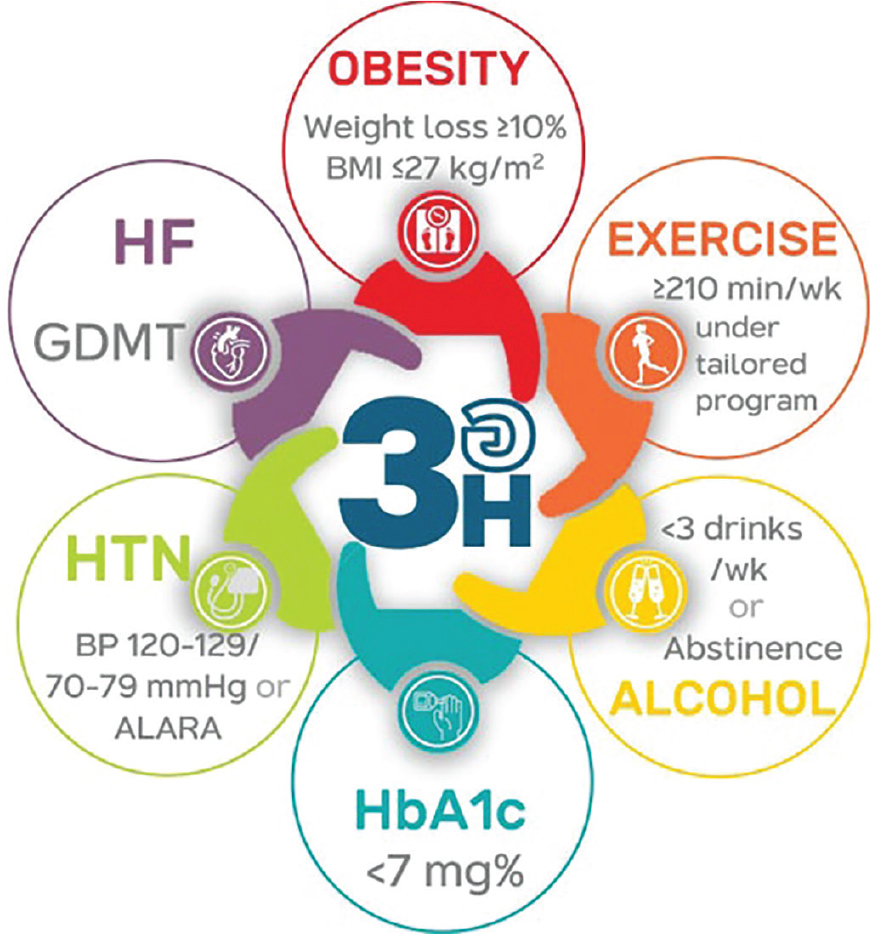
Figure 12.
Risk factor management using the ″3อ 3H″ approach to prevent AF recurrence. AF, atrial fibrillation; BMI, body mass index; GDMT, guideline-directed management and therapy; HbA1c, hemoglobin A1c; HF, heart failure; HTN, hypertension; kg, kilogram; m2; square meter; min, minute.
Table 18.
Recommendations for the treatment and prevention of AF in all patients by managing comorbid conditions
Table 19.
Recommendations for the management of AF patients with obesity or overweight
| Recommendation | Classa | Evidenceb |
|---|---|---|
| Weight reduction of at least 10% is recommended for AF patients with obesity or overweight (BMI ≥27 kg/m2) to improve symptoms, prevent AF recurrence, reduce AF burden, and slow disease progression. | I | B |
| Bariatric surgery may be considered in conjunction with comprehensive risk factor management in AF patients with a IIb BMI ≥40 kg/m2 who require rhythm control therapy to prevent AF recurrence. | IIb | C |
Table 20.
Recommendations for the management of AF patients with OSA
Table 21.
Recommendations for physical activity in patients with AF
Table 22.
Recommendations for managing AF patients who consume alcohol
Table 23.
Recommendations for the management of AF patients with diabetes mellitus
| Recommendation | Classa | Evidenceb |
|---|---|---|
| It is recommended to control blood sugar levels, aiming for an HbA1c level of <7% in AF patients with diabetes to reduce AF burden and slow disease progression. Considerations should be made based on individual patient factors such as limited life expectancy, functional, and cognitive impairment. | I | C |
Table 24.
Recommendations for managing AF patients with HTN
| Recommendation | Classa | Evidenceb |
|---|---|---|
| It is recommended to control blood pressure within a target range of 120–129/70–79 mmHg in AF patients with HTN, considering individual patient suitability, symptoms, and polypharmacy in elderly patients, for the benefit of preventing AF recurrence and reducing cardiovascular complications. | I | B |
Table 25.
Recommendations for the management of AF patients with HF
| Recommendation | Classa | Evidenceb |
|---|---|---|
| 1. It is recommended to treat HF with appropriate guideline-directed medical therapy in AF patients with HF to reduce symptoms, decrease HF-related hospitalizations, and prevent AF recurrence. | I | B |
| 2. It is recommended to use SGLT2i in AF patients with HF to reduce HF-related hospitalizations and cardiovascular mortality. | I | A |
Table 26.
Recommendations for the management of AF in athletes
| Recommendation | Classa | Evidenceb |
|---|---|---|
| 1. It is recommended to evaluate and treat underlying causes of AF, including structural heart disease, pre-excitation syndrome, hyperthyroidism, alcohol abuse, and illicit drug use, before resuming sports participation [141]. | I | C |
| 2. It is recommended to perform rhythm control in athletes with AF if no contraindications exist [91, 141]. | I | B |
| 3. It is recommended to perform catheter ablation in athletes with AFL to reduce the risk of AFL with 1:1 AV conduction. | I | A |
| 4. Catheter ablation should be considered in athletes with AF [143, 145]. | IIa | A |
| 5. Athletes should not participate in sports after taking pill-in-the-pocket flecainide or propafenone until normal sinus rhythm is restored and after waiting twice the drug’s half-life duration (no more than 2 days) [91, 141]. | III | B |
| 6. Flecainide or propafenone monotherapy without rate control medication is not recommended [146]. | III | C |
| 7. Athletes receiving OACs should avoid high-impact contact sports to reduce the risk of bleeding [144]. | III | C |
Table 27.
Recommendations for the management of AF patients with valvular heart disease
| Recommendation | Classa | Evidenceb |
|---|---|---|
| 1. Warfarin is recommended for AF patients with moderate-to-severe rheumatic MS or mechanical prosthetic valve replacement for thromboembolism prevention, regardless of the CHA2DS2-VA score [151]. | I | B |
| 2. DOACs or warfarin are recommended for AF patients without moderate-to-severe rheumatic MS or mechanical prosthetic valve replacement who have an elevated stroke risk for thromboembolism prevention [150]. | I | A |
| 3. DOACs are not recommended for AF patients with moderate-to-severe rheumatic MS or mechanical prosthetic valve replacement [37, 45]. | III | A |
Table 28.
Recommendations for the management of elderly AF patients
| Recommendation | Classa | Evidenceb |
|---|---|---|
| 1. Rate control therapy is recommended for elderly AF patients with a heart rate >110 bpm [70]. | I | A |
| 2. DOACs are recommended for elderly AF patients on warfarin who are unable to achieve a TTR ≥65% [48, 152, 154]. | I | A |
| 3. Consideration may be given to lowering the target INR range to 1.5–3.0 in AF patients aged ≥70 years receiving warfarin [50, 153]. | IIb | B |
Table 29.
Recommendations for the management of preexcited AF
| Recommendation | Classa | Evidenceb |
|---|---|---|
| 1. Electrical cardioversion is recommended in patients with preexcited AF [158]. | I | B |
| 2. Catheter ablation of the accessory pathway is recommended in patients with preexcited AF. | I | C |
| 3. Intravenous adenosine, verapamil, diltiazem, beta-blockers, amiodarone, and digoxin are not recommended for acute management of preexcited AF [162–164]. | III | C |
Table 30.
Recommendations for the management of AF patients with hyperthyroidism
| Recommendation | Classa | Evidenceb |
|---|---|---|
| 1. Non-selective beta-blockers, particularly propranolol, are recommended for rate control in AF patients with hyperthyroidism [166, 170, 171]. | I | B |
| 2. OACs are recommended for AF patients with hyperthyroidism and elevated stroke risk to prevent thromboembolism [168, 172, 173]. | I | A |
| 3. Early rhythm control should be considered in AF patients who have remained euthyroid for at least 16 weeks [167]. | IIa | B |
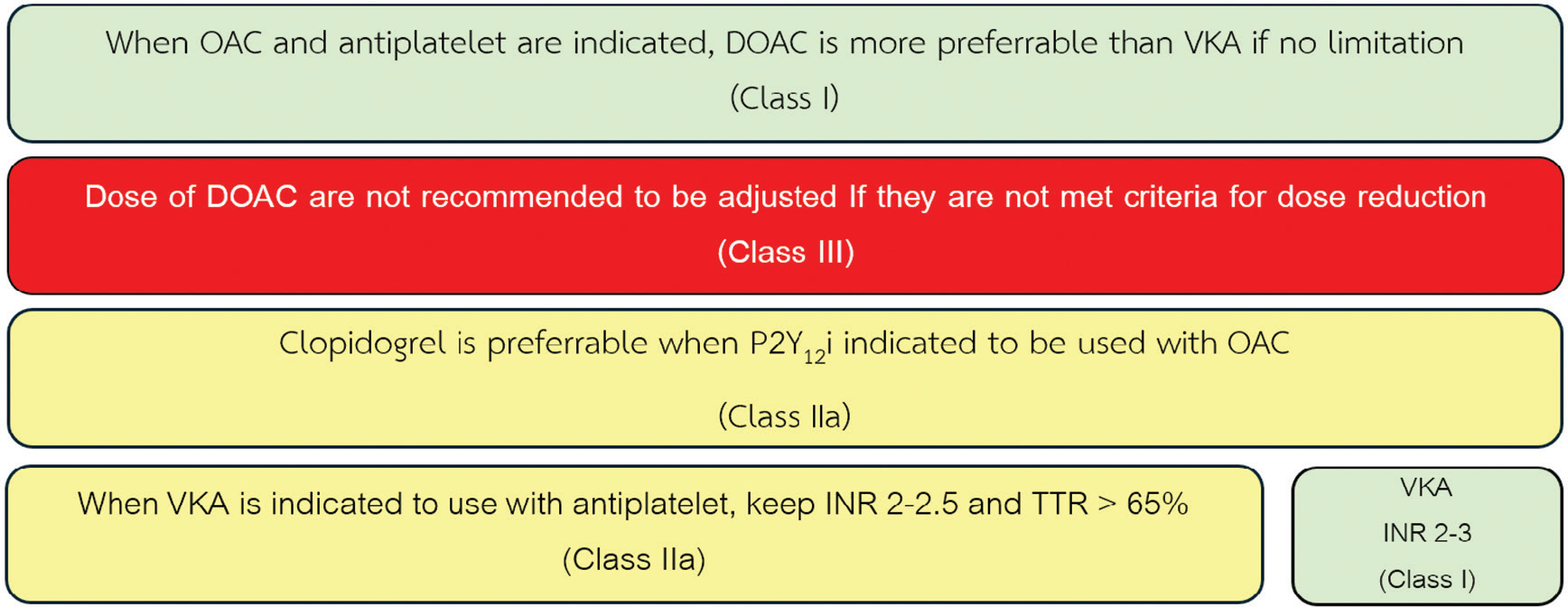
Figure 13.
Recommendations for selecting antiplatelet drugs and OACs in patients with AF who have ACS. ACS, acute coronary syndromes; DOAC, direct oral anticoagulant; OAC, oral anticoagulant; VKA, vitamin K antagonist.
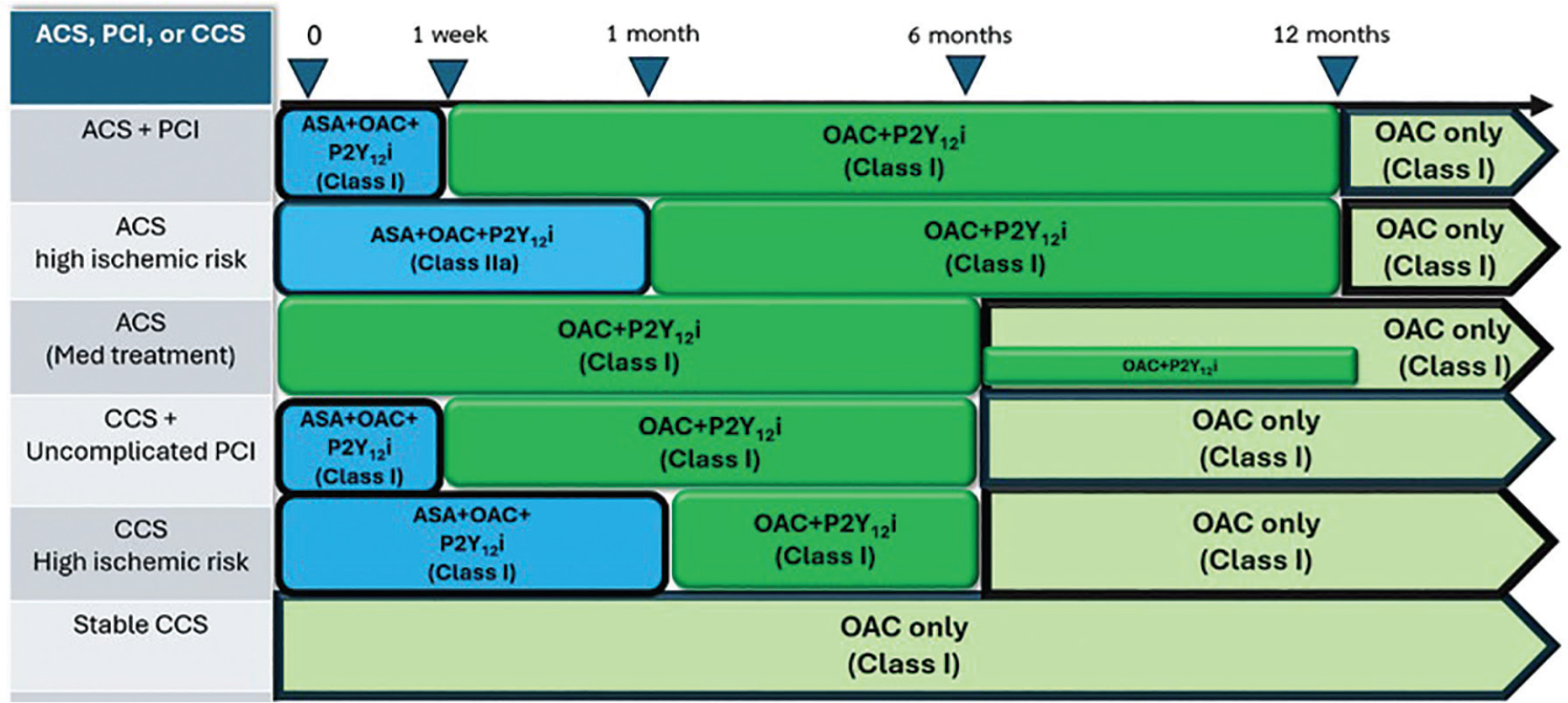
Figure 14.
Administration of antithrombotic drugs in patients with AF who have ACS or CCS. ACS, acute coronary syndromes; AF, atrial fibrillation; ASA, aspirin; CCS, chronic coronary syndromes; OAC, oral anticoagulant; PCI, percutaneous coronary intervention; P2Y12i, P2Y12-receptor inhibitor.
Table 31.
Recommendations for the use of OACs in patients with AF-ACS/CCS
| Recommendation | Classa | Evidenceb |
|---|---|---|
| 1. It is recommended to consider DOAC before warfarin in patients who need to take antiplatelet drugs with OACs, if there are no contraindications or limitations to DOAC use | I | A |
| 2. Consider rivaroxaban 15 mg once daily instead of rivaroxaban 20 mg once daily, or dabigatran 110 mg twice daily instead of dabigatran 150 mg twice daily, when coadministered with antiplatelet agents in patients who have a higher risk of bleeding than the risk of stent thrombosis or ischemic stroke. | IIa | B |
| 3. Consider maintaining an INR level between 2 and 2.5 and a TTR level ≥65% when administering warfarin in combination with antiplatelet agents to reduce the risk of bleeding. | IIa | C |
Table 32.
Recommendations for the use of antithrombotic drugs in patients with AF undergoing PCI
| Recommendation | Classa | Evidenceb |
|---|---|---|
| 1. It is recommended to administer aspirin for no longer than 1 week and to use an OAC, preferably a DOAC over warfarin, in combination with a P2Y12 inhibitor (especially clopidogrel) for up to 12 months in patients with ACS undergoing PCI, in case the risk of bleeding is higher than risk of stent thrombosis. | I | A |
| 2. It is recommended to discontinue aspirin within the first week in patients with CCS undergoing PCI in uncomplicated cases, and to consider using a P2Y12 inhibitor in combination with an OAC for no more than 6 months to avoid the risk of bleeding. | I | A |
| 3. Consider administering aspirin and clopidogrel in combination with an OAC for >1 week but not exceeding 1 month in patients with CCS undergoing PCI in cases risk of stent thrombosis is higher than the risk of bleeding. | IIa | B |
Table 33.
| Recommendation | Classa | Evidenceb |
|---|---|---|
| Unstable vital signs | ||
| 1. It is recommended to perform electrical cardioversion in pregnancy with AF, including pregnancy with preexcitation syndromes. | I | C |
| 2. Consider performing electrical cardioversion in pregnancy with AF and concomitant HCM. | IIa | C |
| 3. Amiodarone is not recommended owing to its adverse effects on fetus, such as goiter, abnormal fetal growth retardation, bradycardia, and the potential for preterm birth. | III | C |
| Rate control | ||
| 1. It is recommended to use beta-1 selective blockers, except atenolol, for controlling heart rate and reducing symptoms caused by AF. | I | C |
| 2. Consider administering digitalis in case beta-blockers are ineffective or the patient cannot tolerate their side effects. | IIa | C |
| Rhythm control | ||
| Consider administering flecainide or propafenone with AV nodal blocking agents for long-term rhythm control in pregnancy without structural heart disease when rate control agents are ineffective. | IIb | C |
Table 34.
Provides guidelines for the use of anticoagulants during pregnancy and before delivery [1]
| Options for administering anticoagulants during pregnancy | ||||
|---|---|---|---|---|
| Option 1 | Option 2 | Option 3 | Option 4 | |
| First Trimester | Warfarin ≤5 mg/day | LMWH* | UFH | LMWH* |
| Second Trimester | Warfarin | Warfarin | Warfarin | LMWH* |
| Third Trimester until 36 weeks | Warfarin | Warfarin | Warfarin | LMWH* |
| Options for administering anticoagulation after 36 weeks | ||||
| Option 1 | Option 2 | |||
| >36 weeks | Switch warfarin to intravenous UFH. | LMWH* | ||
| 36 h prior delivery | Continue intravenous UFH | Switch LMWH to administer intravenous UFH | ||
| 4–6 h before delivery | Discontinue intravenous UFH | Discontinue intravenous UFH. | ||
Table 35.
Recommendations for the management of patients with AF with HCM
| Recommendation | Classa | Evidenceb |
|---|---|---|
| Rate control | ||
| 1. It is recommended to use beta-blockers, verapamil, and diltiazem for rate control, respect to patient’s comorbidities and preference. | I | C |
| 2. Consider performing AVN ablation in cases where heart rate cannot be controlled with antiarrhythmic drugs, the patient cannot tolerate their side effects, or AF ablation is ineffective. | IIa | B |
| Rhythm control | ||
| 1. Consider performing cardioversion or administering antiarrhythmic drugs in patients who cannot tolerate AF symptoms, respect to patients’ comorbidities and preferences. | IIa | B |
| 2. Consider administering amiodarone after performing electrical cardioversion for rhythm control. | IIa | B |
| 3. Consider performing catheter ablation for rhythm control in case of antiarrhythmic drugs are ineffective. | IIa | B |
| 4. Consider surgical AF ablation in patients undergoing septal myectomy. | IIa | B |
| Thromboembolism prevention | ||
| It is recommended to administer OACs for all patients with AF and HCM, regardless of the CHA2DS2-VA score. DOACs should be preferably considered rather than warfarin if there are no limitations for DOACs administration. | I | B |
Table 36.
Recommendations for patients with AF with pulmonary disease
Table 37.
Recommendations for the management of POAF and trigger-induced AF
| Recommendation | Classa | Evidenceb |
|---|---|---|
| POAF prevention | ||
| 1. Short-term amiodarone should be considered in patients undergoing cardiac or pulmonary surgery with a high risk of developing AF. | IIa | B |
| Management of POAF and trigger-induced AF | ||
| 1. Heart rate control should be maintained <110 bpm using medications such as beta-blockers or NDCCBs, provided there are no contraindications. | I | A |
| 2. Consideration of additional rhythm management with antiarrhythmic medications is recommended based on the patient’s symptoms, hemodynamic stability, and the clinical judgment of the treating physicians [181, 182]. | I | A |
| 3. Electrical cardioversion combined with antiarrhythmic drugs is recommended for patients with hemodynamic instability, if AF occurs within 48 h or no thrombus is found in the atrium. | I | B |
| 4. Long-term OACs should be considered in trigger-induced AF patients at high risk of ischemic stroke and thromboembolism. | IIa | C |
| 5. Follow-up evaluation at 30–60 days should be considered to assess the need for rhythm control after appropriate use of OACs [173]. | IIa | C |
Table 38.
Cancer treatments increasing the risk of AF [197]
| Cancer treatments | Cancer treatments | |
|---|---|---|
| General Common Incidence: Incidence: 1%–10% | >10% | |
| Anthracyclines | ||
| Doxorubicin, epirubicin, idarubicin, mitoxantrone | X | |
| Antimetabolites | ||
| Clofarabine combined with cytarabine | X | X |
| 5-FU | X | |
| Cepecitabine | ||
| Gemcitabine | X | |
| Alkylating agents | ||
| Cyclophosphamide | X | X |
| Melphalan + stem cell transplantation | ||
| Immunomodulatory drugs | ||
| Lenalidomide | X | |
| Interleukin-2 | ||
| TKIs | X | |
| Ibrutinib (BTK inhibitors) | X | X |
| Acalbrutinib (second-generation BTK | X | |
| inhibitors) | X | |
| Zanubrutinib (second-generation BTK | X | |
| inhibitors) | X | |
| Ponatinib (BCR-ABL TKI) and other TKIs (e.g., trametinib, osimertinib, nilotinib, ribociclib) | X | |
| VEGF inhibitor | ||
| Sorafenib in combination with 5-FU | ||
| BRAF inhibitor | ||
| Vemurafenib | ||
| CAR-T | ||
| Tisagenlecleucel | X | |
| Axicabtagene ciloleucel | X | |
| Monoclonal antibodies | ||
| Rituximab | X | |
Table 39.
Dosage of OACs in AF patients with CKD and cirrhosis [93]
| Drug Class | VKA | Direct thrombin inhibitor | Factor Xa inhibitor | ||
|---|---|---|---|---|---|
| Drug name | Warfarin | Dabigatran | Rivaroxaban | Apixaban | Edoxaban |
| CKD | |||||
| CrCl 50–90 mL/min | INR 2–3 | 150/110 mg bid | 20 mg od | 5/2.5 mg bida | 60 mg od |
| CrCl 30–50 mL/min | INR 2–3 | 150/110 mg bid | 15 mg od | 5/2.5 mg bida | 30 mg od |
| CrCl 15–30 mL/min | INR 2–3 | Avoid use | 15 mg od | 2.5 mg bid | 30 mg od |
| CrCl <15 mL/min or dialysis | Insufficient data to recommend useb | ||||
| Liver disease | |||||
| Child-Pugh A (Mild) | INR 2–3 | No dose adjustment required | No dose adjustment required | No dose adjustment required | No dose adjustment required |
| Child-Pugh B (Moderate) | INR 2–3 | Use with caution | Avoid use | Use with caution | Use with caution |
| Child-Pugh C (Severe) | INR 2–3 | Avoid use | Avoid use | Avoid use | Avoid use |
| Class of recommendation | I | IIa | IIb | III | |
| a. Adjust to a dose of 2.5 mg if at least two of the following apply: age ≥80 years, weight ≤60 kg, creatinine >1.5 mg/dL | |||||
| b. Depends on shared decision-making between the physician and the patient. | |||||