
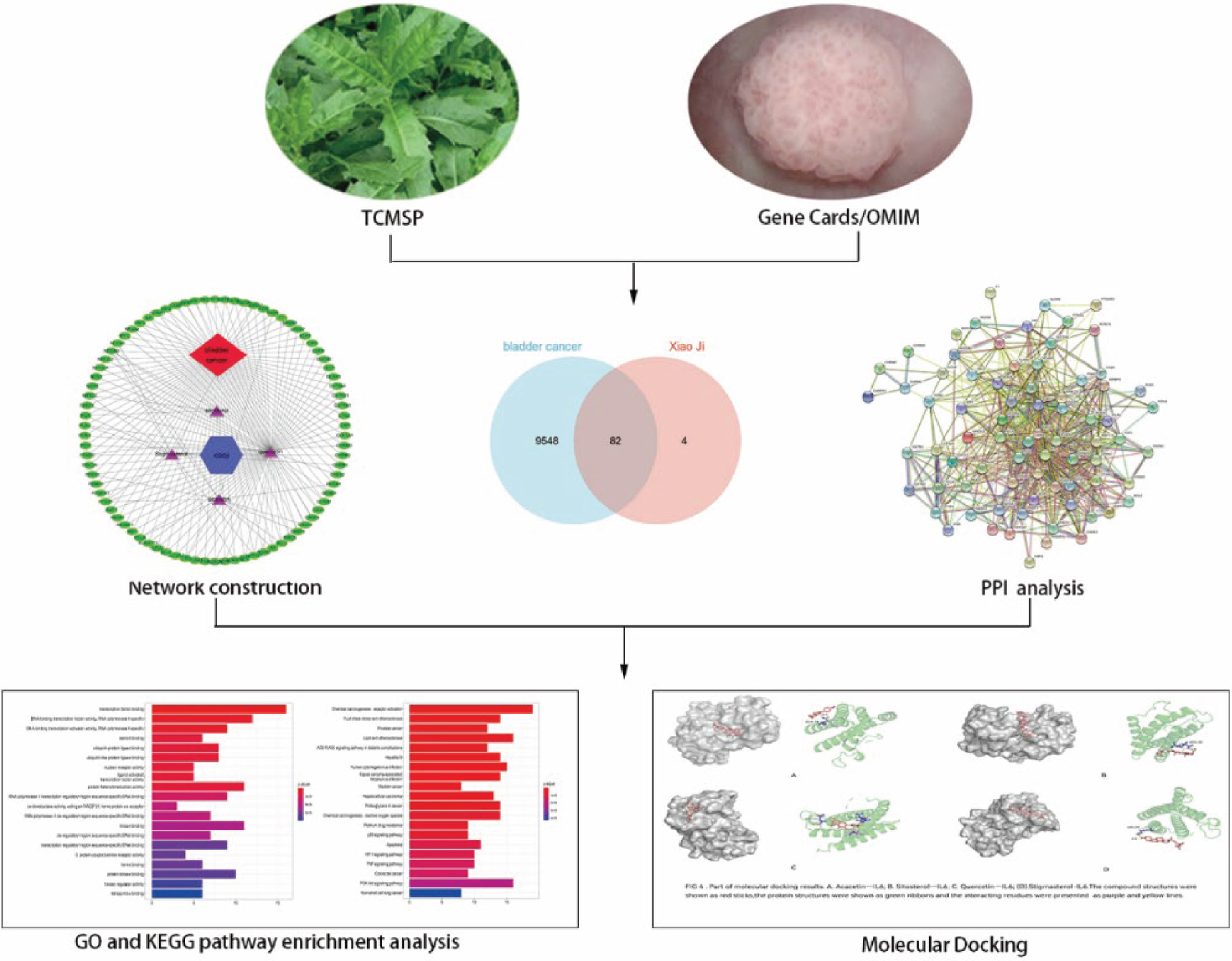
Figure 1.
Research process. GO, gene ontology; KEGG, Kyoto Encyclopedia of Genes and Genomes; OMIM, Online Mendelian Inheritance in Man; PPI, protein–protein interaction; TCMSP, TCM systems pharmacology.
Table 1.
The information of the 5 active components of setosum with the predicted OB ≥30% and DL ≥0.18
| No. | Molecule ID | Molecule name | OB | DL | Structure |
|---|---|---|---|---|---|
| 1 | MOL001689 | Acacetin | 34.97 | 0.24 | 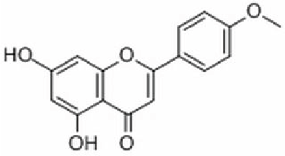 |
| 2 | MOL000359 | Sitosterol | 36.91 | 0.75 | 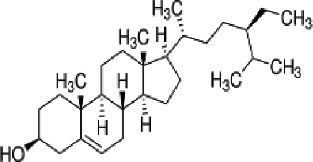 |
| 3 | MOL000449 | Stigmasterol | 43.83 | 0.76 | 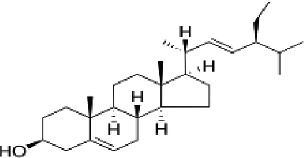 |
| 4 | MOL000098 | Quercetin | 46.43 | 0.28 | 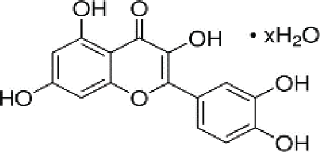 |
| 5 | MOL001790 | Linarin | 39.84 | 0.71 | 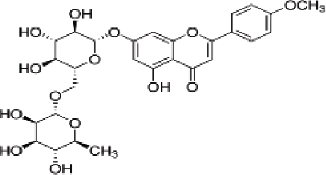 |
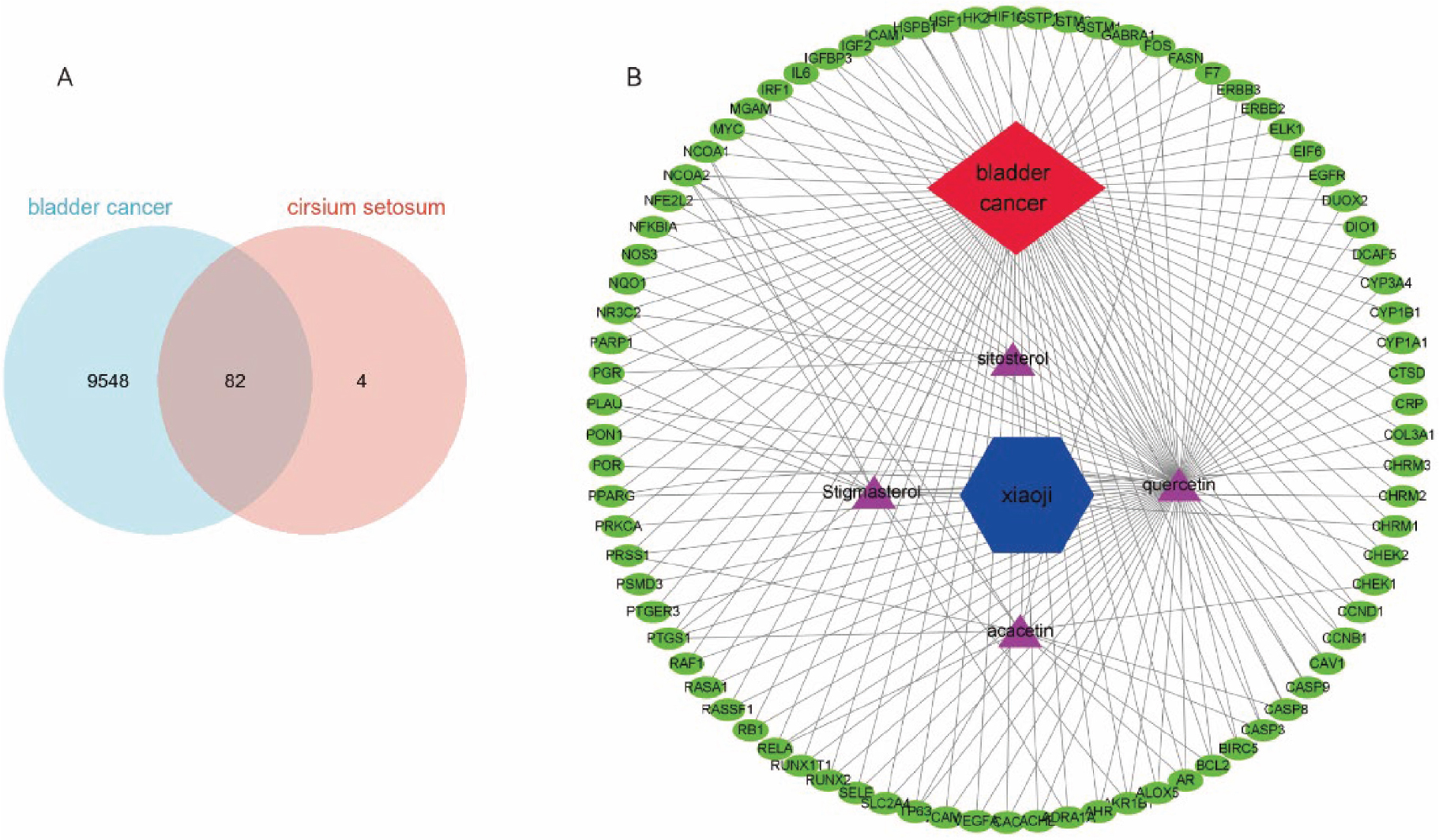
Figure 2.
(A) The light green part represents the number of BC targets, and the light red part represents the number of Xiao Ji targets. (B) The purple hexagons represent Xiao Ji, the pink triangles represent the active ingredients of Xiao Ji, and the green ovals represent potential BC targets. BC, bladder cancer.
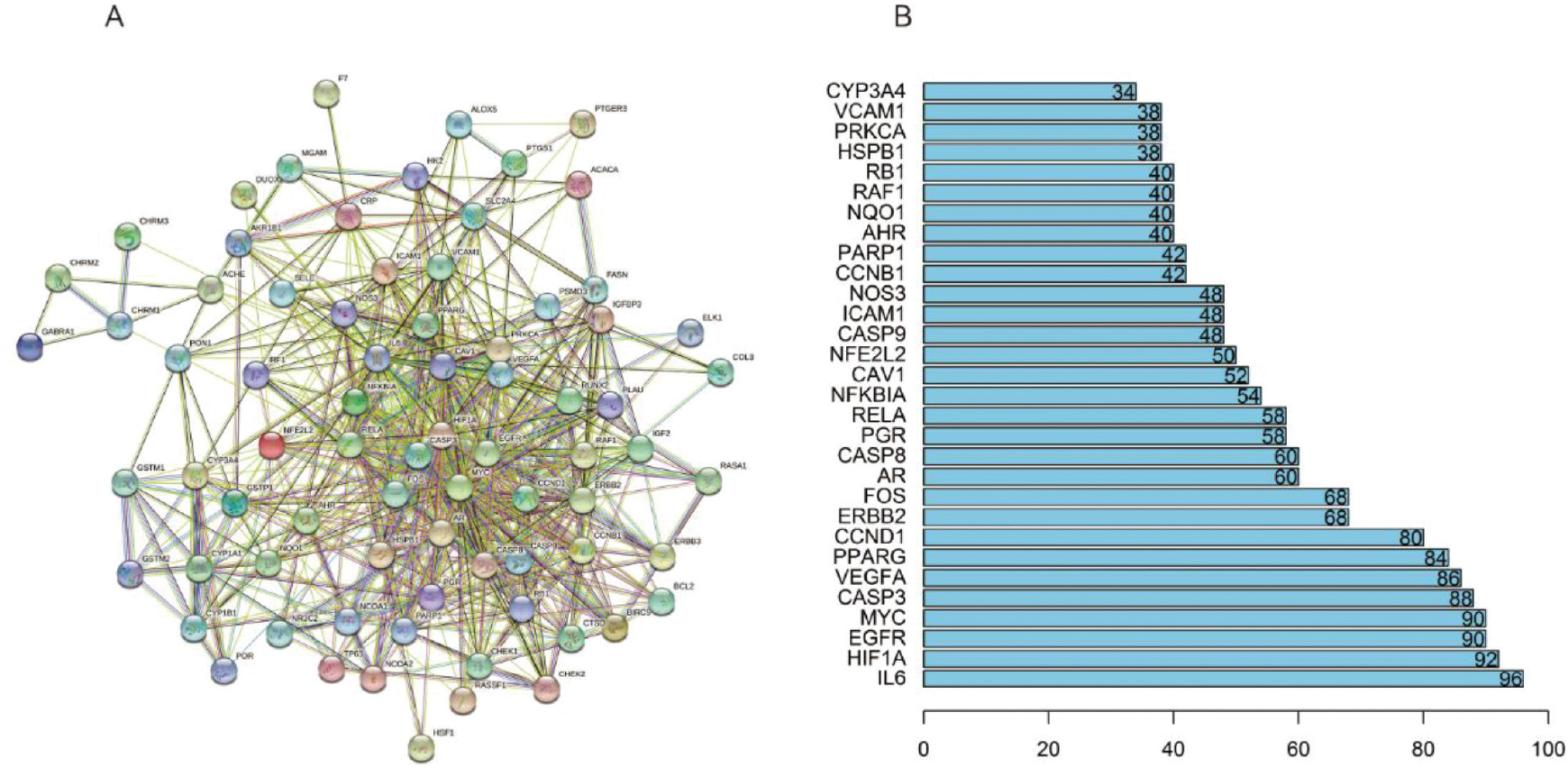
Figure 3.
(A) PPI network of potential targets for BC is associated with Xiao Ji. The nodes represent the proteins and the edges represent their interactions. A protein with more edges is considered to play a more important role. (B) A bar plot of the top 30 target proteins, sorted according to degree values. The longer bar represents greater connection of the protein. BC, bladder cancer; PPI, protein–protein interaction.
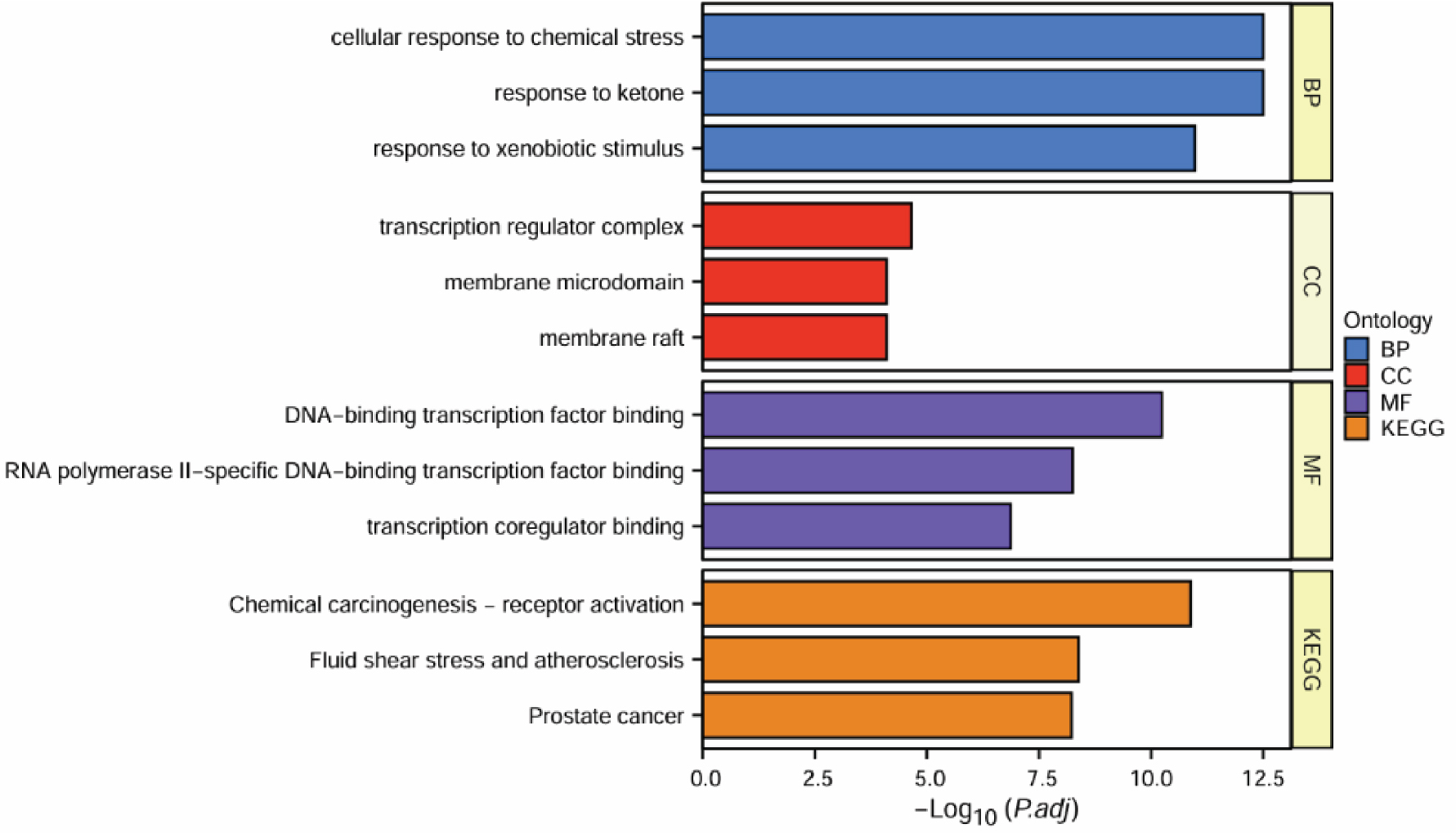
Figure 4.
GO analysis and KEGG pathway enrichment of target genes for BC associated with Xiao Ji. BP, biological process; CC, cellular components; GO, gene ontology; KEGG, Kyoto encyclopedia of genes and genomes; MF, molecular function.
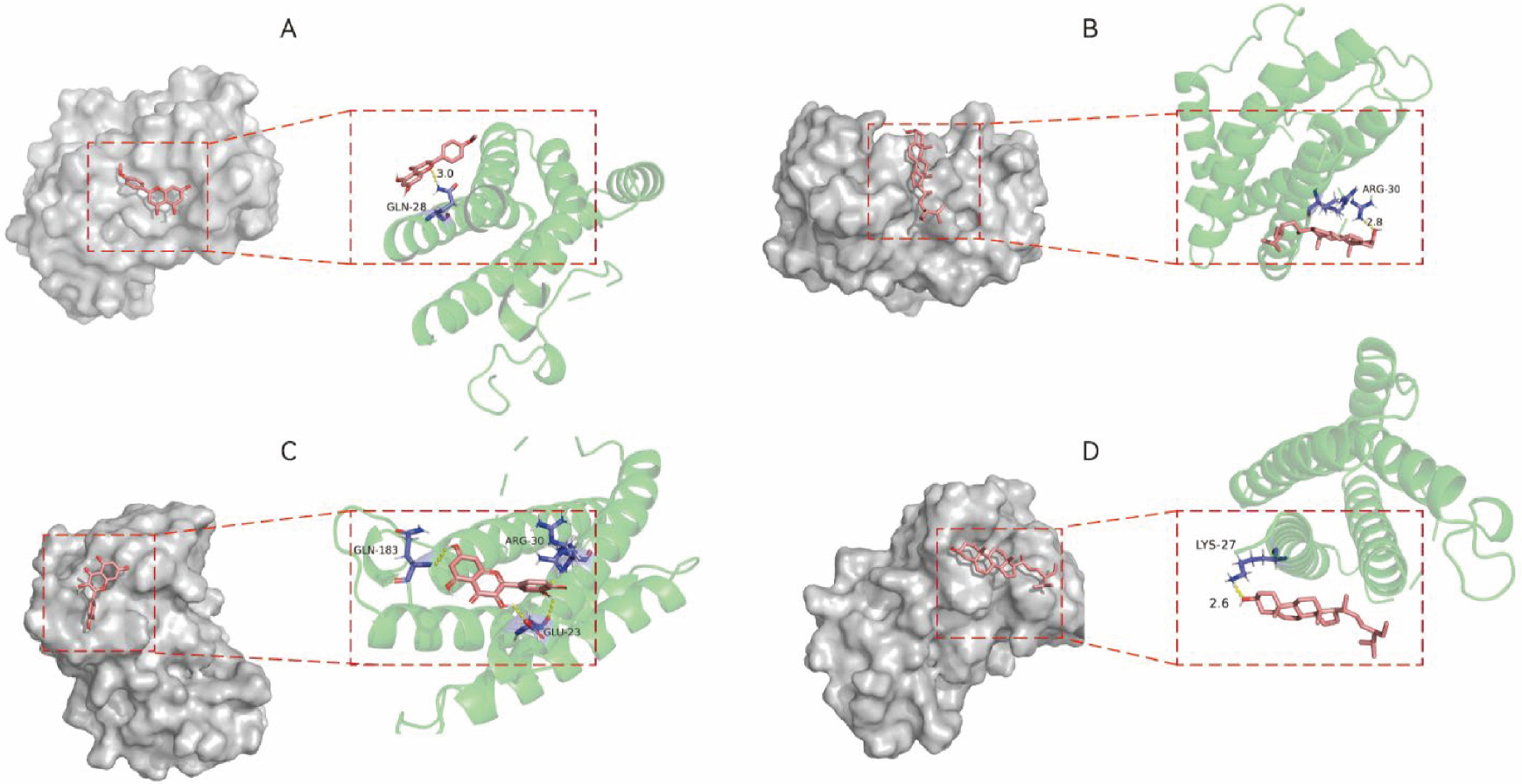
Figure 5.
Part of molecular docking results. (A) Acacetin-IL6; (B) sitosterol-IL6; (C) quercetin-IL6; (D) stigmasterol-IL6. The compound structures are shown as red sticks, the protein structures are shown as green ribbons, and the interacting residues are presented as purple and yellow lines. IL-6, interleukin-6.