
Table 1.
The strength of recommendations in the context of clinical practice in Thailand
| Symbol | Definition |
|---|---|
| ++ | “Strongly recommend” indicates a high level of confidence in the recommendation, as the measure is highly beneficial to patients and cost-effective. |
| + | “Recommend” indicates a moderate level of confidence in the recommendation, as the measure may be beneficial to patients and may be cost-effective in specific situations (it may be optional depending on the circumstances and appropriateness). |
| +/− | “Neither recommend nor against” indicates an uncertain level of confidence in providing the recommendation, as there is insufficient evidence to support or oppose the measure. It may or may not be beneficial to patients and may not be cost-effective, but it does not increase harm to patients. Therefore, the decision to proceed depends on other factors (it may or may not be done). |
| − | “Not recommend” indicates a moderate level of confidence in advising against the measure, as it is not beneficial to patients and is not cost-effective unless necessary. |
| −− | “Strongly not recommend/against” indicates a high level of confidence in advising against the measure, as it may cause harm or pose a danger to patients. |
Table 2.
Classes of recommendations
| Class | Definition |
|---|---|
| I | The evidence and/or consensus suggest that the treatment or measure is beneficial, useful, and effective for patients. |
| IIa | The evidence or opinion tends to support the idea that the measure is beneficial and potentially effective for patients. |
| IIb | The evidence or opinion regarding the benefit and potential effectiveness of the measure is still unclear. |
| III | The evidence or overall consensus suggests that the treatment or measure is not useful, not effective, and in some cases, may be harmful to patients. |
Table 3.
Levels of evidence
| Level | Definition |
|---|---|
| A | Data derived from multiple randomized clinical trials or meta-analyses. |
| B | Data derived from a single randomized clinical trial or large non-randomized studies. |
| C | Consensus of the experts and/or small studies, retrospective studies, and registries |
Table 4.
Behavior and risk factors associated with cardiovascular disease from atherosclerosis
| Lifestyles | Biochemical characteristics | Personal characteristics |
|---|---|---|
|
|
|
| Modifiable factors | Non-modifiable factors |
|---|---|
|
|
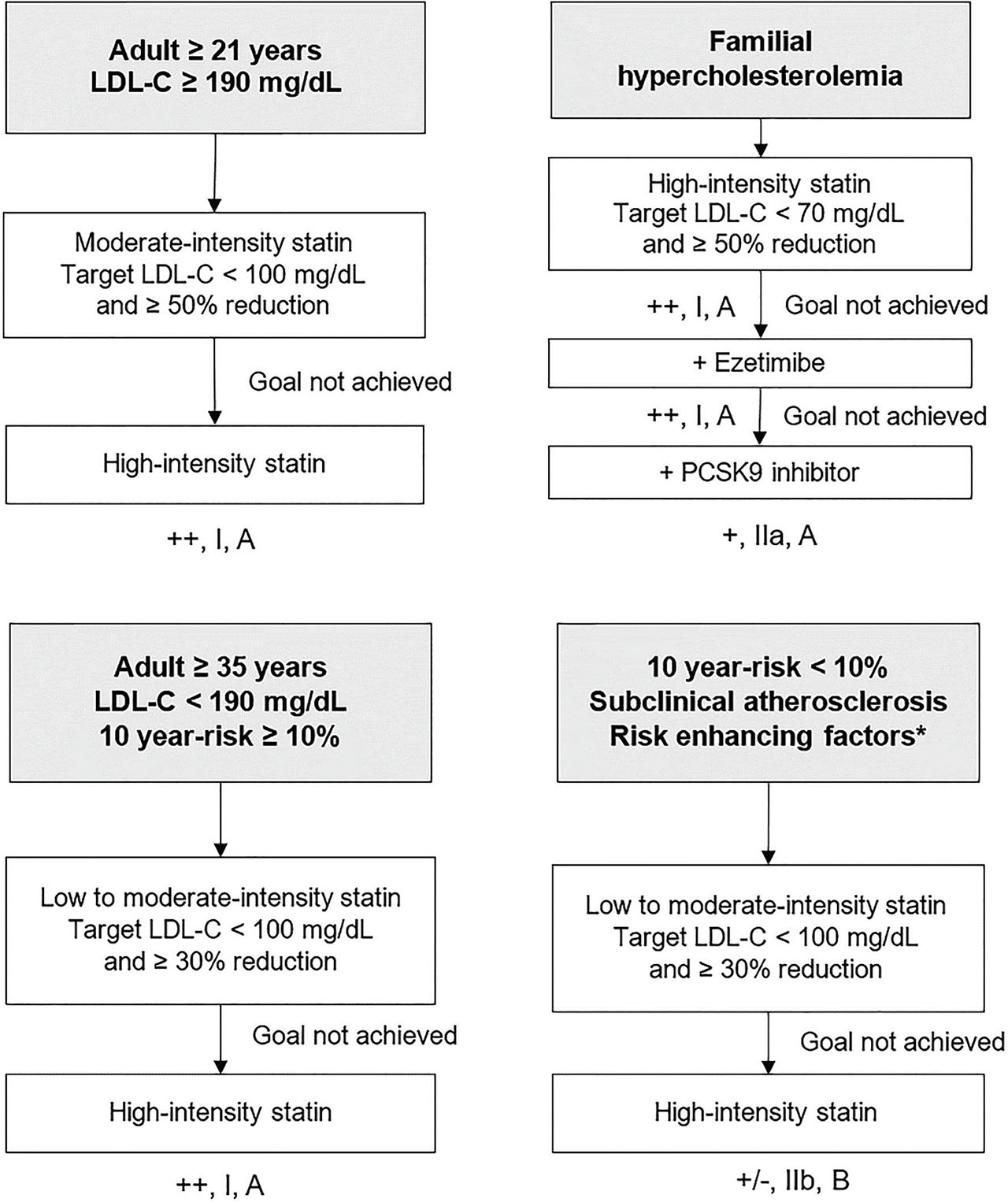
Figure 1.
Primary prevention in individuals without diabetes or CKD. *Risk-enhancing factors include evidence of subclinical atherosclerosis, a family history of premature cardiovascular disease, and chronic inflammation (e.g., psoriasis, rheumatoid arthritis, and HIV infection). CKD, chronic kidney disease; LDL-C, low-density lipoprotein-cholesterol; PCSK9, proprotein convertase subtilisin/kexin type 9.
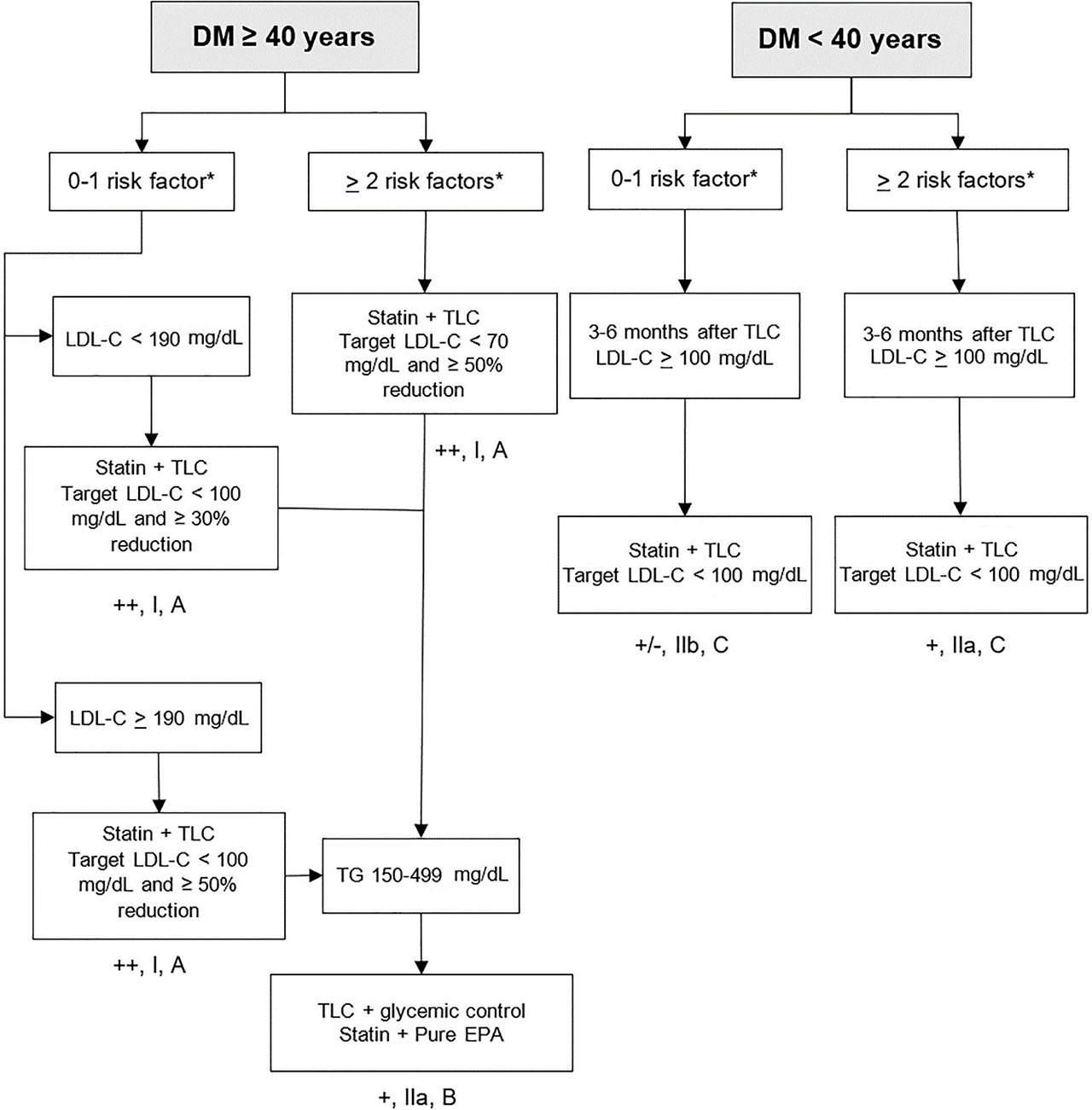
Figure 2.
Primary prevention for individuals with DM. *Risk factors include long-duration diabetes, obesity or overweight, smoking, hypertension, family history of premature cardiovascular diseases, CKD, and albuminuria. CKD, chronic kidney disease; DM, diabetes mellitus; EPA, eicosapentaenoic acid; LDL-C, low-density lipoprotein-cholesterol; TLC, therapeutic lifestyle changes.
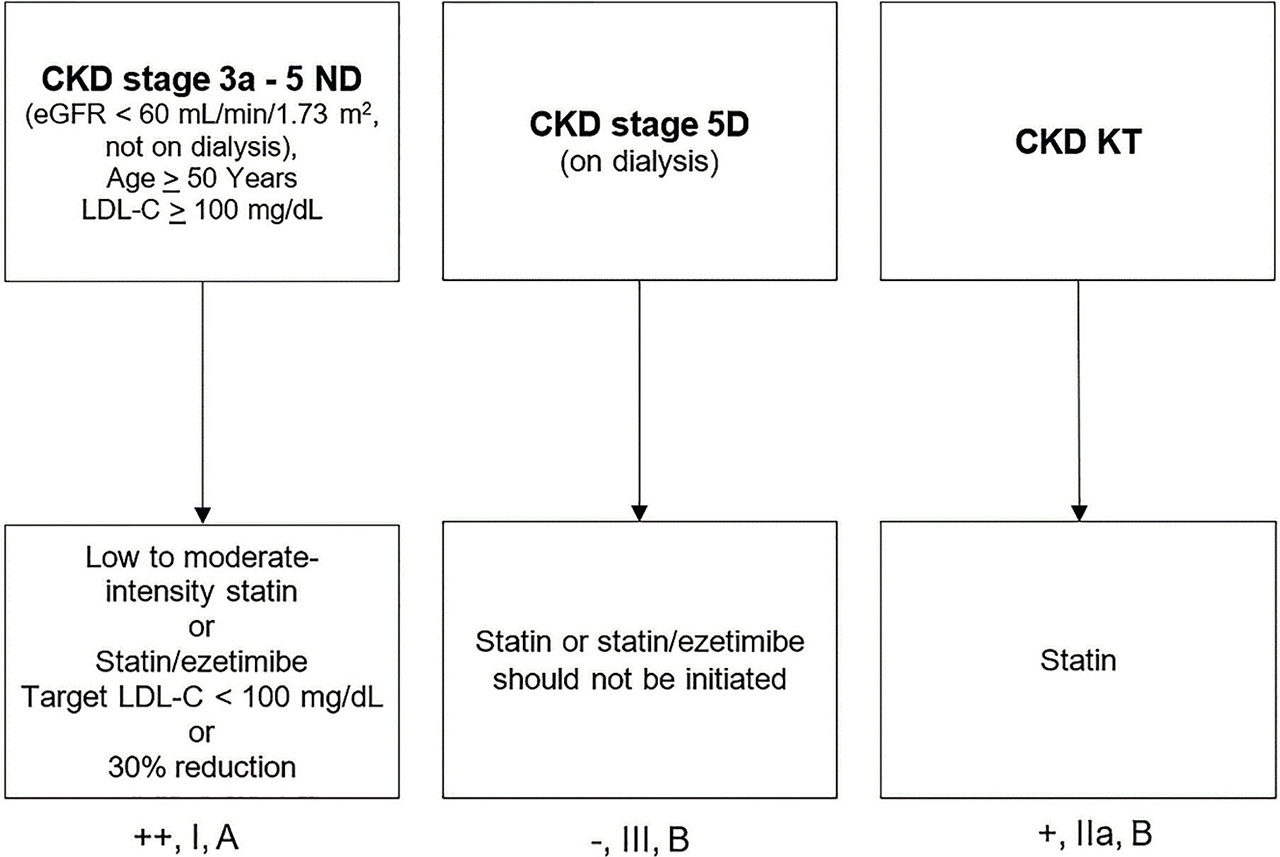
Figure 3.
Primary prevention for individuals with CKD. CKD, chronic kidney disease; D, dialysis; ND, non-dialysis; KT, kidney transplantation; eGFR, estimated glomerular filtration rate; LDL-C, low-density lipoprotein-cholesterol.
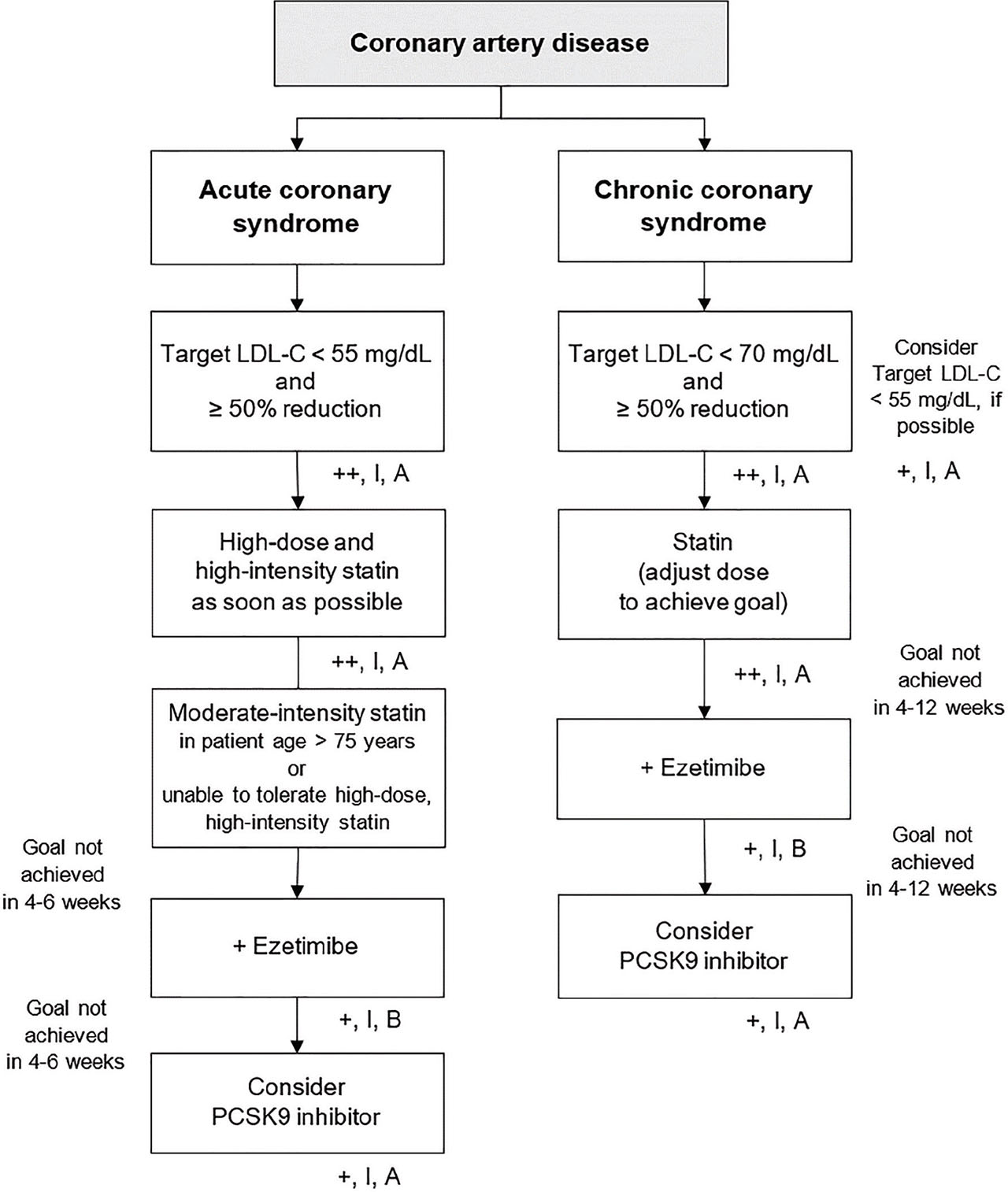
Figure 4.
Secondary prevention for individuals with coronary syndromes. LDL-C, low-density lipoprotein-cholesterol; PCSK9, proprotein convertase subtilisin/kexin type 9.
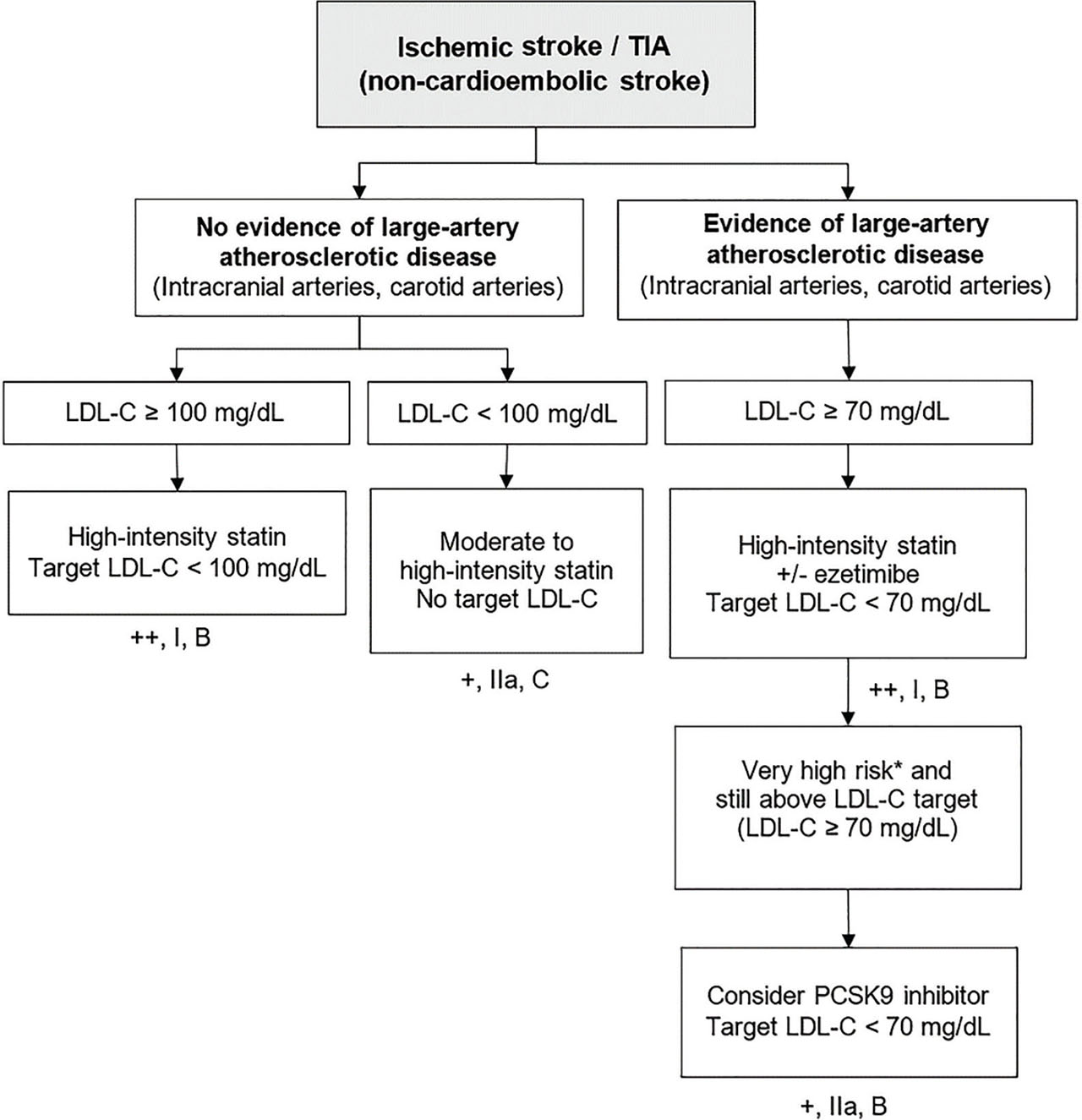
Figure 5.
Secondary prevention for individuals with cerebrovascular diseases. *Very high risk: stroke plus another major ASCVD (recent ACS, history of myocardial infarction, symptomatic peripheral arterial disease) or stroke plus multiple high-risk conditions (age ≥65 years, heterozygous FH, history of coronary artery bypass surgery or percutaneous coronary intervention outside of the major ASCVD events, diabetes, hypertension, CKD, current smoking). LDL-C, low-density lipoprotein-cholesterol; PCSK9, proprotein convertase subtilisin/kexin type 9; TIA, transient ischemic attack.
Table A1.1.
Classification of statins by LDL-C reduction efficacy
| High-intensity statin | Moderate-intensity statin | Low-intensity statin |
|---|---|---|
| Reduces LDL-C by >50% before treatment | Reduces LDL-C by approximately 30%–50% before treatment | Reduces LDL-C by <30% before treatment |
|
|
|
[ii] Notes:
Individual responses to statin medications may vary. Some patients may respond well even at lower than recommended doses.
Simvastatin 80 mg/d should not be used.
Simvastatin should not be used in combination with azole antifungals, erythromycin, clarithromycin, HIV protease inhibitors, gemfibrozil, cyclosporine, or danazol.
Simvastatin should not >10 mg/d when used with verapamil or diltiazem.
Simvastatin should not >20 mg/d when used with amiodarone, amlodipine, or ranolazine.
Caution is advised when using high-intensity statins in patients over 75 years old, those at risk of drug interactions, patients with a history of cerebral hemorrhage (not due to trauma), and those with CKD stages 3b–5.
Table A1.2.
Medications for dyslipidemia treatment
| Medications | Recommended dosage | Efficacy | Side effects |
|---|---|---|---|
| LDL-C lowering medications | |||
| Statins |
(Take once daily, preferably after dinner for simvastatin) |
|
|
| Ezetimibe (cholesterol absorption inhibitor) | Ezetimibe 10 mg/d (Take once daily) | Lowers plasma LDL-C by 10%–18% and apoB by 11%–16%. Combined with statins, reduces LDL-C by an additional 25% [69]. |
|
| Bile acid sequestrants | Cholestyramine 8–16 mg/d | Lowers plasma LDL-C levels by 15%–25% |
|
| PCSK9 monoclonal antibody |
| Lowers plasma LDL-C levels by 50%–60% |
|
| PCSK9 siRNA | Inclisiran 248 mg SC at 0, 3, then every 6 months | Lowers plasma LDL-C levels by 40%–60% |
|
| Bempedoic acid | 180 mg/d | Lowers plasma LDL-C levels by 23% when used as monotherapy, 36% when combined with ezetimibe, and 12.6%–16.5% when combined with statins |
|
| Triglyceride-lowering medications | |||
| Fibrates |
|
|
|
| Omega-3 fatty acids |
| Lower plasma TG by 20%–50% |
|
Table A2.1.
Stages of CKD
| CKD stage | eGFR (mL/min/1.73 m2) | Definition |
|---|---|---|
| Stage 1 | >90 | Normal or high |
| Stage 2 | 60–89 | Mild decrease |
| Stage 3a | 45–59 | Mild to moderate decrease |
| Stage 3b | 30–44 | Moderate to severe decrease |
| Stage 4 | 15–29 | Severe decrease |
| Stage 5 | <15 | End-stage kidney failure |
[ii] Notes:
If there is no evidence of kidney abnormalities, stages 1 and 2 do not meet the criteria for CKD diagnosis.
When reporting eGFR calculations, round the number to the nearest whole number before classifying the CKD stage. For example, if a person's eGFR is 59.64 mL/min/1.73 m2, it should be rounded to 60 mL/min/1.73 m2. If this person has other kidney abnormalities, they would be classified as stage 2 CKD, but if there are no other abnormalities, they would not be considered to have CKD.
Table A2.2.
Diagnostic criteria for albumin in urine
| Stage | AER (mg/24 h) | ACR (mg/mmol) | ACR (mg/g) | Definition |
|---|---|---|---|---|
| A1 | <30 | <3 | <30 | Normal or slightly increased |
| A2 | 30–300 | 3–30 | 30–300 | Moderately increased |
| A3 | >300 | >30 | >300 | Severely increased |
Table A2.3.
Maximum recommended doses of lipid-lowering drugs in CKD patients
| Stage 1–2 (GFR ≥60 mL/min/1.73 m2)) | Stage 3a (GFR 45–59 mL/min/1.73 m2) | Stage 3b–5 (GFR <45 mL/min/1.73 m2) | Kidney transplant | |
|---|---|---|---|---|
| Statin (mg/day) | ||||
| Atorvastatin | 40–80 | 40–80 | 20–40 | 20 |
| Fluvastatin | 80 | 80 | No data | 80 |
| Pitavastatin | 4 | 4 | 2 | No data |
| Pravastatin | 40 | 40 | 20 | 20 |
| Rosuvastatin | 40 | 20 | 10 | 5 |
| Simvastatin | 40 | 40 | 20–40 | 20 |
| Simvastatin/ezetimibe | 40/10 | 40/10 | 20/10 | 20/10 |
| Bile acid sequestrants (g/day) | ||||
| Cholestyramine | 16 | 16 | 16 | 16 |
| Fibric acid derivatives (mg/day) | ||||
| Fenofibrate | 300 | 100 | Not recommended | Not recommended |
| Fenofibrate (micronized form) | 200 | 100 | Not recommended | Not recommended |
| Fenofibrate (micronized and microcoated form) | 160 | 80 | Not recommended | Not recommended |
| Fenofibrate (nano-technology form) | 145 | 72.5 | Not recommended | Not recommended |
| Gemfibrozil | 1,200 | 1,200 | 600 | 600 |
| Pemafibrate | 0.4 | 0.4 | 0.2 | No data |
| Others (mg/day) | ||||
| Ezetimibe | 10 | 10 | 10 | 10 |
| Niacin | 2,000 | 2,000 | 1,000 | No data |
| Omega-3 fatty acids (EPA/DHA) | 4,000 | 4,000 | 4,000 | 4,000 |
| Pure EPA | 4,000 | 4,000 | 4,000 | 4,000 |
| Alirocumab | 75–150 | 75–150 | 75–150 | 75–150 |
| Evolocumab | 140–420 | 140–420 | 140–420 | 140–420 |
| Inclisiran | 284 | 284 | 284 | 284 |