
Table 1
The results of the analysis and logical synthesis of existing research findings on the influence of illumination parameters on cultivation efficiency.
| Research subject | Obtained result | Name of the authors | Research year | Ref. |
|---|---|---|---|---|
| The study of the physical principles of density distribution of the photosynthetic photon flux by methods of numerical simulation and experimental tests | The method for calculating the density distribution of the photosynthetic photon flux in greenhouse conditions has been substantiated | Castellano, S., Santamaria, P. and Serio, F. | 2016 | Castellano et al. (2016) |
| The study of productivity and obtaining photosynthetic characteristics of heat-resistant and heat-sensitive Lactuca sativa lines, depending on the duration of LED lighting exposure | The effect of different periods of red and blue spectrum LED illumination on the growth regime and photosynthetic characteristics of heat-resistant and heat-sensitive Lactuca sativa in greenhouse conditions has been studied | He, J., Kong, S. M., Choong, T. W. and Qin, L. | 2016 | He et al. (2016) |
| Evaluation of the influence of illumination quality characteristics on the amount of phytochemicals accumulated in greenhouse vegetables | A critical review and analysis of the effect of illumination quality on the amount of phytochemicals accumulated in greenhouse vegetables has been conducted. Prospective research directions in the field of LED technology for greenhouse illumination systems has been established | Zhong, H. B., Qi Ch.Ya. and Wen, K. L. | 2015 | Zhong et al. (2015) |
| Evaluation of the effect of red and blue LED illumination on improving the growth and content of bioactive compounds in Acyanic and Cyanic Ocimum basilicum L. Microgreens | It has been found that LED lighting in the blue and red regions of the spectrum has significant potential for improving growth parameters in Acyanic and Cyanic Ocimum basilicum L. Microgreens | Lobiuc, A., Vasilache, V., Pintilie, O., Stoleru, T., Burducea, M., Oroian, M. and Zamfirache, M. | 2017 | Lobiuc et al. (2017) |
| The effect of short-term red region illumination on the growth of greenhouse crops | The effect of short-term red region illumination at wavelengths from 638 to 665 nm on the quality of crops has experimentally been evaluated | Brazaitytė, A., Sakalauskienė, S., Viršilė, A., Jankauskienė, J., Samuolienė, G., Sirtautas, R., Vaštakaitė, V., Miliauskienė, J., Duchovskis, P., Novičkovas, A. and Dabašinskas, L. | 2016 | Brazaitytė et al. (2016) |
| Comparative analysis of various illumination systems for horticultural production of crops | The calculations have been carried out followed by critical analysis of various illumination systems for horticultural enterprises from the point of view of energy saving | Garcia-Caparros, P., Chica, R. M., Almansa, E. M., Rull, A., Rivas, L. A., García-Buendía, A., Barbero, F. J. and Lao, M. T. | 2017 | Garcia-Caparros et al. (2017) |
| Analysis of the current state and recent advances in the field of gardening involving LED technology | Analysis and synthesis of dependencies of various anatomical, morphological, physiological, photosynthetic and metabolic parameters on the characteristics of LED illumination | Bantis, F., Smirnakou, S., Ouzounis, T., Koukounaras, A., Ntagkas, N. and Radoglou, K. | 2018 | Bantis et al. (2018) |
| Improving the efficiency of crop production involving LED technology | It has been proved that precise control of the light power depending on environmental parameters or certain physiological parameters, as well as the energy efficiency of crop production facilities, can be optimized by adjusting the parameters of LEDs | Gómez, C. and Izzo, K. G. | 2018 | Gómez and Izzo (2018) |
| Quantitative evaluation of changes in growth, metabolism, yield and composition of flour in wheat, depending on the spectral composition and intensity of LED illumination | It has been proved that LEDs are an effective tool for experimental cultivation of wheat, and they also allow optimizing growth conditions, metabolic processes, yield parameters and product quality | Monostori, I., Heilmann, M., Kocsy, G., Rakszegi, M., Ahres, M., Altenbach, S. B., Szalai, G., Pál, M., Toldi, D., Simon-Sarkadi, L., Harnos, N., Galiba, G. and Darko, E. | 2018 | Monostori et al. (2018) |
| The influence of the spectral composition of white LEDs on the growth of Spinach (Spinacia oleracea) | The results showed that different methods of illumination affect Spinach growth parameters differently | Burattini, C., Mattoni, B. and Bisegna, F. | 2017 | Burattini et al. (2017) |
| Solar radiation distribution inside a greenhouse prototypal with photovoltaic mobile plant and effects on flower growth | The patterns of distribution of solar radiation, the dynamics of temperature and humidity, as well as the intensity of illumination and the resulting indicators of floristic production have been obtained | Colantoni, A., Monarca, D., Marucci, A., Cecchini, M., Zambon, I., Di Battista, F., Maccario, D., Saporito, M. G. and Beruto, M. | 2018 | Colantoni et al. (2018) |
| Quantitative evaluation of the effect of various types of light sources on the parameters of pepper seedling growth | The effect of the intensity and spectral composition of various sources of artificial light on the qualitative and quantitative characteristics of pepper seedlings has been analyzed | Demirsoy, M., Balkaya, A. and Kandemir, D. | 2018 | Demirsoy et al. (2018) |
| The effect of long-lasting LED illumination of the red and blue regions of the spectrum on the anatomy of the leaves and the photosynthetic efficiency of ornamental plants | Leaf anatomy, stomatal traits and conductance, leaf hydraulic conductance, and photosynthetic efficiency were investigated in ornamental plants after eight weeks under LED light | Zheng, L. and Van Labeke, M. | 2017 | Zheng and Van Labeke (2017) |
| The study of the effect of continuous illumination of the red, blue and green LEDs on the reduction of nitrate content and enhancement of phytochemical concentrations | The possibility of round-the-clock continuous use of red and blue LEDs in combination with green light to reduce nitrate content and improve the quality of the salad has been established | Bian, Z., Cheng, R., Yang, Q., Wang, J. and Lu, C. | 2016 | Bian et al. (2016) |
Table 2
Regulated information about the illumination regimes under protected horticulture conditions.
| Regulated information | Name of the authors or organizations | Research year | Ref. |
|---|---|---|---|
| The requirements for locations of measuring, frequency and accuracy of metrical control of effective illumination in greenhouse conditions are regulated: at canopy level, in center of growing area; preferably continuous, but not least hourly; total relative error should not exceed ± 10% | Both, A. J., Benjamin, L., Franklin, J., Holroyd, G., Incoll, L. D., Lefsrud, M. G. and Pitkin, G. | 2015 | Both et al. (2015) |
| The optimal light regimes for growing crops in greenhouse conditions have been established: for tomatoes – from 10,000 to 15,000 lx; for pepper – about 5,500 lx during 18 hr | Food and Agriculture Organization of the United Nations | 2017 | Food and Agriculture Organization of the United Nations (2017) |
| It is stated that effective illumination is a mandatory parameter for regulating the carbon dioxide content in the crop growing area, as well as for controlling the temperature regime for growing greenhouse crops | American Society of Agricultural and Biological Engineers; Food and Agriculture Organization of the United Nations | 2008; 2013 | American Society of Agricultural and Biological Engineers (2008), Food and Agriculture Organization of the United Nations (2013) |
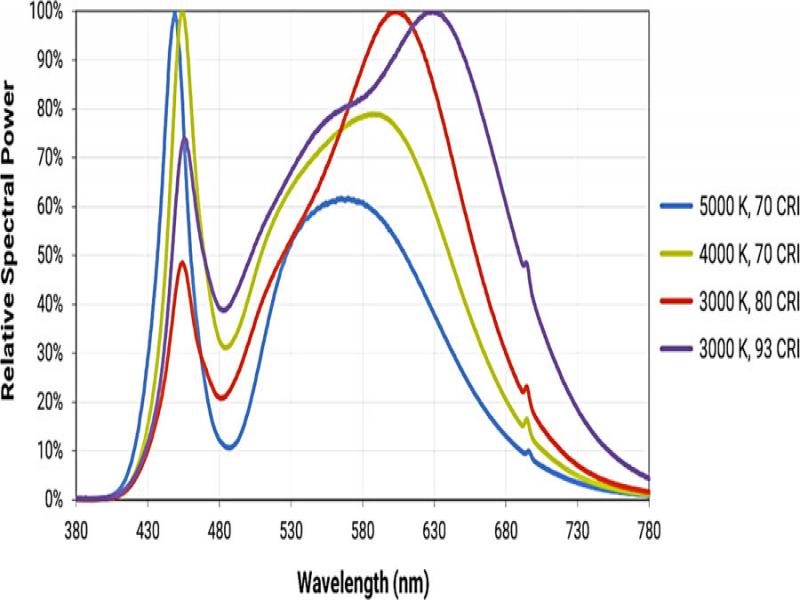
Figure 1
Spectral characteristics of COB Cree CXA1304 LEDs [41].
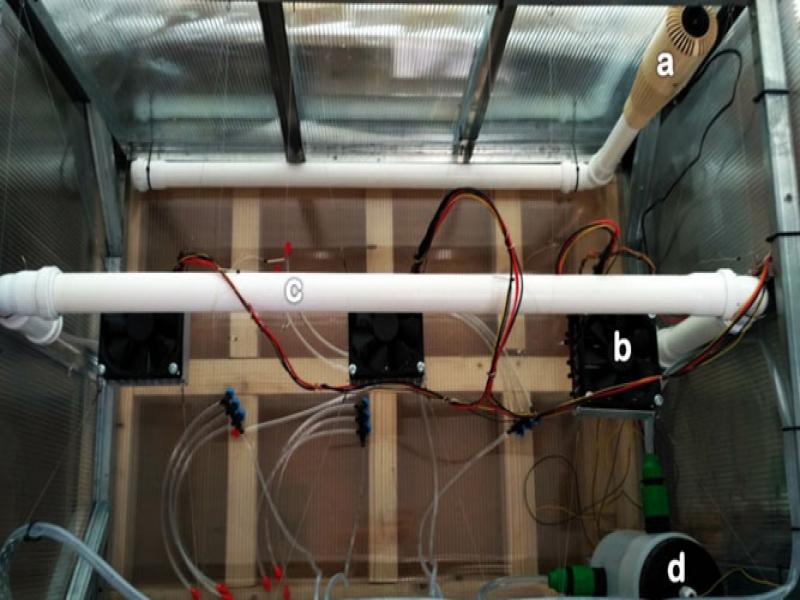
Figure 2
Photo of the technical implementation of the laboratory greenhouse heating system (a – heating subsystem; b – artificial lighting subsystem; c – air humidification subsystem; and d – drip irrigation subsystem).
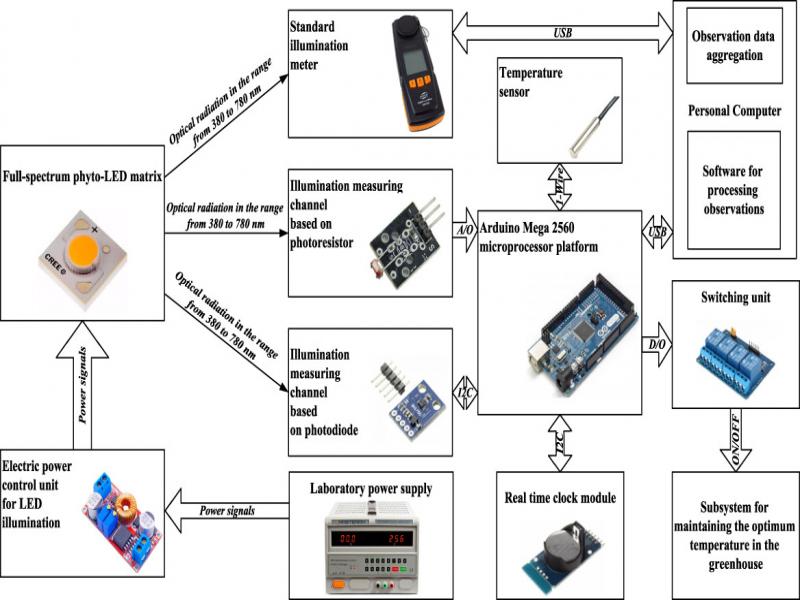
Figure 3
Block diagram of the implementation of the method for evaluating the metrological characteristics of illumination sensors.
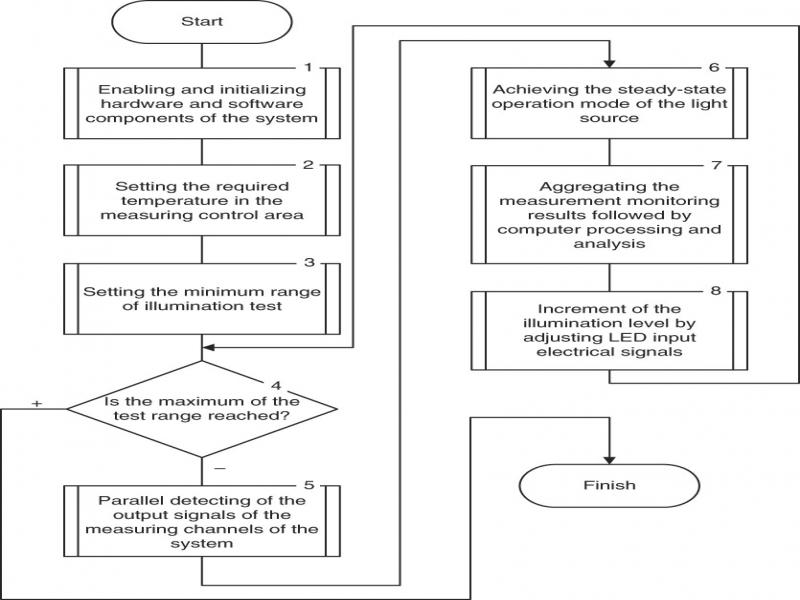
Figure 4
Algorithm for conducting laboratory tests of the system under study.
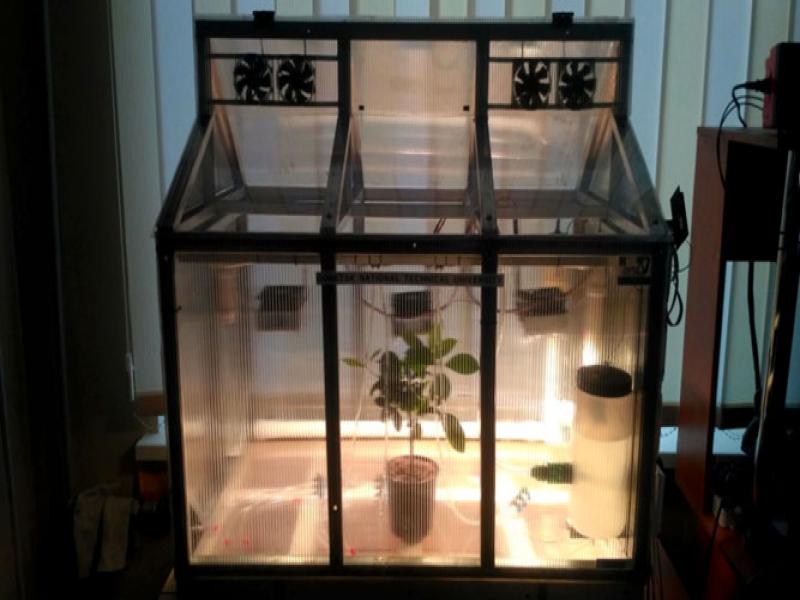
Figure 5
Photo of the laboratory computerized greenhouse.
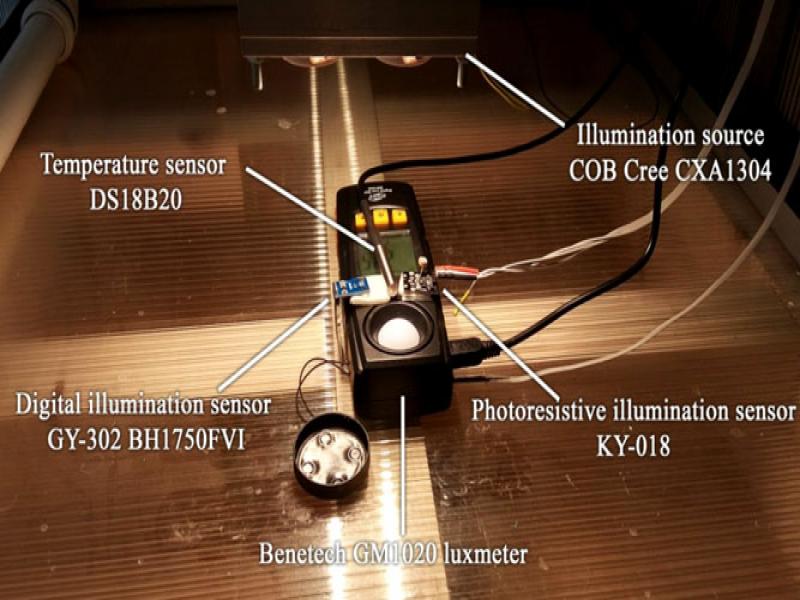
Figure 6
Physical configuration of the setup for recording the conversion characteristics of the illumination sensors under testing.
Table 3
Technical characteristics of illumination sensors under testing.
| Integrated sensor GY-302 BH1750FVI based on photodiode | KY-018 module based on photoresistor |
|---|---|
| It has a direct digital output; it is insensitive to background light; spectral response is close to visual sensitivity; supply voltage ranges from 3 to 5 V; working range of measurements is from 0 to 105 lx; I2C connection interface | Built on the basis of the VT83N1 photoresistor type, which relates to sensors of a parametric type and is included in the voltage divider circuit; it allows measuring in the working range from 10 to 104 lx with a relative error of no more than ±10% |
Table 4
Basic technical specifications of the Benetech GM1020 luxmeter.
| Specification, unit | The value specified by the manufacturer |
|---|---|
| Range of illumination measuring, lx | From 0 to 2·105 |
| Illumination measurement error, % | ±3 (to 104 lx); ±4 (above 104 lx) |
| Operating temperature range, °С | From 0 to 40°С |
| Measurement speed, units·sec−1 | 2 |
| Additional functionality | USB interface; specialized software; built-in temperature meter |
Table 5
Technical Specifications of COB Cree CXA1304 LEDs.
| Specification, unit | The value specified by the manufacturer |
|---|---|
| Power supply, V | From 9 to 10.5 |
| Maximum power, W | 9 |
| Color temperature, K | 3,000 |
| Color rendering, CRI | From 93 to 95 |
| Brightness, lm | From 330 to 366 |
| Beam angle, ° | 115 |
| Operating temperature, °C | From −40 to 85 |
Table 6
Emission characteristics of a LED under operation mode of 3.6 W.
| Units | 0.1 m above the surface | 0.2 m above the surface | 0.3 m above the surface |
|---|---|---|---|
| PAR, µmol·m−2·s−1 | 170 | 51 | 24.5 |
| Illumination, lx | 10,400 | 3,010 | 1,450 |
| Power, W·m−2 | 34.8 | 10.5 | 5 |
Table 7
Technical specifications of XL4015E1-based DC-DC converters.
| Parameter, units | The value specified by the manufacturer |
|---|---|
| Voltage input, V | From 8 to 36 |
| Voltage output, V | From 1.25 to 32 |
| Current output, А | 5 |
| Power output, W | 75 |
| Frequency, kHz | 180 |
| Efficiency, % | 95 |
| Operating temperature, °C | From –40 to +85 |
Table 8.
Technical specifications of the DS18B20 sensor.
| Parameter, units | The value specified by the manufacturer |
|---|---|
| Power supply voltage, V | From 3.5 to 5.5 |
| Operating temperature range, °C | From −55 to 125 |
| Relative error of temperature measurement, % | ±0.5 |
| Conversion time, ms | 750 |
Table 9
Technical specifications of the heating element of the greenhouse heating system.
| Parameter, unit. | Mode А | Mode В |
|---|---|---|
| Heating element power, W | 165 | 330 |
| Output air temperature, °C | 40±5 | 55±6 |
| Productivity, m3·sec−1 | 3·10−3 | 6.3·10−3 |
| Energy efficiency of the heating element, kW·h−1 | 0.17 | 0.33 |
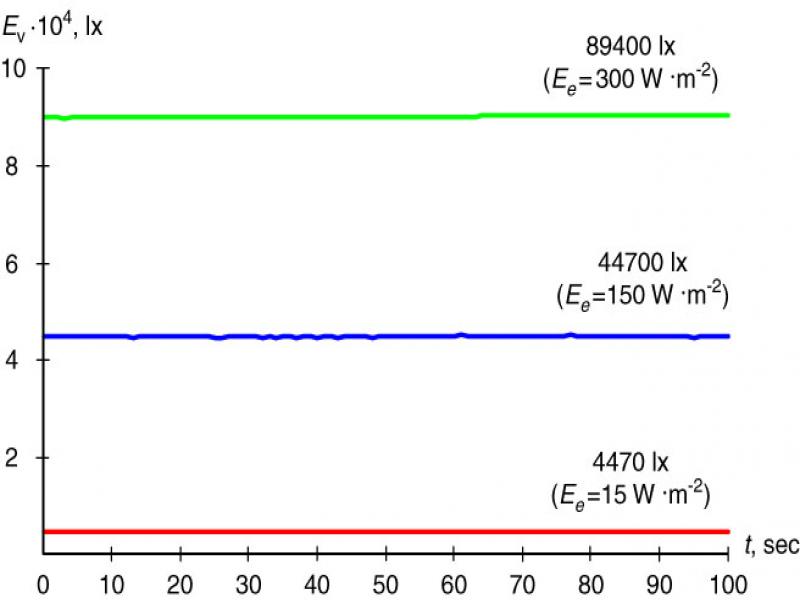
Figure 7
Illumination change measured by means of standard Benetech GM1020 luxmeter.
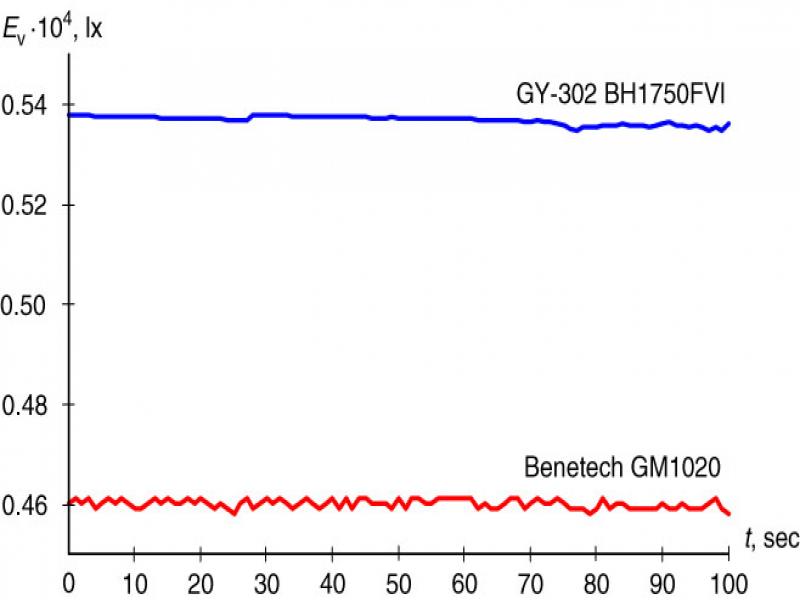
Figure 8
Illumination measurement results for 4,470 lx (15 W·m−2).
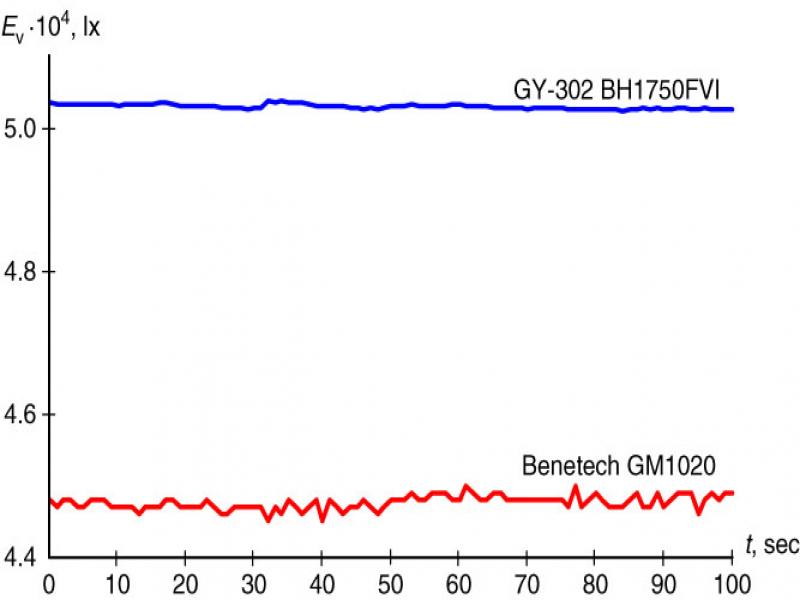
Figure 9
Illumination measurement results for 44,700 lx (150 W·m−2).
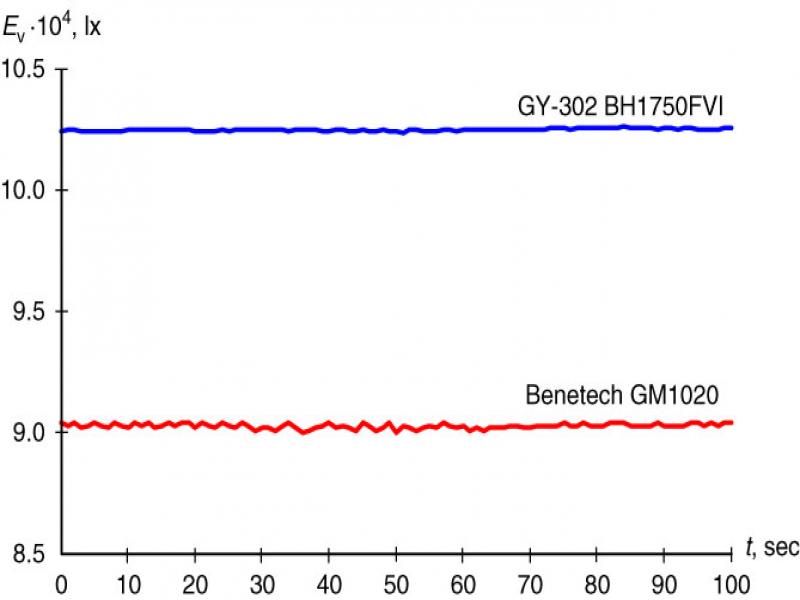
Figure 10
Illumination measurement results for 89,400 lx (300 W·m−2).
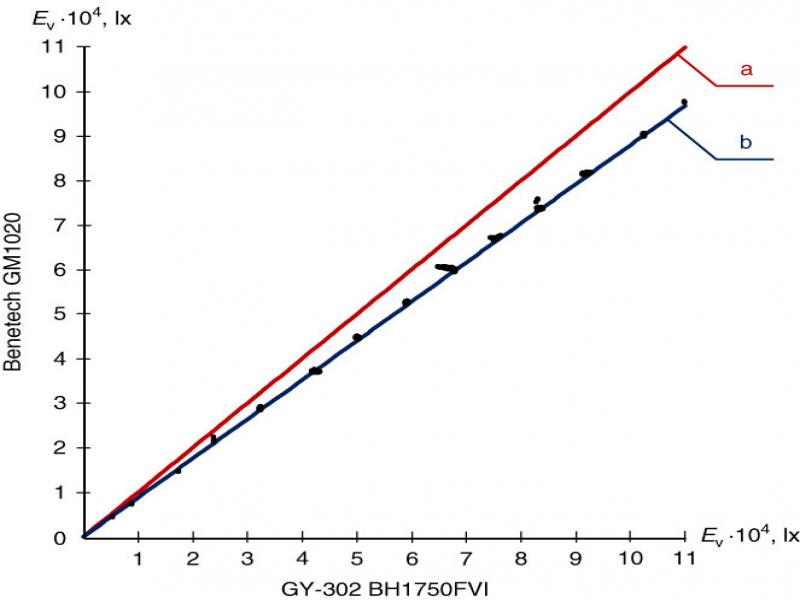
Figure 11
Graphic comparison of the illumination measurement results obtained by GY-302 BH1750FVI sensor with those of the standard luxmeter Benetech GM1020.
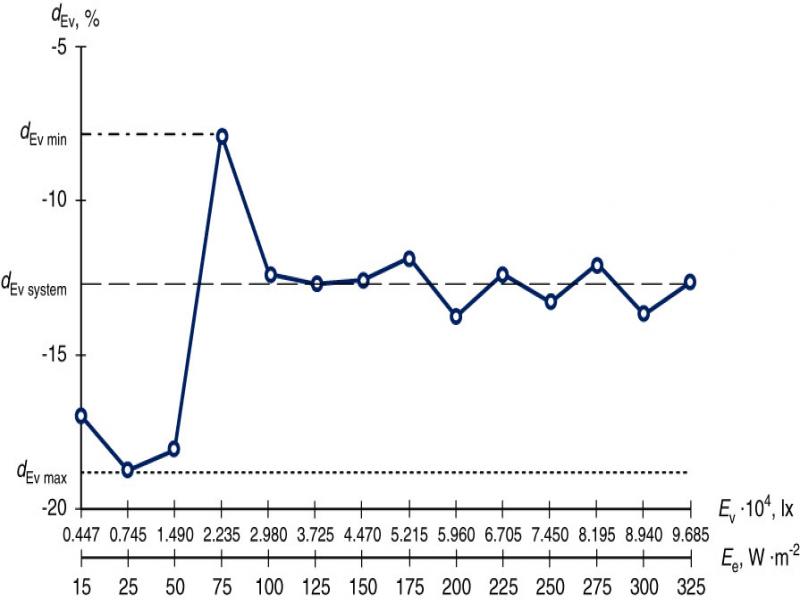
Figure 12
The change in the relative error of illumination measurement of the GY-302 BH1750FVI sensor due to its measured value.
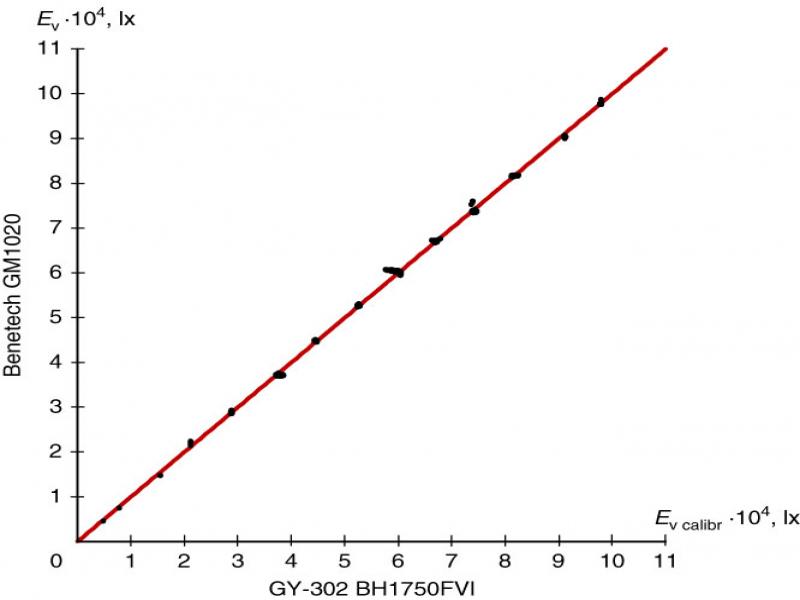
Figure 13
Graphic comparison of the illumination measurement results obtained by the GY-302 BH1750FVI sensor with those of the standard luxmeter of the Benetech GM1020 type by means of the linear calibration equation.
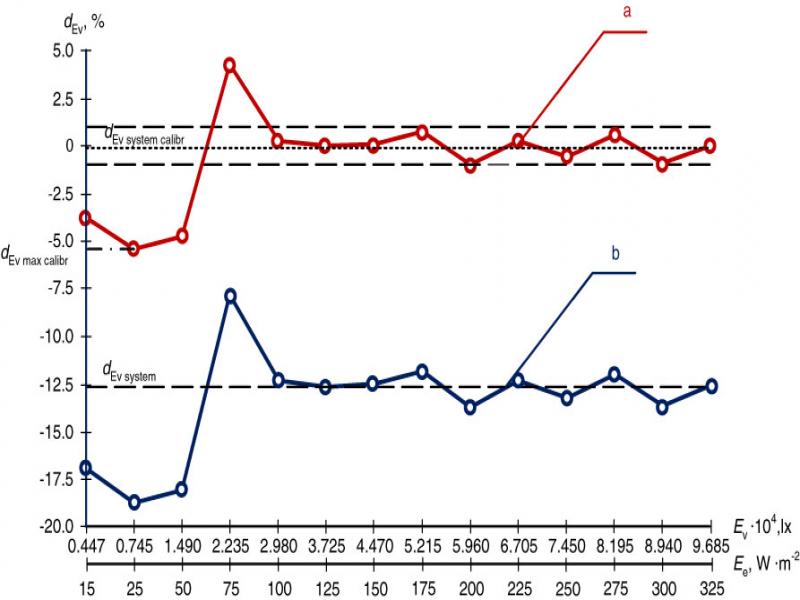
Figure 14
The change in the relative error of the GY-302 BH1750FVI sensor from its measured value before (b) and after using the calibration equation (a).
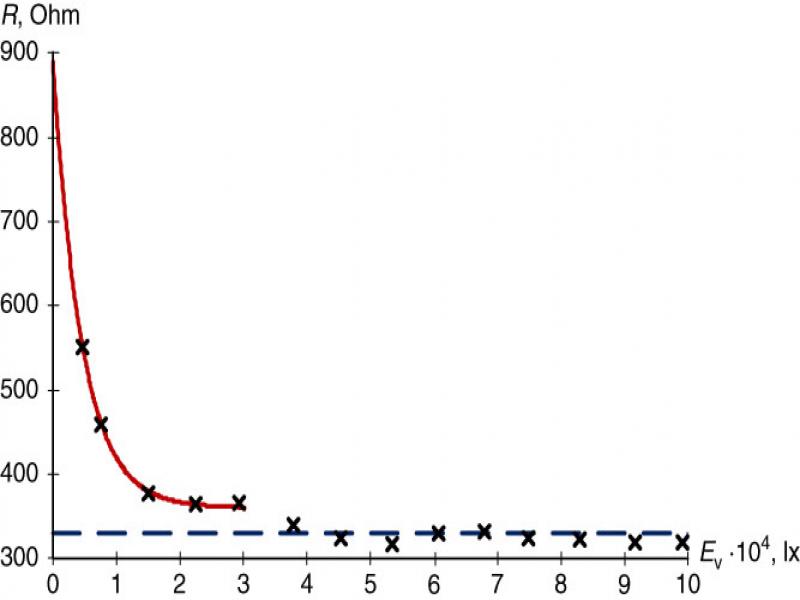
Figure 15
Resistance change of KY-018 VT83N1 module due to illumination.
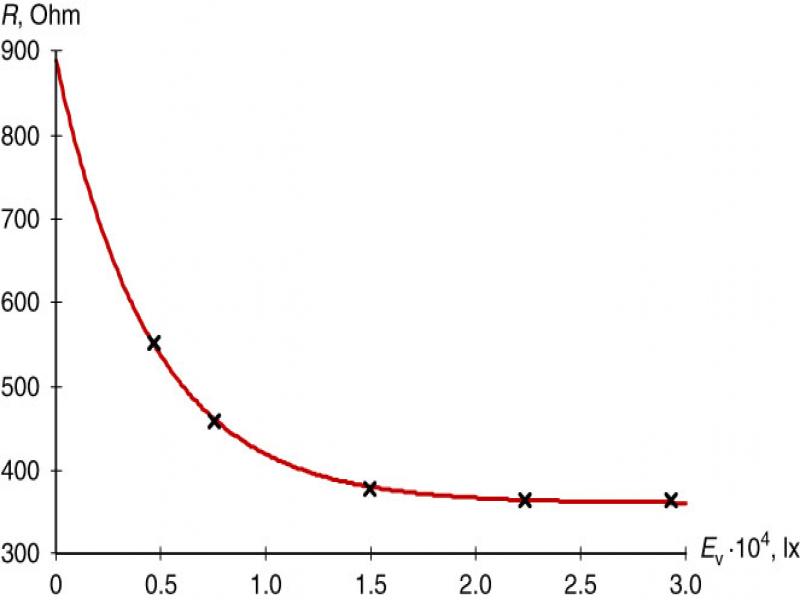
Figure 16
Conversion characteristics of KY-018 module due to illumination change to 30,000 lx.
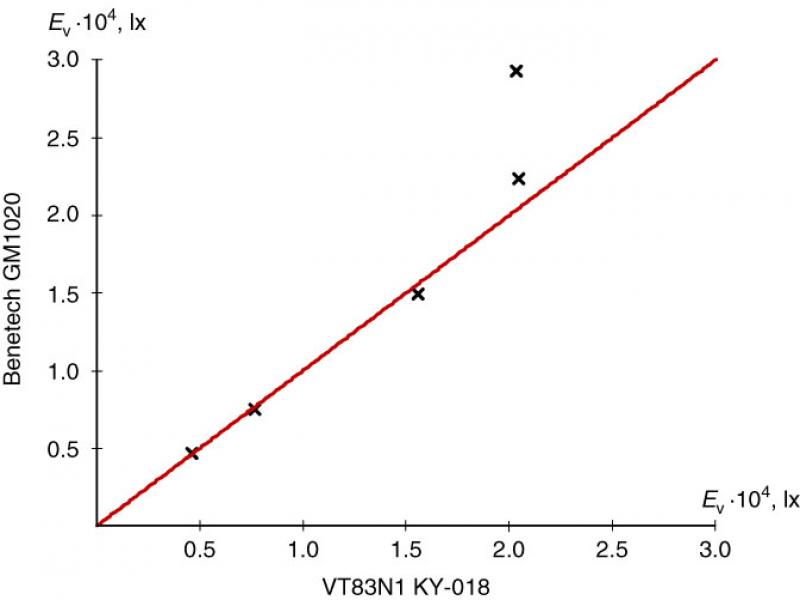
Figure 17
Graphic comparison of the illumination measurement results obtained by VT83N1 photoresistor of KY-018 module with those of the standard Benetech GM1020 luxmeter.
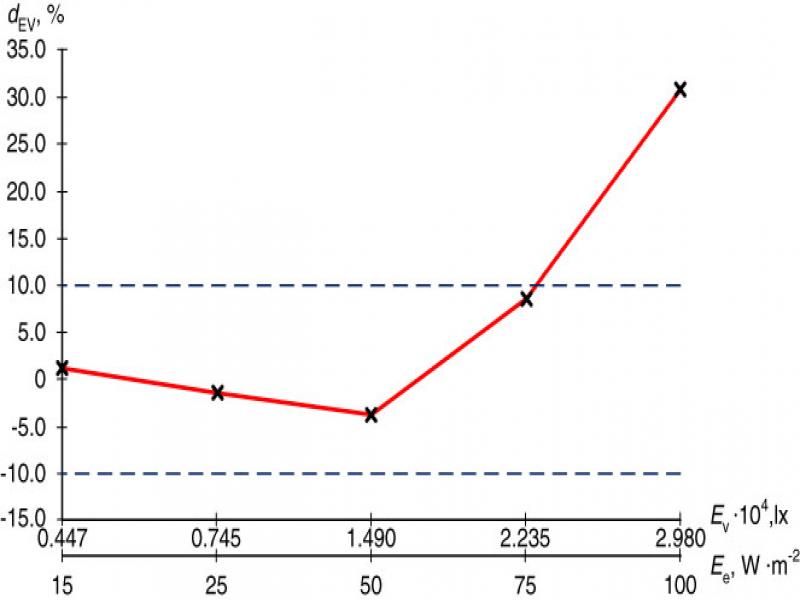
Figure 18
The change in the relative illumination measurement error by means of VT83N1 photoresistor of KY-018 module due to its measured value.