Have a personal or library account? Click to login
Design and Analysis of a Robotic Arm for a Commercial Flight Simulator Cover

Design and Analysis of a Robotic Arm for a Commercial Flight Simulator

By: El-Sadi Haifa and  John Connolly  
Open Access
|Feb 2022

Figures & Tables

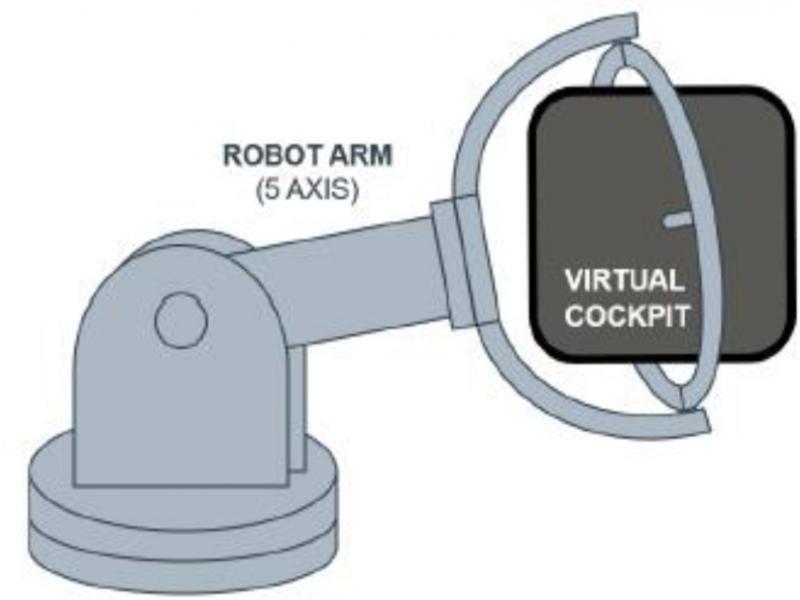
Figure 1.

Basic robot configuration
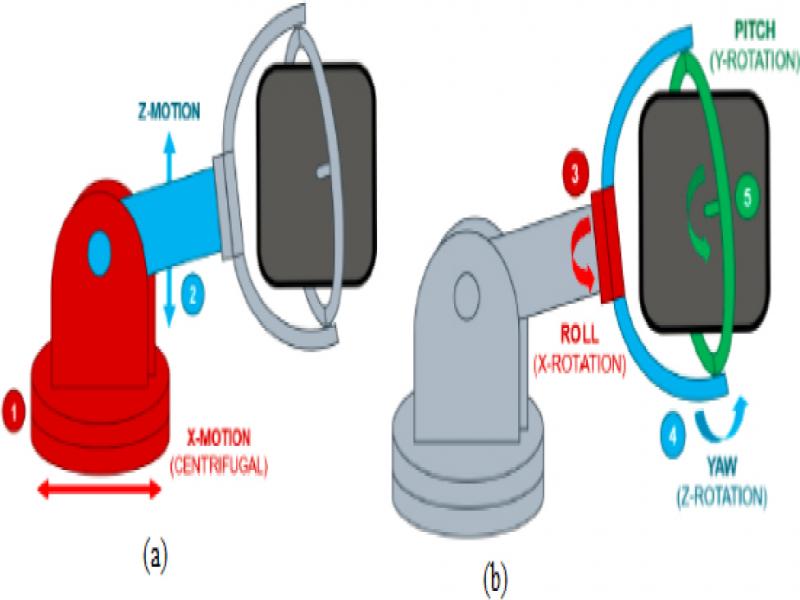

Figure 2.

(a) Shoulder and arm function (simulated translational motion), (b) Gyroscopic wrist function (rotational motion)
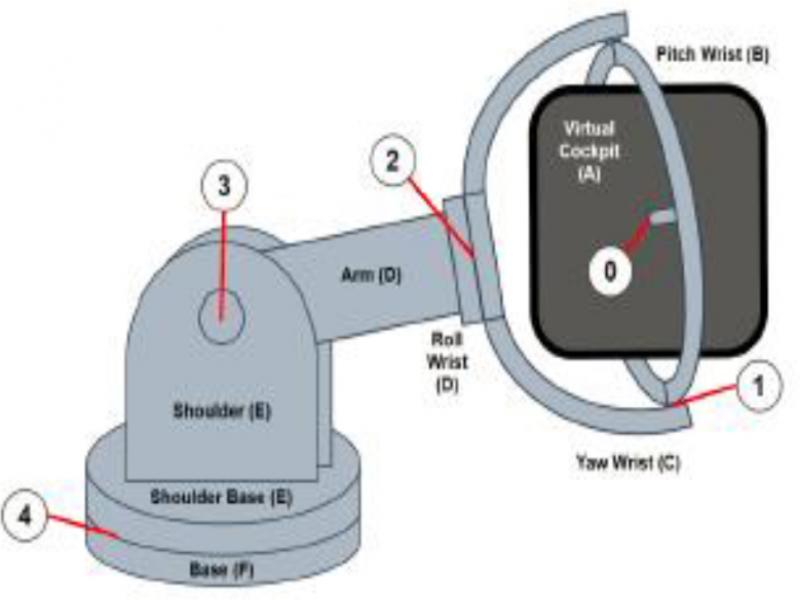

Figure 3.

Robot Components (A-F) Robot Joints (0-4)
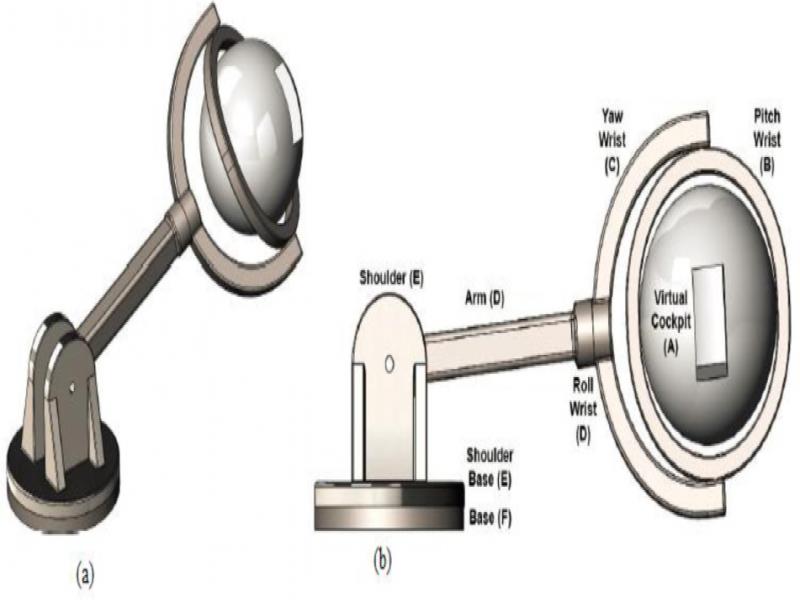

Figure 4.

Simulator Isometric view (a) Labeled components (b)
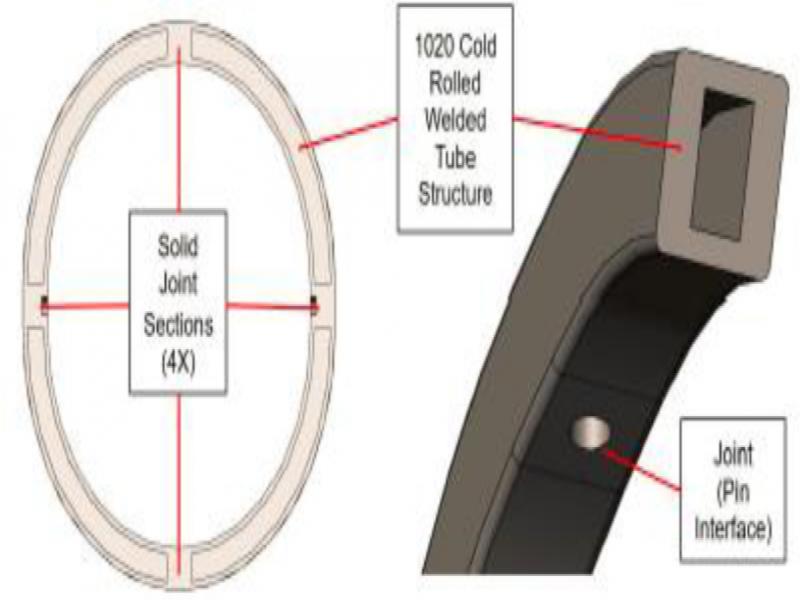

Figure 5.

Pitch wrist cross section and structure
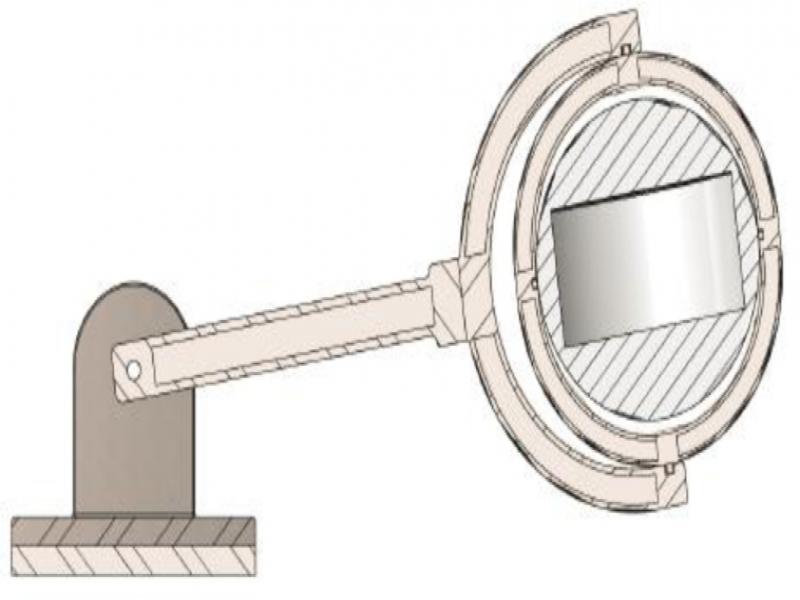

Figure 6.

Robot Cross Section
Robot Cross Section

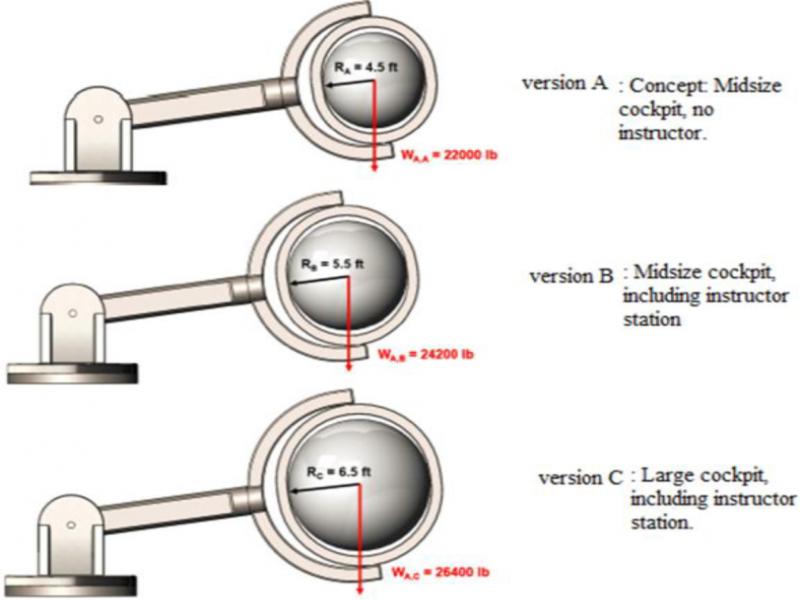
Figure 7.

Different versions of cockpit
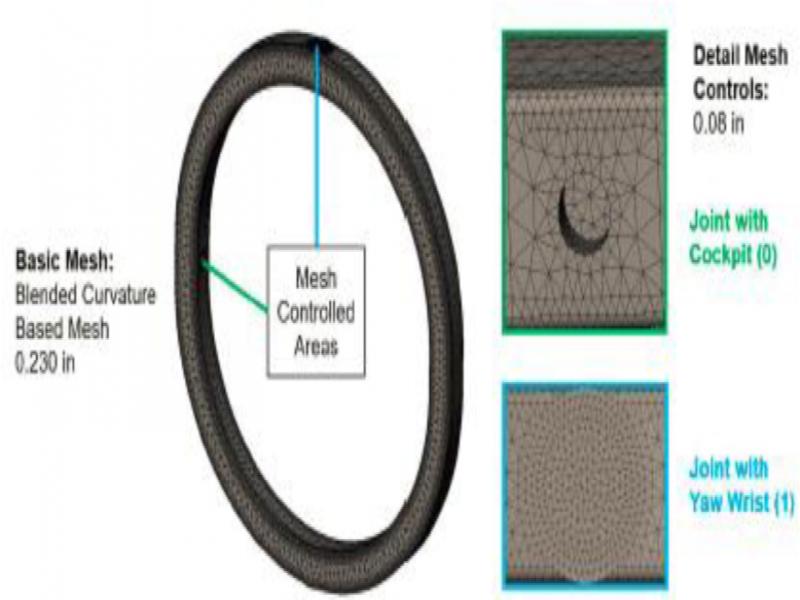

Figure 8.

Mesh details for the pitch wrist component (version A)
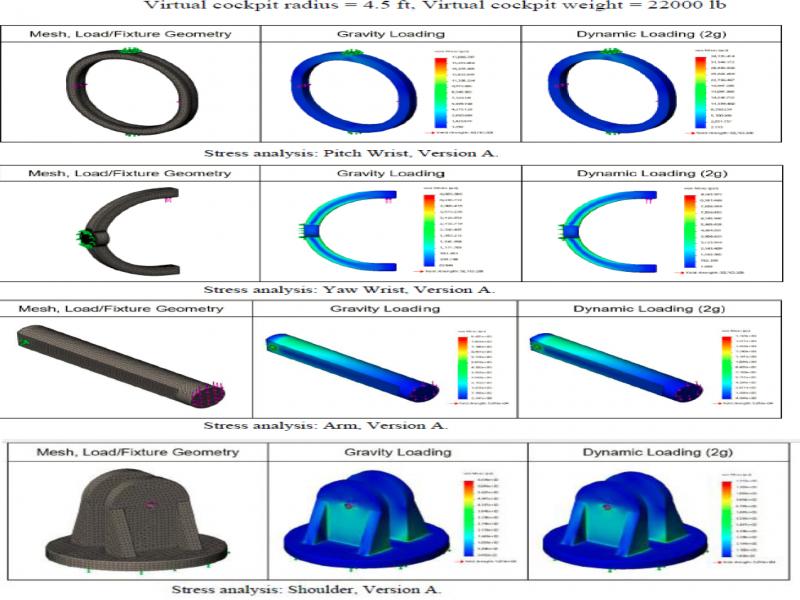

Figure 9.

Stress analysis of version A
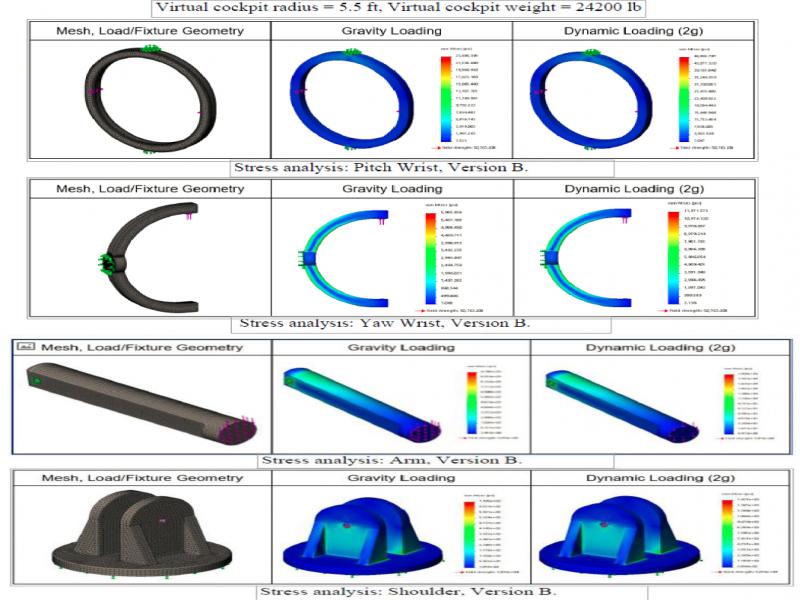

Figure 10.

Stress analysis of version B
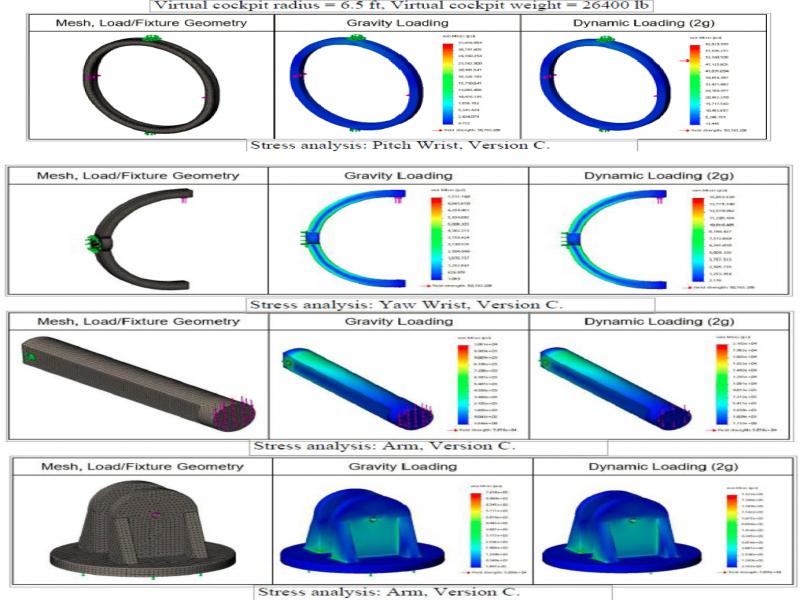

Figure 11.

Stress analysis of version C
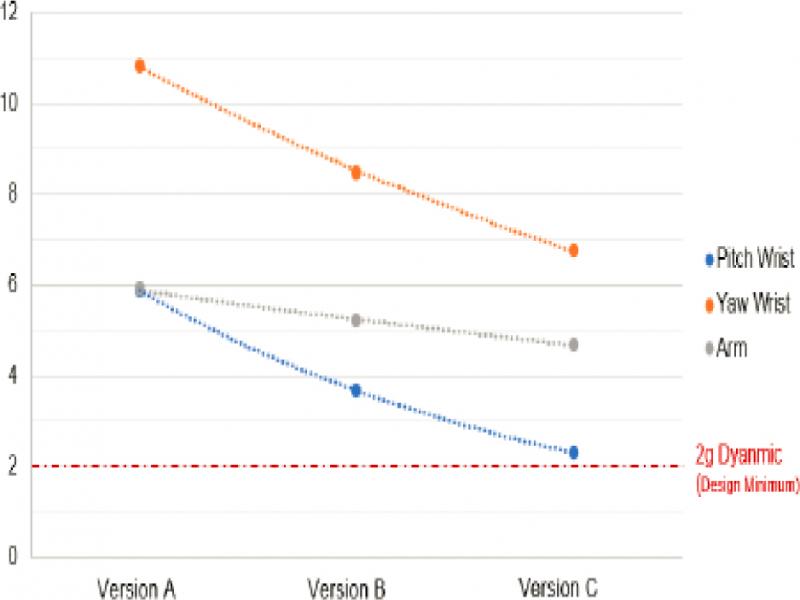

Figure 12.

Gravity Loading Minimum Factor of Safety

Max simulator acceleration results

SimulatorConfigurationMaximum SystemAcceleration
Version A5.11g
Version B3.21g
Version C2.00g
Language: English
Page range: 72 - 77
Published on: Feb 22, 2022
In partnership with: Paradigm Publishing Services
Publication frequency: 4 issues per year

© 2022 El-Sadi Haifa, John Connolly, published by Xi’an Technological University
This work is licensed under the Creative Commons Attribution 4.0 License.