I. Introduction
In the modern battlefield, it is very important to accurately evaluate the target’s electromagnetic interference and threat level, and reasonably formulate the fighter combat strategy, literature [1] points out that it is very important to improve the survival probability of fighter in battlefield. Literature [2] says that in fact, it is a very ideal state to calculate according to the real battlefield data. In the experimental stage of the algorithm, we need to simulate the flight data and radar data of the fighter in the battlefield through the computer simulation technology, and then carry out the level evaluation according to the simulation data to get the order of the threat coefficient, so as to provide reliable reference data for the formulation of the fighter combat strategy [3-5].
The research of this subject is divided into two modules, one is the realization of simulation model in distributed simulation system, which is realized by MFC in vs environment, the other is Qt development environment, which uses C + + language to realize the assessment of emitter threat.
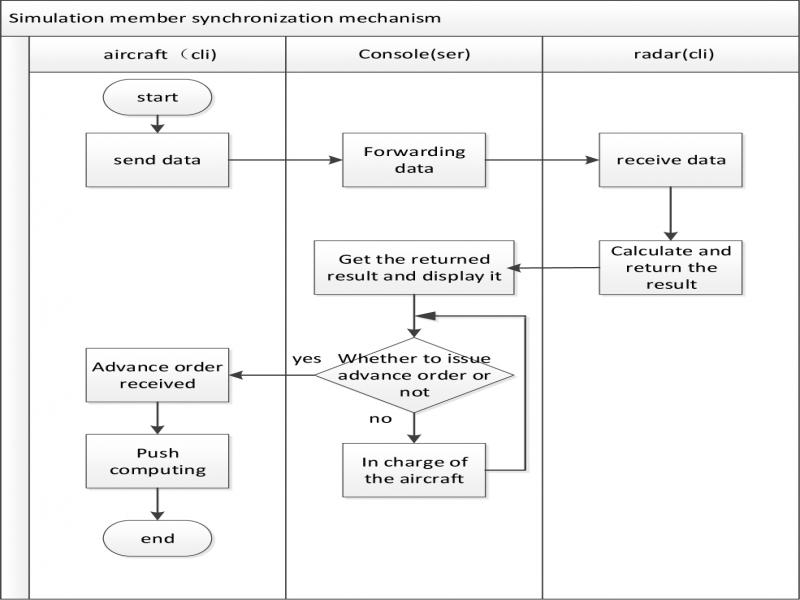
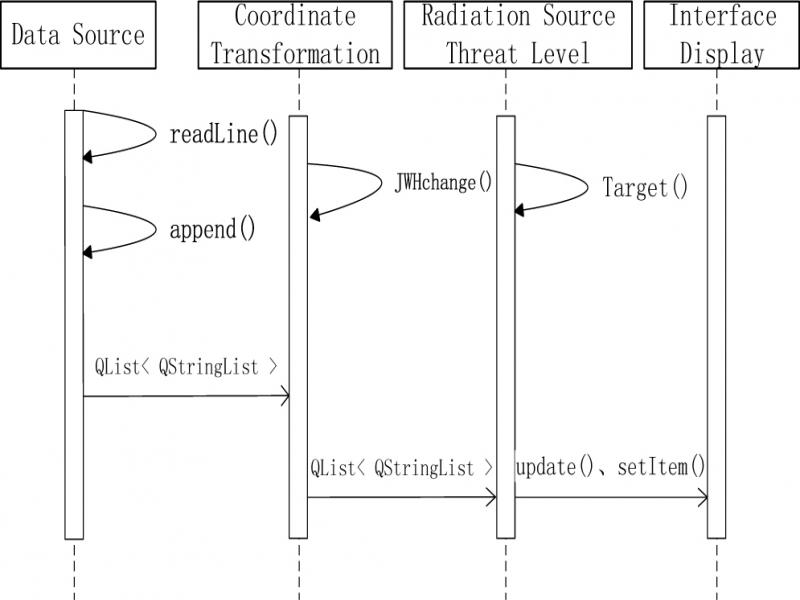
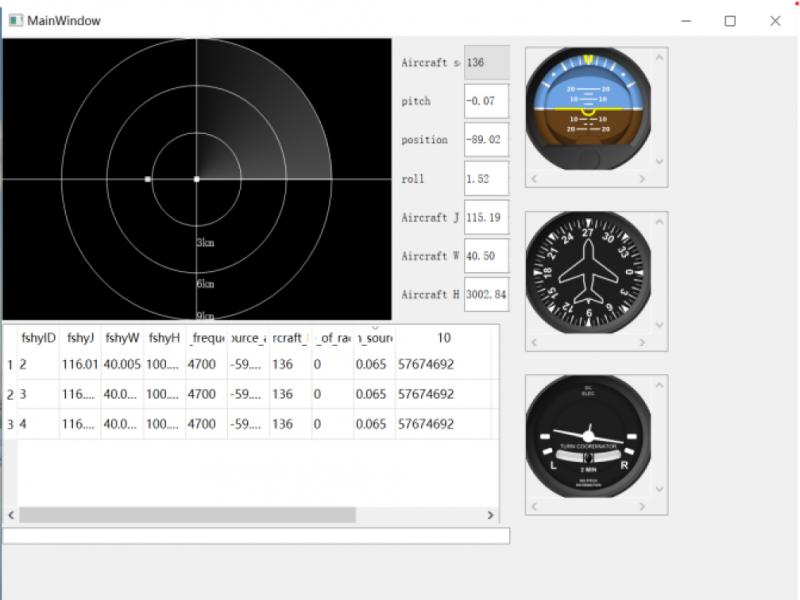
In the flight trajectory of aircraft in simulated battlefield and the detection of ground radar, the data of combat object in battlefield is simulated by constructing distributed simulation system. Secondly, the modeling and simulation system of Emitter Threat Level Evaluation in penetration operation is constructed. The system can realize the evaluation of the threat level coefficient of the aircraft to the emitter. The data of the aircraft and the data of each emitter obtained from the data source simulation files are transformed through coordinates and the modeling of aircraft warning radar, The data ranking of the threat coefficient of radiation source to aircraft can be obtained. The interface of the system can see the position of the aircraft in the geographical coordinate system, the attitude angle of the aircraft and the corresponding dashboard display of each attitude angle. At the same time, it can intuitively see the position of the radiation source relative to the aircraft, and the data of the radiation source sorted according to the threat level. This is conducive to the fighter in the battlefield real-time combat strategy, improve the survival probability of the fighter in the battlefield has important practical significance.
II. simulation system
A. Construction target
With the development of modern electronic battlefield technology, more and more advanced weapons are put in. The addition of early warning radar, radar jamming, missile attack and other radiation sources leads to the short-term survival probability of fighters in the battlefield [6]. In order to make fighter play an efficient and long-term role in the modern electronic battlefield, it is necessary to calculate the real-time data of fighter and radar, and formulate a reasonable and efficient strategy for fighter [7]. Therefore, in order to ensure the survival probability of the fighter, we use simulation technology to simulate the flight trajectory of the fighter in the battlefield, as well as the data of the radar. Through the propulsion of the unit step, we can get the real-time data of the aircraft and the radar in each step, and then get the real-time data [8].
According to the simulation data, through coordinate transformation and level evaluation model, the order of the threat coefficient of aircraft radiation source at the current time is obtained.
B. The composition of simulation system
As shown in Figure 1, the simulation system is mainly composed of two parts: simulation model and simulation platform.
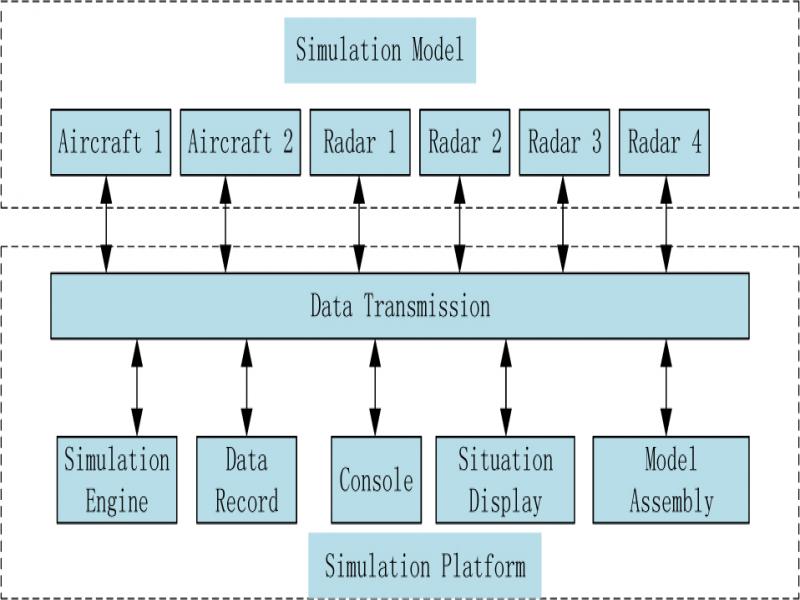
Figure 1.
Simulation System Framework
The simulation model mainly includes aircraft 1, aircraft 2, radar 1, radar 2, radar 3, radar 4 and other combat objects.
The simulation platform mainly includes simulation engine, data recording, situation display, model assembly, console and so on.
III. Simulation model of simulation system
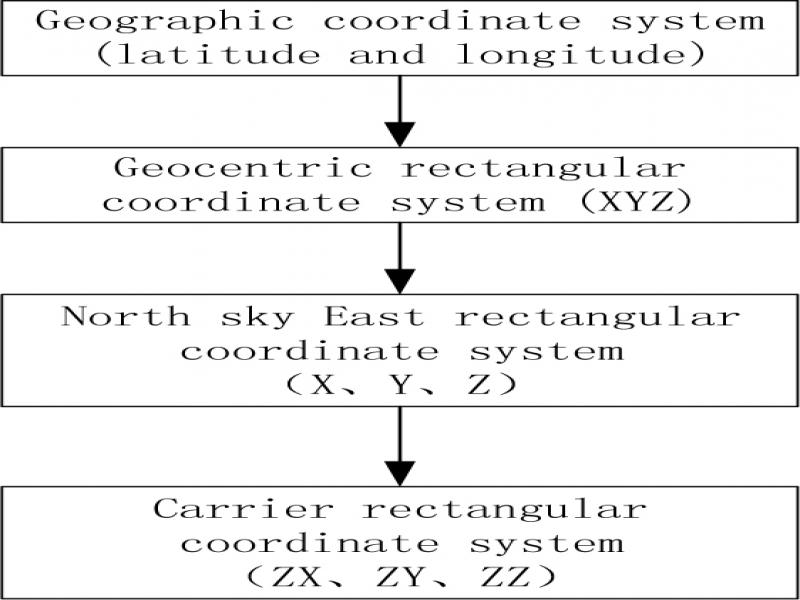
The main models used in the simulation system are aircraft radar model, ground radar model, coordinate transformation model, threat level assessment model, and the results of aircraft operation are displayed.
A. Detection model of ground early warning radar and aircraft radar
The key to the establishment of ground radar model is the radar detection range equation, that is, the calculation of echo signal power. The simplified formula of ground early warning radar and aircraft radar is as follows:
The detection equation of ground early warning radar is as follows:
Aircraft radar detection equation:
The meaning of each parameter in the formula is shown in Table 1.
TABLE I.
Parameters of ground to air radar detection equation
| Parameter | Explain | |||
|---|---|---|---|---|
| Pgt | Transmitter power of ground early warning radar | |||
| Ggt | Antenna gain of ground early warning radar | |||
| Gr | Aircraft radar antenna gain | |||
| λ | wavelength | |||
| σ | Radar cross section of target | |||
| R | Distance between ground early warning radar and aircraft | |||
| Pgr | Target echo power received by ground early warning radar | |||
| Pr | Signal power of ground early warning radar received by aircraft radar |
| Condition | Discriminant results | |||
|---|---|---|---|---|

| Not detected | |||

| Detected | |||

| Not detected | |||

| Detected |
| Serial Number | Threat Factor | Importance of Threat Factors Rj | Importance of Standardization Kj | Weight Ci |
|---|---|---|---|---|
| 1 | type | 4 | 24 | 0.72727 |
| 2 | frequency | 3 | 6 | 0.18181 |
| 3 | distance | 2 | 2 | 0.06061 |
| 4 | position | 1 | 1 | 0.03031 |
| total | 33 | 1.000 |