
Table 1
Examples of broadcast media content.
| Categories | Screenshot | Source | Description |
|---|---|---|---|
| Newsreel | 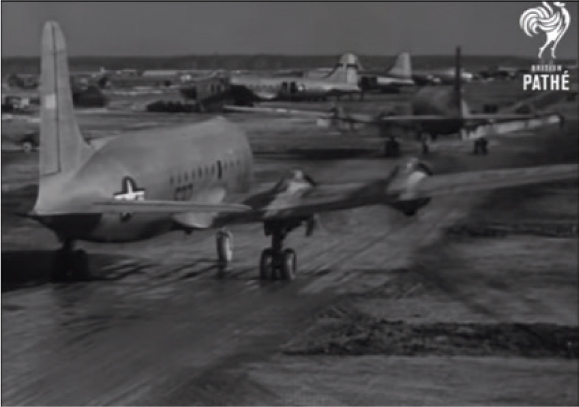 | Berlin Air Lift (1949) | British Pathé newsreel -describing a typical -American airlift over Berlin. |
| News reportage | 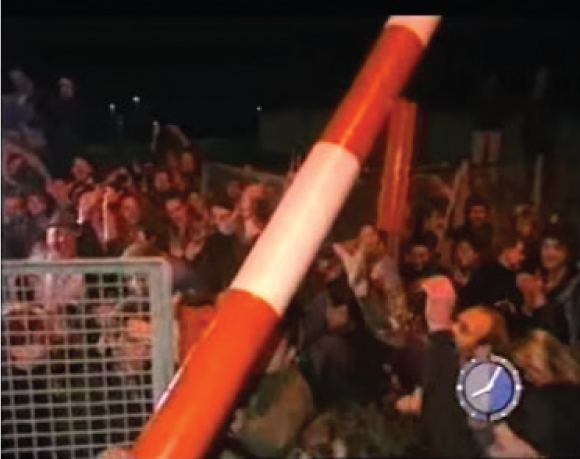 | The Fall of the Berlin Wall (Part 1) –East Germany opens the gates (BBC news 9th November 1989) | A BBC television news -coverage reporting from Berlin on the night the borders to West Berlin were opened. |
| Documentary | 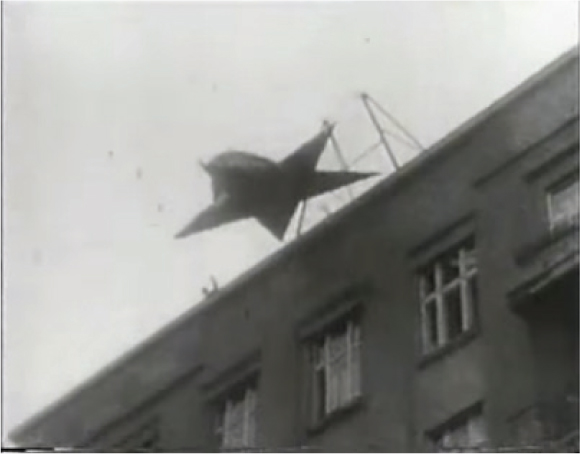 | Hungary 1956 – Part 2 | A non-fiction documentary showing footage of what was happening in the streets of Budapest in 1956. |
| T | Now, think about all the sources we’ve mentioned, read, discussed … watched. Do these moving-images support what we’ve seen here—the photographs, what I’ve read out? |
| Franklin | Yes. |
| T | How do they support them? |
| Kelvin | Because there you are reading and there you are seeing who said those words, who experienced those times. |
| T | Ok. But is there consistency between the photographs, personal accounts, what we saw? How is this consistency shown? |
| Kyle | When the video started, we saw people queuing outside a shop. And in the video we also saw people waiting outside. |
Video 1
Extracts shown in class: 00:00-06:00; 07:55-10:52.
| Simon | No, because they could be biased according to the side of the producer. |
| Clive | Yes, because you get to see what was happening back then with your own eyes. |
| Paul | Yes, they are reliable because they come from both [the] East and [the] West. |
| Franklin | They are a reliable source because they show the actions taken, and together with the interviews to officials and civilians of the time, they show the suffering the Poles endured. |
| Jon | It depends on the company who produced them, for example British Pathé—they would be against the Germans. |
| Paul | In order to understand you need to have more than one moving image. |
| Clive | The one [moving image] you watch might show you a particular side, the British side for example, but then you would not see the German side. |