
INTRODUCTION
The EU’s decision to suspend tariffs on imports of goods from Ukraine in June 2022 sparked a wave of protests among farmers in all countries bordering Ukraine. According to farmers, the decline in purchase prices of agricultural products in the second half of 2022 was caused by the liberalisation of trade between Ukraine and the European Union. The conflict between Ukraine and Russia, which escalated into full-scale war in February 2022, is one of the most serious geopolitical crises of the 21st century. It has led to significant infrastructure destruction and severe humanitarian consequences, primarily in terms of food security (Bułkowska and Bazhenova, 2023). One of the major consequences was the blockade of transport in the Black Sea and the closure of Ukrainian ports, through which more than 90% of Ukraine’s agricultural exports were shipped (Matuszak et al., 2023; Zawojska and Siudek, 2024).
Often referred to as the “breadbasket of Europe”, Ukraine is one of the world’s leading producers and exporters of various agricultural commodities. The country specializes in the production and export of wheat, barley, corn, rapeseed, soybeans, and sunflower oil–with Ukraine being the world’s largest producer of the latter. However, disruptions to the export of these goods, stemming from military actions and transport blockades, have destabilized international markets, leading to rising prices, reduced food availability, and a deepening food crisis–particularly in countries of the Global South (Filho et al., 2023). Ukraine plays a lesser role in global trade in animal products, with poultry being the most significant. Additionally, the emigration of several million Ukrainians has led to a decrease in domestic consumption and an increase in surpluses, which have been exported to external markets.
In response to the Russian invasion and in an effort to support the Ukrainian economy, in June 2022 the European Union introduced trade liberalisation measures with Ukraine. Tariffs and quotas on Ukrainian agricultural products were lifted, increasing the availability of these goods on EU markets. One of the consequences of this trade liberalisation was a significant surge in grain imports by EU countries, with volumes increasing several times over (Pepliński and Wajszczuk, 2025). Research conducted thus far has primarily focused on the impact of the removal of tariffs on imports from Ukraine on the prices of plant-based commodities in various EU countries. However, there is a noticeable lack of studies concerning animal-based products. Therefore, the main objective of this study was to examine the impact of the tariff removal and increased imports from Ukraine on the purchase prices of poultry, pork, and milk in Poland and selected countries in Eastern and Central Europe. A research hypothesis was put forward that the liberalisation of trade in agricultural products from Ukraine to the EU did not have a significant impact on purchase prices in countries bordering Ukraine and in eastern Poland.
MATERIAL AND METHODS
In order to examine the impact of the suspension of customs duties on the pricing of selected agricultural goods, a comparative analysis of prices was carried out. This compared all countries bordering Ukraine that were most exposed to an increase in imports from Ukraine with the most important producers of animal products in the central part of the EU, where the impact of potential imports from Ukraine is assumed to be lower due to distance. Denmark, Germany, France, the Netherlands and Belgium were selected from the latter group, while the countries neighbouring Ukraine that were analysed were Poland, Romania, Hungary, Slovakia and Bulgaria. The absence of results for Denmark and the Netherlands in the poultry market and for Bulgaria in the pork market is due to limited availability of purchase price data, which made it impossible to carry out a complete analysis over the designated time period. In the case of Poland, an in-depth regional analysis was performed. Poland was divided into three regions based on their geographical proximity to Ukraine. Region 1 included the Lubelskie and Podkarpackie voivodeships; Region 2 covered the Podlaskie, Mazowieckie, Świętokrzyskie, Małopolskie, Łódzkie, and Śląskie voivodeships; Region 3 comprised the remaining voivodeships. The study covered the 2012–2024 period. To eliminate seasonal price variability, a 12-month moving average was applied. For cross-country comparisons, the purchase prices in individual countries were compared to the average for the entire EU. In the case of Poland, purchase prices were compared to national averages. For regional comparisons within Poland, prices were calculated as weighted averages based on monthly purchase volumes and monthly purchase prices in individual voivodeships. The data were sourced from the Central Statistical Offices (Główny Urząd Statystyczny) in Warsaw (Головного Yправління Cтатистики) and Kyiv, as well as from agridata.ec.europa.eu, trademap.org, www.3trzy3.pl and the relevant literature. In the case of data from Ukraine, no data on poultry prices was obtained, which may be related to the 79% share of 10 holdings (including the MHP agroholding – 53%) in the total poultry production in Ukraine (TOJ, 2025).
RESULTS
Poultry exports from Ukraine to EU countries grew unevenly (Fig. 1). Imports exceeding 50,000 tonnes among the analysed EU countries were not recorded until 2017, the year when a preferential trade agreement between Ukraine and the EU was signed. This agreement marked the first step in Ukraine’s integration with the European Union. The volume of poultry imports continued to grow until 2019, reaching nearly 140,000 tonnes. After a significant decline in imports in 2020 and 2021, volumes increased again in 2022 and 2023, with nearly 150,000 tonnes imported in 2023. Since 2022, the countries that imported the largest amounts of poultry from Ukraine were the Netherlands, Poland, and Slovakia.
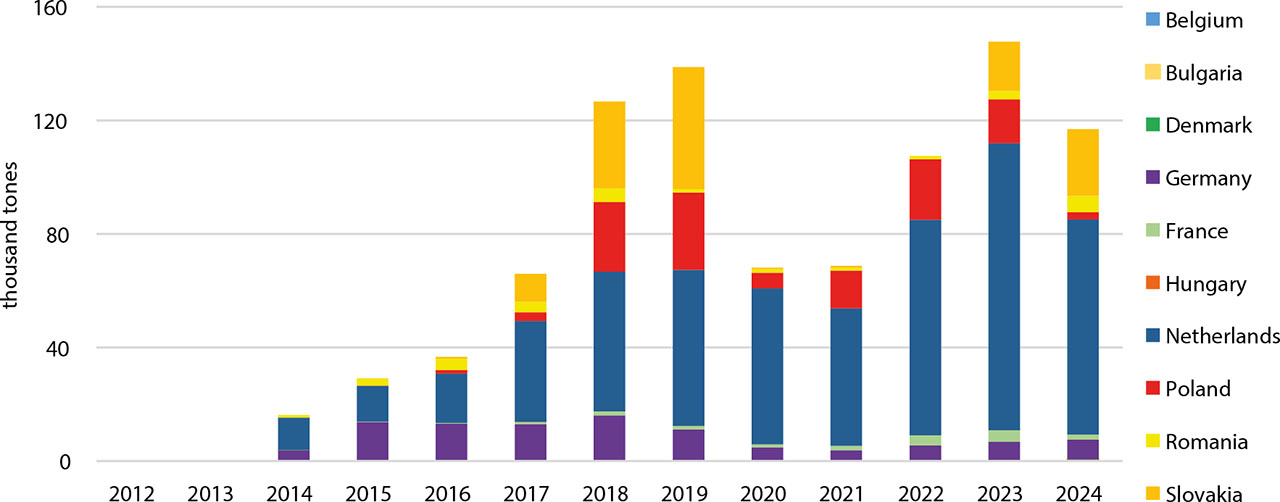
Fig. 1.
Import of poultry from Ukraine to selected EU countries in the years 2012–2024
Source: own elaboration based on data from trademap.org.
From 2012 to 2024, the EU poultry market exhibited significant regional price differences (Fig. 2). Poultry prices in Western Europe were notably higher than the EU average, particularly in Germany (by 30–50%) and France (by around 20%). Prices in Belgium were comparable to those recorded in countries bordering Ukraine–such as Bulgaria, Romania, Slovakia, and Hungary–amounting to approximately 80–90% of the EU average. The lowest poultry purchase price was observed in Poland, standing at approximately 30% below the EU average. Poultry prices in Ukraine are several to over ten per cent lower thanks to lower feed prices, making them competitive with Polish producers, who continue to rely heavily on price competitiveness in their export expansion (Pasińska, 2024). Despite these substantial price disparities among selected countries, the poultry market did not experience significant price fluctuations during the period of full trade liberalisation with Ukraine. Even in Germany and Poland, which significantly increased poultry imports from Ukraine in 2022, no notable relative decline in poultry purchase prices was observed.
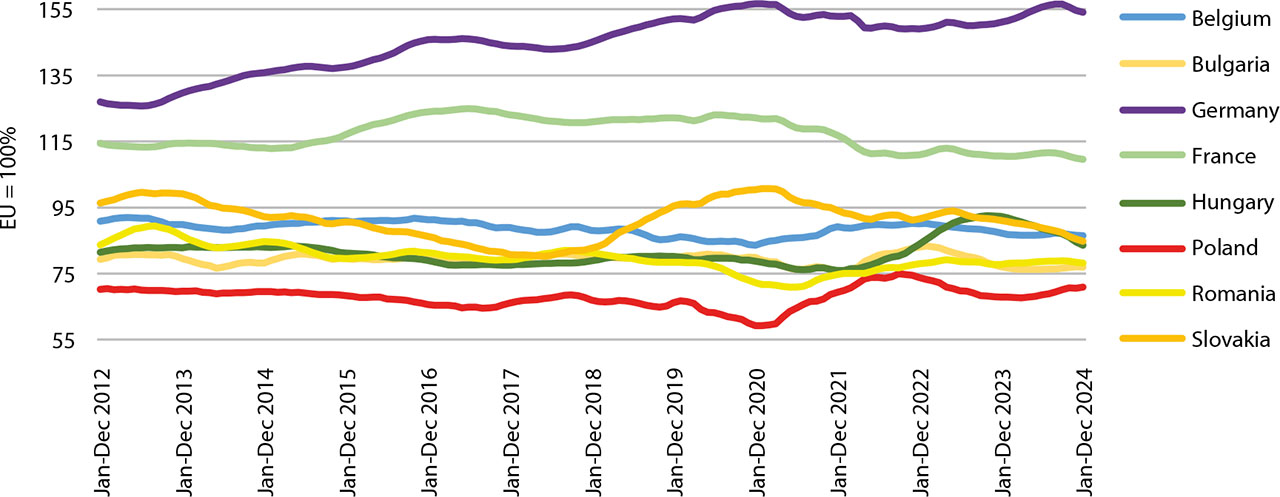
Fig. 2.
Poultry purchase prices in selected EU countries in the years 2012–2024
Source: own elaboration based on data from https://agridata.ec.europa.eu/
Similar to the poultry market, pork prices in the EU did not experience a negative impact from increased imports from Ukraine after June 2022 (Fig. 3). In all analysed countries, except Denmark and France, purchase prices gradually converged toward the EU average. The observed anomalies occurred in a few cases and were unrelated to Ukraine, as prices there were significantly higher than in the EU until 2022, and only in 2024 were they significantly lower than the EU average. For example, in Denmark, a relative decline in pork purchase prices began in 2020, following the peak of relative prices during the study period. During the period of unrestricted trade with Ukraine, prices stabilized at a level approximately 12–15% below the EU average. The collapse in relative purchase prices in the Netherlands in 2014 was caused by Russia’s embargo on food imports from the EU, which significantly affected the country due to its high proportion of pork exports to Russia. Meanwhile, the relative decline in pork purchase prices in most of the analysed countries during 2020–2021 resulted from a relative increase in prices in Spain, which is the largest pork producer in the EU.
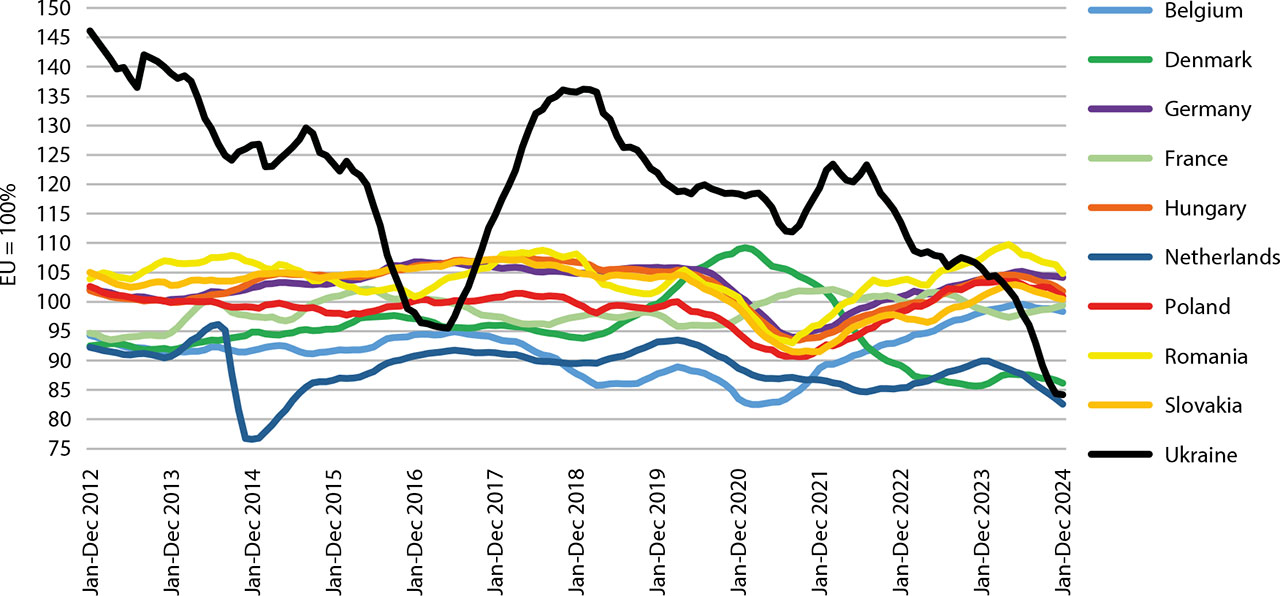
Fig. 3.
Pigmeat purchase prices (in weight beaten heat) in selected EU countries in the years 2012–2024 (for Ukraine, the estimate is calculated on the basis of prices per live weight in Ukraine and the ratio of prices per hot carcass weight and purchase prices per live weight in Poland)
Source: own elaboration based on data from https://agridata.ec.europa.eu/ and https://www.3trzy3.pl/rynki_i_ceny
In contrast to the poultry and pork markets, relative milk purchase prices after the removal of tariffs for Ukraine showed varying trends, which by 2023 led to a significant convergence of milk prices across most of the analysed countries (Fig. 4). Until 2022, milk prices in the Netherlands, Denmark, and Germany remained stable and exceeded the EU average by approximately 5–10 percentage points. Lower prices, ranging from 80% to 90% of the EU average, were observed in Romania, Hungary, Poland, Slovakia, and Bulgaria. After 2022, milk purchase prices in Western European countries began to decline toward the EU average, while countries bordering Ukraine experienced a relative rise in prices. This occurred despite an increase in price disparities between Ukraine and the EU to −40%. Opposing trends were also observed in Poland and Germany, which were the largest importers of dairy products in 2022. This indicates, as in the case of the other analysed animal products, that the growth in imports from Ukraine did not influence purchase prices. Therefore, as with poultry and pork, internal factors within individual countries played a significant role in price changes.
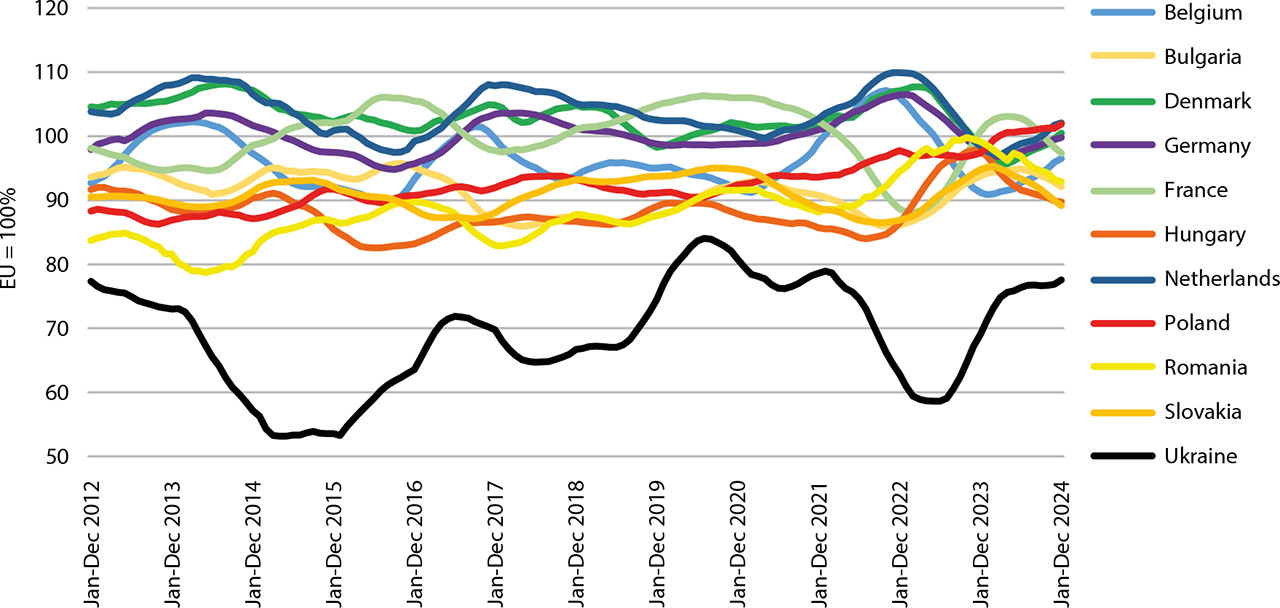
Fig. 4.
Raw milk purchase prices in selected EU countries in the years 2012–2024
Source: own elaboration based on data from https://agridata.ec.europa.eu/ and https://ifstat.gov.ua/
In the case of poultry purchase prices in Poland, significant regional differences were observed during the study period (Fig. 5). The highest price levels occurred in Region 1, which includes the voivodeships located along the border with Ukraine. Between 2019 and 2020, purchase prices in this region were more than 15% higher than the national average. After this period, prices gradually declined to levels only slightly above the national average. Prices in Region 2 and Region 3 remained relatively stable in relation to the national average throughout the analysed period, amounting to 92–95% of the national average in Region 2 and 103–105% in Region 3. In 2023 and 2024, a gradual narrowing of price differences between the regions was observed.
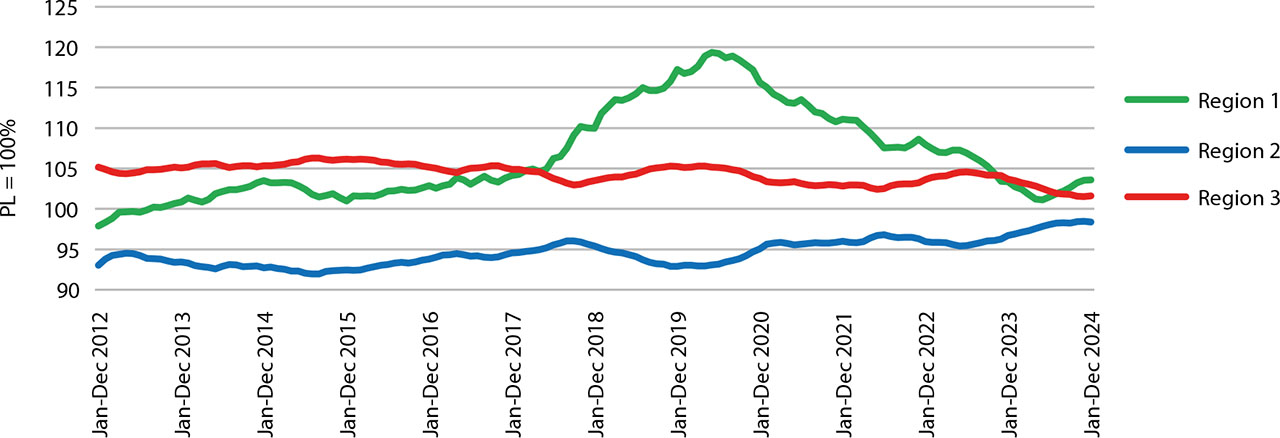
Fig. 5.
Poultry purchase prices in Poland’s regions in the years 2012–2024
Source: own elaboration based on data from BDL.
The pork market in Poland exhibited significant volatility in relative procurement prices, especially in the second part of the analysed period (Fig. 6). Prices in Region 2 and Region 3 hovered around the national average, with minor fluctuations; however, Region 2 showed a downward trend that accelerated between 2020 and 2023, while Region 3 experienced an upward trend that also intensified during the same period. In contrast, prices in Region 1 deviated the most from the national average procurement price, particularly after 2018, when pork procurement prices were 3–4% lower than the national average. The lifting of import duties from Ukraine had no impact on relative procurement prices in the analysed regions, as prices in 2022 remained relatively stable, and the slight relative decline observed in 2023 did not differ from the rate of decline seen between 2019 and 2021. Therefore, the price trends observed since the second half of 2022 do not indicate a significant link with duty-free pork imports from Ukraine. This is also related to higher purchase prices in Ukraine until 2023. This is also evidenced by the relative increase in purchase prices in provinces bordering Ukraine in 2024, despite the fall in Ukrainian prices below the prices of fattened pigs in Poland.
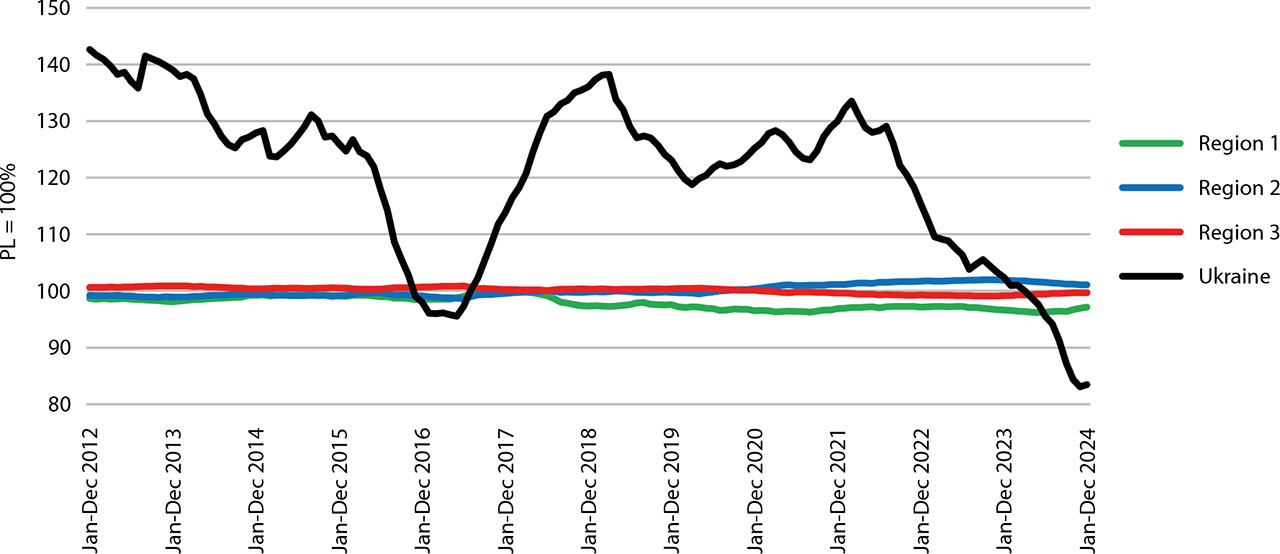
Fig. 6.
Pigmeat purchase prices in Poland’s regions in the years 2012–2024
Source: own elaboration based on data from BDL and https://www.3trzy3.pl/rynki_i_ceny
The milk market in Poland also exhibited significant regional price fluctuations, particularly up to 2017 and during the period of duty-free trade between Ukraine and the EU (Fig. 7). In Regions 2 and 3, prices were generally around the national average, typically staying within a 1% margin above or below it. Larger price fluctuations occurred only in Region 1, especially in the years 2015–2016 and after 2021. The most notable relative price changes took place from 2021 onwards. While the relative increase in procurement prices in Region 1 stopped even before the removal of tariffs for Ukraine, the scale of the subsequent price decline and the return to growth after the reintroduction of tariffs could suggest a strong correlation between the growing import of dairy products from Ukraine and milk procurement prices in this region. This argument is reinforced by the large relative discount on milk purchase prices in Ukraine in 2022 and 2023, where nominal prices expressed in PLN fell despite a systematic increase in prices in Poland.
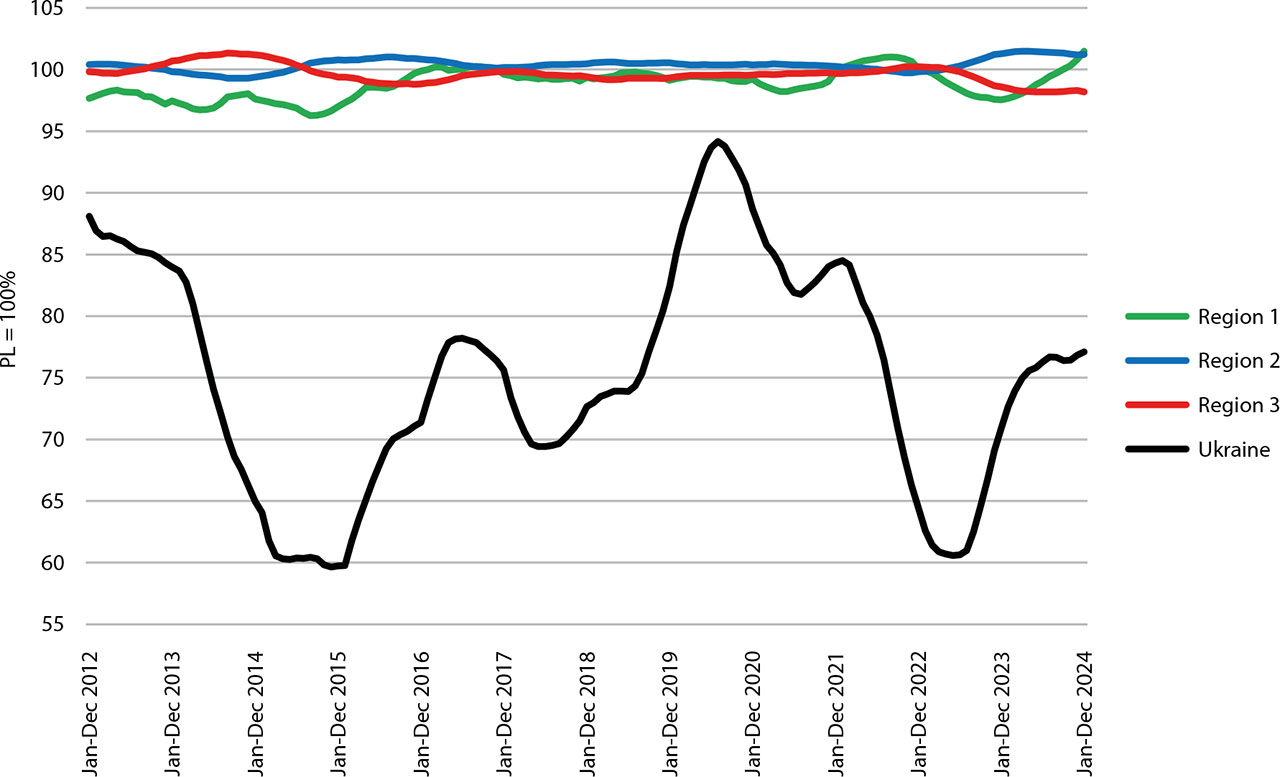
Fig. 7.
Raw milk purchase prices in Poland’s regions in the years 2012–2024
Source: Own elaboration based on data from BDL and https://ifstat.gov.ua/
The results of the arithmetic averages of relative procurement prices before and after the removal of tariffs in trade with Ukraine confirm the findings discussed above (Fig. 8 and 9). When analysing prices in selected countries, the results do not reveal clear or consistent trends in the pricing of the examined agricultural commodities. In most eastern EU countries, which, due to their geographic proximity, were more exposed to duty-free imports from Ukraine, a relative increase in prices was observed during the period of unrestricted imports, even though a price decline might have been expected. In contrast, the opposite trend prevailed in more central EU countries.
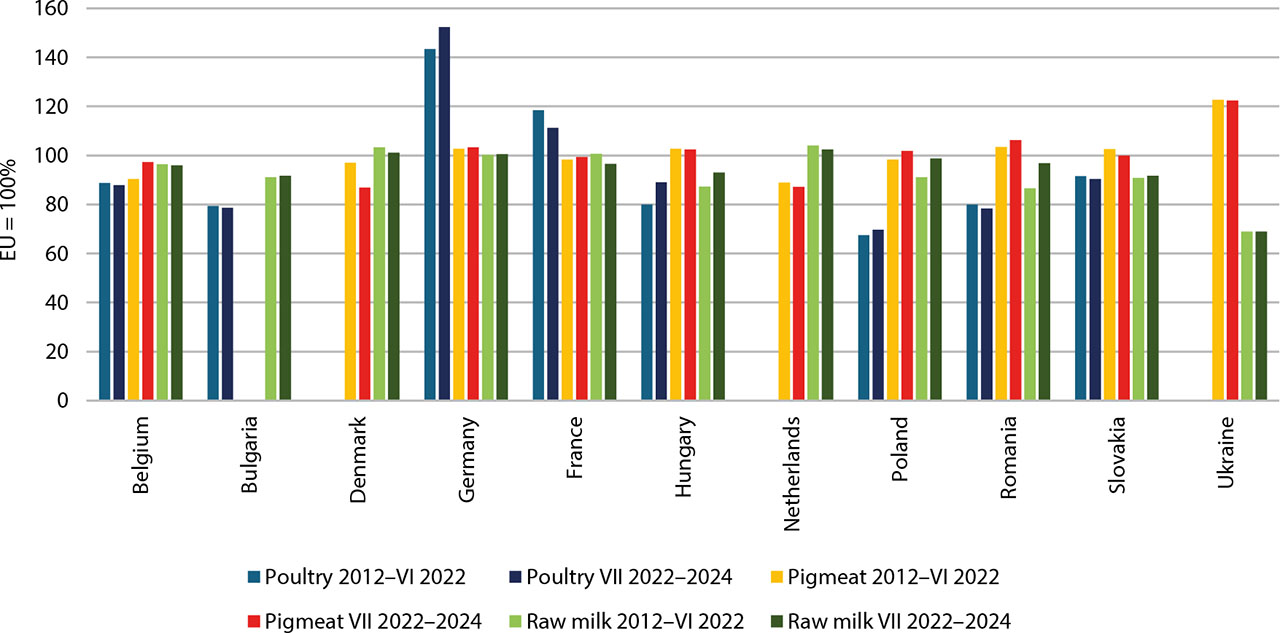
Fig. 8.
Poultry, pigmeat and raw milk purchase prices in selected EU countries in 2012–2024
Source: Own elaboration based on data from https://agridata.ec.europa.eu/, https://www.3trzy3.pl/rynki_i_ceny and https://ifstat.gov.ua/
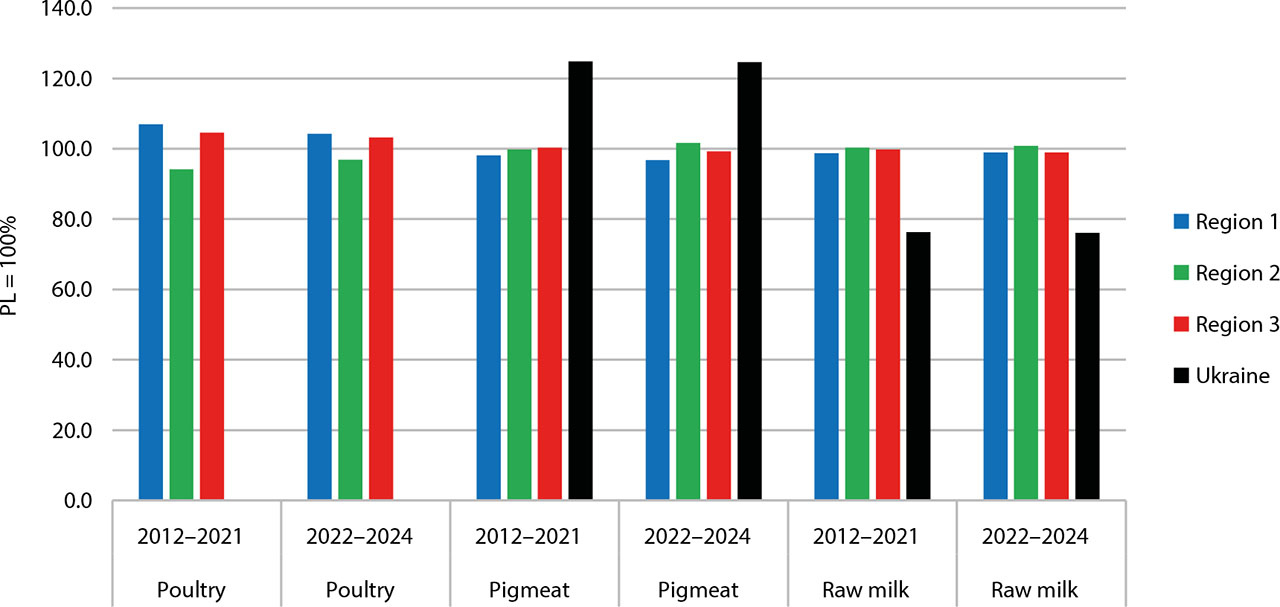
Fig. 9.
Poultry, pigmeat and raw milk purchase prices in Poland’s regions in 2012–2024
Source: own elaboration based on data from BDL, https://www.3trzy3.pl/rynki_i_ceny and https://ifstat.gov.ua/
Slightly different conclusions can be drawn from Figure 9, which suggests an impact of imports from Ukraine on procurement prices of poultry and pork, as well as a stabilization of milk prices in Region 1. In the other regions, a decrease in relative procurement prices during the second period was observed only for poultry in the region farthest from Ukraine. The differing conclusions compared to those derived from Figs. 5–7 result from the presence of long-term downward trends in procurement prices in Region 1 relative to the national average.
DISCUSSION
The full-scale war in Ukraine, which began in 2022, had a significant impact on trade policy, particularly concerning agri-food products, which constitute a vital part of Ukraine’s economy. In response to the escalating Russian aggression, the European Union resolved to further liberalise trade with Ukraine. In June 2022, tariffs and quotas on most agricultural products were lifted, leading to an increased influx of agricultural goods into the EU. This primarily involved commodities such as grains and protein crops, which are key components in animal feed production. The Polish markets for poultry, pork, and milk are integrated with the EU market, making the price levels of these products even more vulnerable to crisis situations (Zielińska-Chmielewska, 2023).
The results of the analysis indicate that the liberalisation of trade in agricultural products with Ukraine following the Russian aggression did not have a clear or strongly negative impact on procurement prices of poultry, pork, or milk in Poland or other countries bordering Ukraine. Although public discourse–particularly in countries located close to Ukraine–suggested a destabilization of agricultural markets, empirical research did not confirm these concerns in terms of price levels. Procurement prices in the period following the introduction of duty-free trade did not deviate from EU trends, and any price declines that did occur were short-term and similar to those observed in other member states.
Significant declines were also not observed in the procurement prices of plant-based products such as grains—wheat, barley, or corn. A relative price decrease was not noted either in Poland or in other countries neighbouring Ukraine, despite the substantial import of grains from Ukraine. The trends in procurement prices for individual grains varied across these countries. In fact, not all neighbouring countries experienced a relative price decline (Pepliński and Wajszczuk, 2025). The impact of increased imports from Ukraine on the pricing of plant-based products (wheat, barley, corn) appears to resemble the effect observed in the markets for animal-based products.
Although Ukraine is primarily known for its grain and vegetable oil production, it also possesses a growing potential in animal production, particularly in the poultry sector. The expanding poultry industry in Ukraine–combined with relatively low production costs and the unlimited availability of inexpensive feed–poses an increasing competitive threat not only to Polish producers. In the EU, rising constraints on animal production, driven by growing consumer demands related to climate protection and animal welfare, are pushing up production costs (Potori et al., 2023). In recent years, a significant reduction in livestock numbers has been observed in countries such as Germany, the Netherlands, and Denmark. Farmers from these countries, seeking to continue animal production and capitalize on their expertise, are actively looking for new locations for their operations. Despite the ongoing war in Ukraine, an increasing amount of capital from these countries is already being invested in Ukraine for developing livestock production, primarily poultry and pork. The end of the war could accelerate this process. Poland, one of the leading poultry exporters in the EU, must take into account potential Ukrainian competition emerging within the unified European market. Although the liberalisation of trade with Ukraine is politically justified, it poses challenges for Poland’s animal product sectors, pushing domestic producers to boost efficiency, foster innovation, and support the export of higher value-added products (Zawojska and Siudek, 2024; Glauben, 2022). On the other hand, Poland’s geographic proximity, open trade, and access to inexpensive feedstock imports from Ukraine will exert downward pressure on grain prices in Poland, which may have a positive effect on feed costs for poultry and pigs, ultimately boosting the competitiveness of Polish poultry and pork on both the EU and international markets.
These findings are relatively consistent with the conclusions of the 2023 European Commission report “Monitoring EU agri-food trade”, which showed that the impact of imports from Ukraine on the EU agricultural market was relatively limited and varied significantly depending on the sector and region. The report serves as a key source for assessing the effects of agri-food trade liberalisation with Ukraine following the Russian aggression. It demonstrated that although imports of Ukrainian agricultural products to the EU increased significantly after 2022, their impact on the internal EU market was limited. In particular, the report indicated that grain and oilseed markets were considerably more sensitive to price fluctuations than, for example, the dairy or meat sectors (Norik and Skliar, 2024).
The above findings align with analyses by IERiGŻ in Meat Market 2022, which emphasize that the main determinants of agricultural procurement prices in Poland in 2022 stemmed primarily from domestic and EU-level conditions. The most influential factors included inflation, production costs, rising energy and feed prices, demand instability in Germany (one of the main importers of Polish pork), and exchange rate volatility.
The comparative analysis revealed that price changes in EU markets, including Poland, reflected the trends observed across individual EU countries. The liberalisation of trade between Ukraine and the EU did not lead to the emergence of new, distinct pricing trends in the procurement of the analysed agricultural commodities. Similar conclusions apply to regional price changes within Poland, particularly in Region 3, where prices are primarily driven by limited supply resulting from the systematic reduction in livestock numbers across all analysed animal species and poor herd structure.
CONCLUSIONS
The research hypothesis was confirmed, as the analysis showed that the decision to suspend tariffs on imports from Ukraine did not have a clear or direct impact on procurement prices for the analysed agricultural commodities in Poland and other Eastern EU countries. The procurement price of pork in Poland reflected the EU average, while the prices of poultry and milk were below the EU average both before and after the removal of trade barriers with Ukraine. The impact of trade liberalisation on price declines was incidental and limited to specific cases, with the most significant relative decreases observed only in milk procurement prices. Despite the relatively higher volume of imports from Ukraine, no lasting decline in the prices of the analysed commodities relative to the EU average was observed in the countries bordering Ukraine. Hungary and Slovakia recorded the highest relative price drops, yet these occurred alongside relatively lower levels of imports from Ukraine. This suggests that price differences and fluctuations in the countries examined are more closely tied to internal market conditions than to duty-free imports of agricultural products from Ukraine.
In the case of Polish regions bordering Ukraine (Lubelskie and Podkarpackie Voivodeships), no significant price declines were observed, except for milk prices. However, this decline was not clearly linked to imports from Ukraine, as the relative drop in milk prices began prior to the removal of trade restrictions, and a relative price increase was recorded in the neighbouring Region 2. The results of the analysis suggest that in addition to imports, there are internal factors that played a more substantial role in shaping price trends.
In view of the above, the decisions taken by some governments to reintroduce restrictions on trade with Ukraine were the result of internal pressure and are not justified by the research findings. Increased imports of unprocessed raw materials from Ukraine would, however, provide an opportunity to increase the competitiveness of Polish exports of more processed products.