
1. Introduction
1.1. Aims
The primary aim of this study is to explore various hypotheses regarding the presence of Andalusi ceramics on the surface of areas distant from settlement habitats. Additionally, this study seeks to examine how other materials originating from the inhabited areas of an Andalusi settlement may have contributed to agricultural intensification by enriching the soil with nutrients. Finally, this research will assess whether the absence of surface materials in the agricultural landscape surrounding an Andalusi settlement indicates its characterization as uncultivated land.
To provide a well-founded explanation of these ideas, an exhaustive review of a selection of Andalusi-era agronomic texts has been conducted, focusing on those that offer insights relevant to the development of our hypotheses.
This study provides an interpretative framework for future research on off-site archaeological records related to the Andalusi world (Figure 1). References to ceramic fragments in fertilizing compost are often linked to their production within Andalusi households. However, this idea is mainly supported by early modern or contemporary texts rather than medieval ones. Additionally, the material spectrum has not been expanded to include other elements that may have enriched agricultural soils, an aspect explored in more detail in this study.
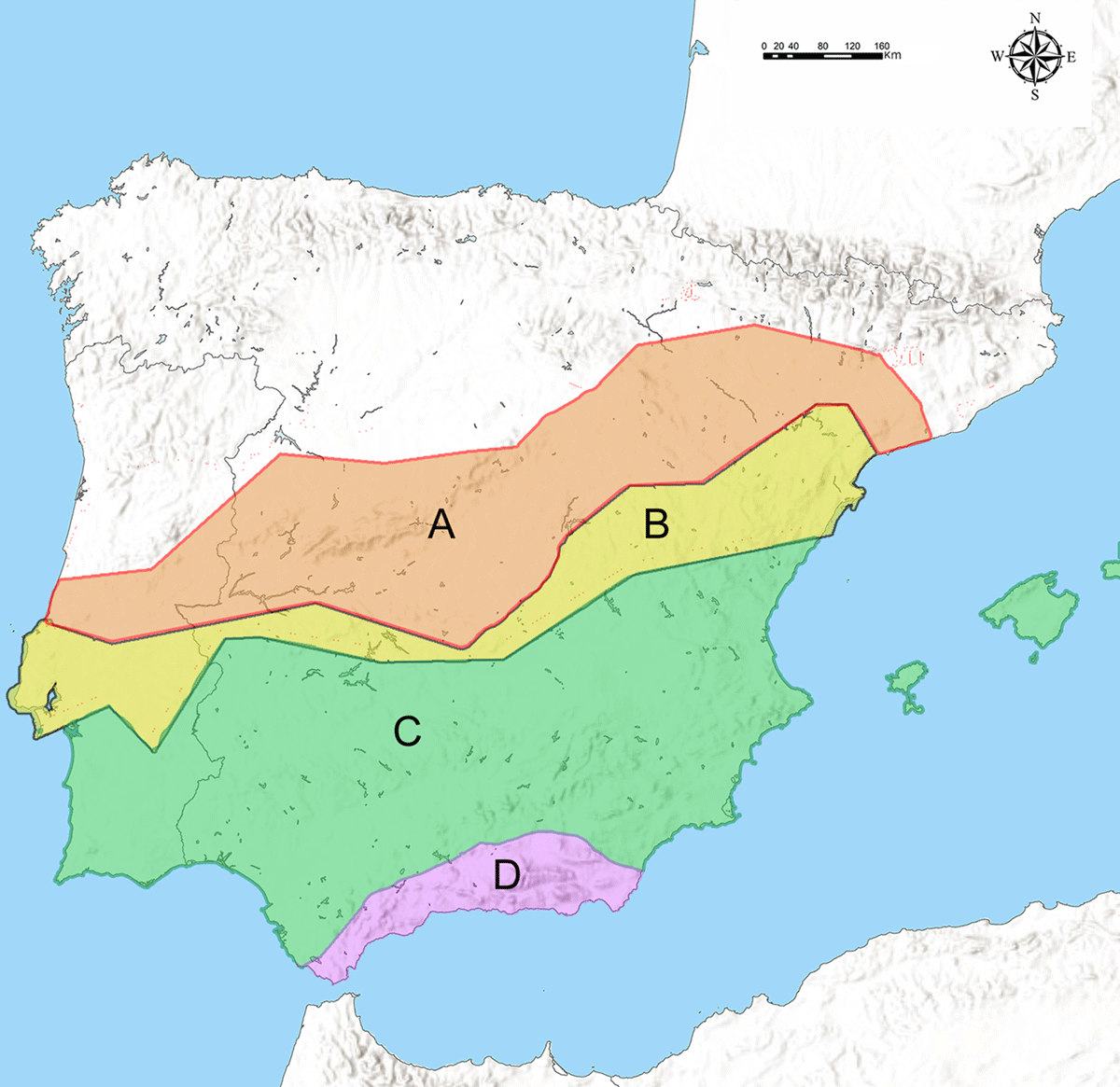
Figure 1
Map showing the process of the Christian conquests of al-Andalus (Medieval Islamic Iberia) after the 11th-century: A) Christian conquests of Islamic Taifa kingdoms and lands of Almoravid Emirate, 1080–1130 CE; B) Christian conquests of lands of Almoravid Emirate and Almohad Caliphate, 1130–1210 CE; C) Christian conquests of lands of Almohad Caliphate, 1210–1250 CE; D) Christian conquests of Nasrid Emirate, 1480–1492 CE. Map by Aleks Pluskowski.
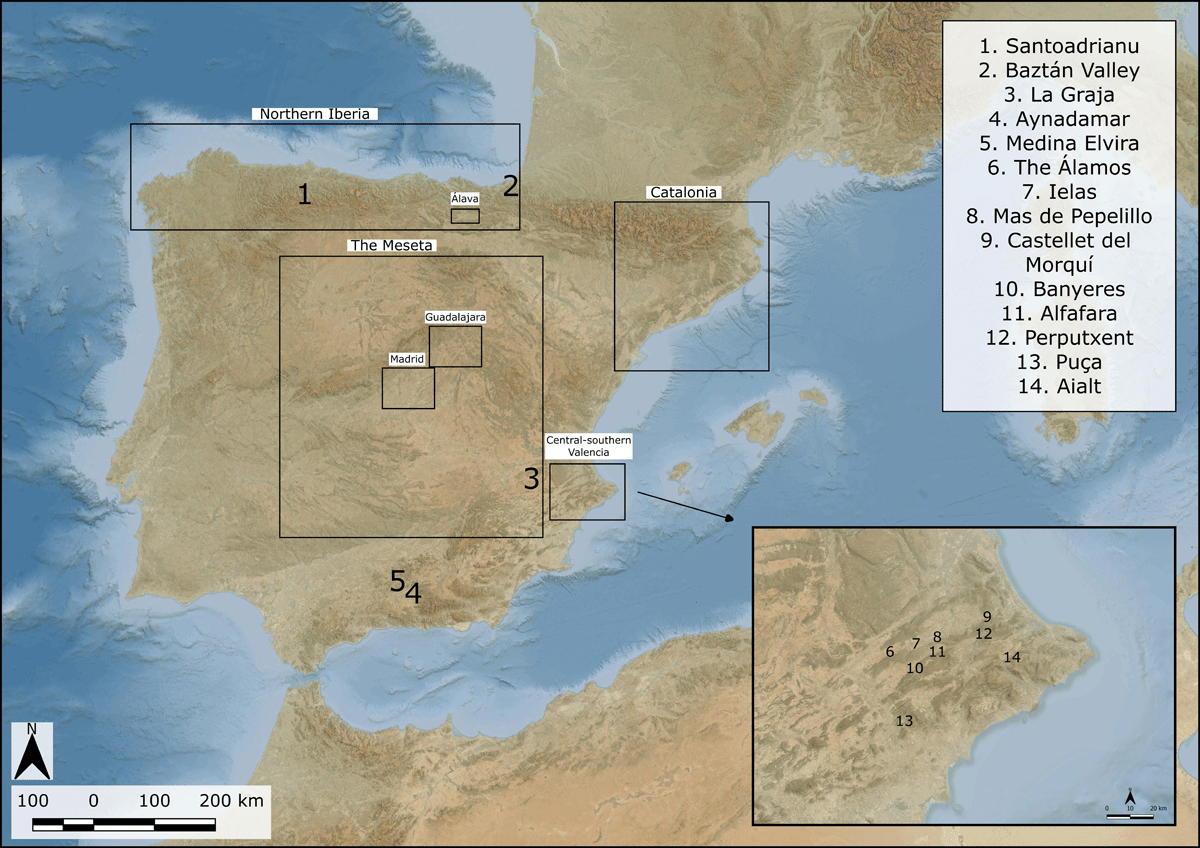
Figure 2
Map showing the locations of the places, regions and archaeological sites mentioned in the text. Map by the authors.
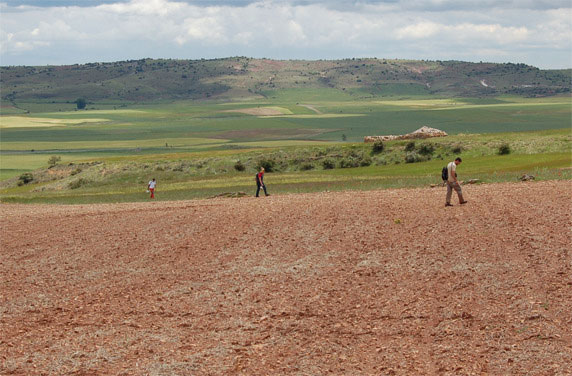
Figure 3
Surveys using transects in cultivated fields (off-site) in the province of Guadalajara. Photo by the authors.
In this way, this study seeks to offer a state-of-the-art review alongside a set of theoretical and methodological reflections that may contribute to a deeper understanding of agricultural practices during a period of profound transformationschanges that have been described as a ‘Green Revolution’ (Kirchner et al., 2023; García-Contreras et al., 2025). These developments left a lasting imprint on landscapes and agricultural practices, shaping them well into the present day.
1.2. Soil Fertilization as a Practice in Pre-Capitalist Agriculture
The use of fertilizers in cultivated fields has long been an essential practice for replenishing soil nutrients and improving crop yields, as Wilkinson quotes: ‘The main plant foods added to the soil are nitrogen, phosphate, and potash together with calcium, magnesium, sulphur, and numerous other elements that appear in traces’ (Wilkinson, 1982, 323). Today, chemical fertilizers play a dominant role in agricultural production. However, prior to their emergence in the context of modern capitalism (Jones, 2016, 1–4), fertilization was based on a diverse mixture of organic and mineral materials. These included food scraps and other domestic waste, pruned plant remains, ash from controlled burning, byproducts of metallurgical production, salt, fecal waste from both animals and humans, and dried plant species, among others. Even lime and sand, as recently demonstrated by Josu Narbarte and Mattin Aiestaran in the fields of northern Iberia during the Early Modern period, have been shown (Narbarte & Aiestaran, 2024).
The use of fertilizers dates back to the very origins of agriculture, extending as far back as prehistory (Bintliff & Snodgrass, 1988, 508). The widespread adoption of soil fertilization as an agricultural practice led agronomic writers to theorize about its composition and application, considering factors such as soil geology, climate, and the specific crops being cultivated.
The earliest written accounts on soil fertilization appear in various texts from Antiquity, with Roman agronomic treatises playing a particularly significant role. Notable among these are the works of Cato (3rd–2nd century BCE), Varro (1st century BCE), and Columella (1st century CE) (González Marrero & Ríos Longares, 2014; Poirier, 2016, 3). These authors, along with later Roman agrarian writers (Bolens, 1994: 49–66), laid the foundations for pre-capitalist agronomic treatises, shaping agricultural knowledge for centuries to come. As R. Jones explains: ‘these works would come to form the foundation for western manuring practices down to the nineteenth century’ (Jones, 2016, 5).
This study focuses on agronomic texts produced during the Islamic period in the Iberian Peninsula (c. 8th–15th-centuries CE). Among the diverse corpus of writings that provide insights into the rural Andalusi world and its agricultural practices, the so-called geoponic treatises stand out.1 The earliest preserved example of these texts dates to the period between the late 10th and early 11th-centuries CE (Bolens, 1994; Retamero, 1998; Jiménez Castillo & Camarero, 2021).
A detailed examination of these sources sheds light on the strategies employed by various actors in shaping Andalusi agricultural landscapes, particularly the rural elites and urban-based elites who developed gardens and peri-urban orchards (Retamero, 1998; Jiménez Castillo & Camarero, 2021). Among the many agronomic concepts and practices outlined in these treatises, particular attention will be given to those related to soil fertilization.
1.3. Off-Site Archaeological Records and the Practice of Soil Fertilization
Starting in the 1980s, European archaeology began to develop various interpretations to explain differences in surface ceramic concentrations within the functional zones of archaeological sites, particularly between residential areas and agricultural production spaces. Among the most influential works on this topic are Tony James Wilkinson’s 1982 study (Wilkinson, 1982) and the seminal research by John Bintliff and Anthony Snodgrass in 1988 (Bintliff & Snodgrass, 1988). These studies laid the groundwork for understanding off-site artifact distributions and their relationship to past land use, including the role of fertilization practices in shaping the archaeological record.
Under the concept of the off-site record, researchers proposed that significant concentrations of ceramic fragments in areas distant from the residential core of a settlement—thus outside the primary habitation zones—could result from various factors beyond mere natural dispersion processes (Zadora-Rio, 1986; Gerrard, 1998; Bintliff, 2000). While incidental ceramic breakage during transport or the presence of seasonal habitation sites were considered, the most compelling explanation for the presence of these materials in non-residential areas was agricultural fertilization, commonly referred to as the manure hypothesis.
This hypothesis suggests that fertilizers originating from households, in addition to organic matter from animal, human, and plant sources, often contained ceramic debris—discarded rather than repaired by their users. Once spread across or incorporated into cultivated fields, organic components would decompose and integrate into the soil, leaving behind only durable materials such as ceramics visible on the surface (Bintliff & Snodgrass, 1988, 512; Poirier, 2016, 4; Gauthier et al., 2022, 33).
Research following this hypothesis has proposed a broad chronological framework, spanning from prehistory to modern capitalism, as well as a wide geographic scope, encompassing both the Eastern and Western worlds (Attema et al., 2020). For a seminal synthesis that formalized pottery scatters as manuring signatures in medieval arable regimes, see Jones (2004). A recent cross-regional review that revisits and strengthens the off-site manuring interpretation is Bintliff (2023).
In the case of the Iberian Peninsula, until recently, studies that attempted to identify agricultural zones of archaeological sites through the off-site record were relatively scarce. However, in the past few decades, there has been a growing number of projects that engage with these themes (Attema et al., 2020; Quirós, 2023). Despite this progress, off-site studies with a focus on the medieval period remain limited, with the exception being studies that demonstrate the fertilization of medieval fields through geoarchaeological analysis (Quirós, Narbarte & Iriarte et al., 2023; Banerjea et al., 2024; Narbarte et al., 2024), a trend that mirrors the situation in much of Western Europe (Conesa & Poirier, 2019, 293). Furthermore, the few existing studies are primarily concentrated in the Meseta and the northern Iberian Peninsula (Fernández Mier, 2018, 234–235; Tejerizo, 2023; Quirós, 2023).
Studies on off-site dynamics in the Andalusi world during the medieval period are almost nonexistent. Early material studies on al-Andalus focused on extensive or spatial archaeology, analyzing settlement locations and relationships, mainly as residential or defensive spaces (Guichard, Bazzana & Cressier, 1988; Bazzana, 1992). A key exception is hydraulic archaeology, which examines water infrastructure, agricultural terraces, and fields.2 However, it has traditionally ignored the material composition of agricultural spaces. This has begun to change in the past decade with agrarian archaeology emerging as a distinct field in medieval Iberian studies (Ballesteros et al., 2010).
Recent studies on off-site records in multiphase sites of central-southern Valencia, such as Banyeres (Sarabia & Bujalance, 2023, 153) and Perputxent (Grau Mira et al., 2024), are particularly noteworthy. They propose off-site records as indicators of soil fertilization during the Andalusi period. However, this interpretation lacks direct support from medieval sources that explicitly mention ceramics in compost, unlike the evidence used in other studies on medieval Iberia. When historical documentation is cited, references often come from ancient or early modern texts (Tejerizo, 2023). This reliance on later sources poses a methodological challenge, as agricultural production varied with each socioeconomic system. Thus, these references cannot be directly assumed to reflect Andalusi practices and are sometimes interpreted through ethnoarchaeology and anthropology.
A precise explanation of these fertilization practices—specifically the use of compost produced in domestic contexts during the Andalusi period—is therefore essential. This approach allows for a deeper understanding of the agrarian strategies employed by this society, illuminating the ways in which domestic waste was integrated into agricultural production and how these practices influenced the rural landscape of al-Andalus.
2. Fertilization Practices in al-Andalus and the Presence of Ceramics in the Off-Site Record
2.1 Fragments of ceramic on the surface originating from fertilizer produced in a domestic context
Andalusi agriculture was primarily characterized by an intensification of cultivation, in which the artificial supply of water through various hydraulic infrastructures played a fundamental role. This technological advancement enabled the development of intensive farming in arid and semi-arid regions, as well as the expansion of polyculture across different seasons, allowing for the harvesting of crops in both winter and summer (García-Contreras et al., 2025).
Within these intensive agricultural practices, the use of fertilizers played a crucial role in enhancing soil productivity. Various fertilization techniques were implemented, some of which were innovative and had no clear precedents before the 8th-century CE. Additions to compost—especially ceramic fragments, ashes, or salt (García-Contreras, 2012)—not only enriched the soil with essential minerals but also influenced its structure and water retention capacity, contributing to the overall efficiency of Andalusi agricultural systems.
Among the sources on Andalusi agriculture, there are some that detail agricultural fertilization processes, specifying compost materials and soil-specific amendments. These texts have been key to understanding organic waste use in Andalusi fields (Bolens, 1994, 201–229; Carabaza, 2001; Varisco, 2012), revealing agronomists’ advanced knowledge and the dual role of agricultural treatises as technical and economic-environmental guides. However, little attention has been given to certain fertilizer components, notably ceramics and construction debris, which serve as key archaeological indicators. This study focuses on cases where these materials appear in both historical sources and the archaeological record, reinforcing their role in Andalusi soil enrichment.
The Sevillian agronomist Ibn al-ʽAwwām (12th–13th-centuries) wrote a seminal work, Kitāb al-Filāḥa, in which he provides an unparalleled study of agriculture, focusing on the classification of lands, waters, fertilizers, and plants. This text is not only a reflection of Ibn al-ʽAwwām’s own experiences but also draws heavily on the knowledge of earlier authors, from classical antiquity to his own time. One of his key sources is the Agricultura Nabatea (Fahd, 1998), which compiles and transmits the agricultural traditions of Mesopotamia, spanning up to the early 10th-century. Ibn al-ʽAwwām’s work is essential for understanding Andalusi agronomy, as it synthesizes a vast body of knowledge, integrating both regional and broader Mediterranean practices.
Of the 34 chapters in Ibn al-ʽAwwām’s Kitāb al-Filāḥa, it is in the very first chapter where he addresses the issue of land, discussing its various types and qualities. At the beginning of Article III, he writes:
According to the Agricultura Nabatea, the soil is improved (ṣalaḥa) when its earth is mixed with stones (ḥağāra), bricks (āğurr), potsherds/ceramic fragments (ḫazaf), gypsum (ğaṣṣ), clay (asfīdāğ), and sweepings (kunāsāt) containing pieces of cloth (ḫiraq), as well as other materials commonly found in the sweepings of people’s houses (manāzil al-nās) or roads, where there are small stones and fine pebbles (ḥaṣayāt), and substances that are contrary to the taste of the soil, such as salt (milḥ), vitriol (zāğğ), and fruit pits […]. Similarly, [it is beneficial to add] any rare substance not naturally found in the soil, such as sawdust (nušārāt al-ḫašab), cane splinters (duqāqāt al-qaṣab), fragments of carved stones (nuḥātāt al-ḥağāra), gypsum gravel (ḥuṣay al-ğaṣṣ), limestone (ḥağāra al-nūra), and similar materials. When these [elements] are present in the soil in excessive quantities, forming part of it, the soil deteriorates considerably (Ibn al-ʽAwwām, 1802, 76–77).3
This passage illustrates how ceramics, along with other domestic waste, are mentioned as an ingredient in composting for fertilization. This reference helps us understand how in Eastern agriculture, as well as in Andalusi farming, ceramic fragments were proposed as a material to be added to the soil to improve its quality. By integrating such materials into compost, the soil could be enriched not only with organic matter but also with minerals and substances that contributed to its overall fertility, reflecting the innovative agricultural practices of the time.
Recent studies on pre-Columbian Amazon soils have shown that ceramic fragments help increase the productivity of infertile lands due to the gradual addition of beneficial elements for crop growth (Valente & Costa, 2017). In light of this, for the Andalusi case, it is proposed to dismiss the idea that these ceramic fragments in fertilizers are the result of casual waste. Rather, they should be considered as intentional waste, deliberately incorporated with a specific purpose in mind. This suggests that the use of ceramics in composting was a deliberate agricultural strategy, aimed at enhancing soil quality and improving agricultural yields in Andalusi farming practices.4
While the presence of bricks is noted, it is more difficult to infer which types of common pottery may have been deposited in the compost based on the reference presented. A brief excerpt from another book, the Kitāb al-ṭabīḫ fī l-Magrib wa-l-Andalus fī ʽaṣr al-Muwaḥḥidīn, an anonymous Andalusi and Maghrebi culinary treatise from the 13th-century, can help us approach these types:
It is necessary to avoid continuous cooking in the same pot, especially if it is not glazed (muzağğağ) […]. Some recommend preparing pots according to the number of days in the year, so that a new pot is used each day for cooking, and when the pot is emptied, a different one should be used (Anonymous, 1965, 70).
This passage provides insight into the common types of ceramic vessels used in everyday Andalusi life, particularly in the context of food preparation. The mention of new, unglazed pots and the recommendation to use different pots each day might suggest that such ceramics were frequently discarded, potentially finding their way into the compost as part of agricultural practices.
This reference cannot be generalized to the use and disposal of pots on a daily basis due to the class bias of these treatises, which were written to benefit the agriculture of gardens and orchards owned by the elites of Andalusi society. Although such a practice would have been unfeasible for most peasant families, it is important to note that kitchen pottery was among the most frequently replaced items due to the conditions of its use. The repetitive exposure to fire and thermal shock, combined with the porosity of its fabrics, often led to breakage. Repairs were rare, as the low value of these vessels made replacement more practical than mending. Moreover, the porous nature of these ceramics—especially in those vessels lacking a glazed coating—(Figures 4 and 5) facilitated the absorption and decomposition of food remains, which could spoil subsequent meals if reused over extended periods. The high frequency of fragments of kitchen pottery in archaeological contexts suggests their constant use and discard.5 These were cheap and easily available items, thus more prone to be discarded rather than repaired. Indeed, kitchen pottery consistently represents the most abundant category in ceramic assemblages from both habitation and refuse contexts in al-Andalus, which reinforces this interpretation. This evidence helps explain why fragments of such pottery might have been deliberately included in agricultural practices—whether as part of compost or as scattered remains contributing to soil conditioning—rather than simply being discarded as waste.
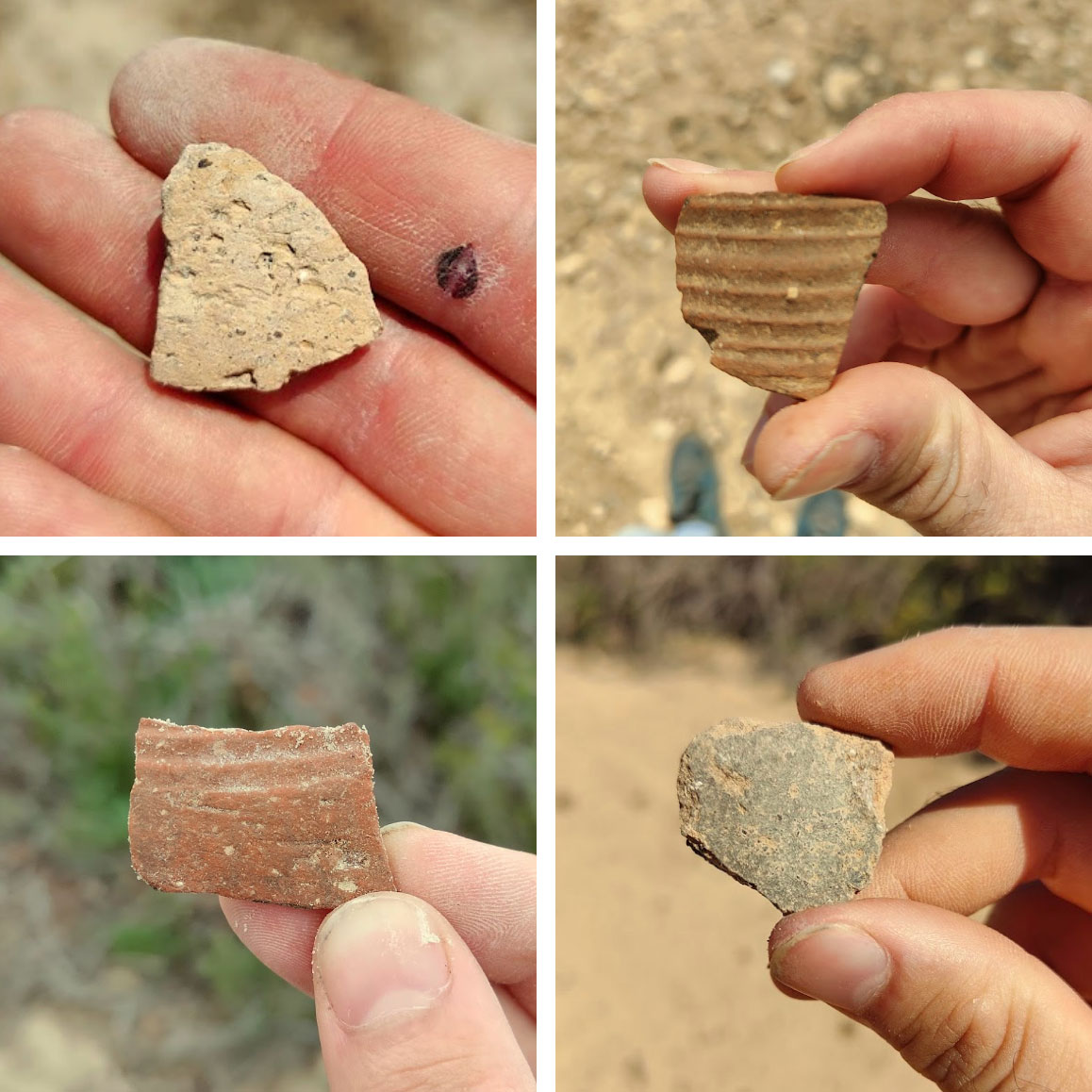
Figure 4
Various fragments of Andalusi kitchen pottery from the off-site record in the territory of the Andalusi farmhouse of Ielas (Ontinyent, Valencian Country). Photographs by the authors.
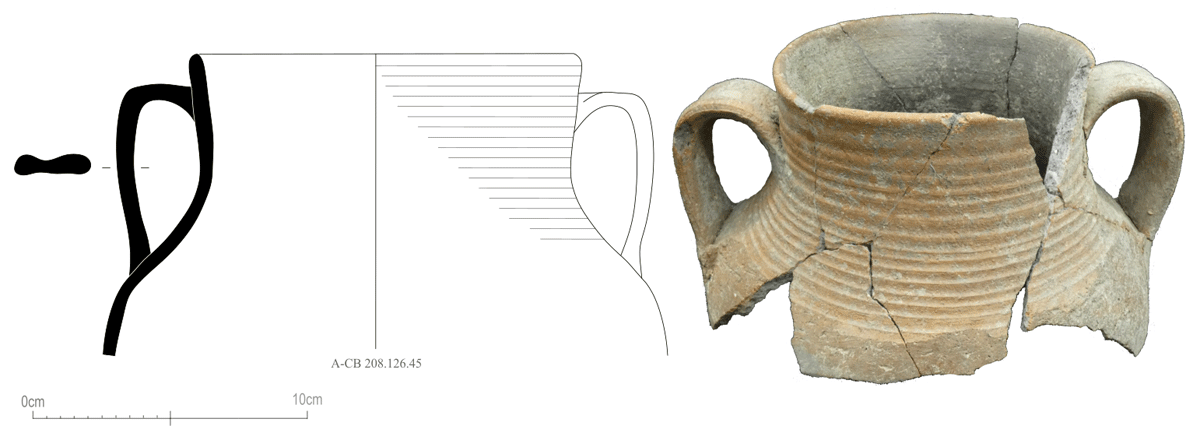
Figure 5
Valencian-type pot (10th–11th-centuries) from the excavations of the Álamos farmhouse (Fontanars dels Alforins, Valencian Country). Photograph and drawing of the ceramic piece by the authors.
It is important to note that disposal typically occurs when an object is no longer usable or when repair costs outweigh its value. In the Andalusi archaeological record, kitchen pottery and other utilitarian wares show no signs of mending, unlike open tableware forms such as ataifores (serving dishes) and jofainas (bowls), which were sometimes repaired due to their higher value. This contrast supports the idea that low-cost ceramic items like kitchen and storage vessels were frequently discarded and thus likely to end up in household compost—not necessarily by deliberate choice, but as a byproduct of their limited lifespan. While more valuable ceramics may also be present in off-site records, their longer use-life made them significantly less common. In contrast, the ubiquity of kitchen and storage wares in refuse deposits highlights their key role in contributing ceramic material to agricultural fertilization practices.
2.2 Fragments of ceramic on the surface from vessels related to cultivation
Continuing with the analysis of scattered ceramics in the Andalusi period, the geoponical treatises mention some uses of this material in everyday agricultural practices that are not necessarily related to its direct inclusion in compost. These uses would not involve the intentional incorporation of ceramics into the soil but still reflect the material’s pervasive presence and potential utility in various aspects of Andalusi agriculture. Additionally, certain types of ceramics might have been employed in the physical layout of agricultural spaces or to facilitate the growth of certain crops. For example, broken ceramics could have been used in the construction of terraces or as part of a protective layer for delicate plants, creating an environment that helps preserve moisture or regulate temperature.6 While these indirect uses do not specifically align with fertilization, they demonstrate the multifaceted role ceramics played in the daily agricultural and domestic activities of the Andalusi period.
In the cultivation of young plants, it could happen that the young tree needed a solid support. This support would be provided by a clay pot, which, after the growth of the crop, would break naturally or through human action, and spread its fragments across the surface (Ibn al-ʽAwwām, 1802: I, 190–191). This practice still exists today, for example in Galicia (Vázquez Varela, 2004). As these pots broke over time, their fragments could end up scattered across the field, contributing to the accumulation of ceramics in the off-site record.
On the other hand, when a tree was transplanted from one field to another, it could be transported within a ceramic object, which, after serving as a means of transport, would be intentionally broken, and its remains would be scattered across the soil (Ibn al-ʽAwwām, 1802: I, 199–200 and II, 225–226; Ibn Wāfid, 254 tr. / 63 ár.).7
Finally, ceramic vessels could also be used in a field to collect rainwater, as this was considered the highest quality water. This vessel was typically buried to preserve the water, which could lead to its breakage, whether by natural causes or anthropogenic factors (Abū l-Ḫayr, 371 tr. / 352 ár.).
Although these ceramic fragments were not originally intended to nourish the soil, once broken, they could serve the same function as those in household compost. Discarded ceramic remains would contribute to soil fertility, highlighting that their inclusion in agricultural practices was intentional and part of purposeful agricultural strategies in al-Andalus.
2.3 The distribution, typology and size of the ceramic fragments
Andalusi ceramics from manuring practices show variation between fields, with random distribution patterns caused by ploughing. The quantity of fragments differs between fields according to specific agricultural needs —areas requiring more intensive fertilization show greater ceramic deposition, depending on both soil characteristics and the crops being cultivated.
As explained above, kitchen and storage wares would have been the most common ceramic forms in domestic waste used for manure. This is why they are the predominant forms found across field surfaces. The presence of these ‘low-value’ ceramic forms can help us distinguish between al-Andalus agricultural areas and settlement zones in surface surveys, with the latter containing a higher percentage of more valuable wares such as tableware forms.
However, we must consider possible chronological variation, as during the early centuries of al-Andalus (Emiral period) some ceramic types may have served multiple functions (Alba & Gutiérrez, 2008, 588; Gutiérrez, 1996, 337). Moreover, tableware —particularly open forms—often shared similar fabric compositions and firing techniques with more common ware types (Amorós, 2018; Gutiérrez, 1996). This makes it exceptionally difficult to clearly distinguish vessel forms from this early Andalusi agrarian context when examining fragmented materials in modern surface scatters.
When dealing with Emirate-period sites, this aspect requires particular consideration. Meticulous surface distribution analyses of ceramic remains must be conducted, as their patterning might indicate residual settlement evidence rather than purely agricultural deposition.
In this regard, it would be pertinent to incorporate systematic typological and quantitative methodologies in the analysis of ceramic fragments from off-site records, in order to better distinguish between domestic waste and deliberately incorporated agricultural refuse. The use of methods of quantification and functional class analysis can offer a more nuanced reading of the surface ceramic repertoire. Furthermore, it has been demonstrated that specific ceramic forms degrade differentially depending on their use and discard context, which can help identify depositional patterns associated with particular agrarian practices (Buko, 2008; Peacock, 1977; Rice, 1987). These approaches move beyond simple fragment counts and contribute to identifying specific discard patterns and functional uses linked to the agricultural incorporation of ceramics.
The ceramic remains found on the surface of current fields are typically in small fragments compared to their original form. This is caused by two factors. On one hand, it is due to the fragile composition of most ceramics, as once broken, they tend to disintegrate into many small fragments. The most representative case is the kitchen pottery, given the thinness of its walls compared to storage and transport ceramics. Even the finest vessels, such as pitchers, tend to be made with thicker walls (Figures 4 and 5). Secondly, due to the cultivation of the fields over centuries, the ceramics, already broken either in households or in the field itself, would undergo further fragmentation.
In conclusion, contrary to suggestions that ceramics in compost resulted from carelessness (Forbes, 2013), the size and degree of rolling of certain fragments, particularly from storage vessels, clearly distinguish them within the compost (see Figure 6). These vessels could have been intentionally reused.8 As noted earlier, those responsible for the compost likely recognized these fragments and may have deliberately included them. J. Bintliff recently supported this view, rejecting the idea that ceramic fragments in compost were randomly included (Bintliff, 2023). This points to a purposeful use of ceramics in farming, where they may have been chosen for their potential to enhance soil fertility. As discussed in the next section, ceramics were not the only materials used in fields as fertilizer.
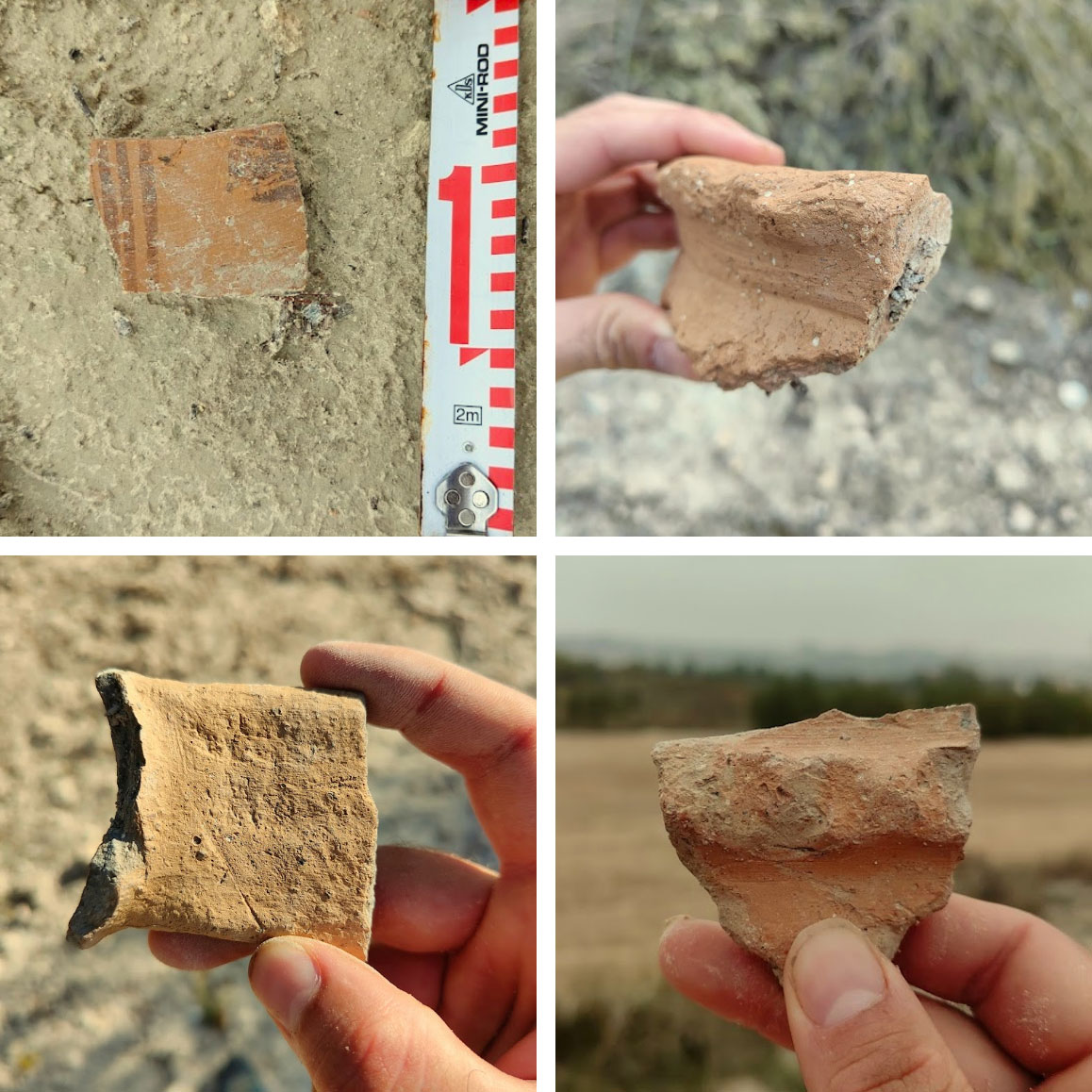
Figure 6
Fragments of storage and transport wares present in the off-site record from various Andalusi sites. The first three come from different fields associated with the Ielas farmstead (Ontinyent, Valencian Country). The last comes from the terraces adjacent to the Mas de Pepelillo settlement (Agullent, Valencian Country). Photographs by the authors.
3. Other domestic elements used for land fertilization found on the surface: debris
Al-Ṭiġnarī (11th–12th-centuries) mentioned in his Kitāb Zuhrat al-bustān wa-nuzhat al-aḏhan a section dedicated to the use of debris as a soil fertilizer.9 This reference to such materials would be later copied by another notable geographer a century after his death, Ibn Luyūn (13th–14th-centuries) (Ibn Luyūn, 1975, 209).10 Al-Ṭiġnarī wrote:
Debris (radm) strengthens weak (raqīqa) and thin (hazila) soil, much like manure does. When you observe crops that will benefit from debris, they should be applied abundantly.
We assert that debris can be divided into four categories: the debris from old walls that contain traces of smoke (radm al-ḥā’iṬ al-qadīm al-mudaḫḫan), the debris from ancient and elevated hills (radm al-tilāl al-qadīma al-marfūʽa), the debris from paved roads removed during the spring and summer months (radm al-balāṬ al-maḫrağ min zamān al-rabīʽa wa-l-ṣayf), and the debris from estates mixed with manure (radm al-fadādīn al-laḏī yuḫlaṬu fi l-zibl).
Among all types, the best is the debris from old walls that have traces of smoke, as it has benefited from prolonged exposure to moisture and smoke over a long period. Debris should not be used until the large pieces from villages (madar-hu) are broken and carried to the fields already divided.
Next are the debris from paved roads and canals, which contain a strong level of moisture. If taken from the canals and pavings in April, they should be kept until they are cured by the summer and autumn heat (ʽaṣīr)11 […]. It is well known that these debris, due to the large amount of water absorbed, contain excessive moisture. It is advisable to remove them until they lose this moisture and absorb the heat from the sun (Al-Ṭiġnarī, 2006, 84–86).12
A classification of debris is made based on its contribution to agricultural land, similar to the way other authors of agricultural treatises classified organic fertilizers. These debris, as mentioned by al-Ṭiġnarī, could provide moisture to fields with warm soil, as long as this moisture level was properly controlled. The identification of debris as a soil fertilizing supplement is also found in a recent study (Banerjea et al., 2024). Although this research focuses on a late Andalusi periurban agricultural complex, such as the one in Aynadamar, Granada, these construction waste materials have been linked to a period after the Castilian conquest.
This phenomenon is not unique to the Andalusi context. Recent geoarchaeological research has demonstrated how construction debris—such as fragments of brick, lime, and mortar—can become integrated into cultivated soils in medieval European trade environments, even when these materials are no longer macroscopically visible (Adameková et al., 2025).
Current scientific studies have demonstrated that debris contributes nutrients to the soil and increases its porosity, thereby enhancing the growth of certain species, particularly in clayey soils (Jia et al., 2024).
Although these data demonstrate their suitability as fertilizers for agricultural fields, it is extremely difficult to locate remnants of this debris in the surface layer due to its disintegration over time, either from natural soil conditions or from human activities, such as land plowing practices. The fragmentation and sedimentation of the debris make it nearly impossible to distinguish them from other geological elements found in agricultural soil by visual inspection alone.13 Only through X-Ray Fluorescence (XRF) or X-Ray Diffraction (XRD) analyses of Andalusi agricultural soils could these fertilizing debris be inferred, thanks to the presence of calcium in the subsoil (Banerjea et al., 2024; Canti, Gherardi & Banerjea, 2024). Beyond phosphate alone, multi-element geochemistry (e.g., Ca, K, Sr) improves identification of ancient manuring (Oonk, Slomp & Huisman, 2009; Nielsen & Kristiansen 2014; Salisbury 2020; 2022). Direct geochemical evidence for structured manuring with human/animal waste has been demonstrated via faecal lipid biomarkers (Bull, Betancourt & Evershed, 2001). Stable-isotope evidence in charred cereals is a powerful complementary proxy for manuring intensity (Bogaard et al., 2013).
4. Fertilization models that do not involve the inclusion of domestic compost
The addition of a compost produced within the household likely was not the only way to enrich the soil of an Andalusi settlement. In this regard, Andalusi agrarian treatises may provide some insight.
These texts refer to trenches, ditches, or pits14 as negative structures in which organic compost should be prepared to fertilize the fields.15 While the exact location of these structures is not specified, as previously explained, some of them must have been located within a domestic space (Figures 7, 8 and 9). However, this could not have been their only location. Antonio Malalana Ureña and Jorge Morín de Pablos suggest that some 10th and 11th-century Andalusi structures in Madrid, traditionally seen as storage silos, may actually be agricultural composting pits (Malalana & Morín de Pablos, 2018). Positioned closer to the fields, or directly within them, the compost could be spread across the cultivated surface more easily, without the need to transport it from distant locations.16
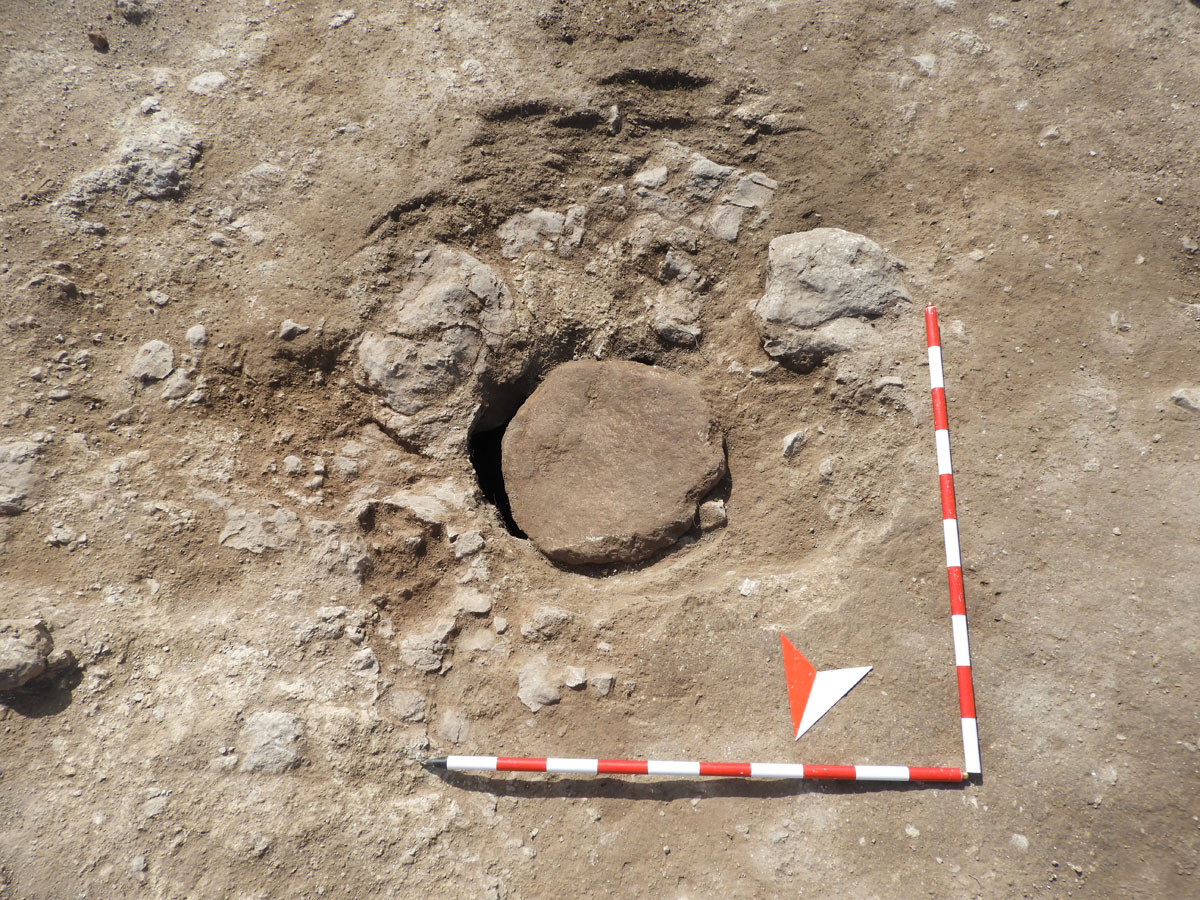
Figure 7
Silo from an Andalusi domestic space (10th–11th-centuries) located in the Alquería de La Graja (Higueruela, Albacete, Spain). Photograph: Proyecto Alquerías. Reproduced with permission of the authors.
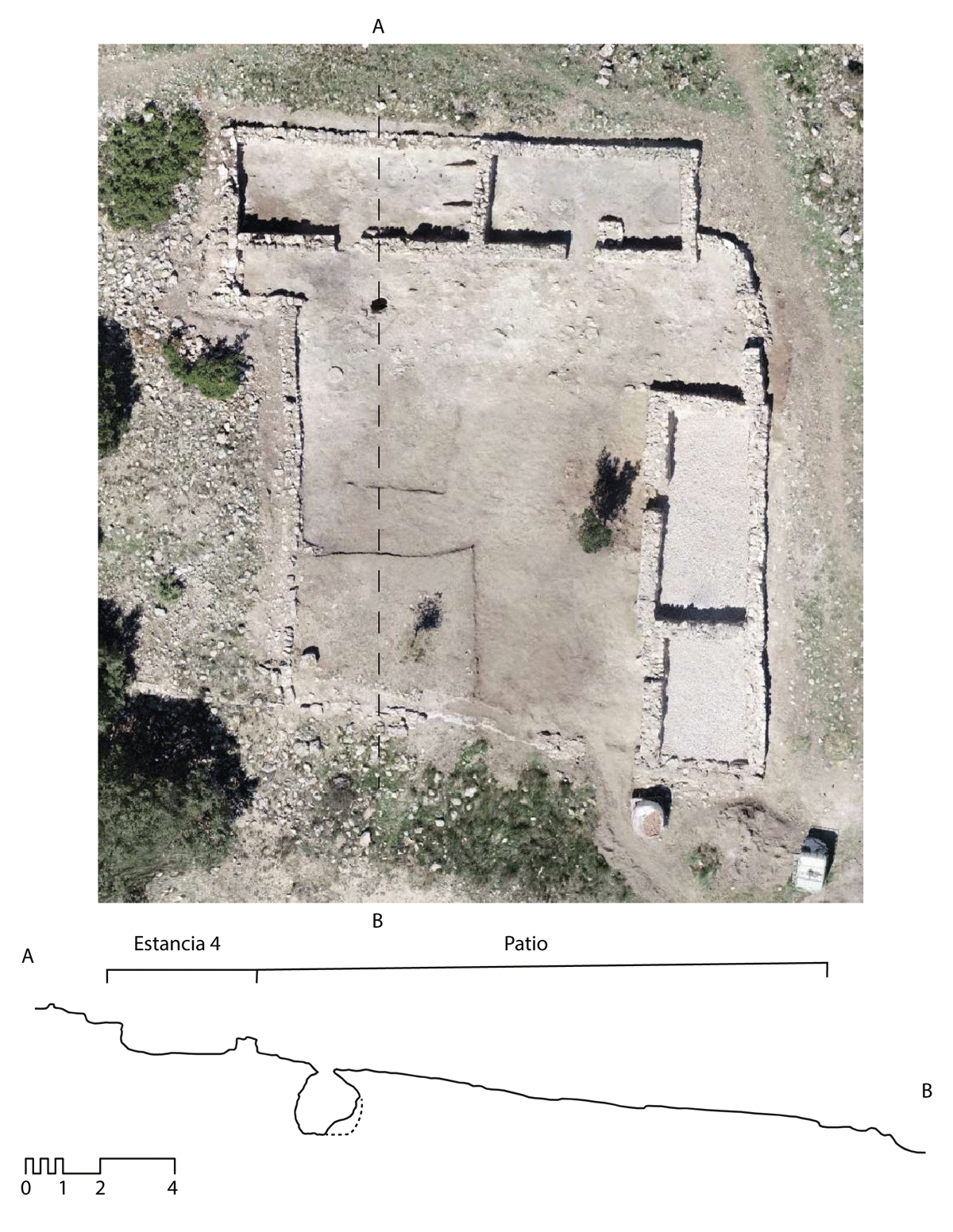
Figure 8
Aerial photography of the silo and section of the Alquería de La Graja silo. Picture and section by Proyecto Alquerías. Reproduced with permission of the authors.
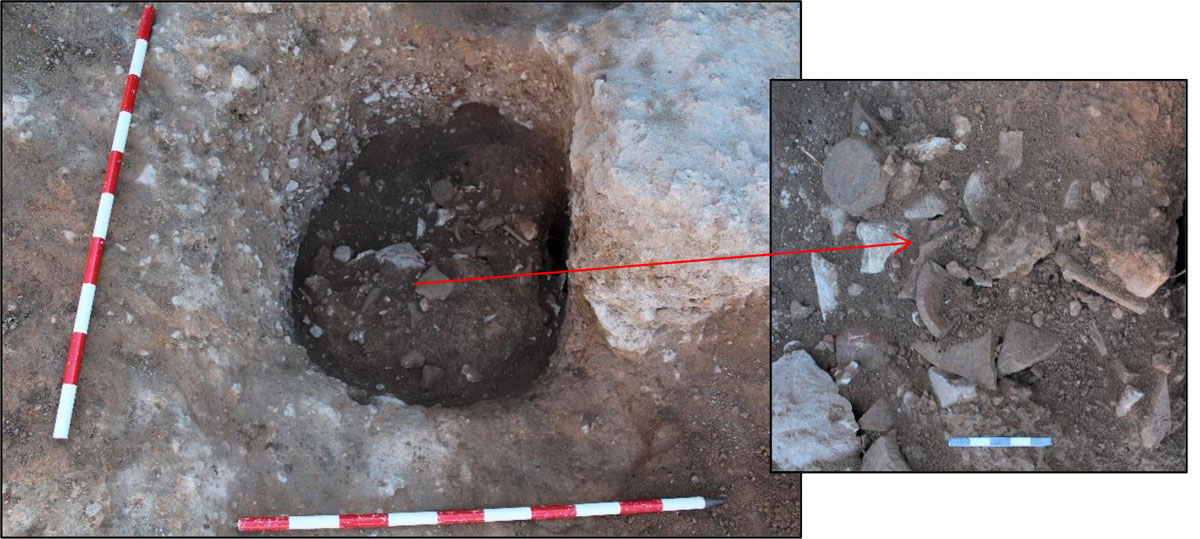
Figure 9
Example of a pit and its fill in the process of excavation, identified in a domestic context from a pre-urban phase of the 9th-century at the Medina Elvira site (Atarfe, Granada). Photograph by the authors.
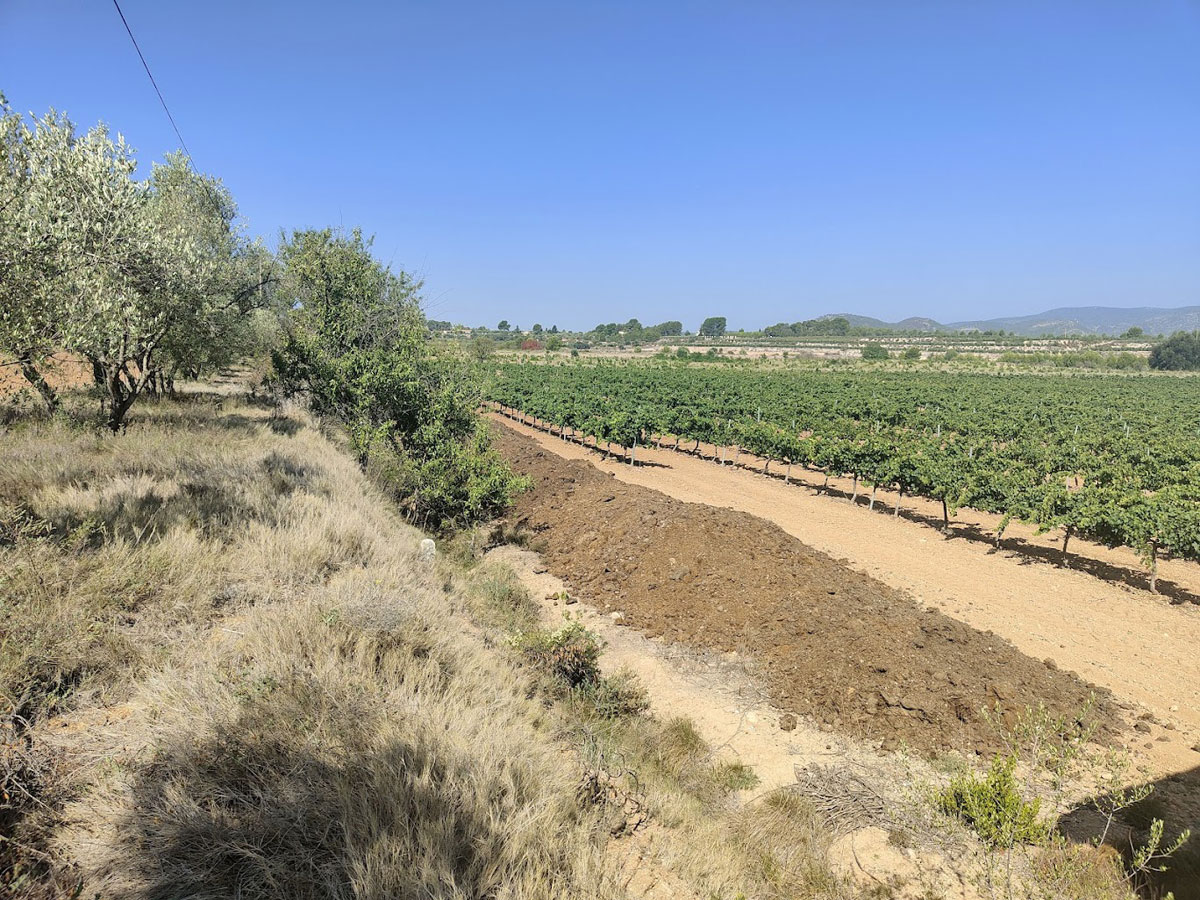
Figure 10
Pile of compost, a mixture of animal and plant waste for fertilizing vineyards. La Vall Seca-Ielas (Ontinyent, Valencian Country). Photograph by the authors.
It is possible that compost made away from homes differed from that produced within the house or nearby areas, such as a courtyard. Agricultural treatises suggest that various methods were used to create compost, allowing a community to produce different types for each field based on its geological features. Additionally, compost could also be tailored to the soil’s needs or the choice of crops.
In this context, compost created within domestic spaces would likely contain household waste, including ceramic fragments. In contrast, compost made in extramural pits might not include this waste, depending on the distance from the house and the waste disposal practices of the farming unit.
The use of compost for fertilizing land from structures located in the fields should be considered, though it wouldn’t leave visible traces in the archaeological record. Its presence could only be inferred through sediment analysis from these structures.
Another method of fertilizing the fields involves the use of animal manure composted with plant waste. This refers to manure collected directly from livestock pens (Conesa & Poirier, 2019, 10)17 or from certain natural cavities that served the same function as livestock enclosures, a practice still common today (García-Contreras, 2013, 408), and one that can be traced in some areas of the Iberian Peninsula back to the Middle Ages.18 This practice is confirmed, for example, in the treatise of Ibn al-ʽAwwām (Ibn al-ʽAwwām, 1802: I, 109). These livestock collection structures were located in pasture areas, far from settlements, and did not produce typical household waste. As a result, manure from these areas wouldn›t contain ceramic materials intentionally included in the compost, meaning fields fertilized with this manure would not leave ceramic traces. This is exemplified by the rainfed plots of the Andalusi farmstead of Aialt, studied by Josep Torró (2021).19
Continuing with the fertilizing contribution of animal waste, it is important to mention that agricultural treatises advise against the direct deposition of livestock on fields, at least if they are to be cultivated in a short period of time. This is because animal manure needs to rest for a period before it can be used as fertilizer (Bolens, 1994, 218–220). Additionally, livestock that graze for extended periods on a field can compact the soil (Bolens, 1994, 159). This practice would be complemented by leaving the manured field fallow.20 Once the land has rested and is ready for cultivation again, the manure will no longer be harmful to the crop to be planted. One exception to this could be the direct deposition of livestock on land intended for the cultivation of forage plants, as highlighted in the study of the village of Villanueva (Santoadrianu, Asturias) (Fernández Mier López Gómez & González Álvarez, 2013, 187–188).
The addition of sediments to fields from other rugged areas also serves, according to some of these agricultural treatises, as another way to improve the soil composition (Bolens, 1994, 204–205). Ibn al-ʽAwwām, following a previous author, Sagrit, recommends the addition of soil (‘dust’) from barren lands (Ibn al-ʽAwwām, 1802, I, 115–116). This fertilizing procedure would not leave a visible material imprint in the surface record. The opposite could only be considered if the added soil originated from a field that had previously been treated with manure from a domestic source, containing household waste in its composition.
It is important not to overlook that the addition of soils has been a common practice throughout history. It was done to address possible fragmentation of plots caused by natural events (primarily heavy runoff from torrential rains) or anthropogenic activities (such as land leveling). Changes in the amount of available fertile soil over the centuries have been recently verified through geoarchaeology in some cases,21 such as in various locations in the province of Álava (Quirós et al., 2014), the Baztán Valley in Navarra (Narbarte et al., 2024, 11), and different points in Catalonia (Turner, Bolòs & Kinnaird, 2017).
Ultimately, it is important to clarify that not all crops require fertilization. This was emphasized by the Andalusi agronomists (Varisco 2012, 141). Andalusi agriculture should therefore not be perceived as universally applying fertilizer to all types of fields and crops. As a result, the absence of ceramics in an agricultural area likely associated with an Andalusi settlement does not necessarily imply that it was not cultivated during that time. In this regard, it is relevant to recall that ‘the absence of this material does not necessarily mean absence of exploitation’ (Poirier, 2016, 16). This factor creates a challenge in the identification of Andalusi agricultural production areas when relying solely on archaeological survey data.
5. Conclusions
The reflections presented here aim to contribute to the analysis of agricultural spaces in al-Andalus through the study of materials found in the surface record, also known as the off-site record. In particular, the characterization of fertilization practices that included domestic waste, such as ceramics and rubble, allows for the inference of agricultural activity in areas that do not show clear signs of residential occupation. This methodology enables the identification of cultivated land that, in Andalusi times, would have received compost of domestic origin as fertilizer. This would be part of the strategies of Andalusi peasant communities concerned with maximizing productivity in a context of increased and intensified agricultural production, thanks to the implementation of new strategies, techniques, and crops, particularly irrigation, but not exclusively.
It is crucial to emphasize that this approach does not exhaust the study of agricultural spaces, as there may have been plots that did not require this type of fertilization or that used non-domestic fertilizers, which would not leave easily identifiable surface archaeological traces. Other components of compost, such as lime (added directly as fertilizer, into compost, or from dissolved construction mortars), ash, or salt, or the direct addition of foreign soil sediments, could only be recognized through the application of geoarchaeological and chemical methodologies on stratigraphically excavated sediments from cultivated fields, a practice still exceptional in al-Andalus. Furthermore, the visibility and interpretability of surface ceramics are strongly conditioned by taphonomic processes, agricultural activity, and erosion, which may distort original distribution patterns. The interpretation of these patterns will depend on the specific historical and geographical context of each study, further deepening the myriad nuances within the study of agriculture in the past.
To better understand these processes, it is necessary to clarify a few points. The Andalusi geoponic treatises represent a valuable source for understanding the agricultural practices of this society, but they must be approached with caution due to their social bias. According to researchers who have studied these texts, they were directed at the elites of Andalusi society (Retamero, 1998; Jiménez Castillo & Camarero, 2021). This could imply the existence of agricultural practices distinct from those carried out by rural communities, in terms of the variety of work processes, the species cultivated, or access to resources. Furthermore, not everything recorded in these treatises necessarily reflects a widespread practice; in many cases, it documents inherited written traditions or normative ideals that may not have been systematically applied in al-Andalus. Nevertheless, these sources are not disconnected from the daily agricultural practices of rural communities; the challenge therefore lies in confronting different approaches, both textual and archaeological, as presented in this work. In this sense, the integration of archaeological survey data with these written testimonies is crucial, as it helps to counterbalance the social bias of the treatises and to capture agricultural strategies practiced by rural communities that are otherwise absent from the textual record.
Finally, although the presence of Andalusi ceramics on the surface can be interpreted as an indicator of agricultural fertilization, its dating poses a methodological challenge. The extreme fragmentation of most findings complicates typological attribution and the identification of precise parallels. Furthermore, the characterization of pastes and finishes without physicochemical analysis is difficult due to the lack of significant variations in the composition of common production ceramics across different periods of the Andalusi era, with important regional differences also existing, depending on the availability of pottery resources.
However, this study offers a new approach to the Andalusi agricultural landscape by focusing its analysis on the archaeological materials of the off-site record, which have traditionally been overlooked in Andalusi archaeology. The application of this methodology can significantly contribute to the reconstruction of land-use patterns, allowing for the identification of cultivation areas that would otherwise go unnoticed in conventional studies. Furthermore, the integration of archaeological data with the analysis of written sources and knowledge of medieval agronomic dynamics enables a more holistic and nuanced view of the Andalusi agricultural system.
Indeed, this approach may even prompt a reevaluation of the on-site archaeological record itself. It is often assumed that peasant workspaces must, by definition, be distinct from residential areas (Kirchner, 2020, 466–467). Recently, it has been suggested that in the immediate vicinity of habitat areas and within the interstices of dwellings, there must have been a variety of gardens and cultivation plots that have only just begun to be interpreted as such (Vigil-Escalera, 2022). A more careful examination of the areas where ceramics are found, their degree of erosion and dispersion, compared with the ceramics identified within the residential zones themselves, could contribute to a deeper understanding of peasant agricultural practices.
In this regard, the development of comparative studies across different regions of al-Andalus would allow for the assessment of spatial variations in the use of fertilizers and their relationship with factors such as resource availability, local productive strategies, and territorial organization. Furthermore, future research should prioritize interdisciplinary techniques—such as phytolith analysis, ceramic micromorphology, and geochemical fingerprinting—to detect compost components and depositional processes beyond ceramic evidence, complementing and strengthening interpretations derived from the surface record.
Ultimately, this study not only introduces a tool considered to be innovative for identifying ancient agricultural spaces but also opens new lines of research on the models of landscape exploitation in al-Andalus, offering a more comprehensive and complex perspective on the agrarian dynamics of Andalusi society.
Notes
[1] ‘Geoponic’ refers to geoponics or the art of cultivating the earth. This term comes from the Greek γɛωπονικός (geōponikos), where γῆ (gē) means ‘earth’ and πόνος (ponos) means ‘labor.’ Thus, geoponics simply denotes ‘working the land,’ and a geōponos is someone who practices this art.
[2] The study of hydraulics in al-Andalus has a long tradition, with key works by Miquel Barceló (1989) and Helena Kirchner and Carmen Navarro (1993). Recent historiographical summaries include Ferran Esquilache (2018) and Helena Kirchner (2020, 2024).
[4] Nicolas Poirier wrote about this issue: ‘domestic waste, including sherds of pottery, could be incorporated into the manure, deliberately or not’ (Poirier, 2016, 4). As previously mentioned, the work presented here represents the first attempt to explain the presence of ceramics in domestic compost. This approach aims to provide a clearer understanding of how and why ceramic fragments were intentionally or unintentionally included in agricultural practices, specifically in the context of Andalusi farming.
[5] This pattern is recurrently observed in major early medieval and Andalusi sites. At Tolmo de Minateda, early medieval contexts show a predominant presence of cooking wares throughout the entire sequence, confirming their intensive use and rapid replacement (Amorós Ruiz, 2020, p. 15). In the caliphal suburb of Cercadilla (Córdoba), percentages likewise confirm that cooking pots and vessels constitute the most represented typological family, far above table wares (Fuertes Santos, 2001, pp. 29–33, 153–156). Quantitative studies at Madīnat Ilbīra have also demonstrated how, in a 10th-century caliphal dump, kitchenware reached the highest relative figures, surpassing other functional categories (Jiménez Puertas, 2012, pp. 2–3; Martínez Álvarez, 2015, pp. 92–94). Furthermore, at the farmstead of La Graja (11th century), 67% of the pottery recovered in the different excavations belonged to cooking pots (information provided by Proyecto Alquerías. For further information on the site and its pottery: (Jiménez, Simón & Moreno, 2023, 2024)).
[6] Furthermore, Dale Lightfoot presented various cases in which pre-industrial societies in arid regions created stone mulches in agricultural fields (Lithic Mulching) to enhance soil moisture through water retention, thereby improving agricultural soils during drought periods. The implementation of this technique reduced erosion and provided moderate soil temperature regulation, which in some cases enabled an extension of the growing season (Lightfoot, 1994, 1996; Lightfoot & Eddy, 1994).
[7] It should be noted that Ibn Wāfid’s work is included within that of Ibn Ḥağğāğ, as reflected in the final bibliography of this paper.
[8] Recent studies in the Iberian Peninsula have made a division based on the size of the ceramics collected in off-site records (Quirós et al., 2023). Furthermore, in other European contexts, it is common to measure the degree of erosion of the ceramics found on the surface to elucidate issues regarding the depositional and post-depositional processes of settlement contexts, even before excavating them (Kadrow, 1992; Buko, 1998, 2008).
[9] There are other objects attributed to soil fertilization in agricultural treatises, such as gold. However, according to Julia Carabaza, its functionality would have a magical-superstitious character (Carabaza, 2021).
[10] Ibn al-ʽAwwām also provides some insight on this: ‘whose dust must come from foreign soil of very good quality, as well as from what is gathered from manure heaps and among ruins.’
[13] A specific case would be that of the plasterwork, more likely to be identified. Although an agricultural use as such has not been proposed, the plasterwork found on the surface of the Andalusi farmhouse of Puça (Petrer, Valencian Country) shows us its possible physical persistence after centuries of farming in the area’s fields (Moreno Narganes et al., 2022).
[14] Ibn al-ʽAwwām: ‘deep ditches like canals (which, the wider and deeper they are, the better they will be).’ (Ibn al-ʽAwwām, 1802: I, 107). Ibn Wāfid: ‘a large pit, and they put in it all kinds of manures’ (Millás, 1943: 305). See also (Ibn Wāfid 1987: 186 tr. / 10 ár.).
[15] Complexes for compost production known throughout medieval and modern Europe (Poirier, 2016, 3; Conesa & Poirier, 2019, 10–11).
[16] It is currently accepted that this transportation was done using large baskets carried by animals, and not by carts (Barceló et al. 1995, 80).
[17] This type of fertilizer is still used today (Figure 10).
[18] This is how, in Alfafara (Valencian Country), old Andalusi cave-barns were used as livestock pens at the end of the 15th-century, where the collection of manure was leased (AMO, Fons Notarial, Gracià Bodí, 1494–1499, f. 94). Cited in (Ribera, 2018, 124).
[19] However, an intensive archaeological survey of these fields should be carried out to verify whether the possible surface ceramics correspond to a dispersion from the settlement of the farmhouse or, instead, could be related to fertilization practices from a domestic space.
[20] Marcos García and Marta Moreno review how these sources address the fallow-land-livestock tandem (García-García & Moreno-García, 2018, 20–21). Similarly, Lucie Bolens does the same with fallow land (Bolens, 1994, 143–161).
[21] These analyses provided by geoarchaeology can help resolve the problem of dating the construction of terraced fields. Until just two decades ago, this difficulty was emphasized due to the lack of effective tools (Torró, 2005, 97).
Competing Interests
The authors have no competing interests to declare.