
Table 1
Model for working with multimodal texts in education (translated from Danielsson & Selander, 2014, 4).
| Multimodal text focus | Classroom focus | |
|---|---|---|
| General structure – setting | Thematic orientation and sequencing (What is the text about and how is the content arranged?) | Examination of the different parts of the text and what content they provide |
| What do each one of the resources express? (images, diagrams, headings, introductory paragraph, etc.) | ||
| Interaction between textual parts | Proximity/closeness and coherence between writing and other semiotic resources | Reflection as to the interaction between different resources and what aspects of the content that appear as central |
| Congruence and coherence between concepts, descriptions and explanations | ||
| Figurative language (in writing and images, etc.) | What analogies and metaphors are used? | Deconstruction of the figurative language. How far do the analogies reach, and how well do they function for the specific content? |
| Values | Explicit | Discussion of aspects such as right/wrong, us/the others, female/male, etc. |
| Implicit (e.g. in metaphors, images, perspectives) |
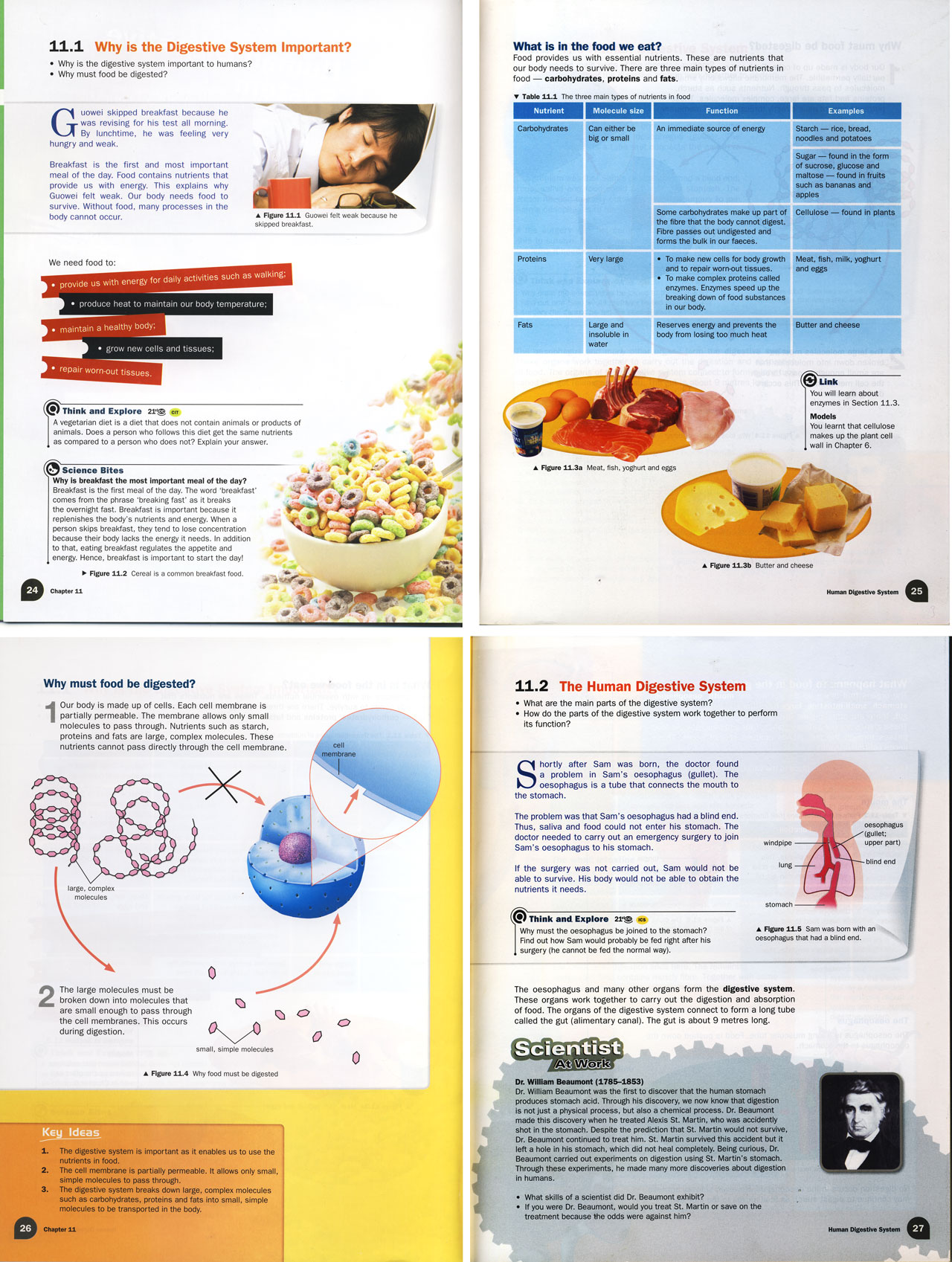
Figure 1
Food digestion, lower secondary school (Science Matters, pp. 24–27).
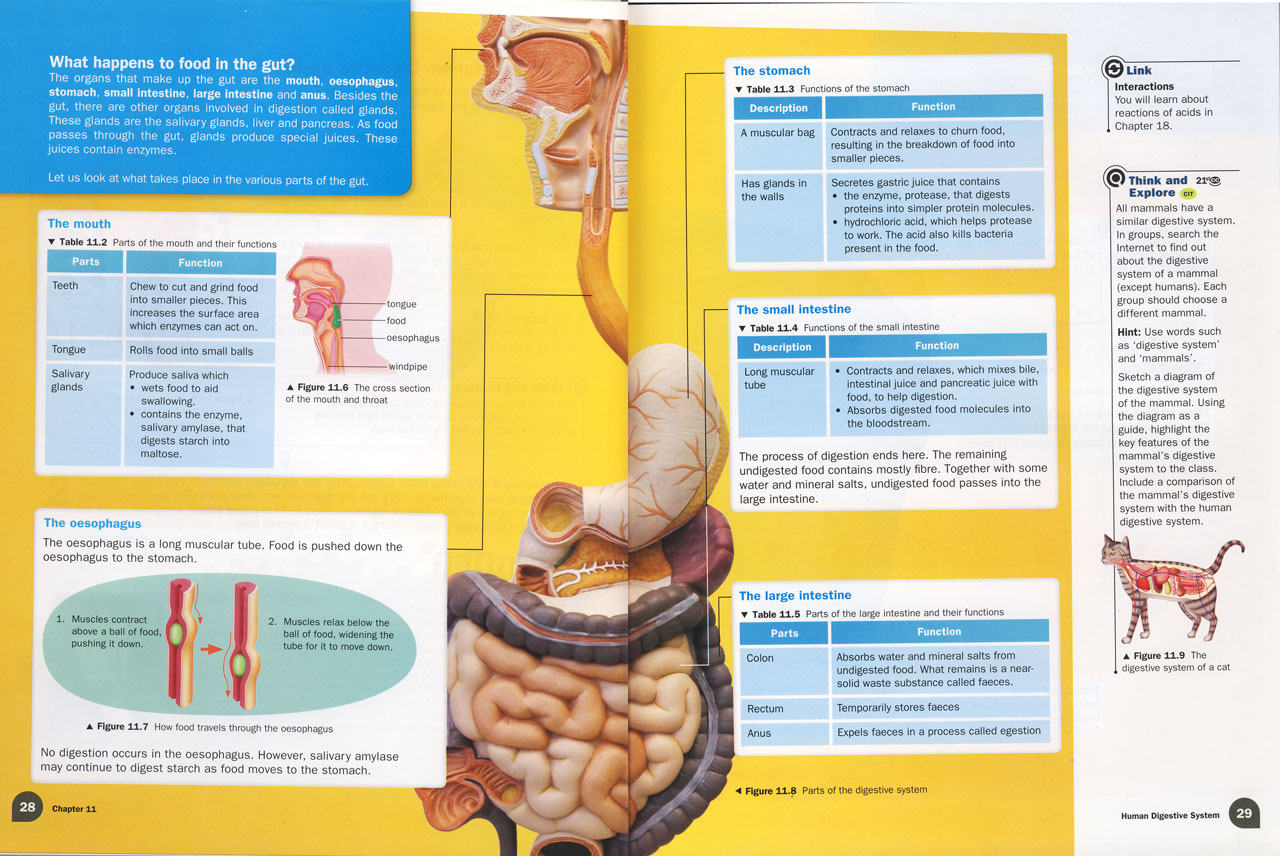
Figure 2
Food digestion, lower secondary school (Science Matters, pp. 28–29).
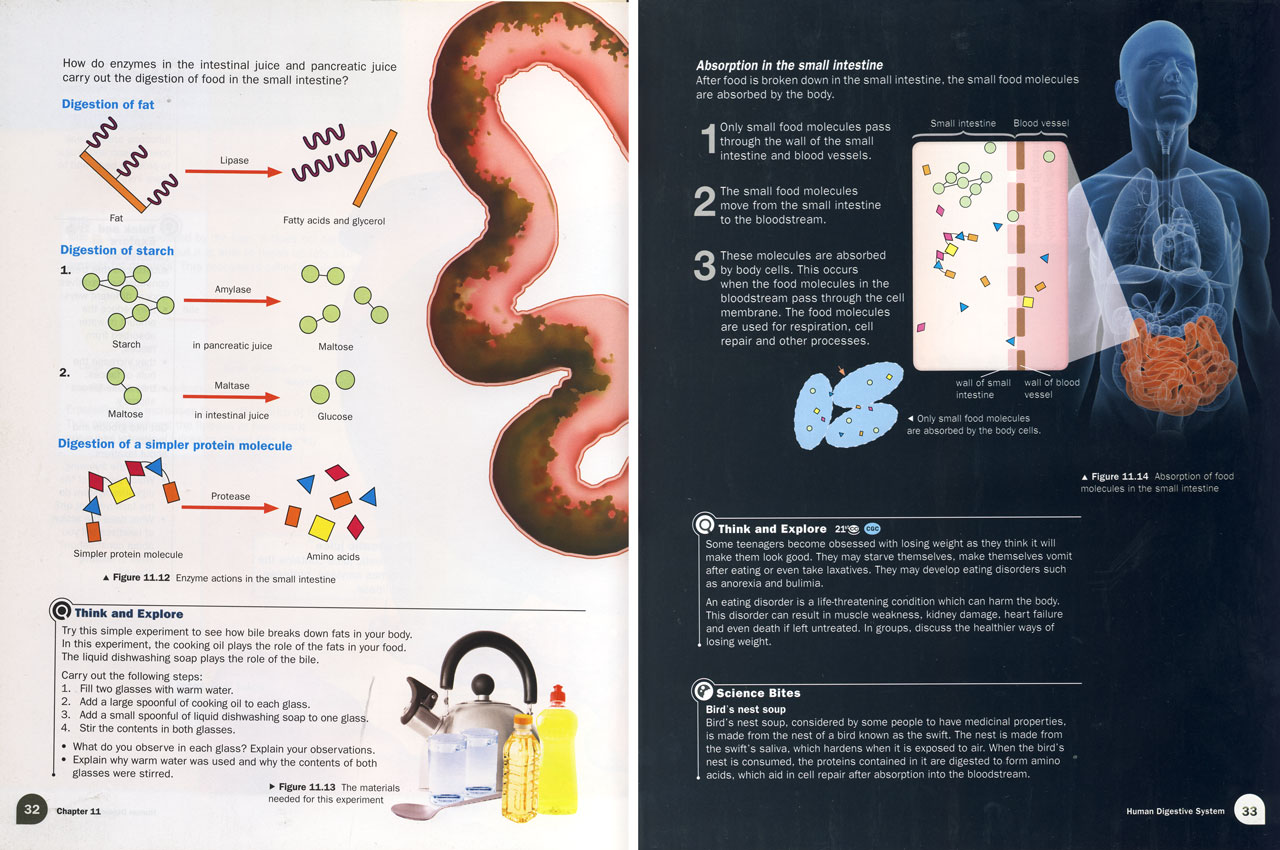
Figure 3
Food digestion, lower secondary school (Science Matters, pp. 32–33).
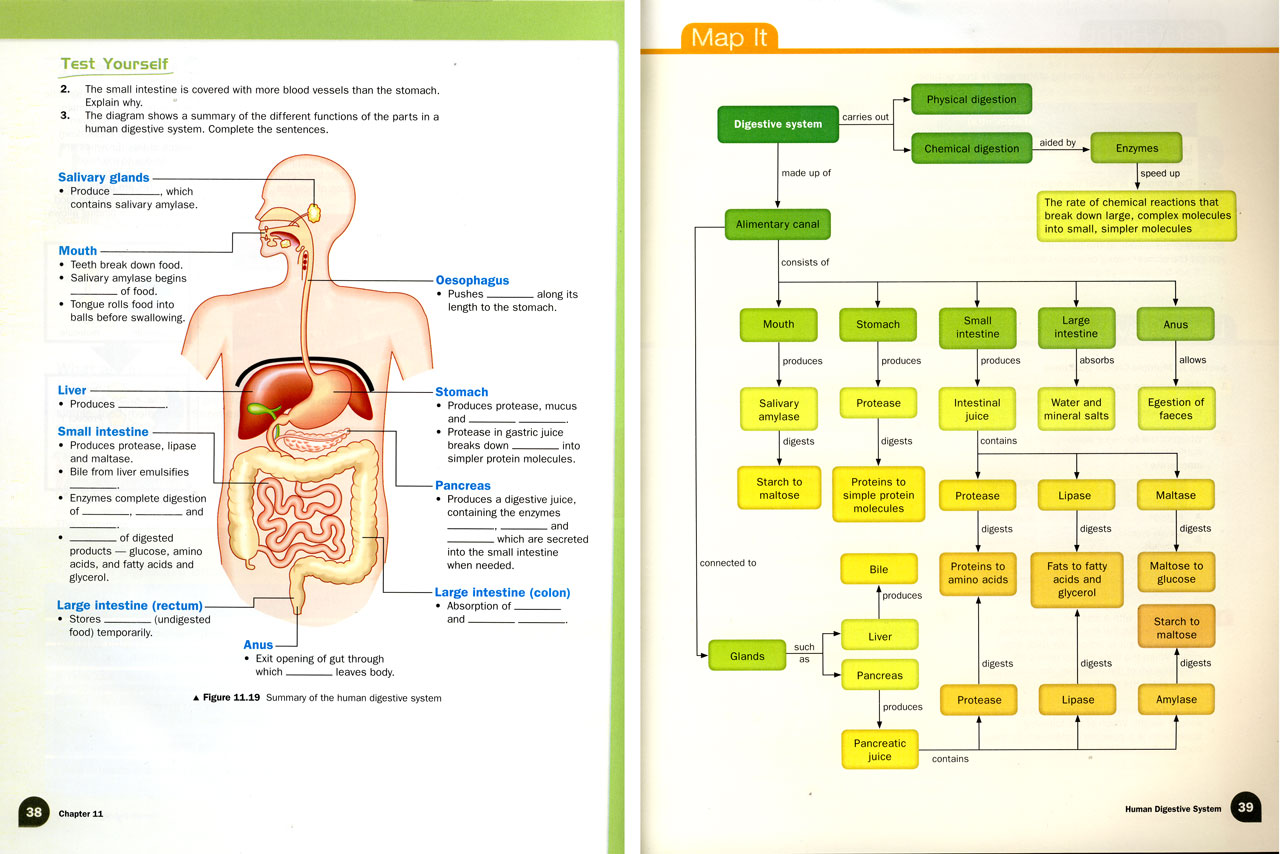
Figure 4
Food digestion, lower secondary school (Science Matters, pp. 38–39).
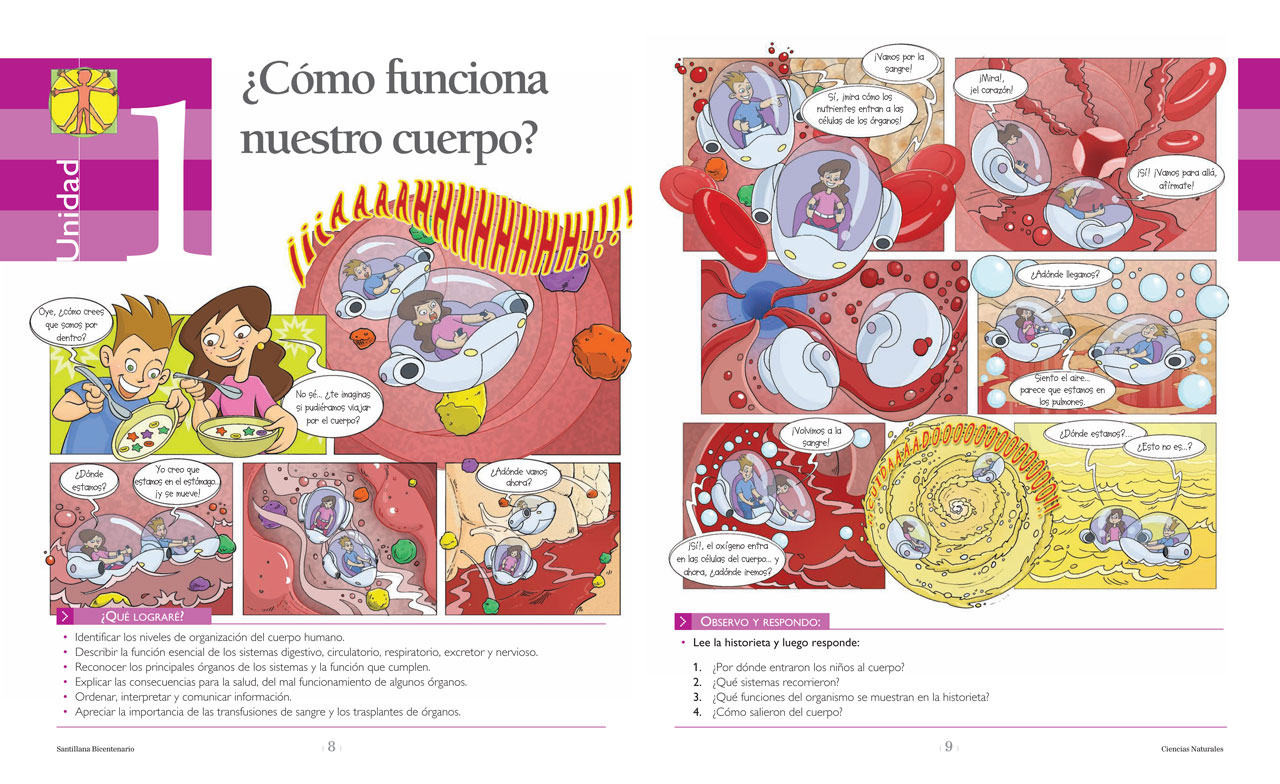
Figure 5
Food digestion, middle school (Ciencias Naturales, pp. 8–9).
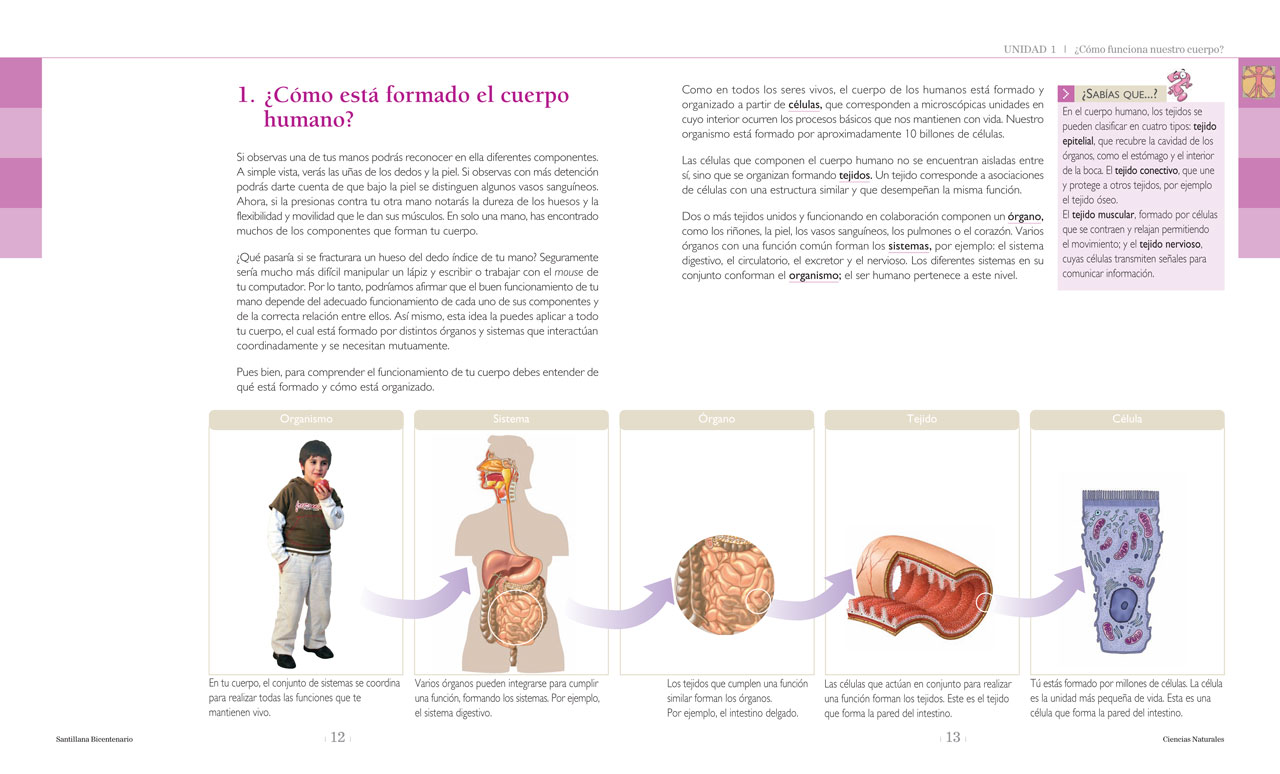
Figure 6
Food digestion, middle school (Ciencias Naturales, pp. 12–13).
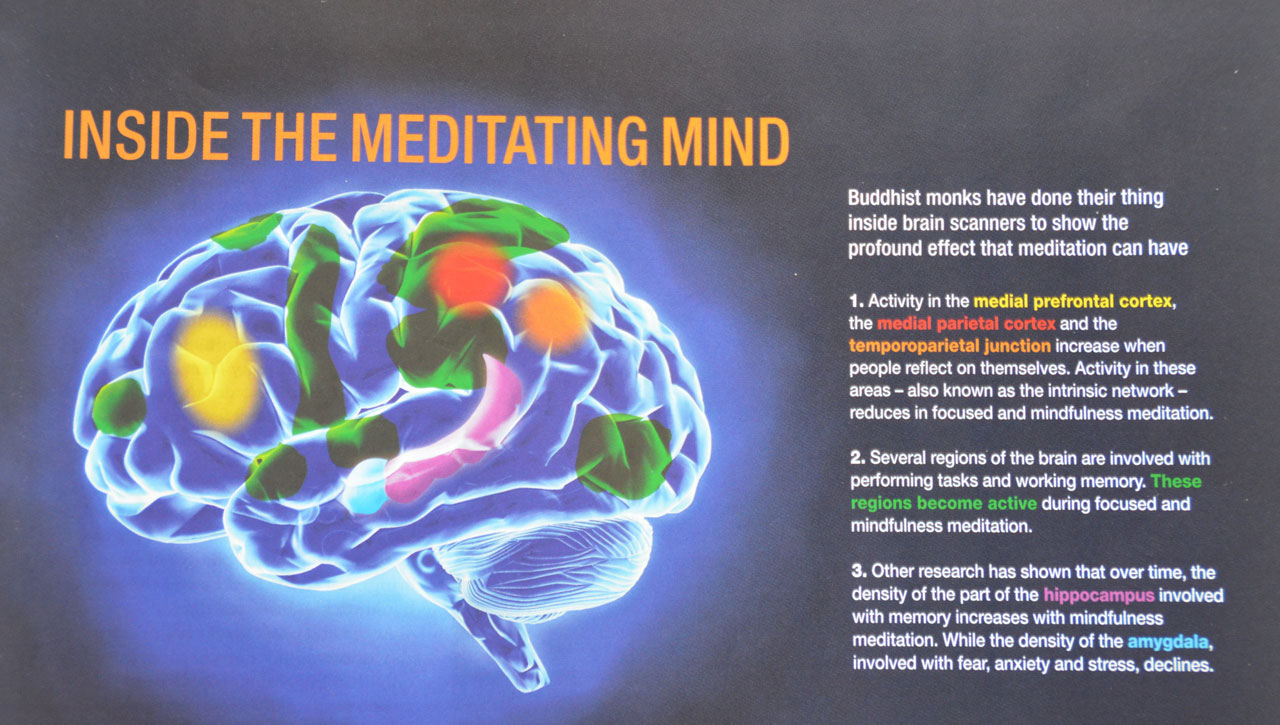
Figure 7
Enhancing proximity by use of colour (Ridgway, 2013, p. 71).