Have a personal or library account? Click to login
An AI toolkit for libraries Cover

An AI toolkit for libraries

By: Michael Upshall  
Open Access
|Nov 2022

Figures & Tables

uksgi-35-592-g1.png
Figure 1

Example of the MNIST database of handwritten numbers

uksgi-35-592-g2.png
Figure 2

A typical spell checker displaying the limitations of a context-free tool24

uksgi-35-592-g3.png
Figure 3

Google search for an article title

uksgi-35-592-g4.png
Figure 4

Example of a recommender system in action

uksgi-35-592-g5.png
Figure 5

Categorizing citations into supporting or differing from earlier research33
uksgi-35-592-g6.png
Figure 6

Google search 4 May 2022

uksgi-35-592-g7.png
Figure 7

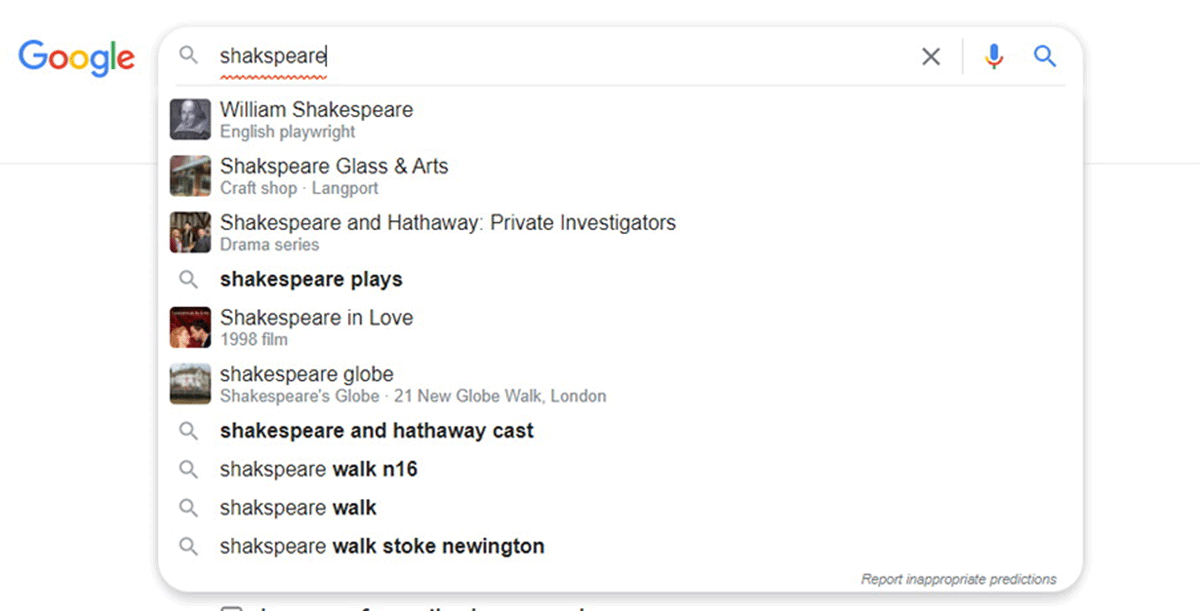
Google predictive search 4 May 2022

uksgi-35-592-g8.png
Figure 8

Entry for William Shakespeare from ‘the 50 most influential scholars of all time’

Table 1

Typical predictive scores for subject tagging

Contentphysicschemistrypolitics
Article 10.650.540.12
Article 20.450.730.19
DOI: https://doi.org/10.1629/uksg.592 | Journal eISSN: 2048-7754
Language: English
Submitted on: Jun 8, 2022
Accepted on: Jul 18, 2022
Published on: Nov 1, 2022
Published by: Ubiquity Press
In partnership with: Paradigm Publishing Services
Publication frequency: 3 issues per year

© 2022 Michael Upshall, published by Ubiquity Press
This work is licensed under the Creative Commons Attribution 4.0 License.