
Introduction
Health care services for women, both during pregnancy and the postnatal period, are essential components of maternal and child health.1 Inadequate, untimely, or inappropriate maternal health care substantially increases the risk of preventable mortality and disability among both mothers and their infants.2,3 Despite global progress in maternal health, significant challenges persist in ensuring adequate access to care, particularly for pregnant women with disabilities.
Worldwide, many pregnant women with disabilities continue to experience unmet needs in maternal health services.4 These challenges are often compounded by socioeconomic disadvantages, limited educational opportunities, pervasive stigma, and other contextual social barriers. As a result, achieving the Sustainable Development Goals (SDGs), particularly those aimed at equitable and universal health coverage, remains a considerable challenge.5 Structural and social inequities contribute to persistent disparities in maternal health outcomes among women with disabilities.6
Due to their increased need for support, pregnant women with disabilities generally have substantially lower access to maternal health services compared to women without disabilities. Consequently, their pregnancies are more likely to result in adverse outcomes. Previous studies have reported higher incidences of pre-eclampsia, genitourinary tract infections, premature rupture of membranes, and false labor among women with disabilities.7 Moreover, women with disabilities are significantly more likely to experience mistimed or unwanted pregnancies and to report uncertainty regarding pregnancy intention.8
Unfortunately, women with disabilities not only face challenges related to their impairments but are also frequently exposed to systemic inequities and discriminatory practices within health care systems.4,9,10 This situation contradicts the fundamental principle that pregnancy, childbirth, and motherhood should be positive and fulfilling experiences for all women, including those with disabilities.11-13 Given their heightened reliance on external support, pregnant women with disabilities should receive optimal, responsive, and inclusive maternal health care.14 Moreover, the legal dimension of this issue has been globally recognized through the Convention on the Rights of Persons with Disabilities (CRPD) that has been ratified by more than 190 countries since its adoption on 13 December 2006.15 This implies that efforts to provide maternal health services for pregnant women with disabilities should adhere to the fundamental principles of non-discrimination, equality of opportunity, and accessibility.16
Although efforts to improve access to maternal health services for women with disabilities have been ongoing for decades,17 there remains a critical need to assess how existing research has evolved and where future scholarly attention should be directed. Previous efforts to map the existing research have been conducted; however, these studies primarily relied on reviewbased approaches and focused on specific areas,18 or examined maternal health care access in a broader and more general context.19
Obviously, obtaining information on research within this theme cannot measure the success or failure of efforts to provide maternal health services for women with disabilities. In many parts of the world, numerous countries demonstrate strong commitments to addressing these inequities, that may not always be fully documented in the research literature. Nevertheless, quantitative approaches such as bibliometric analysis can help systematically curate and synthesize the body of existing research, serving as a basis for evaluation and reflection, and fostering shared global commitment to more inclusive and humanitarian maternal health care. Thus, systematic mapping of the literature is necessary to identify research trends, gaps, and emerging themes that can inform more focused and impactful studies. Therefore, this paper aims to map published scientific documents addressing maternal health care for pregnant women with disabilities. The resulting bibliometric overview is expected to provide valuable knowledge to guide future research and contribute to more equitable maternal health outcomes for all women, regardless of disability status.
Methods
Source of Data
Data were collected from the Scopus database in January 2026. The literature search was conducted using the following combination of keywords: TITLE-ABS-KEY (women OR people AND with disabilities OR with a disability AND maternal OR maternity AND healthcare OR health service). The initial search yielded 255 documents. We subsequently applied refinement criteria, including: (1) documents at the final publication stage; (2) source type limited to journals; (3) published before 2026; and (4) English-language publications. After applying these criteria, 222 documents were identified as eligible.
All eligible records were downloaded from Scopus as raw data, including information on authors, affiliations, journals, keywords, research areas, citations, titles, abstracts, and funding details. The raw data were exported in Microsoft Office Excel 2021 format. Further screening was conducted by reviewing titles and abstracts to ensure relevance to the study theme. This final screening process resulted in 69 documents that constituted the dataset used for bibliometric visualization and analysis.
Data Statistics and Visualization
The compiled articles were analyzed using two software tools: the Biblioshiny interface of the Bibliometrix package in RStudio and VOSviewer. The Bibliometrix RStudio Package (version 2025.05.0) was employed to map and analyze the bibliometric characteristics of the documents. To provide complementary and enhanced visualizations of the bibliometric networks, VOSviewer was used.20
Results
Publication trends
An overview of publications addressing maternal health care for women with disabilities is presented in Table 1. The table shows that a total of 69 documents were published in the Scopus database between 2012 and 2025. Overall, the average number of citations per document was 16, with a mean document age of 4.72 years. This indicates that the majority of the documents have been produced within the past five years and have not yet accumulated a substantial number of citations.
Table 1
Primary information from selected paper
| Overview | Result |
|---|---|
| Timespan | 2012:2025 |
| Documents | 69 |
| Annual Growth Rate % | 26.84 |
| Document Average Age | 4.72 |
| Average citations per doc | 16.01 |
| Keywords Plus (ID) | 712 |
| Author's Keywords (DE) | 200 |
| Authors | 307 |
| Authors of single-authored docs | 1 |
| Single-authored docs | 1 |
| Co-Authors per Doc | 5.49 |
| International co-authorships % | 28.99 |
| Article | 57 |
| Editorial | 1 |
| Review | 10 |
| Short survey | 1 |
Table 1 also indicates that the annual growth rate of publications was 26.84%. Figure 1 illustrates fluctuations in the number of documents produced each year; however, since 2023, a consistent increase in publications has been observed. Table 1 further demonstrates that 712 keywords plus and 200 authors’ keywords were identified across the document set. This diversity of keywords indicates a broad thematic scope related to maternal health care for women with disabilities. In addition to highlighting the limited depth of exploration to date, these findings point to significant opportunities for future research to strengthen conceptual linkages within the core theme of maternal health services for women with disabilities.
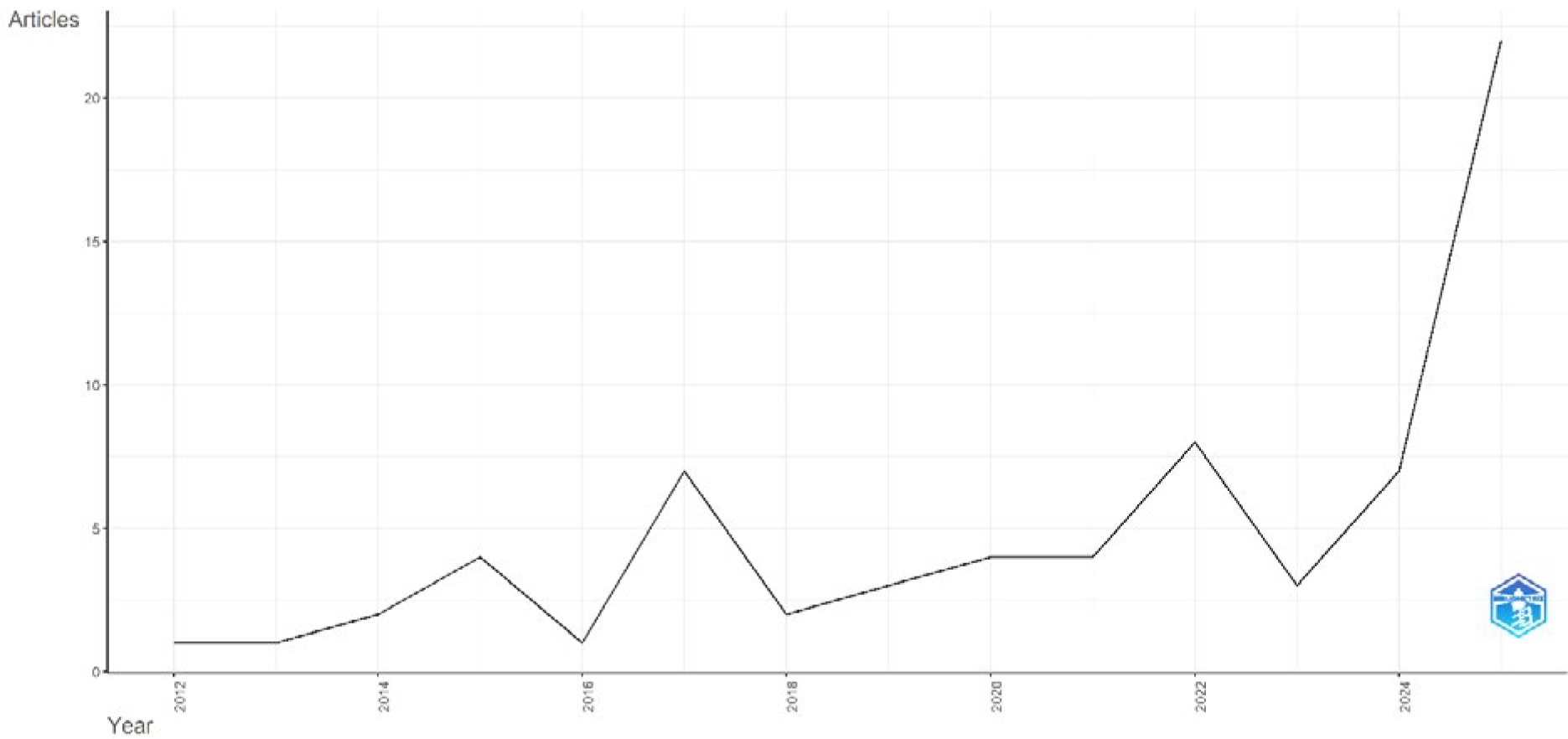
Figure 1
Annual Scientific Production
Across the study period, 307 authors contributed to publications on this topic, with only one document authored by a single author. The average number of authors per document was approximately five, and nearly 29% of the publications involved international collaboration, indicating a moderate level of global research cooperation in this field.
Figure 1 illustrates the trend in document publications over time. The publication pattern shows noticeable fluctuations, although a sharp increase has been observed since 2023. The first document was published in 2012, marking the starting point of the trend. Over the subsequent ten years, no substantial growth in publications was evident, until a significant surge occurred during the 2024-2025 period. The number of documents in 2024 increased by more than 100 percent, surpassing the highest publication counts recorded in previous years. A marked increase was observed in 2025, with 22 documents published, representing the peak of annual publication output.
Table 2 provides more detailed information on publications addressing maternal health care for women with disabilities. The data indicate a linear relationship between total citations per document and citations per year, whereby documents with higher total citation counts also demonstrate higher annual citation rates. As shown in Table 2, citation counts per document vary considerably across the study period, with alternating increases and decreases over time. However, during the first decade, although only a limited number of publications were produced, the papers received relatively high citation counts, indicating their strong influence on subsequent research. For instance, the documents published in 2012, 2013, and 2016 each consisted of only a single publication but were cited 28, 72, and 120 times, respectively. In contrast, over the past five years, the majority of documents have received relatively few citations (fewer than five citations per document), suggesting that many publications have not yet achieved substantial impact as references within the research community.
Table 2
Average citations per year
| Year | Number of documents | Total citation per doc | Total citation per year | Citable Years |
|---|---|---|---|---|
| 2012 | 1 | 28 | 1.87 | 15 |
| 2013 | 1 | 73 | 5.21 | 14 |
| 2014 | 2 | 58 | 4.46 | 13 |
| 2015 | 4 | 13.5 | 1.12 | 12 |
| 2016 | 1 | 120 | 10.91 | 11 |
| 2017 | 7 | 40.57 | 4.06 | 10 |
| 2018 | 2 | 35.5 | 3.94 | 9 |
| 2019 | 3 | 18.67 | 2.33 | 8 |
| 2020 | 4 | 15 | 2.14 | 7 |
| 2021 | 4 | 12.5 | 2.08 | 6 |
| 2022 | 8 | 16.25 | 3.25 | 5 |
| 2023 | 3 | 3.67 | 0.92 | 4 |
| 2024 | 7 | 3.71 | 1.24 | 3 |
| 2025 | 22 | 1.18 | 0.59 | 2 |
Although 2025 represented the year with the highest number of published documents, these publications have not yet demonstrated strong influence in the field, with an average of approximately 1.18 citations per document, likely reflecting their recent publication and limited exposure to the broader research community.
Global Impact
Global Cited Documents refer to publications that have received the highest number of citations worldwide within the database, thereby, providing an indication of the article’s broader scientific impact and influence. Figure 2 and Table 3 present information on documents and authors that have received significant citations in studies addressing maternal health care for women with disabilities. The citation counts indicate the scholarly importance of these documents, as they are frequently used as references for the next researchers or authors.
Table 3
Top 19 documents with significant citations
| Authors | Title | Total citations | Total citations per year |
|---|---|---|---|
| GANLE JK, 2016, PLOS ONE | challenges women with disability face in accessing and using maternal healthcare services in ghana: a qualitative study | 120 | 10.91 |
| ANDRESEN EM, 2013, WOMEN'S HEALTH ISSUES | Pap, mammography, and clinical breast examination screening among women with disabilities: a systematic review | 73 | 5.21 |
| MALOUF R, 2017, BMJ OPEN | Access and quality of maternity care for disabled women during pregnancy, birth and the postnatal period in England: data from a national survey | 65 | 6.50 |
| DEVKOTA HR, 2017, REPROD HEALTH | Healthcare provider’s attitude towards disability and experience of women with disabilities in the use of maternal healthcare service in rural Nepal | 63 | 6.30 |
| AKOBIRSHOEV I, 2017, DISABIL HEALTH J | Birth outcomes among US women with intellectual and developmental disabilities | 62 | 6.20 |
| HEIDEVELD-GERRITSEN M, 2021, MIDWIFERY | Maternity care experiences of women with physical disabilities: A systematic review | 42 | 7.00 |
| DEVKOTA HR, 2018, PLOS ONE | Are maternal healthcare services accessible to vulnerable group? A study among women with disabilities in rural Nepal | 39 | 4.33 |
| HAMEED S, 2020, BMJ GLOB HEALTH | From words to actions: systematic review of interventions to promote sexual and reproductive health of persons with disabilities in low- and middle-income countries | 35 | 5.00 |
| NISHAT F, 2022, AM J PREV MED | Prenatal care adequacy among women with disabilities: a population-based study | 32 | 6.40 |
| KABIA E, 2018, INT J EQUITY HEALTH | How do gender and disability influence the ability of the poor to benefit from pro-poor health financing policies in Kenya? An intersectional analysis | 32 | 3.56 |
| BLAIR A, 2022, MIDWIFERY | Access to, and experiences of, maternity care for women with physical disabilities: a scoping review | 28 | 5.60 |
| FERDOUS J, 2012, J HEALTH POPUL NUTR | Occurrence and determinants of postpartum maternal morbidities and disabilities among women in Matlab, Bangladesh | 28 | 1.87 |
| LAPIERRE TA, 2017, DISABIL HEALTH J | “Paying the price to get there”: Motherhood and the dynamics of pregnancy deliberations among women with disabilities | 27 | 2.70 |
| HAYWARD K, 2017, DISABIL HEALTH J | Reproductive healthcare experiences of women with cerebral palsy | 27 | 2.70 |
| MOLINARO A, 2017, CHILD CARE HEALTH DEV | Family‐centred care for children and young people with cerebral palsy: results from an Italian multicenter observational study | 26 | 2.60 |
| NGUYEN TV, 2022, DISABIL REHABIL | “Nothing suitable for us”: experiences of women with physical disabilities in accessing maternal healthcare services in Northern Vietnam | 24 | 4.80 |
| NGUYEN TV, 2019, SEX DISABIL | Maternal healthcare experiences of and challenges for women with physical disabilities in low and middle-income countries: a review of qualitative evidence | 24 | 3.00 |
| BRADBURY-JONES C, 2015, BMC PREGNANCY CHILDBIRTH-a | Disabled women’s experiences of accessing and utilising maternity services when they are affected by domestic abuse: a critical incident technique study | 24 | 2.00 |
| MALOUF R, 2014, BMC PREGNANCY CHILDBIRTH | Systematic review of heath care interventions to improve outcomes for women with disability and their family during pregnancy, birth, and postnatal period | 23 | 1.77 |
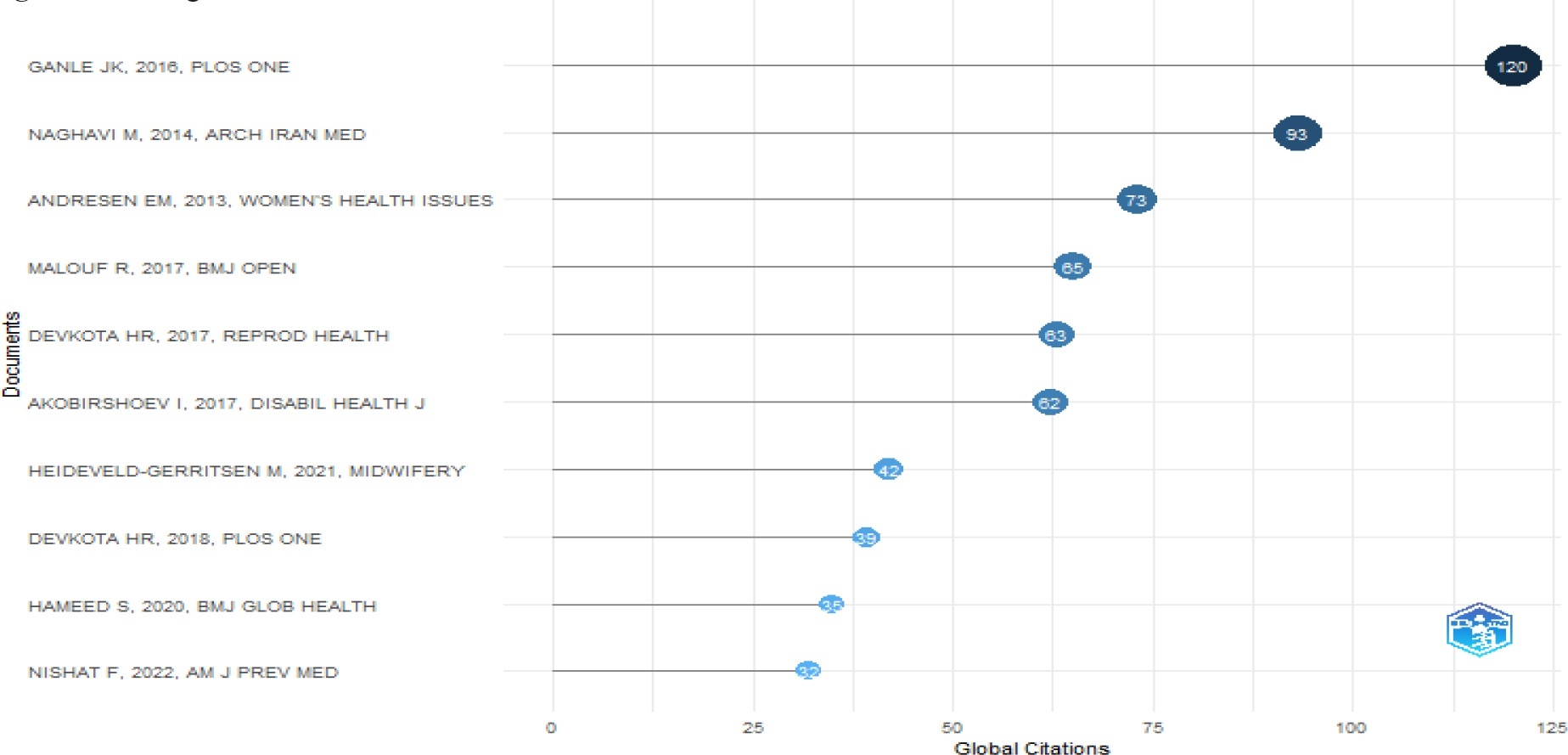
Figure 2
Most global cited documents
The top 19 publications with the highest citation counts were identified as particularly influential in shaping research on maternal health care for women with disabilities. The study conducted by Ganle JK received the highest number of citations, with a total of 120 citations, and was published in PLOS ONE.21 This qualitative study explored the challenges faced by women with disabilities in accessing and utilizing maternal health services in Ghana. The findings revealed that existing maternal health services were predominantly designed for women without disabilities and, therefore, failed to address the specific needs of women with disabilities. The strong relevance of this topic and its conceptual contribution have led this publication to be frequently cited and to serve as a foundational reference in subsequent studies.
The second most highly cited publication was authored by Andersen, with a total of 73 global citations, and published in Women’s Health Issues.22 This study was a systematic review examining disparities in access to cancer screening services, specifically Pap smear tests, mammography, and clinical breast examinations among women with disabilities in the United States.
Despite variations in study designs and findings across the reviewed literature, the authors consistently emphasized the need to improve health care services for women with disabilities, including within the broader context of maternal health. These works have played an important role in reinforcing the evidence base for addressing inequities in women’s health services and has been widely cited in related research.
Most Productive Authors
Table 4 presents the top 10 most influential authors in the field of maternal health care for women with disabilities extracted from the 69 documents included in our dataset. The table includes information on total publications (TP), total citations (TC), and year of first publication (YFP). With a total of six publications, Mitra M emerged as the most productive author focusing on maternal health care for women with disabilities. This was followed by Devkota HR and Akobirshoev I, who ranked second and third, respectively, in terms of publication output.
Table 4
Most productive authors
| Author | Total publication | Total citation | Year of first publication |
|---|---|---|---|
| MITRA M | 6 | 88 | 2017 |
| DEVKOTA HR | 4 | 118 | 2017 |
| AKOBIRSHOEV I | 4 | 79 | 2017 |
| EDWARDS N | 4 | 57 | 2019 |
| GROCE N | 4 | 118 | 2017 |
| KING J | 4 | 57 | 2019 |
| MURRAY E | 4 | 118 | 2017 |
| NGUYEN TV | 4 | 57 | 2019 |
| BEHERA S | 3 | 2 | 2024 |
| DUNNE MP | 3 | 52 | 2019 |
Figure 3 illustrates the publication patterns of authors contributing to this research area. A general analysis indicates that publication activity is heterogeneous and lacks a consistent trend. Among the top ten authors, only Devkota R demonstrates sustained long-term engagement with this topic.
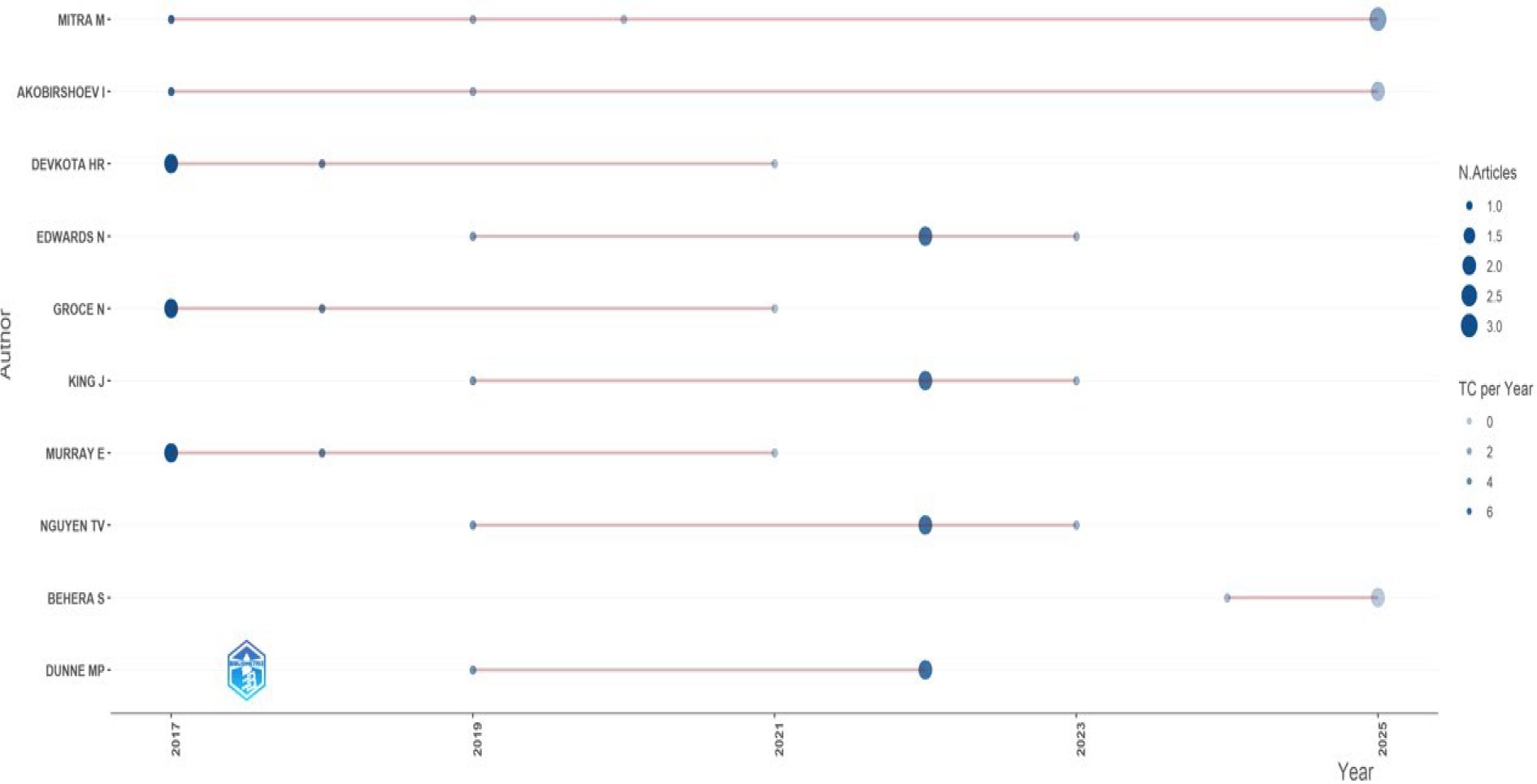
Figure 3
Author’s Production over time
For instance, a publication indexed in 2026 reports findings from a study conducted in Kathmandu, Nepal, in 2023, in which the authors emphasized the importance of Respectful Maternity Care (RMC) in meeting the needs of women with disabilities.23 In 2021, Devkota reported that access to health care services among people with disabilities was not influenced by caste.24 Earlier studies by the same author documented persistently poor health care services in Nepal, with no substantial improvements since similar concerns were raised in 2017.25 In 2018, Devkota also highlighted the overall inadequacy of health care services in Nepal, extending beyond disability-related issues.26 Notably, the poor quality of services has been reinforced by unfavorable perceptions and attitudes among health care providers.27 Overall, Devkota appears to be one of the few authors consistently addressing maternal health care for women with disabilities, particularly within the context of Nepal.
Authors such as Behera S and Dunne MP discontinued their engagement with this topic within fewer than five years. Nevertheless, the issues they raised remain highly relevant. Behera highlighted the importance of access to contraception for women with disabilities28 and repeatedly emphasized the need for more equitable maternal health care services for this population.29 Similarly, Dunne examined the challenges of delivering maternal health services that adequately address the needs of women with disabilities in Vietnam30 and provided a comprehensive discussion on discrimination faced by this group within health care systems.31
It is also noteworthy that, among the ten most productive authors, three have authored papers that are included in the top 19 documents with significant citations (Table 3). Unfortunately, the limited number of researchers consistently addressing this issue is regrettable. As demonstrated by the pioneering work of these authors, there is substantial potential to further explore contextual factors and equity-related dimensions of maternal health care for women with disabilities. These perspectives offer a strong foundation for advancing future research agendas that address justice, inclusion, and systemic barriers in maternal health services.
Most Productive Sources
The most productive sources were identified through an analysis of publications based on journal outlets, as presented in Table 5. The findings indicate that the Disability and Health Journal contributed the highest number of publications, with a total of seven articles published between 2016 and 2025. This highlights the journal’s central role in disseminating research on maternal health services for women with disabilities. The second most productive source was Midwifery, contributing five publications. Meanwhile, BMC Pregnancy and Childbirth and PLOS One each published four papers on this topic. In terms of journal scope, the publication space appears to be relatively broad, as eight of the contributing journals are not specifically focused on disability. Nevertheless, these journals clearly accommodate this topic due to its strong relevance to maternal health.
Table 5
Most Productive Sources
| Sources | Number of documents |
|---|---|
| DISABILITY AND HEALTH JOURNAL | 7 |
| MIDWIFERY | 5 |
| BMC PREGNANCY AND CHILDBIRTH | 4 |
| PLOS ONE | 4 |
| BMJ OPEN | 3 |
| CONTRACEPTION AND REPRODUCTIVE MEDICINE | 3 |
| REPRODUCTIVE HEALTH | 3 |
| AFRICAN JOURNAL OF DISABILITY | 2 |
| ARCHIVES OF WOMEN'S MENTAL HEALTH | 2 |
| BMC PUBLIC HEALTH | 2 |
Figure 4 illustrates the cumulative growth of publications from the seven leading sources addressing maternal healthcare among pregnant women with disabilities, namely BMC Pregnancy and Childbirth, BMJ Open, Contraception and Reproductive Medicine, Disability and Health Journal, Midwifery, PLOS ONE, and Reproductive Health. The results show that BMC Pregnancy and Childbirth was the first journal to publish documents addressing maternal healthcare services for women with disabilities. However, during the period from 2015 to 2023, this journal did not publish any documents on this topic before experiencing a renewed increase in 2024. Contraception and Reproductive Medicine began publishing on this issue only in 2024 and showed a rapid increase through 2025, with a total of three publications. The Disability and Health Journal demonstrated the most substantial growth and the highest number of publications overall. Between 2016 and 2017, this journal published three documents, followed by an additional increase of two publications during the period from 2019 to 2021.
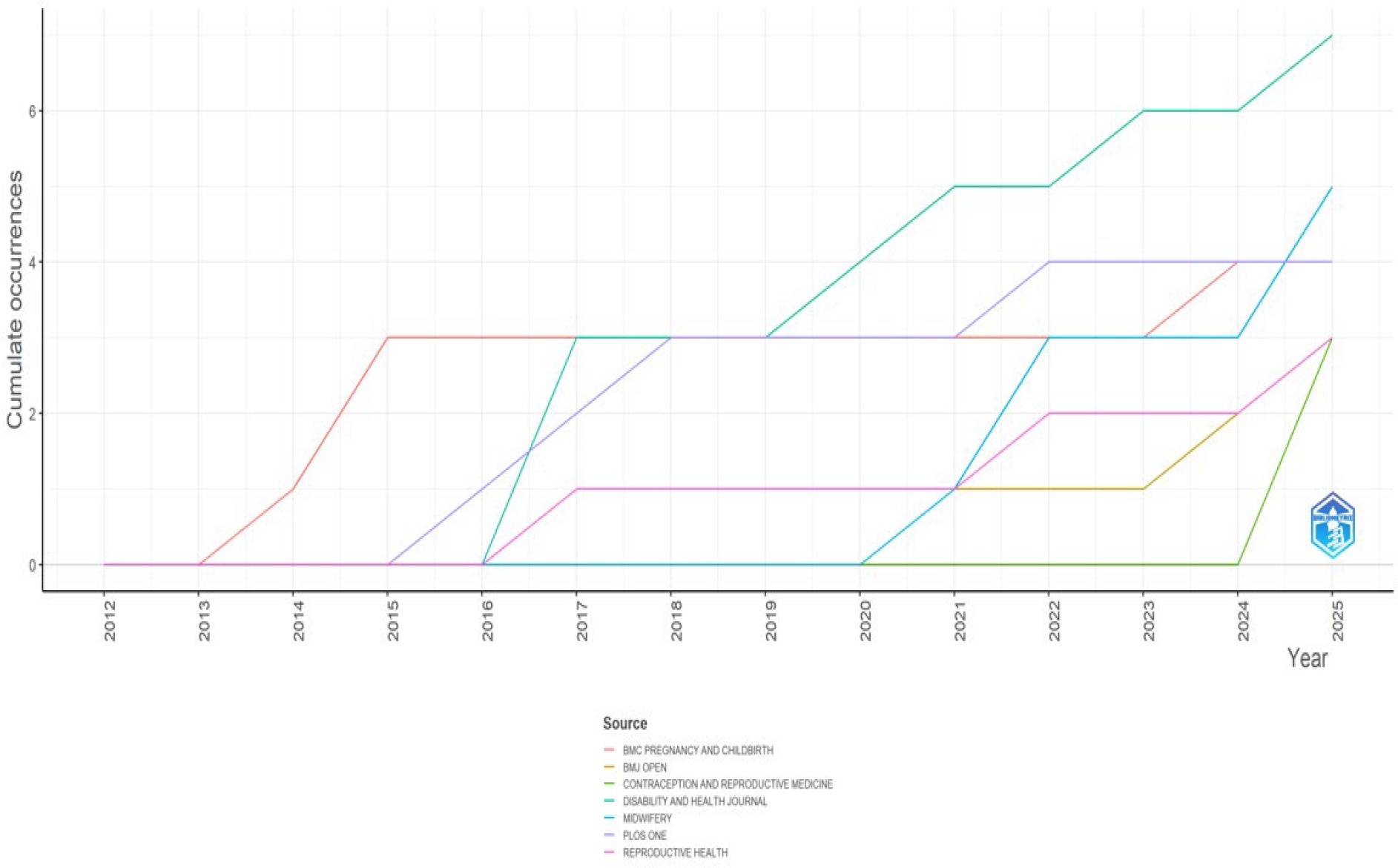
Figure 4
Source’s production over time
Most Productive Affiliations
Figure 5 presents the leading affiliations or institutions with the most significant contributions to publications on maternal healthcare services for women with disabilities. University College London emerges as the most productive contributor, with a total of 14 published documents. Other affiliations, such as Brandeis University, Wachemo University, and the University of Toronto, also play important roles in advancing research in this field. The presence of institutions from Iran, namely the University of Social Welfare and Rehabilitation Sciences, and from Ethiopia, including Wachemo University and Dilla University, provides valuable insights and highlights the contribution of institutions from low- and middle-income countries in driving research on this issue within a scope that remains open for further expansion.
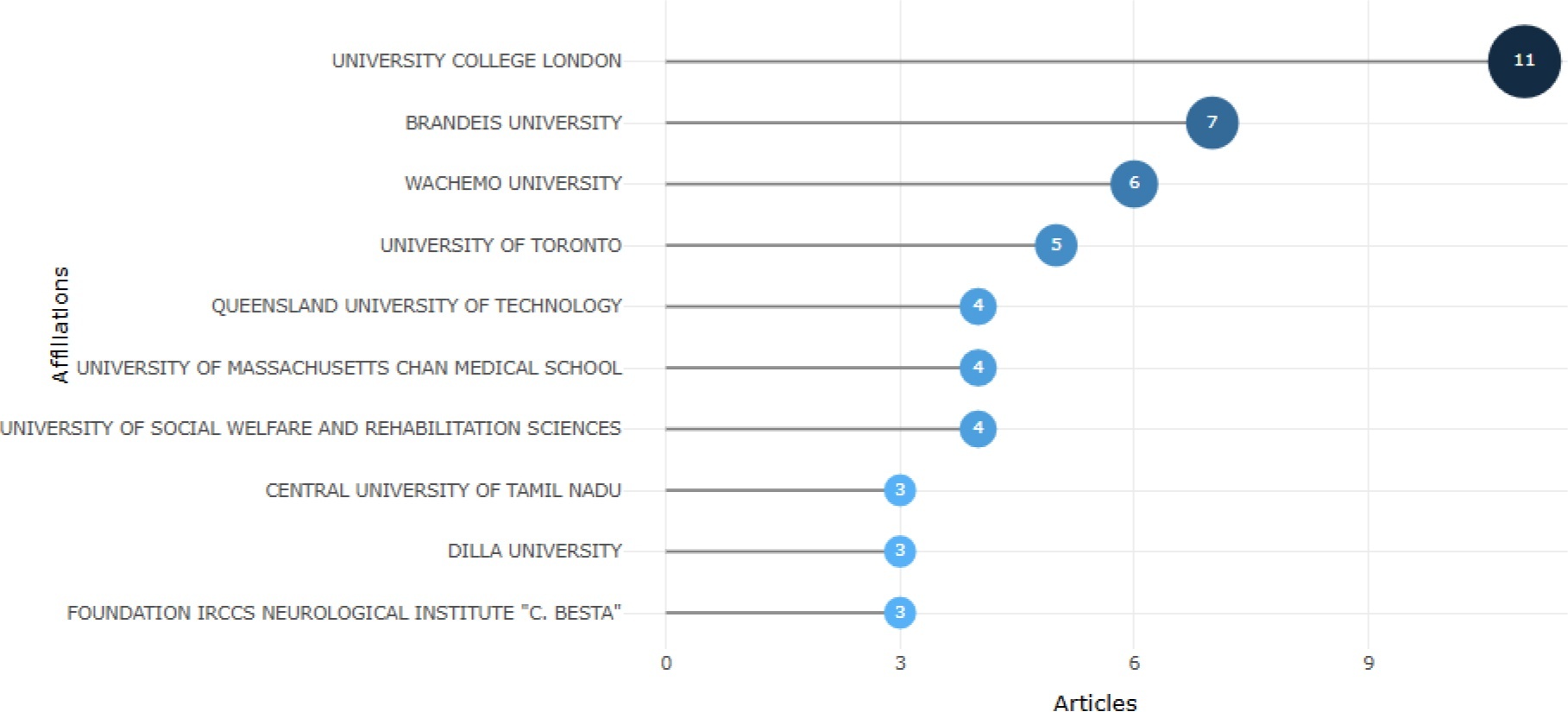
Figure 5
Top Ten Affiliation
Most Productive Countries
Table 6 presents the top ten countries contributing publications on maternal healthcare services for women with disabilities. Research output is predominantly dominated by highincome countries, particularly the United States (51 documents), the United Kingdom (43 documents), and Italy (29 documents). This distribution indicates that scholarly attention to this issue is considerably more pronounced in developed countries compared to low- and middleincome countries such as Ethiopia, Uganda, Iran, and South Africa, where substantially fewer studies have addressed this topic.
Table 6
Top Ten Countries
| Country | Number of documents |
|---|---|
| USA | 51 |
| UK | 40 |
| ITALY | 29 |
| AUSTRALIA | 18 |
| CANADA | 13 |
| ETHIOPIA | 11 |
| SWEDEN | 9 |
| UGANDA | 8 |
| IRAN | 7 |
| SOUTH AFRICA | 7 |
Table 7
Cluster Author’s keywords
| Cluster number | Cluster color | Keywords | Occurrences |
|---|---|---|---|
| 1 | Red | Woman with Disability | 4 |
| 2 | Green | Pregnancy | 20 |
| 3 | Blue | Maternal Health Care | 5 |
| 4 | Yellow | Disability | 13 |
| 5 | Purple | Maternity Care | 5 |
| 6 | Light blue | Access | 4 |
If we examine the themes considered important by the ten leading countries in Table 6, the pattern is presented in Figure 6. Figure 6 displays the thematic distribution (based on keywords) according to each country’s publication output and the authors associated with those themes. The top ten publishing countries collectively address only ten main keywords. In addition to pregnancy, disability, and maternal care, the themes also include access and motherhood. However, these themes remain relatively broad and do not clearly indicate the specific research directions pursued by each country.
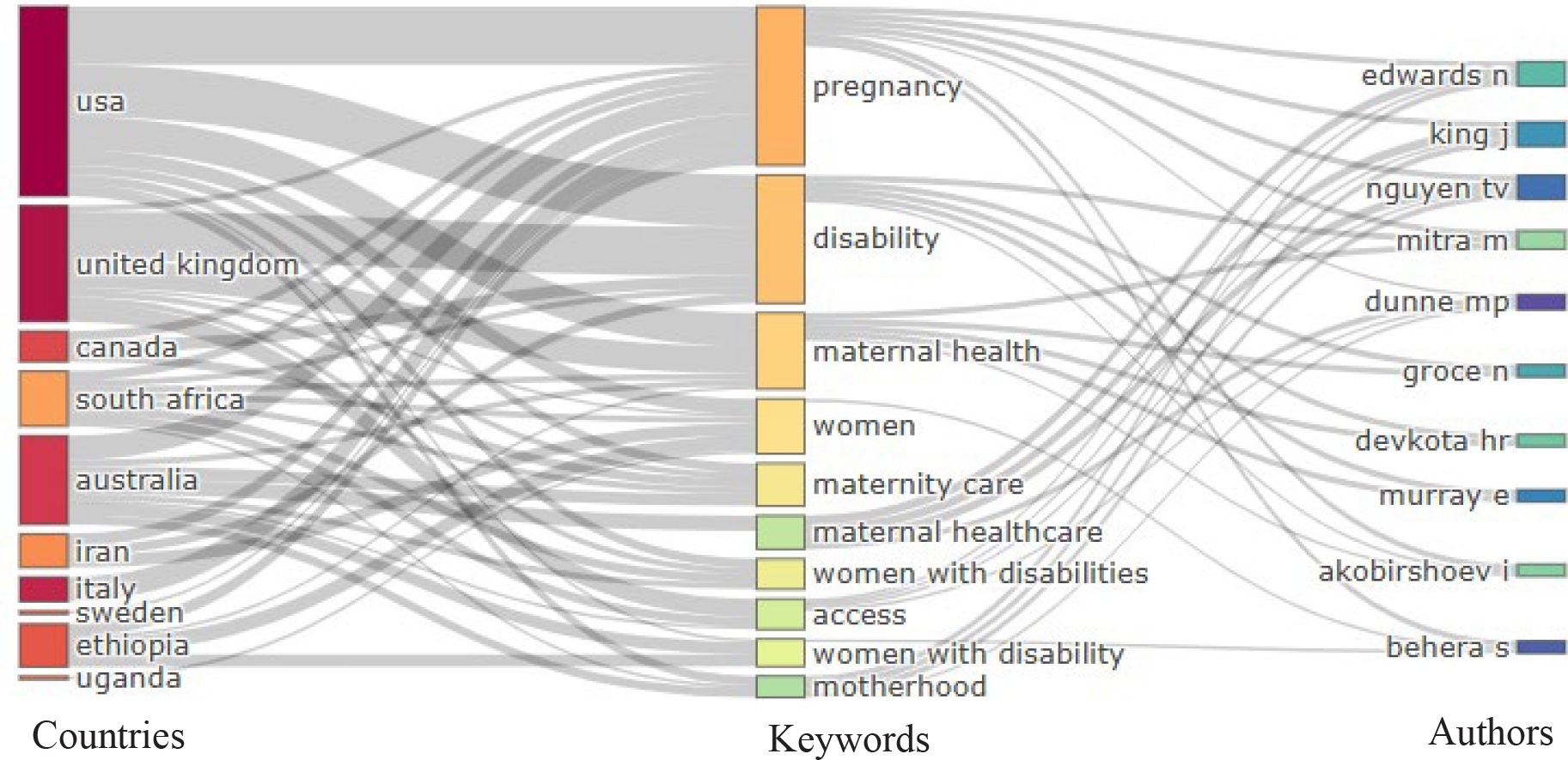
Figure 6
The Three-Field Plot combines countries, keywords, and authors
Collaboration Analysis
The co-authorship network provides a global overview of collaboration patterns among authors in this research field. The co-authorship analysis was conducted using VOSviewer, with the minimum number of documents set to one. The resulting network is presented in Figure 7. Five clusters are identified, represented by red, purple, yellow, blue, and green colors. These clusters reflect the density and strength of co-authorship relationships among authors.
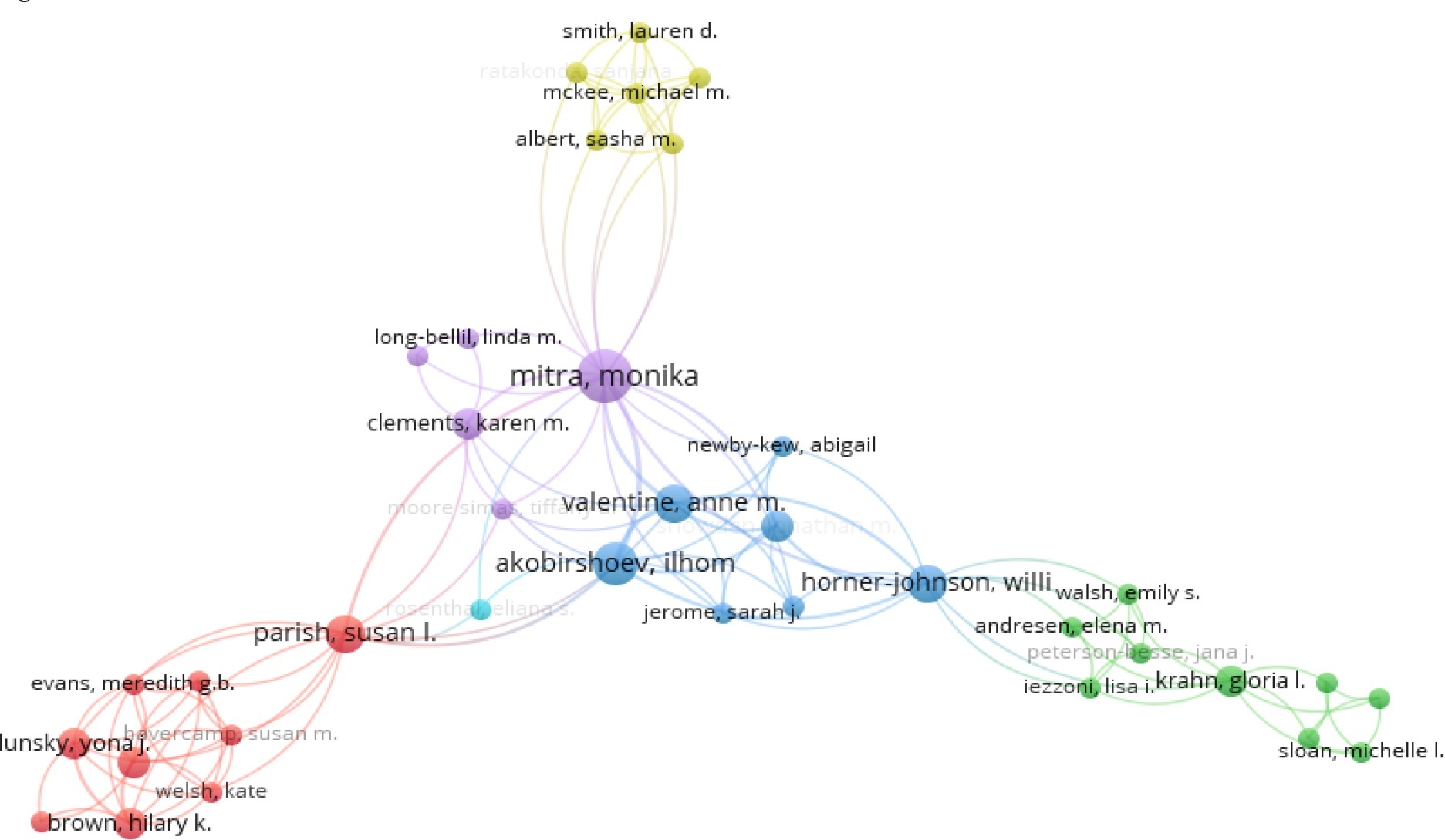
Figure 7
Author Collaboration Network
As the most productive author with six documents, Monika Mitra, for example, collaborated with Susan L. Parish in two publications.32,33 In two other papers, Mitra collaborated with Willi Horner-Johnson and Jonathan M. Snowden.34,35 In the remaining publications, Mitra worked with different co-authors. Meanwhile, although Susan L. Parish co-authored two papers with Mitra, she also collaborated with other authors to produce a separate publication.36 This pattern illustrates how co-authorship networks evolve based on the frequency and interconnectedness of collaborations among authors.
Their prominent roles are evidenced by the large number of co-authorship connections they maintain with other researchers, including collaborations that extend beyond their own clusters. This pattern indicates their central position in fostering research collaboration within this field. The figure clearly shows that inter-cluster connections are relatively sparse. This indicates that collaboration among authors within this research theme has not yet been fully integrated.
Corresponding Author’s Countries
Based on the visualization of corresponding authors presented in Figure 8, the countries with the highest number of corresponding authors are again dominated by the United States, the United Kingdom, and Australia. Authors from these countries account for the majority of publications as corresponding authors, with a strong predominance of Single Country Publications (SCP) compared to Multiple Country Publications (MCP).
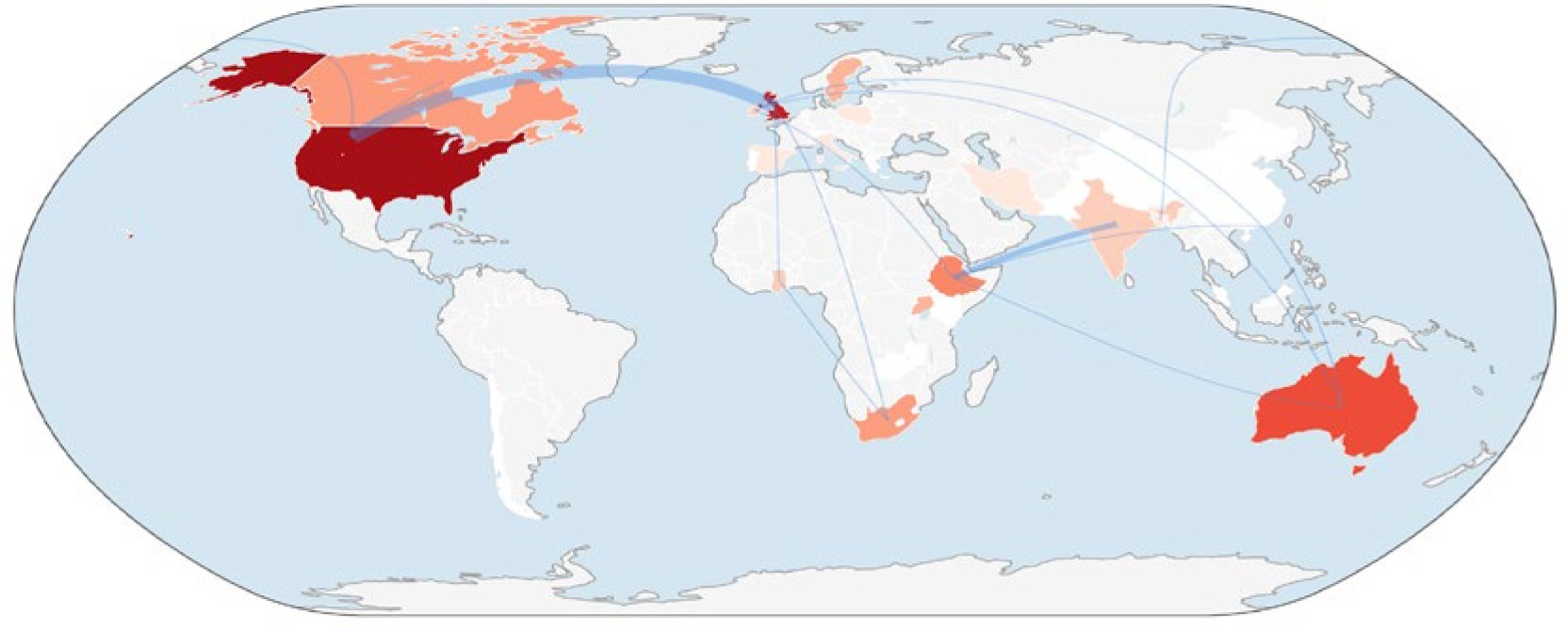
Figure 8
Corresponding author’s network
Only three countries (India, Chile, and Kenya) show a notable contribution to publications categorized as MCP. The clear dominance of SCP within this research theme highlights the limited extent of international collaboration and underscores a substantial opportunity for expanding cross-country and cross-regional research partnerships in the future.
Figure 9 illustrates the pattern of international collaboration among countries. Darker color density indicates a higher number of documents published on maternal healthcare services for women with disabilities in a given country. The most frequent collaborative links are observed between the United States and the United Kingdom, with a total of five collaborative publications. This is followed by collaboration between Ethiopia and India, which accounts for three collaborative documents.
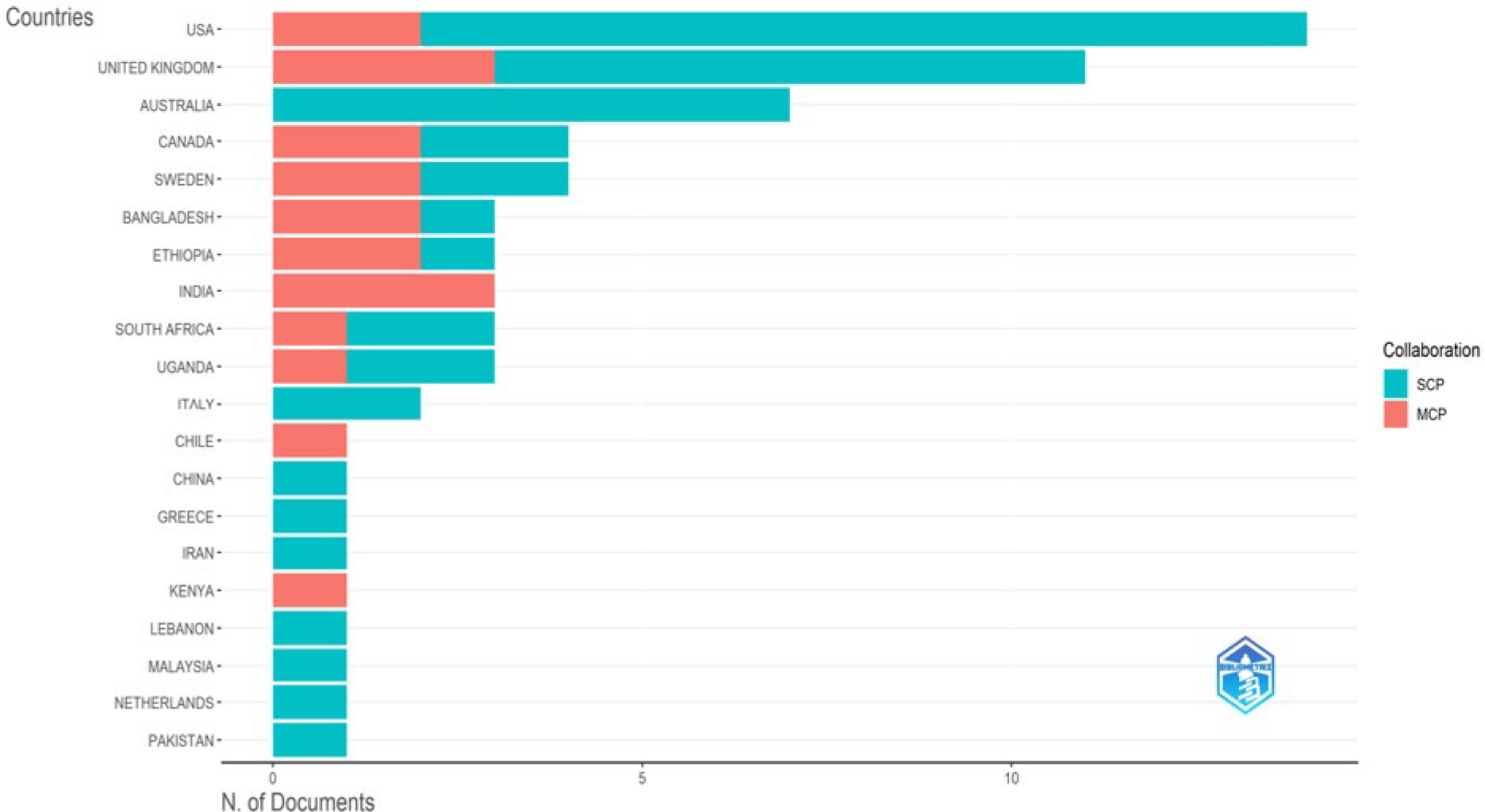
Figure 9
World map of countries’ collaboration
Keywords in the Co-occurrence Network
The co-occurrence network was constructed based on authors’ keywords with a minimum occurrence threshold of two to identify relevant keyword phrases. Duplicate keywords were removed when the same terms appeared repeatedly within different phrases. In addition, keywords referring to geographical or regional names were excluded from the analysis.
Figure 10 illustrates that the most prominent keywords are clearly centered on maternal healthcare services for pregnant women with disabilities. Within the green cluster, researchers have primarily constructed the research landscape around the pregnancy and childbirth experiences of women with disabilities,7,37,38 including the physical and mental challenges they face in their roles as mothers.39
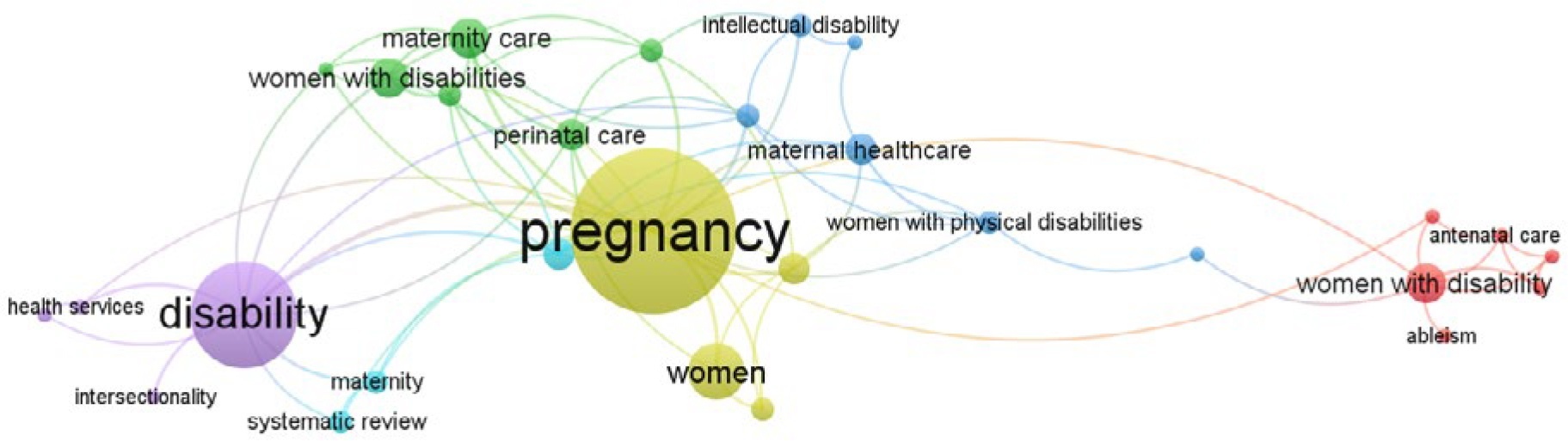
Figure 10
Author’s keywords in co-occurrence network
In the yellow cluster, studies have explored health system-oriented approaches by examining healthcare providers’ perspectives and the barriers they encounter,40,41 intersectionality analyses (disability, gender, and social status),25,42 as well as evidence synthesis studies.41
Several additional clusters although less dominant have also emerged, namely the red, blue, purple, and light blue clusters. These clusters largely encompass documents addressing discrimination and inequities in healthcare services,43 reproductive health justice, access to and quality of services for women with specific types of disabilities,42 and the lack of preparedness within healthcare systems to adequately respond to their needs.44
Thematic Evolution and Future Plan
Figure 11 classifies the identified themes into four distinct quadrants by applying two dimensions: centrality and density. These quadrants facilitate the interpretation of thematic structures by indicating whether themes are general, specialized, or highly relevant, thereby helping to identify their potential roles in shaping future research directions.
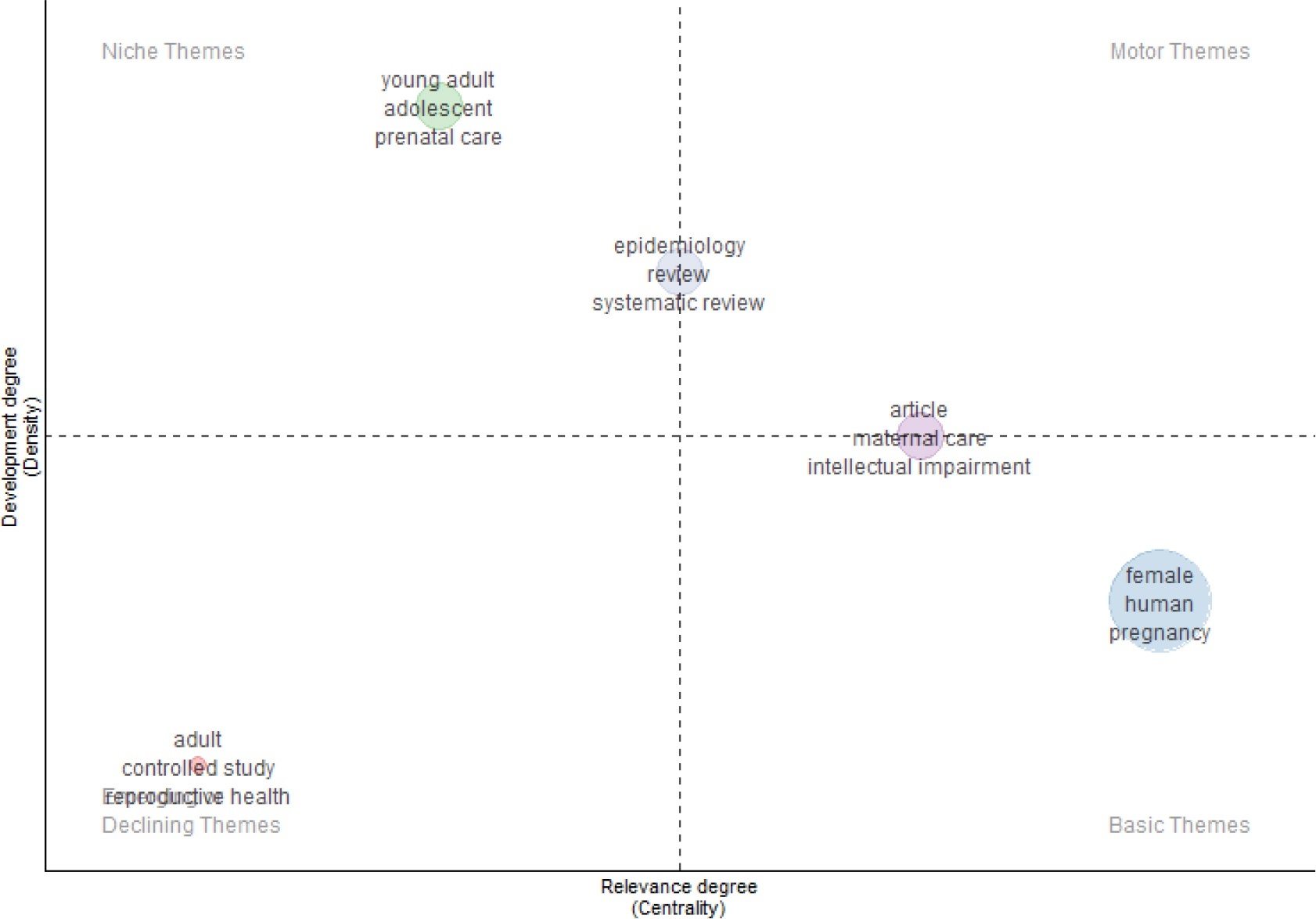
Figure 11
Keyword-based thematic development
In the upper-right quadrant, which represents motor themes, no dominant themes were identified. Motor themes typically consist of highly relevant and well-developed topics that drive research in maternal health care for women with disabilities. Unfortunately, motor themes in the area of health services for women with disabilities have not yet been fully established, indicating that research in this specific field remains insufficiently mature. To advance the field, future studies should further explore keywords that are beginning to move toward the motor theme quadrant, such as “article,” “maternal care,” and “intellectual impairment.” These topics appear to have shifted from the basic themes in the lower-right quadrant but have not yet reached a level of conceptual and developmental maturity to be classified as motor themes. Although maternal care and intellectual impairment have been addressed in several studies, they still require deeper investigation, particularly by specifying the types of maternal care and access that should be provided to women with disabilities.
Meanwhile, themes such as “prenatal care,” “adolescent,” and “young adult” are located in the niche themes quadrant, indicating that these topics have developed in a more specialized manner but have not yet become mainstream within the research field. Therefore, these themes hold strong potential as future research directions, particularly in the context of maternal services (e.g., contraception or counseling) for young mothers with disabilities.
In the lower-left quadrant, and consistent with the limited volume of studies identified in the preceding tables, there remains a clear need for controlled studies that compare reproductive health services between the general population and women with disabilities. The scarcity of evidence from many countries further underscores the importance and future potential of such comparative and contextspecific research.
Discussion
A global commitment has been established to ensure that persons with disabilities, including pregnant women, have access to equitable and inclusive health care services.16,45 This goal can be achieved by providing responsive health services and ensuring adequate access for women with disabilities.38
However, efforts to deliver inclusive maternal health care remain hindered by multiple barriers. Beyond obstacles arising from families, social environments, and even the health care system itself, one of the most significant challenges lies in the attitudes and competencies of health care providers, as well as the inadequacy of health care facilities.46 In many settings, services and infrastructure for women with disabilities are designed similarly to those for women without disabilities. As a result, pregnant women with disabilities often experience discomfort and exclusion when accessing maternal health services, further reinforcing existing inequities.
The bibliometric profile of this theme reveals persistent fluctuations in research interest related to maternal health care for women with disabilities. From a quantitative perspective, the publication trends, which fluctuated over the past decade but have shown an increase in recent years, indicate the need for broader collaboration and a more focused research agenda. As shown in Table 1, the number of researchers engaged in this field remains limited, is largely concentrated in high-income countries (Table 6 and Figure 8), and continues to focus on themes that have not expanded substantially. The dominance of research outputs from developed countries suggests the need to strengthen studies in low- and middleincome countries and to expand collaborative research through institutional partnerships or coordination by global organizations. The slow thematic expansion despite more than a decade of research activity may reflect a stagnation in the development of this field. In fact, documenting the conditions of populations experiencing inequities, particularly in contexts that fall below established standards of care, constitutes an essential step toward advancing health equity.47
The evidence mapped in this study indicates that research on maternal health care for women with disabilities remains insufficiently mature and, therefore, holds substantial potential for further expansion and deeper exploration. As illustrated in Figure 11, several promising research directions emerge.
First, there is a critical need for studies that evaluate health care services for pregnant women with disabilities. More research is required to monitor and assess how health systems respond to the specific needs of pregnant women with disabilities. Such studies may adopt quantitative, qualitative, or narrative approaches. In addition, research focusing on maternal health services prior to pregnancy is equally important, particularly among women with disabilities who are single or have not yet had children.48,49
Second, intervention-based research focusing on the skills and competencies of health care providers is urgently needed. These studies should test effective service models or develop innovative programs aimed at empowering health systems, reducing service gaps across population groups, and addressing the specific needs of women with disabilities.50 Responses to maternal health care challenges should not be limited to conventional facilitybased services but should also explore alternative approaches such as home-based care and the use of advanced e-health technologies.
Third, policy development must be strengthened to ensure comprehensive maternal health services for pregnant women with disabilities and to reduce unmet health care needs.51 Policy-oriented research designed to address structural and systemic barriers should be conducted using locally specific approaches.6,52,53 This line of research is particularly important given that the achievement of the Sustainable Development Goals remains the responsibility of individual countries and requires contextsensitive policy solutions.
Limitations
This study mapped the literature on maternal health care for pregnant women with disabilities. We acknowledge that reliance on a single database, namely Scopus, represents a potential source of bias. However, Scopus was deliberately selected as an initial step to stimulate broader research development and to support efforts toward achieving inclusive and equitable maternal health care. We encourage future bibliometric mapping studies to incorporate additional databases in order to expand the scope of coverage. Moreover, the inclusion of conventional empirical studies and gray literature is strongly recommended, as such sources may provide valuable insights that are not captured within indexed journal databases.
In addition, it is important to conduct research that focuses more specifically on different types of disabilities. While this paper synthesizes all disability conditions collectively, a more disaggregated analysis by specific disability categories could yield richer and more nuanced insights. It would also be valuable to undertake in-depth analyses involving researchers with disabilities themselves, as their perspectives may offer reflections that more authentically represent the lived experiences of persons with disabilities. Furthermore, future studies on disability-related topics should, where possible, actively involve and be authored by individuals who experience these conditions.
Disability is undeniably a global issue. Future research that deepens empirical reporting from diverse geographical contexts particularly through comparisons between high-income and low-income settings will provide critical evidence to inform collective action and strengthen global efforts toward equity and inclusion.
Conclusion
This bibliometric mapping of publications related to maternal health care for women with disabilities reveals highly dynamic yet fragmented research trends, with no clear dominant driving force shaping the field. The prevailing themes largely emphasize persistent inadequacies in maternal health services that fail to adequately address the needs of women with disabilities. Furthermore, the findings highlight the urgent need for strengthened global collaboration to overcome structural barriers and policy gaps associated with maternal health care for this population. Advancing inclusive and equitable maternal health services will require coordinated international research efforts and policy-oriented scholarship that places women with disabilities at the center of maternal health discourse.
Funding
The authors received no financial support for this article.
Conflicts of interest
No potential conflict of interest
Authors' Contributions
FZ and FGZ contributed to the conception and design, data acquisition, analysis, and interpretation, and drafted and critically revised the manuscript. FEF contributed to the conception and design, data analysis, and interpretation, and critically revised the manuscript. SNS contributed to the conception and design, data acquisition, and critically revised the manuscript. All authors gave their final approval and agreed to be accountable for all aspects of the work.