


Figure 1
Data on the ego and alteri organized for entering social network analysis in the program E-net.
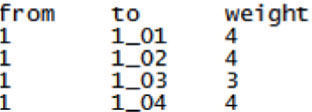
Figure 2
Data on the egocentric social network, organized in a text file for entering the transformation in the program Text2pajek.
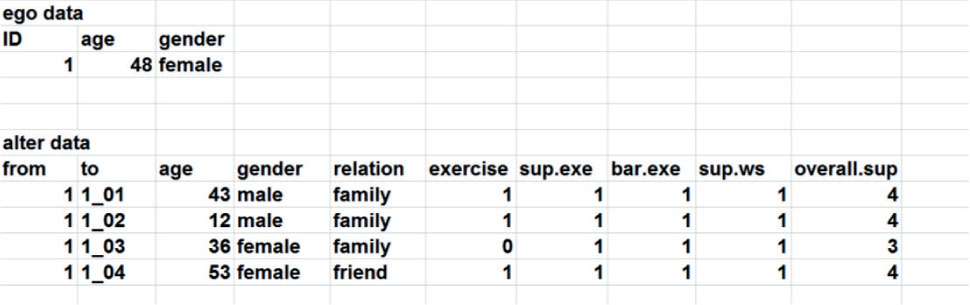
Figure 3
Data on the ego and alteri organized for entering the social network analysis.
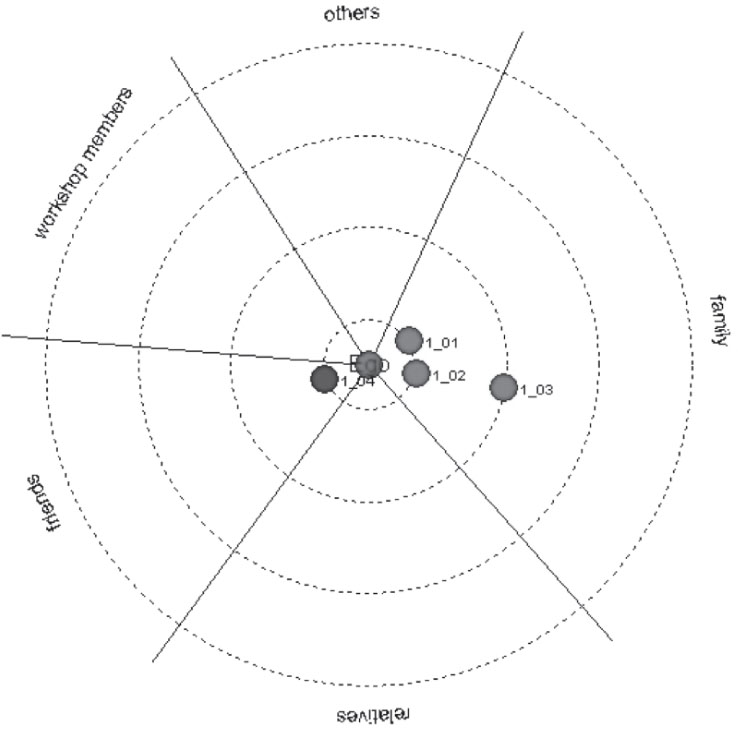
Figure 4
The ESN visualized in the program Egonet QF, showing the overall support.
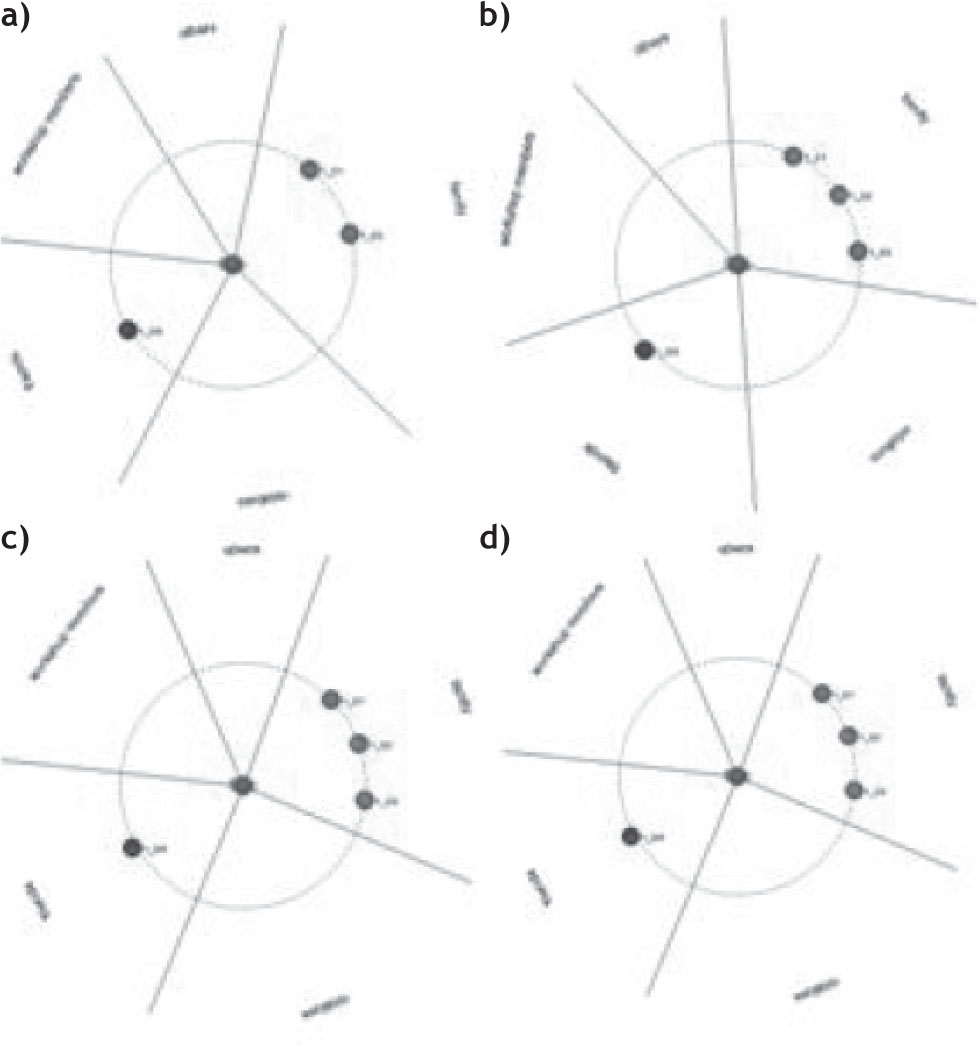
Figure 5
The egocentric social network visualized in the program Egonet QF, showing the following separate elements of the tie: a) exercise with the ego, b) support exercise, c) barrier exercise and d) support attending the workshop.
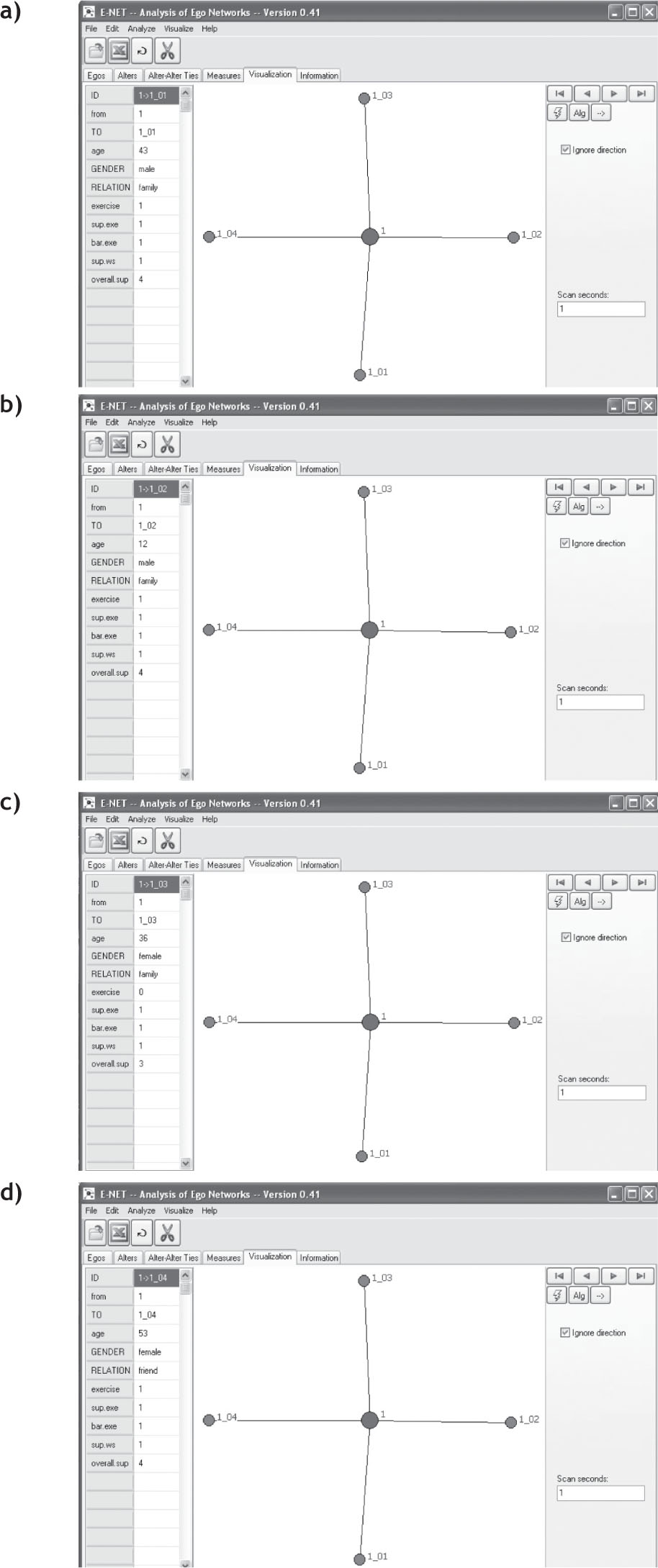
Figure 6
The egocentric social network visualized in the program E-net, displaying information about the alteri and alter-to-ego relationships: a) alter 1_01, b) alter 1_02, c) alter 1_03 and d) alter 1_04.
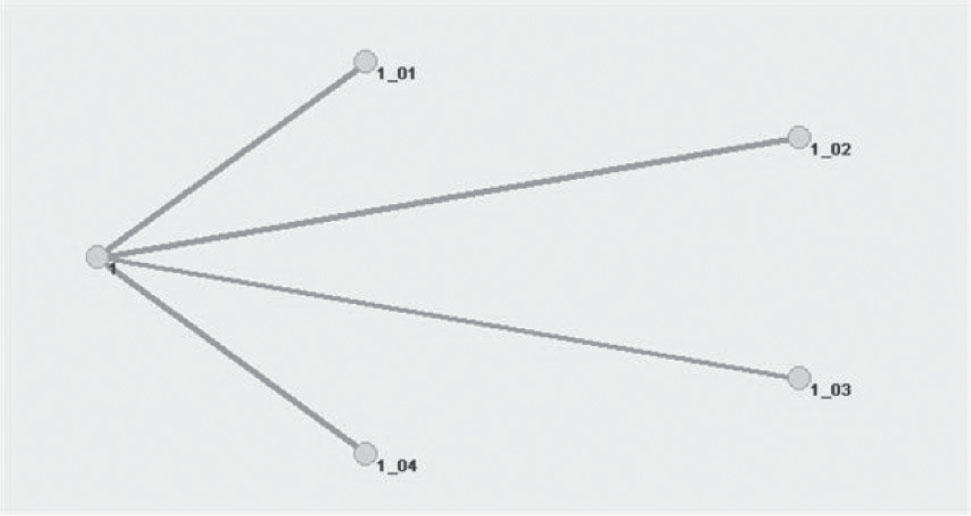
Figure 7
The egocentric social network visualized in the program Pajek.
Table 1
The main characteristics of the demonstrated tools for the visualization of egocentric social networks.
| Characteristics | Tools | ||
|---|---|---|---|
| Egonet.QF | E-net | Pajek | |
| Availability | Free download | Free download | Free download |
| Preparation of input data | No preparation of specific file formats needed | Depending on the desired format, transformation into VNA file is needed. | First, the creation of a text file, then the transformation into the Pajek file. |
| Display of different strengths of ties | Different strengths can be demonstrated by using circles with different distances to the ego. | Strengths of ties are not shown in the network picture, but are displayed in a separate window. | Different strengths of ties are shown in the network picture by different sizes of the lines between the ego and alteri. |
| Display of different elements of ties | Different elements can be demonstrated by using different sectors in the network. | Elements of ties are not shown in the network picture, but are displayed in a separate window. | Different elements of ties are not shown in the network picture. |
| Export of the figure | Export as JPEG file | No export of figures | Export as JPEG file |
| Calculation of numerical measures | No | Homophily and homogeneity | No |
| Manual freely available on-line | Yes | Yes | Yes |