Have a personal or library account? Click to login
A state-of-the-art review of built environment information modelling (BeIM) Cover
By: ,   and    
Open Access
|Dec 2017

Figures & Tables

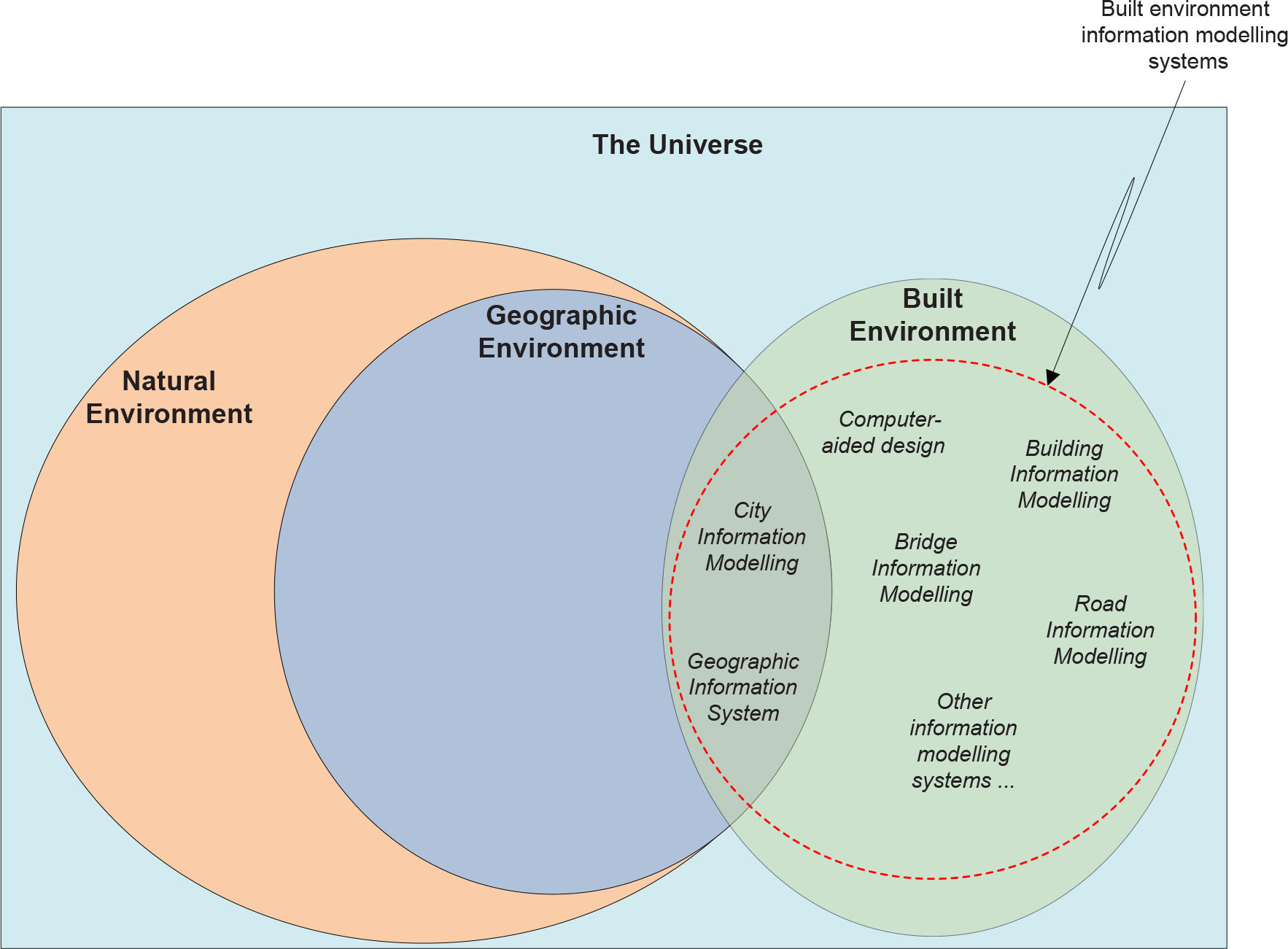
Fig. 1

BeIM systems and the geographic environment.
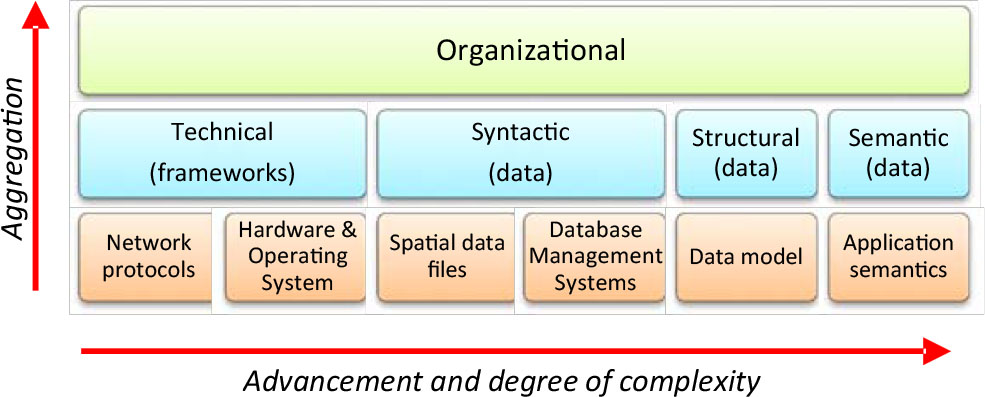
Fig. 2

Relationship of levels of interoperability.
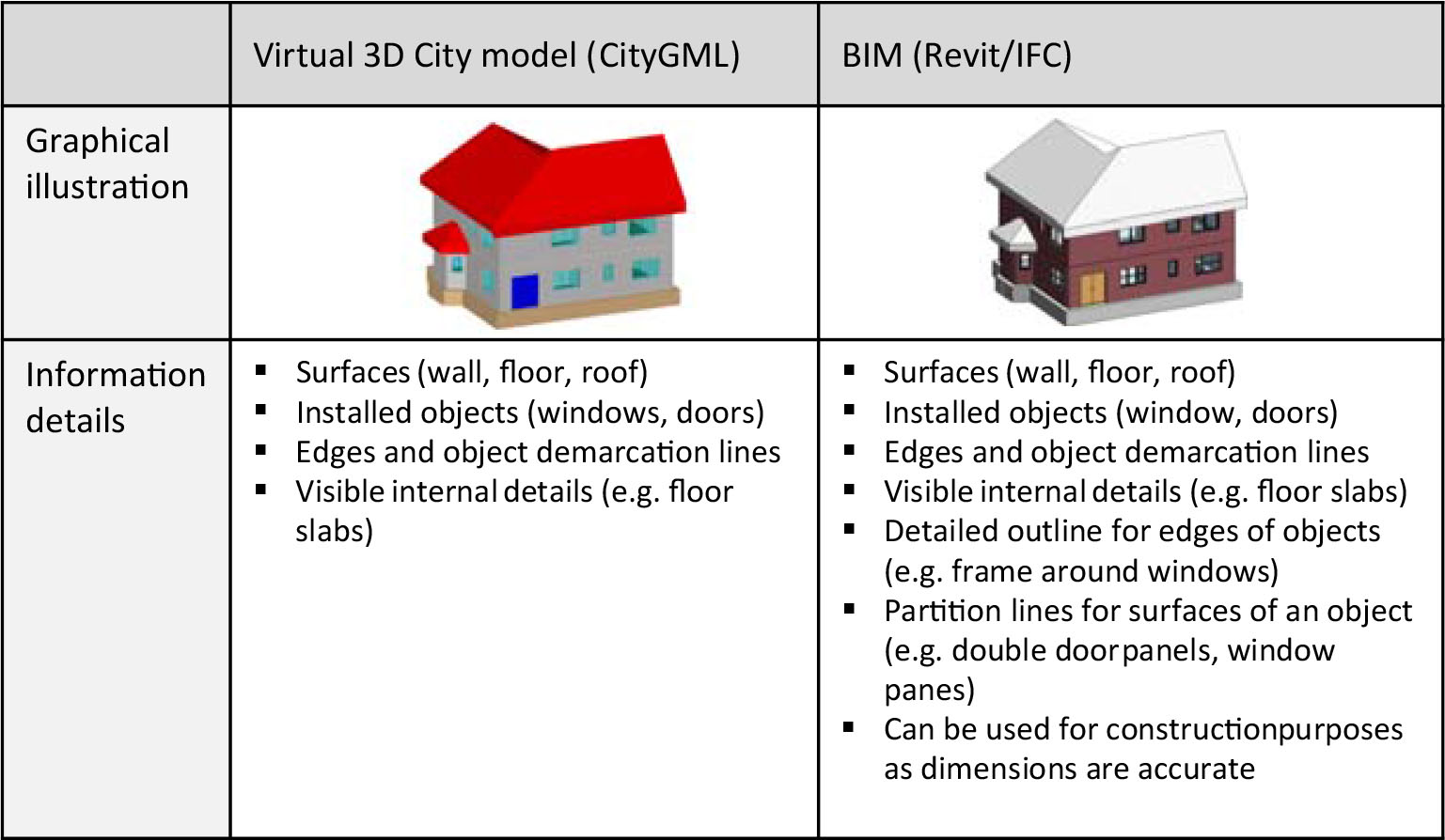
Fig. 3

Differences between LoD 4 for CityGML and the BIM counterpart.

Tab. 1

Recent developments on the integration of 3D city modelling and BIM.

SourceStudy originArea of applicationIntegration elements consideredFeatures
Integration approaches using DFC
Saygi et al. 2013Turkey
Italy
Historic buildings and heritage siteGIS
AutoCAD
BIM (Revit)
  • Explored workflows with BIM and GIS integration capabilities in 3D modelling for historic buildings

  • Proposed enhancement of heritage information management and digital archiving of historic buildings

Dore and Murphy 2012IrelandHistoric buildings and heritage siteCityGML
BIM (ArchiCAD)
  • Use of geometric descriptive language to create Historic BIM

  • Documentation and analysis of cultural heritage sites

Thompson et al. 2011UKIntegration of citiesGIS
  • Creation of 3D computer model of two adjacent cities

  • Explored the convergence of GIS, BIM and 3D city modelling

Irizarry and Karan 2012USAConstruction site managementGIS
Revit Architecture
  • Location optimization of tower cranes at construction sites

  • Integrating BIM with GIS at application level through BIM implementation in the geospatial environment

Integration approaches using the SM approach
El-Mekawy et al. 2012SwedenBuilding elements and featuresCityGML
IFC
  • Development of a unified building model

  • Merging of overlapping concepts in CityGML and IFC

  • Redefinition of spatial relationship between objects

Irizarry et al. 2013USA
Canada
Construction supply chain managementGIS
IFC
  • Visual monitoring of construction supply chain events

  • Mapping the flow of materials and resources in supply chain

Cheng et al. 2013ChinaLevels of detailIFC
CityGML
  • Development of reference ontology to exchange semantic information between IFC models and CityGML models

  • Harmonization of LoDs in CityGML models and IFC models

Akinci et al. 2010USASemantic WebCAD
GIS
  • Interoperability of CAD and GIS

  • Use of web ontologies to resolve potential semantic challenges

Isikdag and Zlatanova 2009The NetherlandsLevel of detailIFC
CityGML
  • Proposed a framework for SM between models in IFC and CityGML formats

Hijazi et al. 2011GermanyInterior utilitiesIFC
CityGML
  • Integration of 3D BIM network data into 3D city models/GIS

  • Used SM of building’s interior utility elements to the corresponding utility network in CityGML

Borrmann 2010GermanySpatial analysisSpatial query
language (SQL)
IFC
CityGML
  • Use of spatial operators in SQL to query 3D building data and 3D city models

  • Creating SQL for building information models

Borrmann et al. 2015GermanyShield tunnelsIFC
GIS
  • Proposed a multi-scale representation of shield tunnel models (as obtained in GIS) in BIM

  • Suggested extension of IFC data model to include multi-scale representation of shield tunnels

Karan and Irizarry 2015USASemantic Web on preconstruction operationsGIS
BIM
XML
  • Translation of BIM and GIS data to Semantic Web format

  • Generation of database query to access Semantic Web data

Integration approaches using the SM approach
Karan et al. 2015
Döllner and Hagedorn 2007GermanySemantic WebCAD
GIS
BIM
  • Integration of CAD, GIS and BIM through a service-based system

  • Web service-based integrated visualization of semantic-enhanced information

Benner et al. 2005GermanyBuilding elements and featuresIFC
CityGML
  • Developed a Quartierdaten-Management system (QUASY) model, which is a hybrid of IFC and CityGML standard

  • The model represents semantic objects geometrically described by surfaces visible to the user

Clemen and Gründig 2006GermanyLand surveyIFC
GIS
  • Modelling of topology and geometry in IFC

  • Proposed considerations of geodetic measurements and coordinate frames in IFC

de Laat and van Berlo 2011NetherlandsSemantic WebCityGML
IFC
BIMServer
  • Development of CityGML extension known as GeoBIM

  • The use of the Web (BIMServer) to implement output

Peachavanish et al. 2006Thailand
USA
Data exchangeCAD
GIS
  • The use of query-based ontological engineering methodology to enable semantic interoperability between CAD and GIS

Isikdag et al. 2008Turkey
UK
Site selection and safety managementIFC
GIS
  • Implementation of IFC in a geospatial environment for GIS-related investigations

  • Demonstration of BIM providing sufficient level of information for GIS-based site selection and fire response

Stadler and Kolbe 2007GermanySpatial analysisCityGML
IFC
  • Proposed reducing the challenges with spatio-semantic coherence of 3D models in data integration

Elbeltagi and Dawood 2011EgyptProject managementGIS
BIM (Revit)
MS Project
  • Visualization of project progress at distributed sites using GIS

  • Development of mathematical model for time control of repetitive construction tasks

  • BIM-compliant dynamic integration of project progress

Integration approaches combining DFC and SM
Hijazi et al. 2009Germany/The Netherlands/TurkeyWater utility networkCAD
BIM
GIS
  • Integrating 3D BIM utilities network into GIS

  • Development of software component to convert IFC to CityGML

Rafiee et al. 2014The NetherlandsView coverage and shadow analysisIFC
GIS
  • Integration of IFC BIM model in GIS environment

  • Use of extract, transform, load process to convert IFC data to geographic format and geo-referencing of such data

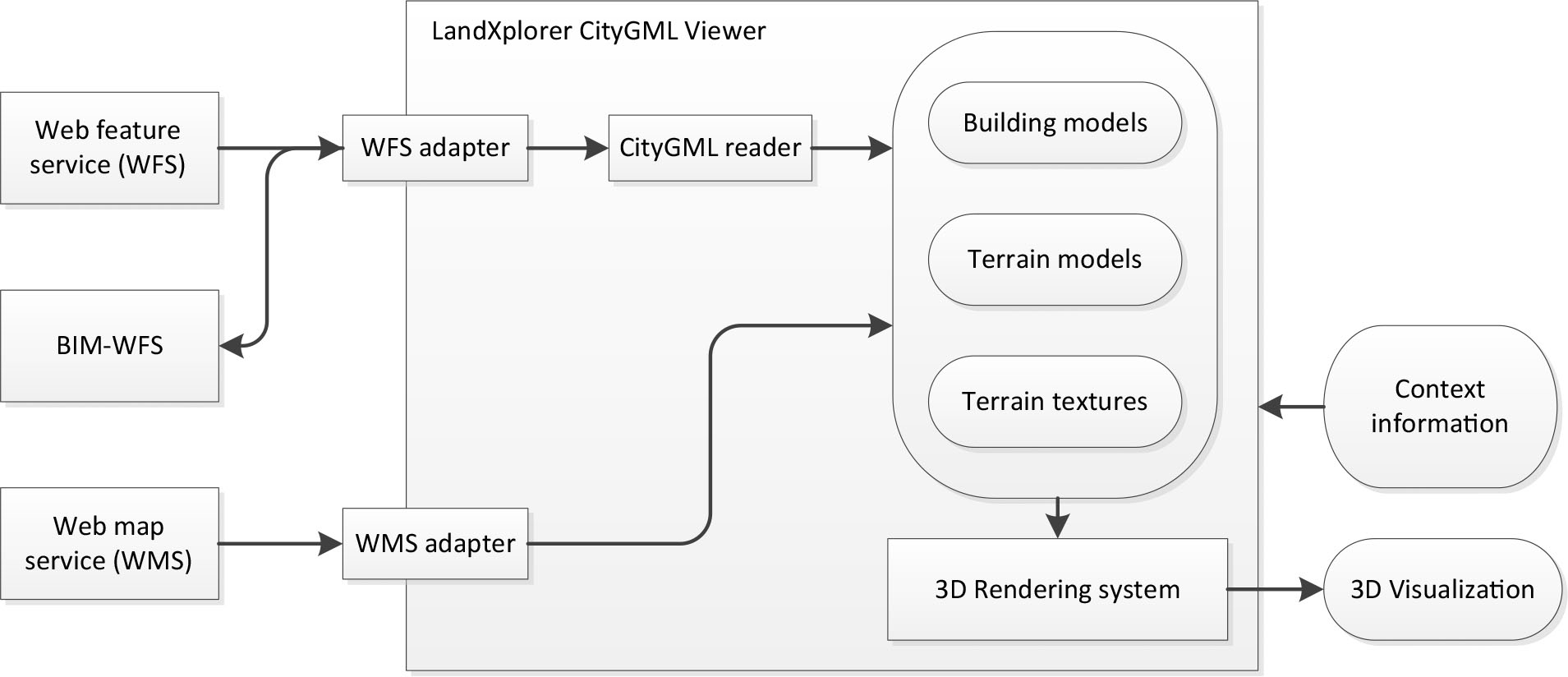
Fig. 4

System Architecture for 3D viewer for CAD/GIS/BIM integration (Döllner and Hagedorn 2007).
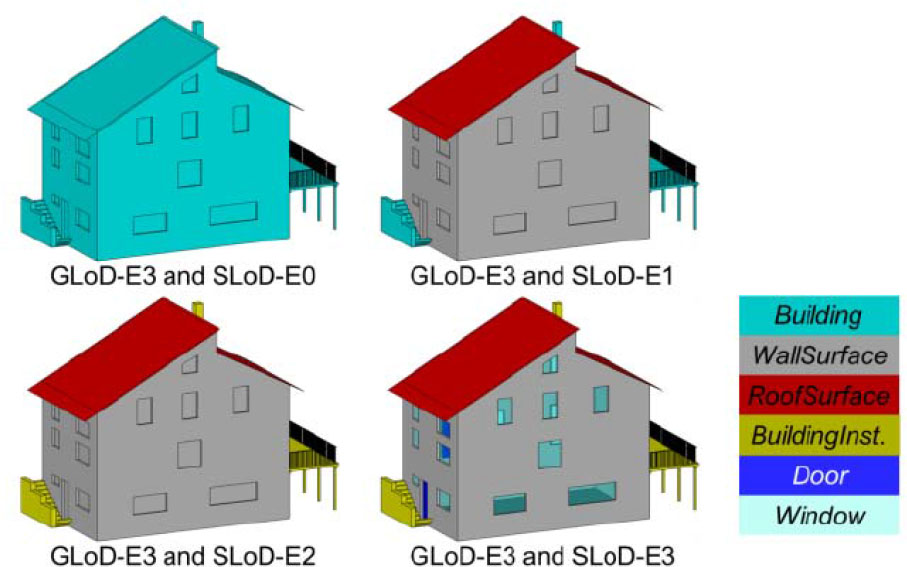
Fig. 5

Combining geometric LoD and semantic LoD in CityGML (Benner et al. 2013).
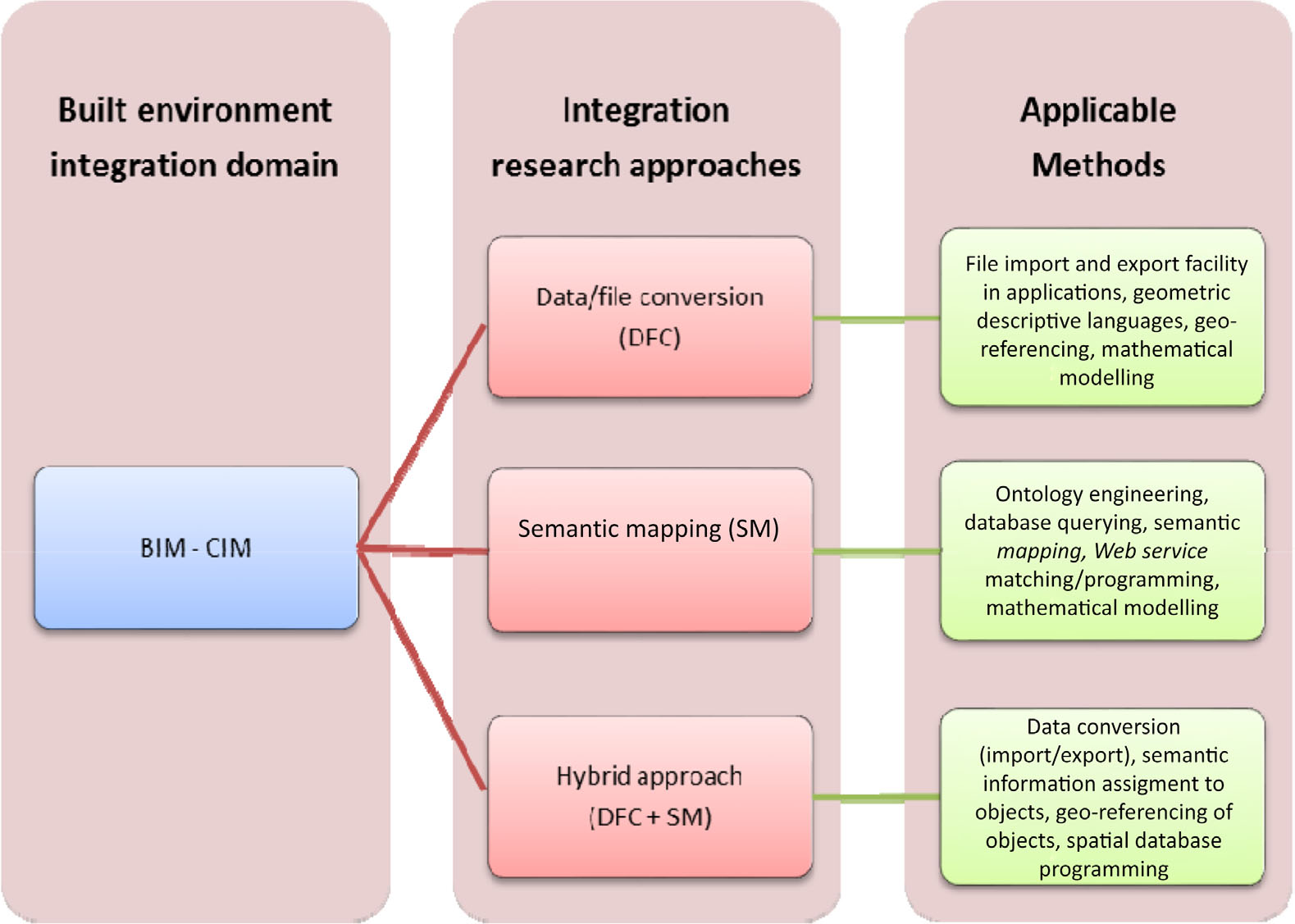
Fig. 6

BIM–3D city modelling integration approaches and applied methods.

DOI: https://doi.org/10.1515/otmcj-2016-0030 | Journal eISSN: 1847-6228 | Journal ISSN: 1847-5450
Language: English
Page range: 1638 - 1654
Submitted on: Nov 30, 2017
Accepted on: Dec 1, 2017
Published on: Dec 29, 2017
Published by: University of Zagreb
In partnership with: Paradigm Publishing Services
Publication frequency: 1 issue per year

© 2017 J.H.M. Tah, A.H. Oti, F.H. Abanda, published by University of Zagreb
This work is licensed under the Creative Commons Attribution-NonCommercial-NoDerivatives 4.0 License.