Have a personal or library account? Click to login
Recognition of the role of nature in the formation of fractal architecture Cover

Recognition of the role of nature in the formation of fractal architecture

Open Access
|Sep 2017

Figures & Tables

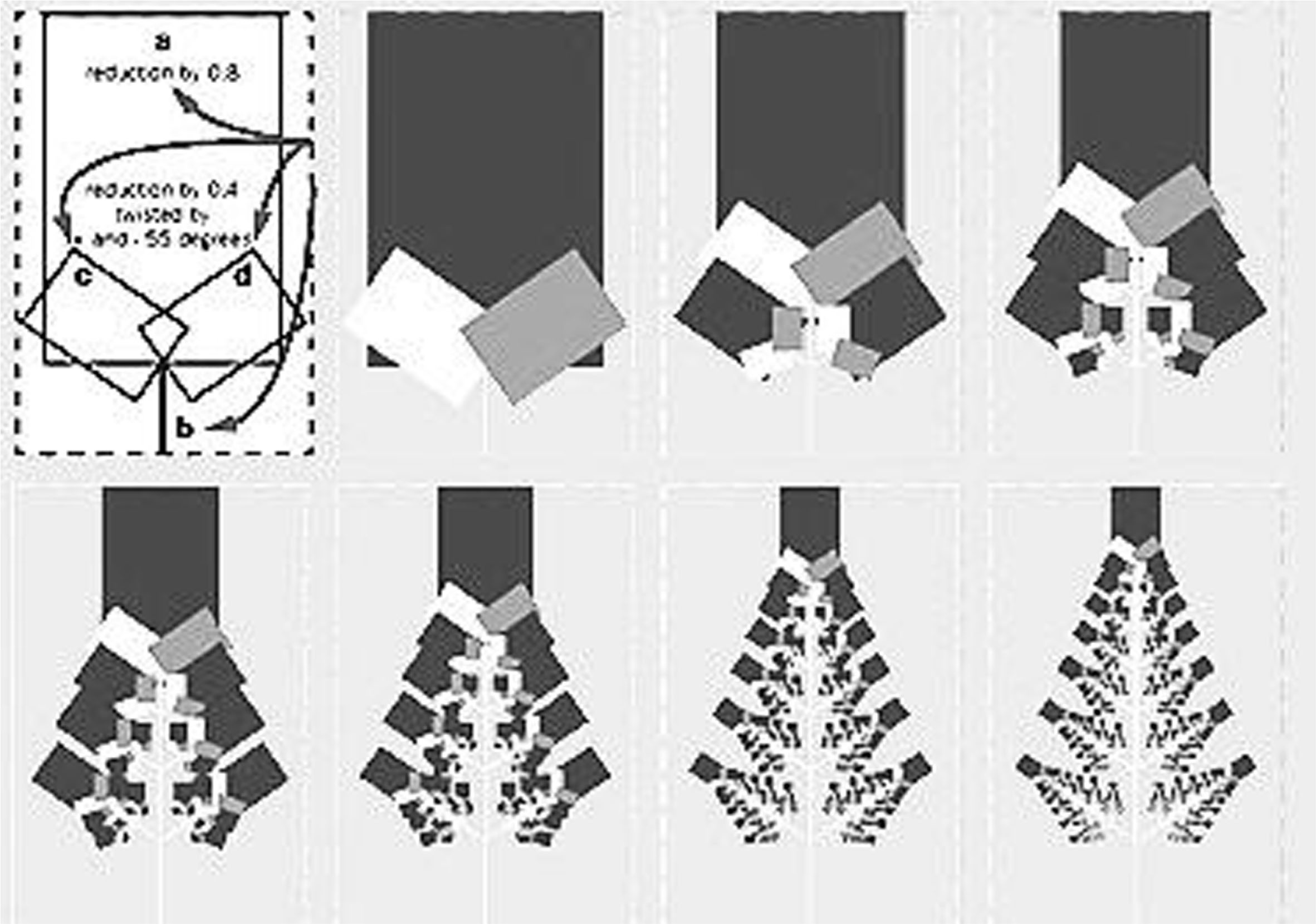
Fig. 1

Types of fractals: fractals generated with repetitive operations. According to Lorenz (2003), these fractals are based on the relationship between mathematics and nature, in which the basic form is duplicating due to change in scale and rotation.
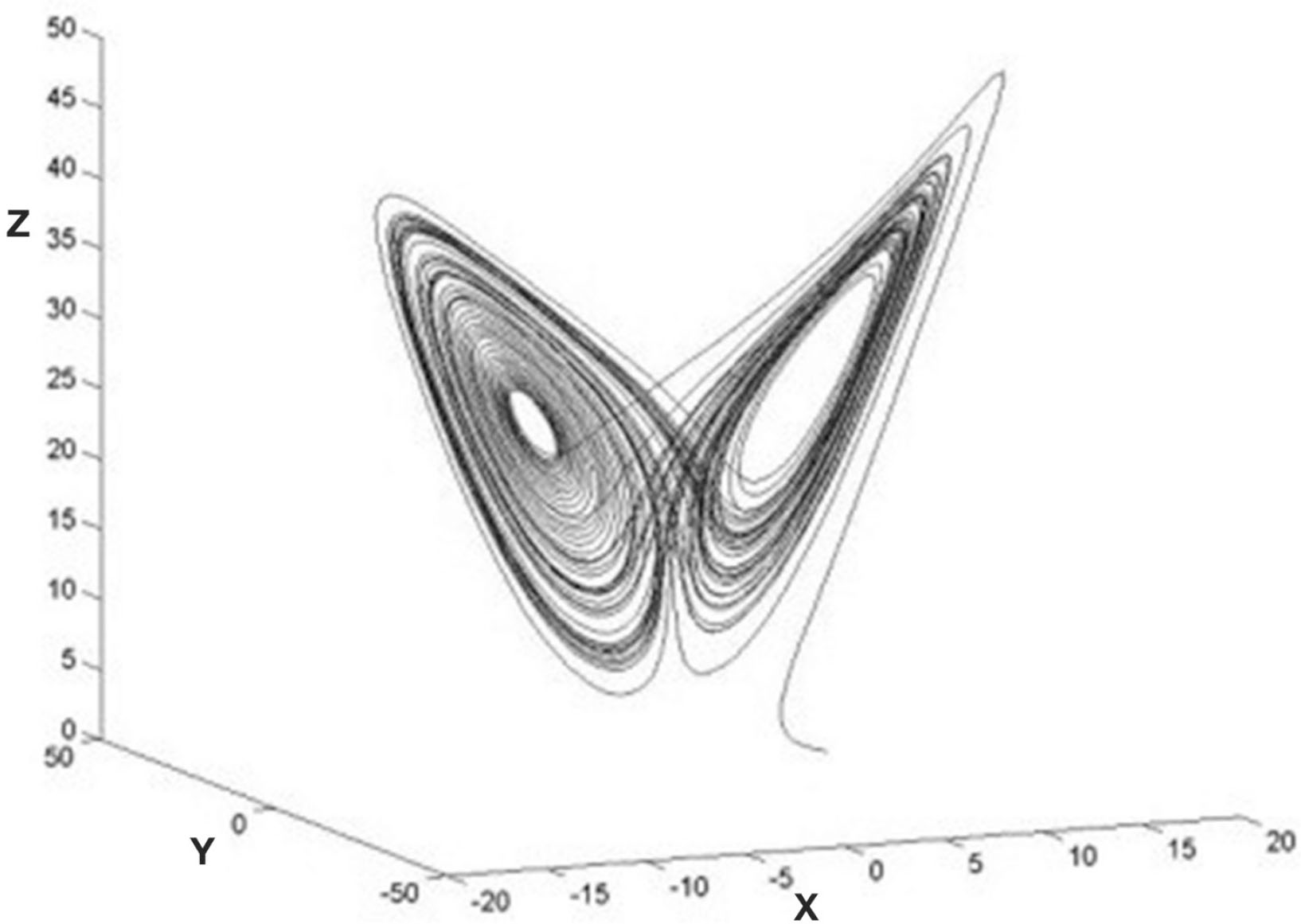

Fig. 2

Strange attractor. An example of strange attractors, known as the “butterfly effect”, was given by Lorenz (2003).
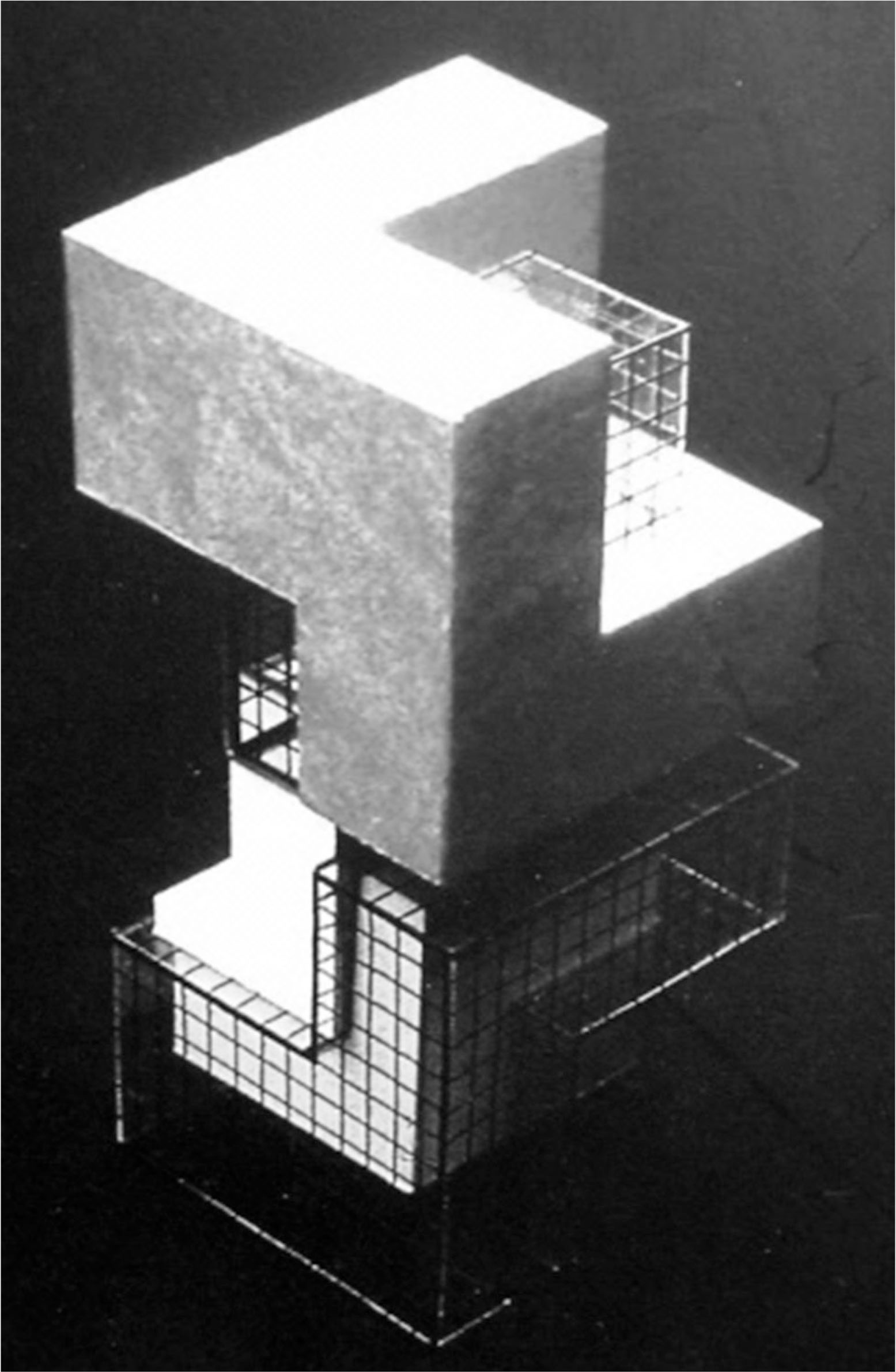

Fig. 3

Self-similarity of fractal shapes in a general form of architecture – repeating a form at different scales (House 11a, designed by Peter Eisenman).
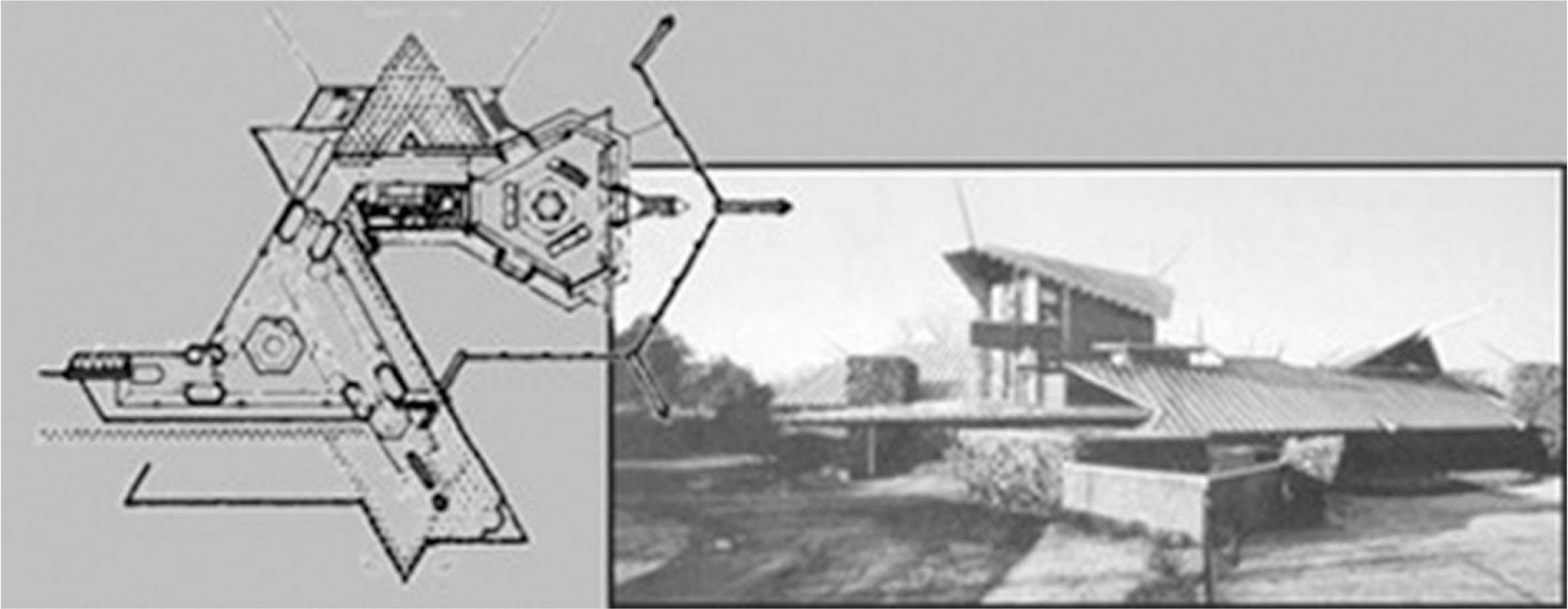

Fig. 4

Joe Price Workshop by Bruce Goff uses the triangle as a basic shape and repeats it at different scales and angles to form a general architectural plan.
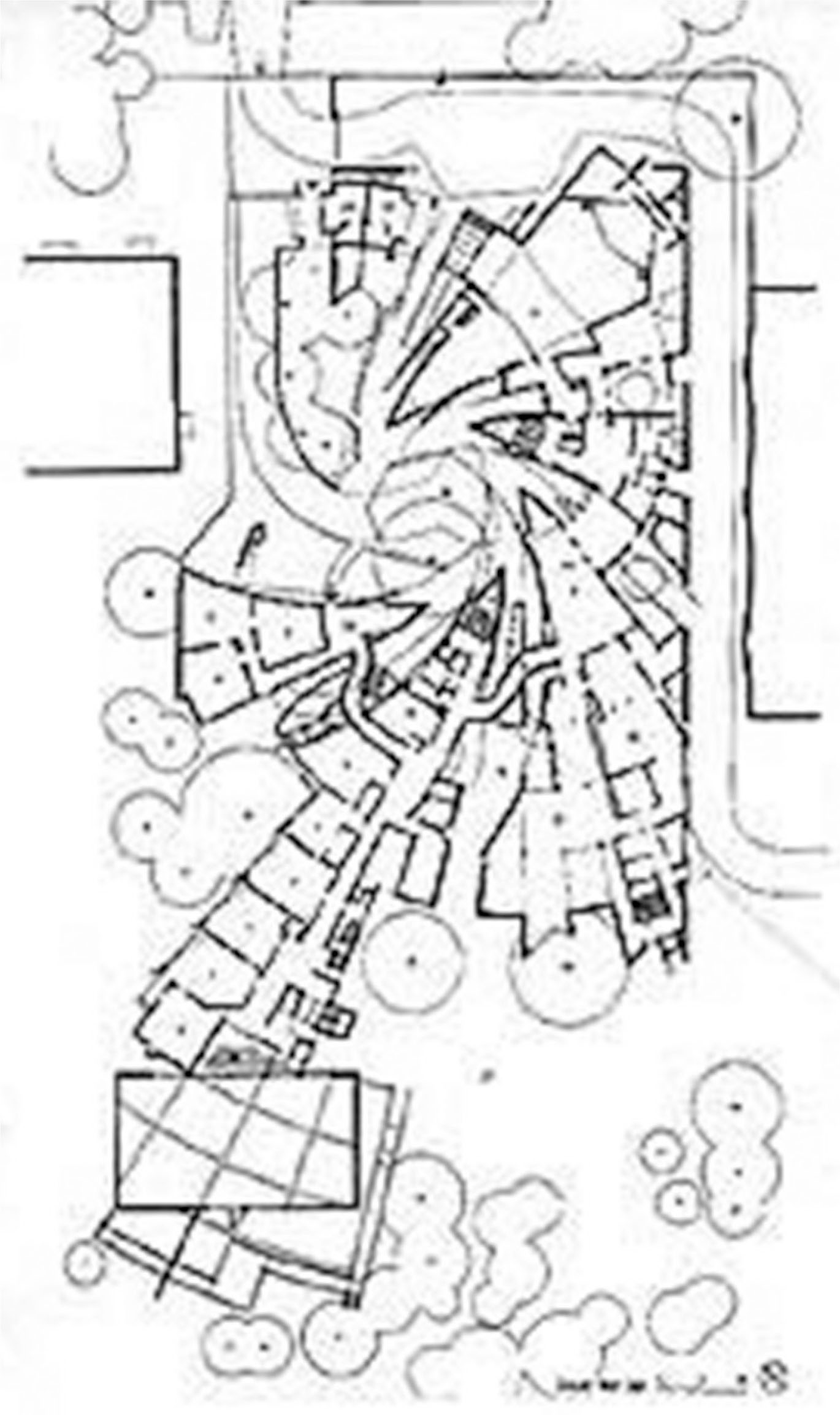
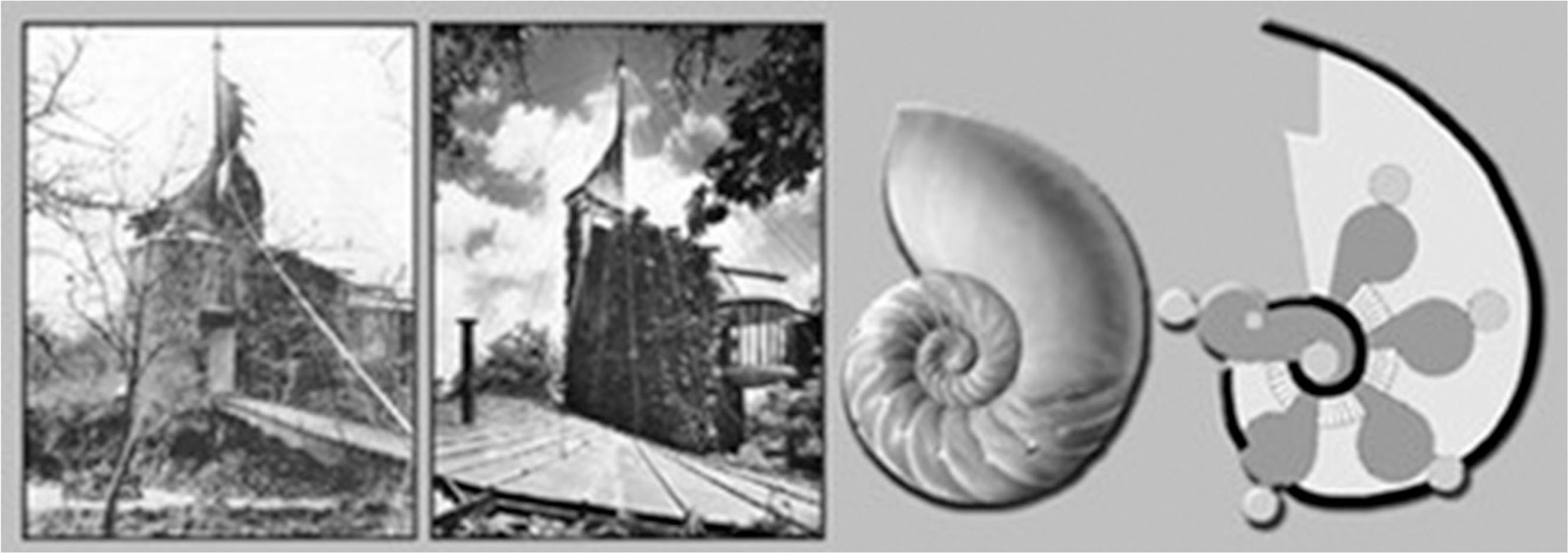
Fig. 5

Galinsky School by Zvy Hecker uses the triangle as a basic shape and repeats it at different scales and angles to form a general architectural plan.

Fig. 6

Bavinger House, by Bruce Goff uses a general shape as strange attractor to show the general idea and organizes the whole plan around it.
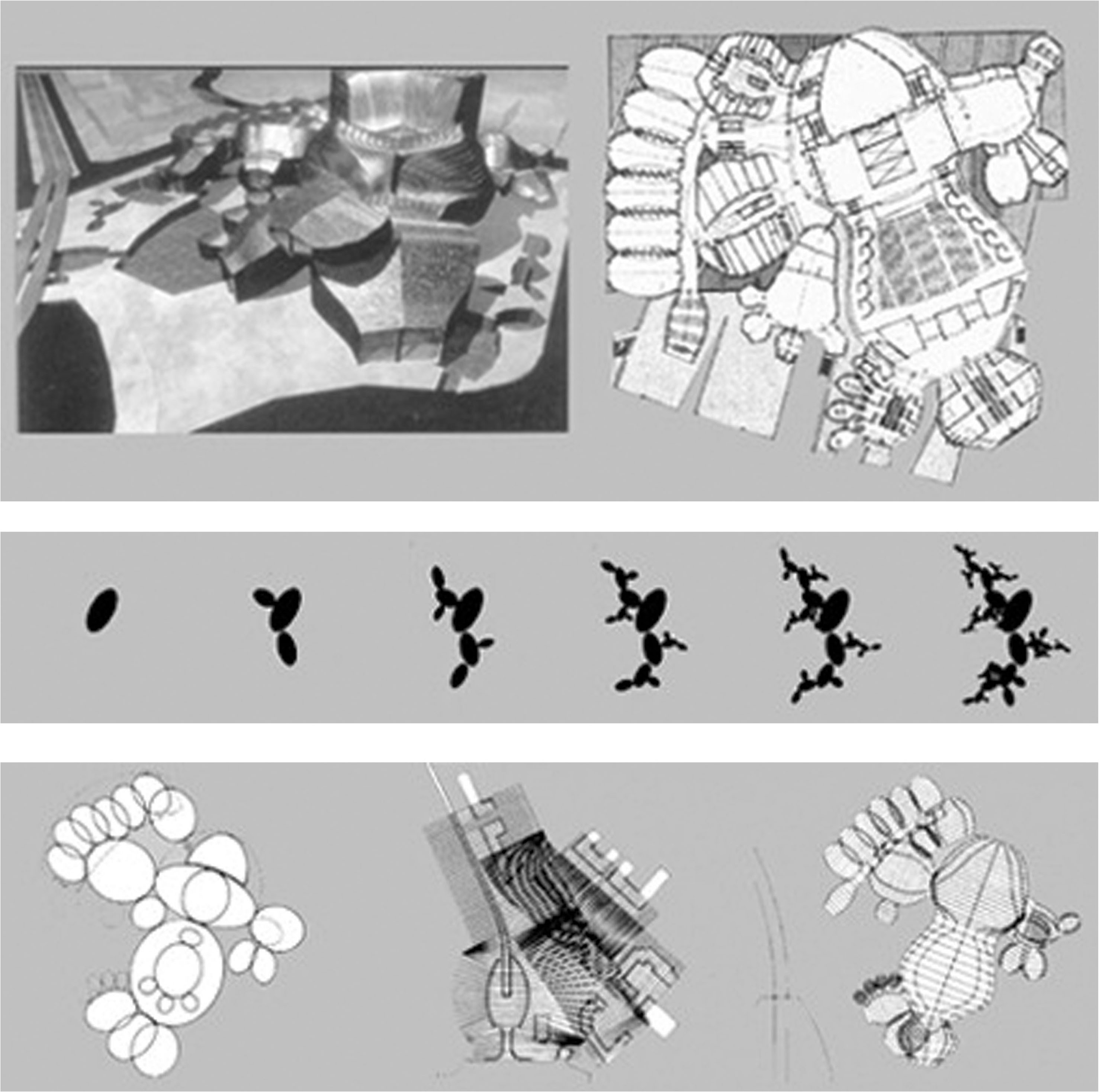

Fig. 7

Opera Cardiff by Greg Lin and Claire (this type uses the formation process of fractal shapes, repeating and duplicating a basic form at different scales and angles as a general plan; Lorenz 2003).
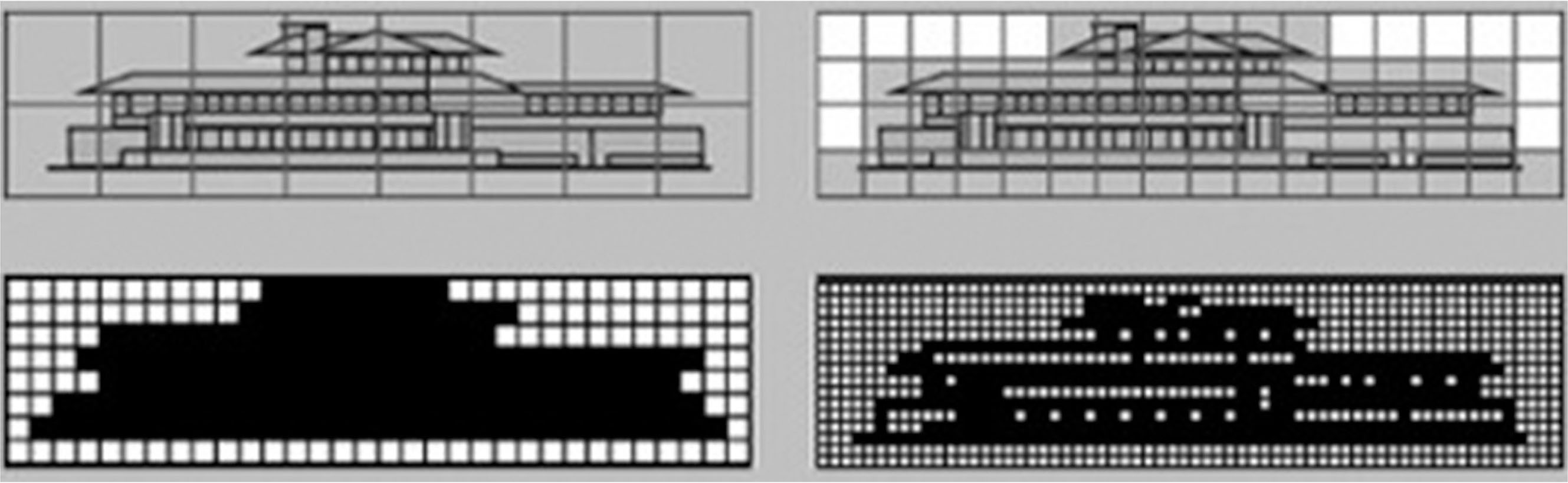

Fig. 8

Ruby Wright House (the box-counting dimension is used to determine whether the scale changes can result in new information or the building information is decreasing while approaching; Lorenz 2003).
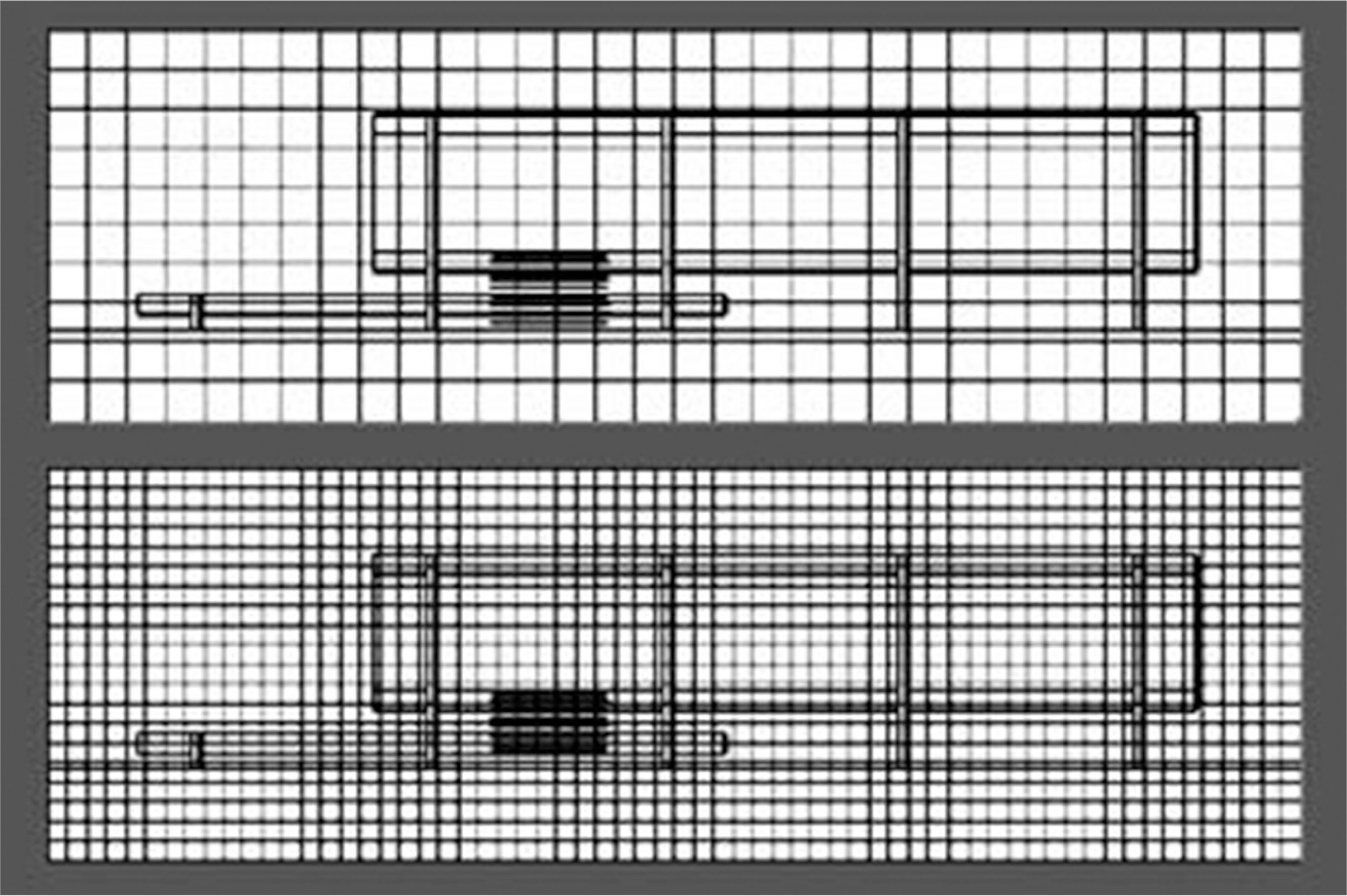

Fig. 9

Glass House of Mies van der Rohe (on getting closer to the building, fewer lines are visible. The information decreases by the changes in the scale; Lorenz 2003).
DOI: https://doi.org/10.1515/otmcj-2016-0020 | Journal eISSN: 1847-6228 | Journal ISSN: 1847-5450
Language: English
Page range: 1574 - 1583
Submitted on: Jan 15, 2017
Accepted on: May 20, 2017
Published on: Sep 8, 2017
Published by: University of Zagreb
In partnership with: Paradigm Publishing Services
Publication frequency: 1 issue per year

© 2017 Seyedeh Somayeh Mirmoradi, published by University of Zagreb
This work is licensed under the Creative Commons Attribution-NonCommercial-NoDerivatives 4.0 License.