
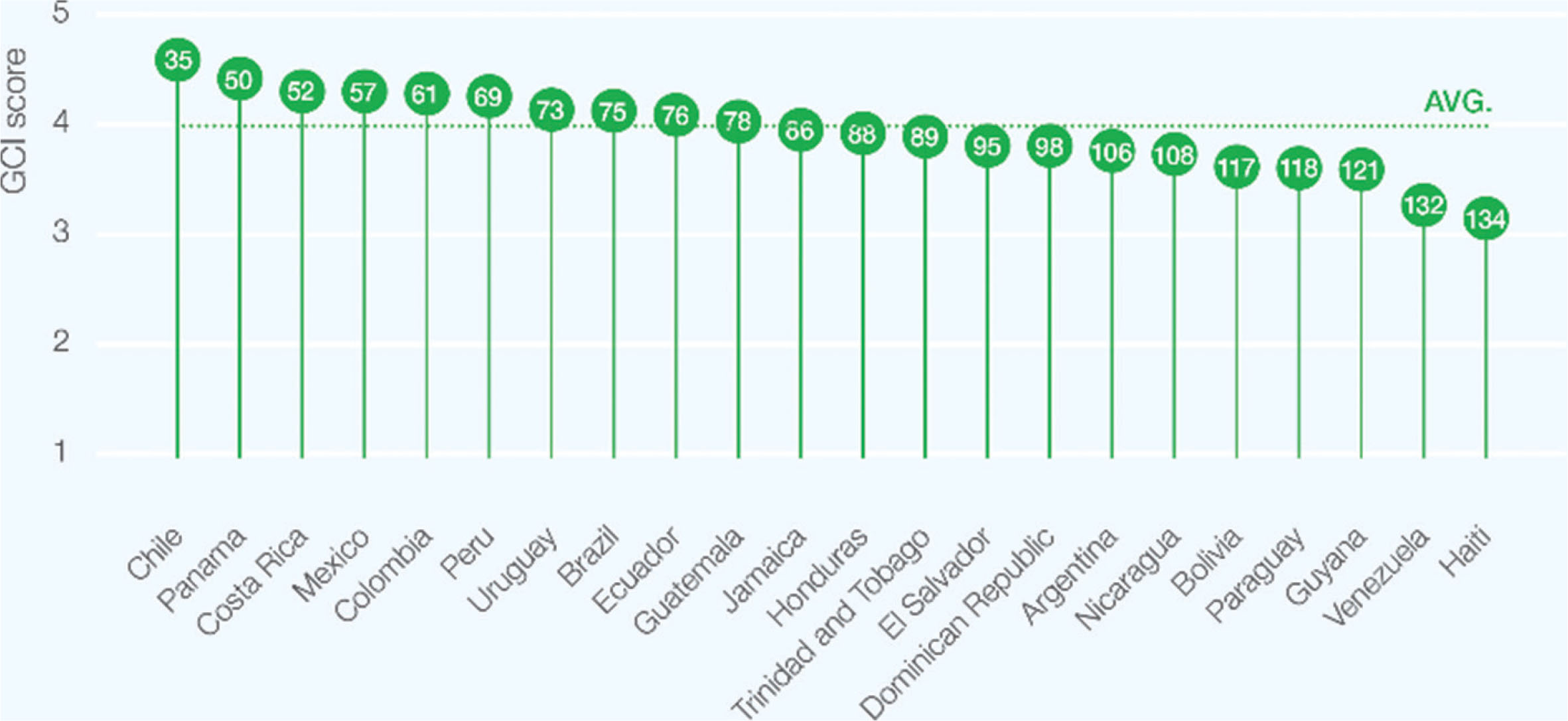
Fig. 1
Regional rankings – Latin America and the Caribbean. Source: The Global Competitiveness Index 2015–2016, World Economic Forum.
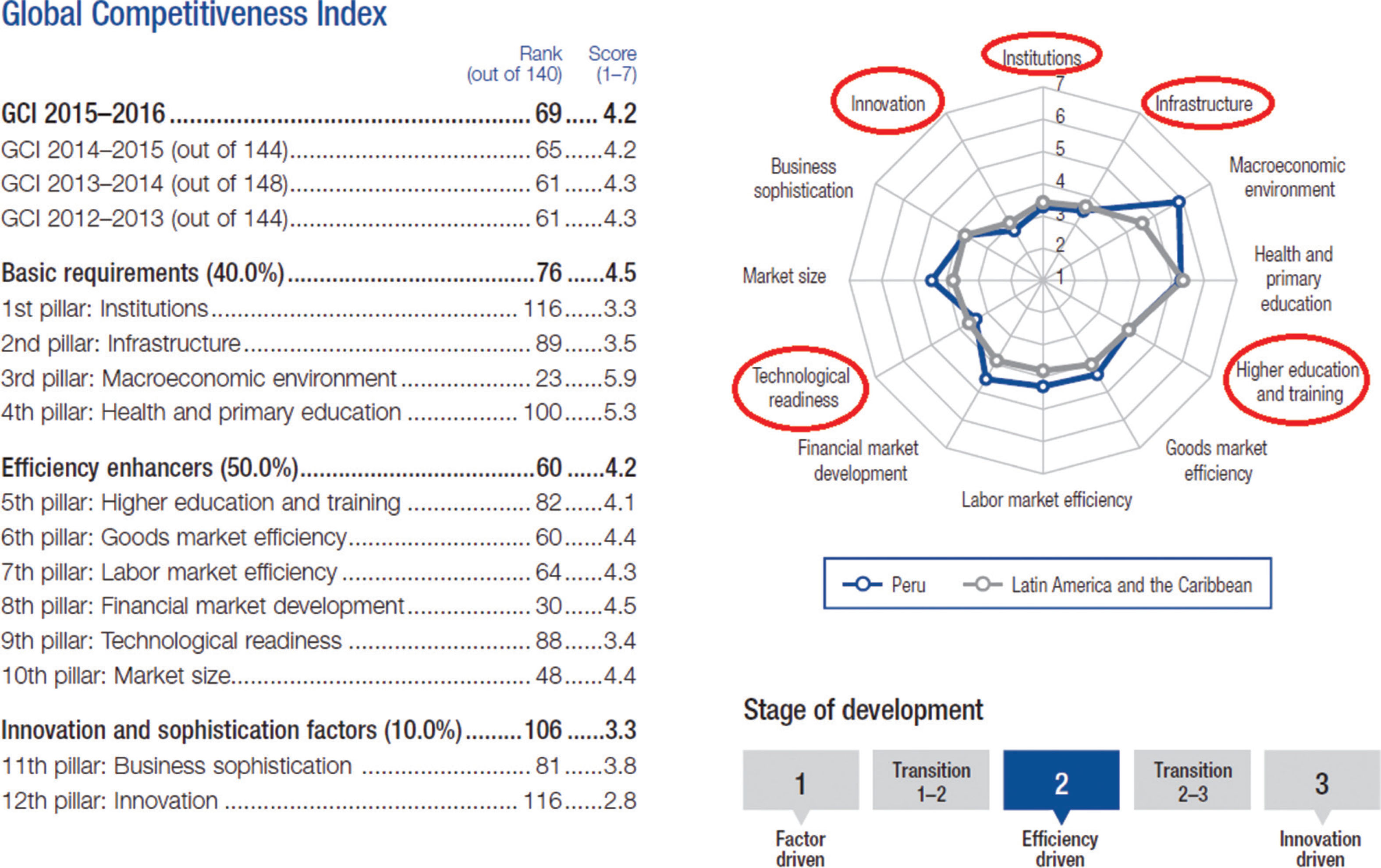
Fig. 2
Peru’s performance in the 12 main competitiveness pillars (WEF 2015–2016).
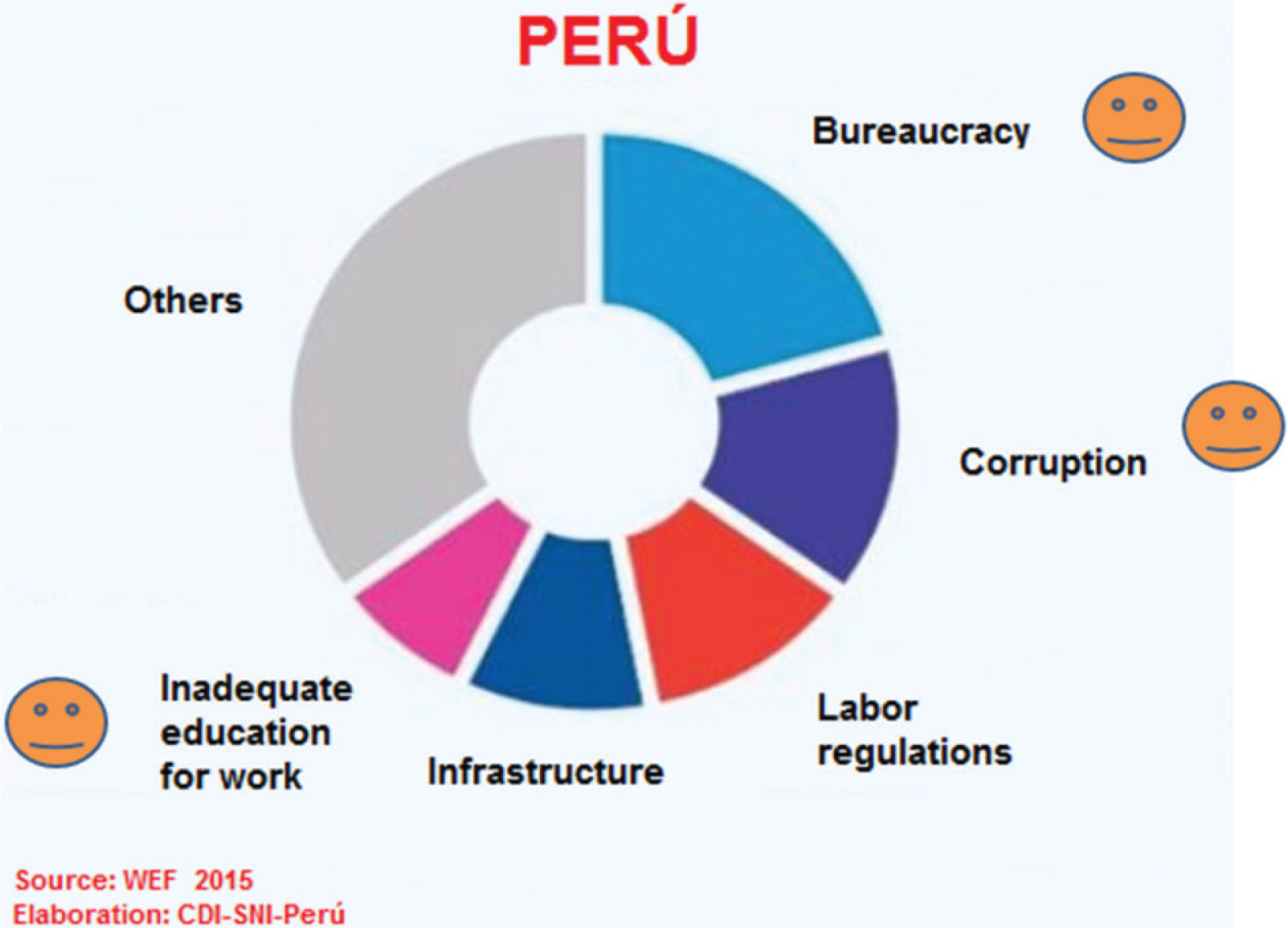
Fig. 3
Main problems for doing business in Perú.
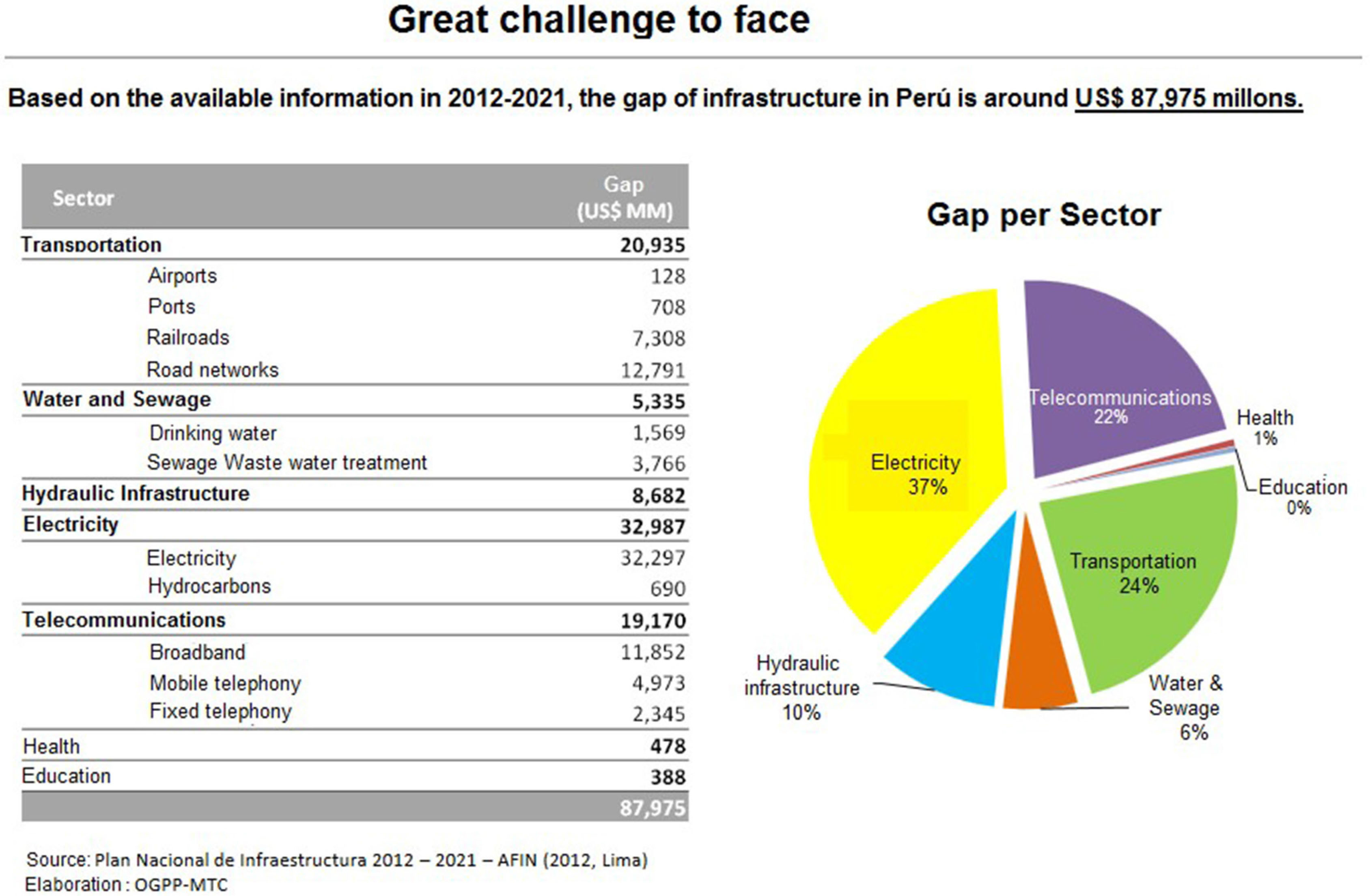
Fig. 4
Infrastructure gap in Perú.
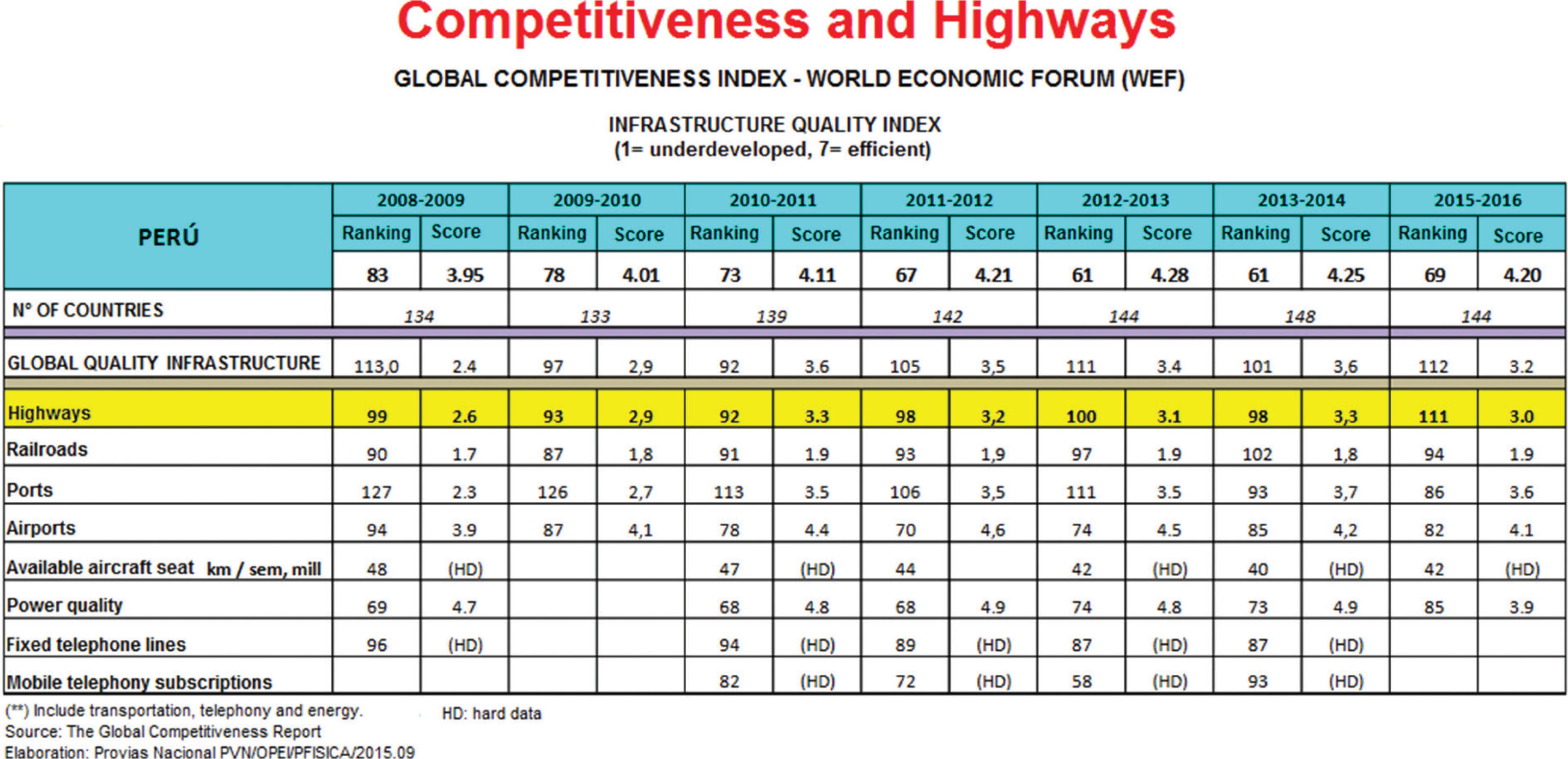
Fig. 5
Evolution of the GCI over time in terms of the transportation infrastructure of Perú.
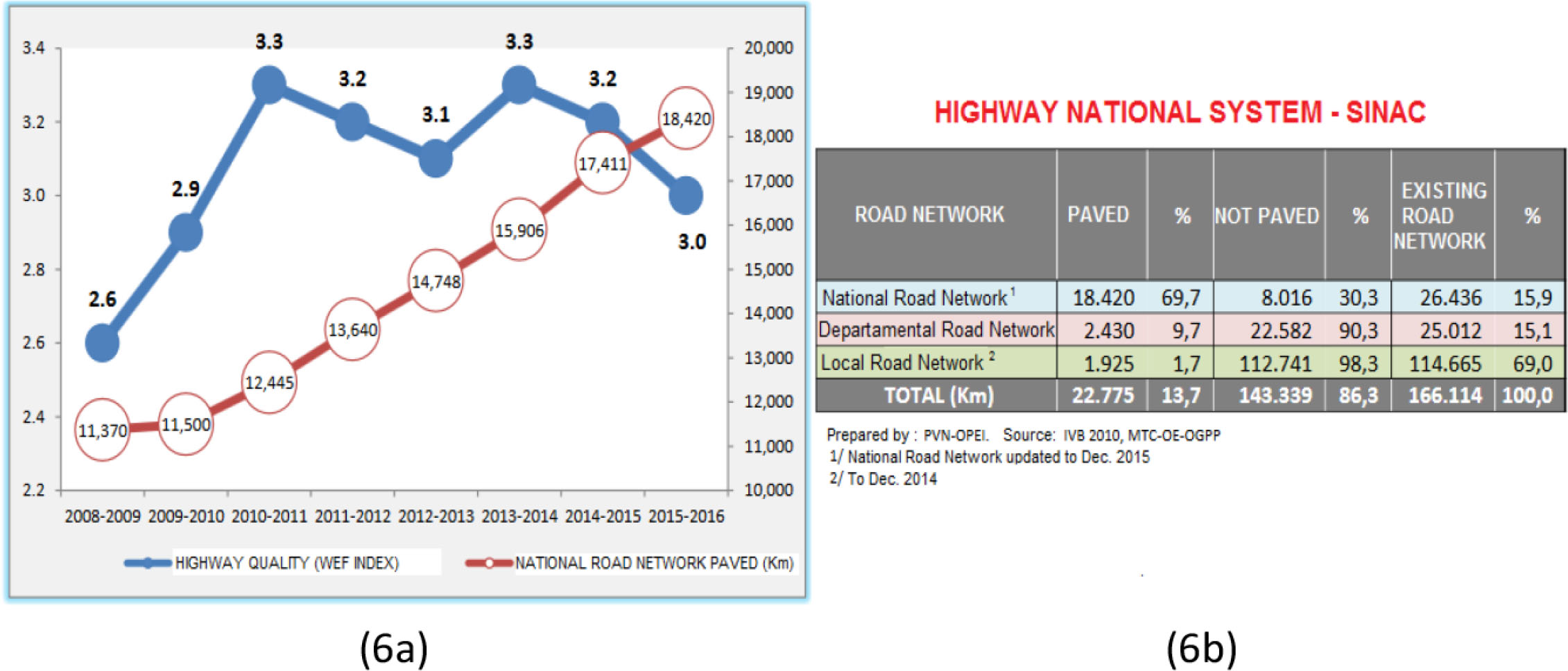
Fig. 6
National highway system and evolution of the Highway Quality Index.
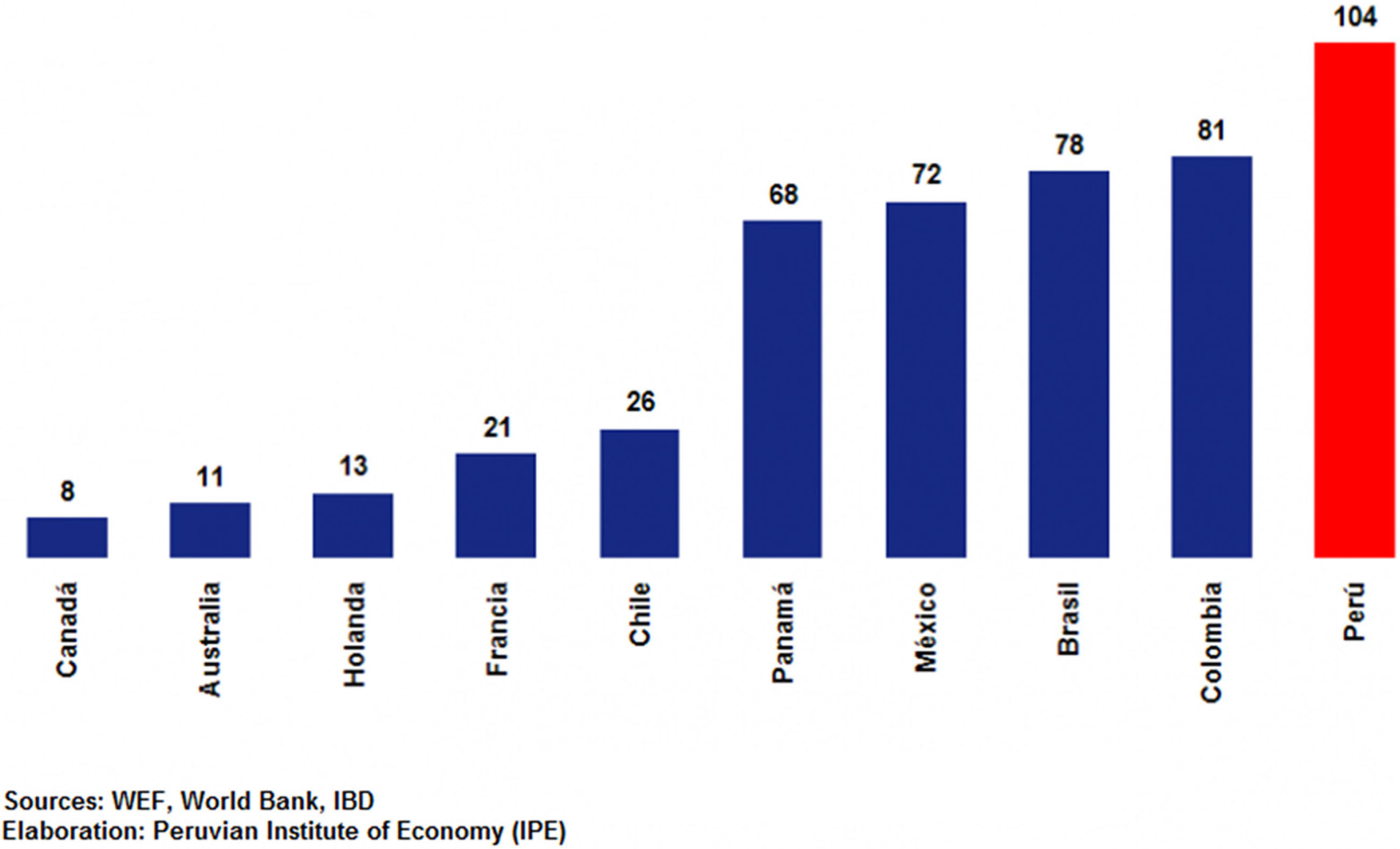
Fig. 7
Government effectiveness: ranking of 192 countries.
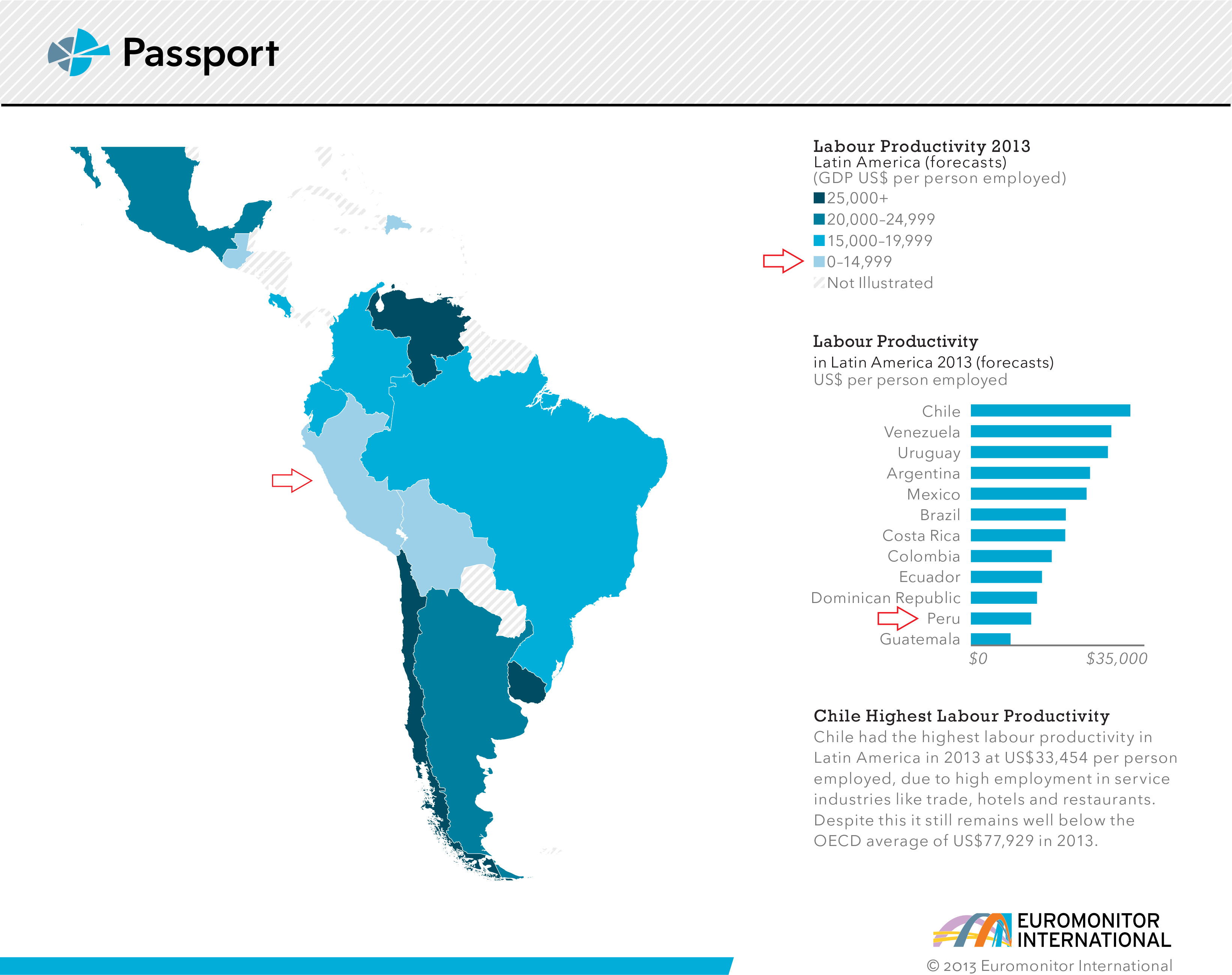
Fig. 8
Labour productivity in Latin America in 2013, showing the position of Perú.
Tab. 1
Correspondence between competence, misconceptions and consequences.
| Competence | Misconceptions found | Consequences |
|---|---|---|
| 1.11 Time and project phases; 1.13 Cost and finance; 1.05 Quality; 3.11 Legal basics; and2.15 Ethics |
|
|
| 1.03 Project requirements and objectives, 1.09 Project structures, 1.10 Scope and deliverables |
|
|
| 1.01 Project management success, 3.08 Personnel management and 2.15 Ethics |
| Even though resources are available, projects are not implemented due to lack of management capacity. Other difficulties are technical deficiencies and corruption in regional and municipal governments. There are no trained and proactive people because of the low salary in the public sector. A project manager inadequately trained and/or untrained can sink a project. Ending with choosing a project manager who does not have the skills that the project needs. Need capacity building for effective project managers and quality assurance programmes for organizations. |