

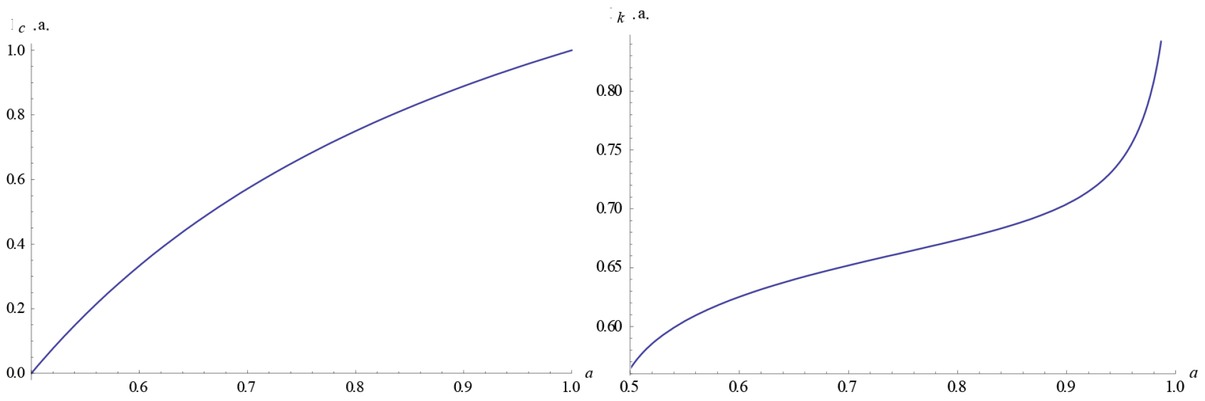
Fig. 1
Equilibrium tax rates as a function of explicit consumption share (p = 0.03, s = 0.8)
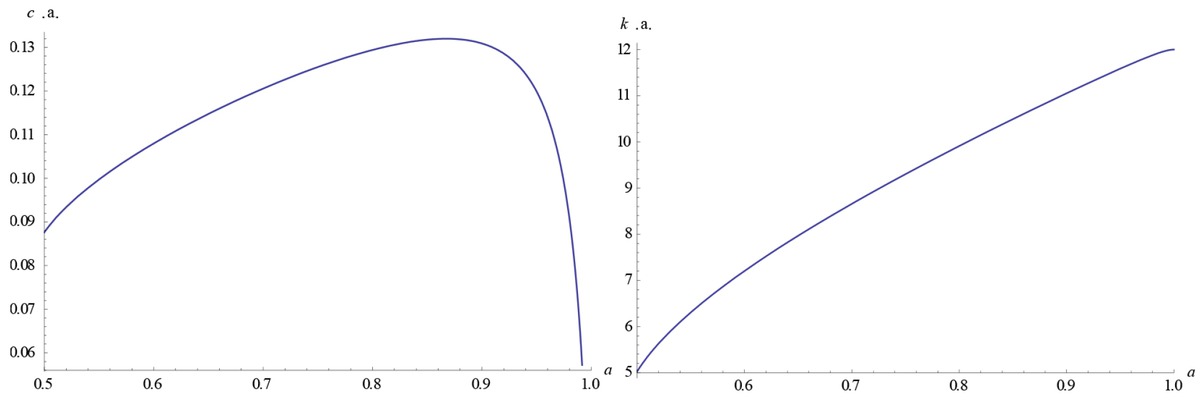
Fig. 2
Equilibrium volume of consumption capital as a function of explicit consumption share (p = 0.03, s = 0.8)
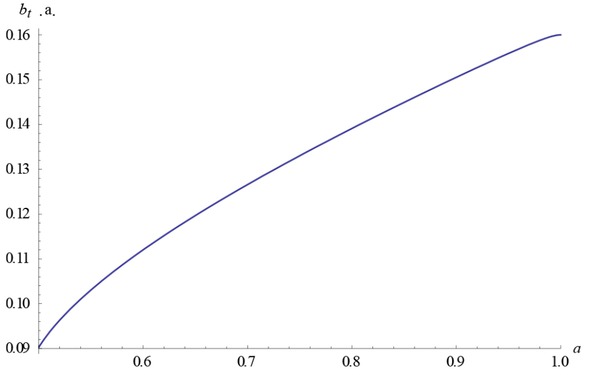
Fig. 3
Equilibrium volume of bonds as a function of the shifting activity (p = 0.03, s = 0.8)
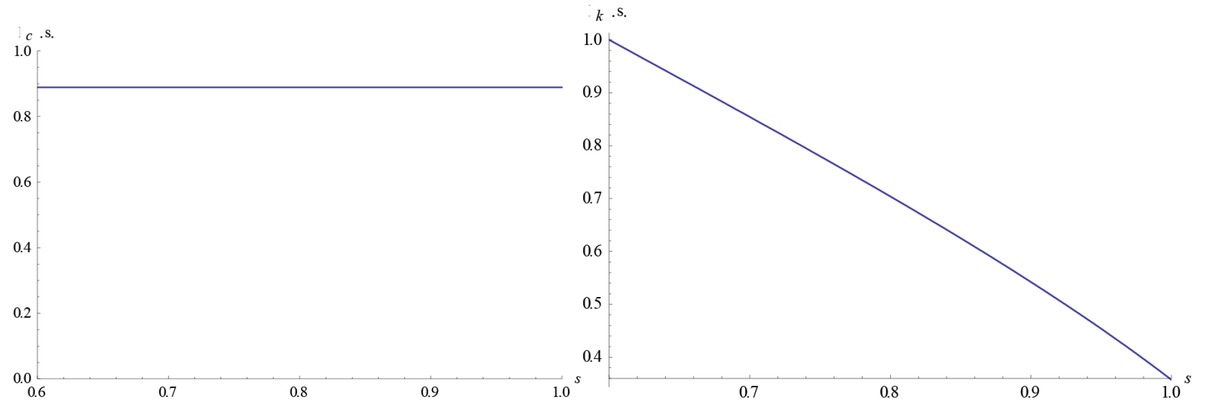
Fig. 4
Equilibrium tax rates as a function of the tax avoidance (p = 0.03, a = 0.9)
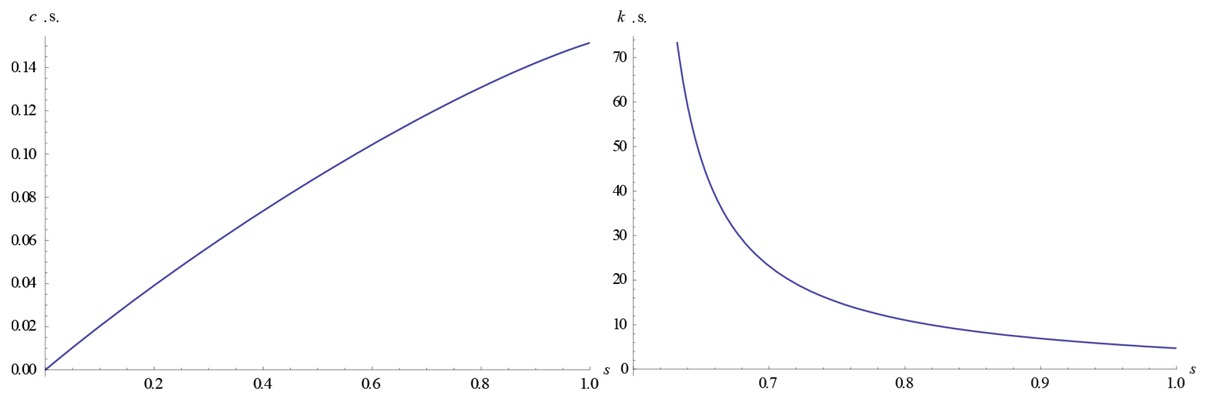
Fig. 5
Equilibrium volume of consumption capital as a function of the tax avoidance (p = 0.03, a = 0.9)
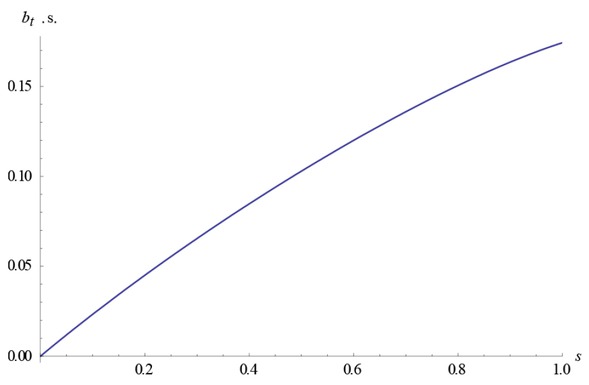
Fig. 6
Equilibrium volume of bonds as a function of the tax avoidance (p = 0.03, a = 0.9)
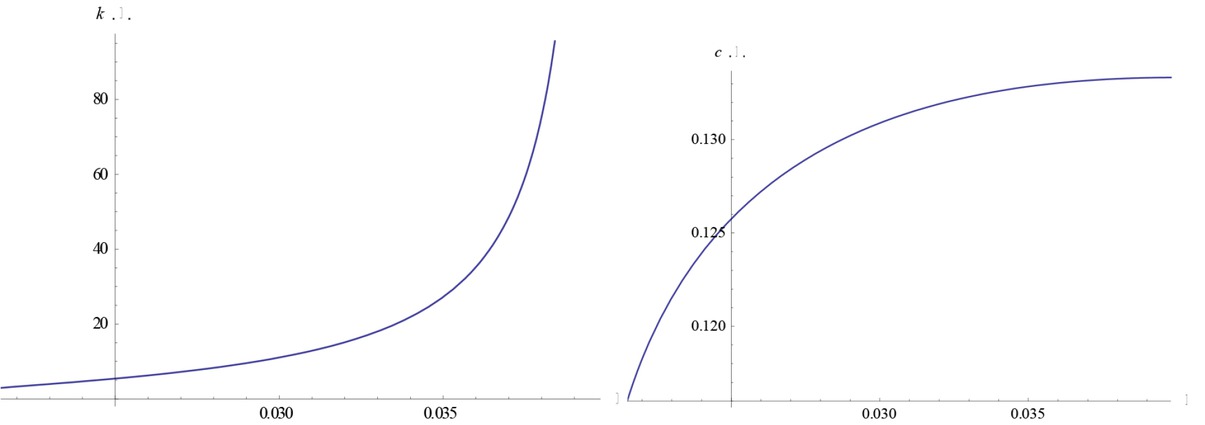
Fig. 7
Equilibrium volume of capital and consumption as a function of the intertemporal preferences (s = 0.8, a = 0.9)
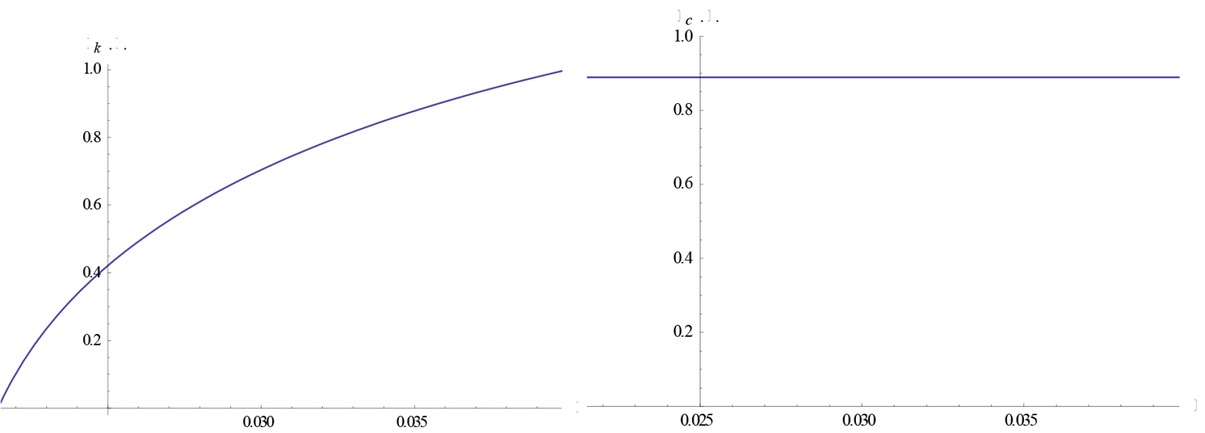
Fig. 8
Equilibrium tax rates as a function of intertemporal preferences (s = 0.8, a = 0.9)
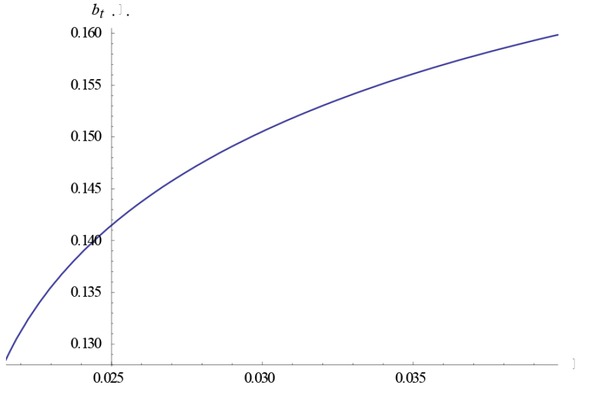
Fig. 9
Equilibrium volume of bonds as a function of the intertemporal preferences (s = 0.8, a = 0.9)
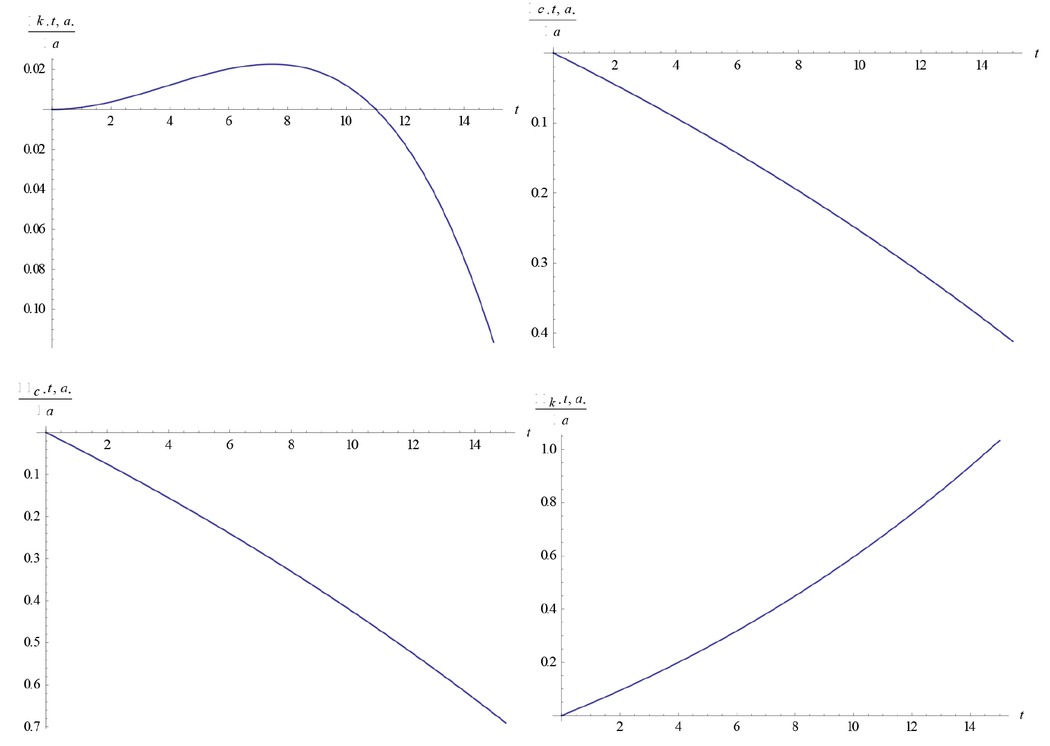
Fig. 10
The time-varying rate of change in the tax rates and state variables (a = 0.9)
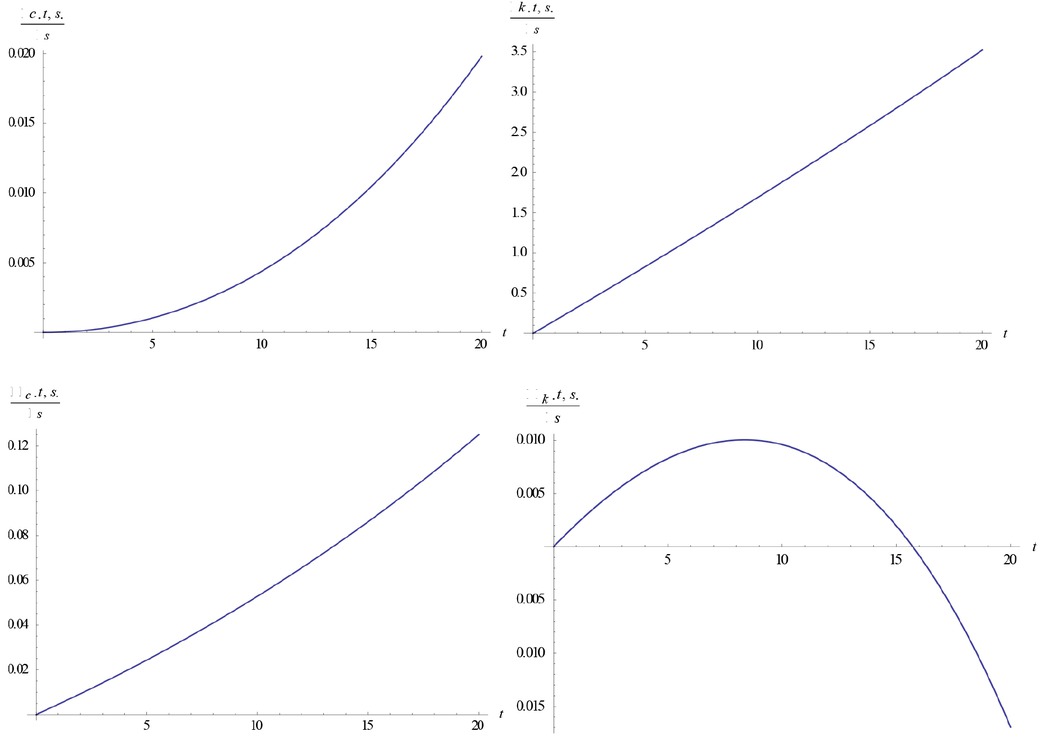
Fig. 11
The time-varying rate of change in the tax rates and state variables (s = 0.8)
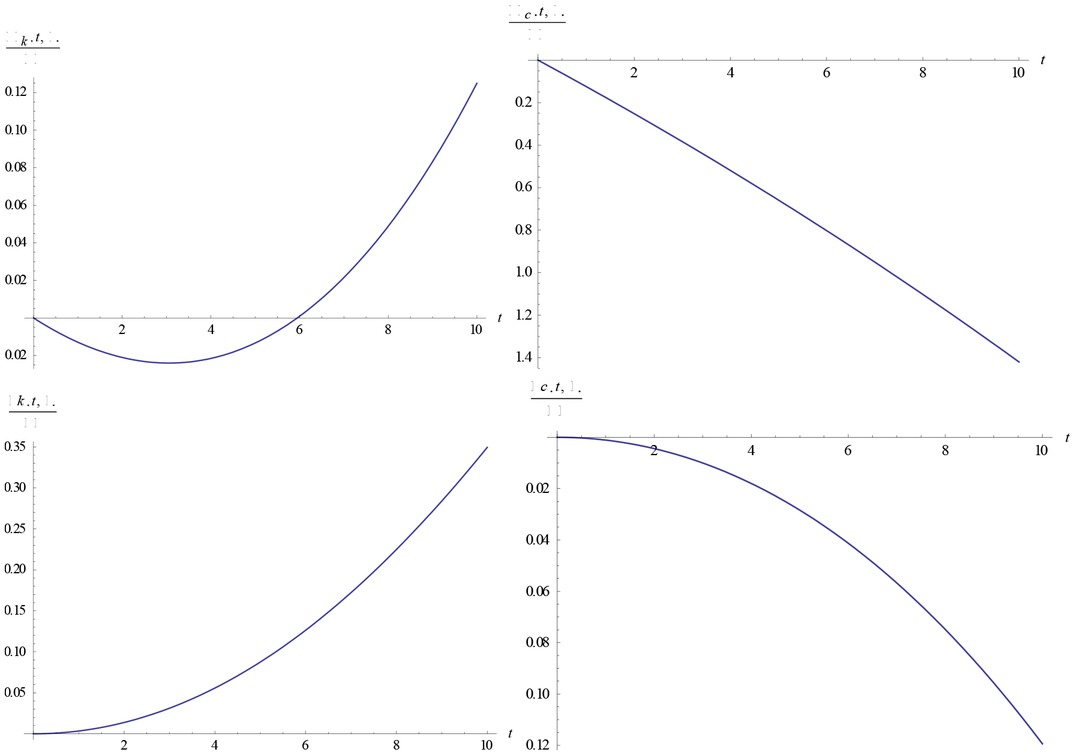
Fig. 12
The time-varying rate of change in the tax rates and state variables (ρ = 0.03)