
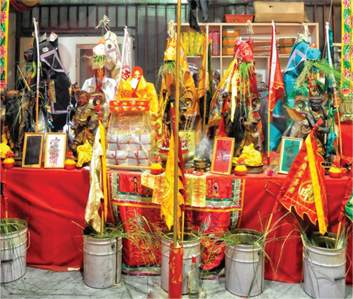
Figure 1:
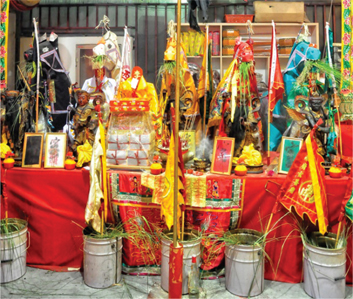
Inviting the Generals of the Five Directions and feeding their stallions.
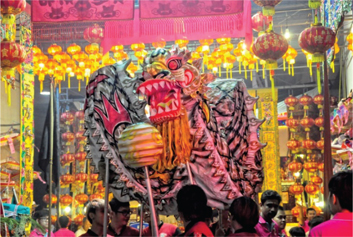
Figure 2:
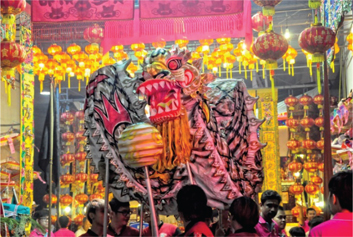
Representing auspiciousness, the dragon pays respects to the temple’s deities.
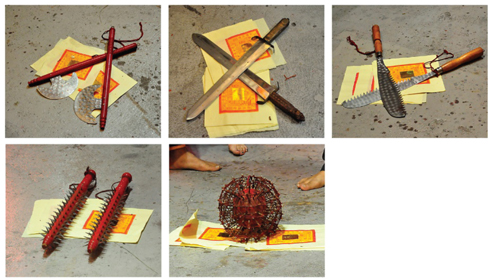
Figure 3:
Weapons used for ritual self-mortification.
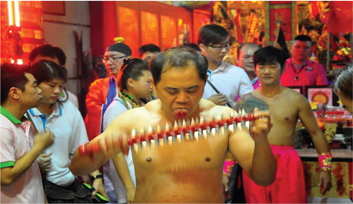
Figure 4:
Drawing blood to add efficacy thus rendering material objects sacred.
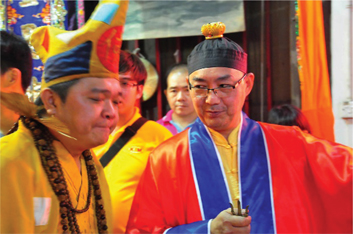
Figure 5:
Cooperation between religious specialists from the folk and orthodox traditions.
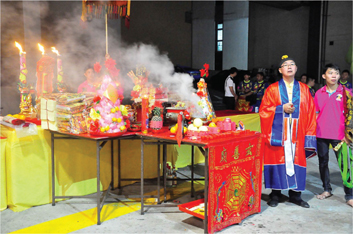
Figure 6:
Taoist priest inviting the Jade Emperor at an external altar.
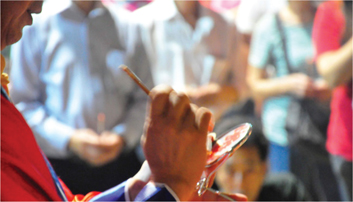
Figure 7:
Using the power of a talisman and reflected light to ‘open the eyes’ of a deity statue.
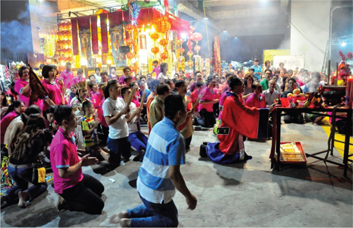
Figure 8:
Casting bue to confirm the Jade Emperor has accepted the offerings and invitation.
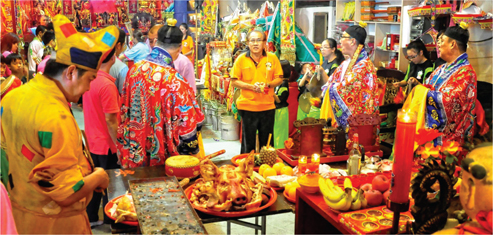
Figure 9:
Showing gratitude and respect at the Jade Emperor’s altar.
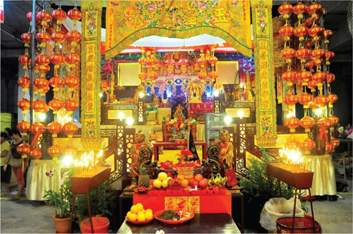
Figure 10:
A temporary palace for the Jade Emperor’s use behind his altar.
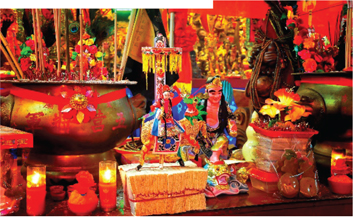
Figure 11:
Removed from the Jade Emperor’s palace, Qilin Caishen will draw wealth into the temple over the coming year.
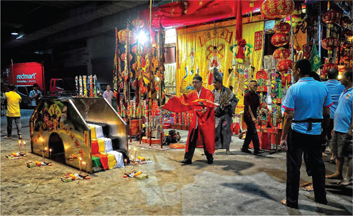
Figure 12:
Summoning deities to guard the pingan bridge and surrounding ritual space.
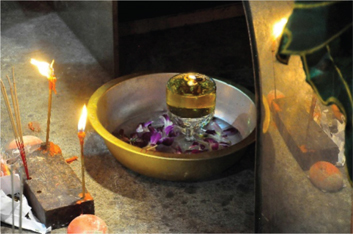
Figure 13:
The candle in water representing the light of the moon on a stream.
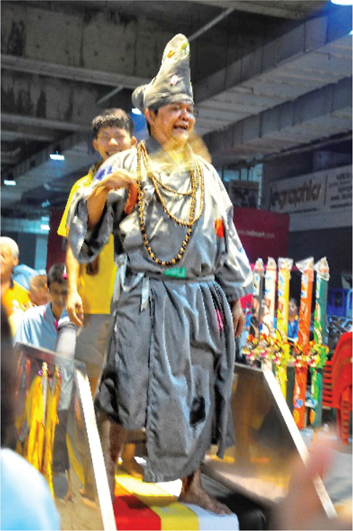
Figure 14:
Jigong leads temple members over the bridge.
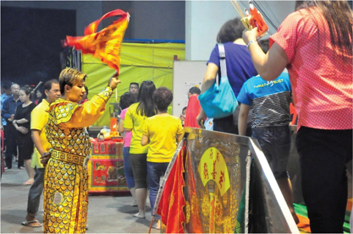
Figure 15:
Zhong Tan Yuan Shuai bestowing blessings through his flag.
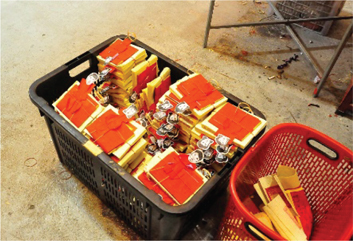
Figure 16:
Tishen providing participants a proxy self in the spirit world.
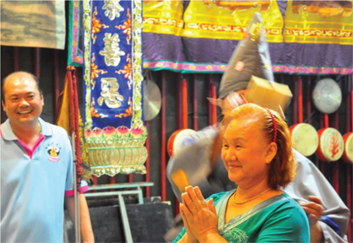
Figure 17:
Qi or aura cleansing to conclude the pingan bridge rituals.
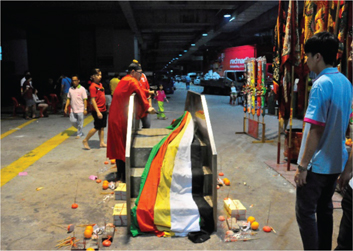
Figure 18:
Desacralising the pingan bridge.
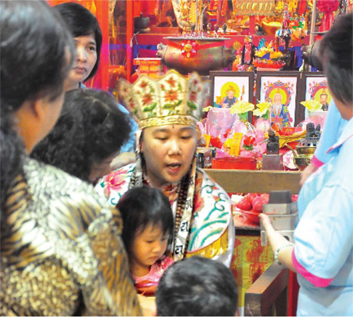
Figure 19:
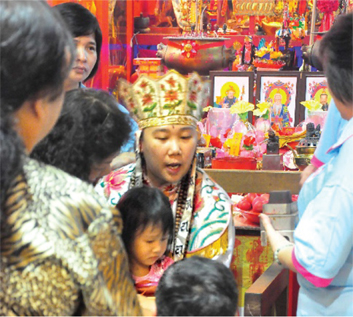
Guan Yin as tranced through her tang-ki offers sagely advice.
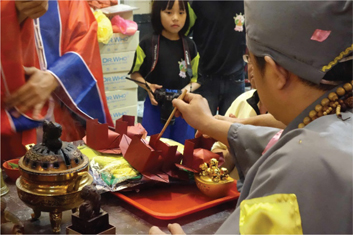
Figure 20:
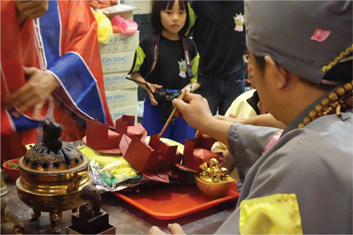
Placing a dot of cinnabar solution on ritual items to add efficacy.
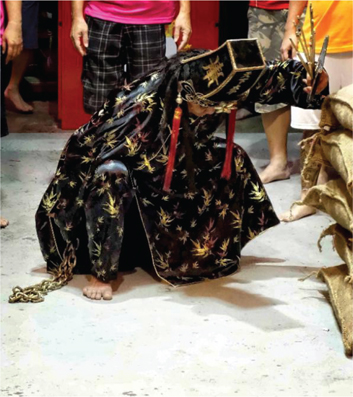
Figure 21:
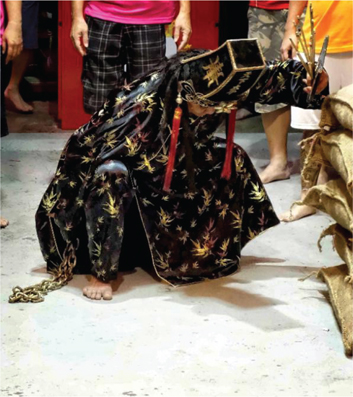
Di Ya Pek with his ghost catching chain blessing sacks of rice.
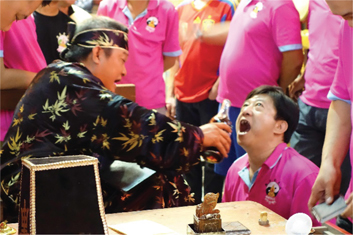
Figure 22:
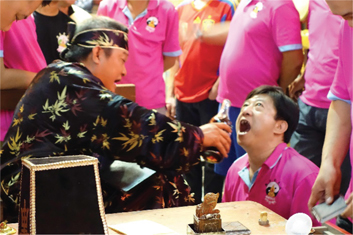
Martel Cordon Bleu: Underworld deity’s drink of choice.
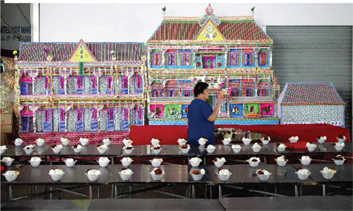
Figure 23:
Accommodation for ancestral spirits.
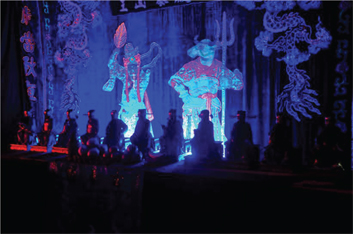
Figure 24:
Twelve of the City God’s scribes were placed on each side of the Underworld tent.
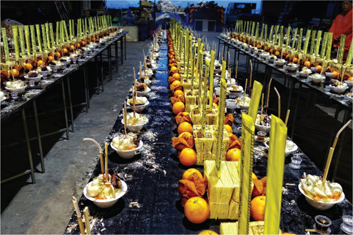
Figure 25:
Money and food for the ancestral spirits.
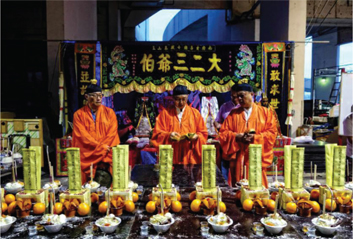
Figure 26:
Liturgical chant to bring blessings to devotee’s ancestors.
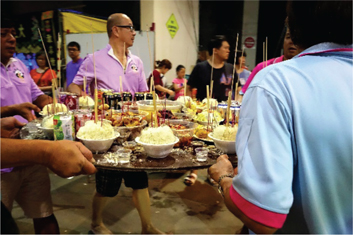
Figure 27:
The food will be transformed through immolation, thus releasing its spiritual essence.
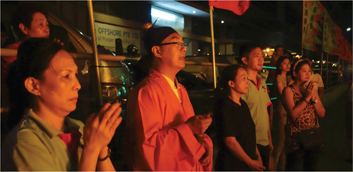
Figure 28:
Praying to ancestors as their souls are ‘sent off’ to the spirit world.
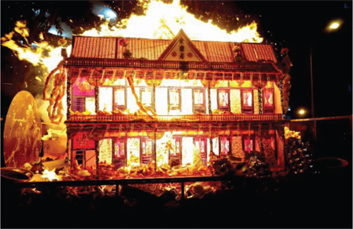
Figure 29:
As the house burned, the souls within departed.
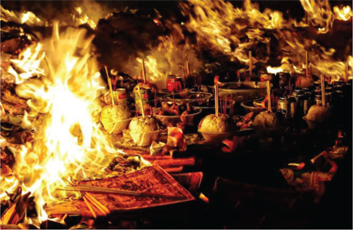
Figure 30:
Money and food for use in the afterlife.
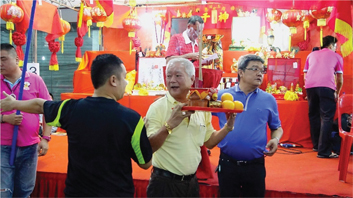
Figure 31:
The winning bidder carrying off the ‘Urn of Prosperity’.
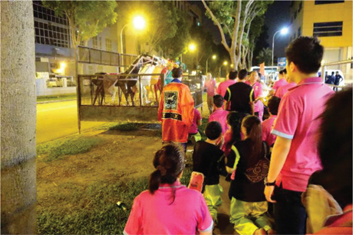
Figure 32:
Preparing to ‘send off’ the stallions belonging to the Generals of the Five Directions.
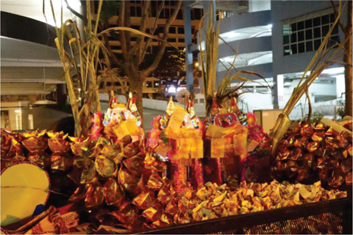
Figure 33:
Burning money as wages for the General’s troops.
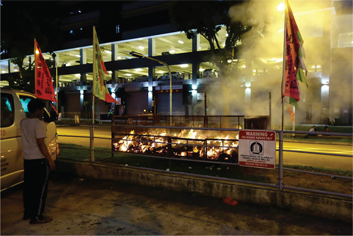
Figure 34:
A migrant worker watching the flames die down.
图一:
邀请五营将军并喂饱他们的战马.
图二:
代表吉祥的舞龙来敬奉庙宇的神.
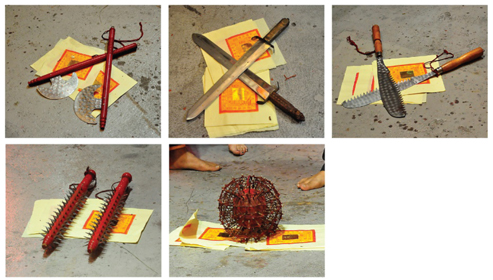
图三:
自我鞭笞的兵刃法器.
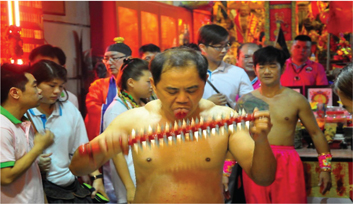
图四:
带乩童血的鲨鱼棍.
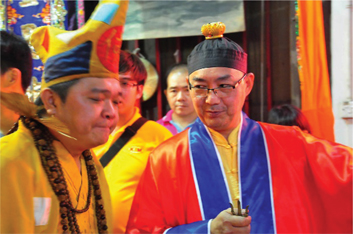
图五:
正统道教道士与民间道士的合作.
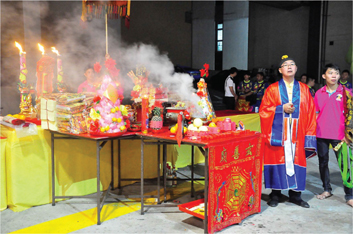
图六:
乩童在外面的祭坛恭请玉皇大帝.
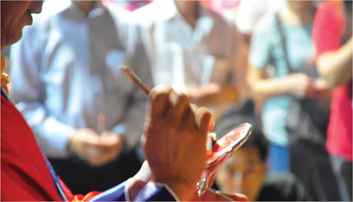
图七:
用镜子反射到神像上来 “开光点眼”.
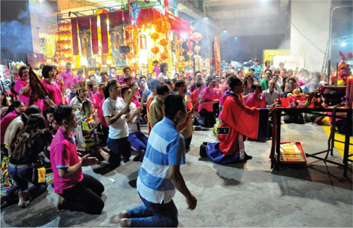
图八:
再掷杯筊来确定玉帝已经接受了供奉之物.
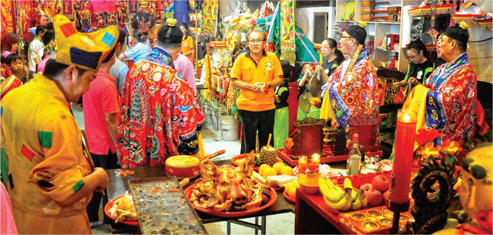
图九:
在玉帝的祭坛表达敬意和谢意.
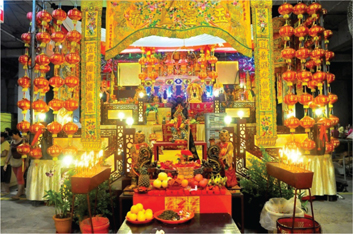
图十:
在玉帝的祭坛后面是其临时所用的宫殿.
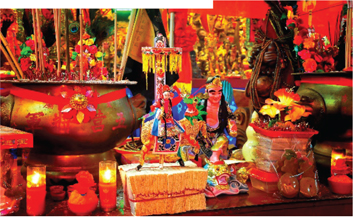
图十一:
预示来年财源滚滚的麒麟财神.
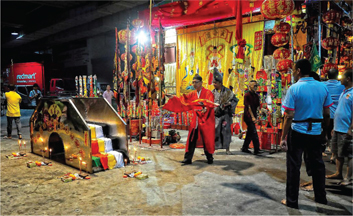
图十二:
求神灵保佑平安桥和周边举行仪式的地方.
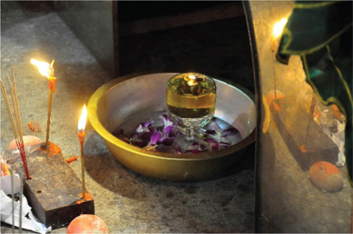
图十三:
在水里的油灯代表月光洒在洒在河里.
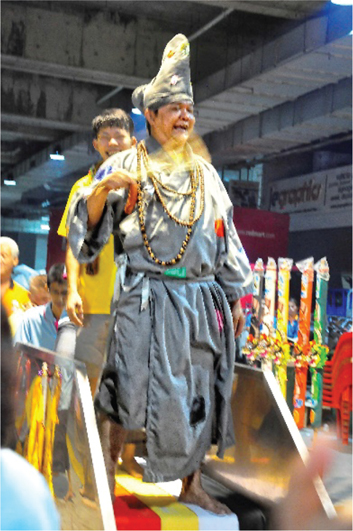
图十四:
济公引导教众过河.
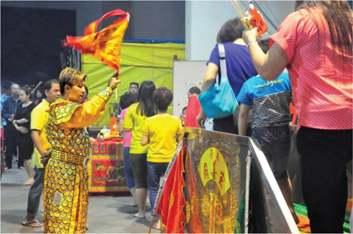
图十五:
中坛元帅挥舞旗子给过桥的人降福.
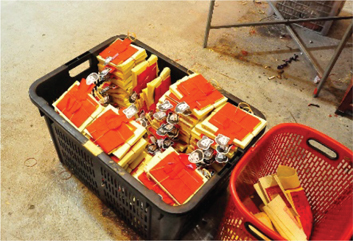
图十六:
在灵界替代参与者本人的 “替身”.
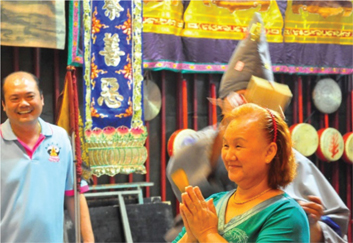
图十七:
在平安桥仪式中清除气味的步骤.
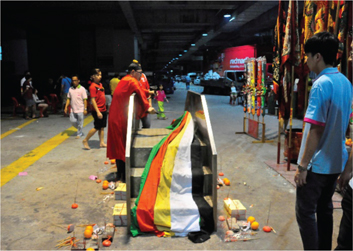
图十八:
拆除平安桥.
图十九:
附身在乩童身上的观音在接受信众的咨询.
图二十:
点朱砂来加增灵验度.
图二十一:
二伯爷用捉鬼链给米袋施福.
图二十二:
二伯爷在喝蓝带马爹利.
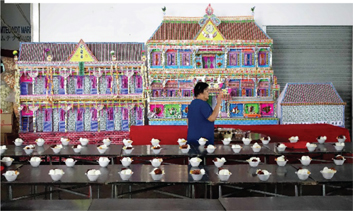
图二十三:
安置等待超度灵魂的纸屋.
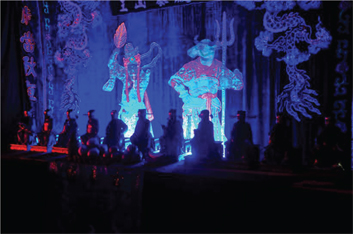
图二十四:
阴间帐篷的两侧分别摆放 12 个城隍神的助手.
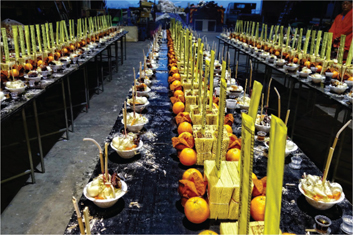
图二十五:
食物和纸钱:给祖先的供物.
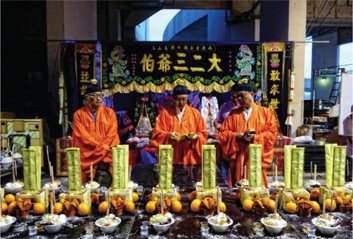
图二十六:
道士们在为信众的祖先化孽祈福.
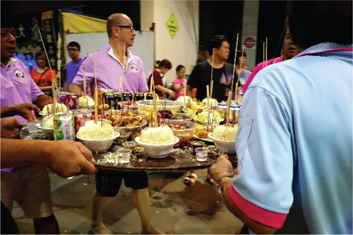
图二十七:
食物会被焚烧使祖先的灵魂回到冥界.
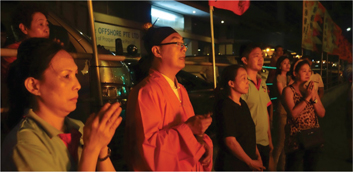
图二十八:
当祖先的灵魂回到冥界时为他们诵经祈祷.
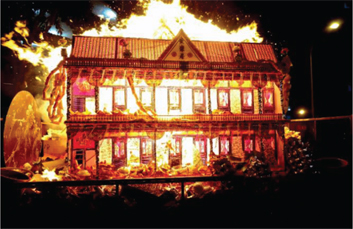
图二十九:
纸楼点燃,其内的灵魂也就回到冥界.
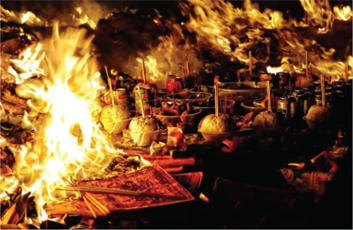
图三十:
在阴间使用的钱和食物.
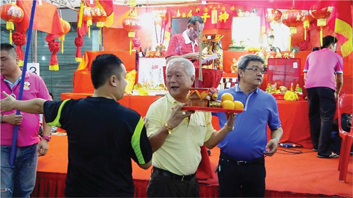
图三十一:
赢得竞拍者捧着旺财炉.
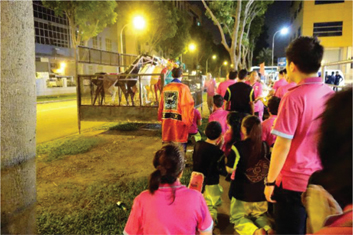
图三十二:
准备为五方大将的战马饯行.
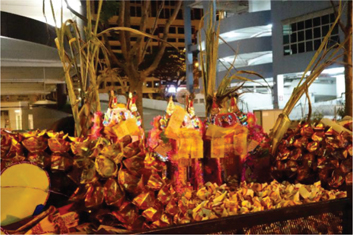
图三十三:
烧纸钱作为给大将的犒劳.
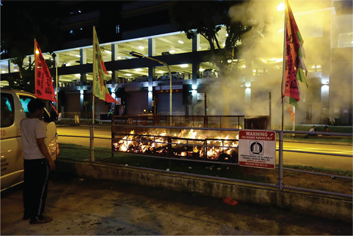
图三十四:
一位移民的劳工观看火焰熄灭.