
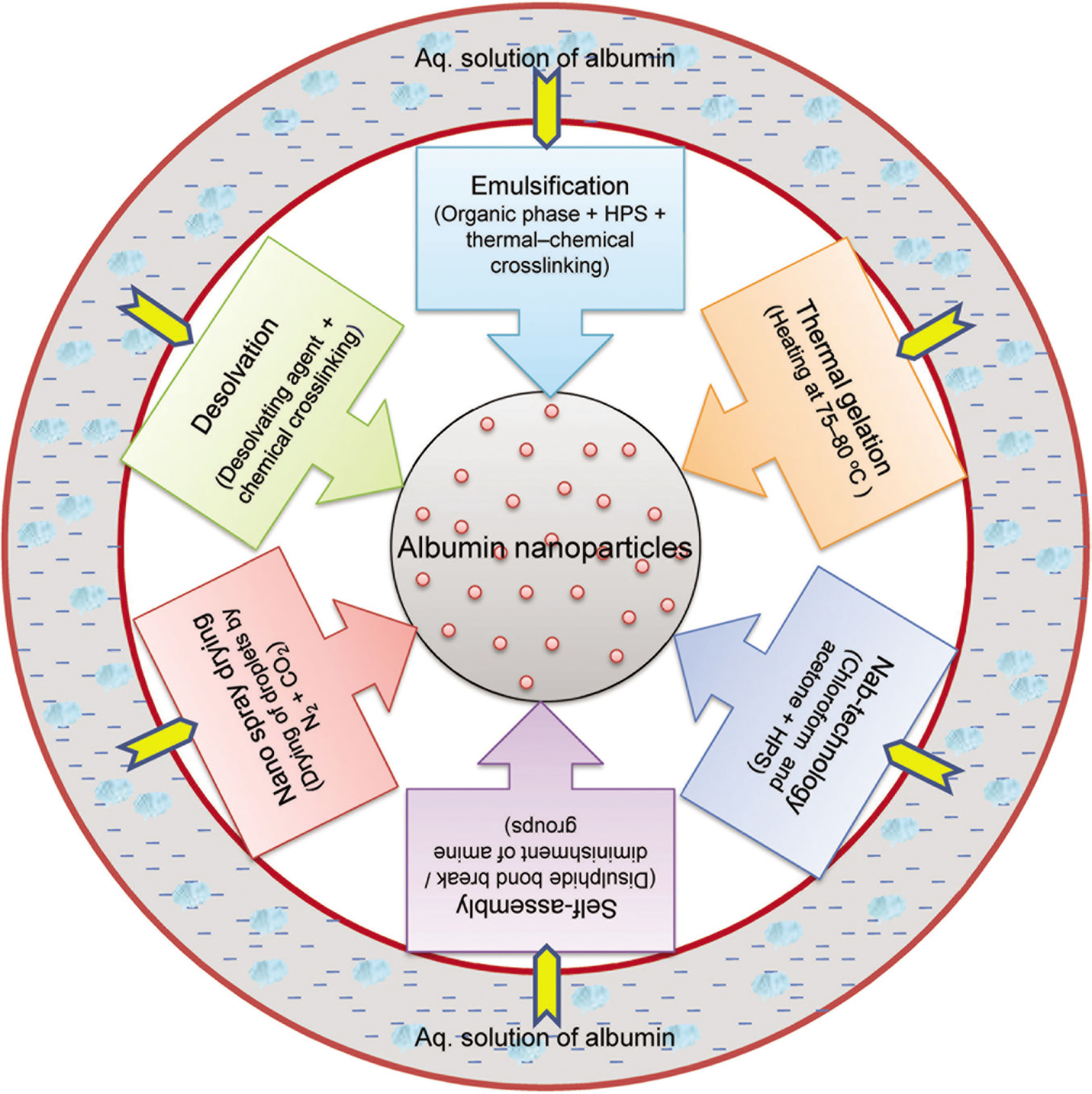
Figure 1
Various processes for the preparation of albumin nanoparticles.
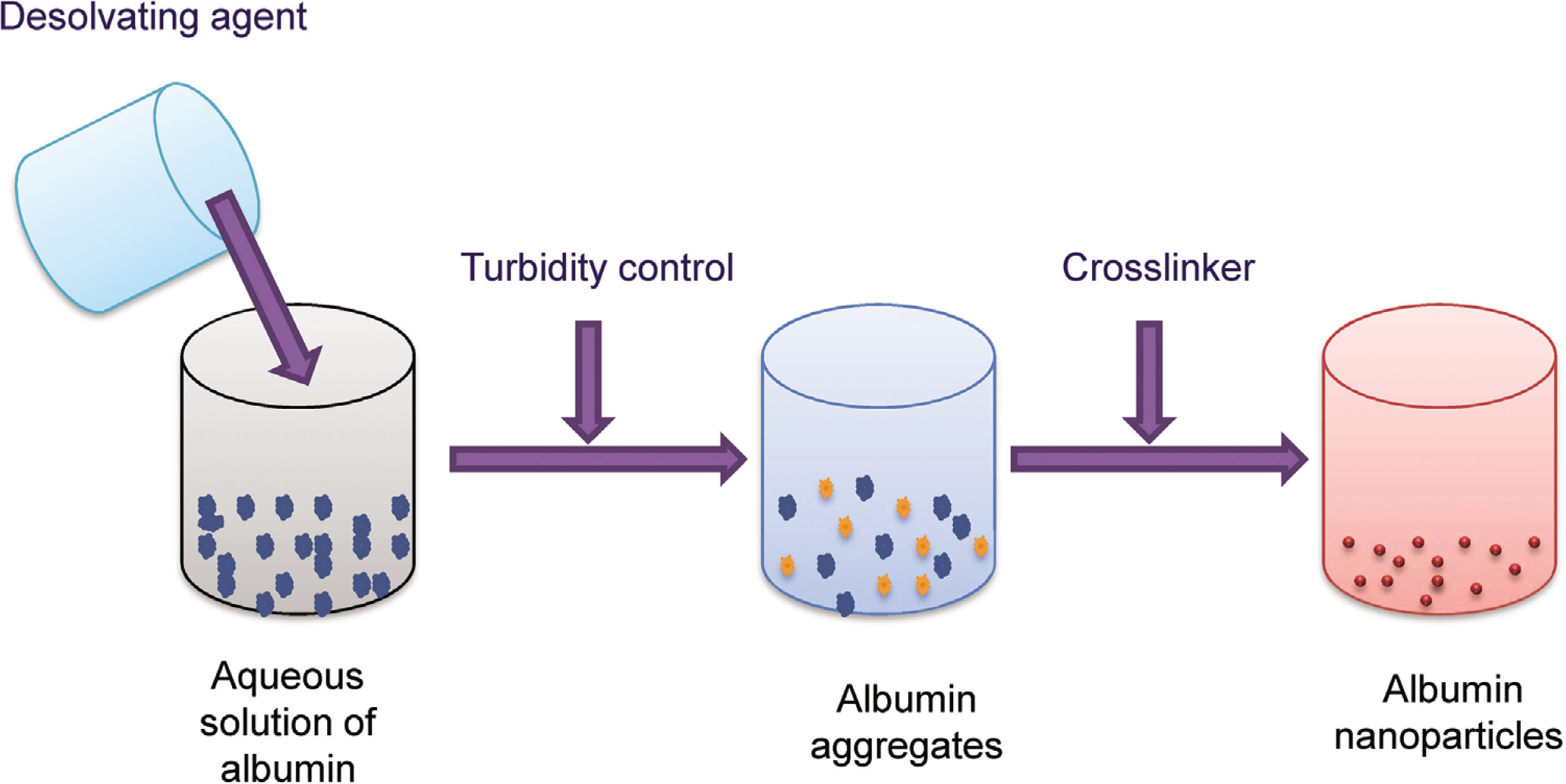
Figure 2
Desolvation process for preparation of albumin nanoparticles.
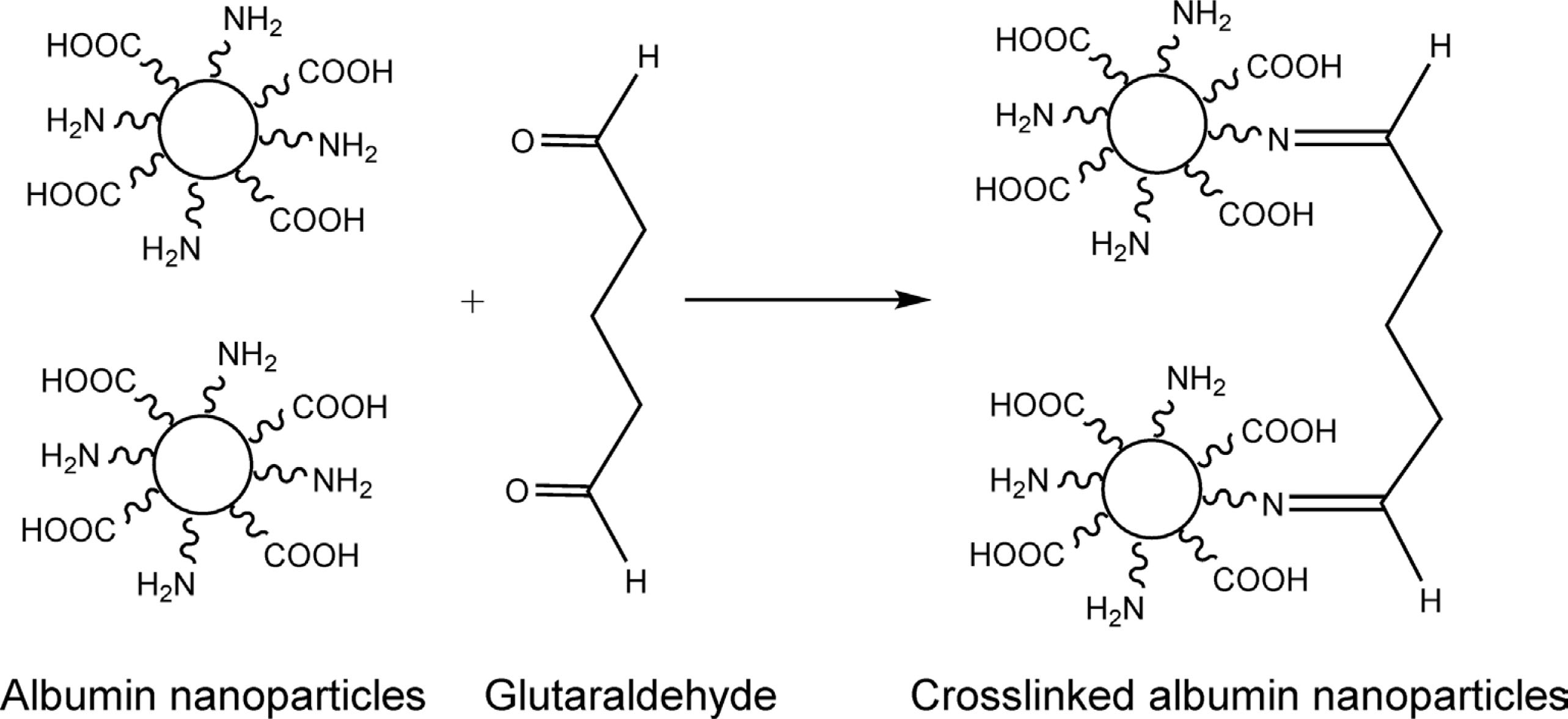
Figure 3
Chemical cross-linking of albumin nanoparticles.
Table 1
Process parameters for production of albumin nanoparticles by desolvation
| Albumin used | Preparation conditions | Particle diameter (nm), approximate | Zeta potential | Reference |
|---|---|---|---|---|
| HSA | HSA: 100 mg/mL in 10 mM NaCl, pH: 8.2; ethanol addition rate: 1 mL/min; cross-linker: 8% glutaraldehyde; stirring rate: 500 rpm | 150 | –44 mV | [18] |
| BSA + HSA | Protein: 250 mg/4 mL; stirring rate: 1,250 rpm; desolvating agent: ethanol; cross-linker: 5 mg EDC; stirring time: 3 h | 100 | BSA: −35 mV HSA: −29.6 mV | [35] |
| BSA | BSA: 50 mg/mL in 10 mM NaCl, pH: 7; cross-linker: 8% glutaraldehyde; desolvating agent: ethanol | 100 | – | [36] |
| BSA | BSA: 100 mg in 10 mM NaCl, pH: 7.0; ethanol addition rate: 1 mL/min; cross-linker: 8% glutaraldehyde; stirring rate: 500 rpm; stirring time: 30 min | 100–300 | – | [37] |
| BSA | BSA: 1% solution, pH: 6.0; ethanol addition rate: 1 mL/min; cross-linker: glutaraldehyde; stirring rate: 700 rpm | 100 | – | [38] |
| BSA | BSA: 100 mg/mL, desolvating agent: ethanol; stirring rate: 500 rpm; pH: 8.2; cross-linker: 8% glutaraldehyde | 139 | –50 mV | [39] |
| Egg white | Egg white: 10%, pH 7.0; desolvating agent: ethanol; stirring rate: 550 rpm; cross-linker: 8% glutaraldehyde | 100 | –28 mV | [40] |
[i] BSA, bovine serum albumin; EDC, N-(3-dimethylaminopropyl)-N-ethylcarbodiimide; Egg white = crude ovalbumin; HSA, human serum albumin.
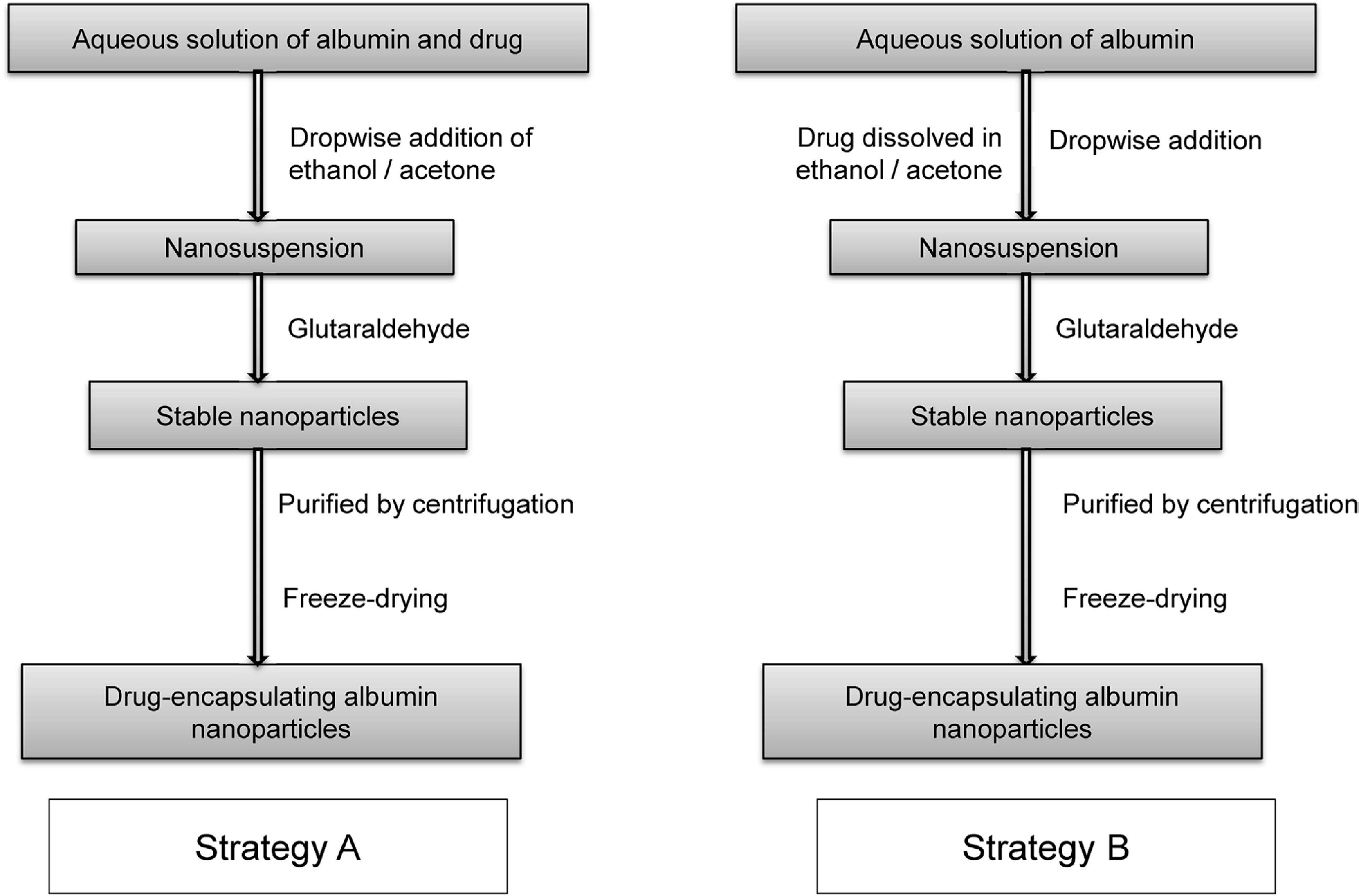
Figure 4
Preparation of drug-loaded albumin nanoparticles using desolvation process.
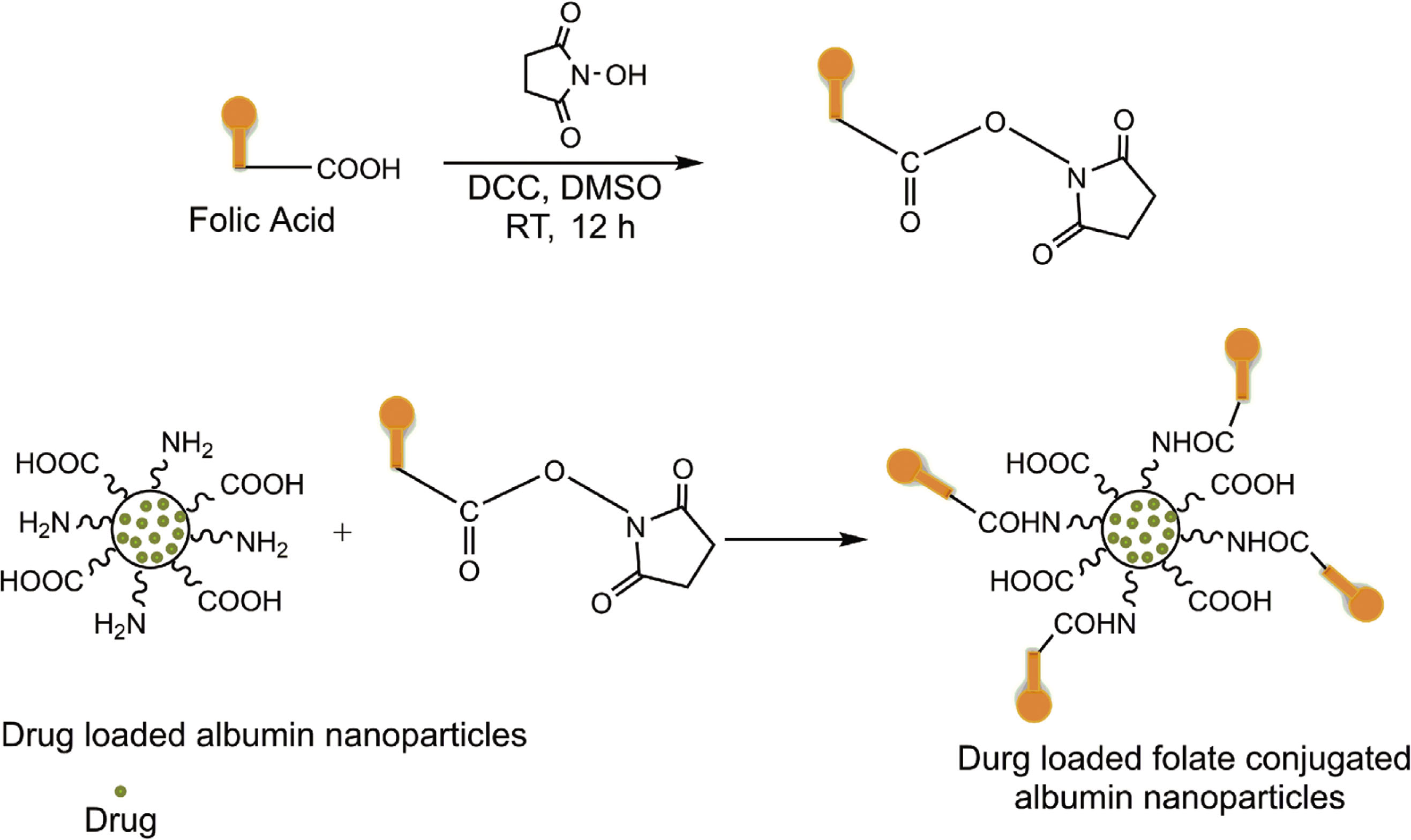
Figure 5
Preparation of drug-loaded folic acid-decorated albumin nanoparticles.
Table 2
Characterization, target indications, drug release pattern, and cytotoxicity of albumin and functionalized albumin nanoparticles prepared by desolvation process
| Albumin used | Functionalizing or conjugating agent | Drug or antioxidant loaded | Target indication | Outcome or application† | Reference |
|---|---|---|---|---|---|
| Egg albumin | – | Curcumin (CUR) | – |
| [32] |
| HSA | – | Doxorubicin | Neuroblastoma (UKF-NB3 and IMR-32 cell lines) |
| [43] |
| BSA | – | Ginsenoside CK | Lung, skin, colon cancer, and hepatocarcinoma (A549, HaCaT, HT29, and HepG2 cell lines) |
| [44] |
| BSA | – | Salicylic acid (SA) | – |
| [33] |
| BSA | Folic acid | Tamoxifen (TMX) | Breast cancer |
| [46] |
| BSA | Folic acid | Bexarotene (BXT) | Breast cancer (MCF-7 cell line) |
| [47] |
| HSA | Folic acid and magnetic nanoparticles | Cisplatin | – |
| [48] |
| BSA | Folic acid | Chrysin (CHA) | Breast cancer (MCF-7 cell line) |
| [49] |
| HSA | PEI | Gallic acid (GA) | Parkinson disease (PC-12 neuroendocrine cell line) |
| [50] |
| HSA | PEI | Doxorubicin | Breast cancer (MCF-7 cell line) |
| [51] |
| HSA | PEG | Tamoxifen (TMX) | Tumor target |
| [52] |
| BSA | Lactobionic acid | Oridonin (ORI) | Liver cancer |
| [53] |
| BSA | Galactosamine | Doxorubicin (DOX) | Hepatocarcinoma (HepG2 cell line) |
| [54] |
| HSA | – | Paclitaxel and gold nanorods | Breast cancer (4T1 cell line in mouse) |
| [57] |
| BSA | Polycaprolactone (PCL) | Albendazole (ABZ) | Pancreatic cancer |
| [58] |
| HSA | SP and PEG | Paclitaxel (PTX) | Brain cancer |
| [59] |
| BSA | Magnetic nanoparticles | – | – |
| [60] |
| BSA | Magnetic nanoparticles | Curcumin (CUR) | Breast cancer (MCF-7 cell line) |
| [61] |
| BSA | – | Curcumin (CUR) | Breast cancer (MDA-MB-231 cell line) |
| [62] |
| Egg albumin | – | Gallic acid (GA) | Brain cancer |
| [63] |
| BSA | – | Sulfasalazine (SSZ) | – |
| [64] |
| BSA | – | Curcumin (CUR) | Breast cancer (MCF-7 cell line) |
| [65] |
| HSA | – | Doxorubicin (DXR), daunorubicin (DNR), pirarubicin (THP), and aclarubicin (ACR) | Breast cancer (MCF-7 cell line) |
| [66] |
| HSA | – | Pyrazolo[3,4-d] pyrimidine | Neuroblastoma (SH-SY5Y cell line) |
| [67] |
| BSA | Folic acid | Curcumin difluorinated (CDF) | Ovarian cancer (SKOV 3 cell line) |
| [68] |
† All particle diameters are approximate; BSA, bovine serum albumin; DEE, drug entrapment efficiency (approximate); DLC, drug-loading capacity (approximate); Egg albumin = ovalbumin; HSA, human serum albumin; MRI, magnetic resonance imaging; PEG, polyethylene glycol; PEI, polyethylenimine; RSM, response surface methodology; ZP, zeta potential.
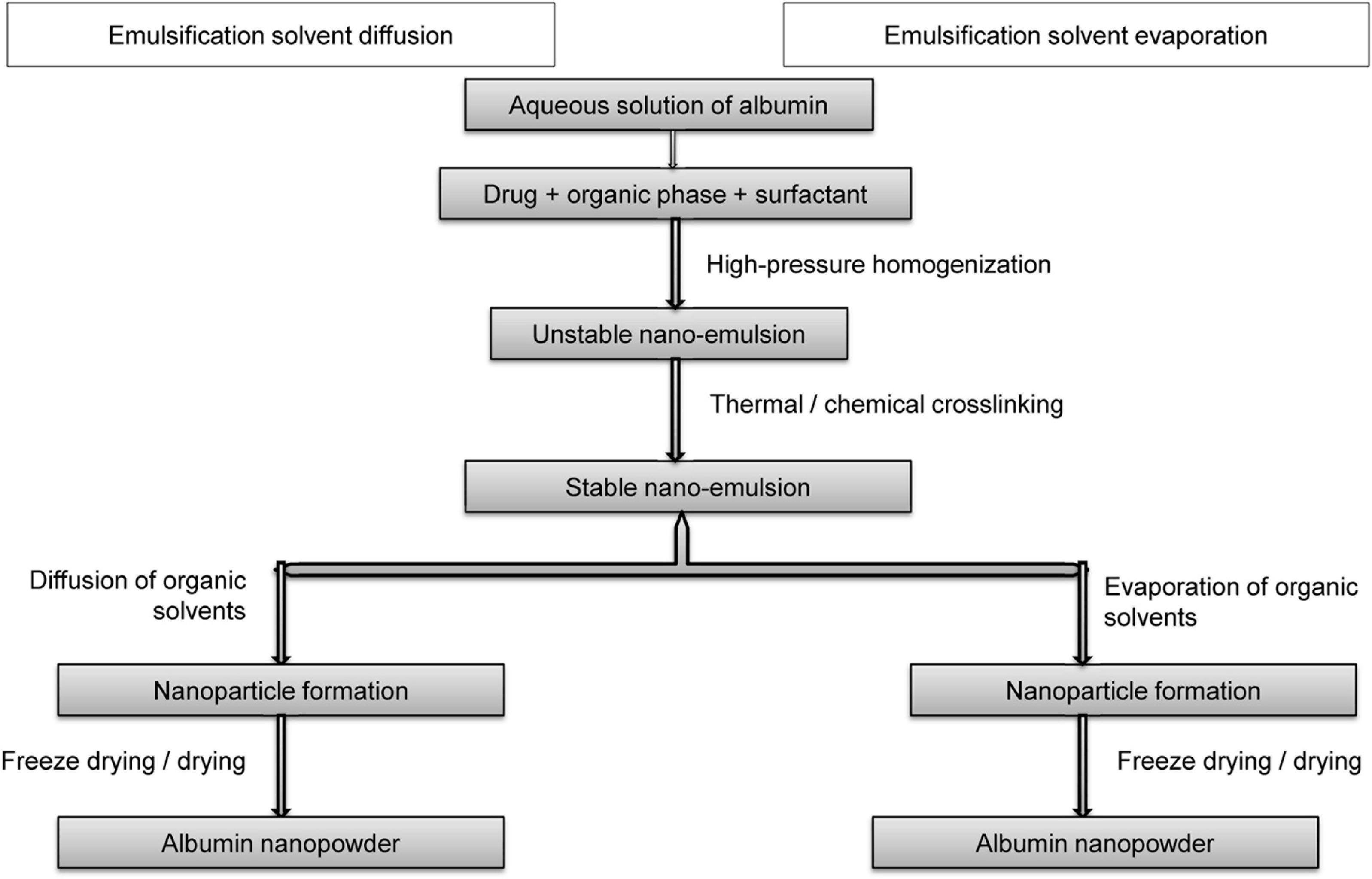
Figure 6
Preparation of drug-loaded albumin nanoparticles using emulsification.
Table 3
Characterization, target indications, drug release pattern, and cytotoxicity of albumin and functionalized albumin nanoparticles prepared by emulsification
| Albumin used | Organic phase and surfactant | Functionalizing or coating agent | Drug or antioxidant loaded | Target indication | Outcome or application† | Reference |
|---|---|---|---|---|---|---|
| HSA in water | Chloroform + ethanol | – | Paclitaxel (PTX) | Breast cancer (MCF-7 cell line) |
| [19] |
| BSA in NaOH | Castor oil + Span 80 | – | 10-Hydroxycamptothecin (HCPT) | Liver cancer |
| [74] |
| HSA in water | Chloroform + acetone + cholesterol | Chitosan, PLG-PEG | Teniposide (TS) | Lung cancer (A549 cell line) |
| [75] |
| BSA in PBS (w1) | Tween 80 (o) Aqueous solution of PLGA (w2) | – | – | – |
| [76] |
| BSA in water | BmimPF6 + Tween 20 | Folic acid | – | – |
| [77] |
| BSA in water | n-Butanol + toluene + coconut oil | – | – | – |
| [78] |
| HSA in water | Ethanol + Tween 80 | – | Carvacrol | Gastric cancer (AGS cell line) |
| [79] |
† Particle diameters are approximate; BmimPF6, 1-butyl-3-methylimidazolium hexafluorophosphate, BSA, bovine serum albumin; DEE, drug entrapment efficiency (approximate); DLC, drug-loading capacity (approximate); HSA, human serum albumin; IC50, half-maximal inhibitory concentration; o, organic phase; PBS, phosphate-buffered saline; PEG, polyethylene glycol; PLG, poly(l-glutamic acid)-g-methoxy; PLGA, poly(d,l-lactic-co-glycolic acid); W1, internal aqueous phase; W2, external aqueous phase; ZP, zeta potential.
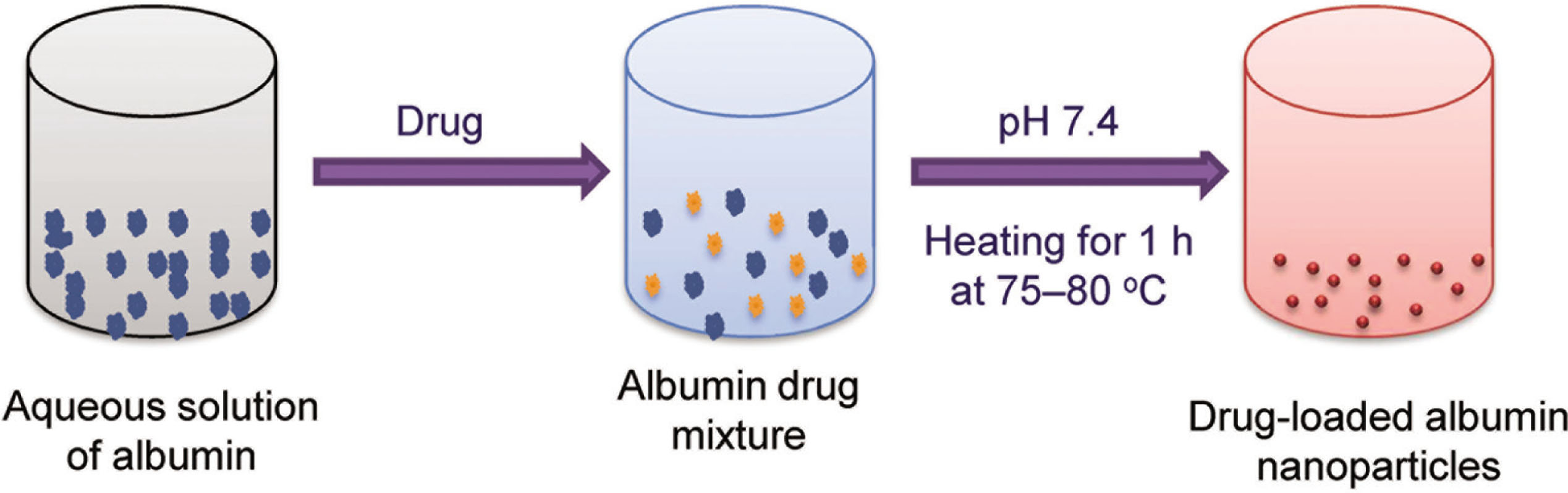
Figure 7
Thermal gelation process for the preparation of drug-loaded albumin nanoparticles.
Table 4
Characterization, target indications, drug release pattern, and cytotoxicity of albumin and functionalized albumin nanoparticles prepared by thermal gelation
| Albumin used | Temperature, time, pH | Functionalizing or conjugating agent | Drug or antioxidant loaded | Target indication | Outcome or application† | Reference |
|---|---|---|---|---|---|---|
| Egg albumin in water | 80 °C, 30 min, 5.4 | Chitosan, PEG400 | Alprazolam (ALP) | – |
| [81] |
| Egg albumin in water | 80 °C, 30 min, 5.4 | Chitosan, Carbopol 940 | Aceclofenac (ACA) | – |
| [82] |
| BSA in water | 90 °C, 2 h, 4.2 | Chitosan (CS) | β-Carotene (CRT) | – |
| [83] |
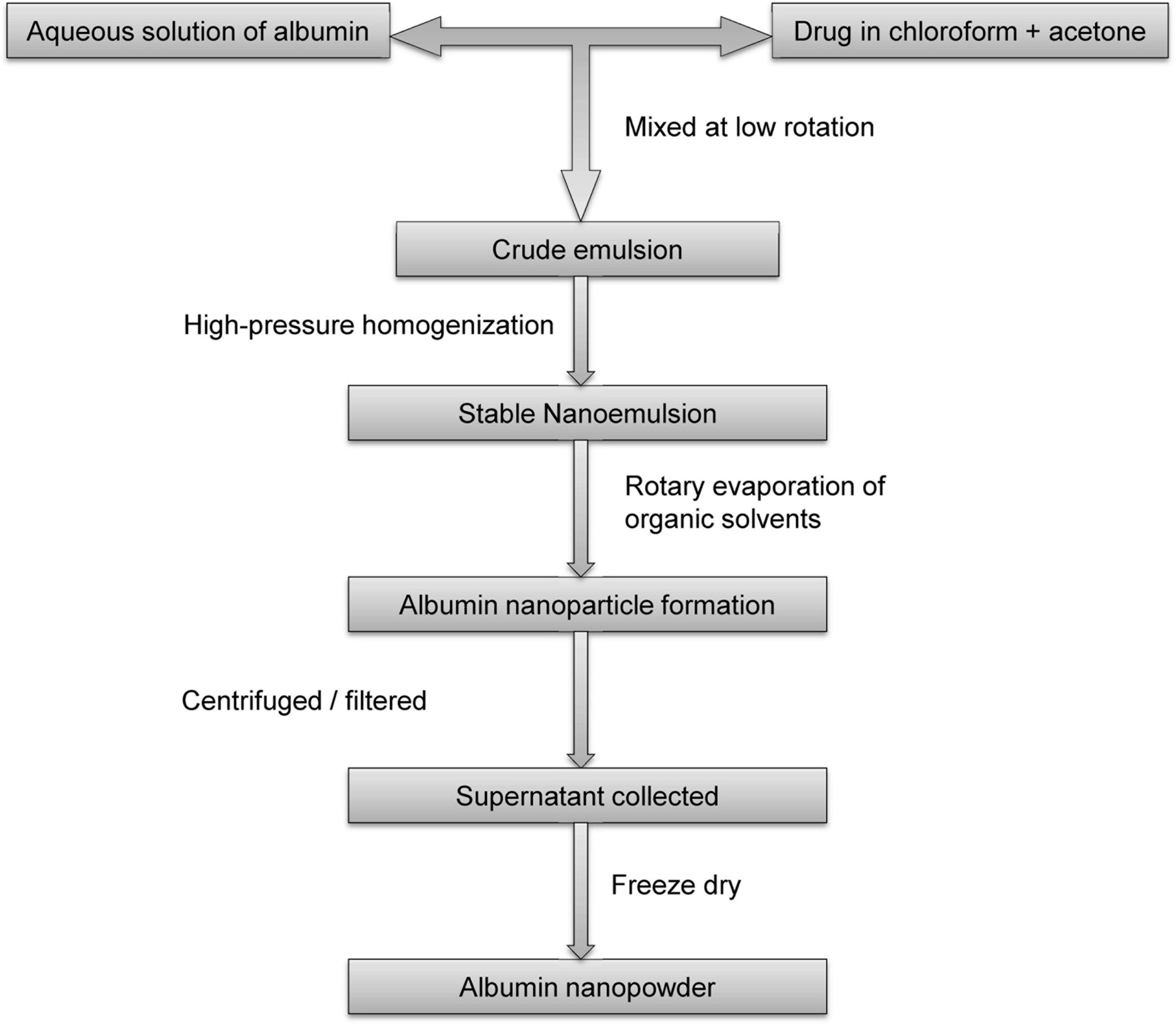
Figure 8
Preparation of drug-loaded albumin nanoparticles using nab technology.
Table 5
Characterization, target indications, drug release pattern, and cytotoxicity of albumin and functionalized albumin nanoparticles prepared by nab technology
| Albumin used | Organic phase | Functionalizing or conjugating agent | Drug or antioxidant loaded | Target indication | Outcome or application | Reference |
|---|---|---|---|---|---|---|
| HSA in water | Chloroform + ethanol mixture | – | Tacrolimus (TAC) | Rheumatoid arthritis |
| [84] |
| HSA in water | Chloroform | – | Gem-C14 | Pancreatic cancer |
| [85] |
| HSA in water | Mixed organic phase | – | Gambogic acid (GmA) | Lung cancer |
| [86] |
| BSA in water | Chloroform + ethanol mixture | Lactobionic acid | Doxorubicin (DOX) and paclitaxel (PTX) | Liver cancer |
| [87] |
† Particle diameters are approximate; ASGPR, asialoglycoprotein receptor; BSA, bovine serum albumin; DEE, drug entrapment efficiency (approximate); DLC, drug-loading capacity (approximate); Gem-C14, 4-N-myristoyl-gemcitabine; HSA, human serum albumin; TGI, tumor growth inhibition rate; ZP, zeta potential.
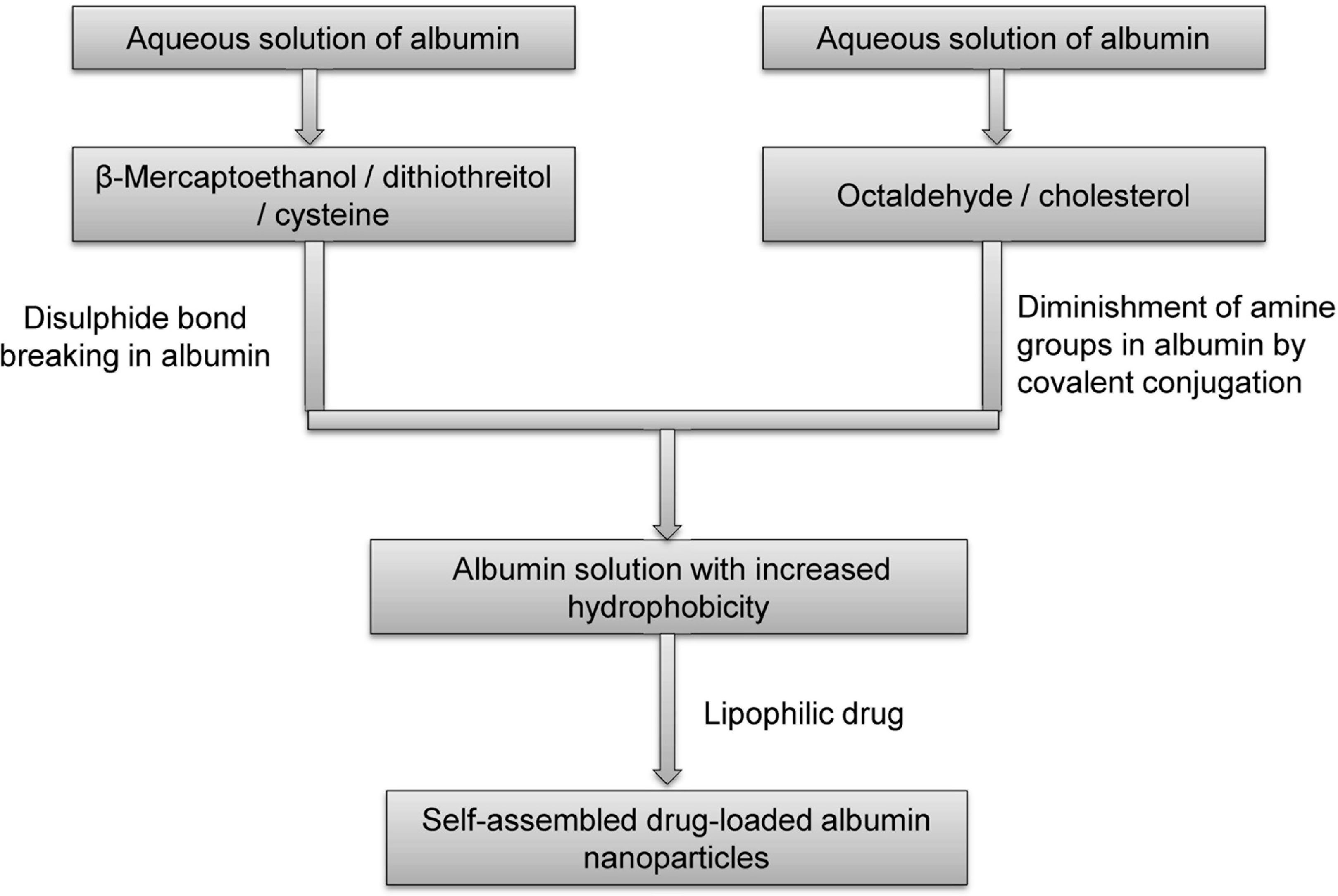
Figure 9
Preparation of drug-loaded albumin nanoparticles using self-assembly.
Table 6
Characterization, target indications, drug release pattern, and cytotoxicity of albumin and functionalized albumin nanoparticles prepared by self-assembly
| Albumin used | Conjugating or disulfide reducing agent | Drug or antioxidant loaded | Self-assembly strategy | Target indication | Outcome or applications | Reference |
|---|---|---|---|---|---|---|
| HSA | β-Mercaptoethanol (β-ME) | Paclitaxel (PTX) | Disulfide bond breaking | Breast cancer (MCF-7 and A549 cell lines) |
| [90] |
| HSA | Dithiothreitol (DTT) | Curcumin (CUR) | Disulfide bond breaking | H22 tumor-bearing mice |
| [91] |
| BSA | Cholesterol | Paclitaxel (PTX) | Covalent conjugate | Breast cancer (B16F10 and MCF-7 cell lines) |
| [92] |
| BSA | Aptamer AS1411 | Doxorubicin (DOX) | Hydrophobic drug interaction | Breast cancer (MCF-7 cell line) |
| [93] |
| BSA | – | Curcumin (CUR) | Hydrophobic drug interaction | – |
| [94] |
| HSA | PEG | Paclitaxel (PTX) | Covalent conjugation (film casting method) | Human breast cancer cell lines (SK-BR-3, MDA-MB-453 and MCF-7), SK-BR-3 tumor-bearing mice |
| [95] |
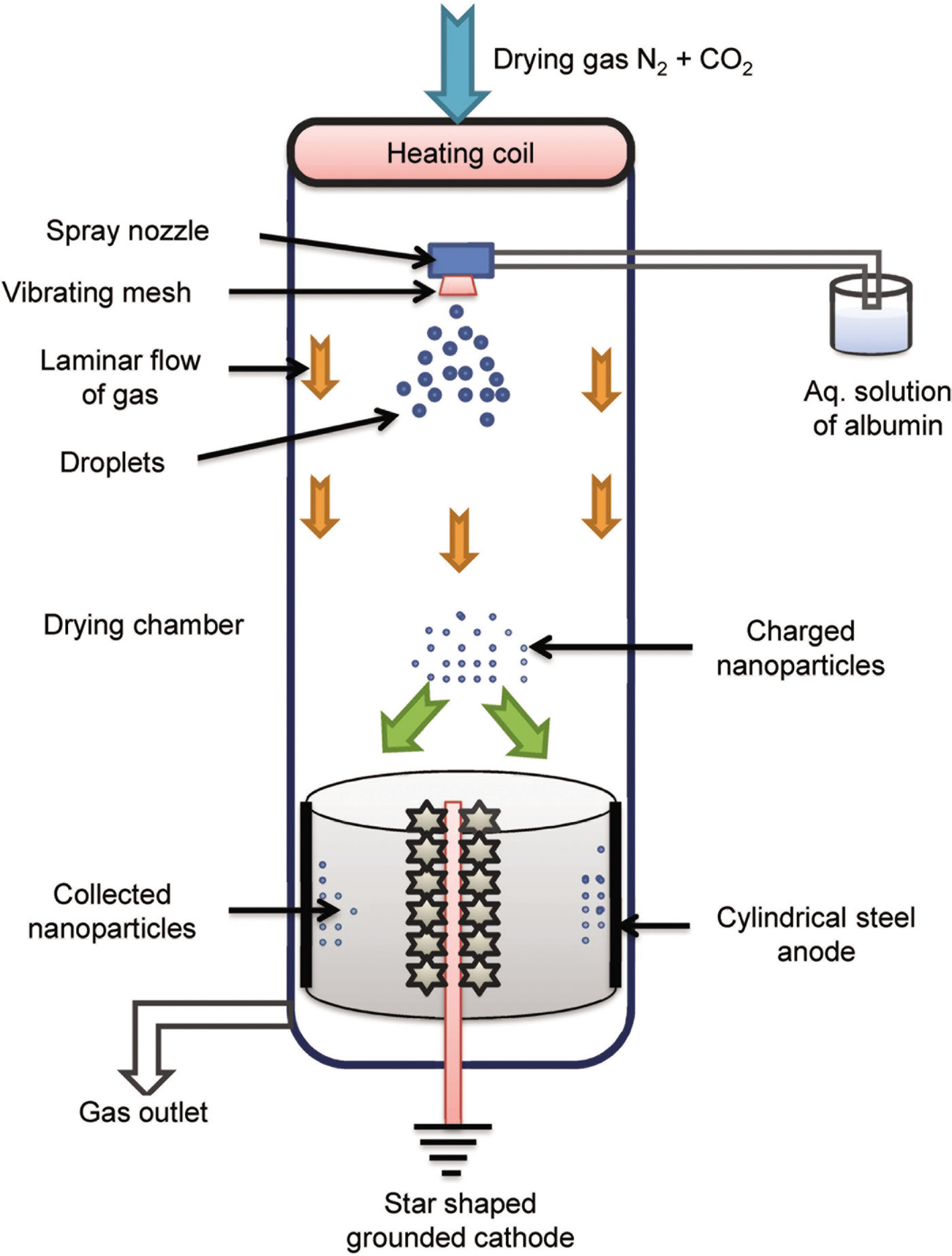
Figure 10
Spray-drying process for the preparation of albumin nanoparticles.