
Introduction
A 24-year-old male was referred to our cardiology clinic with a chief complaint of recurrent syncope and pre-syncopal episodes. Prior to this visit, his medical history was significant for loop recorder implantation and subsequent implantable cardioverter defibrillator (ICD) placement 24 months and 18 months, respectively. His family history is notable for the sudden cardiac death (SCD) of his father due to cardiac arrest at approximately 40 years of age.
The patient’s symptomatology started in 2022 during physical exertion, characterized by a brief loss of consciousness without prodromal symptoms, urinary incontinence, or postictal confusion. Initially, the patient did not seek medical attention. A repeat event 3 months later, in an occupational setting, prompted evaluation in a local emergency department. Electrocardiographic monitoring revealed ventricular tachycardia (VT), leading to implantation of an implantable loop recorder (ILR) for continuous rhythm surveillance.
Subsequently, the patient experienced a third syncopal episode, diagnosed as an aborted SCD secondary to VT. Coronary angiography demonstrated nonobstructive coronary arteries. Due to recurrent VT episodes documented on the ILR, an ICD was implanted for secondary prevention. Post-ICD implantation, the patient has experienced multiple appropriate device interventions for VT termination.
Electrocardiographic analysis revealed a normal sinus rhythm with evidence of early repolarization (Figure 1). Significant findings were T-wave inversion observed in lead V1, though the overall morphology was not indicative of a Brugada-type pattern and a QT interval measuring at 370 ms, with a corrected QT (QTc) of 384 ms, both within normal limits. While noteworthy, these findings did not appear to indicate any significant electrical cardiac abnormalities based on the evaluation at our clinic.
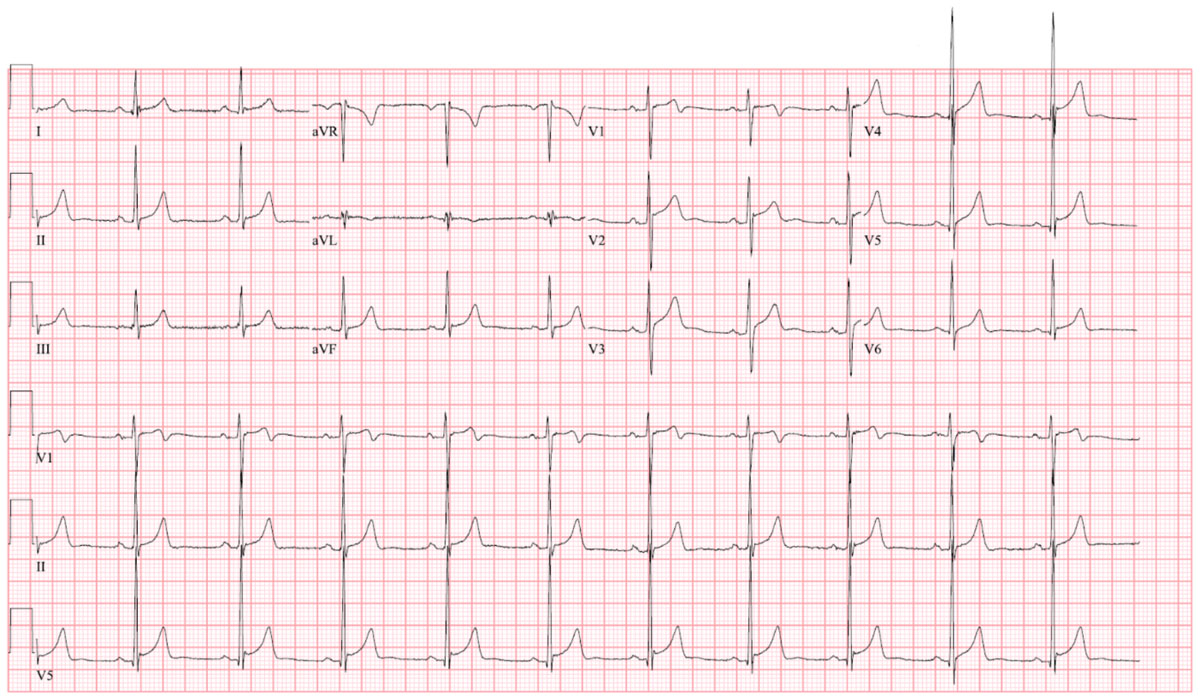
Figure 1
Electrocardiograph showing normal sinus rhythm with evidence of early repolarization.
Echocardiographic examination demonstrated preserved left and right ventricular systolic function (Figure 2). Careful assessment of the myocardial structure and function revealed no discernible features suggestive of left ventricular noncompaction or hypertrophic cardiomyopathy. The absence of structural abnormalities on echocardiography, in conjunction with the preserved biventricular function, presented an intriguing clinical picture given the patient’s history of recurrent ventricular tachycardia.
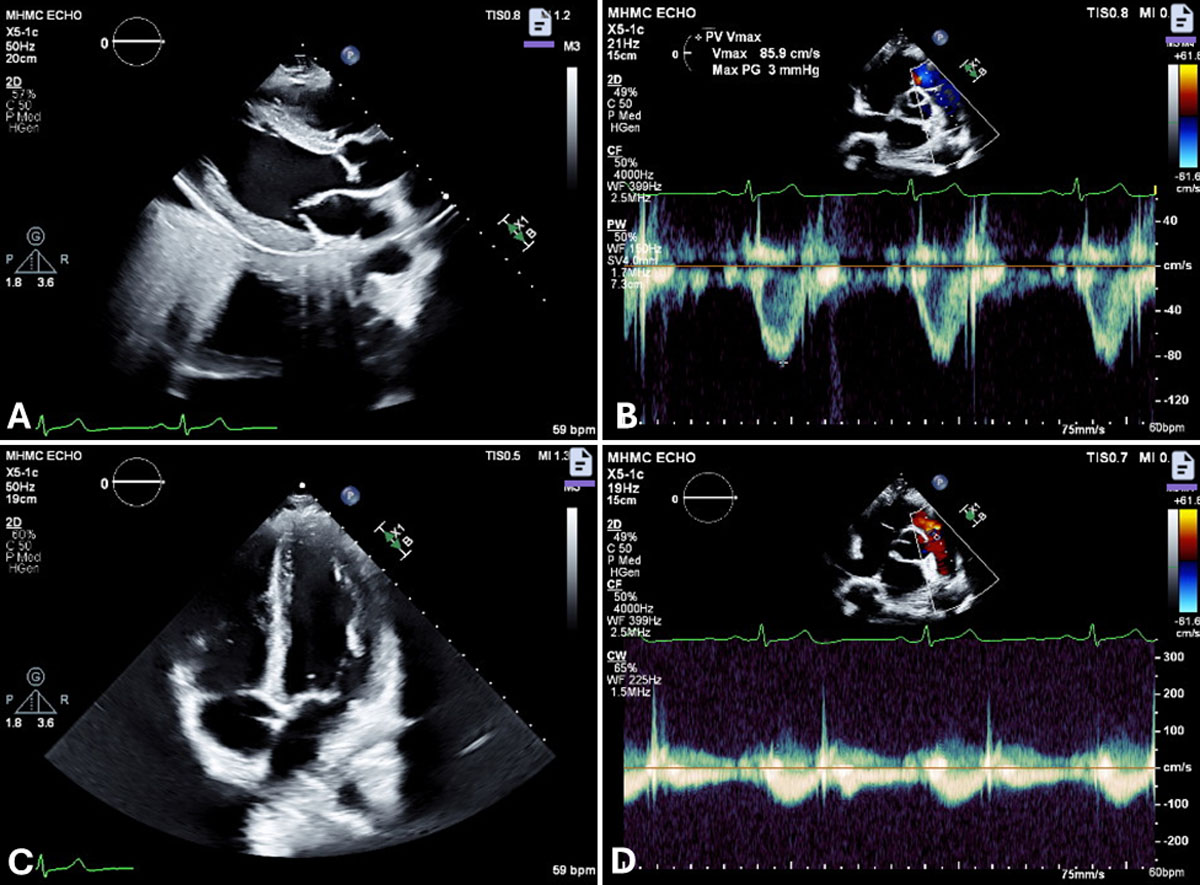
Figure 2
Echocardiography demonstrating preserved left and right ventricular systolic function.
A coronary angiography showed nonobstructive coronary arteries (Figure 3), and subsequent cardiac magnetic resonance highlighted no significant findings (Figure 4).
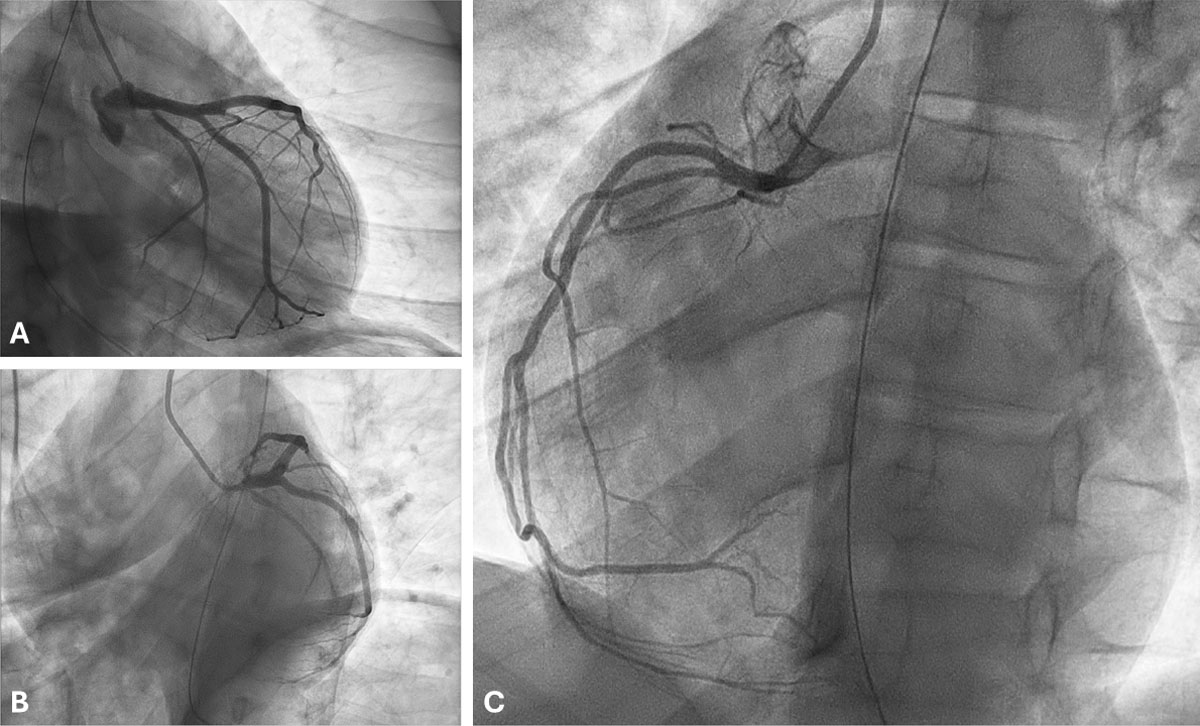
Figure 3
Coronary angiography showing nonobstructive coronary arteries.
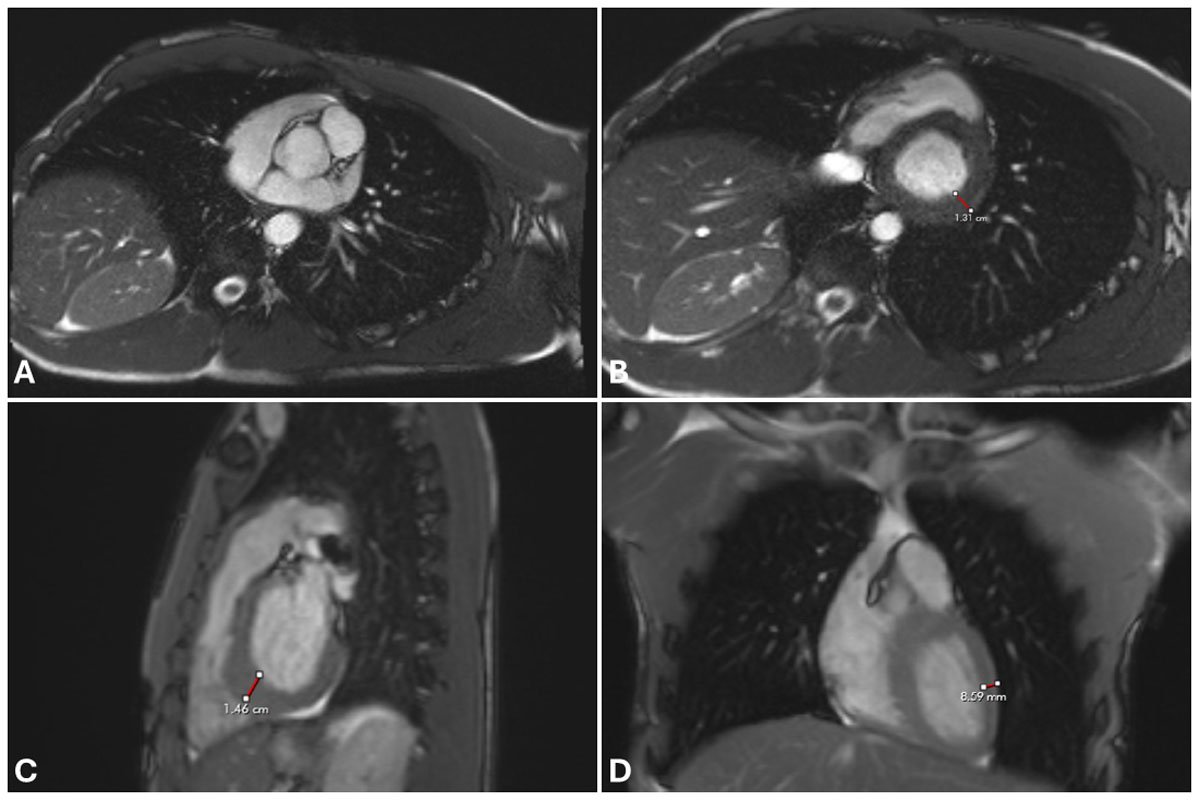
Figure 4
Cardiac magnetic resonance imaging showing findings within normal limits.
Given the clinical picture of recurrent ventricular tachycardia in the setting of normal findings on electrocardiogram, echocardiogram, coronary angiography, and cardiac MR, a decision was made to pursue genetic testing for inherited channelopathies. The genetic panel returned positive for a mutation in the Ryanodine receptor channel-2 (RyR2) gene. This finding confirmed the presence of a genetic channelopathy characterized by RyR2 calcium channel dysfunction, consistent with a diagnosis of catecholaminergic polymorphic ventricular tachycardia (CPVT).
Following the diagnosis, the patient was initiated on beta-blocker therapy, specifically propranolol. The goal of this treatment was to prevent further episodes of VT and reduce the likelihood of necessary interventions from the patient’s ICD.
Discussion
We demonstrate a case of a 24-year-old male with recurrent episodes of loss of consciousness, ultimately diagnosed with a RyR2 channel mutation leading to PVT. While highlighting the importance of thorough history-taking, it also emphasizes the value of genetic investigation in young patients presenting with syncopal episodes and atypical cardiac symptoms with non-corroborating imaging. It also notably emphasizes the critical role of the RyR2 channel in cardiac rhythm regulation.
The RyR2 gene encodes the cardiac ryanodine receptor, a crucial component of the sarcoplasmic reticulum (SR) responsible for calcium release during excitation-contraction coupling in cardiomyocytes.1 Mutations in this gene are associated with CPVT, a rare but potentially fatal inherited arrhythmogenic disorder. CPVT is characterized by stress-induced ventricular arrhythmias that can lead to syncope, seizures, or SCD, particularly in young individuals with structurally normal hearts.2, 3, 4
The presentation of recurrent loss of consciousness in a young adult should always prompt a thorough cardiac evaluation. While more common causes such as vasovagal syncope, orthostatic hypotension, or neurological disorders might be initially suspected, the possibility of life-threatening arrhythmias must be considered.3 In this case, the diagnosis of an RyR2 mutation underscores the value of genetic testing in uncovering the underlying cause of recurrent syncope, especially when initial cardiac evaluations may appear unremarkable.
The pathophysiology of RyR2 mutations in causing PVT involves abnormal calcium handling within cardiomyocytes that results in increased calcium release from the SR, leading to cytosolic calcium overload. This excess calcium can trigger delayed after-depolarizations and subsequent ventricular arrhythmias, particularly under conditions of heightened sympathetic activity.2, 4 The polymorphic nature of the VT in this patient is consistent with the varying sites of origin of these triggered arrhythmias within the ventricular myocardium.
Management of patients with RyR2 mutations and CPVT presents a unique set of challenges. The mainstay of treatment typically involves beta-blockers to reduce sympathetic stimulation and prevent catecholamine-induced arrhythmias.5 In some cases, additional antiarrhythmic medications such as flecainide may be considered.6 For patients with recurrent events despite optimal medical therapy, implantable cardioverter-defibrillator (ICD) placement may be necessary. However, ICD use in young patients carries its own risks and complications, necessitating a careful risk-benefit analysis.5
This case also underscores the importance of family screening. Given the autosomal dominant inheritance pattern of RyR2 mutations, a cascade genetic testing of first-degree relatives is crucial for identifying at-risk family members who may benefit from preventive measures and close monitoring.7
From a research perspective, this case contributes to the growing body of literature on genotype-phenotype correlations in CPVT. Further studies on specific RyR2 mutations and their functional consequences may lead to more targeted therapies in the future. Furthermore, this case highlights the potential for gene-specific therapies, such as RNA interference or gene editing techniques, which are currently under investigation for various genetic cardiac disorders.8, 9
Conclusion
This case report of a 24-year-old male diagnosed with an RyR2 mutation leading to CPVT underscores the importance of considering genetic arrhythmia syndromes in the differential diagnosis of unexplained loss of consciousness in young adults. It also highlights the crucial role of the RyR2 gene in cardiac rhythm regulation and demonstrates the merit of thorough evaluation and genetic testing, even when initial cardiac assessments appear normal.
In addition, it emphasizes the necessity of family screening due to the autosomal dominant inheritance pattern of RyR2 mutations. This report not only contributes to the growing understanding of genotype-phenotype correlations in CPVT but also points to the potential for future gene-specific therapies within the realm of cardiology. This is a powerful reminder of the ongoing need for research into the molecular mechanisms of inherited arrhythmias, with the ultimate goal of improving patient outcomes and preventing sudden cardiac death in vulnerable populations.
Competing Interests
The authors have no competing interests to declare.